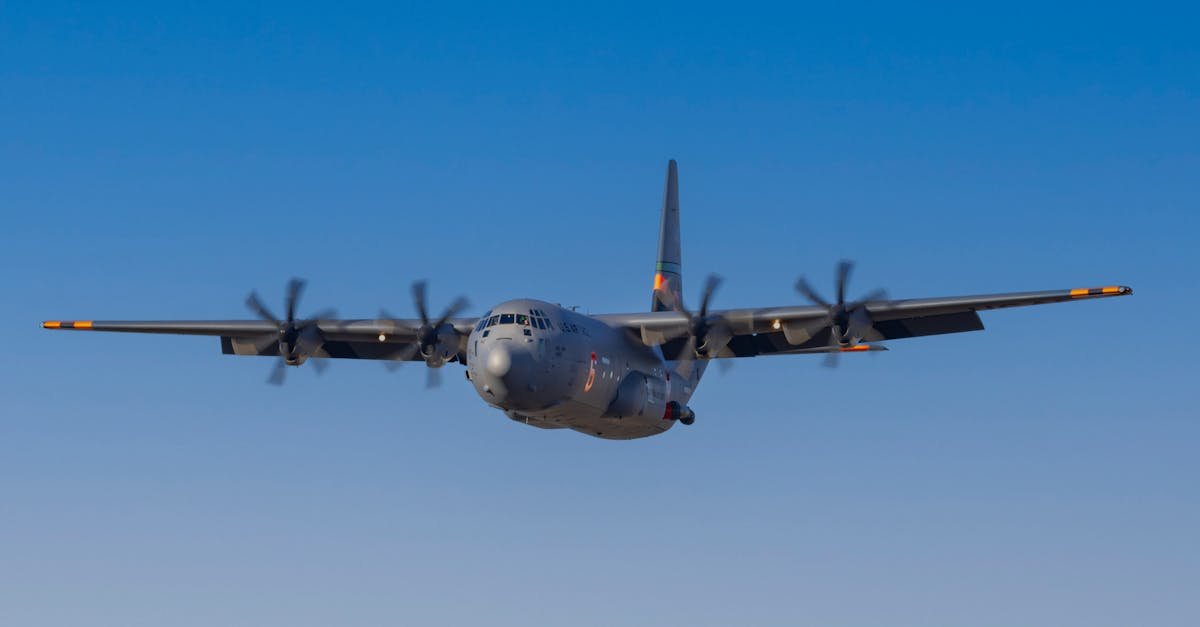
The quiet of a Saturday morning at Shannon Airport was shattered by a security breach that has left international observers and local authorities searching for answers. An intruder managed to enter a highly restricted area of the airfield and carry out a physical assault on a United States Air Force C-130 Hercules transport aircraft. While the airport is no stranger to political tension and protest, the nature of this specific incident stands out for its raw, physical aggression against a multi-million dollar military asset.
The Morning the Alarm Was Raised
The situation began to unfold at roughly 9.45 am on Saturday. Airport staff and security personnel were alerted to the presence of an unauthorized individual in a sensitive part of the facility. The intruder was spotted on a remote taxiway,far from the main passenger terminal where civilians usually gather. This area is reserved for specialized aircraft and logistics, making the presence of any pedestrian a cause for immediate concern.
Witnesses soon realized that the man had not just entered the apron but had actually climbed onto the wing of the C-130 Hercules. This aircraft, a workhorse of the American military valued at approximately $160 million, was parked in a standby position. Once he was atop the wing, the man reportedly used a hatchet to strike the fuselage and the upper surface of the aircraft multiple times. The sound of metal hitting metal echoed across the tarmac as the intruder continued his assault on the plane.
A Tense Standoff on the Tarmac
When first responders arrived at the scene, they were faced with a unique tactical challenge. The suspect was perched high above the ground on the wing of the massive transport plane. Standard patrol vehicles and ground-level tactics were insufficient to reach him safely without risking further damage to the aircraft or causing a dangerous fall.
To solve the problem, airport police and fire services had to bring in mobile boarding stairs. These are the same sets of stairs used by passengers to board commercial flights. By wheeling the stairs up to the wing, officers were finally able to bridge the gap. In a coordinated effort involving the Airport Police, the Gardaí, and members of the Irish Defence Forces who were already on duty at the site, the man was successfully detained. The entire ordeal, from the initial sighting to the moment the suspect was in handcuffs, lasted about 30 minutes.
The Immediate Fallout for Air Travel
While the focus was on the military aircraft, the security breach had a ripple effect on civilian travel. As a safety precaution, Shannon Airport officials were forced to suspend all flight operations. This resulted in a brief but significant lockdown of the facility.
One commercial flight arriving from Lourdes was forced into a holding pattern, circling the skies over County Clare while police cleared the runway area. Two other departing flights faced delays on the ground. Operations eventually resumed about 25 minutes later, once the area was declared secure and the suspect had been transported to a nearby Garda station. However, the brief closure served as a stark reminder of how a single individual can disrupt an international travel hub.
Assessing the Damage to the C-130 Hercules
In the world of aviation, there is no such thing as a minor strike with a metal tool. The C-130 Hercules is built to be rugged and capable of landing on dirt strips in war zones, but its skin is still a precisely engineered layer of aluminum.Sources close to the investigation have described the damage to the fuselage as extensive.
Even if the hatchet did not puncture the interior of the cabin, any dent or scrape on a pressurized aircraft requires a deep inspection. Engineers must check for structural fatigue or hairline fractures that could worsen under the intense pressure of high-altitude flight. The U.S. Air Force will likely have to fly in a specialized maintenance crew to determine if the plane is airworthy or if it requires a lengthy stay in a hangar for repairs.
Recent History of Security Breaches at Shannon
This hatchet attack is not an isolated event in the history of Shannon Airport. The facility has long been a focal point for activists who object to the use of Irish soil by the United States military. For decades, protesters have argued that allowing military stopovers at Shannon compromises the neutrality of the country.
In the past year alone, there have been several similar incursions. Just last November, a van breached the perimeter and made its way toward a parked U.S. Navy jet. In that instance, activists managed to throw paint at the plane before being intercepted. Other incidents have involved protesters cutting through perimeter fences to reach the runway. While most of these actions involve symbolic gestures like spray painting or holding banners, the use of a hatchet marks a shift toward more destructive methods.
The Multi Agency Investigation Begins
The investigation into Saturday’s attack is now being handled by the Gardaí with support from airport authorities. There are two primary goals for this inquiry. The first is to understand the motive of the man in custody. Investigators are looking into whether he has ties to organized protest groups or if he was acting entirely on his own.
The second, and perhaps more critical, goal is to figure out exactly how he got onto the airfield. Airport police have been seen patrolling the long perimeter fence that surrounds Shannon Airport, looking for signs of a forced entry or a gap in the wiring. Modern airports use a combination of physical barriers, motion sensors, and high-definition cameras,so the fact that someone reached the remote taxiway undetected is a major point of concern for the Shannon Airport Group.
The Path Forward for Airport Security
In the wake of this event, there will almost certainly be a review of how military aircraft are protected while they are on the ground in Ireland. Currently, a mix of private airport security and national police provide oversight, but this incident might lead to calls for a more permanent or robust military presence near these specific aprons.
The suspect remains in custody and is expected to face charges related to criminal damage and trespassing in a restricted area. As the legal process begins, the U.S. Air Force and Irish authorities will have to coordinate on the logistics of repairing the damaged Hercules. For now, the focus remains on patching the holes in the aircraft and the holes in the security fence that allowed this bizarre encounter to happen in the first place.
Leave a Reply