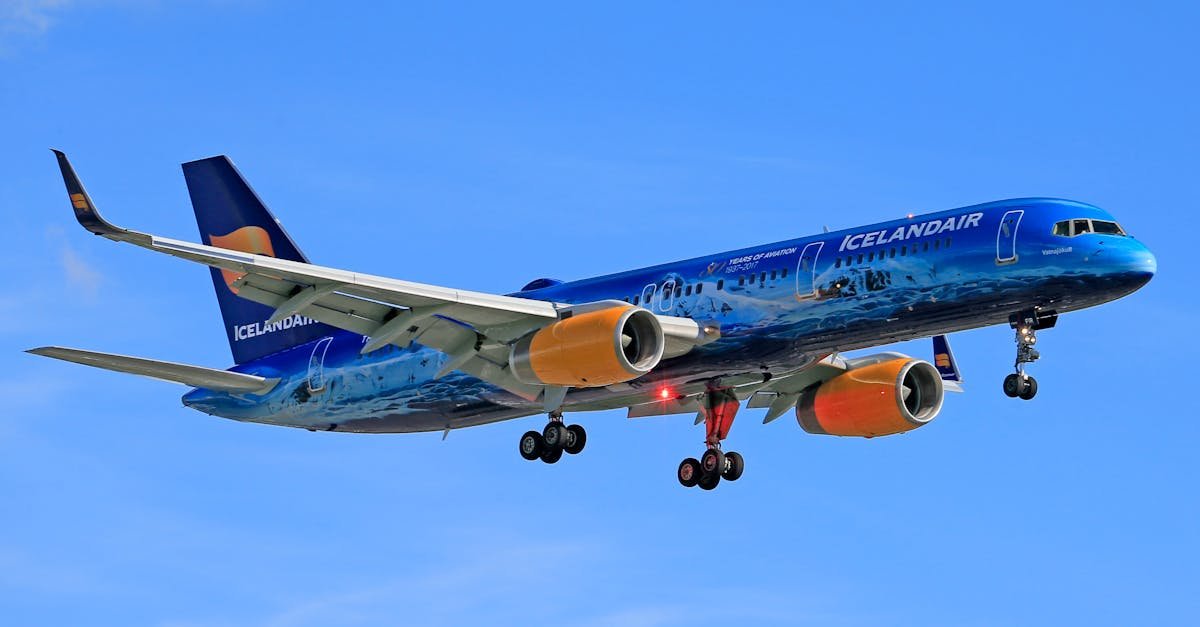
The world of commercial aviation is built on a foundation of absolute predictability. Every turn, every descent, and every knot of airspeed is usually governed by a strict set of rules designed to keep hundreds of passengers safe. However, a recent event involving an Icelandair Boeing 757 has reignited a fierce debate about the line between professional discipline and the sentimental traditions of the cockpit. What was supposed to be a quiet retirement flight for a veteran captain turned into a national talking point when he decided to give his hometown a farewell they would never forget.
On 11 April, a flight originating from Frankfurt was on its final approach to Reykjavik. Instead of following the standard arrival path, the aircraft performed a low altitude flyover of Vestmannaeyjar. Reports and flight data suggest the massive jet descended to approximately 330 feet above the ground. For those on the ground, the sight was terrifying. For the pilot, it was a 60 second tribute to his roots. Now, the industry is left to pick up the pieces of a damaged reputation.
A Hometown Salute That Shook the Earth
Vestmannaeyjar is a small, tight knit community where everyone knows everyone. When a Boeing 757 suddenly appeared at an altitude usually reserved for birds and small drones, the reaction was instantaneous. Residents reported that their houses began to vibrate. Windows rattled and the roar of the engines filled the air with a volume that suggested something was going horribly wrong.
In the digital age, nothing happens in secret. Within minutes, videos began surfacing on social media. Some clips showed the jet from the ground, looking like a silver giant skimming just above the rooftops. Other videos, filmed by excited passengers inside the cabin, showed the green cliffs of the island rushing past at eye level. While the passengers cheered, the people on the ground were calling emergency services, fearing that a major air disaster was about to unfold in their backyard.
The Invisible Contract of the Cockpit
When a passenger buys a ticket, they are entering into a silent agreement with the airline. They trust that the pilot will follow every safety protocol to the letter. This is the core of the aviation industry. Modern flying is safe specifically because it is boring and repetitive. By deviating from the flight plan to perform an unauthorized maneuver, the captain essentially broke that contract.
Critics within the aviation community argue that a passenger jet is not a personal toy. A Boeing 757 weighs tens of thousands of pounds and carries enough fuel to cause a catastrophe. Using such a machine for a personal “victory lap” is seen by many as a massive breach of ethics. Even if the pilot was highly skilled and felt he was in total control, the lack of a safety margin at 330 feet is what keeps safety investigators awake at night. At that height, a simple bird strike or a sudden engine failure leaves almost no time for a pilot to recover before hitting the ground.
The Romantic Defense of the Sky God
On the other side of the fence, there is a vocal group of supporters who see this as a harmless final act for a man who spent his life in the sky. In the earlier days of aviation, these types of flyovers were much more common. Pilots were seen as explorers and masters of their craft, and a “low pass” was a standard way to mark a retirement or a special occasion.
To his supporters, this captain was simply bringing a bit of old school soul back to a modern industry that has become overly robotic. They argue that he knew the terrain perfectly, the weather was clear, and he was one of the most experienced pilots in the fleet. In their eyes, the investigation is a cold response to a warm gesture. They believe that after 40 years of perfect service, a pilot should be allowed a minute of celebration.
Icelandair and the Regulatory Fallout
For the airline, there is very little room for sentiment. Icelandair quickly moved to distance itself from the incident, calling it a serious breach of internal procedures. This is not just about a pilot being “naughty” but about the legal and financial survival of the company. Airlines operate under strict licenses provided by government authorities. If an airline is seen as having a culture where pilots can freely ignore flight plans, those licenses can be put at risk.
The Icelandic Transport Authority is now involved in a formal investigation. This means the pilot might face more than just a slap on the wrist. Even though he is already retiring, the legal ramifications could affect his licensing or even his pension depending on the severity of the findings. The company has to prove to the world that they do not condone this behavior, which puts them in the difficult position of having to publicly condemn a long term, loyal employee.
The Psychological Impact on a Community
One aspect of this story that often gets overlooked is the mental toll on the people of Vestmannaeyjar. While aviation enthusiasts might focus on the mechanics of the flight, the residents were subjected to an unexpected high stress event. In a world where news of plane crashes is common, seeing a jet that low is a signal of death.
The “cool factor” of a flyover disappears when you are a parent on the ground wondering if a plane is about to crash into your child’s school. This is the perspective that modern safety culture tries to protect. A pilot’s tribute should never come at the expense of a community’s peace of mind. The vibration and noise were not just annoyances but were perceived as threats to life by many who witnessed the event.
Why Technical Skill Is Not a Valid Excuse
Experienced pilots often fall into the trap of thinking their skill outweighs the need for rules. This is a phenomenon known in psychology as overconfidence bias. A pilot with 20,000 hours in the air might feel that they can handle a Boeing 757 like a small Cessna. However, the laws of physics do not care about a pilot’s resume.
The 757 is a high performance aircraft with massive engines. Maneuvering it at low altitudes requires significant thrust and changes in pitch that can easily lead to a stall if things go wrong. By choosing to fly at 330 feet, the pilot removed the “safety buffer” that exists for every commercial flight. If a gust of wind had pushed the plane down just a few more feet, the story today would not be about a controversial tribute but about a national tragedy.
Moving Beyond the Era of Maverick Pilots
This incident likely marks the final nail in the coffin for the “maverick” style of commercial piloting. The industry has moved toward a system where the pilot is a manager of complex systems rather than a lone wolf. Data tracking tools now monitor every second of a flight, and any deviation is immediately flagged by flight tracking software that the public can access for free.
In the past, a pilot might have gotten away with a low pass in a remote area. Today, thousands of people are watching live maps. This transparency makes it impossible for airlines to hide these events, even if they wanted to. The captain’s 60 second tribute was recorded by dozens of phones and tracked by satellites, ensuring that his final act of defiance would be his most documented one.
The Long Term Shadow on a 40 Year Career
It is a tragedy in itself that a four decade career might be remembered for its final minute rather than the thousands of safe hours that came before it. This is the danger of the “final salute.” Instead of being celebrated for his reliability and his thousands of successful landings, this captain will now be known as the man who forced an investigation and embarrassed his employer.
For younger pilots coming up through the ranks, this serves as a powerful lesson. The cockpit is a place of service, not a stage for personal expression. As the investigation continues, the aviation world will be watching closely to see if the authorities choose to be lenient due to his history or if they will set a harsh example to ensure nobody else tries to follow in his footsteps.
The Future of Aviation Tradition
As we move forward, the way we celebrate the end of a pilot’s career will have to change. The traditional “water salute” where fire trucks spray a departing or arriving plane on the taxiway is a safe and regulated way to show respect. Private flyovers with passenger jets, however, are likely a thing of the past.
The industry must find ways to honor its veterans without compromising the safety standards that make flying the safest way to travel. The debate over this Icelandair flight shows that while the public loves a good story, they value their safety and the quiet of their homes even more. The 60 seconds of glory may have felt worth it in the moment, but the cost to the pilot’s reputation and the airline’s brand will be felt for years to come.
Leave a Reply