Category: News

  • Why Spirit’s Bankruptcy Exit Just Hit a $100-a-Barrel Wall

    Why Spirit’s Bankruptcy Exit Just Hit a $100-a-Barrel Wall

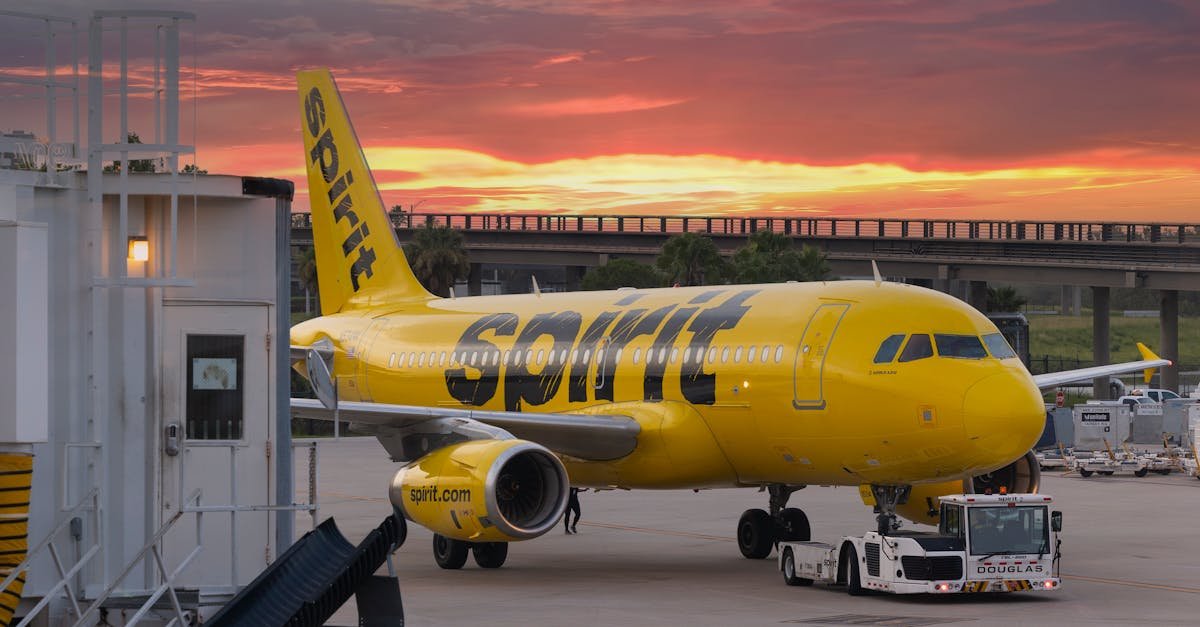
    The financial sky was supposed to be clearing for Spirit by now. After a turbulent year spent navigating the complex halls of bankruptcy court, the famous yellow planes were finally on a flight path toward stability. The plan was simple on paper: shrink the fleet, cut the debt, and focus on the most profitable routes. But a sudden and massive spike in global oil prices has thrown the airline into a tailspin. With jet fuel now hovering near record highs, the very foundation of the recovery plan for Spirit is starting to crumble.

    The Math of a Meltdown

    Every airline is sensitive to the cost of fuel, but Spirit is in a uniquely difficult position. When the airline drafted its restructuring papers, it made a very specific bet on the future. The leadership team assumed that jet fuel would cost about $2.24 per gallon throughout 2026. This number was the cornerstone of their Project Soar initiative, which aimed to return the company to profitability by late next year.

    The reality of 2026 has been far less kind. Geopolitical tensions and supply chain shocks have pushed the price of jet fuel toward $4.24 per gallon in many markets. This is not just a minor budget overage; it is a doubling of the most significant expense Spirit faces. Analysts at major banks have pointed out that this price hike adds roughly $360 million in extra costs to the Spirit ledger. For a company that only has about $273 million in unrestricted cash left, that $360 million gap is a hole that cannot be easily filled.

    Why the Ultra Low Cost Model is Breaking

    The Spirit business model relies on a high volume of travelers paying very low base fares. To keep those fares low, every other cost must be kept in check. In a typical year, Spirit can manage its margins by selling add ons like bags and seat assignments. However, when fuel prices rise as sharply as they have this spring, the airline loses its most important tool: price flexibility.

    Legacy carriers that cater to business travelers can often raise ticket prices because their customers have deep pockets or corporate accounts. Spirit serves the budget traveler, the person looking for a $50 weekend getaway. If Spirit raises that fare to $100 to cover the fuel bill, that customer often decides not to fly at all. This puts Spirit in a trap where they cannot pass the costs to the consumer without destroying the demand that keeps their planes full.

    READ MORE: Spirit Airlines in 2026: What Flyers Really Need to Know Before Booking

    Creditors are Losing Patience

    When Spirit entered its most recent bankruptcy phase, lenders were willing to play along because they saw a viable path to getting their money back. They agreed to swap debt for equity and allowed the airline to keep flying under the promise of a leaner, more efficient operation. That goodwill is now evaporating as fast as the fuel in the tanks.

    The groups funding the Spirit credit lines are looking at the new fuel projections and seeing a plan that no longer works.They are starting to ask if it makes more sense to stop the losses now rather than continuing to fund an airline that might never turn a profit again. If the lenders decide the restructuring is no longer feasible, they have the power to push for a Chapter 7 liquidation. In that scenario, the Spirit brand would vanish, and the planes would be sold off to pay back the banks.+1

    The Shrinking Fleet Strategy

    To save itself, Spirit has already started a radical transformation. The airline has gone from over 200 aircraft down to a projected fleet of just 76 by the middle of August. The idea was that a smaller Spirit would be a stronger Spirit. By flying fewer planes on only the busiest routes, they hoped to maximize the revenue from every single seat.

    While this strategy lowers the total amount of money the company spends, it also lowers the total amount of money coming in. It leaves Spirit with almost zero margin for error. With a fleet of only 76 planes, a single mechanical issue or a week of bad weather can have a devastating impact on the bottom line. When you add a $100 a barrel oil market to that tiny margin, the safety net disappears entirely.

    What This Means for the Traveling Public

    For years, Spirit has acted as a downward pressure on the entire aviation industry. Even people who never fly the yellow planes benefit from their existence because other airlines have to lower their prices to compete. If Spirit faces liquidation, the impact on ticket prices across the country will be felt almost immediately.

    In cities like Fort Lauderdale, Orlando, and Las Vegas, Spirit is a dominant force. If those hundreds of daily flights disappear, the remaining airlines will have more power to set higher prices. For the budget conscious traveler, the loss of Spirit would mean the end of an era of ultra cheap domestic travel. The options for getting across the country for under $100 are already disappearing, and a Spirit exit would likely finish them off.

    The Race Against Time and Tensions

    The leadership at Spirit is currently working around the clock to find a way out. They are looking at every possible way to raise cash, from selling more aircraft to finding new investors. They are also trying to convince the bankruptcy court that they can offset the fuel surge with higher fees and better scheduling.

    However, time is not on their side. The longer fuel prices stay at these elevated levels, the more cash Spirit burns every single day. The airline is effectively in a race to see if oil prices will drop before their bank accounts hit zero.

    A Fight for the Future of Budget Flight

    The story of Spirit is more than just a story about one company. It is a test case for whether the budget airline model can survive in a world of high energy costs and economic instability. If Spirit can find a way to navigate this $100 a barrel wall, it will prove that there is still a place for the ultra low cost carrier in the modern world.

    If they fail, the aviation industry will look very different by the end of the year. The focus will shift away from the bare fare model and back toward the larger, more stable carriers that can weather these types of storms. For now, the world is watching the yellow planes and the global oil tickers, waiting to see which one moves first. The next few weeks will decide if Spirit continues to fly or if it becomes a memory in the history of American aviation.

  • American Airlines: The Charlotte Near-Miss That Proves the LaGuardia Tragedy Wasn’t an Outlier

    American Airlines: The Charlotte Near-Miss That Proves the LaGuardia Tragedy Wasn’t an Outlier

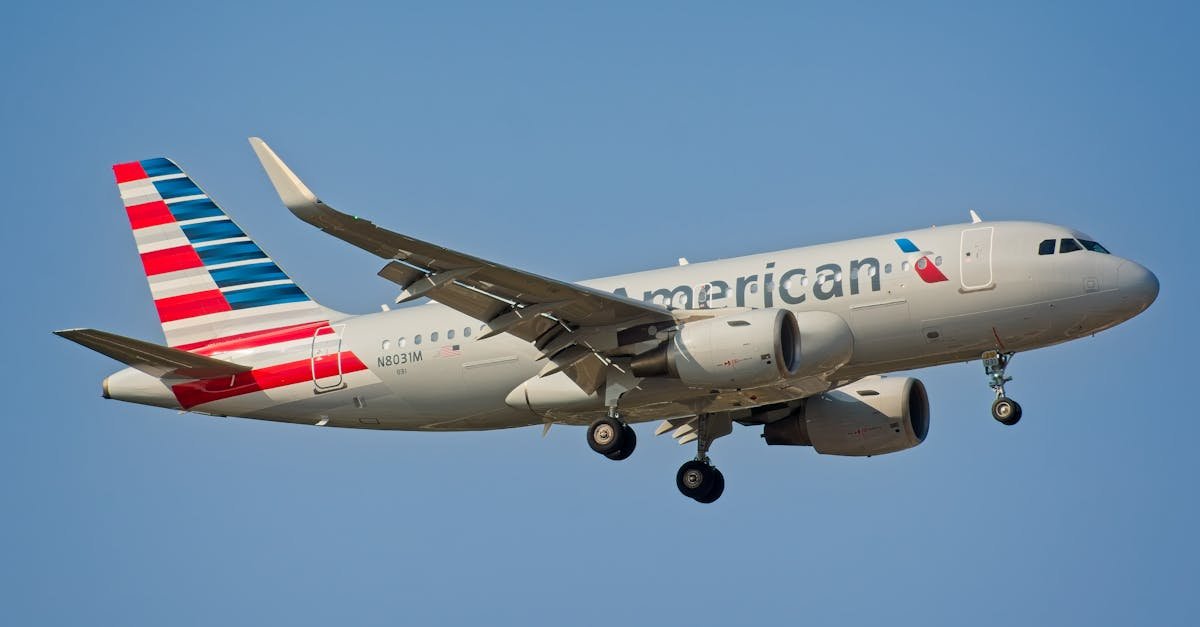
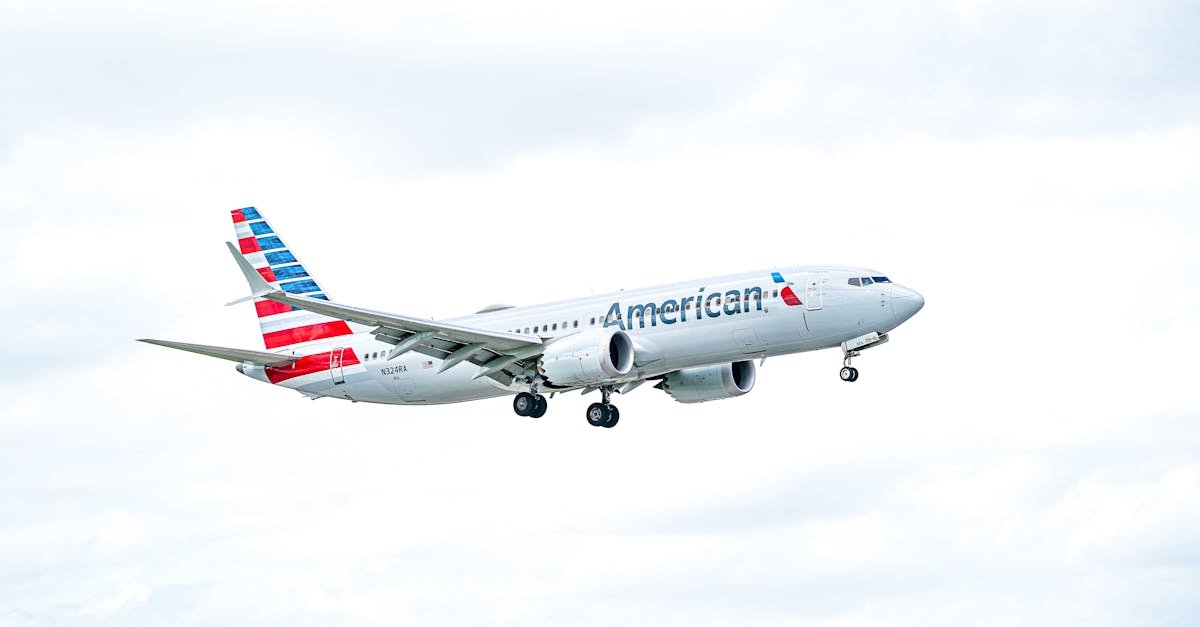
    The sound of tires screeching against hot pavement is rarely something a passenger expects to hear before a flight even leaves the ground. For those on board an American Airlines flight at Charlotte Douglas International Airport recently,that jarring sensation became a terrifying reality. As the aircraft began its initial roll for takeoff, the pilot was forced to slam on the brakes to avoid a service truck that had suddenly darted across its path.

    This narrow escape comes at a time when the aviation world is still reeling from a devastating collision at LaGuardia Airport just a month ago. In that instance, the outcome was fatal, leaving the industry to wonder if these ground-level dangers are becoming a new norm. The incident involving American Airlines in Charlotte serves as a stark reminder that the most dangerous part of a journey might not be at thirty thousand feet, but rather the chaotic minutes spent navigating the airport tarmac.

    A High Speed Close Call in Charlotte

    The details of the event at Charlotte Douglas International Airport paint a picture of a disaster barely avoided. An American Airlines Airbus A319 was cleared for its departure to Washington D.C. when the cockpit crew noticed a white and black operations truck crossing the active taxiway directly in front of them. According to audio captured from the cockpit, the pilot expressed immediate frustration and alarm, noting that they nearly hit the vehicle and had to apply maximum braking pressure to stop the massive jet.

    The plane rocked forward as it came to a dead stop, a physical manifestation of the energy required to halt an aircraft in motion. For American Airlines, the vigilance of the crew was the only thing standing between a routine morning flight and a headline making catastrophe. While the airport later stated that the incident occurred in a gate area rather than a main runway, the proximity was enough to trigger an FAA investigation. It highlights a growing concern that ground vehicle drivers and aircraft are sharing space in ways that are increasingly unpredictable.

    The Haunting Memory of the LaGuardia Collision

    It is impossible to look at the American Airlines scare in North Carolina without reflecting on the tragedy at LaGuardia Airport just weeks prior. In that case, an Air Canada flight collided head on with a fire truck on a runway, resulting in the deaths of two pilots and dozens of injuries. That event shattered the long held belief that modern airport safety systems were virtually foolproof.

    The LaGuardia crash was a worst case scenario, but it set the stage for how the public perceives these ground incursions. When the American Airlines crew had to hit the brakes in Charlotte, they were likely acutely aware of how quickly a small vehicle can turn into a lethal obstacle. The fact that two such significant events happened within a thirty day window suggests that the safety protocols governing how trucks and planes interact on the ground are under immense strain.

    The Chaos of the Modern Airport Tarmac

    Airports have become victims of their own success. Hubs like Charlotte have seen a massive surge in traffic, meaning more planes are moving in tighter windows of time. To support these flights, a small army of ground vehicles must constantly swarm the aircraft. Fuel trucks, catering vans, baggage tugs, and maintenance vehicles are in a perpetual dance around moving jets.

    For an American Airlines pilot, the view from the cockpit is surprisingly limited. While these planes are marvels of engineering, the nose and the massive engines create significant blind spots. Pilots often rely on ground controllers to keep the path clear, but the human element remains a vulnerability. If a driver loses focus for even five seconds or misses a radio call, they can find themselves in the path of a moving American Airlines jet that weighs over one hundred thousand pounds.

    Technology Gaps on the Ground

    There is a strange irony in modern aviation technology. A jet operated by American Airlines can navigate across the ocean using satellite GPS and land itself in zero visibility conditions using automated systems. Yet, once that same plane is taxiing toward a gate, it often relies on the naked eye and basic radio communication to avoid hitting a pickup truck.

    The FAA has been working to bridge this gap with Surface Awareness Initiative technology. This system is designed to give air traffic controllers and pilots better data on where every vehicle is located on the tarmac. However, the rollout of such technology is slow and expensive. Many airports still operate with “hot spots” where visibility is poor or traffic patterns are confusing. The recent American Airlines incident suggests that until every service vehicle is equipped with tracking transponders that talk directly to the cockpit, the risk of a collision will remain uncomfortably high.

    Why Ground Safety is the New Frontier

    For decades, the focus of aviation safety was on engine reliability and mid air collisions. We have largely mastered those challenges, making commercial flight the safest way to travel. Because of this success, the focus is now shifting toward the ground. The tarmac is a high pressure environment where workers are often rushed to turn planes around quickly to maintain the American Airlines schedule.

    When speed is prioritized over space, mistakes happen. The American Airlines close call in Charlotte was a victory for pilot training and situational awareness, but it was also a failure of the broader ground safety net. It proves that the “Ghost of LaGuardia” isn’t just a memory; it is a persistent threat that exists every time a plane pushes back from the gate.

    Protecting the Future of the Runway

    The aviation industry is at a crossroads. Following the American Airlines near miss, there are louder calls for stricter licensing for ground vehicle drivers and mandatory automated braking systems for airport equipment. Some experts suggest that the ground environment needs to be as strictly regulated as the skies themselves.

    For the passengers who were sitting on that American Airlines flight in Charlotte, the event was likely a brief moment of confusion followed by relief. But for the airline and the regulators, it was a warning. If we do not address the way vehicles move around our airports, it is only a matter of time before the next “near miss” doesn’t end with a sudden stop,but with an impact.

    Staying Alert in a Busy Sky

    Safety is never a finished product in the world of flight. It is a constant process of learning from what went wrong and what almost went wrong. The American Airlines crew in Charlotte did exactly what they were trained to do, but they should never have been put in that position in the first place.

    As we look forward, the goal must be to ensure that American Airlines and other carriers can operate in an environment where the ground is as predictable as the sky. The lessons from LaGuardia and Charlotte must be turned into action.Whether it is through better lighting, advanced radar for ground vehicles, or simpler traffic patterns, the industry owes it to the traveling public to make sure that a truck crossing the road is never the reason a flight fails to reach its destination.

  • Akasa Air and SpiceJet Aircraft Incident Today: What Happened and What We Know So Far

    Akasa Air and SpiceJet Aircraft Incident Today: What Happened and What We Know So Far

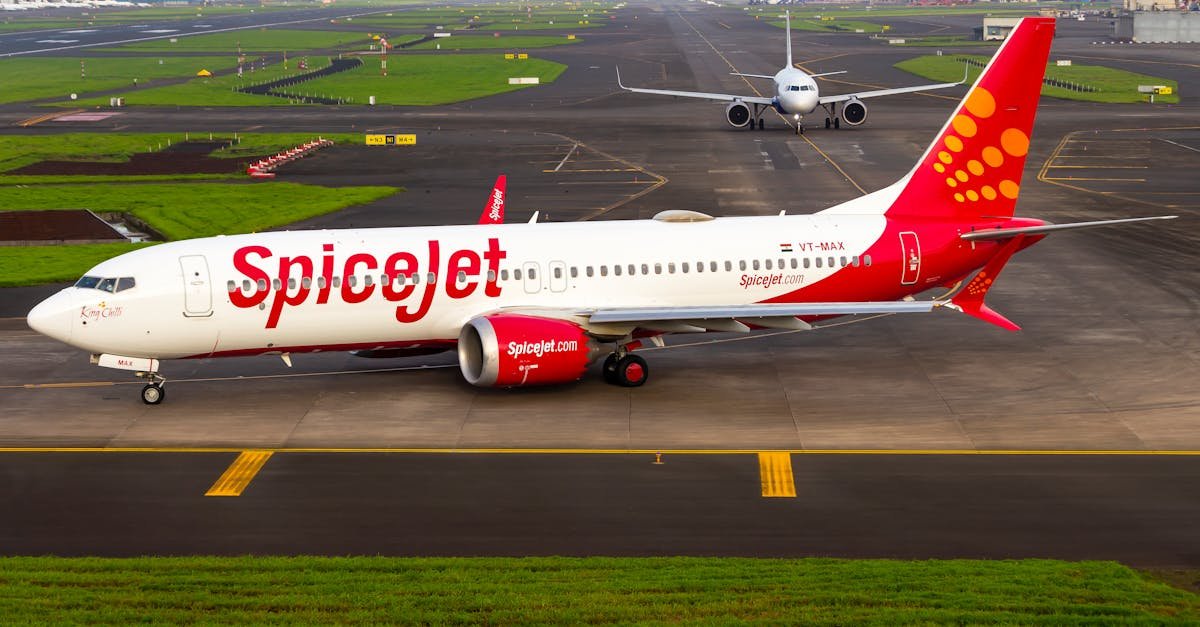
    A busy afternoon at Indira Gandhi International Airport in Delhi took an unexpected turn today when two commercial aircraft were involved in a ground collision. The incident occurred on April 16, 2026, and involved a SpiceJet plane and an Akasa Air flight. While both aircraft sustained visible damage, the most important outcome is that all passengers and crew members on both sides are safe and uninjured. Ground incidents like these are rare but serve as a reminder of the complex dance that happens on the tarmac of one of the busiest airports in the world.

    Details of the Tarmac Collision in Delhi

    The event took place around 2:15 pm when the airport was buzzing with afternoon departures and arrivals. According to flight records and official statements, a SpiceJet Boeing 737-700 was taxiing toward its designated gate after arriving from Leh. At the same time, an Akasa Air Boeing 737 MAX 8 was preparing for its journey to Hyderabad.

    The Akasa Air aircraft, operating as flight QP 1406, was reportedly stationary at the time of the impact. It was either waiting for pushback or had just completed it when the moving SpiceJet aircraft made contact. The wings of the two planes clipped each other, creating a loud thud that was heard by ground staff and some passengers on board.

    Because the planes were moving at very low speeds typical for taxiing, the impact did not result in any catastrophic failure. However, the physical contact was enough to cause significant structural damage to specific parts of both jets.The right winglet of the SpiceJet plane was damaged during the scrape, while the Akasa Air plane suffered a hit to its left hand horizontal stabilizer.+1

    Passenger Safety and Immediate Response

    Immediately after the contact was made, both flight crews followed standard safety protocols. The pilots stopped their respective aircraft to assess the situation and communicated with the Air Traffic Control tower. Emergency services at Delhi airport were alerted as a precaution, which is the standard procedure for any physical contact between aircraft.

    Passengers on the Akasa Air flight, who were expecting to be in the air on their way to Hyderabad, instead found themselves returning to the terminal. The airline confirmed that all passengers and crew members were safely disembarked without any panic or injuries. SpiceJet also confirmed that its passengers were safe and that the aircraft was taxied to a parking bay for a full inspection.

    Akasa Air ground teams quickly began working on alternative arrangements for their stranded travelers. Dealing with a grounded aircraft at the last minute is a logistical challenge, but the airline prioritized getting people to their destination on a different plane. For many travelers, the day was defined by a long wait and a bit of a scare, though the professional handling of the situation helped keep tensions low.

    Technical Damage to the Aircraft

    While the word collision sounds dramatic, the actual damage was localized to the extremities of the planes. On the SpiceJet side, the winglet is the upward curved part at the very tip of the wing. These are designed to improve fuel efficiency and aerodynamics. Replacing or repairing a winglet is a specialized task that requires the plane to be out of service for several days.

    The Akasa Air plane was hit on the horizontal stabilizer, which is the small wing like structure at the tail of the aircraft.This part is crucial for maintaining the pitch and balance of the plane during flight. Because this is a primary flight control surface, the damage must be repaired to exact manufacturer specifications before the plane can be cleared to fly again.

    Both airlines have grounded the involved aircraft. Specialized engineering teams are now tasked with performing non destructive testing to ensure there are no hidden cracks or internal structural issues caused by the force of the bump. Until these inspections are finished and the DGCA gives the green light, these planes will remain in the hangars at Delhi.

    Understanding the Cause of Ground Incidents

    Whenever a SpiceJet plane or any other aircraft moves on a taxiway, they are guided by a combination of cockpit vision, ground markings, and instructions from the tower. In some cases, a “follow me” vehicle or wing walkers are used to ensure there is enough clearance in tight spaces.

    Preliminary reports suggest that the Akasa Air plane was stationary when the SpiceJet jet was maneuvering nearby.Investigations will look into whether there was a miscommunication regarding the parking position or if the SpiceJet pilots had enough clearance to pass behind or beside the Akasa aircraft.

    Visibility at the time was reportedly good, so weather is unlikely to have played a major role. Instead, investigators from the Directorate General of Civil Aviation will look at the taxiway charts and the specific path taken by the SpiceJet crew. They will also review cockpit voice recorders and flight data to see if any warnings were missed or if ground marshaling instructions were followed correctly.

    The Role of Regulatory Oversight

    The DGCA has already initiated a formal inquiry into the matter. This is standard for any “ground occurrence” involving commercial carriers. The goal of such an investigation is not just to assign blame but to identify if there are any systemic issues at the airport that could lead to similar problems in the future.

    Inspectors will talk to the pilots of the SpiceJet flight and the Akasa Air crew to get their first hand accounts. They will also examine the ground radar data which tracks every movement of vehicles and planes on the airport surface. If it is found that the SpiceJet plane drifted from its assigned line or if the Akasa plane was not in its designated spot, corrective actions will be mandated.

    Incidents like this often lead to changes in how planes are spaced out during taxiing or how certain gates are used. Safety in aviation relies on learning from these minor scrapes to prevent larger accidents. Both carriers have expressed their full cooperation with the authorities to ensure a transparent investigation.

    Impact on Airline Operations

    For a company like SpiceJet, having an aircraft out of service can lead to a ripple effect of delays across their network. Aircraft rotations are tightly scheduled, and losing one Boeing 737 for repairs means other flights might have to be merged or cancelled. The airline has been working hard to maintain its schedule integrity, and this incident adds an extra layer of operational pressure.

    Akasa Air is also in a phase of growth, and losing a 737 MAX 8 even for a few days impacts their capacity. However, both airlines have stated that passenger safety remains the absolute priority. They are focusing on minimizing the inconvenience to those who were booked on the subsequent legs of these aircrafts’ journeys.

    Ground collisions, while costly in terms of repairs and lost time, are usually seen as preventable errors. As the aviation industry in India continues to grow at a rapid pace, the density of traffic at hubs like Delhi creates a challenging environment for ground operations. This event will likely prompt a review of safety protocols for all ground handling agencies and flight crews operating at the terminal.

    Moving Forward and Improving Safety

    The aviation community views every incident as a lesson. While the sight of a damaged winglet on a SpiceJet jet is concerning, the fact that the safety systems and emergency responses worked as intended is a positive takeaway. The industry relies on a culture of reporting and analyzing every small mistake to maintain its impressive safety record.

    In the coming days, we can expect more detailed reports once the flight data has been fully analyzed. For now, the focus remains on the repair of the two Boeing jets and the continued monitoring of taxiway procedures at Indira Gandhi International Airport. Passengers traveling through Delhi can expect normal operations to continue, though there may be a heightened sense of caution among ground crews as they navigate the busy apron areas.

    Aviation remains the safest mode of transport, and even though a SpiceJet and Akasa plane touched wings today, the quick thinking of the crews and the robust design of the aircraft ensured that it remained a minor footnote in the day’s operations rather than a serious tragedy. The investigation will provide the final answers, helping to ensure that the wings of different airlines never have to meet on the ground again.

  • What Happened on the Emergency Frequency? FAA Investigates Pilots Heard Meowing and Woofing

    What Happened on the Emergency Frequency? FAA Investigates Pilots Heard Meowing and Woofing

    The world of aviation is built on a foundation of strict discipline, clear communication, and unwavering professionalism. Every word spoken over the airwaves is intended to serve a specific purpose, primarily ensuring the safety of hundreds of people traveling through the sky. However, a bizarre and troubling trend has recently captured public attention, leading to a situation where the FAA investigates pilots heard meowing and woofing on restricted frequencies. This behavior, while seemingly a harmless prank to those involved, represents a significant breach of protocol that can have life-threatening consequences.

    The Incident at Reagan National Airport

    In April 2026, a series of transmissions near Ronald Reagan Washington National Airport left air traffic controllers and the broader aviation community in a state of disbelief. While managing the complex flow of traffic at one of the busiest hubs in the United States, a controller began to hear unusual sounds interrupting the standard flow of flight numbers and altitude instructions. Instead of the typical professional banter, the radio was filled with the sounds of cats meowing and dogs barking.

    The audio, which quickly went viral across social media platforms, highlights a startling lack of decorum. It was not just a one-time occurrence; the animal noises persisted for several minutes. At one point, a controller, clearly reaching the end of his patience, was heard reminding the crews that they needed to remain professional. Despite this direct warning, the noises continued. The situation became even more heated when the controller pointed out that such behavior was exactly the reason some pilots remain in regional positions rather than advancing to major carriers.

    Why the Guard Frequency Is Sacred

    To understand why the FAA investigates pilots for these actions, one must understand the importance of the frequency used. In aviation, 121.5 MHz is known as the international emergency frequency, or more commonly as Guard. This channel is reserved for aircraft in distress, emergency locator transmitter signals, and for controllers to reach pilots who may have accidentally switched to the wrong frequency or suffered a radio failure.

    By international law and FAA regulations, Guard is meant to be kept clear of all non-emergency chatter. When a pilot keys their microphone to meow or bark, they are effectively blocking the channel. If a nearby aircraft were attempting to report an engine failure, a medical emergency on board, or a hijacking, those critical calls might never reach the ground. The airwaves can only handle one transmission at a time on a single frequency, meaning a single joke can silence a cry for help.

    The Cultural Problem of Guard Trolling

    While the recent events at Reagan National have made headlines, the truth is that meowing on Guard has been an underground nuisance in the aviation world for years. It is often described as a verbal meme. One pilot will make a noise, and others, thinking they are anonymous, will join in. This creates a chain reaction of unprofessionalism that can span hundreds of miles, as the VHF signal from a high-altitude jet carries a long way.

    Many veteran captains and safety experts have expressed deep frustration with this culture. They argue that it reflects a dangerous level of complacency. When the FAA investigates pilots involved in these incidents, they are looking at more than just a prank; they are looking at a breakdown in the safety culture that is supposed to govern every flight. The anonymity of the radio has long protected those who engage in this behavior, but modern technology is making it much easier for authorities to track the source of these transmissions.

    Safety Risks in High Pressure Environments

    The timing of this particular incident added a layer of gravity to the situation. Reagan National Airport is known for its challenging approach and high-traffic volume. Adding unnecessary distractions to a controller’s workload is inherently dangerous. When a controller has to stop and reprimand a pilot for making animal noises, their focus is momentarily taken away from the vital task of separating aircraft in the sky.

    Furthermore, the regional jet crews involved were operating in an area with a sensitive history. Aviation is an industry where lessons are often learned through tragedy, and the margin for error is incredibly thin. By cluttering the emergency frequency, these pilots were not just being immature; they were actively compromising the safety of the National Airspace System. This is a primary reason why the FAA investigates pilots who misuse these communication tools.

    Tracking Down the Source of Interference

    One might wonder how a pilot can be caught when they are speaking into a radio from miles away. While it used to be difficult to pinpoint a specific cockpit, the FAA and the Federal Communications Commission have improved their ability to monitor and locate unauthorized transmissions. Additionally, many modern aircraft are equipped with digital systems that log radio usage.

    In many cases, the pilots give themselves away. Because they are often listening to multiple radios at once, they may accidentally transmit their company call sign or respond to an air traffic control instruction while still keyed into the Guard frequency. Once a specific flight is identified, the airline can check the cockpit voice recorder or interview the crew. When the FAA investigates pilots, they work closely with the airlines to ensure that those responsible are held accountable for their actions on the flight deck.

    Professional and Legal Consequences

    The fallout for a pilot caught participating in these antics can be career-ending. The FAA has the authority to suspend or even revoke a pilot’s license for the misuse of aviation frequencies. This is not a slap on the wrist; it is a permanent mark on a professional record that can make a pilot unhireable at major airlines.

    Beyond the government level, airlines take these matters very seriously. Most major carriers have strict codes of conduct that emphasize professionalism at all times. Being part of an incident where the FAA investigates pilots for making animal noises is a major embarrassment for an airline’s brand. In the past, pilots have been terminated for such behavior, especially those who are still on probation or in training.

    The Human Element of Aviation

    At the heart of this issue is a question of human behavior and the psychological impact of boredom during long flights. Aviation can involve long stretches of routine activity, which sometimes leads younger or less disciplined crews to seek entertainment in inappropriate ways. However, the cockpit is an office where the lives of hundreds are in the balance, and the radio is the primary tool for maintaining that safety.

    The general public’s reaction to the audio recordings has been a mix of amusement and alarm. While some see it as a silly prank, the majority of travelers expect the people flying their planes to be fully focused and professional. The contrast between the gravity of the job and the juvenile nature of the barking and meowing is what makes this story so compelling and why the FAA investigates pilots with such vigor.

    Guarding the Future of Flight Safety

    The goal of any investigation into radio misuse is to prevent future occurrences. By making an example of those who disrupt emergency frequencies, the authorities hope to reinforce the importance of radio discipline. Education is also a key component, as flight schools and training departments are being encouraged to emphasize the legal and safety ramifications of Guard trolling.

    As technology continues to evolve, the ability to maintain a clean and reliable communication environment will only become more important. The sky is becoming more crowded with the introduction of drones and advanced air mobility vehicles, making clear radio channels a non-negotiable requirement for safety.

    Maintaining Professionalism in the Skies

    The incident of animal sounds on the radio serves as a stark reminder that professionalism must be maintained from takeoff to touchdown. While humor has its place in any workplace, the emergency frequency is a sacred space that must be protected. When the FAA investigates pilots, they are sending a clear message that the rules of the air apply to everyone, regardless of whether they are flying a small regional jet or a massive wide-body aircraft. The integrity of the aviation system depends on the mutual respect and discipline of every individual who keys a microphone to speak to the world below.

  • Loose Screws on Lion Air Boeing 737-800: Is It Dangerous? What Aviation Experts Say

    Loose Screws on Lion Air Boeing 737-800: Is It Dangerous? What Aviation Experts Say

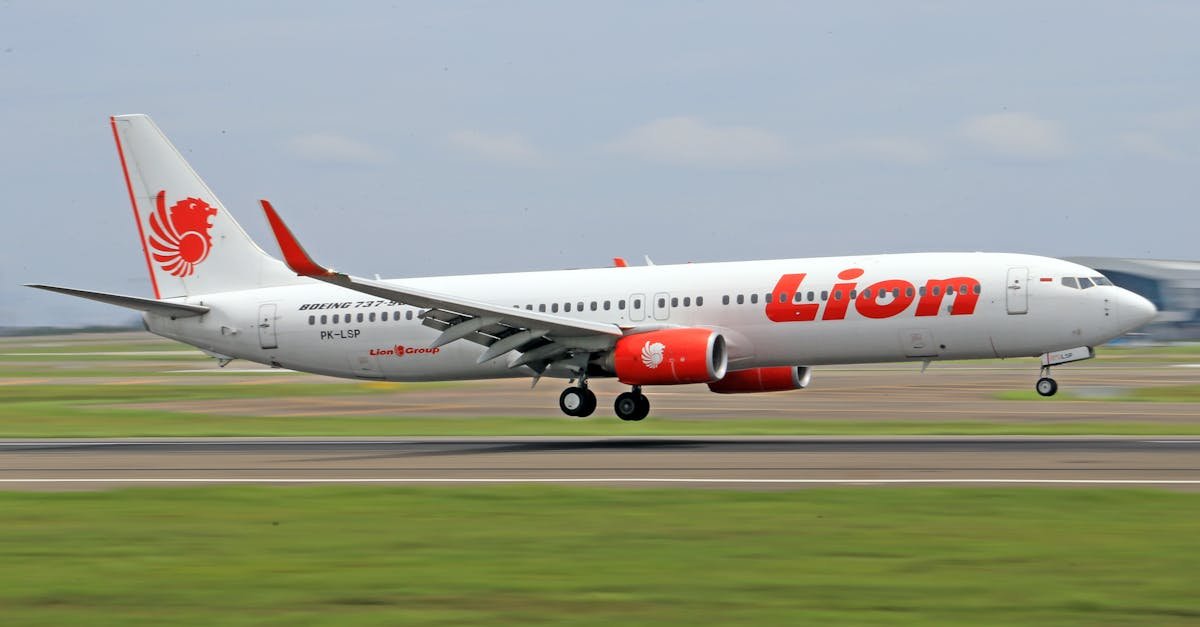
    In the world of air travel, few things trigger a passenger’s anxiety faster than seeing something out of place on an airplane wing. Recently, a video went viral showing what appeared to be loose screws or bolts on a Lion Air Boeing 737-800 during a flight from Bangkok to Chiang Mai. For the person filming, the sight of metal fasteners vibrating or protruding from the wing surface felt like a sign of an impending disaster. However, to understand if this situation is truly dangerous, one must look past the initial fear and examine the engineering reality of how modern jets are built.

    Aviation experts often point out that while any maintenance irregularity is a concern, not every loose screw represents a structural failure. To get to the bottom of the Lion Air incident, we need to explore the difference between decorative panels, aerodynamic fairings, and the actual load-bearing bones of the aircraft.

    Understanding the Role of Fasteners on the Boeing 737-800

    The Boeing 737-800 is one of the most widely used aircraft in the history of aviation. It is a workhorse for airlines like Lion Air and is designed with multiple layers of redundancy. When you look at the wing of a plane, you are not looking at a single solid piece of metal. Instead, you see a complex assembly of panels, access doors, and moving parts like flaps and slats.

    Thousands of fasteners hold these components together. On an aircraft operated by Lion Air, these fasteners fall into two main categories: structural and non-structural. Structural bolts are the heavy-duty components that keep the wing attached to the fuselage or hold the engines in place. These are rarely visible to the naked eye from a passenger window.Non-structural screws, on the other hand, are often used to secure access panels or aerodynamic “skins” that smooth out the airflow.

    When a screw appears loose on a Lion Air flight, it is almost always one of these non-structural fasteners. While they are important for efficiency and protecting internal systems, the loss of one or two usually does not compromise the ability of the aircraft to stay in the air.

    Why Do Screws Come Loose on Commercial Flights?

    It might seem impossible that a highly regulated machine could have a loose part, but the environment of flight is incredibly harsh. Aircraft owned by Lion Air fly multiple cycles a day, moving from the intense heat of the runway to the freezing temperatures of high altitudes. This constant thermal cycling causes metal to expand and contract.

    Furthermore, vibration is a constant factor. Between the roar of the engines and the buffeting of the air at 500 miles per hour, every part of the plane is under steady mechanical stress. Over time, even the most secure screw can begin to back out if the locking mechanism fails or if it was not torqued perfectly during the last maintenance check.

    In the specific case of the Lion Air video, experts noted that the screws were likely part of a fairing. A fairing is a specialized cover used to reduce drag. Even if a fairing vibrates or a screw comes loose, the underlying wing box remains solid and unaffected.

    READ MORE: Kuwait Airways Boeing 777 Tail-Strike Protection Saves Flight at Amsterdam

    The Lion Air Response and Maintenance Protocols

    After the video gained traction online, Lion Air moved quickly to address the public concern. The airline stated that the aircraft in question underwent a thorough inspection immediately after landing. According to their technical team, the plane continued to meet international safety standards and the incident did not pose a direct risk to the flight’s operation.

    Safety is the top priority for any major carrier, and Lion Air is no exception. The airline follows a strict Maintenance Steering Group (MSG-3) protocol. This involves:

    • Daily Inspections: Ground crews perform walk-around checks before every single flight to look for obvious issues like leaking fluids or loose panels.
    • A-Checks: More detailed inspections that happen every few hundred flight hours.
    • C-Checks and D-Checks: Heavy maintenance where the aircraft is essentially stripped down and rebuilt to ensure every bolt is in top condition.

    Despite these rigorous checks, small issues like a loose screw on a non-critical panel can occasionally slip through between major service intervals.

    What Aviation Experts Say About the Risk

    When asked about the danger of loose screws on a Boeing 737-800, most pilots and aeronautical engineers offer a calming perspective. They explain that aircraft are “over-engineered” by design. This means that if a panel requires ten screws to stay secure, it is likely designed to stay attached even if three or four of them are missing.

    One expert noted that while seeing a loose bolt on a Lion Air wing is “unsightly” and “unprofessional” from a maintenance standpoint, it is rarely a safety emergency. The real danger would be if a large panel detached and struck the tail of the plane or got sucked into an engine. However, the fasteners used in aviation are designed to stay captured in their holes even when loose, preventing them from becoming flying debris.

    How Passengers Should React to Visual Defects

    If you are sitting on a Lion Air flight and notice something that looks wrong, the best course of action is to stay calm and inform the cabin crew. Flight attendants are trained to relay this information to the pilots. The flight crew can then consult their Minimum Equipment List (MEL) to determine if the issue requires an immediate return to the gate or if it can be handled upon arrival at the destination.

    It is important for passengers to remember that the pilots are on the same plane. They have a vested interest in the safety of the flight and will not take off if they believe a mechanical issue puts the aircraft at risk. The visibility of a loose screw is often more frightening than the technical reality of the situation.

    Maintaining Trust in Aviation Safety

    The viral nature of social media means that a single video can quickly change the public perception of an airline. For Lion Air, incidents like these are an opportunity to reinforce their commitment to safety and transparency. While the sight of a loose screw is a reminder that maintenance must always be flawless, it also highlights the incredible resilience of modern aircraft.

    Aviation remains the safest form of long-distance travel. The systems in place on a Lion Air Boeing 737-800 are designed to handle minor wear and tear without endangering lives. By understanding the difference between a cosmetic issue and a structural one, travelers can fly with more peace of mind.

    Strengthening Oversight for the Future

    Moving forward, the aviation industry continues to adopt new technologies to prevent these minor lapses. Many airlines, including Lion Air, are looking into high-definition camera systems and AI-assisted inspections that can spot tiny defects faster than a human eye during a quick walk-around.

    Better tracking of fastener torque and the use of more advanced locking washers are also becoming standard. The goal is to reach a point where even the smallest non-structural screw stays perfectly in place for the entire life of the maintenance cycle. While no machine is perfect, the constant evolution of safety protocols ensures that Lion Air and other carriers keep improving their service.

    Final Thoughts on Aircraft Integrity

    While the headlines about loose screws on a Lion Air jet might sound alarming, the consensus among experts is clear:the aircraft is designed to handle such minor occurrences. The Boeing 737-800 is a remarkably sturdy machine, and the layers of redundancy built into its frame ensure that a few loose fasteners on an aerodynamic cover do not lead to a catastrophe. Passengers can continue to trust the rigorous engineering and the strict regulatory frameworks that keep the skies safe for everyone.

  • Kuwait Airways Boeing 777 Tail-Strike Protection Saves Flight at Amsterdam

    Kuwait Airways Boeing 777 Tail-Strike Protection Saves Flight at Amsterdam

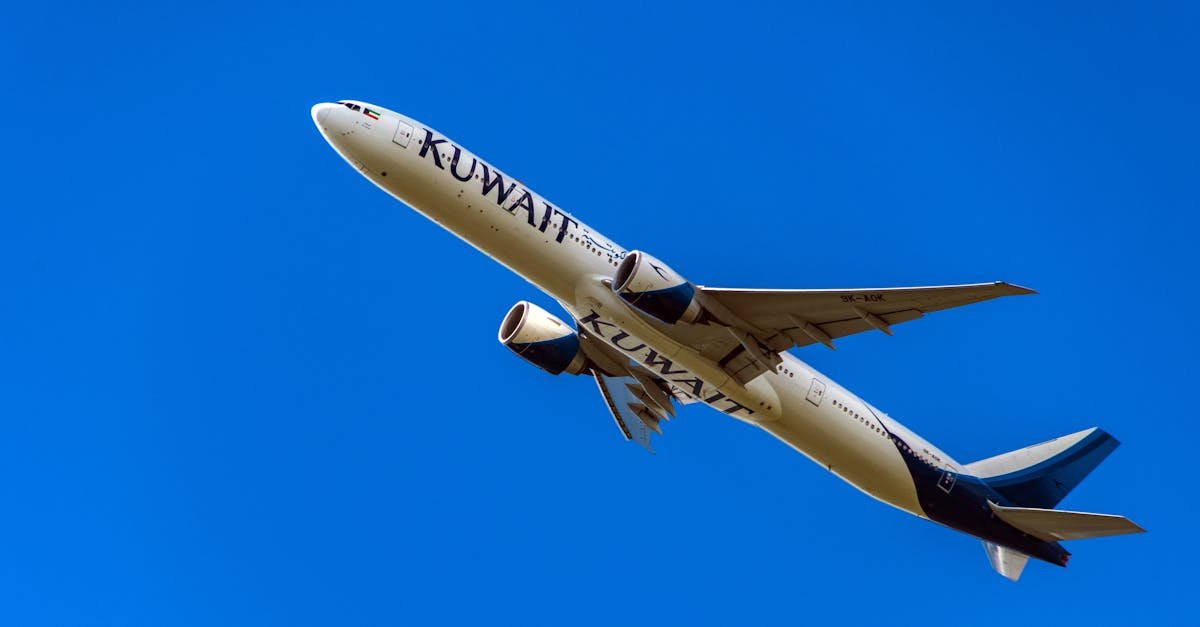
    A recent landing at Amsterdam Schiphol Airport involving a Kuwait Airways Boeing 777-300ER has become a major talking point in the aviation community. While thousands of flights land safely at Schiphol every week, this specific arrival highlighted the incredible thin line between a routine touchdown and a serious accident. The aircraft, a massive long-haul jet known for its reliability, encountered a significant challenge during its final moments in the air. Thanks to a sophisticated onboard safety system, what could have been a disastrous tail strike or a full aerodynamic stall was narrowly avoided.

    The Sequence of Events at Schiphol Airport

    The flight was progressing normally as it approached the runway in Amsterdam. Pilots on a Kuwait Airways aircraft of this size are highly trained to manage the complex dynamics of a heavy wide-body jet. However, as the plane crossed the runway threshold, the landing flare was initiated much earlier than recommended. In aviation, the flare is the maneuver where the nose is raised slightly to break the descent and ensure a smooth touchdown.

    By starting this maneuver too high and too aggressively, the Kuwait Airways jet began to bleed off speed far too quickly. As the airspeed dropped below safe limits, the wings began to lose their ability to generate enough lift to support the massive weight of the Boeing 777. Instead of settling gently onto the pavement, the aircraft started to sink rapidly while the nose was pointed dangerously high toward the sky.

    Understanding the Aerodynamics of a Near Stall

    When a plane like the ones operated by Kuwait Airways enters an excessive pitch-up attitude at low speeds, it nears a condition called a stall. This does not mean the engines stop working. Instead, it means the air can no longer flow smoothly over the wings. At Schiphol, the high angle of the fuselage meant the aircraft was acting like a giant barn door in the wind, creating immense drag.

    As the speed fell, the rate of descent increased. This is a terrifying situation for any flight crew because the natural instinct is to pull back on the stick to stop the sinking feeling. However, pulling back further in a low-speed situation only makes the stall worse and increases the risk of the back of the plane hitting the ground. This is where the engineering of the Kuwait Airways fleet proved its worth.

    How Tail Strike Protection Intervened

    The Boeing 777-300ER used by Kuwait Airways is equipped with a fly-by-wire system that includes a specific safety feature known as Tail Strike Protection. This system is a silent guardian that monitors the height of the aircraft, its pitch rate, and its proximity to the runway. As the Kuwait Airways pilots pulled back on the controls, the computer realized that the current path would result in the rear fuselage slamming into the runway.

    The system took over by electronically limiting the elevator movement. Even though the pilots may have been asking for more nose-up pitch, the computer refused the command to protect the structural integrity of the Kuwait Airways jet.By forcing the nose back down slightly, the system allowed the plane to regain a tiny bit of energy and ensured that the wheels touched the ground before the tail could make contact.

    The Role of Pilot Training and Technology

    No airline wants to find its aircraft in such a precarious position, but the incident involving Kuwait Airways serves as a masterclass in why modern safety tech exists. Pilots at Kuwait Airways undergo rigorous simulator training to handle precisely these kinds of energy-management issues. While human error in the timing of a flare can happen due to fatigue, optical illusions, or sudden wind shifts, the technology acts as a final safety net.

    In this instance, the Kuwait Airways crew had to manage a very “floaty” aircraft that suddenly lost its buoyancy. The 777-300ER is a very long airplane, and the distance between the main landing gear and the tail is significant. A few degrees of extra pitch can be the difference between a safe landing and millions of dollars in structural damage. The intervention of the protection logic kept the Kuwait Airways flight within the safe envelope of operation.

    Why Long Aircraft Are More Susceptible

    The Boeing 777-300ER is a stretched version of the original 777 design. Because it is so long, Kuwait Airways and other operators must be extremely mindful of the geometry of the aircraft during takeoff and landing. When the nose is raised, the tail swings downward toward the ground like a see-saw.

    At Amsterdam, the combination of low airspeed and a high sink rate meant the Kuwait Airways aircraft was in a “high alpha” state. In simpler terms, the plane was tilted so far back that the tail was only a few feet from the ground while the wheels were still in the air. If not for the automated flight control laws, the Kuwait Airways tail would have likely scraped the runway, leading to an immediate grounding and a massive repair bill.

    Examining the Conditions at Amsterdam Schiphol

    Schiphol is known for its unpredictable weather and shifting winds. While the exact weather data at the time of the Kuwait Airways incident is still being reviewed, pilots often deal with “gusty” conditions that can cause an aircraft to balloon or sink during the flare. If a pilot over-corrects for a sudden gust, they might end up with the nose too high.

    Observers who witnessed the Kuwait Airways landing noted that the plane seemed to hang in the air for a moment before the pitch was abruptly corrected by the onboard systems. This abrupt correction is a hallmark of the computer stepping in to say “no more.” It is a testament to the safety culture at Kuwait Airways that their fleet is equipped with the latest versions of this protective software.

    The Importance of Stabilized Approaches

    Every landing at an international hub involves a concept called a stabilized approach. For a Kuwait Airways flight, this means being at the right speed, on the right path, and with the right engine power by the time the plane is 1,000 feet above the ground. If any of these factors are off, the landing can become a struggle.

    In the case of this landing at Schiphol, the approach might have started out perfectly stable, but the transition from the approach to the flare is where the trouble began. The aviation industry uses these moments as learning opportunities.Kuwait Airways will likely use the flight data recorder information from this event to help other pilots understand how to avoid similar energy-state errors in the future.

    Beyond the Landing Gear

    When a tail strike is prevented, it is not just about avoiding a loud noise or a few sparks. A tail strike can compromise the pressure vessel of the aircraft. If a Kuwait Airways jet were to hit its tail and then take off again without realizing the damage, the results could be catastrophic during pressurization at high altitudes.

    By preventing the contact entirely, the Boeing system ensured that the Kuwait Airways airframe remained airworthy.This saved the airline from an expensive “ferry flight” for repairs and kept the passengers safe from any secondary risks. It also prevented the closure of one of Schiphol’s busy runways, which would have caused a ripple effect of delays for hours.

    Future Safety Improvements for the Fleet

    As technology evolves, Kuwait Airways continues to benefit from software updates that make these wide-body jets even smarter. The 777 series has one of the best safety records in history, and incidents like the one in Amsterdam show why. The plane is designed to help the pilot when things go wrong.

    The interaction between the human in the cockpit and the software in the electronics bay is a delicate balance. In this Schiphol landing, the software did exactly what it was programmed to do. It allowed Kuwait Airways to land the plane safely despite a momentary lapse in the ideal landing technique. As we look toward the future of flight, this kind of “envelope protection” will only become more common, ensuring that even when mistakes are made, they don’t turn into tragedies.

    Lessons Learned from the Schiphol Incident

    The aviation world will continue to look at the footage and data from this Kuwait Airways landing for years to come. It serves as a reminder that even the most experienced pilots on the most advanced planes must remain vigilant during the most critical phases of flight. The touchdown is the final hurdle of every journey, and as this Kuwait Airways flight showed, the aircraft’s own brain is often its best defense against the unexpected.

    Safety remains the top priority for Kuwait Airways, and the successful recovery from this near-stall situation proves that the layers of safety in modern aviation are working. From the design of the Boeing wings to the lines of code in the flight computer, every piece of the puzzle came together to ensure the flight ended with a safe taxi to the gate rather than a call to emergency services.

  • Air India’s $2.4B Loss Forces Funding Talks With Singapore Airlines: Trouble After Merger?

    Air India’s $2.4B Loss Forces Funding Talks With Singapore Airlines: Trouble After Merger?

    The global aviation industry just received a massive wake up call. While most international carriers are finally finding their footing after years of instability, Air India has reported a staggering annual loss of over $2.4 billion. This financial crater has sent shockwaves through the market, particularly for its partners. According to a recent report by Bloomberg, the situation has become so dire that the airline is now officially reaching out to its primary shareholders for an emergency cash injection.

    At the center of this financial storm is a very familiar name to luxury travelers: Singapore Airlines. As a key stakeholder in the newly merged entity that includes Vistara, Singapore Airlines now finds itself in a complicated position. They are being asked to help foot the bill for a deficit that far exceeded what even the most pessimistic analysts had predicted.

    The Bloomberg Report and the Billion Dollar Reality Check

    The news first broke via Bloomberg, detailing how the Tata Group and Singapore Airlines are being pressured to provide fresh capital. For the American audience, $2.4 billion is a number that is hard to wrap your head around. To put it in perspective, that is enough money to buy several dozen brand new long haul jets. Instead, that money has vanished into operational costs, technical hurdles, and the massive undertaking of trying to fix an airline that was neglected for decades.

    Air India has been trying to execute a total transformation plan. They wanted to upgrade their cabins, hire thousands of new staff, and fix their tarnished reputation for safety and punctuality. However, the Bloomberg findings suggest that the costs of these upgrades, combined with high fuel prices and technical delays, have created a hole that the airline simply cannot climb out of on its own.

    READ MORE: Air India Crash Safety: Why Seat 11A Isn’t a Magic Number Expert Explains The Myth

    Why Singapore Airlines is the Key Player

    You might wonder why a carrier based in Southeast Asia is so deeply involved in the financial health of an Indian airline. The answer lies in the strategic merger between Air India and Vistara. Singapore Airlines held a significant stake in Vistara and, as part of the deal to create a single massive carrier, they moved their investment into the parent company.

    This means that Singapore Airlines is not just a passive observer. They are a deeply integrated partner. For Singapore Airlines, this investment was supposed to be a gateway into the massive Indian travel market, which is one of the fastest growing in the world. But right now, that gateway is looking more like a financial trap. The leadership at Singapore Airlines must now decide if they want to double down on their investment or if they are concerned about throwing good money after bad.

    The Growing Gap in Quality and Profit

    The contrast between these two partners could not be more obvious. On one hand, you have Singapore Airlines, which is consistently ranked as one of the best, if not the best, airline in the world. They are known for incredible service, world class food, and a fleet of aircraft that is kept in pristine condition. Their profit margins are usually the envy of the industry.

    On the other hand, Air India is struggling with a legacy of old planes, broken seats, and a brand that many international travelers avoid if they have another choice. The $2.4 billion loss proves that rebranding an airline takes much more than a new coat of paint on the outside of the plane. It requires a fundamental shift in how the business is run. Singapore Airlines has the blueprint for success, but applying that blueprint to a giant like Air India is proving to be much harder than anyone anticipated.

    The American Perspective on International Travel

    For travelers in the United States, this news is particularly relevant. Air India is one of the few airlines that offers non stop flights from major American hubs like New York, Chicago, and San Francisco directly to India. Many Indian Americans rely on these flights to visit family. If the airline cannot secure funding from Singapore Airlines and the Tata Group, the stability of these routes could come into question.

    When an airline loses billions of dollars, they often start cutting costs in ways that passengers notice. This could mean fewer flights, older planes being kept in service longer, or a reduction in onboard amenities. American travelers who are used to the high standards set by Singapore Airlines might find the current state of Air India to be a difficult pill to swallow, even if the flight is direct.

    Geopolitical Pressures and Hidden Costs

    The Bloomberg report also touched on external factors that haven’t helped the situation. The world is a messy place right now. Airspace closures in certain regions have forced flights to take longer routes, which burns significantly more fuel. Fuel is the single largest expense for any airline, and when you are flying massive jets halfway around the world, those extra hours in the air add up to millions of dollars in losses every single month.

    Furthermore, the competition for skilled pilots and mechanics has driven up wages. Air India has been trying to poach talent from other global carriers, but that comes at a premium price. Singapore Airlines has managed these global pressures with more grace because their foundation was already solid. Air India is trying to build that foundation while the ground is still shaking beneath them.

    What Happens if the Funding is Denied?

    There is a very real possibility that the shareholders might push back. While the Tata Group has deep pockets, Singapore Airlines has a responsibility to its own investors. They cannot simply hand over hundreds of millions of dollars without seeing a clear path to profitability. If Singapore Airlines decides to limit its exposure, Air India might be forced to look for high interest loans or government interventions, though the latter is unlikely given the recent privatization.

    A lack of funding would likely stall the cabin refurbishment program. This is the project that most passengers are looking forward to, as it would finally bring the interior of the planes up to a modern standard. Without the help of Singapore Airlines, your next flight to Delhi or Mumbai might still feature a broken entertainment screen or a seat that doesn’t quite recline the way it should.

    The Long Road to Aviation Recovery

    Success in the airline business is measured in decades, not months. Singapore Airlines spent over half a century building its reputation for excellence. Air India is trying to do the same thing in just a few years. The $2.4 billion loss is a painful reminder that there are no shortcuts in aviation.

    The relationship between these two companies will be the most important thing to watch over the next twelve months. If Singapore Airlines can successfully export its management style and operational discipline to its Indian partner, there is still hope for a turnaround. But if the culture clash and the financial drain continue, this partnership might become a cautionary tale for the entire industry.

    Final Thoughts on a Shaky Future

    The aviation world is watching closely to see how the Tata Group responds to this crisis. The involvement of Singapore Airlines provides a level of credibility that Air India desperately needs. However, credibility does not pay the bills. Cash does. The Bloomberg report makes it clear that the time for talking about a turnaround is over and the time for paying for it has arrived.

    Whether you are a frequent flier or a business investor, the fate of this airline matters. It represents the ambition of a nation to have a world class carrier. To reach that goal, they will need every bit of expertise and every dollar that Singapore Airlines is willing to provide. The journey ahead is going to be bumpy, and it remains to be seen if the airline can finally reach a cruising altitude of profitability.

  • United-American Merger Update 2026: Everything We Know About the Potential Mega-Deal

    United-American Merger Update 2026: Everything We Know About the Potential Mega-Deal

    The aviation world is currently processing one of the most unexpected stories of the decade. Recent reports suggest that a United-American merger could be on the horizon, potentially creating a single airline that would dwarf every other carrier on the planet. This news broke in mid-April 2026, following leaks about a high-level meeting at the White House where the idea was reportedly discussed. While nothing is set in stone yet, the mere possibility of such a massive consolidation has sent shockwaves through the travel industry, financial markets, and regulatory offices.

    For years, the thought of a United-American merger was considered impossible due to antitrust laws. However, changing economic pressures and a shift in the political landscape have brought the topic back to the center of the conversation. Travelers, employees, and investors are now asking the same questions: Is this really going to happen, and what does it mean for the future of flying?

    The White House Meeting that Started it All

    The spark for the current United-American merger speculation came from a February 2025 meeting between United Airlines CEO Scott Kirby and President Donald Trump. While the official agenda was supposed to focus on infrastructure improvements for Washington Dulles International Airport, insiders claim that Kirby used the opportunity to pitch a much larger vision. He reportedly suggested that for American aviation to truly compete against state-backed global giants, the United States needs a massive, singular carrier with unmatched scale.

    This informal pitch was kept quiet for several weeks until news outlets like Bloomberg and Reuters brought it to light in April 2026. The fact that the proposal reached the highest level of the executive branch suggests that this is more than just typical industry gossip. It indicates that the leadership at United is at least exploring the idea of a United-American merger as a strategic path forward in a world where fuel prices and operating costs continue to climb.

    READ MORE: Delta, United and American Airlines International Routes: What US Travelers Need to Know During the Mexico Crisis 2026

    Why United and American Might Consider Joining Forces

    It might seem strange that two rivals would want to become one, but the economic environment of 2026 is providing a strong motivation. Jet fuel prices have remained stubbornly high due to ongoing global conflicts, specifically in the Middle East. These costs have put immense pressure on airline profit margins. In the past, whenever fuel prices spiked, the industry saw a wave of consolidation. Executives often believe that by merging, they can eliminate redundant routes and save billions in operating expenses.

    Beyond fuel, there is the issue of global competition. Scott Kirby has long argued that the U.S. market is fragmented compared to international players. He believes a United-American merger would create a “premium” global carrier that could better compete with the likes of Emirates or Qatar Airways. By combining their networks, the two airlines would control a massive portion of the long-haul international market, giving them more leverage with partners and more power in the global Star Alliance and Oneworld networks.

    The Scale of a Potential Aviation Giant

    If a United-American merger were to actually move forward, the resulting company would be the largest airline in history. Together, these two carriers would offer more than 40 million seats per month. To put that in perspective, that is nearly double the capacity of Delta Air Lines, which is currently one of their biggest rivals.

    A combined United and American would control roughly 35% to 40% of the domestic United States market. This would give them a dominant position in major hubs like Chicago O’Hare, Los Angeles International, and New York’s JFK and Newark airports. While this scale would be great for the airline’s bottom line, it creates a significant concern for passengers who worry that a lack of competition will lead to higher ticket prices and fewer choices at their local airports.

    READ MORE: What Happened at Denver Airport? United Airlines Jet Strikes Two De-Icing Rigs After Miscommunication

    The Massive Regulatory Hurdles Ahead

    Even if both airline boards agree to a deal, the United-American merger faces a mountain of legal challenges. The Department of Justice and the Department of Transportation have historically been very skeptical of “mega-mergers.”Only a few years ago, regulators successfully blocked a merger between JetBlue and Spirit, arguing it would hurt consumers.

    However, the current administration in 2026 has signaled a slightly different approach. Secretary of Transportation Sean Duffy recently mentioned that there might be room for more consolidation if airlines are willing to “peel off” assets.This means that for a United-American merger to be approved, the carriers might have to give up valuable landing slots or gates at busy airports to smaller competitors like Southwest or Alaska Airlines. Even with these concessions, the scrutiny would be intense, and a final decision could take years to reach.

    Impact on Frequent Flyers and Loyalty Programs

    United-American Merger Update 2026: Everything We Know About the Potential Mega-Deal

    One of the most complicated parts of any United-American merger would be the integration of their loyalty programs.United MileagePlus and American AAdvantage are two of the most popular frequent flyer programs in the world. They belong to different global alliances: United is a founding member of Star Alliance, while American is a cornerstone of Oneworld.

    A merger would likely force the new airline to choose one alliance and leave the other. This would be a logistical nightmare for millions of travelers who have built up points and elite status. If United is the primary buyer in the deal, the combined airline would likely stick with Star Alliance. This would mean American flyers might lose their easy access to Oneworld partners like British Airways or Qantas. Merging the two databases and ensuring that status levels are matched fairly is a task that often takes years to get right.

    SEE ALSO: United Welcomes New A321XLR & Coastliner: The World’s Most Luxurious Single-Aisle Experience?

    The Human Element: Pilots and Flight Attendants

    While executives talk about “synergies” and “networks,” the employees on the ground have a very different set of concerns. A United-American merger would involve the blending of two massive workforces. In the airline industry, seniority is everything. It determines a pilot’s schedule, their pay, and what kind of planes they are allowed to fly.

    Historically, when airlines merge, the most heated battles happen between labor unions. If the seniority lists are not integrated in a way that feels fair to both sides, it can lead to strikes, low morale, and operational delays. Pilots at United and American are represented by powerful unions that will demand significant pay raises and job protections before they ever sign off on a merger. The cost of satisfying these labor demands could be so high that it cancels out many of the financial benefits the merger was supposed to create.

    What This Means for Ticket Prices

    For the average person who flies once or twice a year, the biggest concern is the price of a ticket. In any industry, when you remove a major competitor, prices tend to go up. In cities where United and American currently compete head-to-head, a United-American merger would eliminate that rivalry.

    Advocates of the deal might argue that a larger, more efficient airline can keep costs down, but history suggests otherwise. When the “Big Four” airlines were created through previous mergers, ticket prices generally stayed high while “junk fees” for bags and seat assignments became the norm. Consumer advocacy groups are already preparing to fight the United-American merger, claiming it will leave travelers with fewer options and much higher bills.

    MORE: Tennessee Plane Crash Near New Market: What Caused It and What FAA, NTSB Will Investigate 

    Watching the Horizon for Future News

    At this moment, the United-American merger is still in the “rumor and proposal” stage. Neither company has filed a formal intent to merge with the Securities and Exchange Commission. The market reaction has been mixed, with American Airlines stock seeing a temporary jump while United shares remained relatively flat. This tells us that investors are still skeptical about the deal actually getting past the finish line.

    The coming months will be critical. If United decides to move forward, we should expect a formal announcement by the end of 2026. Until then, the aviation industry will continue to debate whether this deal is a necessary evolution for American travel or a dangerous move toward a monopoly. Whatever happens, the conversation surrounding the United-American merger has already changed the way we think about the future of the skies. For now, travelers should keep their miles where they are and keep a close eye on the news, as the landscape of air travel could look very different by this time next year.

  • Tennessee Plane Crash Near New Market: What Caused It and What FAA, NTSB Will Investigate 

    Tennessee Plane Crash Near New Market: What Caused It and What FAA, NTSB Will Investigate 

    A quiet afternoon in Jefferson County took a tragic turn recently when a small aircraft went down in a field, leaving the local community in shock. The Tennessee plane crash took place on Monday, April 13, 2026, near the small town of New Market. As residents of the area try to process the loss, federal investigators are just beginning the long process of figuring out exactly what went wrong in the sky.

    The incident occurred around 1:10 p.m. in a rural stretch of land near Burchell Road. Witnesses in the area reported hearing a sudden, loud boom that echoed through the trees. Shortly after the sound of the impact, smoke began to billow from a field situated between Lost Creek Road and Nances Ferry Road. First responders from the New Market Volunteer Fire Department were among the first on the scene, where they discovered the wreckage of a twin engine Beechcraft 58.

    Understanding the Tennessee Plane Crash Near New Market

    The aircraft involved in the Tennessee plane crash had departed earlier that afternoon from Knoxville Downtown Island Home Airport. While the flight seemed routine at the start, something went south while the plane was over Jefferson County. According to local authorities, the aircraft hit the ground with significant force, sparking a fire that burned through about an acre of the surrounding field.

    The New Market Volunteer Fire Department worked quickly to contain the brush fire, which reached about 30 yards in diameter around the impact site. Tragically, officials confirmed that two people were on board the plane at the time, and neither survived the impact. While names have not been officially released to the public pending family notification, the loss has cast a heavy shadow over the region. Local residents who arrived to help search for the site described the scene as devastating, noting that the aircraft was almost unrecognizable after the fire and impact.

    How the FAA Begins the Initial Inquiry

    In the immediate wake of any aviation accident, the Federal Aviation Administration (FAA) is one of the first agencies to step in. Their role in the Tennessee plane crash is primarily focused on the administrative and regulatory side of the flight. The FAA keeps track of the “paper trail” that follows every registered aircraft and pilot in the country.

    One of the first things FAA investigators look at is the registration of the Beechcraft 58. They check to see if the plane was up to date on its inspections and if there were any known mechanical issues reported in its recent history. They also look into the credentials of the pilot. This involves checking medical certificates, flight hours, and specific certifications for flying a twin engine aircraft. In the case of this Tennessee plane crash, the FAA will provide all these records to the lead investigators to help build a timeline of the flight.

    READ MORE: Frontier Pilot Forced to “Slam on Brakes” to Avoid Trucks at LAX; FAA Investigating

    The NTSB Deep Dive into Technical Failures

    While the FAA handles the records, the National Transportation Safety Board (NTSB) takes the lead on the physical investigation. The NTSB is a separate agency that focuses entirely on finding the “probable cause” of an accident. They do not look to pin blame on anyone for legal reasons. Instead, they want to understand the mechanics and human factors so they can prevent similar accidents from happening in the future.

    For the Tennessee plane crash near New Market, the NTSB has already dispatched investigators to the site. Their job starts with a “perishable evidence” phase. This means they need to document the wreckage exactly where it landed before it is moved. They look at the angle of the impact, the distribution of the debris, and the condition of the engines. Because this was a twin engine plane, they will be particularly interested in whether one engine failed or if both were still producing power when the plane hit the ground.

    Examining Environmental and Weather Factors

    Tennessee Plane Crash Near New Market: What Caused It and What FAA, NTSB Will Investigate

    Weather often plays a massive role in general aviation accidents. On the day of the Tennessee plane crash, investigators will look at the local meteorological conditions in Jefferson County. Even if the sky looked clear to the naked eye, there could have been invisible factors like wind shear, sudden gusts, or temperature inversions that affected the flight path.

    The NTSB will pull data from local weather stations and the Knoxville airport to see what the pilot was dealing with. They also check for “density altitude” issues, which can affect how well a plane climbs or maintains level flight. If the air was particularly thin or turbulent, it could have made an emergency situation much harder to handle.

    The Role of Air Traffic Control and Radar Data

    Another critical piece of the puzzle for the Tennessee plane crash is the communication between the pilot and air traffic control. Investigators will listen to every second of the radio transmissions from the moment the plane left Knoxville. They are looking for any sign of distress, such as a “Mayday” call or a report of mechanical trouble.

    Radar data is equally important. It allows investigators to see the exact path the plane took, its altitude, and its ground speed. If the plane suddenly lost altitude or began to spiral, the radar tracks will show that. Some early reports from flight tracking enthusiasts suggested the plane might have been trying to return to the airport or head toward a private landing strip nearby. The NTSB will use this data to confirm if the pilot was attempting an emergency landing when the Tennessee plane crash occurred.

    MORE: United Airlines Maintenance Under Fire as FAA Relies on ‘Virtual’ Checks to Cover Vacancies

    Mechanical Inspections and Engine Analysis

    Once the on-site documentation is finished, the wreckage of the Beechcraft 58 will be moved to a secure facility. This is where the truly technical work begins. Mechanics and engineers will take the engines apart piece by piece. They look for “witness marks” inside the machinery that indicate if the engines were spinning at high speed during the crash.

    They also check the fuel system. A lack of fuel or the presence of contaminated fuel can easily bring down a small aircraft. In the investigation of the Tennessee plane crash, they will verify if there was fuel in the tanks at the time of the impact and if the fuel lines were clear of any blockages. Even small components like spark plugs or fuel pumps are scrutinized for signs of pre-impact failure.

    Human Factors and Pilot Performance

    It is a difficult part of the job, but investigators must also look at the human element. This involves looking at the pilot’s recent activity to see if fatigue, illness, or distraction could have played a role. They will look at how many hours the pilot had flown in the last 30 to 90 days and if they were familiar with the specific make and model of the Beechcraft.

    In the Tennessee plane crash, the NTSB will also consider the “man-machine interface.” This means looking at the cockpit layout and whether any instruments might have given the pilot false information. If a gauge was malfunctioning, it could have led the pilot to make a decision that resulted in the accident.

    SEE ALSO: Corpus Christi Training Aircraft Crash Today: Cause, Injuries, and Fire Details

    Looking Ahead to the Preliminary Report

    The families and the local community in New Market are understandably looking for answers. However, aviation investigations are notoriously slow because they have to be incredibly thorough. The NTSB usually releases a “preliminary report” within about two to three weeks of an accident like the Tennessee plane crash. This report will give the basic facts but will not state a cause.

    A final report, which includes the probable cause and any safety recommendations, can take anywhere from 12 to 24 months to complete. During this time, the wreckage is kept in a secure location, and experts from the aircraft manufacturer often join the investigation to provide technical insights.

    Supporting the Community and Next Steps

    The impact of the Tennessee plane crash is felt far beyond the field where the plane went down. For the residents of New Market, the sight of smoke and the sound of the crash are memories that will stick around for a long time. Local authorities have praised the quick response of the volunteer firefighters and the sheriff’s deputies who secured the area.

    As the federal agencies continue their work, the focus remains on honoring the lives lost and ensuring that the lessons learned from this tragedy help make the skies safer for everyone else. While the investigation into the Tennessee plane crash is still in its early stages, the combined efforts of the FAA and NTSB will eventually provide the clarity that the families and the public deserve.

  • Corpus Christi Training Aircraft Crash Today: Cause, Injuries, and Fire Details

    Corpus Christi Training Aircraft Crash Today: Cause, Injuries, and Fire Details

    A serious aviation accident occurred on the evening of Monday, April 13, 2026, when a small training aircraft went down just short of the runway at Corpus Christi International Airport. The incident took place around 7:25 p.m. local time, involving a single engine Piper PA-28 Cherokee. Two people were on board the plane at the time of the impact, identified as a flight instructor and a student pilot from Splendid Aviation.

    The crash happened along the Highway 44 frontage road, specifically near the Clarkwood area. According to witnesses and preliminary reports from the Federal Aviation Administration, the aircraft made contact with power lines during its final approach to the airport. This contact caused the plane to lose control and strike the ground, immediately sparking a significant fire that engulfed the cockpit and fuselage.

    Status of the Injured Instructor and Student

    Both individuals inside the aircraft managed to exit the wreckage before first responders arrived, a feat that witnesses described as miraculous given the intensity of the flames. However, the injuries sustained were life threatening.Emergency medical teams from the Corpus Christi Fire Department provided immediate on-site care before transporting both victims to CHRISTUS Spohn Hospital Corpus Christi Shoreline.

    Due to the severity of the burns and the need for specialized trauma care, both the instructor and the student were later airlifted to a specialized burn unit at Brooke Army Medical Center in San Antonio. As of today, both remain in critical condition. The flight school, Splendid Aviation, which operates out of Victoria and Corpus Christi, has asked for privacy for the families involved while confirming that their primary focus is supporting the recovery of their team members.

    On Site Fire Response and Traffic Disruptions

    The crash triggered an immediate response from local emergency services. When firefighters arrived at the Highway 44 access road, they found the Piper PA-28 fully involved in flames. Crews worked quickly to extinguish the blaze and prevent it from spreading to nearby brush or industrial structures. Fortunately, no first responders were injured during the knock down of the fire.

    The impact with the power lines caused more than just the crash. It resulted in a power outage for approximately 27 customers in the immediate vicinity. American Electric Power Texas crews were called to the scene to secure the downed lines before investigators could safely access the wreckage.

    Traffic in the area was heavily impacted for several hours. The Corpus Christi Police Department issued a formal advisory urging drivers to avoid westbound Highway 44 near Clarkwood. Additionally, nearby railroad tracks were temporarily closed as a safety precaution while the wreckage was being managed. By the following morning, most roads had reopened, though the investigation site remained cordoned off for federal authorities.

    Corpus Christi Training Aircraft Crash: Preliminary Findings

    While a final determination of the cause will take months, early evidence points to a wire strike during the approach phase of the flight. The Federal Aviation Administration noted that the aircraft was on its way to land at Corpus Christi International Airport when it hit the lines along the highway.

    Investigators are currently looking into several factors that might have contributed to the low altitude of the aircraft. These include:

    • Weather conditions and visibility at the time of the 7:25 p.m. landing attempt.
    • Potential mechanical issues with the Piper PA-28 engine or control surfaces.
    • Possible pilot error or a delay in corrective action during the instructional flight.
    • The specific flight path taken during the final approach.

    Terrance Davis, the president of Splendid Aviation, stated that the company is fully cooperating with federal investigators. He emphasized that the school has a rigorous safety plan in place and that they are providing all necessary maintenance records and flight logs to the authorities.

    READ MORE: Bangor Plane Crash Today: Timeline, Casualties, and Ongoing Investigation

    Federal Investigation by NTSB and FAA

    Corpus Christi Training Aircraft Crash Today: Cause, Injuries, and Fire Details

    The National Transportation Safety Board has taken the lead in the investigation, which is standard procedure for any aviation accident involving injuries. They are joined by the FAA to conduct a thorough analysis of the wreckage. On Tuesday, investigators began the process of documenting the scene and recovering any flight data or communication logs that might still be intact.+1

    The NTSB will look at the “Man, Machine, and Environment” triad. This means they will examine the qualifications and recent sleep schedules of the pilots, the mechanical history of the aircraft, and the environmental factors like wind shear or light levels at dusk. A preliminary report is expected within two to three weeks, but the full probable cause report could take up to a year or more to finalize.

    Safety Record of the Piper PA-28 Cherokee

    The aircraft involved, the Piper PA-28, is one of the most common training planes in the world. It is known for its stable handling and forgiving nature, which makes it a staple for flight schools like Splendid Aviation. However, like any small aircraft, it is vulnerable to obstacles during the critical stages of takeoff and landing.

    Low altitude maneuvers leave very little room for error. When a plane strikes power lines, the electrical discharge can often cause an immediate fire, especially if the fuel tanks are ruptured upon impact. In this specific case, the post-crash fire was the primary cause of the severe injuries reported.

    SEE ALSO: Kauai Helicopter Crash: Timeline, Victims, and Everything We Know So Far

    Support for the Aviation Community

    The local aviation community in South Texas is tight knit, and news of the crash has hit home for many pilots and students at the airport. Flight training is a demanding process that relies on a high level of trust between the instructor and the student.

    Local pilots have noted that the approach over Highway 44 requires careful attention to altitude due to the presence of various utility lines and industrial obstacles. As the investigation continues, there may be discussions regarding safety improvements or better marking of the lines in the approach path to prevent future occurrences of this nature.

    What Happens Next in the Investigation

    Over the coming days, the wreckage will likely be moved to a secure facility for a more detailed teardown. Investigators will check the engine for signs of power at the time of impact and inspect the flight controls for any pre-existing failures. They will also review the communication between the aircraft and the Corpus Christi air traffic control tower.

    Until the NTSB releases its findings, the public is cautioned against speculating on exactly what went wrong in the cockpit. The goal of the federal investigation is not just to find fault but to identify safety lessons that can be shared with the entire aviation industry to prevent similar tragedies.

    Continued Updates on the Victims

    The recovery process for severe burn victims is long and difficult. The community has begun to organize support efforts for the two individuals currently at Brooke Army Medical Center. While their names have not been released out of respect for their families, the impact of their injuries is felt deeply across the region.

    Authorities have confirmed that the Texas Commission on Environmental Quality was also notified due to the fuel spill and fire runoff, ensuring that the crash site is properly remediated. For now, the focus remains on the medical progress of the instructor and student and the meticulous work of the federal investigators at the scene.

    READ MORE: Air Canada Crash At LaGuardia Airport: Investigation, Casualties, Injuries and All We Know So Far