The evening sky over Florida usually belongs to the steady hum of commercial jetliners and the occasional coastal breeze. However, on April 1, 2026, the atmosphere transformed into a stage for the most significant event in modern space exploration. While millions watched the official NASA broadcast from their living rooms, a group of unsuspecting travelers on a commercial flight had the best seats in the house. As their airliner cruised at 35,000 feet, the Artemis II mission roared into the sky, creating a visual spectacle that few human beings have ever witnessed from such a unique vantage point.
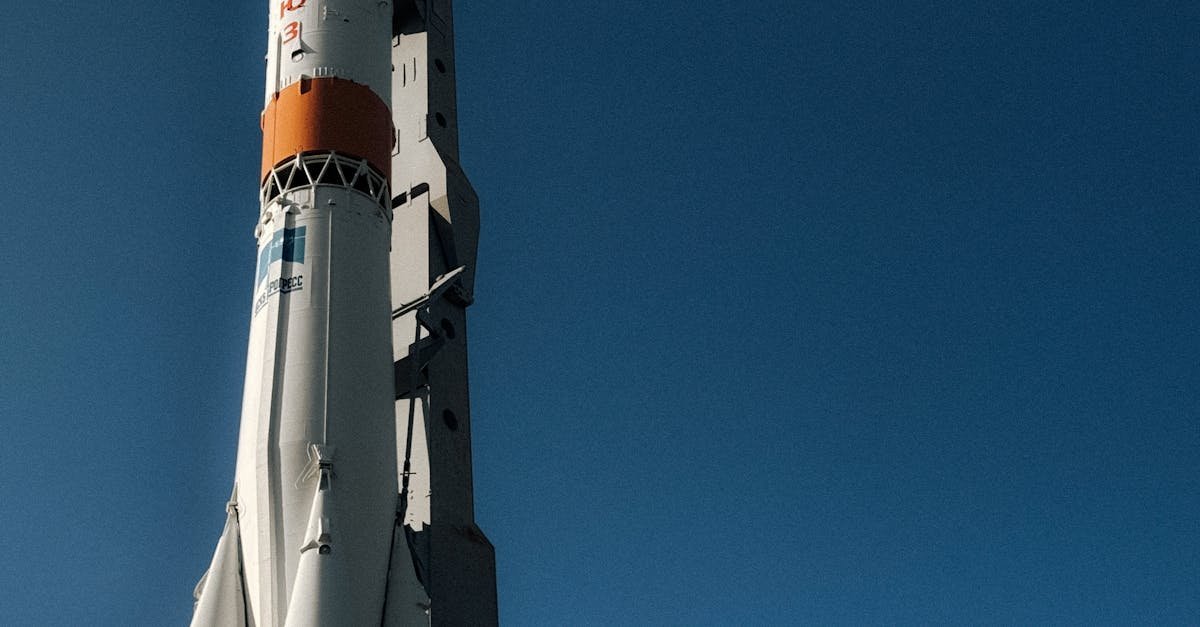
Passengers peering through the small, thick glass of their window seats were treated to more than just a sunset. They saw the Space Launch System, or SLS, the most powerful rocket ever built by NASA, piercing through the clouds like a pillar of fire. The raw footage captured on their mobile phones shows the massive orange and white booster leave a glowing trail against the darkening sky, a sight that turned a routine flight into a front row seat for history.
A Surprise Encounter at Thirty Thousand Feet
For the people on board that flight, the journey began as any other trip across the Sunshine State. Flight attendants were likely beginning their initial cabin service, and passengers were settling into their books or movies. That all changed when a bright, flickering light appeared on the horizon. Because the Kennedy Space Center sits right on the coast, flight paths often bring aircraft within a safe but visible distance of the launch pads.
The video footage currently circulating online shows the sheer scale of the SLS rocket. Even from miles away and at a high altitude, the glare from the four RS-25 engines is unmistakable. You can hear the gasps of excitement from the passengers as they realize they are not looking at another airplane or a strange weather phenomenon. They are watching four astronauts, Reid Wiseman, Victor Glover, Christina Koch, and Jeremy Hansen, begin a ten day journey that will take them around the far side of the moon.
The Power of the SLS from an Aerial Perspective
Seeing a rocket launch from the ground is an earth-shaking experience, but seeing it from the air offers a completely different sense of physics. From the window of the airliner, you can clearly see the rocket fighting against the thickest parts of the atmosphere. The footage shows the plume of the rocket expanding as it reaches thinner air, creating a beautiful, glowing “jellyfish” effect that occurs when sunlight hits the exhaust gases at high altitudes.
In the video, the airliner seems to be standing still while the Artemis II rocket streaks upward at thousands of miles per hour. This contrast highlights the incredible speed required to escape Earth’s gravity. While the commercial jet cruises at about 500 miles per hour, the Orion capsule and its boosters are accelerating toward a target over 230,000 miles away. The perspective from the plane helps the viewer understand just how much energy is packed into that 32 story tall vehicle.
Who Is On Board the Orion Capsule?
This launch is not just about the machinery; it is about the four individuals inside the small capsule at the very top of that flame. The crew of Artemis II is the most diverse group of people ever sent to the moon. Commander Reid Wiseman leads the team, joined by Pilot Victor Glover, who is making history as the first person of color to fly beyond low Earth orbit. Mission Specialist Christina Koch is the first woman to head toward the moon, and Jeremy Hansen represents the first Canadian to ever make such a trip.
When the passengers on the airplane looked out their windows, they were looking at the pioneers of the “Artemis Generation.” This mission is a vital test of the life support systems and communication arrays that will eventually allow humans to land on the lunar surface once again. The fact that ordinary citizens captured this moment from a regular passenger jet makes the event feel more connected to the rest of humanity. It shows that space travel is no longer a distant, abstract concept but something that is happening right in our own backyard.
Why This Launch Caught Everyone Off Guard
While space enthusiasts knew the launch window opened at 6:35 p.m. local time on April 1, many travelers were not checking the NASA schedule before boarding their flights. Florida is a busy hub for aviation, and the airspace around Cape Canaveral is strictly managed during launch windows. However, the “keep out” zones for aircraft are designed for safety, not for hiding the view.
Pilots are often the first to notice these launches. On this particular flight, the captain reportedly keyed the intercom to tell passengers to look out the right side of the aircraft. For the next two minutes, every person with a window seat was glued to the glass. The footage is shaky, as people scrambled to grab their phones, but that shakiness only adds to the authenticity of the moment. It captures the raw, unedited emotion of discovering something miraculous during a mundane moment of travel.
The Path to the Moon and Beyond
The Artemis II mission is following a “free return” trajectory. This means that after the crew orbits the Earth to check their systems, they will use the moon’s gravity to slingshot them back home. They will not be landing this time, but they will be traveling further into deep space than any human has gone since the Apollo 17 mission in 1972.
The footage from the airliner captures the very beginning of this ten day saga. As the rocket disappears into the blackness of the upper atmosphere, it leaves behind a lingering trail of smoke that stays visible for several minutes. For the passengers, the flight continued on to its destination, but the memory of that sight will likely last a lifetime. It is a reminder that we are living in a new era of exploration where the line between daily life and the final frontier is getting thinner every day.
A New Era for Aviation and Space Fans
This viral video has sparked a lot of conversation among aviation fans. It highlights how Florida has become a unique place where the world of commercial flying and the world of space travel constantly intersect. In the past, rocket launches were rare events that required months of planning and often faced long delays. Now, with the Artemis program and various private space companies operating out of the Kennedy Space Center, these sights are becoming more frequent.
For those who love airplanes, seeing a massive rocket launch from a window seat is the “holy grail” of sightings. It combines the beauty of flight with the raw power of space exploration. As more missions head to the moon and eventually to Mars, we can expect to see more of these incredible “crossover” moments where the travelers of today watch the explorers of tomorrow take flight.
Witnessing the Future Through a Plane Window
The images and videos from this flight serve as a powerful symbol of progress. We are no longer just looking up at the stars from the ground; we are meeting them halfway in the sky. The Artemis II mission is a bridge between the moon landings of the past and the sustainable lunar bases of the future. By capturing this moment, the passengers on that airliner have provided the world with a perspective that official NASA cameras simply cannot replicate.
There is something deeply human about a blurry, vertical video of a rocket launch. It shows that despite all our advanced technology, we are still capable of being moved to silence by the sight of our fellow humans leaving the planet. As the Artemis II crew continues their journey toward the lunar far side, this footage remains a testament to the day the moon felt just a little bit closer to everyone on Earth.
Leave a Reply