Tag: Air Canada

  • Air Canada Suspends ALL JFK Flights Starting June 1: How to Avoid Massive Rebooking Fees

    Air Canada Suspends ALL JFK Flights Starting June 1: How to Avoid Massive Rebooking Fees

    Travelers planning a trip between Canada and the Big Apple just received some frustrating news. Air Canada has officially decided to pull the plug on all flights to New York’s John F. Kennedy International Airport (JFK) for a significant chunk of the 2026 travel season. Starting June 1, the airline will pause its daily service from both Toronto and Montreal, and the suspension is expected to last until at least October 25.

    If you have already booked a flight or were planning a summer getaway, you are likely wondering what this means for your wallet and your schedule. With jet fuel prices climbing rapidly, Air Canada is making tough calls to keep its operations sustainable. However, those tough calls often trickle down to the passenger in the form of cancellations and logistical headaches. Here is a deep dive into why this is happening and, more importantly, how you can navigate the changes without getting hit by extra costs.

    Why Air Canada is Leaving JFK This Summer

    The primary driver behind this sudden schedule shift is the skyrocketing cost of jet fuel. In recent months, the global energy market has been rocked by instability, particularly due to conflicts in the Middle East that have disrupted supply lines. For Air Canada, the math simply stopped adding up for certain routes. When the price of fuel doubles in a short period, flights that were once profitable can quickly become a financial drain.

    By suspending service to JFK, Air Canada is focusing its resources on routes that can better withstand these high operating costs. JFK is one of the most expensive airports in the world to fly into, with high landing fees and intense competition for time slots. By stepping back from this specific hub during the peak summer months, Air Canada aims to protect its overall financial health while the energy market remains unpredictable.

    Which Specific Routes Are Impacted

    The suspension hits two major Canadian hubs directly. Specifically, Air Canada is cutting three daily flights from Toronto Pearson International Airport and one daily flight from Montreal-Trudeau International Airport that were destined for JFK.

    For passengers in Toronto and Montreal, this removes a major nonstop link to one of the most popular entry points into the United States. While JFK is often the preferred choice for those heading to Long Island or eastern Queens, the loss of these four daily rotations means thousands of seats will be removed from the market right as the summer travel rush begins. Air Canada has noted that this move represents about a one percent reduction in its total capacity, but for the specific travelers on these routes, the impact feels much larger.

    The Alternative Airports Still in Play

    The good news is that while JFK is off the table for a few months, Air Canada is not abandoning the New York City area entirely. The airline still maintains a massive presence at New York’s other two major gateways: LaGuardia (LGA) and Newark Liberty International (EWR).+1

    Currently, Air Canada operates around 34 daily flights to LaGuardia and Newark from six different Canadian cities. If your final destination is Manhattan, LaGuardia is actually closer and often more convenient than JFK anyway. If you are heading to Jersey City or downtown Manhattan, Newark remains a very viable option. Air Canada is leaning heavily on these existing schedules to absorb the passengers who would have originally flown into JFK.

    How to Handle an Existing Booking

    If you already have a ticket with Air Canada for a JFK flight after June 1, do not panic, but do act quickly. The airline has stated that it will be reaching out to impacted customers to offer alternative travel options. In most cases, Air Canada will attempt to rebook you on a flight to LaGuardia or Newark at no additional cost.

    However, you should not wait for an automated email to land in your inbox. Log into your Air Canada account or check your flight status on their mobile app immediately. If the new flight they suggest does not work for your schedule, you have rights. Because the airline is the one initiating the change, you should be eligible for a full refund or a rebooking on a different date without paying the usual change fees.

    Avoiding Rebooking Fees and Price Spikes

    One of the biggest risks when an airline cancels a route is the sudden surge in prices for the remaining flights. As Air Canada passengers scramble to grab seats on the Newark and LaGuardia routes, those planes will fill up fast. When supply goes down and demand stays the same, ticket prices naturally go up.

    To avoid getting stuck with a massive bill, try these strategies:

    • Request a manual re-protection: Ask the agent to put you on a flight with one of Air Canada’s partners, like United Airlines, if their own flights are full.
    • Check nearby Canadian hubs: If you were flying from Montreal but find those flights too expensive now, see if flying out of Ottawa or Toronto offers a better deal.
    • Act within the 24-hour window: Once you receive notification of a schedule change, you usually have a window of time where you can make changes for free. Use this time to snag the best remaining flight times before others do.

    Impact on Connection Flights and Partners

    Many travelers use Air Canada to fly into JFK specifically to catch an international connection on a partner airline. JFK is a massive hub for global carriers heading to Europe, Africa, and Asia. If your Air Canada flight was just the first leg of a longer journey, this suspension could create a domino effect.

    If you are on a single ticket, Air Canada is responsible for getting you to your final destination. They may route you through a different US hub or fly you directly from Toronto or Montreal to your international destination on one of their own planes. If you booked your flights separately, however, you are in a tougher spot. You will need to coordinate the ground transport from LaGuardia or Newark to JFK to make your connection, which can take two hours or more depending on New York traffic.

    Looking Ahead to the Return of Service

    The current plan is for Air Canada to resume its JFK service on October 25, 2026. This timeline suggests that the airline expects fuel prices or market conditions to stabilize by the fall. It also allows them to bypass the most expensive and busiest part of the year for New York travel.

    Until then, travelers will need to be flexible. The aviation industry is currently in a state of flux, and this move by Air Canada might be a sign of more schedule adjustments to come from other carriers as well. Keeping a close eye on your flight status and understanding your passenger rights is the best way to ensure your summer travel plans stay on track.

    Staying Flexible in a Shifting Travel Market

    The most important thing to remember is that airline schedules are never set in stone. While it is frustrating to deal with a canceled route, being proactive can save you hundreds of dollars. Air Canada is trying to balance the books in a difficult economy, but as a consumer, your priority is getting where you need to go safely and affordably.

    Check your email regularly, keep your confirmation numbers handy, and remember that Newark and LaGuardia are still very much open for business. By staying informed about the latest moves from Air Canada, you can navigate the summer travel season with much less stress. If you stay ahead of the crowd, you can secure your spot in New York without the headache of last minute fees or missed connections.
  • Air Canada CEO Breaks Silence on Fatal AC8646 Crash at LaGuardia

    Air Canada CEO Breaks Silence on Fatal AC8646 Crash at LaGuardia

    The aviation world is mourning today following a devastating ground collision at New York’s LaGuardia Airport involving Air Canada Express Flight 8646. Late Sunday night, March 22, 2026, the Bombardier CRJ-900, arriving from Montreal, struck a Port Authority fire truck on the runway. The impact was catastrophic, claiming the lives of both pilots and leaving dozens of passengers with various injuries. As the investigation begins, Air Canada President and CEO Michael Rousseau has addressed the public, offering a somber update on the tragedy and the airline’s immediate response.

    A Somber Day for the Aviation Community

    In a heartfelt video statement released on social media, Michael Rousseau did not mince words about the gravity of the situation. He began by acknowledging the emotional weight felt across the entire company. “Today is a very somber day at Air Canada,” Rousseau stated. He went on to express the company’s collective grief, saying, “First, and most importantly, I want to express our deepest sorrow for everyone affected. Our efforts are focused on the needs of our passengers and crew members, along with their families and loved ones.”

    The accident has sent shockwaves through the industry, particularly because ground collisions of this magnitude at major hubs are exceedingly rare. Rousseau emphasized that while the aircraft was operated by Jazz Aviation LP under the Air Canada Express banner, the loss is felt as one large family. He noted that the company is “deeply saddened by the loss of two Jazz employees,” and extended condolences to the “entire Jazz community and their families.”

    Details of the Fatal Collision at LaGuardia

    Flight AC8646 originated from Montreal-Trudeau International Airport (YUL) with 72 passengers and four crew members on board. The flight was reportedly routine until the final moments of its landing at LaGuardia (LGA) at approximately 11:38 PM. As the jet decelerated on Runway 4, it collided with a Port Authority Aircraft Rescue and Fire Fighting (ARFF) vehicle.

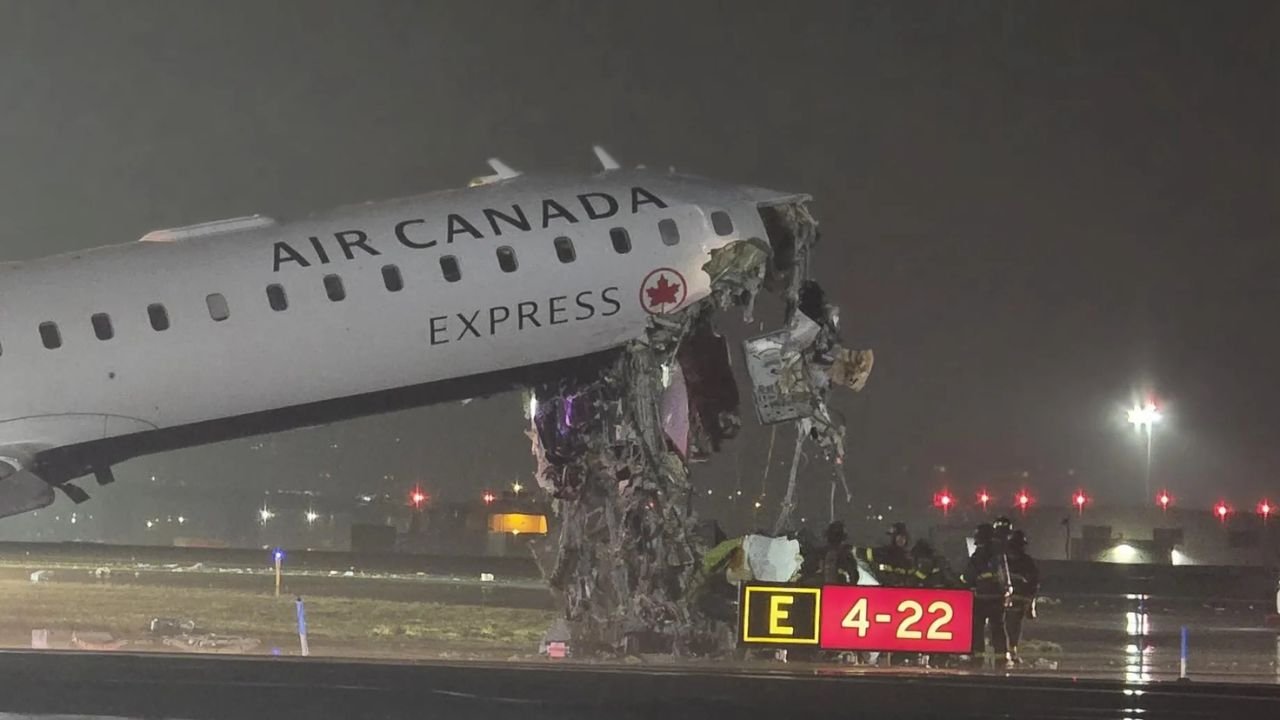
    The impact was centered on the front of the aircraft, effectively destroying the cockpit and forward galley. Images from the scene showed the plane’s nose tilted upward with mangled metal and cables dangling from the fuselage. The fire truck, an Oshkosh Striker 1500, was found overturned on its side nearby. While the two Port Authority personnel inside the truck survived with stable injuries, the outcome for the flight deck was far more grim.

    Remembering the Fallen Crew Members

    The most painful aspect of this tragedy is the loss of the two pilots who were at the controls. Rousseau confirmed the deaths in his statement, saying, “We now know that the captain and the first officer were killed in this accident.” One of the pilots has been identified as 30-year-old Antoine Forest from Coteau-du-Lac, Quebec.

    Survivor accounts suggest that the pilots may have performed heroically in their final seconds. One passenger, Clément Lelièvre, recounted how the pilots braked with extreme force immediately upon touchdown. Many on board believe these “incredible reflexes” likely slowed the aircraft enough to prevent even more fatalities among the 72 passengers in the cabin. Despite the terrifying jolt and the destruction of the front of the plane, all 72 passengers survived, though about 40 required hospital treatment for various injuries, ranging from broken noses to severe fractures.

    Critical Breakdown in Communication

    The focus of the investigation has quickly shifted toward a potential failure in air traffic control (ATC) protocols. Audio recordings from the night of the crash provide a chilling look at the moments leading up to the impact. In the tapes, a controller is heard clearing the fire truck, known as “Truck 1,” to cross Runway 4. The truck was reportedly responding to a separate, minor emergency involving a United Airlines flight that had reported a strange odor.

    Seconds later, the tone of the recording shifts to pure panic. The controller can be heard shouting, “Stop Truck 1! Stop, stop, stop!” followed by a frantic attempt to wave off another incoming aircraft. In a haunting admission captured shortly after the crash, the same controller was heard saying, “I messed up.” The National Transportation Safety Board (NTSB) and Canadian authorities are now working to determine how a vehicle was permitted to enter an active runway while a passenger jet was in the final stages of its landing roll.

    Immediate Support for Families and Survivors

    Air Canada has moved quickly to provide resources for those impacted by the crash. Rousseau mentioned that the Air Canada Special Assistance Team was activated immediately. “Members of our specialized team will be on their way to New York,” he said, adding that “anything we can do now, we’re doing.”

    The airline has established a dedicated family assistance hotline at 1-800-961-7099 for those seeking information about loved ones who were on board. Rousseau urged the public to rely on official channels for updates, promising that information would be shared as soon as it is verified by authorities.

    The Path Forward and the NTSB Investigation

    The investigation into Flight AC8646 is expected to be lengthy and thorough. Investigators from the NTSB have already begun walking the scene, and flight recorders have been recovered from the wreckage. They will be looking at everything from airport lighting and weather conditions to the mental state and staffing levels of the air traffic control tower. At the time of the accident, heavy rain was falling in the New York area, and visibility was limited to roughly three miles, which may have played a role in the visibility of the ground vehicle.

    Furthermore, the accident occurred during a period of chronic air traffic controller shortages in the United States, a factor that safety advocates have been warning about for years. While the LaGuardia controllers were not affected by the ongoing partial government shutdown, the overall strain on the system will likely be a point of scrutiny.

    Standing Together in Times of Crisis

    As the aviation community processes this loss, the focus remains on the human element. The survival of a flight attendant, Solange Tremblay, who was reportedly thrown from the aircraft while still buckled into her seat, has been described by her family as a “total miracle.” Such stories of survival sit in stark contrast to the silence of the cockpit, reminding everyone of the thin line between safety and tragedy in the skies.

    Michael Rousseau closed his statement by reiterating the airline’s commitment to the investigation and to the people involved. “We’re fully supporting the relevant investigative authorities in their investigation to learn everything we can about these events,” he said. For now, the priority remains the care of the families who are dealing with unimaginable loss.

  • ‘Stop Truck 1!’: Chilling ATC Audio Precedes Fatal Air Canada Collision at LaGuardia; FAA Launches Probe

    ‘Stop Truck 1!’: Chilling ATC Audio Precedes Fatal Air Canada Collision at LaGuardia; FAA Launches Probe

    The quiet of a Sunday night at LaGuardia Airport was shattered by a catastrophic runway collision that has left the aviation community in a state of shock. Late on March 22, 2026, an Air Canada Express flight arriving from Montreal struck a Port Authority fire truck on the tarmac. The incident has resulted in a tragic loss of life and dozens of injuries, prompting the Federal Aviation Administration to shut down the airport and launch a high level investigation. As the sun rises over Queens on Monday, the focus remains on the survivors and the harrowing final seconds captured on air traffic control recordings.

    The Final Moments on Runway 4

    The sequence of events began just before 11:40 PM as Air Canada flight AC8646, a Bombardier CRJ-900LR, was completing its landing roll. According to flight tracking data and initial reports, the aircraft was decelerating when it encountered an Airport Rescue and Fire Fighting vehicle, identified in communications as Truck 1.

    Audio from the control tower provides a terrifying look at the confusion that led to the impact. In the recordings, air traffic controllers can be heard frantically yelling for the ground vehicle to halt. The commands were direct and desperate, with one controller shouting for the truck to stop at least three times in quick succession. Despite these urgent warnings, the collision was unavoidable. The Air Canada jet, still moving at a significant speed, slammed into the heavy fire engine near taxiway Delta.

    Fatalities and a Growing List of Injuries

    The human toll of this accident is heart-wrenching. While official counts are still being finalized by the Port Authority and local medical examiners, early reports indicate that at least two people have lost their lives. These fatalities are believed to be members of the ground crew who were inside the fire truck at the moment of impact.

    In addition to the deaths, approximately 70 people have been reported injured. The New York Fire Department and emergency medical teams rushed to the scene to establish a triage area right on the runway. Four firefighters were transported to nearby hospitals in critical condition, fighting for their lives after the massive vehicle they were in was struck by the Air Canada plane.

    On board the aircraft, the scene was one of pure terror. More than 100 passengers and crew members felt a massive jolt as the nose of the plane crumpled. While most passengers were able to evacuate using the emergency slides, many suffered from minor injuries, smoke inhalation, and extreme psychological trauma. The sight of the aircraft nose smashed and tilted upward served as a grim reminder of how much worse the situation could have been for those in the cabin.

    A Massive Ground Stop at LaGuardia

    Immediately following the collision, the Federal Aviation Administration took the unprecedented step of halting all traffic at LaGuardia. A ground stop was issued for all departing and arriving flights, effectively freezing one of the busiest airports in the country. Incoming flights were told to abort their landings and circle back or divert to other regional hubs like JFK and Newark.

    The impact on Monday morning commuters has been severe. The airport website shows a wall of cancellations and diversions as the primary runways remain closed for the investigation. Authorities have signaled that the closure could last through the afternoon of March 23, 2026. This shutdown is necessary not only for the federal probe but also to clear the significant debris field left by the Air Canada jet and the destroyed fire truck.

    Details of the Air Canada Aircraft

    The aircraft involved in the tragedy, registered as C-GNJZ, is a veteran of the Air Canada Express fleet. Operated by Jazz Aviation, the CRJ-900 is a workhorse for short routes between major North American cities. It had just completed a routine flight from Montreal when the disaster occurred.

    Visuals from the scene show that the cockpit area of the Air Canada plane bore the brunt of the impact. The underside of the nose was sheared away, and the landing gear appeared to be heavily damaged. This specific jet has been a reliable part of the fleet for over two decades, but the extent of the structural damage suggests it may never fly again. Investigators will be looking into whether any technical issues with the plane contributed to the pilots being unable to avoid the truck in the darkness.

    The Scope of the FAA and NTSB Probe

    The investigation into the Air Canada crash will be exhaustive. The FAA and the National Transportation Safety Board are already on the ground to begin their work. Their primary goal is to understand why a fire truck was crossing an active runway while a commercial jet was landing.

    Communication logs will be the first point of interest. Investigators will examine the specific instructions given to Truck 1 and whether the driver acknowledged the clearance to cross. They will also look at the lighting on the runway and whether the Air Canada pilots had sufficient visibility to see the obstacle in their path. The “Stop Truck 1” audio suggests a lapse in ground safety protocols that will likely result in sweeping changes to how vehicles move across the tarmac at LaGuardia.

    Emergency Response and On-Site Triage

    The response from New York City emergency services was a massive display of coordination. Within minutes of the Air Canada collision, dozens of ambulances and specialized rescue units lined the perimeter of the airport. Because the incident involved an airport fire truck, the remaining fire crews had to manage the emotional weight of rescuing their own colleagues while also ensuring the safety of the plane passengers.

    The evacuation of the Air Canada flight was described as orderly but frantic. Flight attendants worked quickly to get people off the plane as the smell of fuel and burning rubber filled the air. Many passengers left their belongings behind, focusing only on getting as far away from the damaged jet as possible. The triage center remained active through the night as medics worked to stabilize the most severely injured before they were rushed to trauma centers.

    Navigating the Travel Disruption

    For those scheduled to fly today, the situation remains fluid. Air Canada has released statements expressing their concern for those involved and is working to assist passengers who were on flight AC8646. Travelers are being told not to head to LaGuardia without a confirmed flight, as the terminal areas are overcrowded and the ground stop remains in place.

    The ripple effect of this crash is being felt across the entire East Coast. Flights as far away as Boston and Washington D.C. are seeing delays because of the blockage at LaGuardia. The removal of the Air Canada aircraft will be a delicate process that requires heavy machinery, meaning the runway could be out of commission for longer than initially expected.

    Moving Forward After the Runway Tragedy

    The collision between the Air Canada flight and the emergency vehicle is a rare and devastating event that will leave a lasting mark on aviation safety. As the community mourns the loss of the first responders and hopes for the recovery of the injured, the search for answers continues.

    Safety experts will use the data from the flight recorders and the air traffic control tapes to build a minute by minute reconstruction of the accident. This tragedy at LaGuardia serves as a stark reminder of the complexities of airport ground operations. While the investigation is just beginning, the impact of the Air Canada crash will be discussed for years to come as the industry strives to ensure such a collision never happens again.

  • Air Canada Crash At LaGuardia Airport: Investigation, Casualties, Injuries and All We Know So Far

    Air Canada Crash At LaGuardia Airport: Investigation, Casualties, Injuries and All We Know So Far

    A major emergency at LaGuardia Airport has sent shockwaves through the aviation world after an Air Canada flight collided with a fire truck on the runway. The incident occurred late Sunday night, March 22, 2026, leading to a massive response from emergency services and the immediate closure of one of the busiest travel hubs in the United States. As families wait for news and investigators begin the grueling task of pieceing together the timeline, the details emerging paint a picture of a terrifying close call that turned into a tragic reality.

    The Midnight Collision on Runway 4

    The event unfolded at approximately 11:37 PM as Air Canada flight AC8646 was finishing its journey from Montreal. The aircraft, a Bombardier CRJ-900LR operated by Jazz Aviation for Air Canada, was in the process of landing on Runway 4 when it struck a Port Authority rescue and fire fighting vehicle. Reports from flight tracking data indicate that the Air Canada plane was moving at roughly 24 miles per hour when the impact occurred.+1

    Eyewitnesses at the scene and passengers on board described a sudden, violent jolt that sent the aircraft tilting forward. Images from the aftermath show the nose of the Air Canada jet sustained significant structural damage, appearing smashed where it made contact with the heavy fire engine. The collision happened near the Delta terminal area, turning a routine Sunday night arrival into a scene of absolute chaos as sparks flew and sirens began to wail across the airfield.

    Assessing the Casualties and Injuries

    The human cost of the Air Canada accident is still being tallied, but the initial numbers are sobering. Local authorities have declared a mass casualty incident due to the number of people requiring medical attention. At the center of the tragedy are the first responders who were inside the fire truck, often referred to as Truck 1.

    There are unconfirmed reports of fatalities among the ground crew, while at least four or five firefighters are currently in critical condition at local trauma centers. On board the Air Canada flight, there were approximately 100 passengers and crew members. While many were able to evacuate the plane using emergency slides or the main cabin door, nearly 70 people have been treated for various injuries. Most of the passenger injuries are being described as minor, ranging from bruises and scrapes to the psychological shock of the impact, but several individuals were transported to hospitals for more thorough evaluations.

    Chaos at LaGuardia and Ground Stop Orders

    Immediately following the collision involving Air Canada, the Federal Aviation Administration took the drastic step of halting all operations at the airport. A full ground stop was issued, preventing any planes from taking off or landing at the Queens facility. This move was essential to allow emergency vehicles clear access to the runway and to ensure that no further accidents occurred in the confusion.

    The impact on travel has been massive. Thousands of passengers found themselves stranded as flights were diverted to Newark Liberty International or John F. Kennedy International airports. The airport authorities have suggested that the closure could remain in place until at least 2:00 PM on Monday, March 23. Travelers are being urged to stay away from the airport and check their flight status online, as the backlog of canceled and delayed trips will likely take days to resolve.

    Audio Evidence and the Investigation Process

    Investigators are now looking closely at the communication between the control tower and the vehicles on the ground. Audio recordings from air traffic control have surfaced, providing a haunting glimpse into the seconds before the Air Canada jet struck the truck. In the recordings, a controller can be heard frantically calling out to Truck 1, telling the driver to stop multiple times.

    The National Transportation Safety Board and the Federal Aviation Administration have both launched formal probes into the matter. They will be looking at why the fire truck was on an active runway while the Air Canada flight was landing. Key questions remain about whether there was a lapse in communication, a mechanical failure in the truck, or if poor visibility played a role in the disaster. The flight data recorder and cockpit voice recorder from the Air Canada aircraft will be vital in determining exactly what the pilots saw and felt as they touched down.

    Technical Details of the Aircraft Involved

    The plane at the center of this investigation is a Bombardier CRJ-900LR, registered as C-GNJZ. This specific Air Canada jet has been in service since 2005 and is a staple of regional routes between Canada and the United States. With a capacity of about 76 passengers, these planes are known for their reliability on short haul corridors like the Montreal to New York route.

    While the aircraft itself is over 20 years old, it had a consistent maintenance record within the Air Canada fleet. The damage to the nose and the landing gear area is extensive, and experts suggest it may be some time before the plane is moved from the runway. This delay adds to the difficulty of reopening the airport, as the heavy jet must be stabilized and inspected before it can be towed away for further forensic analysis.

    Emergency Response and Public Safety

    The response from New York City emergency services was swift. Within minutes of the Air Canada collision, dozens of FDNY units and ambulances arrived at the perimeter of the airport. A triage center was set up on the tarmac to assess passengers as they deplaned. The coordination between the Port Authority and local hospitals was crucial in managing the high number of injured people in a short period.

    Local officials have asked the public to avoid the roads surrounding LaGuardia to keep the paths clear for emergency personnel. The Queens community has seen a surge in traffic as travelers try to find alternative ways home or to hotels. Despite the fear and the heavy presence of police and fire officials, the evacuation of the Air Canada flight was handled in an orderly fashion, preventing further injuries that often occur during a panicked exit.

    Looking Ahead at Airport Security Protocols

    This incident will undoubtedly lead to a rigorous review of how ground vehicles and aircraft share the runway space. Runway incursions have been a top concern for aviation safety experts for years, and the collision of an Air Canada jet with a fire engine highlights the dangers that exist even when a plane is moving at relatively slow speeds on the ground.

    In the coming weeks, the industry will look for answers regarding the safety technology used at LaGuardia. Questions about ground radar systems and automated alerts for drivers will be at the forefront of the discussion. For now, the focus remains on the recovery of those injured and the support of the families affected by the crash. The Air Canada brand, which is usually associated with a strong safety culture, is now part of a complex investigation that will likely change the way airports operate across the country.

    Current Status of Air Travel and Updates

    As of Monday morning, the scene at the airport remains active with investigators and clean up crews. The Air Canada flight remains on Runway 4, surrounded by portable lights and security cordons. Airlines are working to rebook passengers, but the sheer volume of travelers affected by the LaGuardia shutdown is creating a ripple effect across the East Coast.

    People with scheduled trips involving Air Canada or any other carrier at this location should prepare for significant delays. The recovery of the two deceased officers and the treatment of the critically injured firefighters remain the priority for local leaders. More information is expected to be released during a press conference later today as the Port Authority and federal agencies provide more clarity on the tragedy.

  • Mexico Cartel Crisis: Air Canada Announces Emergency Flight Schedule

    Mexico Cartel Crisis: Air Canada Announces Emergency Flight Schedule

    The travel landscape in Mexico took a sharp and violent turn this week following a major military operation in the state of Jalisco. After several days of uncertainty and grounded planes, Air Canada has officially stepped forward with a massive update to its rescue strategy. The airline is shifting its focus toward a high capacity repatriation mission to bring home thousands of Canadians who found themselves trapped by sudden civil unrest.

    The Events That Triggered a National Crisis

    The chaos began on Sunday, February 22, 2026, when Mexican special forces conducted a raid in the town of Tapalpa.The target was Nemesio Oseguera Cervantes, famously known as El Mencho, the top leader of the Jalisco New Generation Cartel. During the confrontation, the cartel leader was fatally wounded and died while being transported for medical care.

    As news of his death spread, his followers launched a series of coordinated retaliatory attacks across multiple states.Armed groups set up hundreds of roadblocks, torched buses, and attacked local businesses. The violence quickly reached popular tourist hubs like Puerto Vallarta and Guadalajara. Local officials were forced to issue shelter in place orders, telling visitors to stay inside their hotels and avoid the streets. For thousands of vacationing Canadians, the dream trip turned into a stressful waiting game.

    Air Canada Responds with the Boeing 787 Dreamliner

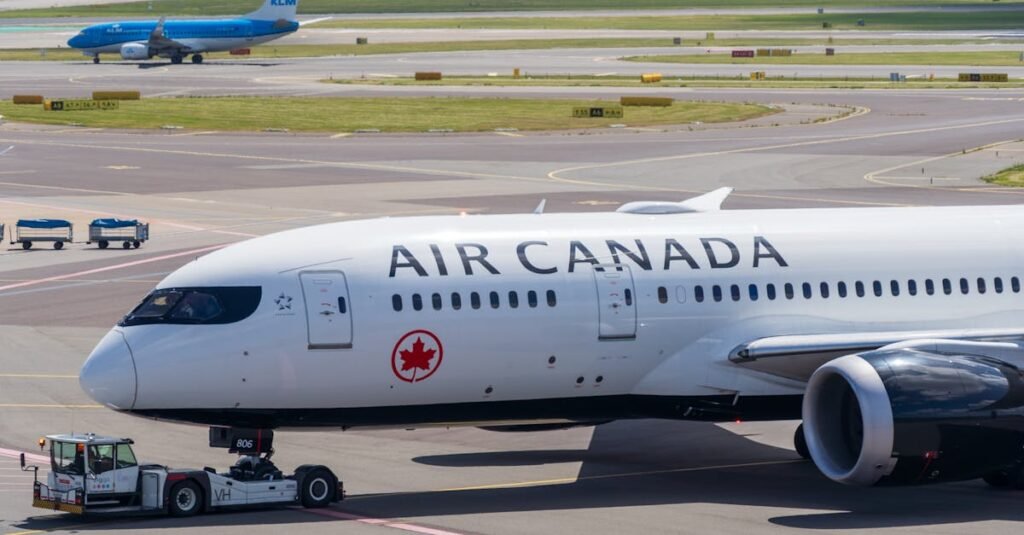
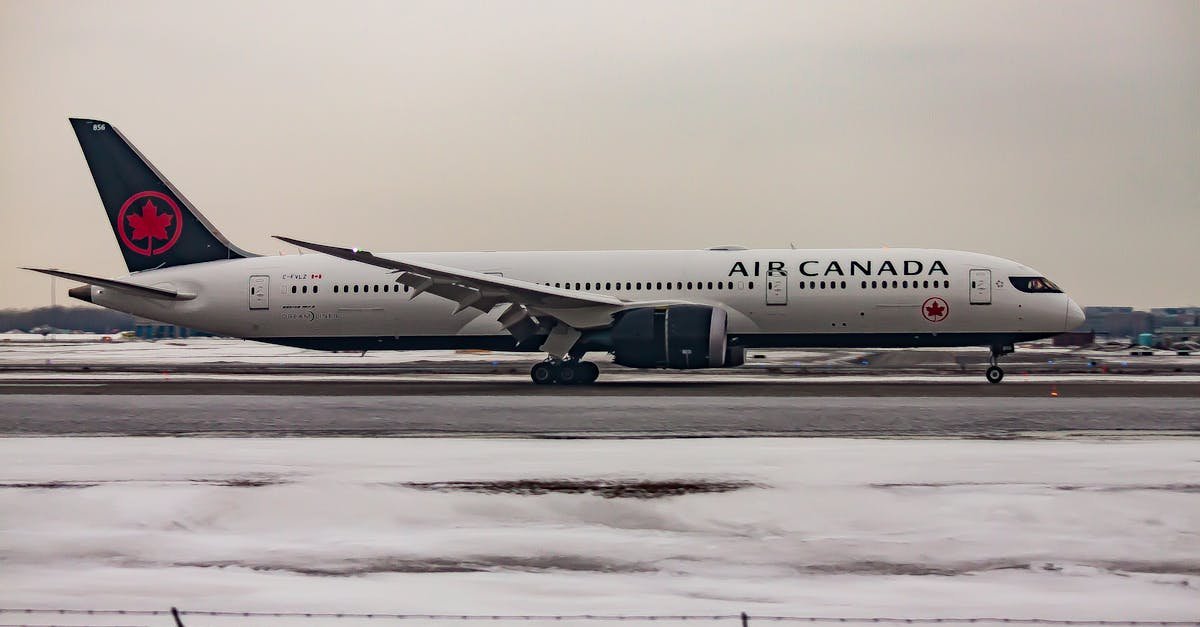
    Air Canada Boeing 787 Dreamliner on the airport tarmac during a sunny day.

    In the immediate aftermath of the violence, Air Canada joined other major carriers in suspending all flights to the affected regions. However, with the situation on the ground stabilized by a heavy military presence, the airline is now moving into a recovery phase. The centerpiece of this new emergency schedule is the deployment of the Boeing 787 Dreamliner.

    Choosing the 787 is a strategic move designed to solve a numbers problem. While regional jets and narrow body planes usually handle these routes, they simply do not have the seat count needed to move people quickly. By using these wide body, heavy lift aircraft, Air Canada can carry nearly 300 passengers per flight. This allows them to clear the massive backlog of travelers much faster than traditional schedules would allow. These planes also offer significant cargo space, which is being used to move essential supplies and equipment needed for the safe operation of flight crews in a high tension environment.

    “To help get customers home as soon as possible, we’re flying larger Boeing 787-9 Dreamliners from Toronto and Montreal to Puerto Vallarta, for 258 seats of added capacity. Operations from Toronto to Guadalajara will resume on Feb. 25,” read the official statement from Air Canada.

    Understanding the New Emergency Flight Schedule

    The airline is not just resuming normal service. Instead, they have designed a specific emergency rotation that prioritizes the areas with the highest number of stranded passengers. Following consultation with the Government of Canada and Mexican authorities, full operations resumed on Tuesday, February 24, with specific aircraft swaps.

    This specialized schedule focuses on these key rotations:

    • Montreal (YUL) to Puerto Vallarta (PVR): Flight AC999 and the return leg AC998 have been upgraded to the Boeing 787-9 to maximize capacity.
    • Toronto (YYZ) to Puerto Vallarta (PVR): Flight AC1349 and the return leg AC1348 are also now utilizing the 787-9 Dreamliner.
    • Vancouver (YVR) to Puerto Vallarta (PVR): Flights AC970 and AC971 currently remain on the 737 Max 8 schedule but are being monitored for potential future upgrades.
    • Guadalajara (GDL): Flights from Toronto to the state capital are set to resume on Wednesday, February 25, to assist those in the city for business or family visits.

    Travelers should note that these flights are operating under strict security protocols. The airline is working in tandem with the Canadian government and Mexican airport authorities to ensure that the “air bridge” remains open even if ground transportation remains spotty in certain areas.

    To manage your booking or reschedule your flight during this crisis, you should use Air Canada’s official self-service tools. These allow you to skip the long wait times on the phone lines.

    Where to Reschedule or Book

    • For General Bookings: Use the Air Canada “My Bookings” Tool. You will need your booking reference number and the passenger’s last name to access your itinerary and see available rescue flight options.
    • For Air Canada Vacations: If your trip was booked as a package, go to the Air Canada Vacations Manage Your Booking page.
    • For Aeroplan Members: Log in to your account on the Aeroplan portal to manage rewards-based rescue flights.

    Important Contact Numbers

    If you cannot access your booking online due to the emergency, use these specific lines:

    • From Mexico (Toll-Free): 011-800-514-1890
    • General Rebooking Line: 1-888-247-2262
    • Air Canada Vacations Support: 1-800-296-3408

    Note: Due to the “up-gauging” of aircraft to the Boeing 787-9, some passengers may see their flight numbers stay the same while their seat assignments change. Be sure to re-download your boarding pass once you have confirmed your spot on a rescue rotation.

    Safety First for Those Still in Destination

    Even though the planes are arriving, the journey home is not without challenges. Global Affairs Canada continues to advise a high degree of caution. If you are currently in Jalisco or surrounding areas, it is vital to follow these steps before trying to reach the airport:

    First, do not leave your hotel or rental property until you have a confirmed seat and a specific departure time. Many roads still have remnants of the blockades, and local transportation like taxis or ride shares may be inconsistent. Air Canada is urging passengers to wait for an official notification via email or text before making the trek to the terminal.

    Second, travel during daylight hours only. While the Mexican National Guard has cleared most of the main highways, security experts suggest that moving during the day provides better visibility and reduces the risk of getting caught in localized skirmishes.

    Finally, keep your documents ready. Security at the airport is significantly tighter than usual. Expect extra checkpoints and longer wait times for processing. The goal is to get everyone through as safely as possible, and that requires patience from everyone involved.

    Why This Rescue Mission is Different

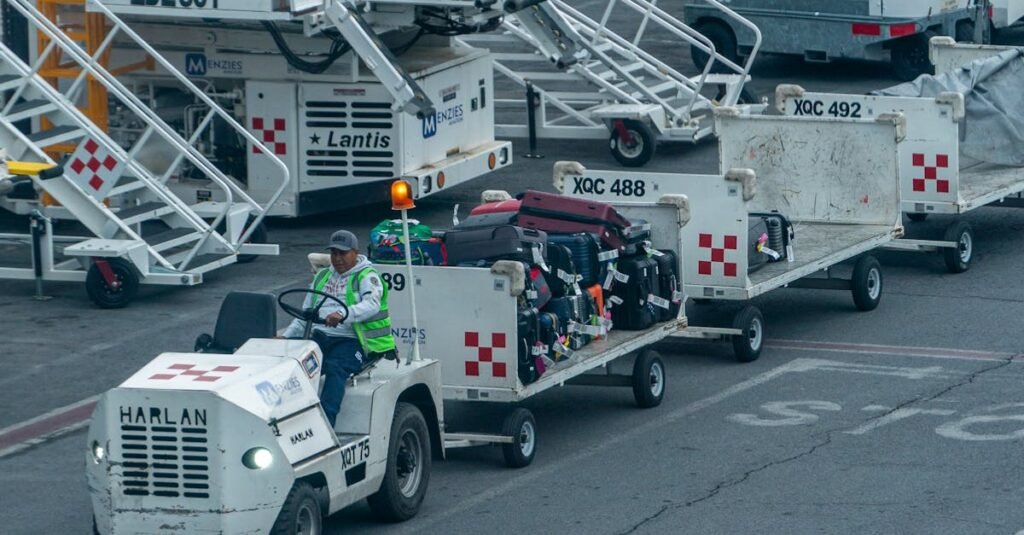
    A bustling airport scene with ground crew and baggage carts near an airplane on the tarmac.

    In past years, travel disruptions in Mexico were often caused by weather or smaller scale localized protests. The February 2026 crisis is different because it involves a direct vacuum in cartel leadership, which creates a more volatile environment.

    Air Canada’s decision to use its flagship long haul fleet for short haul rescue missions shows the seriousness of the situation. It is a costly and complex operation to reroute these massive planes from their usual international paths to Europe or Asia. However, the airline has stated that the safety of its customers and the need to bring Canadians home outweighs the logistical hurdles.

    What to Do if Your Flight Was Cancelled

    If you were scheduled to fly to or from Mexico during the peak of the unrest, you likely have questions about your ticket. Air Canada has implemented a flexible rebooking policy. This allows passengers to change their travel dates without paying the usual fees.

    For those who no longer wish to travel to Mexico this season, the airline is offering travel credits. These credits can be used for future trips once the region has fully stabilized. If you are currently in Mexico and waiting for your turn on one of the 787 rescue flights, make sure your contact information is updated in the “Manage My Booking” section of the Air Canada website. This is the fastest way for the airline to reach you with your new boarding details.

    Looking Ahead to Future Travel

    The death of a major cartel figure often leads to a period of restructuring within the criminal underworld. Because of this, travelers should expect travel advisories to remain in place for the foreseeable future. While the emergency flight schedule is designed to get people home now, the long term status of tourism in Jalisco remains a topic of discussion between the two nations.

    For now, the focus remains on the mission at hand. The sight of the Air Canada 787 on the tarmac in Puerto Vallarta has become a symbol of relief for many. As these heavy lift planes continue their rotations, the backlog of stranded tourists is expected to clear within the next few days.

    Stay tuned to official channels and keep a close eye on your airline notifications. The situation is fluid, but with the right resources and a focus on safety, the path back home is finally opening up.

  • Air Canada Confirms Airbus A350-1000 Order to Modernize Long-Haul Fleet Starting 2030

    Air Canada Confirms Airbus A350-1000 Order to Modernize Long-Haul Fleet Starting 2030

    Air Canada has taken a major step toward reshaping its long-haul future. The airline has confirmed an order for eight Airbus A350-1000 aircraft, along with options for eight more, with deliveries expected to begin in 2030.

    This move signals more than just a fleet upgrade. It reflects a long-term strategy focused on growth, sustainability, passenger comfort, and strengthening Canada’s global connections.

    A Strategic Investment in the Future

    At first glance, an order for eight aircraft might seem modest. But in the world of widebody jets, especially next-generation long-haul aircraft, this is a powerful investment.

    The Airbus A350-1000 is one of the most advanced commercial aircraft flying today. By choosing this model, Air Canada is preparing for the next phase of international travel demand. The airline is positioning itself to:

    • Expand international routes
    • Replace older widebody aircraft
    • Improve fuel efficiency
    • Reduce emissions
    • Enhance passenger comfort

    Deliveries starting in 2030 give the airline flexibility to align with future market conditions while securing production slots early.

    Meet the Airbus A350-1000

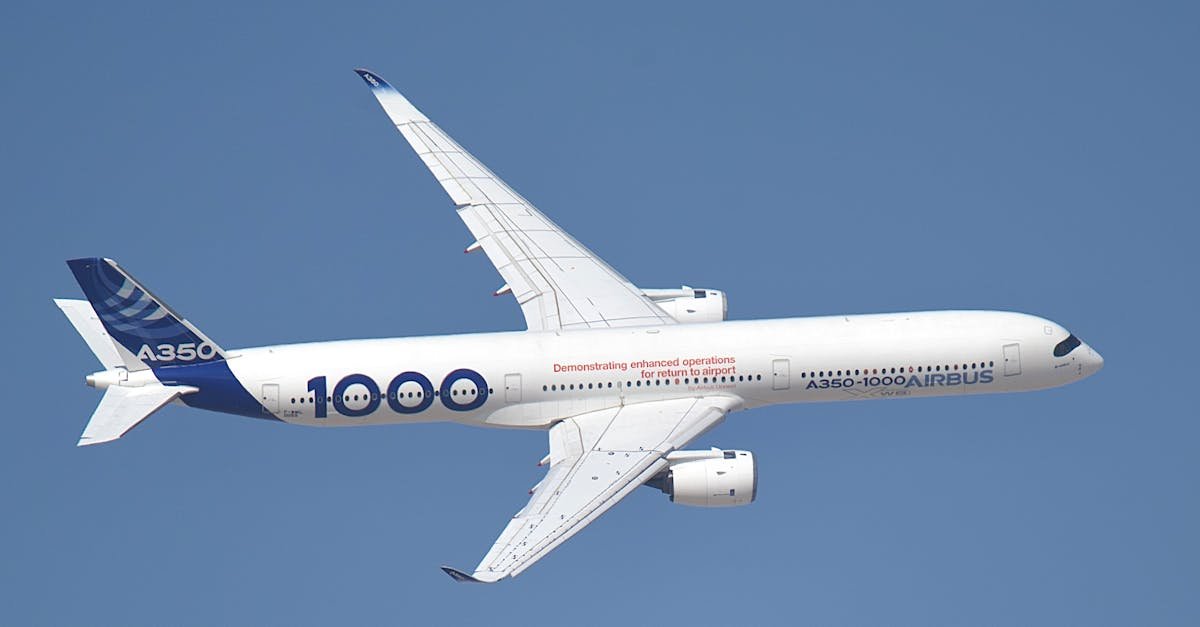
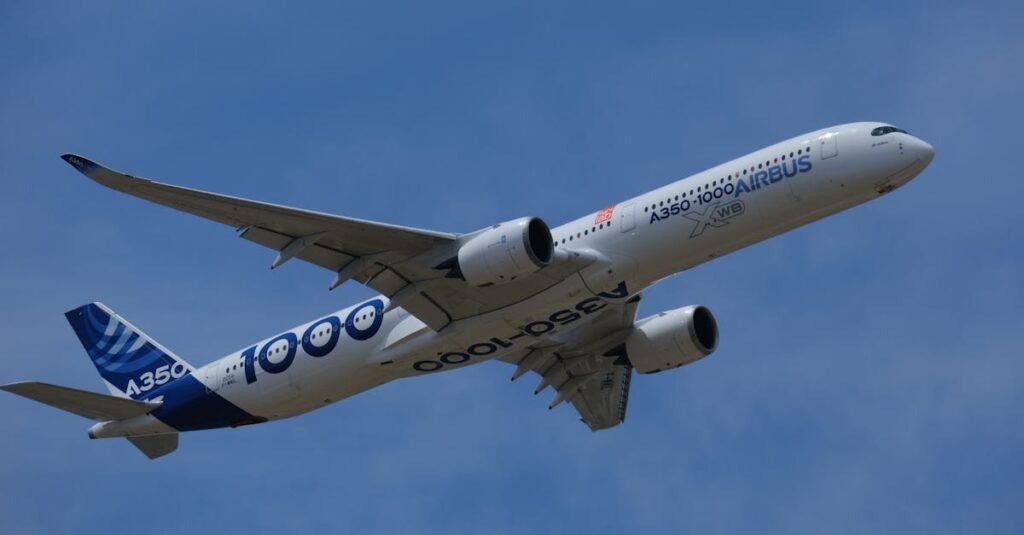
    Dynamic view of Airbus A350-1000 XWB flying against a clear blue sky, showcasing its modern design.

    The Airbus A350-1000 is the largest variant of the A350 family. It is designed for ultra-long-haul routes and high-capacity international travel.

    Key Features of the A350-1000:

    • Built with lightweight composite materials
    • New-generation Rolls-Royce engines
    • Improved aerodynamics
    • Lower fuel consumption compared to older widebodies
    • Reduced noise footprint

    The aircraft typically seats between 350 and 410 passengers, depending on configuration. For Air Canada, this opens the door to serving high-demand global destinations more efficiently.

    How This Fits Into Air Canada’s Current Fleet

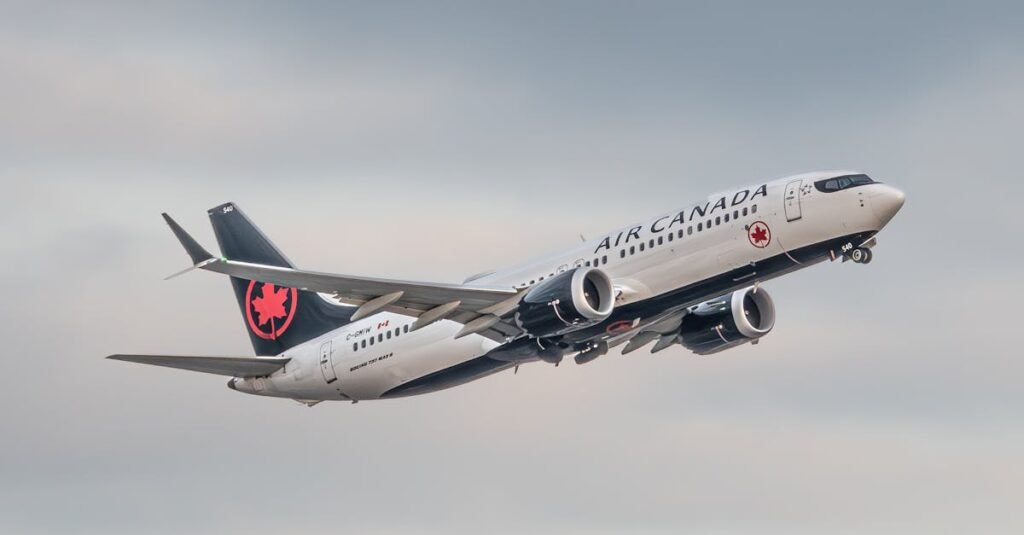
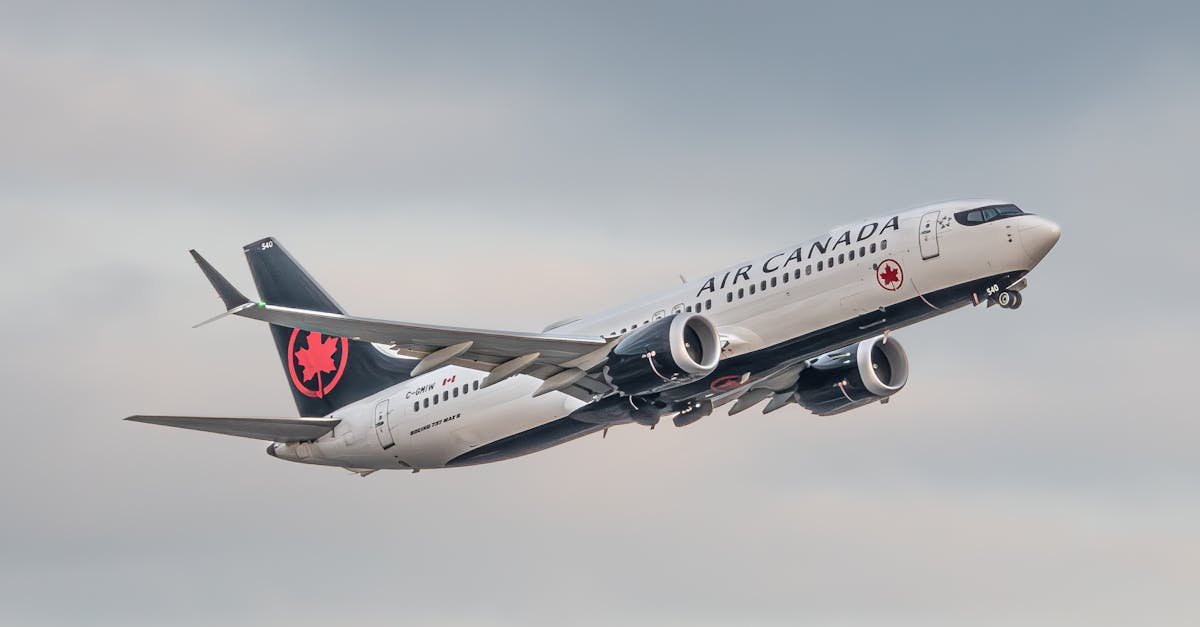
    Air Canada Boeing 737 Max takes to the sky, showcasing flight and travel.

    Air Canada already operates a diverse fleet that includes:

    • Airbus A220-300
    • Airbus A320
    • Airbus A321
    • Airbus A330-300
    • Boeing 737 MAX 8
    • Boeing 777-200LR
    • Boeing 777-300ER
    • Boeing 787-8
    • Boeing 787-9

    The addition of the A350-1000 complements the airline’s existing widebody fleet, particularly the Boeing 787 Dreamliners and 777 aircraft. Over time, the A350-1000 could replace older Boeing 777 models or support growth on major international routes.

    This balanced mix of Airbus and Boeing aircraft also provides operational flexibility and competitive leverage.

    Why the A350-1000 Matters for Long-Haul Routes

    Long-haul flying is complex and expensive. Airlines must balance fuel costs, passenger demand, range capability, and environmental regulations.

    The A350-1000 is ideal for:

    • Non-stop flights between Canada and Asia
    • Transatlantic routes to Europe
    • High-capacity services to the Middle East
    • Potential ultra-long-haul destinations

    With its extended range, the aircraft can connect distant cities without refueling stops. That means shorter travel times and greater convenience for passengers.

    Sustainability and Environmental Impact

    Sustainability is no longer optional in aviation. Governments, investors, and travelers are demanding cleaner operations.

    The A350-1000 supports Air Canada’s environmental goals by:

    • Consuming significantly less fuel per seat
    • Producing lower CO₂ emissions
    • Generating less noise around airports

    New-generation engines and lightweight composite materials play a key role in reducing environmental impact. As older aircraft retire, the overall fleet becomes more efficient and environmentally friendly.

    For an airline operating across vast distances like Canada, fuel efficiency directly impacts both costs and sustainability performance.

    Passenger Experience: What Travelers Can Expect

    Interior of a well-lit airplane cabin showing the overhead safety signs and passenger seating.

    Modern travelers expect more than just transportation. Comfort, connectivity, and cabin design matter.

    The A350 family is known for:

    • Larger windows
    • Improved cabin air quality
    • Higher ceilings
    • Reduced cabin noise
    • Advanced mood lighting

    Passengers often report feeling less fatigue on long-haul flights aboard A350 aircraft compared to older models. For Air Canada, this provides an opportunity to enhance its premium product, including business class and premium economy offerings.

    A Competitive Move in Global Aviation

    Air Canada competes with major international airlines on long-haul routes. Having state-of-the-art aircraft strengthens its position against global carriers operating modern fleets.

    By securing the A350-1000, Air Canada aligns itself with other leading airlines that have invested in next-generation widebody aircraft.

    This order also signals confidence in long-term international travel growth, even as the aviation industry continues to recover and adapt to changing global dynamics.

    The Importance of the 8 Options

    Beyond the eight firm orders, Air Canada has secured options for eight additional A350-1000 aircraft.

    Options provide flexibility. If travel demand grows faster than expected, the airline can exercise these options and expand its fleet further. If market conditions change, the airline is not obligated to take them.

    This strategy allows Air Canada to manage risk while keeping expansion opportunities open.

    Economic Impact and Canadian Connectivity

    As Canada’s flag carrier, Air Canada plays a critical role in connecting the country to global markets.

    New wide-body aircraft means:

    • Increased tourism capacity
    • Stronger trade connections
    • More direct international routes
    • Job creation in aviation and related sectors

    Investing in modern aircraft ensures Canada remains competitive in international air travel and cargo transportation.

    Looking Ahead to 2030 and Beyond

    Although deliveries begin in 2030, the decision made today shapes the airline’s future for decades.

    Aircraft typically remain in service for 20 to 30 years. This means the A350-1000 could define Air Canada’s long-haul operations well into the 2050s.

    The aviation industry is constantly evolving, but one thing remains clear: efficiency, sustainability, and passenger comfort drive fleet decisions.

    Air Canada’s A350-1000 order checks all three boxes.

    Final Thoughts

    Air Canada’s confirmation of eight Airbus A350-1000 aircraft, with options for eight more, marks a significant milestone in the airline’s modernization journey.

    This is not just a fleet update. It is a strategic investment in:

    • Long-haul growth
    • Environmental responsibility
    • Enhanced passenger experience
    • Global competitiveness

    As deliveries begin in 2030, travelers, investors, and industry observers will be watching closely. The Airbus A350-1000 represents the next chapter in Air Canada’s international ambitions one built on innovation, efficiency, and long-term vision.

    The skies over the next decade are set to become even more advanced, and Air Canada is clearly preparing to lead the way.