Tag: JetBlue

  • Could United and American Airlines Merge? What It Means for U.S. Air Travel

    Could United and American Airlines Merge? What It Means for U.S. Air Travel

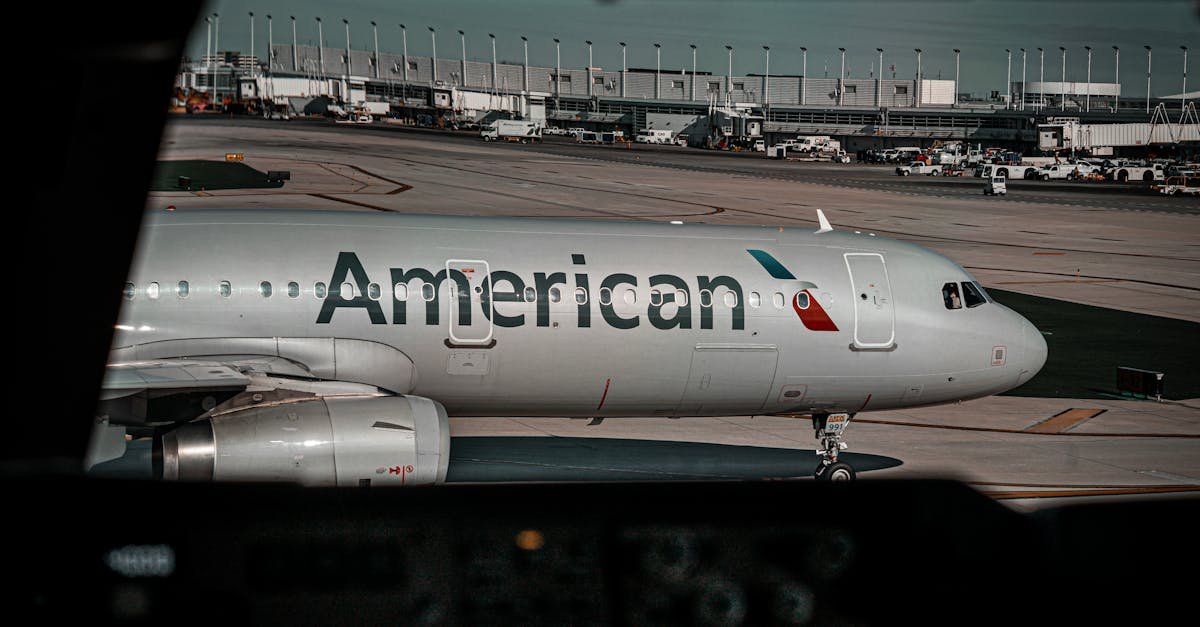
    The aviation world is currently buzzing with a question that once seemed impossible. Could United and American Airlines actually merge? For years, the U.S. airline industry has been dominated by a small group of massive carriers. These companies have carved out their own hubs and loyal customer bases. However, recent rumors and high-level discussions have brought the idea of a “mega-merger” back into the spotlight.

    If such a deal ever moved from a whisper to a reality, it would change everything for passengers. From the price of a ticket to the routes available at your local airport, the ripples would be felt across the globe. To understand why this is being talked about now, we have to look at the current state of American Airlines and how the industry is shifting under our feet.

    The Spark That Started the Conversation

    The latest round of speculation began in early 2026. Reports emerged that the leadership at United Airlines had floated the idea of a combination during meetings with government officials. The logic presented was simple. As fuel prices climb and international competition grows, the biggest U.S. carriers might need even more scale to stay competitive against foreign airlines.

    For American Airlines, this conversation comes at a time of transition. The company has spent the last few years focusing on paying down debt and improving its operational reliability. While the airline is seeing record revenues and strong demand for its premium seats, the cost of doing business is rising. In this environment, the idea of joining forces with another giant starts to look less like a fantasy and more like a strategic play for survival.

    Why Scale Matters for American Airlines

    To understand why a merger is even being discussed, you have to look at how American Airlines operates today. It currently manages one of the largest fleets in the world and serves hundreds of destinations. However, even with that massive footprint, there are gaps. United has a very strong presence in international gateways like San Francisco and Newark. Meanwhile, American Airlines holds a dominant position in the Sun Belt and across the Atlantic through its London partnerships.

    A merger would theoretically create a carrier that is untouchable in terms of network reach. You would have a single airline that controls the most important hubs in New York, Chicago, Dallas, and Los Angeles. For a business traveler, this sounds like a dream. You could fly almost anywhere on a single ticket while racking up points in one loyalty program. For the airline, it means more efficiency and more power to negotiate for better fuel prices or airplane orders.

    The Massive Regulatory Wall

    While the business logic might make sense on paper, the legal reality is much different. The United States government has a very strict set of rules meant to prevent monopolies. In recent years, regulators have been incredibly skeptical of any deals that reduce competition. We saw this when the government blocked smaller deals involving JetBlue and Spirit.

    If the government was worried about a small budget airline being bought, imagine the reaction to a merger between two of the “Big Three.” A combined United and American Airlines would control such a huge portion of the market that it could effectively set prices in many cities. Critics argue that when competition goes down, ticket prices almost always go up.

    The Department of Justice would look at “overlap” routes. These are flights where both United and American Airlines are the only major choices for passengers. If they merged, the competition on those routes would vanish. To get approval, the airlines would likely have to give up dozens of gates at major airports, which might defeat the purpose of the merger in the first place.

    How Your Frequent Flyer Miles Could Change

    One of the biggest concerns for travelers is what happens to their loyalty. American Airlines has one of the most popular programs in the world with AAdvantage. Millions of people have spent years earning status and miles with the hope of using them for dream vacations.

    In a merger, two very different cultures and systems have to mesh. United uses a different technology platform and has a different approach to elite benefits. History shows that combining these programs is a massive headache. When American Airlines merged with US Airways years ago, it took a long time to smooth out the bumps. A merger of this size would be even more complex. While your miles would likely carry over into a new combined program, the value of those miles and the ease of using them could shift overnight.

    Impact on Ticket Prices and Service

    The most pressing question for the average traveler is the cost. If American Airlines were to merge with United, would flying become more expensive? Most industry experts say yes. When there are fewer companies competing for your business, they don’t have to try as hard to offer the lowest price.

    Beyond the price, there is the issue of service. Huge mergers often lead to “growing pains.” We have seen it before where flight schedules get messy and customer service wait times skyrocket as two massive workforces try to integrate. For American Airlines employees, a merger would mean new contracts, new seniority lists, and potential job relocations. If the staff is unhappy or stressed, that often trickles down to the passenger experience.

    The International Competitive Angle

    One of the strongest arguments in favor of a merger involves the global stage. While American Airlines is a titan in the U.S., it faces stiff competition from state-subsidized carriers in the Middle East and Asia. These foreign airlines often have newer planes and luxury amenities that are hard for U.S. carriers to match while remaining profitable.

    United and American Airlines leaders might argue that they need to be larger to survive this global pressure. By combining resources, they could invest more in “next-generation” aircraft and better airport lounges. They want to ensure that a traveler flying from New York to Singapore chooses a U.S. brand rather than a foreign one. Whether the government believes this is a good enough reason to allow a domestic monopoly is the multi-billion dollar question.

    READ MORE: American Airlines Stock Jumps as TD Cowen Hikes Price Target on Fuel Outlook

    Looking Toward the Horizon

    For now, a merger remains in the realm of “what if.” There have been no formal filings and no official agreements. The leadership at American Airlines continues to focus on its own independent growth, adding new planes and refining its schedule to meet the demands of 2026 travelers.

    However, the fact that these conversations are happening at high levels of government shows that the industry is at a crossroads. Costs are not going down, and the pressure to be more efficient is only growing. Whether it happens through a full merger or just deeper partnerships, the way we fly is going to continue to evolve.

    The sky is crowded, and the players are powerful. As we watch how American Airlines navigates these rumors, passengers should stay informed. The future of your next flight might just depend on a handshake between the giants of the industry.
  • Why Were JetBlue Flights Grounded Nationwide in March 2026?

    Why Were JetBlue Flights Grounded Nationwide in March 2026?

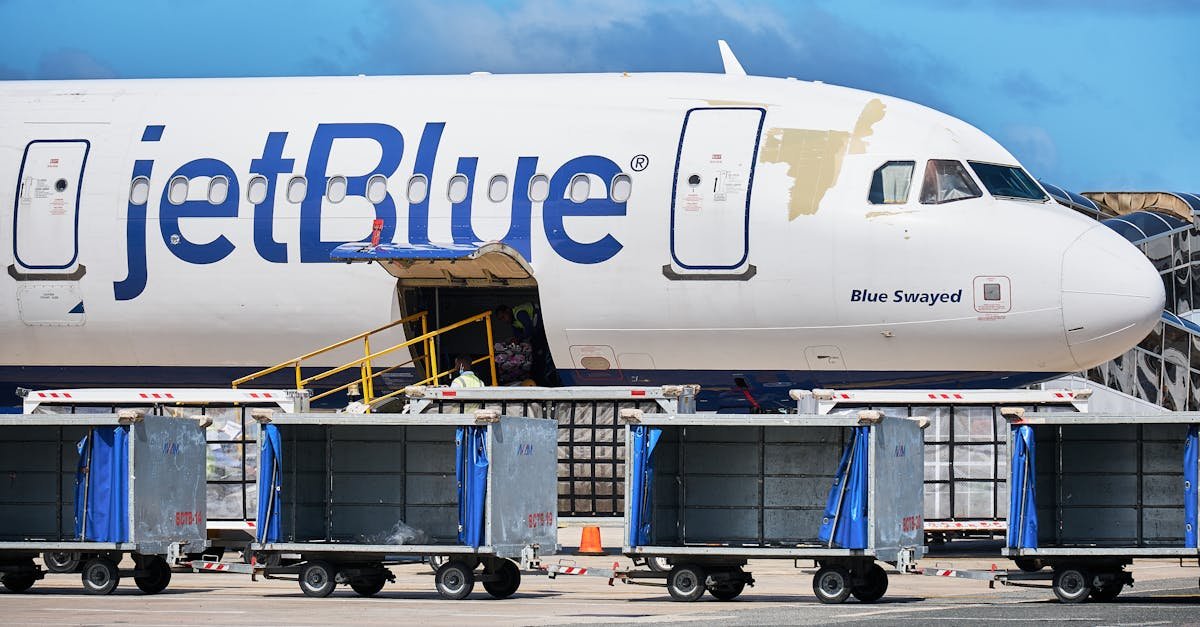
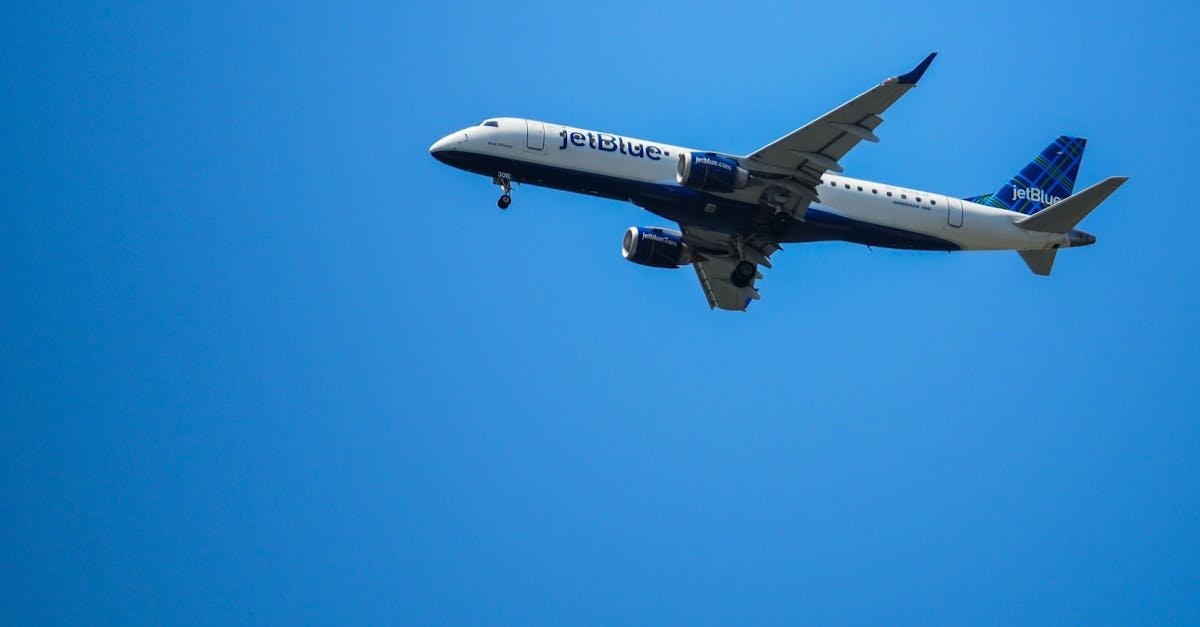
    Early Tuesday morning on March 10, 2026, travelers across the United States woke up to a sudden and puzzling disruption. The Federal Aviation Administration issued a nationwide ground stop for all JetBlue flights at the request of the airline. While the pause was relatively brief, it sent ripples through the aviation industry and left thousands of passengers wondering what went wrong. To understand why such a drastic measure was taken, it is necessary to look at the mechanics of airline operations and the specific events that unfolded during those early morning hours.

    The Timeline of the March 10 Grounding

    The event began in the predawn hours when most of the country was still asleep. At approximately 5:30 AM EST, the FAA posted an official advisory noting that all JetBlue departures were being halted. Unlike many ground stops that are weather related or initiated by air traffic control, this specific order came because JetBlue itself asked for it.

    The ground stop lasted roughly 40 minutes, with the FAA lifting the restriction around 6:10 AM EST. While 40 minutes might seem like a small window of time, in the world of commercial aviation, even a short pause can be incredibly expensive and logistically difficult. Flights already in the air were allowed to continue to their destinations and land safely, but any aircraft sitting at a gate or on a taxiway was forced to wait until the “all clear” was given.

    The Core Cause A Brief System Outage

    Following the resumption of flights, JetBlue issued a statement clarifying the situation. The airline attributed the grounding to a brief internal system outage. In the modern era, airlines are essentially massive technology companies that happen to fly planes. Every aspect of a flight is managed through interconnected software systems.

    When a “system outage” occurs, it usually involves one of the following critical pillars:

    • Weight and Balance Systems: Pilots need precise calculations on fuel, baggage, and passenger weight to determine takeoff speeds and flap settings. If the software that calculates this data goes down, a plane cannot legally or safely take off.
    • Flight Dispatch Communication: Dispatchers on the ground must be able to send flight plans and weather updates to the cockpit. A break in this digital link effectively freezes the fleet.
    • Passenger Manifests: For security and operational reasons, the airline must have an accurate, real-time list of every person on board. If the check-in or boarding software fails, the airline loses its ability to track who is on which plane.

    While JetBlue did not specify which exact program failed, the fact that they requested a nationwide stop suggests the issue was at a central server level rather than a localized problem at a single airport like JFK or Boston Logan.

    Why Airlines Request Their Own Grounding

    It is quite rare for an airline to ask the FAA to ground its entire fleet. Usually, the FAA takes the lead during hardware failures in air traffic control towers or severe weather events. However, when an airline makes this request, it is an act of proactive safety management.

    By freezing all departures, JetBlue prevented a situation where dozens of planes might be stuck on taxiways with no way to receive their necessary flight data. It is much easier to manage a delay at the gate than it is to manage a line of twenty planes burning fuel on a runway while technicians in a data center try to reboot a server. This move allowed JetBlue to “pause” the clock, fix the technical glitch, and then resume in a controlled manner.

    The Impact on Passengers and Operations

    Even though the grounding was lifted before many people had even finished their first cup of coffee, the effects were felt throughout the day. Aviation operates on a “hub and spoke” model where planes and crews are scheduled to fly multiple legs in a single day. A 40-minute delay for a 6:00 AM flight out of New York might result in a two-hour delay for a 4:00 PM flight out of Los Angeles because the aircraft or the pilots arrived late from their previous journey.

    On the morning of the outage, flight tracking services reported roughly 150 delays across the JetBlue network.Fortunately, because the outage happened so early and was resolved quickly, the airline avoided the kind of multi-day “meltdown” that has plagued other carriers in recent years. Most passengers saw delays of under an hour, though those with tight connections in major hubs faced a more stressful experience.

    Technical Resilience in Modern Aviation

    The March 2026 JetBlue incident highlights a growing concern in the travel industry: the fragility of digital infrastructure. As airlines move toward more automated and paperless cockpits, their reliance on 100% uptime for their internal networks becomes absolute.

    In years past, a computer failure might have been managed with manual paperwork and radio communication. Today,the complexity of modern flight planning makes manual work nearly impossible for a fleet of hundreds of aircraft. This event serves as a reminder that while technology makes flying more efficient and often safer, it also creates a single point of failure that can halt an entire nation’s travel in an instant.

    Comparing This Event to Past Outages

    JetBlue is not the first airline to face this challenge. In late 2024 and throughout 2025, other major carriers like United and American Airlines experienced similar “connectivity malfunctions” that required nationwide pauses. These incidents often stem from “vendor technology issues” where a third-party software provider pushes an update that contains a bug, or an internal server experiences a hardware failure.

    The aviation industry is currently under pressure to modernize these legacy systems. Many airlines still use code bases that are decades old, layered with newer web-based interfaces. When these layers don’t communicate perfectly, a system outage is the result.

    How Travelers Can Prepare for Future Disruptions

    While you cannot predict when an airline might have a technical hiccup, there are ways to mitigate the frustration.

    1. Monitor the FAA Command Center: The FAA maintains a public website that lists active ground stops in real-time. If you see your airline listed there, you know the delay is systemic rather than just a problem with your specific plane.
    2. Use the Airline App: During a ground stop, airport gate agents are often overwhelmed. The JetBlue app usually receives updates on flight status and rebooking options faster than the physical monitors at the airport.
    3. Know Your Rights: Because this was an internal “system outage” and not a weather event, it is considered a “controllable” delay. This means the airline is generally responsible for rebooking you and, in the case of long delays, providing meal vouchers or other assistance.

    Navigating the Aftermath of a Flight Pause

    If your flight was one of those caught in the March 10 shuffle, the best course of action is to stay patient but proactive.Once the FAA lifts a ground stop, the “ramp up” period begins. This involves re-sequencing departures and ensuring that crews have not timed out of their legal working hours.

    The airline’s priority is always to get the network back on schedule as quickly as possible. For most travelers, this means a slightly later arrival. For the airline, it means a day spent playing a massive game of logistical chess to ensure that every plane ends up where it needs to be for the following morning’s schedule.

  • Why Was A JetBlue Passenger Arrested At Las Vegas Airport? All About The ‘Service Dog’ Paperwork Dispute

    Why Was A JetBlue Passenger Arrested At Las Vegas Airport? All About The ‘Service Dog’ Paperwork Dispute

    In the high-stress environment of a major international airport, tensions often run high, but a recent incident at Harry Reid International Airport (LAS) has left the public and travel industry professionals alike in a state of disbelief. On the night of February 2, 2026, a routine travel dispute between a passenger and JetBlue Airways staff escalated into a criminal case involving animal abandonment and a dramatic police intervention.

    The story, which has since gone viral, centers on a 2-year-old Goldendoodle and a passenger’s refusal to comply with federal and airline-specific service animal regulations. Here is the full breakdown of what transpired, the legal consequences, and the heartwarming update on the dog now known as “JetBlue.”

    The Initial Confrontation: A Service Dog Paperwork Failure

    The trouble began shortly before midnight at the JetBlue ticket counter in Terminal 3. A 26-year-old traveler, identified in police logs as Germiran Bryson, arrived at the airport intending to fly with her Goldendoodle. Bryson claimed the animal was a trained service dog, which would typically allow the pet to fly in the cabin free of charge.

    However, airline staff quickly identified a critical issue: Bryson had not completed the mandatory online service animal documentation.

    JetBlue’s Service Animal Policy

    Under U.S. Department of Transportation (DOT) guidelines and JetBlue’s 2026 policies, passengers traveling with service animals must:

    1. Submit Documentation: Complete the DOT Service Animal Air Transportation Form at least 48 hours before the flight.
    2. Validation: The form must be submitted via the airline’s digital portal to ensure the animal is added to the reservation.
    3. Alternative Options: If paperwork is not completed, the animal is treated as a standard pet, which requires a $150 pet fee, a hard-sided carrier that fits under the seat, and a limit of one pet per passenger.

    When informed that her dog could not fly as a service animal without the pre-filed paperwork, Bryson was offered the choice to pay the fee or rebook her flight. She reportedly refused both options.

    A Shocking Decision: Abandonment at the Baggage Sizer

    What happened next was captured on airport surveillance footage and has become the focal point of public outrage. Rather than making arrangements for the dog’s care or staying behind, Bryson allegedly led the Goldendoodle to a metal carry-on baggage sizer near the ticket counter.

    Without a second glance, she tied the dog’s leash to the sizer and walked away, heading toward the Transportation Security Administration (TSA) checkpoint to catch her flight. Witnesses and airport employees watched in confusion as the dog sat alone in the middle of the busy terminal.

    The Police Intervention at Gate D1

    JetBlue employees acted immediately, notifying the Las Vegas Metropolitan Police Department (LVMPD). Officers tracked Bryson through the secure area of the airport and located her at Gate D1, waiting to board her flight.

    The “Tracking Device” Defense

    Body camera footage released by the LVMPD shows a startling exchange. When asked why she left her dog, Bryson claimed the animal had a “tracking device” and would simply “find its way home” to her. As officers attempted to escort her back, she became hostile and combative, leading to charges of animal abandonment and resisting a public officer.

    The Road to Recovery: A New Chapter for the Dog Named “JetBlue”

    While the legal proceedings against Bryson continue with a status check hearing scheduled for March 31, 2026 and the narrative has shifted toward a much more hopeful tone regarding the innocent victim of this dispute. After being abandoned at the ticket counter, the 2-year-old Goldendoodle was initially taken into custody by Animal Protective Services. Per Nevada law, a mandatory 10-day hold was placed on the dog to allow the owner a final chance to reclaim him. When the period passed with no word from Bryson, he was signed over to the Retriever Rescue of Las Vegas (RRLV).

    The rescue group, moved by the dog’s resilience and the location of his rescue, officially renamed him “JetBlue.”Since entering foster care, the pup has undergone a complete medical overhaul, including vaccinations and neutering. Despite the trauma of being tied to a metal post and left in a crowded terminal, rescuers describe him as an exceptionally “affectionate, gentle, and social” animal who holds no grudges against the humans he meets.

    An Outpouring of Community Support and Global Interest

    The story of “JetBlue” has resonated far beyond the borders of Nevada. According to Danielle Roth, founder of Retriever Rescue of Las Vegas, the organization has been overwhelmed by the public’s response. In the weeks following the viral footage, the rescue received nearly 200 adoption applications from across the country. In a poetic twist of fate, several of those applications came from the very Las Vegas police officers and TSA agents who were on the scene the night of the abandonment.

    This massive surge in interest has allowed the rescue to be incredibly selective, ensuring that “JetBlue” is placed in a “forever home” that prioritizes stability and companionship. The rescue has used this spotlight to remind the public that while “JetBlue” is a “celebrity” rescue, thousands of other animals face similar abandonment issues at airports and shelters every day. They hope his story encourages a broader movement toward responsible pet ownership and adoption.

    Lessons in Responsible Travel and Animal Welfare

    This incident serves as a crucial case study for pet owners navigating the increasingly strict world of air travel. The $150 fee Bryson refused to pay has now resulted in multiple misdemeanor charges and a permanent criminal record. Beyond the legalities, the “JetBlue” case highlights the ethical responsibility of pet owners. Experts stress that animals are not luggage; they are sentient beings that experience confusion and fear when separated from their owners in high-stress environments.

    As “JetBlue” prepares to move into his new permanent home this Saturday, the message from the LVMPD remains clear: “Please don’t abandon your dog at the airport or anywhere else.” There are always resources, rescues, and temporary boarding facilities available for those who find themselves in a bind. For the Goldendoodle once left behind at a baggage sizer, the future finally looks bright, filled with the promise of a family that will never walk away.

  • Why Was Newark Airport Shutdown? JetBlue Cockpit Smoke and Engine Issues Explained

    Why Was Newark Airport Shutdown? JetBlue Cockpit Smoke and Engine Issues Explained

    On Wednesday, February 18, 2026, Newark Liberty International Airport (EWR) was abruptly brought to a standstill.Thousands of travelers were left scanning departure boards in confusion as a “ground stop” was declared, effectively freezing one of the busiest aviation hubs in the United States. The cause? A harrowing emergency involving JetBlue Flight 543, an Airbus A320 bound for West Palm Beach, Florida.+2

    What began as a routine evening departure quickly escalated into a high-stakes emergency landing, cockpit smoke, and a full-scale tarmac evacuation that forced federal authorities to shutter the entire airport.

    The Timeline of JetBlue Flight 543: 40 Minutes of Uncertainty

    JetBlue Flight 543 was scheduled for a standard sunset departure, lifting off from Newark at approximately 5:43 PM local time. However, the flight didn’t make it far. Within minutes of reaching its initial climb, the flight crew detected a catastrophic failure in engine number one.+1

    While modern twin-engine aircraft are designed to fly perfectly well on a single engine, the situation grew more complex when smoke began to filter into the cockpit and the passenger cabin. Recognizing the immediate threat to the crew’s visibility and passenger safety, the pilots declared an emergency and requested an immediate return to Newark.+1

    The aircraft spent only about 17 to 20 minutes in the air, performing a tight loop over northern New Jersey before touching down safely on the runway just after 6:00 PM.

    The Tarmac Crisis: Why the Airport Had to Close

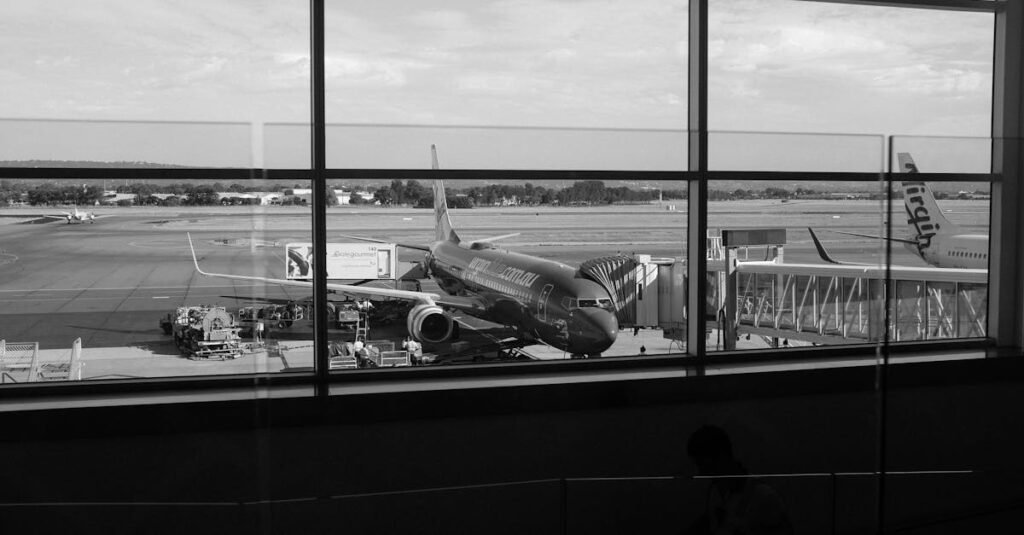
    Monochrome view of an airport runway showcasing airplanes and gates through large windows.

    Many travelers wonder why a single plane’s mechanical issue would necessitate the shutdown of an entire international airport. The answer lies in the emergency evacuation protocols.

    After landing, the crew of Flight 543 determined that the smoke levels were significant enough that they could not risk taxiing the aircraft all the way back to the gate. The pilots brought the Airbus A320 to a halt on a taxiway and made the critical call to “pull the chutes.”

    • Evacuation via Slides: All 122 passengers and crew members were forced to exit the aircraft via inflatable emergency slides directly onto the tarmac.
    • Total Ground Stop: Per FAA and Port Authority safety regulations, whenever passengers are on the actual airfield (outside of the aircraft and not in a vehicle), all aircraft movement must cease. This prevents any risk of an evacuating passenger being struck by a taxiing plane or sucked into a nearby engine.
    • Emergency Responder Influx: Dozens of fire trucks, ambulances, and Port Authority police vehicles swarmed the taxiway, further blocking the “lanes” used by other flights.

    The Anatomy of an Engine Failure: What Went Wrong?

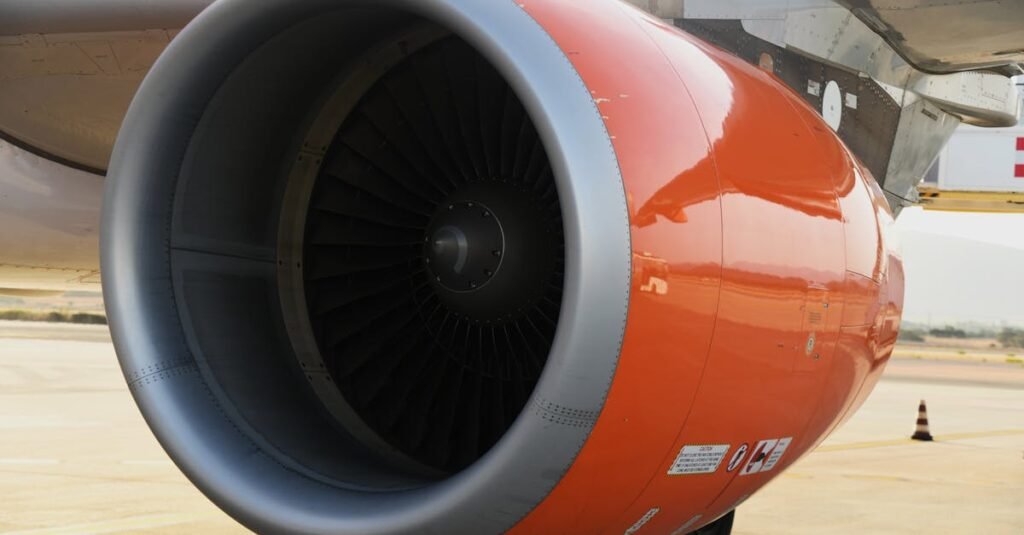
    Detailed view of an orange jet engine of a commercial airplane in Sardegna, Italy.

    While the official investigation by the Federal Aviation Administration (FAA) and the National Transportation Safety Board (NTSB) is ongoing, preliminary reports point toward a mechanical breach in the #1 engine.

    Why was there smoke in the cabin?

    In an aircraft, the air you breathe is “bleed air” drawn from the engines. If an engine suffers a mechanical failure involving an oil leak or a seal breach, atomized oil or hydraulic fluid can enter the air cycle machine. When this fluid hits the high-heat environment of the engine, it vaporizes, creating a thick, acrid smoke that is pumped directly into the cockpit and passenger cabin.

    Passenger Accounts: “A Calm but Tense Scene”

    Social media was quickly flooded with footage from the tarmac. Passengers described a distinct smell of burning plastic or chemicals followed by a visible haze in the cabin. Despite the terrifying nature of an emergency evacuation, eyewitnesses praised the JetBlue flight attendants for their professional handling of the 122 souls on board.

    One passenger, Alexandra Svokos, recounted the speed of the event, noting that once the slides were deployed, the plane was empty in under two minutes. Emergency medical teams evaluated one passenger for chest pains, but remarkably, no traumatic injuries were reported during the slide descent a testament to the effectiveness of modern aviation safety drills.

    The Ripple Effect: Newark’s Operations and Air Traffic Control

    Newark Liberty is a notoriously “compact” airport. Unlike sprawling facilities like Denver or Dallas-Fort Worth, Newark’s runways and taxiways are tightly packed. When Flight 543 came to a halt on a primary taxiway, it effectively acted as a cork in a bottle.

    • Delayed Flights: According to FlightAware data, approximately 31% of arrivals and 30% of departures were delayed.
    • Diverted Aircraft: Planes already in the air heading for Newark were forced to circle in “holding patterns” or divert to Philadelphia (PHL) and New York-JFK.
    • The Reopening: The ground stop remained in effect until roughly 7:00 PM, when the aircraft was finally towed to a maintenance hangar and the taxiway was cleared of debris and passengers.

    Safety First: The FAA and JetBlue’s Response

    In a statement released shortly after the incident, JetBlue reiterated its commitment to safety:

    “Safety is JetBlue’s top priority. We are focused on supporting our customers and crew members and will work closely with the appropriate federal authorities to investigate what occurred.”

    The FAA has confirmed that it will be performing a deep dive into the maintenance records of the specific Airbus A320 involved. Investigators will look for signs of metal fatigue, bird strikes (though none were initially reported), or component failure within the turbine assembly.

    Beyond the Chaos: Why Flight 543 is a Masterclass in Aviation Safety

    While a total shutdown of a major international hub like Newark Liberty is often viewed through the lens of frustration and missed connections, the resolution of JetBlue Flight 543 represents a triumph of modern aviation protocols. In the high-stakes environment of a cockpit filled with smoke, seconds are the only currency that matters. The decision-making process displayed by the flight crew transitioning from a standard climb to an emergency descent and a full-scale tarmac evacuation in under 40 minutes is a testament to the rigorous, simulator-driven training that defines the industry today.

    The “ground stop” that paralyzed the Tri-State area’s air traffic was not a failure of the system, but rather the system working exactly as designed. By freezing all movement at EWR, the FAA and Port Authority created a “sterile environment,” ensuring that the 122 passengers sliding onto the pavement were protected from the secondary risks of a functioning airfield. In the world of commercial flight, an “inconvenience” for thousands is always a fair trade for the lives of a few hundred.

    As investigators from the NTSB begin their “tear-down” of the failed engine to identify the root mechanical cause, the takeaway for the traveling public is one of resilience. This incident serves as a visceral reminder that while mechanical failures are an inherent risk of complex machinery, the layers of redundancy both in the aircraft’s engineering and the crew’s emergency procedures are robust enough to turn a mid-air crisis into a safe landing. For the passengers who walked away on the Newark tarmac on Wednesday night, the smell of smoke and the rush of the inflatable slide will be a lifelong memory, but thanks to a “safety-first” culture, it is a memory they are alive to share.

  • Sudden Drop at 35,000 Feet: JetBlue Passengers Take Airbus to Court

    Sudden Drop at 35,000 Feet: JetBlue Passengers Take Airbus to Court

    What began as a routine international flight turned into a terrifying mid-air emergency, and now it has escalated into a major legal battle. Passengers aboard a JetBlue flight have filed a lawsuit against aircraft manufacturer Airbus, alleging that a sudden and unexplained loss of altitude on an Airbus A320 caused injuries, trauma, and long-term distress.

    The incident has reignited concerns about flight-control software, automation reliability, and how modern aircraft handle rare system failures. As investigations continue, the lawsuit is already drawing global attention within the aviation industry.

    What Happened on the JetBlue Flight

    View of clouds and sky from an airplane window, showcasing travel scenery.

    The incident occurred aboard a JetBlue Airbus A320 operating an international route from Cancún, Mexico, to Newark, New Jersey. According to passenger accounts and early investigative findings, the aircraft was cruising at approximately 35,000 feet when it suddenly pitched nose-down without warning.

    Passengers described the moment as violent and disorienting. Drinks flew, unsecured items hit the ceiling, and several people were thrown against their seatbelts. Flight attendants who were standing or moving through the cabin were injured as the aircraft abruptly lost altitude within seconds.

    Crucially, there were no severe weather conditions reported at the time, and the aircraft was not maneuvering to avoid turbulence or traffic. The sudden descent appeared to come out of nowhere.

    How Much Altitude Did the Plane Lose?

    While early reports suggested a dramatic “plunge,” aviation data indicates the aircraft lost roughly 100 feet of altitude in a very short span of time. In commercial aviation terms, even a brief, uncommanded altitude loss at cruising height is considered serious, especially when it occurs without pilot input or warning.

    Pilots quickly regained control of the aircraft, stabilized the flight, and declared an emergency. The plane diverted to Tampa, Florida, where it landed safely. No fatalities occurred, but multiple passengers and crew members required medical evaluation after landing.

    Allegations of a Flight Control Software Failure

    At the heart of the lawsuit is an allegation that the incident was caused by a malfunction within the aircraft’s fly-by-wire system. The Airbus A320 relies heavily on computer-controlled flight systems that interpret pilot inputs and automatically maintain safe flight parameters.

    According to the lawsuit, a fault within one of the flight control computers may have caused the aircraft to command a nose-down input without pilot instruction. Investigators are reportedly examining whether corrupted data or a software anomaly inside the Elevator and Aileron Computer played a role.

    While Airbus has not admitted fault, the company has acknowledged that it identified a potential software vulnerability affecting certain A320-family aircraft. Airlines worldwide were instructed to apply software updates or temporary mitigations as a precaution.

    Who Filed the Lawsuit and What Are They Claiming?

    Several passengers from the flight have filed a federal lawsuit in Florida naming Airbus as a primary defendant. JetBlue is also included under international aviation liability rules that govern passenger injuries on cross-border flights.

    The plaintiffs allege that:

    • The aircraft was equipped with flight-control software that was unreasonably dangerous
    • The defect was known or should have been known prior to the incident
    • Passengers suffered physical injuries, emotional trauma, and ongoing psychological effects

    The lawsuit seeks financial compensation exceeding $75,000 per plaintiff, covering medical costs, pain and suffering, and long-term emotional distress.

    JetBlue’s Role Under International Aviation Law

    Although the lawsuit focuses heavily on Airbus, JetBlue has been named under the Montreal Convention, an international treaty that governs airline liability for injuries occurring on international flights.

    Under this framework, airlines can be held financially responsible for passenger injuries regardless of fault, though they may later seek reimbursement from manufacturers or suppliers if a defect is proven.

    JetBlue has stated that safety remains its top priority and that it is cooperating fully with investigators. The airline has not publicly commented on the pending litigation.

    Regulatory Investigations and Industry Impact

    The incident is being reviewed by aviation safety authorities, including the National Transportation Safety Board. Investigators are analyzing flight data recorders, cockpit voice recordings, and software logs to determine exactly what triggered the sudden descent.

    Beyond this single flight, the case has broader implications. The Airbus A320 family is one of the most widely used aircAircraftraft types in the world, with thousands in service across major airlines. Any confirmed software flaw could have ripple effects across global aviation operations.

    In response to the incident, Airbus issued guidance recommending software updates and operational checks. While these measures were described as precautionary, they underscore the seriousness with which the manufacturer is treating the event.

    Passenger Trauma and the Human Cost

    For many passengers, the most lasting impact has not been physical but psychological. Several plaintiffs report anxiety about flying, sleep disturbances, and symptoms consistent with post-traumatic stress.

    A sudden loss of altitude, even one that lasts only seconds, can feel catastrophic to those onboard. Aviation experts note that humans are particularly sensitive to unexpected vertical motion, especially when it occurs without explanation.

    The lawsuit argues that passengers were entitled to a reasonable expectation of safety and that the incident shattered their trust in aircraft automation.

    A vibrant sunset at Copenhagen Airport with airplanes and bustling activity.

    Why This Lawsuit Matters for Aviation Safety

    This case arrives at a time when aviation safety discussions increasingly focus on software, automation, and human-machine interaction. Modern aircraft are extraordinarily safe, but when systems fail, the failures can be complex and difficult to predict.

    The lawsuit may ultimately hinge on whether the alleged software issue constitutes a design defect or an unforeseeable anomaly. Either way, it is likely to influence how manufacturers test, certify, and monitor flight-critical software going forward.

    What Happens Next?

    The legal process is still in its early stages. Investigators continue to analyze technical data, and the court will eventually determine whether the claims against Airbus and JetBlue proceed to trial or are resolved through settlement.

    For now, the incident serves as a stark reminder that even in an era of advanced automation, aviation safety depends on relentless oversight, transparency, and accountability.

    As the case unfolds, passengers, regulators, and airlines around the world will be watching closely.