Category: News

  • Boeing 777-9: Why This Simulator ‘Green Light’ is the Breakthrough the Program Desperately Needed

    Boeing 777-9: Why This Simulator ‘Green Light’ is the Breakthrough the Program Desperately Needed

    In the high-stakes chess game of global aerospace, Boeing has just made a move that many industry insiders believe could be the most significant turning point for the 777X program in years.

    On February 19, 2026, the aviation giant announced it had received initial qualification from both the Federal Aviation Administration (FAA) and the European Union Aviation Safety Agency (EASA) for its 777-9 training devices. At first glance, a “simulator certificate” might seem like a dry, technical checkbox. However, for a program that has been haunted by half a decade of delays, billion-dollar charges, and regulatory skepticism, this “green light” is the structural support Boeing desperately needed to keep its 2027 delivery promises.

    Beyond the Cockpit: Why This Qualification Matters Now

    The Boeing 777-9 is not just another airplane; it is a massive technological leap designed to be the world’s largest and most efficient twin-engine jet. But with great innovation comes great regulatory scrutiny. Since the grounding of the 737 MAX years ago, the “trust gap” between Boeing and global regulators has made the certification of the 777X one of the most difficult processes in aviation history.

    Securing initial qualification for the training devices means that the FAA and EASA have formally agreed that the digital representation of the 777-9 is accurate enough to train human beings. It signals that the aircraft’s flight laws, systems logic, and handling characteristics have reached a level of design stability. You cannot train a pilot on a “moving target”; the fact that regulators have put their stamp on these simulators suggests that the final version of the actual aircraft is finally coming into focus.

    The “Gatwick Gateway”: A Global Training Hub

    The qualified devices are currently housed at Boeing’s Training Campus in Gatwick, United Kingdom. Developed in a decade-long partnership with CAE, these aren’t just video games with fancy chairs. They are multi-million dollar “Full-Flight Simulators” (FFS) that use gaming-engine-powered visuals (specifically Epic Games’ Unreal Engine) to replicate every vibration, cloud, and mechanical quirk a pilot might encounter.+2

    Solving the “Pilot Bottleneck” Before it Starts

    One of the biggest risks for any new aircraft launch is “Operational Readiness.” An airline can have ten brand-new jets sitting on the tarmac, but they are expensive lawn ornaments if there are no certified pilots to fly them.

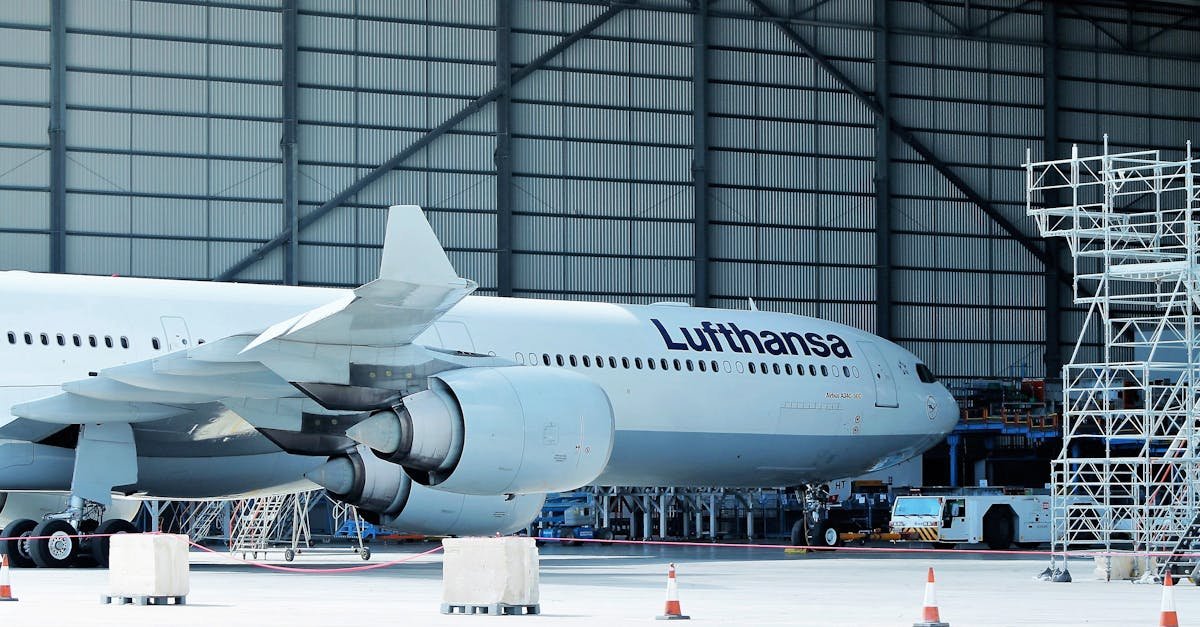
    By qualifying the simulators now roughly a year before the first expected deliveries to launch customer Lufthansa Boeing has successfully decoupled the pilot training timeline from the final aircraft certification timeline.

    • Validation of Courseware: Regulators will now use these sims to “test the test.” They will ensure the training manuals and procedures are safe before pilots ever step inside.
    • Instructor Preparation: Lead pilots from airlines like Emirates, Qatar Airways, and Cathay Pacific can begin their instructor training, ensuring a “train-the-trainer” effect is in place by 2027.
    • Reduced Risk for Airlines: This move allows airlines to plan their crew rosters with precision, removing a massive variable from their multi-billion-dollar fleet strategies.

    Inside the 777-9 Flight Deck: What’s New?

    The qualification of these devices is particularly vital because the 777-9 introduces features that have never existed in a commercial widebody before. The simulator allows pilots to master these innovations in a zero-risk environment:

    1. The Folding Wingtip Controls

    The 777X’s signature feature is its massive carbon-fiber wing with folding tips. This allows the giant to fit into standard airport gates designed for smaller planes. In the simulator, pilots must learn the specific logic of the folding mechanism—ensuring the tips are extended and locked before takeoff and folded immediately after landing.+1

    2. Touchscreen Avionics

    Following the lead of the 787 Dreamliner but taking it a step further, the 777-9 features large-format touchscreen displays. Pilots must build “muscle memory” for navigating these menus during high-pressure situations, such as engine failures or severe weather diversions.

    3. Dual Head-Up Displays (HUD)

    While many modern planes have a HUD for the captain, the 777-9 offers an option for both the pilot and co-pilot to have “eyes-out” data projection. Mastering the coordination between two pilots using HUDs requires specific, high-fidelity simulator hours.

    The Financial Stakes: Stopping the Bleeding

    To understand why this is a “desperate” breakthrough, one only needs to look at Boeing’s balance sheet. The 777X program has already incurred over $15 billion in pre-tax charges. Every month the program is delayed, Boeing loses hundreds of millions in storage costs, labor, and potential penalty payments to frustrated customers.

    By hitting this simulator milestone, Boeing is signaling to the market and its investors that the program is finally moving out of the “developmental chaos” phase and into the “operational execution” phase. It provides a tangible counter-narrative to the headlines of cracks in engine thrust links or uncommanded pitch events that have plagued the program’s past.

    The Road to 2027: What Happens Next?

    While the simulator qualification is a victory, the 777-9 still has a “mountain of work” ahead (as Boeing CEO Kelly Ortberg recently noted). Here is the expected roadmap:

    1. First Production Flight (April 2026): Boeing is currently preparing the first “production-standard” 777X (destined for Lufthansa) for its first flight. This is a critical requirement for final FAA certification.
    2. Courseware Approval: Regulators will spend the coming months flying the Gatwick simulators to approve the specific curriculum pilots will use.
    3. Global Rollout: Beyond Gatwick, CAE is already installing simulators in Frankfurt (for Lufthansa) and Singapore (to serve the Asia-Pacific market).
    4. Type Certification (Late 2026): The final stamp of approval for the actual airplane to carry passengers.

    A New Chapter for the 777X

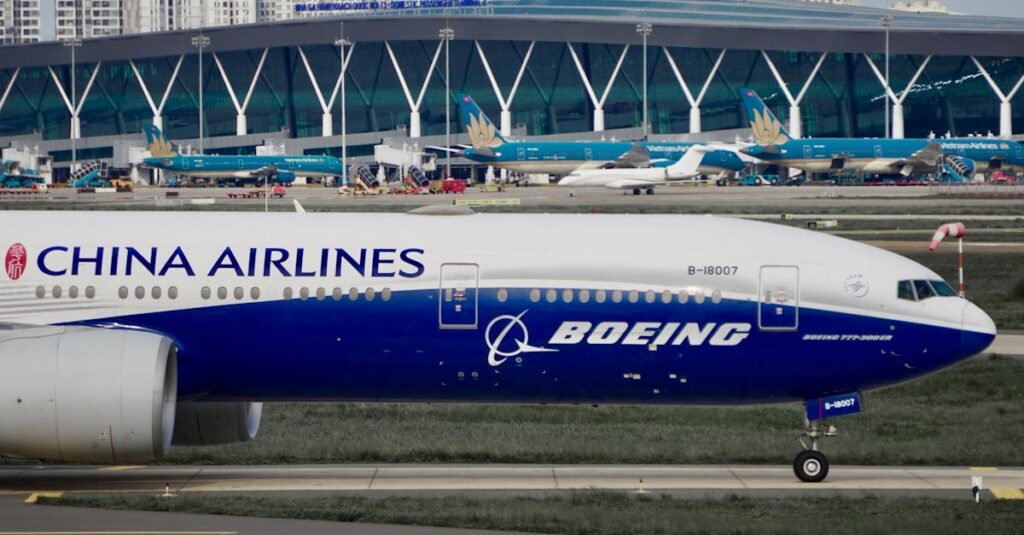
    Close-up of a Boeing 777 by China Airlines taxiing at an airport terminal.

    The “green light” for the 777-9 training devices is more than just a technical permit; it is a symbol of stability. It proves that the “digital twin” of the world’s most anticipated widebody is now a reality, even as the physical fleet continues its rigorous flight testing.

    For the pilots who will eventually command this folding-wing giant, the journey doesn’t start in the clouds it starts in a high-tech box in Gatwick. And for Boeing, that box might just be the most important tool they have to rebuild their reputation and finally deliver on the future of long-haul travel.

  • When Will Southwest Debut the Boeing 737 MAX 7? All We Know So Far

    When Will Southwest Debut the Boeing 737 MAX 7? All We Know So Far

    For nearly seven years, the aviation world and specifically Southwest Airlines has been playing a high-stakes game of “wait and see” with the Boeing 737 MAX 7. As the smallest member of the MAX family, the aircraft was originally intended to be the workhorse that would modernize Southwest’s short-haul fleet by 2019. However, a whirlwind of regulatory shifts, technical redesigns, and production hurdles has pushed that dream further down the runway.

    As of early 2026, the fog is finally beginning to lift. While the airline remains “optimistic,” the target for the official debut has moved to early 2027. This article dives deep into why the timeline shifted, the technical “fix” that saved the program, and what this means for the future of the world’s largest all-737 operator.

    The New Timeline: From Certification to Service

    To understand when you’ll actually step on board a Southwest MAX 7, we have to distinguish between “certification” and “entry into service.” They are not the same thing.

    2026: The Year of the FAA

    Southwest CEO Bob Jordan recently updated investors and analysts, stating that the airline now expects the Federal Aviation Administration (FAA) to grant the MAX 7 its type certification around August 2026. This follows a “rigorous testing” phase that Boeing has been conducting throughout late 2025 and the beginning of 2026.

    2027: The Passenger Debut

    Even if Boeing hands over the keys in late 2026, Southwest cannot simply start selling tickets. The airline requires a buffer of roughly six months to:

    • Train Pilots: Thousands of pilots must be familiarized with the specific nuances of the MAX 7 variant.
    • Maintenance Induction: Maintenance crews need to integrate the new airframe into their rigorous safety schedules.
    • Proving Runs: The airline must conduct its own non-passenger flights to satisfy operational requirements.

    Consequently, Southwest has officially adjusted its fleet planning to target Q1 2027 for the first commercial passenger flight of the Boeing 737 MAX 7.

    Why the Delay? The Engine Anti-Ice Hurdle

    The primary “roadblock” that haunted the MAX 7 for the last two years wasn’t the flight control software (MCAS) that grounded the fleet in 2019. Instead, it was a specialized hardware issue involving the Engine Anti-Ice (EAI) system.

    The Overheating Risk

    During the certification process, regulators discovered a potential flaw: under specific atmospheric conditions (dry, cold air), if a pilot left the engine anti-ice system on for too long, the heat could cause the carbon-composite engine inlets to overheat. This posed a structural risk to the engine housing.

    The Permanent Fix

    Boeing initially sought a temporary exemption to allow the plane to fly while they worked on a fix. However, following the high-profile door-plug incident on an Alaska Airlines flight in early 2024, the FAA and Boeing shifted to a “safety first” culture. Boeing withdrew the exemption request and spent 2025 engineering a permanent hardware redesign. This new system, completed in late 2025, is what is currently being flight-tested to ensure the MAX 7 meets the most modern safety standards.

    Southwest’s Pivot: The “MAX 8” Strategy

    Southwest is not just sitting idly by while Boeing works. To prevent a shortage of seats during the peak 2025 and 2026 travel seasons, the airline has had to get creative with its order book.

    In recent SEC filings (including the 10-K released in February 2026), Southwest revealed it has converted dozens of MAX 7 orders into the larger MAX 8.

    • The Benefit: It allows Southwest to continue growing its capacity and retiring its oldest aircraft.
    • The Trade-off: The MAX 8 is larger and carries more passengers (175 seats vs. 150 on the MAX 7). While great for high-traffic routes, it is less efficient for the “long and thin” routes that the MAX 7 was designed to dominate.

    How Will the “Baby Boeing” Impact Southwest

    Why is Southwest so committed to the MAX 7 despite nearly a decade of delays? The answer lies in the airline’s fundamental business model: point-to-point, high-efficiency travel.

    1. Replacing the 737-700

    Southwest still operates over 300 of the older Boeing 737-700s. These aircraft are the backbone of their fleet, but they are aging. The MAX 7 is the direct successor, offering:

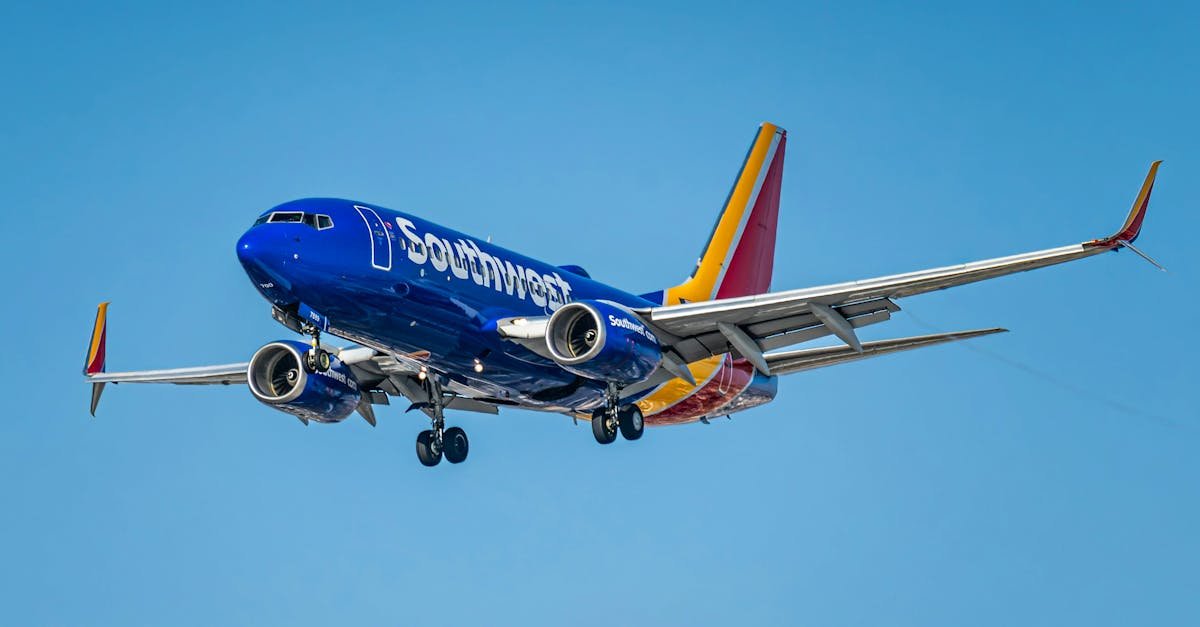
    A Southwest Airlines jet with special livery flying against a blue sky, showcasing aviation technology and travel vibrancy.
    • 18% lower fuel burn per seat.
    • Significantly lower carbon emissions, helping the airline hit its 2030 sustainability goals.

    2. Range and “Thin” Routes

    The MAX 7 has an incredible range of nearly 3,800 nautical miles which is about 1,000 more than the -700. This allows Southwest to fly from mid-continent U.S. cities to Hawaii, or deep into the Caribbean and Central America, without needing a “hub” or a larger, half-empty plane.

    3. Operational Commonality

    By staying with an all-737 fleet, Southwest saves hundreds of millions of dollars in training, spare parts, and crew scheduling. They simply cannot afford to switch to an Airbus A220 without upending their entire cost structure.

    Challenges Remaining for 2026 and 2027

    While the outlook is positive, the “Early 2027” debut is not yet set in stone. Several factors could still sway the timeline:

    • Production Caps: The FAA still maintains a production cap on Boeing (currently around 42 aircraft per month) as it monitors quality control. If Boeing cannot ramp up production by late 2026, Southwest may see its delivery slots pushed back.
    • The “2031 Deadline”: Southwest has set a hard target to retire all 737 Next Generation (NG) aircraft by 2031. To hit this, they need to take delivery of roughly one MAX 7 every week for the next five years which a massive logistical undertaking.
    • Regulatory Scrutiny: The FAA is operating under a “zero-shortcut” policy. Any minor anomaly found during the summer 2026 flight tests could result in a multi-month delay.

    The Strategic Path Forward for the Southwest Fleet

    The arrival of the MAX 7 in 2027 represents more than just a new plane; it is the linchpin of Southwest’s broader business transformation. As the airline moves toward assigned seating and an enhanced cabin experience in 2026, the MAX 7 will be the first aircraft to enter the fleet fully equipped with these new standards from day one. This includes the high-speed USB-A and USB-C power ports, larger overhead “Space Bins,” and the quieter engine profile that passengers have come to expect from the MAX 8.

    From a network perspective, the delay has acted as a bottleneck for Southwest’s “long and thin” route ambitions. While the MAX 8 is perfect for heavy-demand routes like Las Vegas to Phoenix, the MAX 7 is the surgical tool required to make smaller markets profitable over long distances. For example, direct flights from mid-sized cities in the Midwest to Hawaii or deeper into Central America become much more economically viable with a 150-seat aircraft that burns significantly less fuel.

    Furthermore, the 2027 debut aligns with Southwest’s aggressive goal to be an all-MAX operator by 2031. To achieve this, the airline must maintain a seamless “delivery machine” with Boeing. Any further slippage beyond early 2027 would not just delay a debut it would threaten the airline’s long-term cost-reduction targets and its ability to compete against carriers with newer, more diverse fleets. For now, the “August 2026 certification” remains the date to watch.

  • Why Was Newark Airport Shutdown? JetBlue Cockpit Smoke and Engine Issues Explained

    Why Was Newark Airport Shutdown? JetBlue Cockpit Smoke and Engine Issues Explained

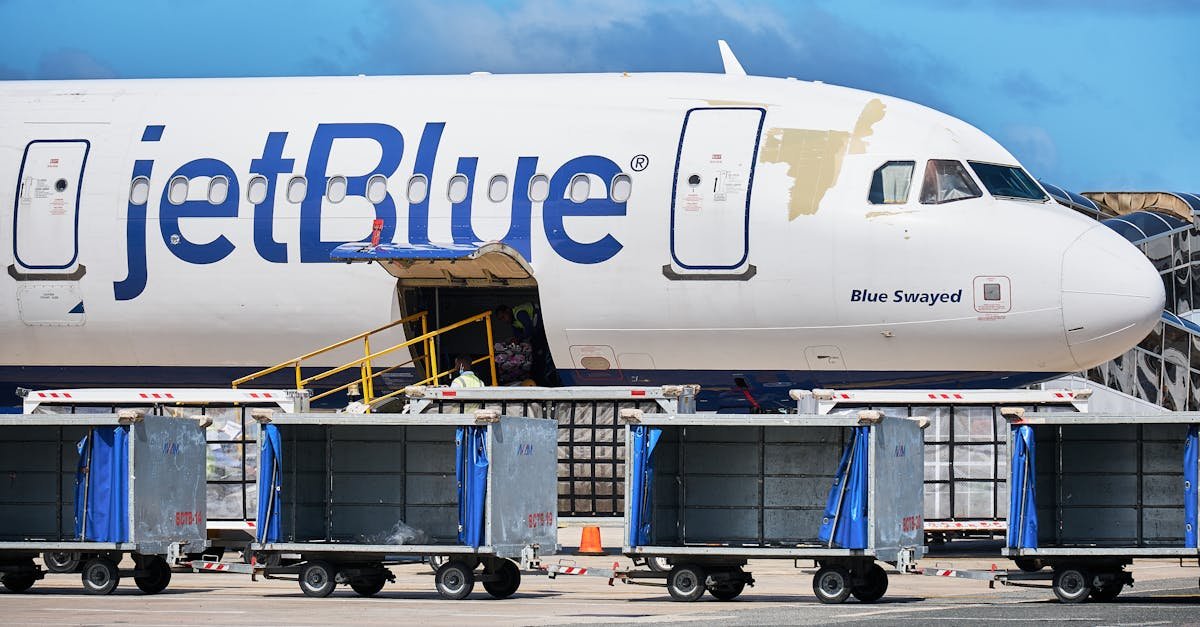
    On Wednesday, February 18, 2026, Newark Liberty International Airport (EWR) was abruptly brought to a standstill.Thousands of travelers were left scanning departure boards in confusion as a “ground stop” was declared, effectively freezing one of the busiest aviation hubs in the United States. The cause? A harrowing emergency involving JetBlue Flight 543, an Airbus A320 bound for West Palm Beach, Florida.+2

    What began as a routine evening departure quickly escalated into a high-stakes emergency landing, cockpit smoke, and a full-scale tarmac evacuation that forced federal authorities to shutter the entire airport.

    The Timeline of JetBlue Flight 543: 40 Minutes of Uncertainty

    JetBlue Flight 543 was scheduled for a standard sunset departure, lifting off from Newark at approximately 5:43 PM local time. However, the flight didn’t make it far. Within minutes of reaching its initial climb, the flight crew detected a catastrophic failure in engine number one.+1

    While modern twin-engine aircraft are designed to fly perfectly well on a single engine, the situation grew more complex when smoke began to filter into the cockpit and the passenger cabin. Recognizing the immediate threat to the crew’s visibility and passenger safety, the pilots declared an emergency and requested an immediate return to Newark.+1

    The aircraft spent only about 17 to 20 minutes in the air, performing a tight loop over northern New Jersey before touching down safely on the runway just after 6:00 PM.

    The Tarmac Crisis: Why the Airport Had to Close

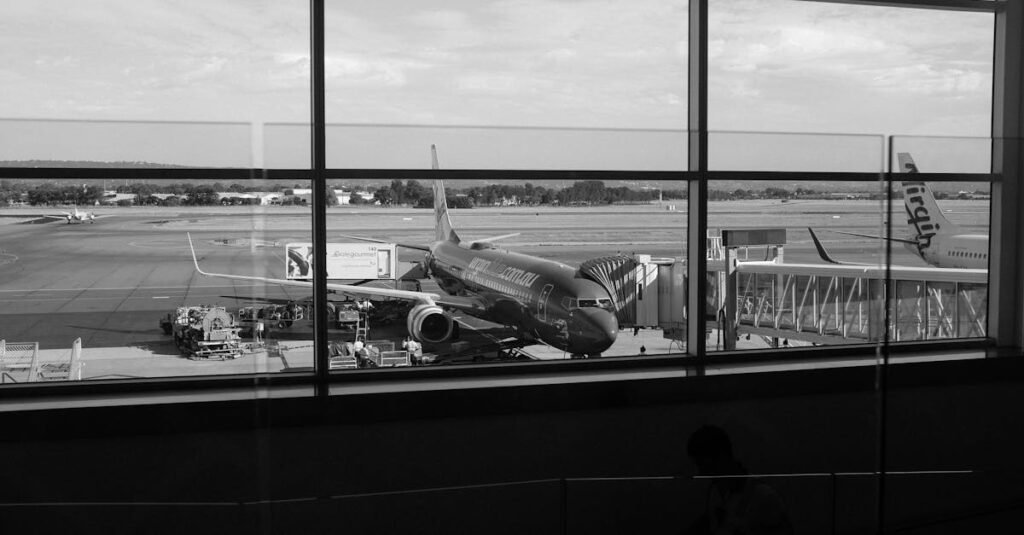
    Monochrome view of an airport runway showcasing airplanes and gates through large windows.

    Many travelers wonder why a single plane’s mechanical issue would necessitate the shutdown of an entire international airport. The answer lies in the emergency evacuation protocols.

    After landing, the crew of Flight 543 determined that the smoke levels were significant enough that they could not risk taxiing the aircraft all the way back to the gate. The pilots brought the Airbus A320 to a halt on a taxiway and made the critical call to “pull the chutes.”

    • Evacuation via Slides: All 122 passengers and crew members were forced to exit the aircraft via inflatable emergency slides directly onto the tarmac.
    • Total Ground Stop: Per FAA and Port Authority safety regulations, whenever passengers are on the actual airfield (outside of the aircraft and not in a vehicle), all aircraft movement must cease. This prevents any risk of an evacuating passenger being struck by a taxiing plane or sucked into a nearby engine.
    • Emergency Responder Influx: Dozens of fire trucks, ambulances, and Port Authority police vehicles swarmed the taxiway, further blocking the “lanes” used by other flights.

    The Anatomy of an Engine Failure: What Went Wrong?

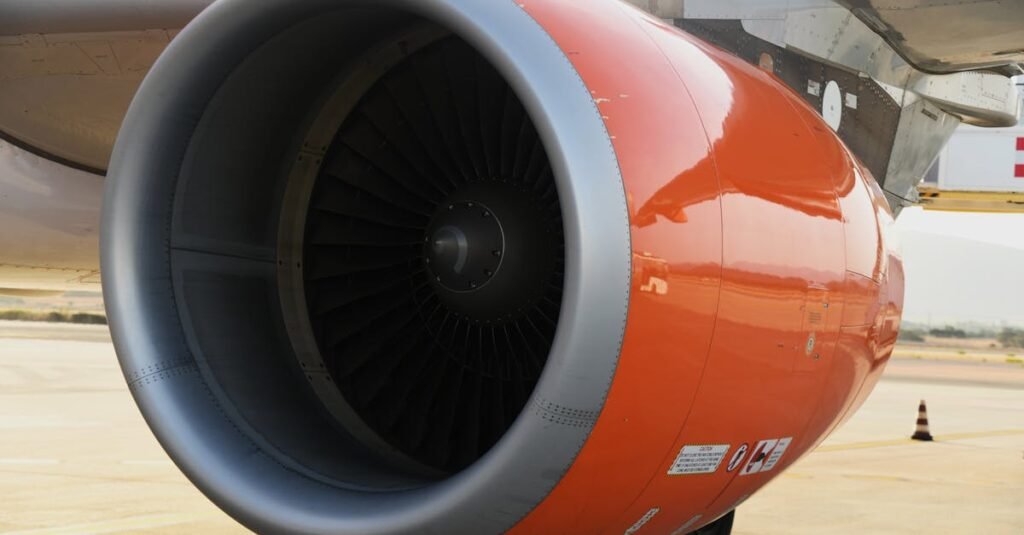
    Detailed view of an orange jet engine of a commercial airplane in Sardegna, Italy.

    While the official investigation by the Federal Aviation Administration (FAA) and the National Transportation Safety Board (NTSB) is ongoing, preliminary reports point toward a mechanical breach in the #1 engine.

    Why was there smoke in the cabin?

    In an aircraft, the air you breathe is “bleed air” drawn from the engines. If an engine suffers a mechanical failure involving an oil leak or a seal breach, atomized oil or hydraulic fluid can enter the air cycle machine. When this fluid hits the high-heat environment of the engine, it vaporizes, creating a thick, acrid smoke that is pumped directly into the cockpit and passenger cabin.

    Passenger Accounts: “A Calm but Tense Scene”

    Social media was quickly flooded with footage from the tarmac. Passengers described a distinct smell of burning plastic or chemicals followed by a visible haze in the cabin. Despite the terrifying nature of an emergency evacuation, eyewitnesses praised the JetBlue flight attendants for their professional handling of the 122 souls on board.

    One passenger, Alexandra Svokos, recounted the speed of the event, noting that once the slides were deployed, the plane was empty in under two minutes. Emergency medical teams evaluated one passenger for chest pains, but remarkably, no traumatic injuries were reported during the slide descent a testament to the effectiveness of modern aviation safety drills.

    The Ripple Effect: Newark’s Operations and Air Traffic Control

    Newark Liberty is a notoriously “compact” airport. Unlike sprawling facilities like Denver or Dallas-Fort Worth, Newark’s runways and taxiways are tightly packed. When Flight 543 came to a halt on a primary taxiway, it effectively acted as a cork in a bottle.

    • Delayed Flights: According to FlightAware data, approximately 31% of arrivals and 30% of departures were delayed.
    • Diverted Aircraft: Planes already in the air heading for Newark were forced to circle in “holding patterns” or divert to Philadelphia (PHL) and New York-JFK.
    • The Reopening: The ground stop remained in effect until roughly 7:00 PM, when the aircraft was finally towed to a maintenance hangar and the taxiway was cleared of debris and passengers.

    Safety First: The FAA and JetBlue’s Response

    In a statement released shortly after the incident, JetBlue reiterated its commitment to safety:

    “Safety is JetBlue’s top priority. We are focused on supporting our customers and crew members and will work closely with the appropriate federal authorities to investigate what occurred.”

    The FAA has confirmed that it will be performing a deep dive into the maintenance records of the specific Airbus A320 involved. Investigators will look for signs of metal fatigue, bird strikes (though none were initially reported), or component failure within the turbine assembly.

    Beyond the Chaos: Why Flight 543 is a Masterclass in Aviation Safety

    While a total shutdown of a major international hub like Newark Liberty is often viewed through the lens of frustration and missed connections, the resolution of JetBlue Flight 543 represents a triumph of modern aviation protocols. In the high-stakes environment of a cockpit filled with smoke, seconds are the only currency that matters. The decision-making process displayed by the flight crew transitioning from a standard climb to an emergency descent and a full-scale tarmac evacuation in under 40 minutes is a testament to the rigorous, simulator-driven training that defines the industry today.

    The “ground stop” that paralyzed the Tri-State area’s air traffic was not a failure of the system, but rather the system working exactly as designed. By freezing all movement at EWR, the FAA and Port Authority created a “sterile environment,” ensuring that the 122 passengers sliding onto the pavement were protected from the secondary risks of a functioning airfield. In the world of commercial flight, an “inconvenience” for thousands is always a fair trade for the lives of a few hundred.

    As investigators from the NTSB begin their “tear-down” of the failed engine to identify the root mechanical cause, the takeaway for the traveling public is one of resilience. This incident serves as a visceral reminder that while mechanical failures are an inherent risk of complex machinery, the layers of redundancy both in the aircraft’s engineering and the crew’s emergency procedures are robust enough to turn a mid-air crisis into a safe landing. For the passengers who walked away on the Newark tarmac on Wednesday night, the smell of smoke and the rush of the inflatable slide will be a lifelong memory, but thanks to a “safety-first” culture, it is a memory they are alive to share.

  • Air India Crash Safety: Why Seat 11A Isn’t a Magic Number Expert Explains The Myth

    Air India Crash Safety: Why Seat 11A Isn’t a Magic Number Expert Explains The Myth

    Aviation history is full of narrow escapes and inexplicable survival stories, but few have captured the public imagination like the legend of Seat 11A. For decades, a quiet whisper has circulated among frequent flyers and nervous travelers alike: if you want to survive the unthinkable, book the eleventh row, window seat on the left.

    This “miracle seat” folklore recently resurfaced with a vengeance following the Air India crash in Ahmedabad. As details of the wreckage emerged, one detail stood out like a beacon of hope, the sole survivor was reportedly seated in 11A. But is there a scientific basis for this, or are we simply looking for patterns in the chaos?

    Former National Transportation Safety Board (NTSB) investigator Gregory Feith and the Flight Safety Foundation argue that survival isn’t about a lucky number; it’s about physics, preparation, and a concept known as “exit accessibility.”

    The Origin of the 11A Legend: From Thailand to Air India Ahmedabad Crash

    The myth of 11A didn’t start with Air India. It actually dates back to December 1998, when Thai Airways Flight TG261 crashed during a monsoon in Surat Thani, Thailand. Among the survivors was Thai pop star James Ruangsak Loychusak. In an uncanny twist of fate, Ruangsak was seated in 11A.

    When the Air India flight crashed nearly 27 years later in June 2025, and a British national named Vishwash Kumar Ramesh emerged as the lone survivor from seat 11A, the internet went into a frenzy. Ruangsak himself posted on social media, calling the coincidence “chilling.”

    To the casual observer, it looks like a supernatural pattern. To an investigator like Gregory Feith, it’s a statistical anomaly that masks a much more practical reality.

    Why Experts Say Seat Numbers Are Deceptive

    In an interview with WIRED, Gregory Feith was quick to dismantle the “magic seat” theory. The primary reason seat numbers are irrelevant is aircraft variability.

    • Varying Layouts: Seat 11A on a Boeing 787 Dreamliner is in a completely different physical location than 11A on an Airbus A320 or a smaller regional jet. On some planes, 11A is in the front of the cabin; on others, it’s directly over the wing.
    • The “Wing Box” Factor: In the case of the Air India crash, seat 11A happened to be situated near the wing box—the structural heart of the aircraft. This area is reinforced to support the weight of the wings and engines,making it one of the most rigid parts of the fuselage.
    • Impact Dynamics: Survival often depends on how the plane breaks apart. If a plane impacts nose-first, the front (where 11A often sits) is the most dangerous. If the tail strikes first, the rear becomes the “impact zone.”

    The “Five Row Rule”: The Real Key to Survival

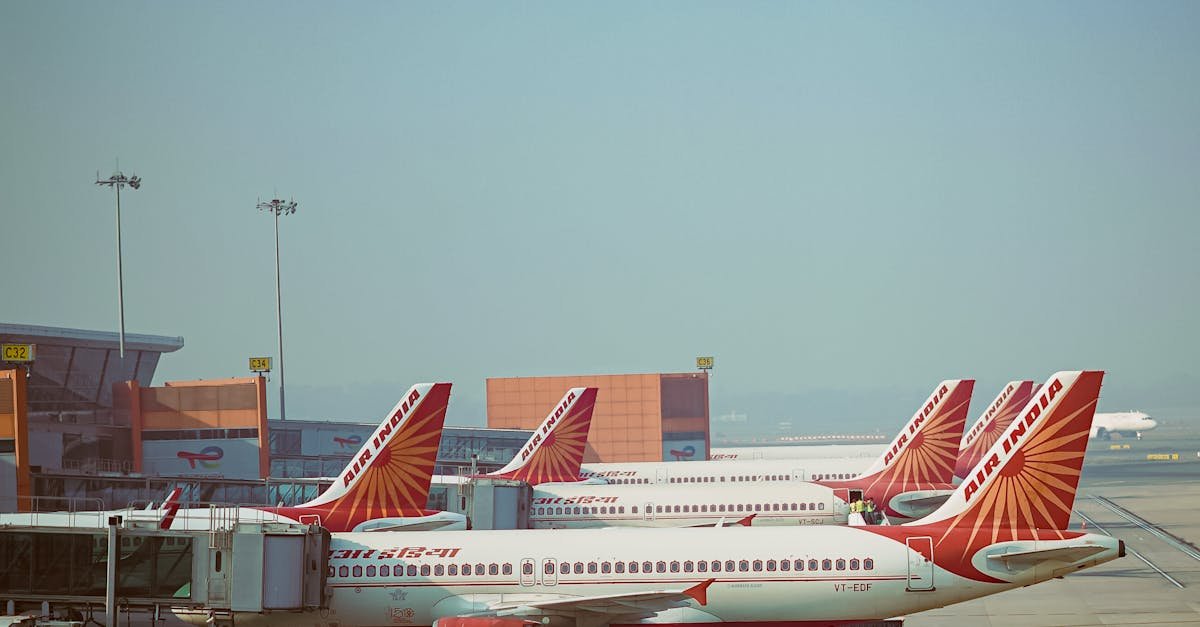
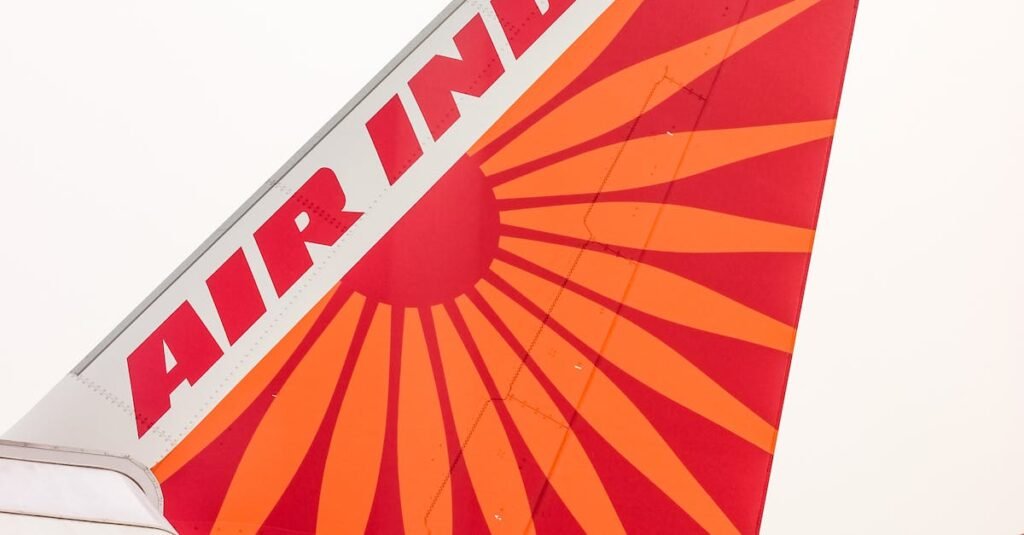
    Close-up of Air India's aircraft tail fin featuring the iconic red and orange design.

    If you ask an investigator like Feith where the safest place to sit is, he won’t give you a number. He’ll give you a distance. Research from the University of Greenwich, which analyzed over 100 plane crashes, found that passengers sitting within five rows of an emergency exit have significantly higher survival rates.

    Feith’s advice is famously simple: Count the rows.

    1. Locate your nearest exits: Find the one in front of you and the one behind you.
    2. Count the seats: Physically touch the headrests as you walk to your seat.
    3. Why it works: In a crash involving smoke or fire, visibility is often zero. If you have “muscle memory” of the exact number of rows to the door, you can feel your way to safety while others are lost in the dark.

    The Statistics: Front vs. Back vs. Middle

    While every crash is unique, historical data does suggest some general trends. According to a 35-year study of NTSB data by Popular Mechanics, survival rates vary by cabin section:

    Cabin SectionAverage Survival Rate
    Rear Third (Behind the Wing)69%
    Middle Third (Over the Wing)56%
    Front Third (First/Business Class)49%

    The tail of the plane often acts as a “crumple zone,” absorbing energy while the front takes the brunt of the initial impact. However, the Flight Safety Foundation warns that these are just averages. In a water landing (ditching), the tail may sink first, making the front more advantageous.

    Survival is a Mindset, Not a Row Number

    Gregory Feith emphasizes that the “miracle” of survival is often a combination of luck and preparedness. Passengers who survive aren’t just lucky; they are often the ones who:

    • Keep their shoes on: You cannot run across burning debris or jagged metal in socks or flip-flops.
    • Avoid synthetic fabrics: Nylon and polyester melt in high heat. Cotton, wool, and leather offer a few extra seconds of protection.
    • Watch the briefing: Knowing how to operate a specific exit door—which can weigh up to 40 pounds—is vital.

    “The best place to sit is where you can reach an exit,” Feith told WIRED. “It’s not about mythology; it’s about accessibility.”

    Beyond the Folklore: Your Real-World Survival Strategy

    While the legend of Seat 11A makes for a gripping headline and a fascinating coincidence across decades of aviation history, it serves better as a dinner party story than a safety manual. Relying on a “magic number” provides a false sense of security that can lead to complacency. In the high-stakes environment of an emergency evacuation, seconds are the only currency that matters. As Gregory Feith and the Flight Safety Foundation emphasize, survival is an active process, not a passive seat assignment.

    The true lesson of the Air India crash and the survivors who preceded it isn’t about where you sit, but how prepared you are to move. Aviation safety is an evolving science of structural engineering, cabin materials, and human behavior. By shifting your focus from “lucky” numbers to practical steps like knowing the exact row count to your nearest exit and staying mindful during taxi and takeoff you trade superstition for a tangible advantage. The next time you board, remember that the “safest” seat on the plane is the one occupied by a passenger who knows exactly where the door is, even in the dark.

  • Alaska Airlines Pilot Salary 2026: Senior Captains Top $400,000

    Alaska Airlines Pilot Salary 2026: Senior Captains Top $400,000

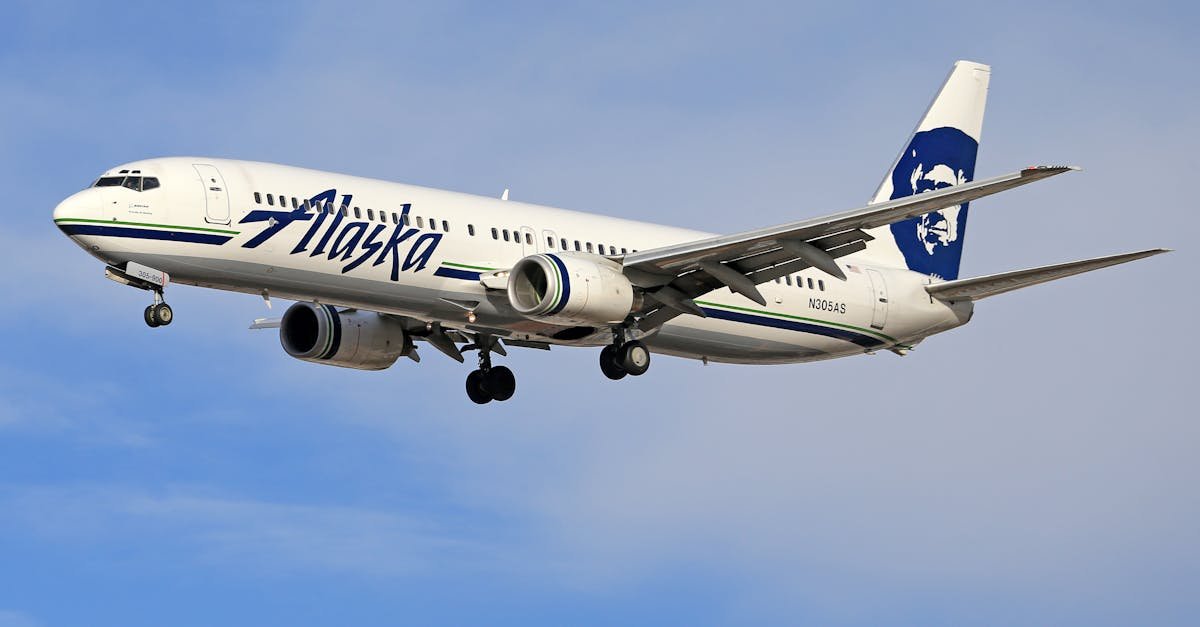
    The aviation industry is witnessing a financial transformation that was nearly unthinkable a decade ago. At the forefront of this shift is Alaska Airlines, a carrier that has recently made headlines not just for its operational expansion, but for the staggering new pay scales being offered to its flight crews. As of 2026, the compensation for Alaska Airlines pilots has reached a new peak, with senior captains now commanding salaries that comfortably exceed the $400,000 mark.

    This surge in pay is more than just a generous gesture from management; it is a strategic response to a fiercely competitive labor market and a testament to the high-stakes responsibility pilots carry every time they take to the skies.

    The $400,000 Club: Breaking Down Captain Compensation

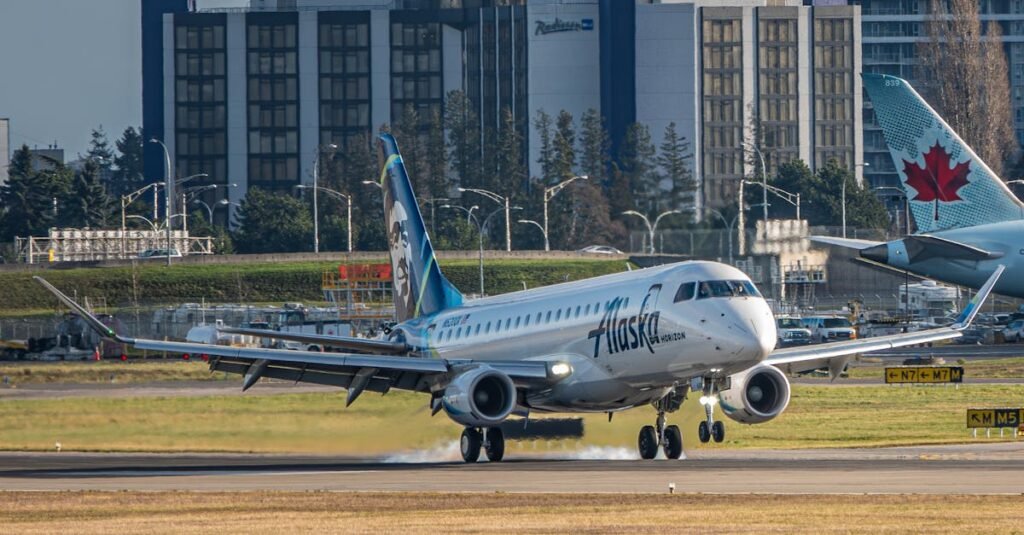
    An Alaska Horizon airplane lands on a runway with buildings in the background, showcasing aviation and transportation.

    For many, the most shocking figure in the new Alaska Airlines contract is the $400,000+ total compensation potential for senior captains. While the base hourly rate is the foundation of this wealth, the final “take-home” is built through a sophisticated multi-layered pay structure.

    Hourly Rates for Captains

    The base pay for an Alaska Airlines Captain is determined by their years of service and the type of aircraft they command. Under the current 2026 scales, a senior captain (typically with 12+ years of seniority) earns approximately $361.29 per hour.

    If we calculate this based on a standard “guarantee” of 75 flight hours per month—the industry average for a balanced schedule—the base annual salary sits at roughly $325,161. However, senior pilots rarely stop at the base.

    The “Extra” That Pushes Pay Over $400K

    The leap from $325,000 to over $400,000 occurs through several contractual “add-ons”:

    • Green Slip (Overtime) Pay: When pilots pick up extra flights on their days off, they are often paid at a premium rate (1.5x or 2x).
    • Performance-Based Pay (PBP): In February 2026, Alaska Airlines made waves by issuing a performance bonus equivalent to nearly three weeks of extra pay to its 32,000 employees, including pilots.
    • Per Diems: Hourly allowances for meals and incidentals while away from base.
    • Instructor Pay: Many senior captains serve as Check Airmen or flight instructors, adding a significant hourly “override” to their standard pay.

    First Officers: A Six-Figure Start

    Gone are the days when junior pilots at major airlines had to struggle on poverty wages. Today, a Year 1 First Officerat Alaska Airlines starts with an hourly rate of approximately $119.92.

    Based on a 75-hour monthly guarantee, a new hire can expect a base salary of about $107,900 in their very first year. By their sixth year of service, that hourly rate jumps to roughly $234.37, bringing their annual base to over $210,000. This rapid escalation makes Alaska one of the most attractive destinations for pilots transitioning from regional carriers like Horizon Air.

    How Alaska Airlines Compares to the “Big Three”

    To understand why these numbers are “shocking,” one must look at the broader industry. For years, Alaska was viewed as a “high-quality mid-tier” carrier. However, the 2026 data shows that they are now competing toe-to-toe with “Big Three” legacy carriers (Delta, United, and American).

    AirlineSenior Captain (Base)Year 1 First Officer (Base)
    Alaska Airlines~$361,000~$108,000
    Delta Air Lines~$465,000~$111,000
    American Airlines~$469,000~$116,000
    United Airlines~$352,000~$105,000

    While Delta and American still hold a slight edge for the most senior wide-body captains, Alaska Airlines has effectively closed the gap for narrow-body (Boeing 737) operations.

    The “Alaska Accelerate” Strategy: Why the Pay Hike?

    You might wonder why an airline would suddenly agree to such massive pay increases. The answer lies in the “Alaska Accelerate” plan. Following the integration with Hawaiian Airlines and the expansion of their Boeing 737 MAX fleet, Alaska needs a stable, highly motivated workforce to fuel its growth.

    The Pilot Shortage and Labor Leverage

    The global pilot shortage has shifted the power dynamic. Pilots are no longer just “employees”; they are the most critical “inventory” an airline possesses. If Alaska doesn’t pay market-leading rates, they risk losing their best talent to Delta or United, leading to canceled flights and lost revenue.

    Glassdoor Recognition

    Interestingly, Alaska Airlines was recently named one of the Top 100 Best Places to Work in 2026 by Glassdoor. This recognition, fueled by anonymous employee feedback, suggests that the high salaries are paired with a company culture that pilots actually enjoy, a rarity in the often-turbulent world of aviation labor relations.

    Beyond the Paycheck: The Benefits Package

    The “shocking” numbers don’t even include the retirement and health benefits, which are among the best in the private sector.

    1. 401(k) Direct Contributions: Unlike many companies that “match” your contribution, Alaska provides a high percentage direct contribution, regardless of whether the pilot contributes their own money.
    2. Retirement Stability: With the airline industry’s history of pension collapses, these modern, defined-contribution plans offer pilots a level of financial security that previous generations lacked.
    3. Travel Privileges: Pilots and their immediate families enjoy worldwide standby travel, a perk that remains one of the most cherished “hidden” values of the job.

    The Path to the Alaska Airlines Cockpit

    If these numbers have you considering a career change, be prepared for a long climb. To sit in the cockpit of an Alaska Airlines jet, you generally need:

    • An ATP (Airline Transport Pilot) certificate.
    • A minimum of 1,500 hours of flight time (though competitive candidates often have much more).
    • Experience in high-performance turbine or jet aircraft.
    • A clean FAA record and a First Class Medical Certificate.

    Most Alaska pilots “cut their teeth” at regional subsidiaries like Horizon Air, where starting pay for First Officers has also risen to roughly $91,000–$103,000 to ensure a steady pipeline of talent to the main cabin.

    How Does the Pay Compare to Other Airlines in the Industry

    While $400,000 for a pilot might seem astronomical to the average traveler, it reflects the reality of 2026 aviation. Pilots are managing multimillion-dollar assets and the lives of hundreds of passengers in an increasingly complex airspace.

    For Alaska Airlines, these salaries are an investment in reliability. By securing their pilot’s loyalty with industry-leading pay, they ensure that when you book a flight from Seattle to New York, there is a highly skilled professional ready to take you there. In the current market, it seems the sky really is the limit for pilot compensation.

  • How to Become a Jet2 Pilot for Free in 2026? Eligibility, Application Process and Path Towards the Fully Funded Pilot Cadet Program

    How to Become a Jet2 Pilot for Free in 2026? Eligibility, Application Process and Path Towards the Fully Funded Pilot Cadet Program

    The dream of soaring through the skies as a commercial airline pilot has long been overshadowed by one colossal hurdle: the astronomical cost of training. For decades, aspiring aviators faced a financial barrier often exceeding £100,000, leaving many brilliant minds grounded. But what if we told you that in 2026, one of the UK’s leading airlines is offering a pathway to the flight deck, completely funded?

    Enter the Jet2FlightPath Cadet Pilot Programme 2026. This isn’t just another cadet scheme; it’s a game-changer. Jet2 is actively seeking the next generation of pilots, removing the financial burden entirely for successful candidates. If you’ve ever dreamt of flying a Boeing 737 or Airbus A321 across Europe, delivering unforgettable holidays, this could be your moment. This comprehensive guide will walk you through every step, from initial eligibility to what it takes to join the Jet2 family.

    Quick Facts: Your Gateway to the Skies

    Before we dive deep, here’s a snapshot of what makes the Jet2FlightPath programme truly exceptional:

    FeatureDetails
    Program NameJet2FlightPath Cadet Pilot Programme
    Funding100% Fully Funded (Jet2 covers all training costs)
    ExperienceNo prior flying experience required
    OutcomeGuaranteed Job Offer as a Jet2 Second Officer
    Training TimeApproximately 18 months
    Entry PointDirect Entry into airline operations upon graduation
    ApplicationOnline via Jet2Careers.com

    The Unprecedented Opportunity: Why Fully Funded Matters

    Let’s be clear: “fully funded” in pilot training is rare. Most airline cadet schemes offer partial funding, loan guarantees,or require significant upfront investment. Jet2’s commitment to covering the entire cost – from flight school tuition and accommodation to uniforms and exam fees – is a monumental investment in future talent. This means:

    • No Debt Burden: You won’t start your career with a six-figure loan hanging over your head. This frees you to focus on training and professional development.
    • Accessibility: It opens the door to individuals from all socio-economic backgrounds, ensuring that talent, rather than wealth, is the primary criterion for selection.
    • Jet2’s Investment: It signifies Jet2’s confidence in their chosen cadets, viewing them as long-term assets and future captains. They invest in you, and in return, you invest your dedication and passion.

    This isn’t just about saving money; it’s about democratizing a profession that has, for too long, been financially exclusive.

    Who Are Jet2 Looking For? Beyond the Basics

    While technical aptitude is crucial, Jet2 emphasizes that they’re looking for individuals who embody their “One Team” spirit. This means:

    • Exceptional Customer Service: Jet2 is a holiday airline. Pilots are not just navigators; they are key to the customer experience, from a reassuring PA announcement to a smooth landing.
    • Team Players: Aviation is a highly collaborative environment. You’ll work closely with cabin crew, ground staff,dispatchers, and air traffic controllers.
    • Resilience and Adaptability: The airline environment can be dynamic. Pilots need to remain calm under pressure, make sound decisions, and adapt to changing circumstances.
    • Professionalism: A deep commitment to safety, adherence to procedures, and continuous learning.

    They are looking for people who are passionate about aviation, yes, but equally passionate about delivering fantastic holidays with a smile.

    Eligibility Criteria for Jet2FlightPath 2026: Do You Qualify?

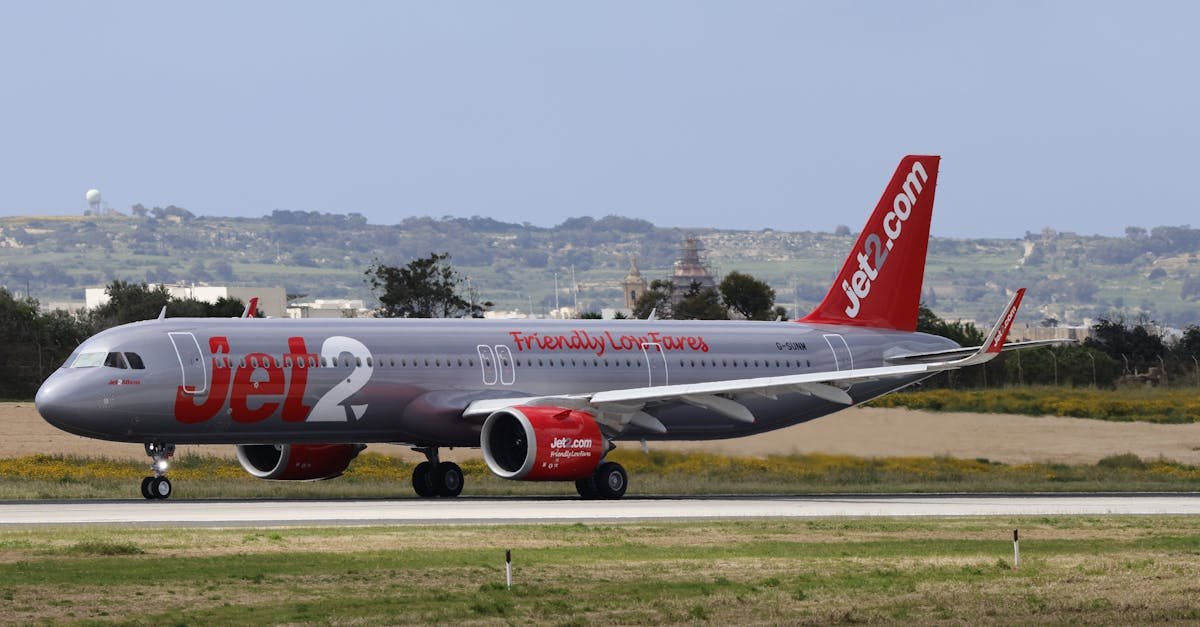
    Jet2 airplane on airport tarmac with clear blue sky, showcasing travel and transportation.

    Before you even think about applying, it’s crucial to ensure you meet the fundamental requirements. These are non-negotiable:

    1. Right to Work: You must have the unrestricted right to live and work in the UK. This is paramount for securing employment with a UK-based airline.
    2. Age: You must be at least 17 years old at the time of application. Critically, you must be 18 years old by August 1, 2026, to commence training.
    3. Education: A minimum of 5 GCSEs (or equivalent) at Grade 4 (C) or above. These must include Mathematicsand at least one Science subject (Physics, Chemistry, Biology, or Combined Science). Higher education qualifications are a bonus but not strictly required.
    4. English Language: You must be proficient in spoken and written English, meeting ICAO Aviation English Level 4 or above (though this will be assessed during training).
    5. Medical Fitness: You must be able to obtain and maintain a CAA Class 1 Medical Certificate. This is a rigorous medical examination that assesses sight, hearing, heart health, and overall physical and mental well-being. It’s highly recommended to consider getting a preliminary assessment if you have any doubts.
    6. Height Requirements: To ensure you can comfortably and safely operate the aircraft controls, there are height restrictions. You must be between 1.57m (5’2″) and 1.91m (6’3″).
    7. Driving Licence: A full, valid UK driving licence is beneficial for commuting to training facilities and potentially to your future base.
    8. No Previous Experience Necessary: This is a key point! You do not need any prior flying lessons, licences, or experience. Jet2 is looking for raw talent and potential.

    The Application Journey: Your Step-by-Step Guide

    The application process for the Jet2FlightPath 2026 programme is structured, designed to assess a wide range of skills and personal attributes.

    Step 1: Online Application & “Discovery” Exercise

    • Where to Apply: All applications must be submitted through the official Jet2 Careers website: Jet2Careers.com.
    • The Discovery Exercise: The initial stage often involves an interactive “Discovery” exercise. This isn’t just a formality; it’s a smart way for Jet2 to assess your values, decision-making style, and cultural fit within their “One Team” ethos. Take your time, be authentic, and reflect on Jet2’s values before you start. Upon completion, you’ll receive a code to proceed to the main application form.
    • The Application Form: Complete this thoroughly and accurately. Pay attention to detail; it reflects your professionalism. Highlight any experiences demonstrating teamwork, problem-solving, customer service, or leadership – even if they’re from non-aviation roles.

    Step 2: Online Assessments (The “Game-Based” Phase)

    If your initial application is successful, you’ll be invited to complete a series of online, game-based psychometric assessments, often powered by platforms like Arctic Shores. Don’t be fooled by the “game” aspect; these are scientifically designed to evaluate:

    • Cognitive Abilities: Your capacity for multitasking, spatial awareness, memory, logical reasoning, and processing information under pressure.
    • Behavioural Traits: Your personality, resilience, decision-making speed, and how you react to challenges. These games are designed to reveal natural tendencies relevant to a pilot’s role.
    • Preparation Tip: While you can’t “revise” for these, familiarizing yourself with similar online psychometric games can help you understand the format and reduce anxiety. Focus on staying calm, following instructions, and giving your best effort.

    Step 3: Video Interview

    Candidates who excel in the online assessments will move to a video interview stage. This could be a pre-recorded,one-way interview where you answer questions posed by an avatar, or a live session via platforms like Microsoft Teams.

    • What They’re Looking For: They want to see your personality, communication skills, and enthusiasm. Be prepared to discuss why you want to be a pilot, why Jet2 specifically, your understanding of the role, and how your past experiences (academic, work, voluntary) demonstrate the qualities they seek.
    • Preparation Tip: Practice answering common interview questions aloud. Research Jet2’s history, destinations,and fleet. Ensure you have a quiet, well-lit space and a stable internet connection.

    Step 4: Assessment Day

    The final stage is typically an in-person Assessment Day at a Jet2 facility. This is your chance to shine and demonstrate your potential in a dynamic environment. It usually involves:

    • Group Exercises: Designed to assess teamwork, leadership potential, communication, and problem-solving skills within a group setting.
    • Aptitude Testing: Further specific tests relevant to aviation, such as numerical reasoning, verbal reasoning, or technical comprehension.
    • Panel Interview: A formal interview with senior pilots, recruitment specialists, and potentially Flight Operations managers. This is where you’ll face detailed questions about your motivation, resilience, and understanding of the aviation industry and Jet2’s operations.
    • Preparation Tip: Be yourself, engage actively in group tasks, and articulate your thoughts clearly. Dress professionally, arrive early, and have questions ready to ask the panel – it shows genuine interest.

    What Happens After Selection? Your FlightPath to the Cockpit

    If you successfully navigate all stages, congratulations! You will be offered a place on the Jet2FlightPath Cadet Programme.

    1. Placement with a Partner ATO: You’ll be assigned to one of Jet2’s approved Flight Training Organisations (ATOs). Historically, these have included highly respected academies such as Skyborne Airline Academy,FTEJerez, and Leading Edge Aviation.
    2. Modular Training (Ab-initio): Your training will typically follow an integrated ATPL (Airline Transport Pilot Licence) programme. This intensive course covers everything from theoretical knowledge (14 ATPL exams) to practical flight training across various aircraft types, culminating in your Multi-Crew Co-operation (MCC) and Airline Pilot Standard Multi-Crew Co-operation (APS MCC) courses.
    3. Line Training & Type Rating: Upon successful completion of your ATPL, you’ll receive a guaranteed job offer as a Second Officer with Jet2. You’ll then undergo a Type Rating course on either the Boeing 737 or Airbus A321, followed by Line Training under the supervision of experienced Jet2 Captains, preparing you for commercial operations.

    Common Myths Debunked

    • “You need a university degree.” Not for Jet2FlightPath. While valuable, GCSEs in Maths and Science are the core academic requirement.
    • “You need perfect eyesight.” While strict, modern medical standards allow for corrected vision within limits. A CAA Class 1 Medical is the definitive answer.
    • “You need to know how to fly already.” Absolutely not. This programme is designed for individuals with no prior flying experience.
    • “It’s only for young people.” While age limits apply at the lower end, there isn’t an upper age limit as long as you meet all other criteria and can secure a Class 1 Medical. Maturity and life experience are often highly valued.

    Your Journey Starts Now

    The Jet2FlightPath Cadet Pilot Programme 2026 represents a golden opportunity to launch a truly rewarding career without the financial burden that once deterred so many. Jet2 is looking for dedication, aptitude, and individuals who genuinely want to be part of their “One Team.”

    If you meet the criteria, believe in your potential, and dream of those clear blue skies, don’t hesitate. The application window is highly competitive and often short. Research, prepare diligently, and seize this unprecedented chance to make your aviation dreams a reality. Good luck!

  • Why Spirit’s Youngest A320neos Are Worth More in Parts Than in the Air?

    Why Spirit’s Youngest A320neos Are Worth More in Parts Than in the Air?

    The aviation world recently witnessed a “canary in the coal mine” moment that has left industry veterans and casual observers alike scratching their heads. Two Airbus A320neos, formerly operated by the ultra-low-cost carrier Spirit Airlines, were sold not to another airline, but to a disassembly firm.

    At just four and three-and-a-half years old, these aircraft (registrations N950NK and N959NK) are practically brand new. In a normal market, a four-year-old jet is in its prime, with at least two decades of flying ahead of it. However, in the current economic climate of 2026, these state-of-the-art machines are being towed to the desert in Goodyear, Arizona, to be systematically dismantled.

    It sounds like a financial tragedy, but for the owners, it is a calculated masterstroke. Here is the deep dive into why these modern marvels are worth significantly more as a pile of parts than as flying assets.

    1. The Pratt & Whitney “Engine Crisis”

    The primary catalyst for this early retirement is the Pratt & Whitney PW1100G Geared Turbofan (GTF) engine.While revolutionary in its fuel efficiency, the GTF has been plagued by a series of manufacturing defects most notably the “powder metal” issue discovered in late 2023. Microscopic contaminants in the metal used for high-pressure turbine disks led to a massive global recall.

    By early 2026, the backlog for engine shop visits has reached a breaking point. Airlines are seeing “Aircraft on Ground” (AOG) times stretching past 300 days just to get an engine inspected or repaired. For a struggling carrier like Spirit, having a jet sit idle for a year while still paying lease fees is a fast track to liquidation.

    2. The Bankruptcy Math: Liquidity is King

    Spirit Airlines’ ongoing Chapter 11 restructuring (initiated in August 2025) has forced the company to make brutal decisions. As part of their court-supervised survival plan, Spirit is aggressively “right-sizing” its fleet.

    In bankruptcy, cash is the only currency that matters. The airline had two choices with these specific A320neos:

    • Option A: Keep the planes, pay the high monthly leases, and wait indefinitely for engine parts that might not arrive for a year.
    • Option B: Sell the aircraft to asset managers like EirTrade Aviation and RESIDCO, who are willing to pay a premium for the “instant” parts they can harvest.

    By choosing Option B, Spirit sheds debt and gains immediate liquidity to fund its remaining operations.

    3. The Power Player: Who is EirTrade Aviation?

    While the teardown of a four-year-old jet might seem like a desperate act of salvage to the public, for EirTrade Aviation, it is a high-stakes chess move. Headquartered in Dublin, Ireland, EirTrade has rapidly ascended as a global leader in aviation asset management and “end-of-life” solutions. However, in 2026, their definition of “end-of-life” has evolved. By partnering with the aviation lessor RESIDCO to acquire Spirit’s N950NK and N959NK, EirTrade isn’t just acting as a recycler; they are acting as a vital organ in the aviation supply chain.

    EirTrade’s expertise lies in monetization. They specialize in identifying aircraft that are underperforming as flying assets but overperforming as a collection of high-demand parts. In recent years, they made headlines as the first aftermarket company to manage the disassembly of a Boeing 787. Now, with the Spirit A320neo acquisition, they are doubling down on “new vintage” aircraft. Their strategy is clear: by harvesting parts from nearly new airframes, they ensure their inventory contains the highest-quality rotables (parts that can be repeatedly overhauled) that meet the very latest modification standards.

    The company’s operation is a logistical powerhouse. Once these Spirit jets are dismantled in the dry, preservative air of Goodyear, Arizona, every single bolt, sensor, and circuit board is cataloged and shipped to EirTrade’s massive distribution hub in Dallas, Texas. From this central point, they can provide rapid support to airlines across North and South America. In an era where a missing $500 sensor can ground a $100 million jet for weeks, EirTrade’s ability to provide “instant” certified parts makes them one of the most influential players in the 2026 MRO (Maintenance, Repair, and Overhaul) landscape.

    4. The “Used Serviceable Material” (USM) Gold Mine

    There is a massive shortage of spare parts for the A320neo family. Because so many engines are grounded, other airlines are desperate for Used Serviceable Material (USM) certified parts that can be swapped in immediately to get a plane back in the sky.

    When EirTrade dismantles these Spirit jets, they aren’t just looking at the engines. They are harvesting:

    • LRUs (Line Replaceable Units): Modular components like actuators, sensors, and flight computers that can be swapped in minutes.
    • BFE (Buyer Furnished Equipment): High-end interior components, seats, and avionics.
    • Landing Gear: Often worth millions on the secondary market for airlines approaching their first major overhaul cycle.

    In 2026, the “sum of the parts” for an A320neo has officially eclipsed the value of the whole, thanks to a starving supply chain.

    5. A Record-Breaking Teardown

    To put this in perspective, the previous “youngest” aircraft to be scrapped were a pair of six-year-old IndiGo A321neos.Spirit has shattered that record by nearly three years. This marks a fundamental shift in aviation economics; we are no longer just scrapping “old” planes. We are harvesting “new” technology to keep the rest of the global fleet from collapsing under the weight of maintenance backlogs.

    6. The Environmental and Operational Paradox

    Beautiful natural scene of a blue sky filled with wispy white clouds, perfect for background or nature-themed projects.

    There is a bitter irony here. The A320neo was designed to be the “greenest” narrow-body in the sky, offering a 15–20% reduction in fuel burn. By scrapping them at four years old, the industry is essentially throwing away the most fuel-efficient tools it has.

    However, from an operational standpoint, a plane that cannot fly is 0% efficient. By sacrificing these two aircraft, EirTrade can provide the parts necessary to return dozens of other grounded A320neos to service. It is a form of “aviation triage” sacrificing the few to save the many.

    Conclusion: A New Era of Asset Management

    The teardown of Spirit’s A320neos is a stark reminder that in aviation, value is determined by utility, not age. If an aircraft cannot generate revenue due to engine delays, its only remaining value is the “DNA” inside its wings and fuselage.

    As Spirit continues its journey through bankruptcy and the Pratt & Whitney crisis lingers into 2027, these “premature” retirements may become the new normal. For now, the parts from N950NK and N959NK will be headed to a warehouse in Dallas, destined to keep the rest of the world’s A320neos flying.

  • Kolkata Airport IndiGo Flight Bomb Threat: What Happened, Flight Details, and Security Response

    Kolkata Airport IndiGo Flight Bomb Threat: What Happened, Flight Details, and Security Response

    The serenity of travel was abruptly shattered at Netaji Subhas Chandra Bose International (NSCBI) Airport in Kolkata on Saturday, February 14, 2026. In a bizarre and unsettling turn of events, not one, but two separate IndiGo flights were targeted by bomb threats within a single day. What started as a standard weekend for thousands of travelers quickly devolved into a high-stakes security operation involving bomb squads, sniffer dogs, and the evacuation of dozens of passengers.

    This detailed report breaks down exactly what happened, the specific flights involved, and the rigorous security protocols that follow such “specific” threats in the modern aviation landscape.

    The Morning Crisis: Flight 6E 7304 (Kolkata to Shillong)

    The first incident of the day began just as passengers were settling into their seats for a morning flight to the hills of Meghalaya.

    The Discovery

    Around 9:15 AM, roughly fifteen minutes before the scheduled departure of IndiGo flight 6E 7304, a member of the cabin crew conducted a routine check of the aircraft’s lavatory. Inside, they discovered a chilling sight: a small, handwritten note on a slip of paper claiming that an explosive device had been placed on the aircraft.

    IndiGo aircraft being serviced on the airport tarmac with ground staff present.

    Immediate Evacuation

    The crew followed emergency protocols instantly. The pilot-in-command alerted Air Traffic Control (ATC), and the “Bomb Threat Assessment Committee” (BTAC) was convened within minutes. The aircraft, an ATR-72 turboprop, was carrying 60 passengers and 4 crew members.+2

    To ensure maximum safety, all passengers were deboarded and moved to a secure waiting area inside the terminal. The aircraft was then towed to a designated isolation bay, located at a safe distance from the main terminal buildings and other taxiing aircraft.

    The Security Sweep

    For the next four hours, the Kolkata airport became a hive of security activity. The Central Industrial Security Force (CISF) and the local police bomb disposal squad meticulously searched every inch of the plane.

    • Luggage Screening: Every piece of checked-in and carry-on baggage was offloaded and passed through X-ray scanners again.
    • K9 Units: Sniffer dogs were deployed to detect any trace of volatile organic compounds or explosive residues.
    • Result: After a grueling search, the aircraft was declared “clean” at approximately 1:00 PM. The flight finally departed for Shillong at 1:33 PM, over four hours behind schedule.

    The Evening Escalation: Indigo Flight 6E 6894 (Dibrugarh to Kolkata)

    Just as the airport authorities were breathing a sigh of relief, a second, even more unusual threat emerged as the sun set over the city.

    The “Lipstick” Threat

    Around 7:30 PM, as IndiGo flight 6E 6894 from Dibrugarh, Assam, was preparing for its descent into Kolkata, a second bomb threat was reported. This time, the medium was different. A passenger or crew member found a message written in red lipstick on the toilet mirror, indicating the presence of a bomb.

    Priority Landing and Isolation

    The captain immediately notified Kolkata ATC of a “specific threat” on board. The aircraft was given priority for landing and touched down safely at 7:37 PM. Following the same protocol as the morning incident, the plane was taxied to the isolation bay.

    Passengers were once again deboarded under heavy security presence. While the “lipstick note” seemed like the work of a prankster, security agencies cannot afford to take risks. A secondary search operation was launched, involving the same rigorous BDDS (Bomb Detection and Disposal Squad) protocols used earlier in the day.

    Understanding the Security Response: The BTAC Protocol

    Indian soldiers in uniform walking with a patrol dog during a border security parade in India.

    When a bomb threat is reported in India, it isn’t just a matter of “checking the plane.” There is a highly structured legal and security framework that must be followed.

    1. The Bomb Threat Assessment Committee (BTAC)

    The BTAC is the first line of decision-making. It consists of the Airport Director, members of the CISF, representatives from the airline, and local intelligence officials. They categorize threats into two types:

    • Non-Specific: Often vague calls or emails that lack detail. These are monitored but may not lead to evacuations.
    • Specific: Threats that provide flight numbers, locations (like the lavatory), or physical notes. Both of Saturday’s incidents were classified as Specific, triggering full-scale evacuations.

    2. The Role of the Isolation Bay

    Every major airport like Kolkata has a designated “Isolation Bay.” This is a parking spot located at the furthest possible point from fuel depots, terminal glass, and other aircraft. If an explosion were to occur, the isolation bay minimizes the “blast radius” impact on the rest of the airport’s infrastructure.

    3. Secondary Frisking (SLPC)

    Even after a plane is cleared, passengers often undergo Secondary Ladder Point Check (SLPC). This is a final manual frisking of passengers and their hand bags at the base of the aircraft stairs before they are allowed to re-board.

    The Growing Menace of Hoax Threats in 2026

    The twin incidents at Kolkata are part of a worrying trend in the Indian aviation sector. Since late 2024 and through 2025, Indian airlines particularly IndiGo, Air India, and Vistara have been hit by a staggering number of hoax threats.

    YearNumber of Reported Hoax Threats (Approx.)
    202371
    2024728
    2025836+
    2026 (To Date)On track to exceed 2025 levels

    Why is this happening?

    Security experts suggest that the motives vary from “social media clout” to disgruntled passengers attempting to delay flights they are running late for. However, the cost is real. A single hoax threat can cost an airline between ₹50 lakh to ₹3 crore depending on fuel jettisoning, passenger compensation, and operational delays.

    Legal Consequences: What Happens to the Culprits?

    The Bidhannagar Police have registered cases against “unknown persons” for both the paper note and the lipstick message found on February 14.

    The Indian government has recently tightened the Civil Aviation Act to deal with such offenders. Those caught making hoax threats now face:

    • No-Fly List: A lifetime ban from flying on any Indian carrier.
    • Non-Bailable Charges: Under the Suppression of Unlawful Acts against Safety of Civil Aviation Act, offenders can face up to life imprisonment.
    • Financial Recovery: Airlines are increasingly suing individuals for the massive financial losses incurred during the grounding of aircraft.

    Conclusion: A Day of Vigilance

    While both threats at Kolkata Airport were ultimately proven to be hoaxes, the events of February 14, 2026, serve as a stark reminder of the “new normal” in air travel. The seamless coordination between IndiGo’s crew and the Kolkata airport security team ensured that despite the 120+ passengers affected across both flights, not a single person was harmed.

    For travelers, the message is clear: expect delays and cooperate with security. In an era of digital and physical hoaxes, “better safe than sorry” remains the gold standard of the skies.

  • United Airlines in 2026: What Flyers Really Need to Know Before Booking

    United Airlines in 2026: What Flyers Really Need to Know Before Booking

    In 2026, United Airlines is no longer just a carrier; it is a tech-driven hospitality company that happens to own a massive fleet of airplanes. As we move further into the year, the “United Next” strategy is hitting its stride, fundamentally changing how you book, board, and experience a flight.

    Whether you are a casual vacationer or a “Global Services” road warrior, here is the definitive guide to flying United Airlines in 2026.

    1. The “United Elevated” Experience: Luxury Reimagined

    The biggest headline for 2026 is the rollout of the United Elevated interior. This isn’t just a new coat of paint; it is a complete structural redesign of the cabin, specifically targeting the Boeing 787-9 Dreamliner fleet.

    The Polaris Studio Suite

    For the first time, United is offering a “Business Class Plus” product known as the Polaris Studio. Positioned in the first row of the business class cabin, these suites offer 25% more space than standard Polaris seats.+1

    • Privacy Doors: Each suite features a sliding door for total seclusion.
    • Social Seating: An extra ottoman allows a companion to sit with you during the flight.
    • Exclusive Dining: Studio passengers receive an Ossetra caviar service and specialized entrée options.

    High-Tech Cabins for All

    Even if you aren’t in the front of the plane, the technology upgrades are pervasive. United is aggressive about its goal to have seatback screens on every mainline aircraft. In 2026, you can expect:

    • 4K OLED Screens: Up to 13 inches in Economy and a massive 27 inches in Polaris Studio.
    • Bluetooth Connectivity: No more tangled cords; you can sync your AirPods or Bose headphones directly to the seatback.
    • Wireless Charging: Available at every seat in the premium cabins and at select locations in Economy.

    2. The Starlink Revolution: Free Wi-Fi for Everyone

    A stunning view of the star-filled night sky with silhouetted mountains beneath, offering a serene and captivating scene.

    The days of paying $18 for “spotty” Wi-Fi are largely over. United has partnered with SpaceX’s Starlink to provide gate-to-gate, high-speed internet.

    In 2026, a significant portion of the mainline fleet is already equipped with Starlink. The best part? It is free for MileagePlus members. The speed is sufficient for streaming Netflix, joining a Zoom call, or gaming—marking a significant competitive edge over carriers still relying on legacy satellite providers.+1

    3. MileagePlus in 2026: Stability and New Perks

    If you were worried about “devaluation,” 2026 brings some welcome stability. United Airlines has kept its Premier status requirements identical to the previous year, allowing flyers to plan their status runs with confidence.

    2026 Status Requirements

    TierPQF (Flights) + PQP (Points)PQP Only Option
    Silver15 PQF + 5,000 PQP6,000 PQP
    Gold30 PQF + 10,000 PQP12,000 PQP
    Platinum45 PQF + 15,000 PQP18,000 PQP
    1K60 PQF + 22,000 PQP28,000 PQP

    Upgrades on Award Tickets

    One of the most praised changes in 2026 is that all Premier members are now eligible for Complimentary Premier Upgrades (CPUs) even when traveling on award tickets (flights booked with miles). Previously, this was a perk reserved for cardholders or high-tier elites; now, it is a standard benefit across the board.

    4. Navigating the Airport: Touchless and Efficient

    Close-up of airport departure board displaying flight details at JFK Airport, New York.

    United Airlines’ investment in biometrics has reached a tipping point in 2026. If you are flying out of a major hub like Chicago O’Hare (ORD), Newark (EWR), or Houston (IAH), your face is now your boarding pass.

    • TSA PreCheck® Touchless ID: Passengers who opt-in can drop their bags and clear security using facial recognition, often without ever pulling out a physical ID.
    • Bag Drop Shortcut: By checking your bags in the United app before arriving, you can use dedicated kiosks that scan your face and print your tag in under 15 seconds.
    • The United App: It remains the gold standard in the industry. In 2026, it provides “Connection Saver” notifications that give you turn-by-turn directions to your next gate and let you know if the airline is holding a plane for you.

    5. New Routes: Where United Airlines is Flying in 2026

    Close-up of a United Airlines airplane on taxiway, emphasizing the aircraft's details.

    United Airlines continues to be the largest U.S. carrier across the Atlantic and Pacific. For the 2026 season, the airline has launched several “off-the-beaten-path” destinations that were previously hard to reach from the States.+1

    • Europe: New nonstops from Newark to Split, CroatiaBari, Italy; and Santiago de Compostela, Spain.
    • Asia: Increased frequency to Seoul, South Korea, and new seasonal service to Ulaanbaatar, Mongolia.
    • North America: In preparation for the 2026 World Cup, United has added significant capacity to all 16 host cities, including expanded service to Guadalajara and Monterrey.

    6. Understanding the Fare Classes: Basic Economy vs. The Rest

    While United Airlines has improved the “soft product” (food and service), the “hard rules” of fare classes remain strict. Before you click “Book,” make sure you understand what you are buying.

    Basic Economy (The “No-Frills” Choice)

    • Carry-on: No overhead bin space allowed (except for trans-Atlantic or trans-Pacific flights). You are limited to one personal item that fits under the seat.
    • Seating: Assigned at check-in. If you want to sit with family, you must pay for seat assignments.
    • Changes: Non-changeable, though they may be eligible for a partial travel credit if canceled.

    United Airlines Economy & Premium Plus

    • United Economy: Includes a carry-on and the ability to change your flight with no change fees.
    • United Premium Plus: This is a separate cabin (not just extra legroom). Think of it as “Domestic First Class” on an international route, featuring purple leather seats, footrests, and upgraded meal service.

    7. Sustainability: The Move to SAF

    United Airlines is vocal about its goal to be 100% green by 2050 without relying on traditional carbon offsets. In 2026, you will notice “Green Shading” in your flight search results. This indicates flights powered by a higher percentage of Sustainable Aviation Fuel (SAF). While SAF only accounts for a small portion of total fuel usage, United is currently the world leader in its procurement, with SAF now flowing regularly into hubs like Los Angeles, San Francisco, and London Heathrow.


    Summary Checklist for Your 2026 Booking

    1. Check the Aircraft: Look for the “United Elevated” tag or a Boeing 787-9 to experience the newest cabins.
    2. Join MileagePlus: Even if you don’t fly often, you need a membership to access the free Starlink Wi-Fi.
    3. Download the App: It is essential for the “Touchless” airport experience.
    4. Watch the Bag Rules: If you book Basic Economy, remember that a standard rolling suitcase will result in a gate fee (approx. $65).

    United in 2026 is defined by a “premium-first” mindset. While they still offer budget-friendly options, the airline is clearly pivoting toward the high-value traveler who prizes connectivity, privacy, and a seamless digital experience

  • Captain Ari Fuji: Japan’s First Female Commercial Airline Captain — Inspiring Story of Resilience

    Captain Ari Fuji: Japan’s First Female Commercial Airline Captain — Inspiring Story of Resilience

    From the moment she first looked out of an airplane window as a toddler, the sky became something more than a distant horizon for Ari Fuji, it became her destiny. Born in 1968 and raised near a U.S. airbase in Japan, Fuji was captivated by airplanes long before she knew their mechanics or spoke the technical language of aviation. As a child, she would gaze at aircraft in flight and imagine herself at the helm, guiding those massive metal birds through the endless blue. 

    Yet her path to becoming Japan’s first female commercial airline captain was not a straightforward ascension through textbooks and flight hours; it was a journey of resilience, adaptation, and quiet perseverance. Guided by a deep-seated belief that dreams are worth pursuing, she carved a path where no woman before her had walked. 

    Breaking Early Barriers

    After finishing high school, Fuji enrolled at Rikkyo University’s College of Law and Politics in Tokyo not because she dreamed of a legal career, but because traditional aviation entry routes were closed to her. In Japan at the time, civil aviation colleges had strict height requirements that Fuji, at a smaller stature than her peers, could not meet. When she petitioned to take the entry exams, she was turned away simply for being “too short.” 

    Rather than letting this rejection clip her ambitions, Fuji embraced that setback as a detour, not a dead end. While studying at university, she kept her focus on aviation despite immersing herself in other fields, yet always circling back to her dream. She once reflected that her studies helped her understand the world, but flying was where she really wanted to be. 

    Crossing Oceans and Learning to Fly

    Close-up of a simulated aircraft cockpit with control joystick and digital display.

    Recognizing that the path to becoming a pilot in Japan was fraught with institutional barriers, Fuji made a bold decision: she would learn to fly abroad. After graduating, she saved money and crossed the Pacific to attend a flight training school near Los Angeles, California. Far from home and navigating life in a language that was not her native tongue, Fuji dove into every aspect of pilot training with fierce determination. 

    Learning aviation in the U.S. immersed her in an environment where pilots — both male and female — came from diverse backgrounds. This experience did more than teach her how to fly; it expanded her vision of what was possible. Over the course of about ten months, she earned her commercial pilot license, as well as instructor certifications — a foundation she would soon build upon when she returned to Japan. 

    Returning Home and Earning Her Wings

    Back in Japan, Fuji didn’t immediately find the big cockpit she envisioned. She worked temporary office jobs, saved more money, and enrolled in a domestic pilot training course at Yao Airport near Osaka but this time to earn the Japanese aviator certificate she needed to fly commercially back home. 

    Her perseverance paid off. In 1997, after gaining her Japanese aviation license, she joined a small regional airline where she performed a mix of flying and ground support duties. Though she wasn’t yet flying full-time, Fuji absorbed every detail about aviation operations, always with her ultimate goal in mind which was to wear that captain’s uniform. 

    When a new recruitment system opened at JAL Express, a subsidiary of Japan Airlines (JAL), Fuji saw her moment. In 1999, she passed the entrant examinations and began her formal journey toward becoming a professional airline pilot. 

    Climbing the Ranks

    As a first officer, Fuji was in uncharted territory: she was one of the very few women in a cockpit dominated by men. Flight training was rigorous, and every advancement required skill, determination, and countless hours in the air. Nonetheless, she logged thousands of flight hours and consistently demonstrated the competency and calm judgment that define great pilots. 

    For more than a decade, Fuji worked toward the pinnacle of her profession. Finally, in July 2010 after logging over 5,500 flight hours and facing both technical and societal headwinds, she achieved her long-sought pilot-in-command (PIC) certification. At age 42, she became the first woman in Japan to serve as captain of a commercial passenger airline, flying routes between major Japanese cities and beyond. 

    Beyond the Cockpit

    Becoming captain was not the end of Fuji’s journey, but the opening of a new chapter. In 2015, she became certified as an instructor pilot yet another rare honor, and another first for a woman in the Japanese aviation industry. As an instructor, Fuji now helps shape the next generation of pilots, particularly welcoming those who once might have thought a cockpit was out of reach. 

    She has also participated in special flights with all-woman crews, an important cultural gesture toward greater gender inclusion in aviation — and a statement that the skies are truly for everyone. 

    A Legacy of Possibility

    Throughout her career, Ari Fuji has remained grounded in a simple philosophy: don’t look for excuses to stop, look for reasons to keep going. Those words have resonated with aspiring aviators in Japan and around the world, especially women who find themselves navigating industries where they are still underrepresented. 

    Today, Fuji stands not just as a symbol of aviation excellence, but as proof that barriers whether institutional, cultural, or personal — can be surmounted with courage and unwavering resolve. Her story continues to inspire, reminding us that the sky truly has no limits for those who dare to reach for it.