Category: News

  • Why Air India Grounded Its Boeing 787 Dreamliner: Full Story Explained

    Why Air India Grounded Its Boeing 787 Dreamliner: Full Story Explained

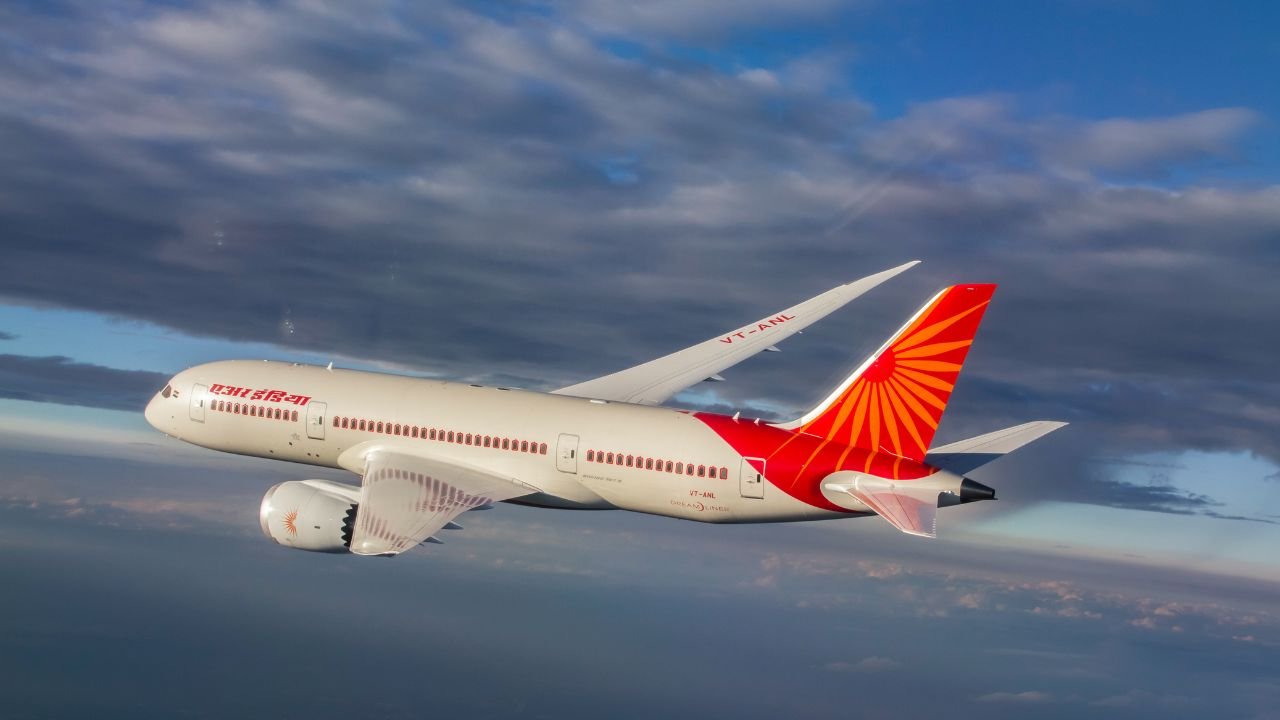
    An Air India Boeing 787 Dreamliner was taken out of service after a pilot noticed a possible problem with a fuel control switch. The flight had come from London and landed in Bengaluru. After landing, the pilot told the airline that a fuel control switch might not be working properly. The airline removed the aircraft from service so technicians could check it carefully. 

    Some news reports say the switch moved from the normal “RUN” position to “CUTOFF” while the crew was starting the engines. Other reports describe the pilot spotting a loose or faulty locking mechanism after landing. Both accounts point to the same thing: the fuel control switch did not behave as expected, so the airline acted cautiously and grounded the jet. 

    Why the switch matters

    A fuel control switch is a small but very important part of the engine controls. When it is in “RUN,” fuel flows to the engine and the engine can keep working. If the switch goes to “CUTOFF,” the fuel flow stops and the engine will shut down. That is why pilots and engineers pay close attention to these switches. Because the risk involves engine power, any unusual movement or failure is taken very seriously. 

    The grounding also comes at a sensitive time. Last year, investigators found that movement of a fuel control switch was linked to a fatal crash of an Air India Dreamliner. That earlier accident raised public concern and put extra focus on any new reports involving fuel switches. Airlines and regulators now treat even small hints of trouble with extra caution. 

    What steps are being taken by Air India

    Air India said it reported the issue to the aviation regulator and to Boeing, the plane’s maker. The regulator in India, the body that oversees airline safety will likely follow standard procedures: inspect the grounded plane, review the maintenance and flight records, and decide whether other aircraft need checks. Boeing and maintenance teams will examine the switch and the system around it to find the exact cause. 

    The airline’s move to ground the jet is a normal safety step. Grounding a single aircraft so teams can inspect and fix a possible fault prevents risk to passengers and crew while the problem is being understood. It is also meant to reassure the public that safety comes first.

    What this means for passengers and flights

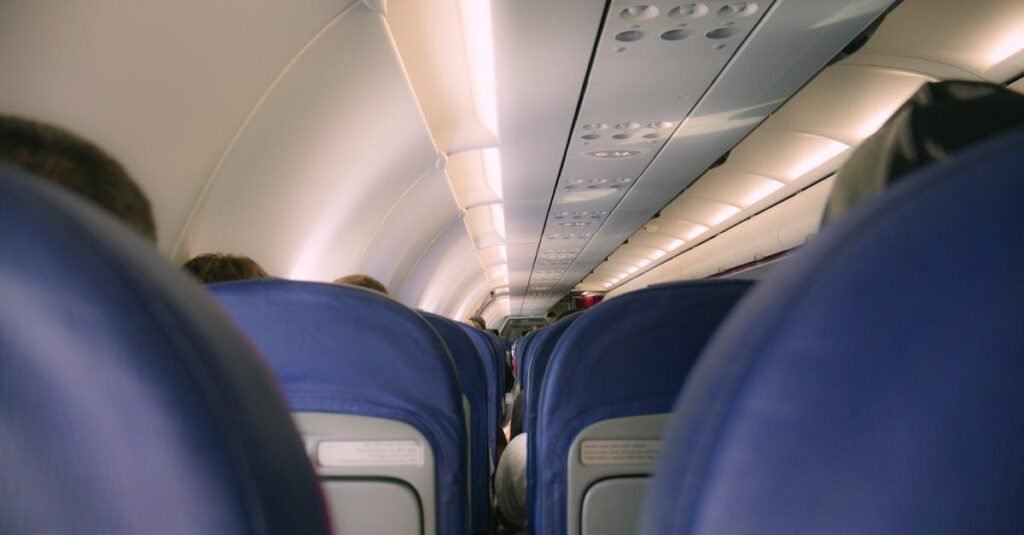
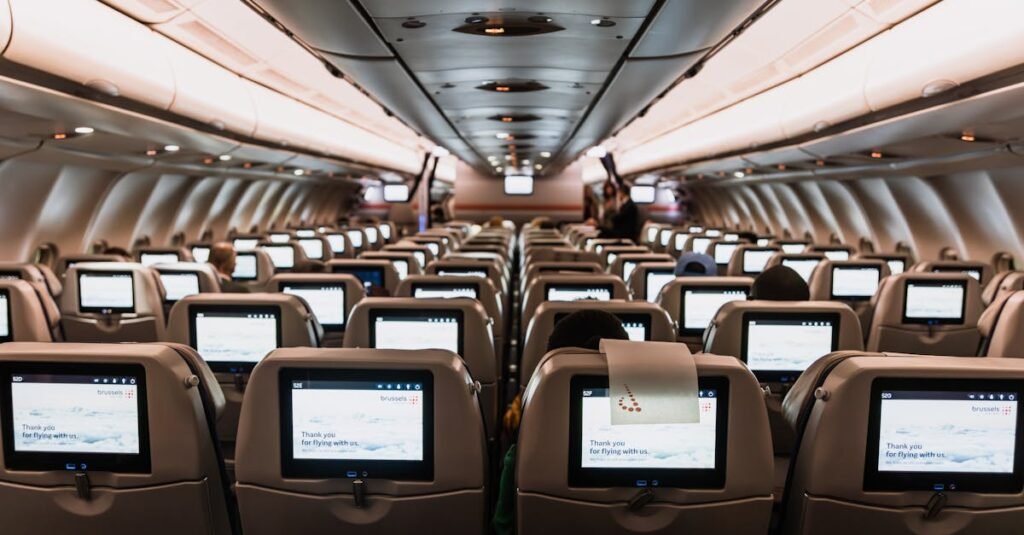
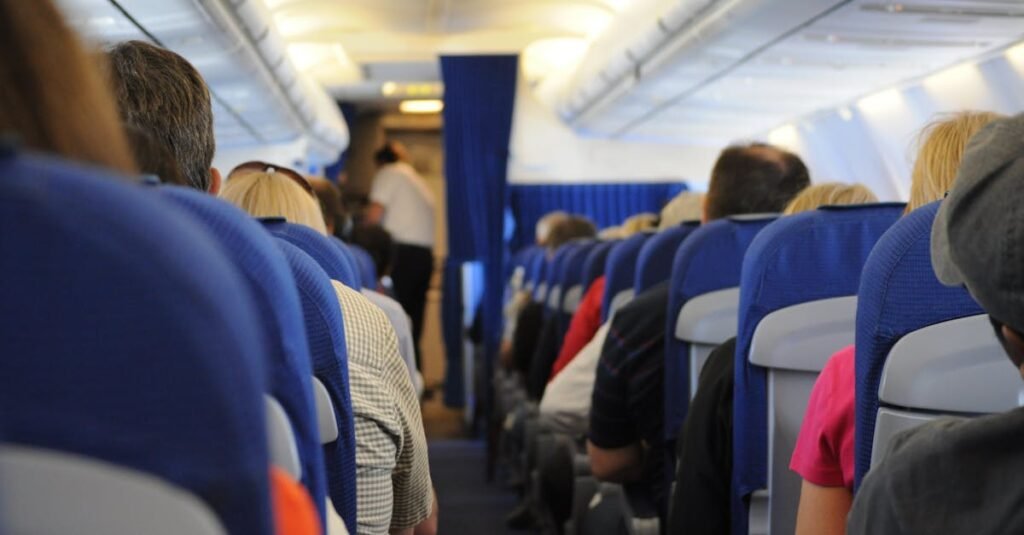
    Interior view of an airplane cabin with passengers seated, showcasing air travel experience.

    If you were booked on that aircraft, Air India will put you on another plane or offer an alternative route. If more planes need inspections, some flights might be delayed or re-scheduled; airlines usually try to limit disruption. Remember, such checks are done to keep flying safe ever though delays and changes are inconvenient but are part of the safety system working as it should. 

    Clear and simple takeaway

    A fuel control switch problem led Air India to ground a Dreamliner after a pilot reported the issue. The airline, the regulator, and the plane maker are involved and will investigate. This is a routine but important safety response to stop and check than to risk a harder problem in flight.

    If you want the latest updates, check official Air India statements or reliable news sites, because investigators will release findings when they are sure of the facts.

  • FAA 25-Hour Cockpit Voice Recorder Rule Finalized: What It Means for Aviation Safety

    FAA 25-Hour Cockpit Voice Recorder Rule Finalized: What It Means for Aviation Safety

    The U.S. Federal Aviation Administration (FAA) has announced a major safety rule change for commercial aircraft. The agency has finalized a rule that changes how long cockpit voice recorders (CVRs) must hold audio recordings. Under the new rule, CVRs will capture 25 hours of cockpit audio, replacing the older standard of just two hours. This change is meant to help investigators better understand incidents and accidents when something goes wrong during a flight. 

    Why This Change Matters

    Cockpit voice recorders are sometimes called “black boxes,” but they are really orange to help investigators find them after a crash. These devices record important sounds and conversations in the cockpit, such as:

    • Pilot voices
    • Air traffic control communications
    • Engine and alarm noises
    • Other cockpit sounds that help explain events leading to an accident or incident 

    For many years, CVRs were required to save only the last two hours of sound. If an incident happened but was not discovered soon enough, older audio could be overwritten and lost. This has made some investigations harder, especially when incidents happen early in a flight and the recorder overwrites the audio before the plane lands. 

    By expanding the recording time to 25 hours, investigators will have more data and wider insight into events happening over longer flights or earlier parts of a trip. That can make it easier to find causes and help prevent future accidents.

    What Triggered the FAA 25-Hour Cockpit Voice Recorder Rule

    The push for longer recording time has been driven by the National Transportation Safety Board (NTSB) for many years. The NTSB is the U.S. agency that investigates aviation accidents and makes safety recommendations. Investigators have noted many cases where the two-hour limit was too short, and critical audio was lost before they could secure it. 

    International bodies like the International Civil Aviation Organization (ICAO) and Europe’s aviation safety agency have already moved to 25 hours for new planes. The FAA’s new rule brings the United States closer to these international standards, aligning U.S. aviation rules with global best practices. 

    There have been specific incidents where limited CVR time made investigations difficult. In some high-profile runway near-miss cases, crucial voice recordings were overwritten because the event occurred more than two hours before the flight ended. Extending the recording time reduces this risk.

    Who Must Follow the Rule

    New Aircraft

    Under the rule, any newly manufactured passenger aircraft delivered after a specific date generally in 2027 and beyond must be equipped with a cockpit voice recorder that can hold at least 25 hours of audio. 

    Existing Fleets

    Congress also passed a separate law that requires all existing passenger airplanes to be retrofitted with these longer-recording devices by 2030. This means even older aircraft currently flying will need to update their recorders before that deadline. 

    Smaller aircraft that don’t carry many passengers may have extra time to meet the new rules, depending on their type and size. 

    Reactions to the Change

    The FAA believes this change will strengthen aviation safety. Longer recordings give investigators more context and improve the chances of finding answers after an event. Officials say it brings the U.S. closer to global standards and improves the ability to learn from unusual or serious incidents. 

    However, not everyone is happy with the new rule. Some pilot groups have raised privacy concerns. They worry that a 25-hour recording could capture multiple flights’ worth of cockpit conversations that have nothing to do with safety issues. Some say this could be misused or make pilots feel uncomfortable knowing that private cockpit talk is being recorded for longer. 

    What This Means for Air Travel

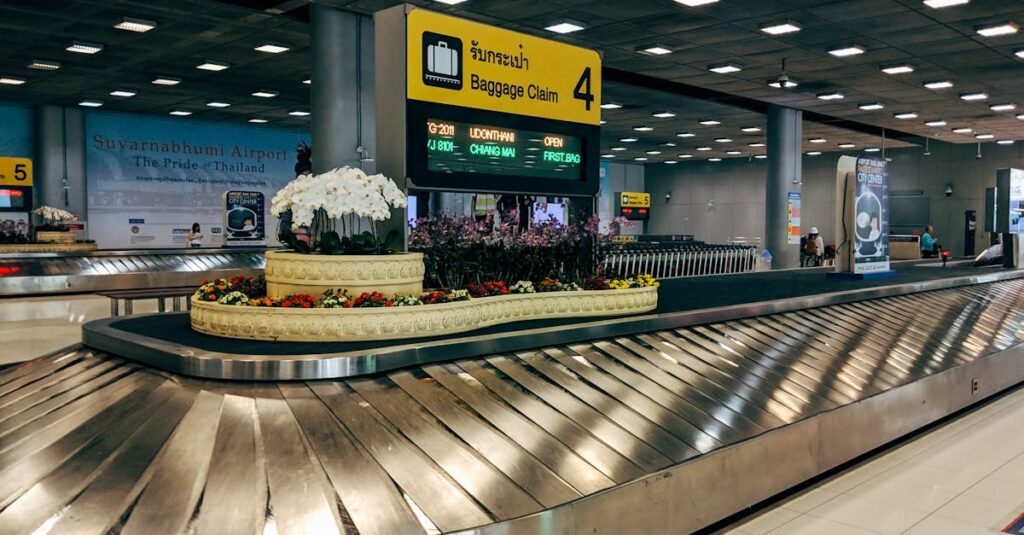
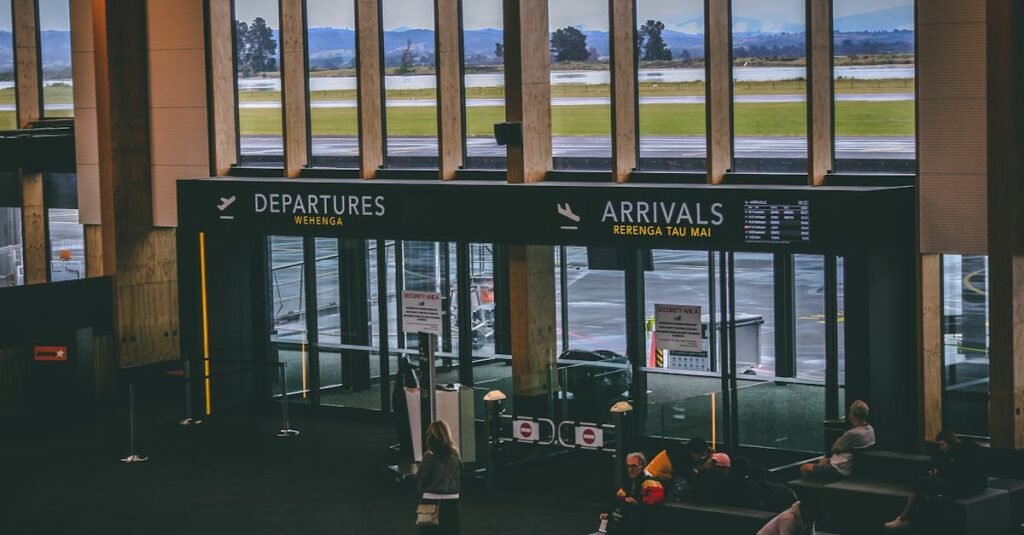
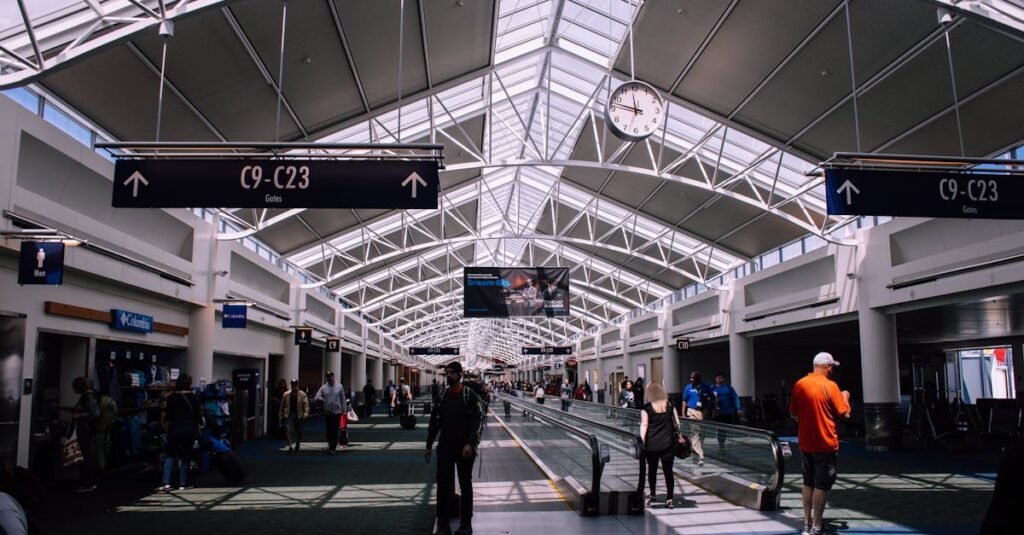
    Busy airport terminal area with people, featuring departures and arrivals signs.

    For most passengers, this change won’t be noticeable in everyday flying. Cockpit voice recorders operate in the background and don’t affect how a plane flies. But if something does go wrong, investigators will likely have a much richer record to understand what happened.

    Overall, the new 25-hour CVR rule marks a big step in aviation safety in the United States. It reflects years of study, international cooperation, and lessons learned from past incidents that were difficult to fully investigate. 

  • How Harsh Winter Weather Disrupts American Airlines, WestJet, and U.S. Flights

    How Harsh Winter Weather Disrupts American Airlines, WestJet, and U.S. Flights

    Winter weather has always been one of aviation’s toughest tests. While summer thunderstorms can cause short-lived disruptions, winter storms have a habit of lingering, spreading, and compounding problems across the entire U.S. air travel system. For airlines like American Airlines, WestJet, and other carriers flying U.S. routes, harsh winter conditions can turn a routine travel day into a logistical headache for crews, airports, and passengers alike.

    Lets take a closer look at how winter weather affects airlines, why disruptions spread so quickly, and what it all means for travelers.

    Why Winter Weather Is So Disruptive for Airlines

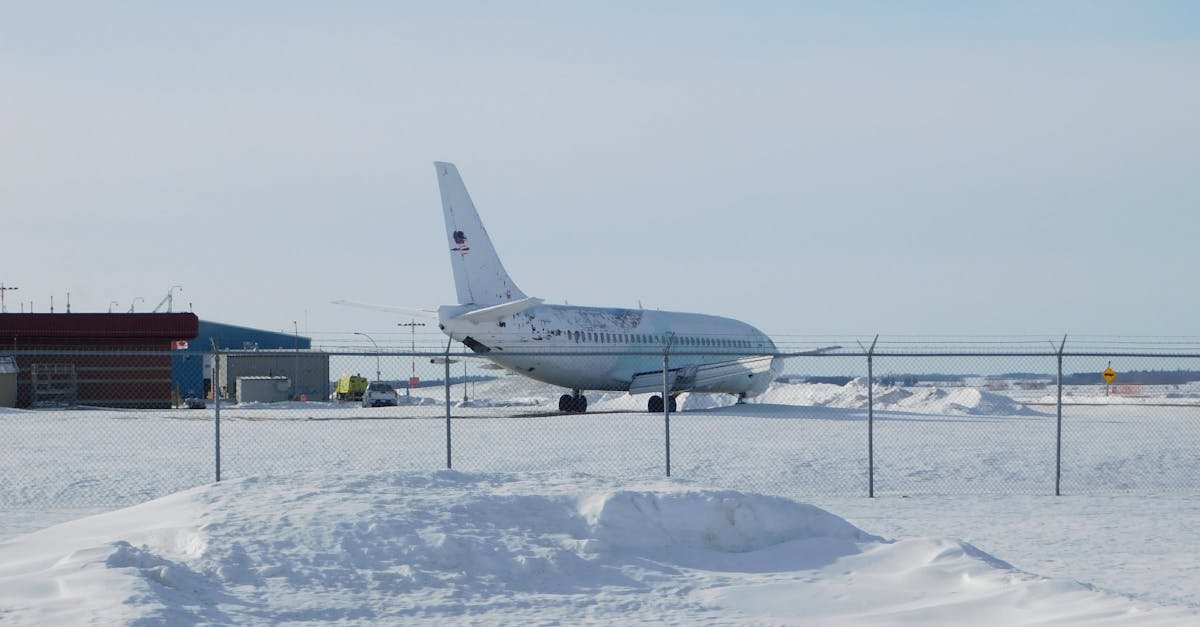
    Winter storms bring more than just snow. Ice, freezing rain, high winds, and extreme cold all create unique risks for aircraft and ground operations. Unlike rain or mild fog, snow and ice directly interfere with an aircraft’s ability to take off, land, and maneuver safely on the ground.

    Airlines must operate within strict safety margins. Even a thin layer of ice on a wing can change how air flows over it, reducing lift. Because of that, flights cannot simply “push through” winter conditions the way cars sometimes do on highways. When conditions cross certain thresholds, airlines have no choice but to delay or cancel flights.

    Flight Delays and Cancellations

    One of the most frustrating aspects of winter travel is how a storm in one city can disrupt flights hundreds or even thousands of miles away. This happens because airline schedules are tightly interconnected.

    A single aircraft might operate several flights in one day across multiple cities. If a morning departure is canceled due to snow, that plane may never reach the next airport on its schedule. The result is a chain reaction of delays and cancellations that spreads throughout the airline’s network.Large carriers with major hub airports are particularly vulnerable. When a hub slows down, dozens of incoming and outgoing flights are affected at once. This is why winter storms often lead to nationwide disruption, even if only a few regions are experiencing severe weather.

    The Critical Role of De-Icing and Ground Operations

    De-icing is one of the most visible signs of winter operations, and it plays a major role in delays. Before takeoff, aircraft must be sprayed with heated fluids to remove snow and ice from critical surfaces like wings and tail sections.This process takes time, especially during heavy snowfall when ice can reform quickly. Aircraft often wait in long lines for de-icing, and once treated, they must take off within a specific window before ice begins to accumulate again. If that window is missed, the aircraft may need to return for another round of de-icing.

    At the same time, airports are battling the storm too. Snowplows must constantly clear runways and taxiways, and sometimes only one runway can remain operational. This dramatically reduces how many aircraft can land or depart, creating congestion even when flights are technically able to operate.

    Crew Scheduling Challenges in Winter Storms

    Airline crews operate under strict rules designed to prevent fatigue. Pilots and flight attendants can only work a certain number of hours before they are required to rest. Winter delays can easily push crews past those limits.

    When that happens, flights may be canceled even if the aircraft is ready and weather conditions have improved. Finding replacement crews on short notice is difficult, particularly during widespread storms when many employees are also dealing with travel disruptions. Crew availability is one of the main reasons airlines struggle to recover quickly after major winter events. It can take days to reposition both aircraft and crews back into the right places.

    Cross-Border Complications for U.S. and Canadian Flights

    Airlines operating between the U.S. and Canada face an extra layer of complexity. A flight might depart from a clear airport but be heading toward a destination dealing with heavy snow or ice. Even if conditions are acceptable at departure, the flight may still be canceled to avoid stranding aircraft and passengers.

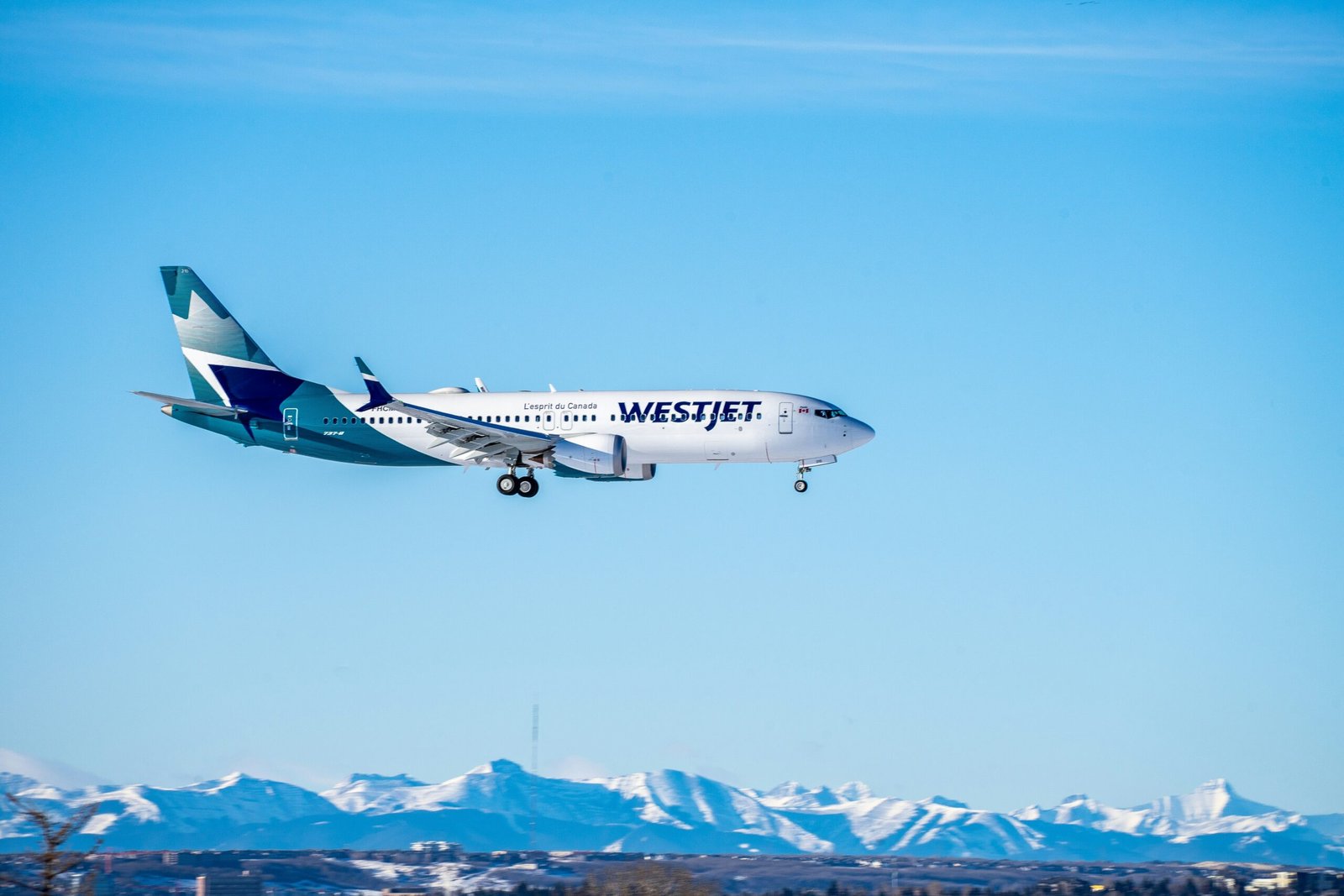
    Carriers like WestJet, which operate many cross-border routes, must coordinate closely with both U.S. and Canadian airports. Weather systems that stretch across regions can disrupt both sides of the border simultaneously, reducing recovery options and increasing passenger backlogs.

    What Passengers Experience During Winter Disruptions

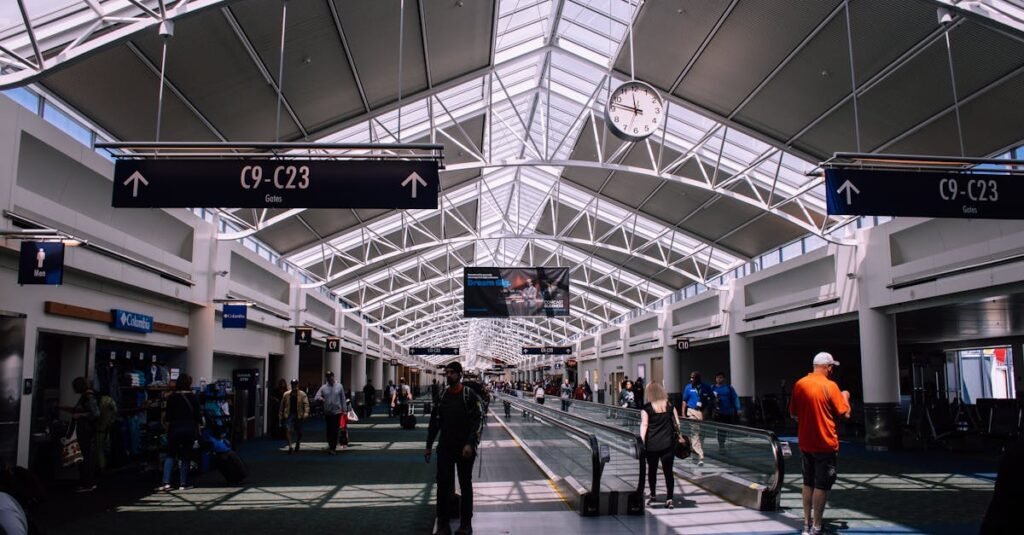
    Spacious airport terminal with moving walkway and travelers, showcasing modern architecture.

    For travelers, winter weather disruptions are often stressful and unpredictable. Delays can stretch from minutes into hours, and cancellations may leave passengers scrambling to find new flights.

    Airlines usually issue travel advisories ahead of major storms, allowing passengers to rebook without change fees. While this flexibility helps, it also means many travelers are trying to adjust plans at the same time. Customer service lines grow long, flights fill up quickly, and hotel availability near airports can disappear fast.

    Another challenge is baggage. When flights are canceled after bags are checked, luggage may end up separated from passengers, adding to frustration and uncertainty.

    Why Airlines Can’t Always “Recover” Quickly?

    After a winter storm passes, many travelers expect operations to return to normal almost immediately. In reality, recovery can take days. Aircraft may be parked in the wrong cities, crews may be out of position, and maintenance schedules may have been disrupted by extreme cold.

    Additionally, American airlines, WestJet and other carriers often prioritize safety and stability over speed. Rather than rushing to operate a full schedule, they may cancel additional flights proactively to reset operations and prevent further chaos.

    This cautious approach can feel inconvenient to passengers, but it is often necessary to restore reliability across the network.

    How American Airlines And Other Carriers Prepare for Harsh Winter Conditions

    Despite the challenges, American Airlines and other carriers invest heavily in winter preparedness. This includes specialized training for crews, winterized equipment, weather forecasting teams, and close coordination with airports.

    Aircraft are designed to operate in cold conditions, but procedures must be followed precisely. From anti-icing systems to cold-weather maintenance checks, every step is aimed at ensuring safety remains the top priority.

    Airlines also monitor weather systems days in advance, adjusting schedules and staffing levels before storms arrive. While these measures cannot prevent all disruptions, they help reduce the severity and duration of winter-related problems.

    The Bottom Line for Winter Air Travel

    Harsh winter conditions are an unavoidable part of flying in and across the United States. Snow, ice, and extreme cold affect every aspect of airline operations, from runways and aircraft to crews and passengers. For airlines like American Airlines, WestJet, and other carriers serving U.S. routes, winter storms can quickly escalate into system-wide disruptions.

    For travelers, understanding why these delays happen can make the experience slightly less frustrating. While winter weather may disrupt plans, the precautions taken by airlines are ultimately about ensuring that every flight operates as safely as possible — even when the forecast refuses to cooperate.

  • U.S.–Venezuela Travel Relaunch: American Airlines Plans Daily Nonstop Flights Pending Government Approval

    U.S.–Venezuela Travel Relaunch: American Airlines Plans Daily Nonstop Flights Pending Government Approval

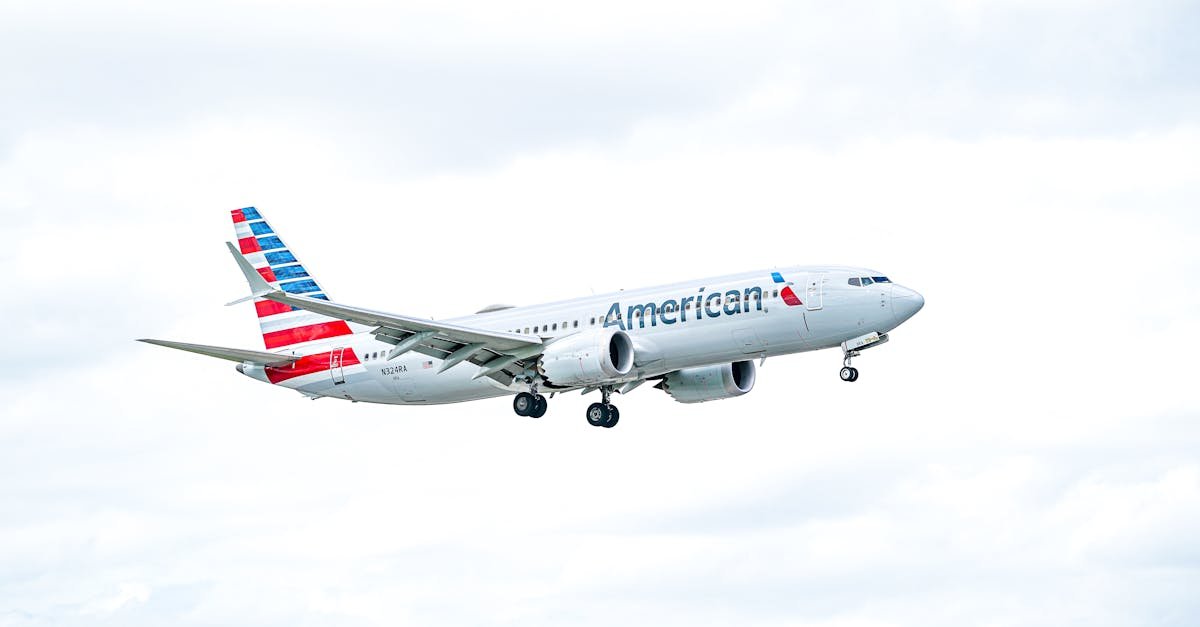
    American Airlines has announced its intention to resume daily nonstop flights between the United States and Venezuela, a significant move that could restore direct air travel between the two countries for the first time since 2019. The plans are still subject to U.S. government approval and security assessments, but the announcement itself marks a major shift in commercial aviation and international travel ties between Washington and Caracas. 

    A Long-Awaited Return After Years of Silence

    The airline’s planned relaunch comes after more than six years without regular U.S.–Venezuela commercial service. Prior to 2019, American Airlines was the largest U.S. carrier operating in Venezuela, linking cities like Miami and Caracas with daily flights and serving as a crucial bridge for business, leisure, and family travel. 

    Service was suspended amid deteriorating security and diplomatic tensions, and shortly afterward the U.S. government formally barred U.S. passenger and cargo flights to Venezuelan destinations. Since then, travelers had to rely on indirect connections through third-country hubs, creating longer journeys and higher costs. 

    What Prompted the Change Now?

    The renewed plan by American Airlines comes in the wake of significant policy shifts by U.S. authorities. In late January 2026, the U.S. moved to reopen Venezuela’s airspace to commercial flights, reversing earlier restrictions that had been put in place amid safety and geopolitical concerns. 

    According to reports, the announcement to lift flight bans was coupled with broader strategic developments and an evolving diplomatic situation involving leaders from both countries. While this decision paves the way for airlines to consider resuming service, carriers like American still need to obtain explicit government and security clearances before flights can begin. 

    What American Airlines Has Said?

    American Airlines emphasized it is prepared to be the first U.S. airline to reconnect nonstop service with Venezuela once all regulatory milestones are met. The airline’s leadership highlighted its decades-long history in the region and noted that restored flights would open doors for families to reunite, for commerce to flourish, and for tourism and humanitarian travel to resume. 

    In a statement, American’s Chief Commercial Officer pointed to the “incredible relationship” the airline has had with the Venezuelan market since 1987 and its readiness to renew it. Specific details about routes, frequencies, aircraft types, and launch dates have not yet been shared. 

    “We have a more than 30-year history connecting Venezolanos to the U.S., and we are ready to renew that incredible relationship. By restarting service to Venezuela, American will offer customers the opportunity to reunite with families and create new business and commerce with the United States,” said Nat Pieper, the Chief Commercial Officer of American Airlines in an official Press Release

    What Travelers Can Expect?

    Spacious airport terminal with moving walkway and travelers, showcasing modern architecture.

    If approval is granted, travelers may soon see direct flights between key U.S. gateways and Venezuela’s major airports most likely starting with popular city pairs that historically drew high demand. Direct nonstop service would vastly simplify travel that has, for years, required multiple connections and planning through other countries. 

    For business and leisure passengers alike, restored flights could mean shorter travel times, improved connectivity, and more competitive pricing. They could also stimulate economic exchange as trade and corporate travel expand following years of limited direct access. 

    What are the Challenges That Still Lie Ahead?

    Even with the announcement, significant hurdles remain. Federal agencies such as the Federal Aviation Administration (FAA) and the Transportation Security Administration (TSA) must complete thorough safety and security assessments before flights can be authorized. These evaluations cover airspace safety, airport security infrastructure, and compliance with international aviation standards. 

    In addition, the U.S. State Department continues to issue travel advisories and may encourage cautious planning for those considering travel to Venezuela, reflecting ongoing safety concerns in the region. 

    Broader Impacts on U.S.–Venezuela Relations

    The planned relaunch of air service is more than a commercial aviation story, it reflects evolving relationships between the United States and Venezuela. Reestablishing nonstop flights could signal a gradual normalization of ties and a reopening of channels that were dormant for years. 

    For the Venezuelan diaspora in the U.S., particularly in cities with large Venezuelan communities, the return of direct service holds emotional and cultural significance. Families split across borders could once again travel more easily to visit loved ones, attend important events, and participate in cultural exchange.

  • NASA Plane Sparks Flames During Emergency Landing at Ellington Airport, Crew Escapes Unharmed

    NASA Plane Sparks Flames During Emergency Landing at Ellington Airport, Crew Escapes Unharmed

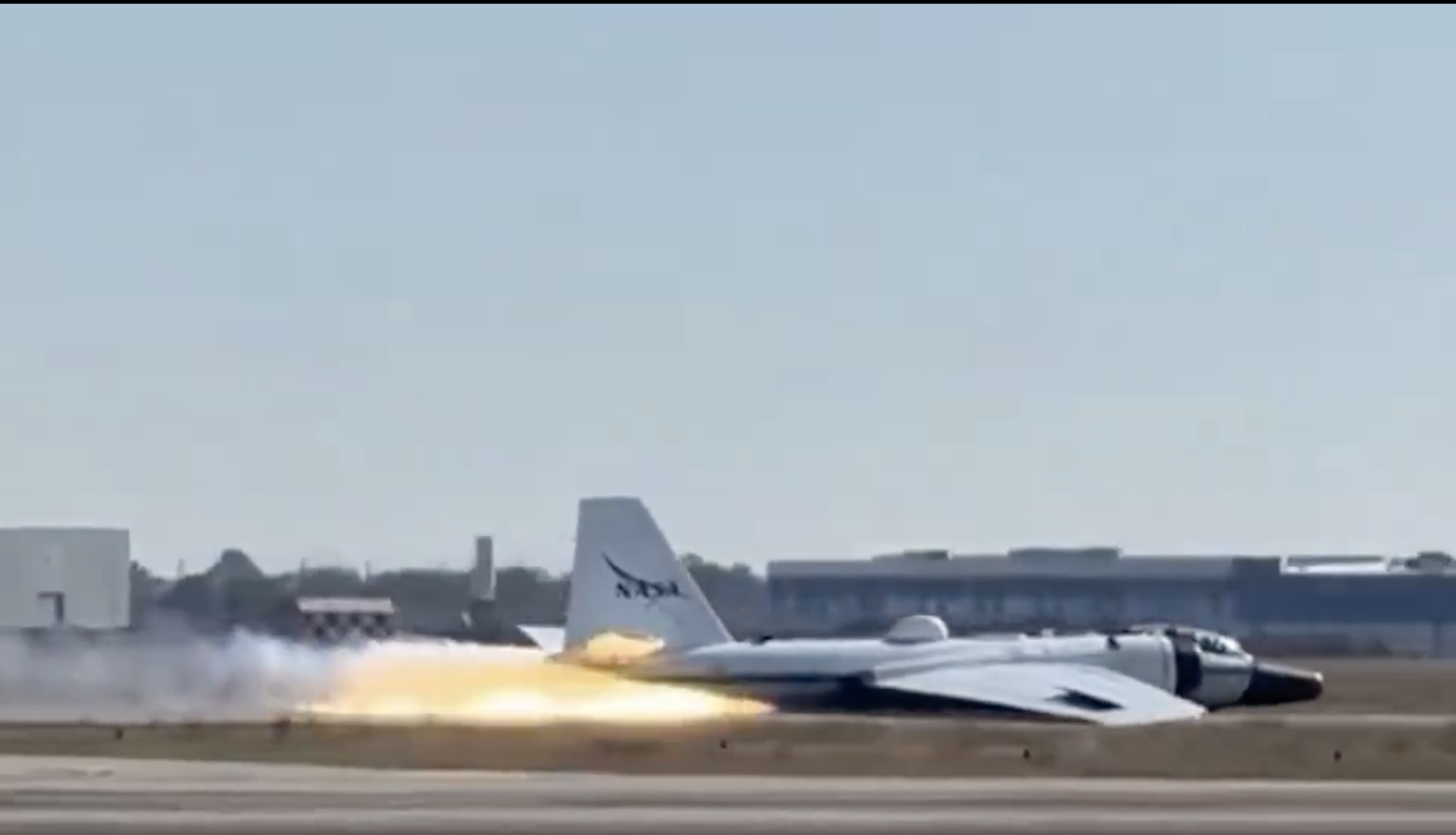
    A NASA Plane used for research faced an emergency landing at Ellington Airport because its landing gear failed to operate after a mechanical malfunction. The video shows the plane landing on its belly which created sparks and flames and thick smoke that followed behind it as it moved down the runway. The dangerous situation ended in success when both crew members escaped without injuries.

    The incident captured immediate public interest because of its visual strength and because NASA aircraft emergency landings happen so infrequently. The officials proved that they managed the terrifying situation through their safe and effective professional procedures.

    Landing Gear Failure Triggers Belly Landing

    The aircraft involved was a NASA WB-57, a high-altitude research plane that has supported scientific missions for decades. During its approach to Ellington Airport, the crew discovered that the landing gear would not deploy due to a mechanical malfunction.

    With limited options available, the pilots prepared for a controlled belly landing. Emergency crews were placed on standby along the runway as the aircraft lined up for touchdown. Such landings require precise control and careful coordination, especially in a plane designed for high-altitude research rather than commercial transport.

    Dramatic Video Of The Nasa Plane Shows Sparks and Flames

    Footage shared online captures the moment the NASA plane made contact with the runway. As the fuselage scraped along the pavement, sparks shot behind the aircraft and bright yellow flames flared underneath. Thick smoke quickly followed, while the wings visibly bounced on impact.

    The dramatic visuals sparked widespread reaction on social media, with many viewers expressing concern before learning that both crew members escaped unharmed.

    Crew Remains Calm and Exits Safely

    NASA officials praised the crew for maintaining control throughout the emergency landing. The aircraft eventually came to a complete stop as emergency responders rushed to the scene.

    Both crew members exited the NASA plane on their own and refused medical treatment, confirming they were not injured. Their safe escape underscored the importance of training and preparedness when dealing with unexpected mechanical failures.

    NASA WB-57 Aircraft Has Long Research History

    The WB-57 has been used for decades in high-altitude scientific research, including atmospheric studies and support for space-related missions. Its ability to operate at extreme altitudes makes it a valuable tool for NASA’s research programs.

    Incidents involving this aircraft are rare, making the emergency landing especially notable. NASA emphasized that the plane’s strong design and the crew’s experience played key roles in the successful outcome.

    Investigation Underway Into Mechanical Issue

    NASA confirmed that the landing gear malfunction will be fully investigated. Engineers will examine the aircraft to determine the exact cause of the failure and assess any damage sustained during the landing.

    Ellington Airport operations were temporarily affected as emergency crews secured the area and safety inspections were completed. Officials later confirmed that the situation was contained without further incident.

    A Reminder of Aviation Risk and Training

    While belly landings appear dangerous, aviation experts note they are often survivable when executed properly. Aircraft are designed with reinforced fuselages, and pilots regularly train for emergency scenarios.

    The NASA plane emergency landing in Texas highlights both the risks involved in aviation and the effectiveness of preparation under pressure. In the end, the most important outcome was clear, a dramatic incident that resulted in no injuries.

  • Colombia’s HK-4709 Plane Crash: What Happened, Victims, Latest Updates, and Investigation Details

    Colombia’s HK-4709 Plane Crash: What Happened, Victims, Latest Updates, and Investigation Details

    On January 28, 2026, a small aircraft operated as SATENA Flight 8895 (registration HK-4709) tragically crashed in northeastern Colombia, killing all 15 people on board. The HK-4709 Plane was a routine domestic service between Cúcuta and Ocaña when it mysteriously disappeared from radar shortly before it was scheduled to land. 

    Timeline of the Tragic HK-4709 Plane Crash

    Flight 8895 took off from Camilo Daza International Airport in Cúcuta at approximately 11:42 a.m. local time, bound for Aguas Claras Airport in Ocaña, a short hop of about 20 to 25 minutes. 

    Just 12 minutes into the flight, at 11:54 a.m., the aircraft lost contact with air traffic control and vanished from radar. Authorities immediately declared the flight missing and launched a search operation. 

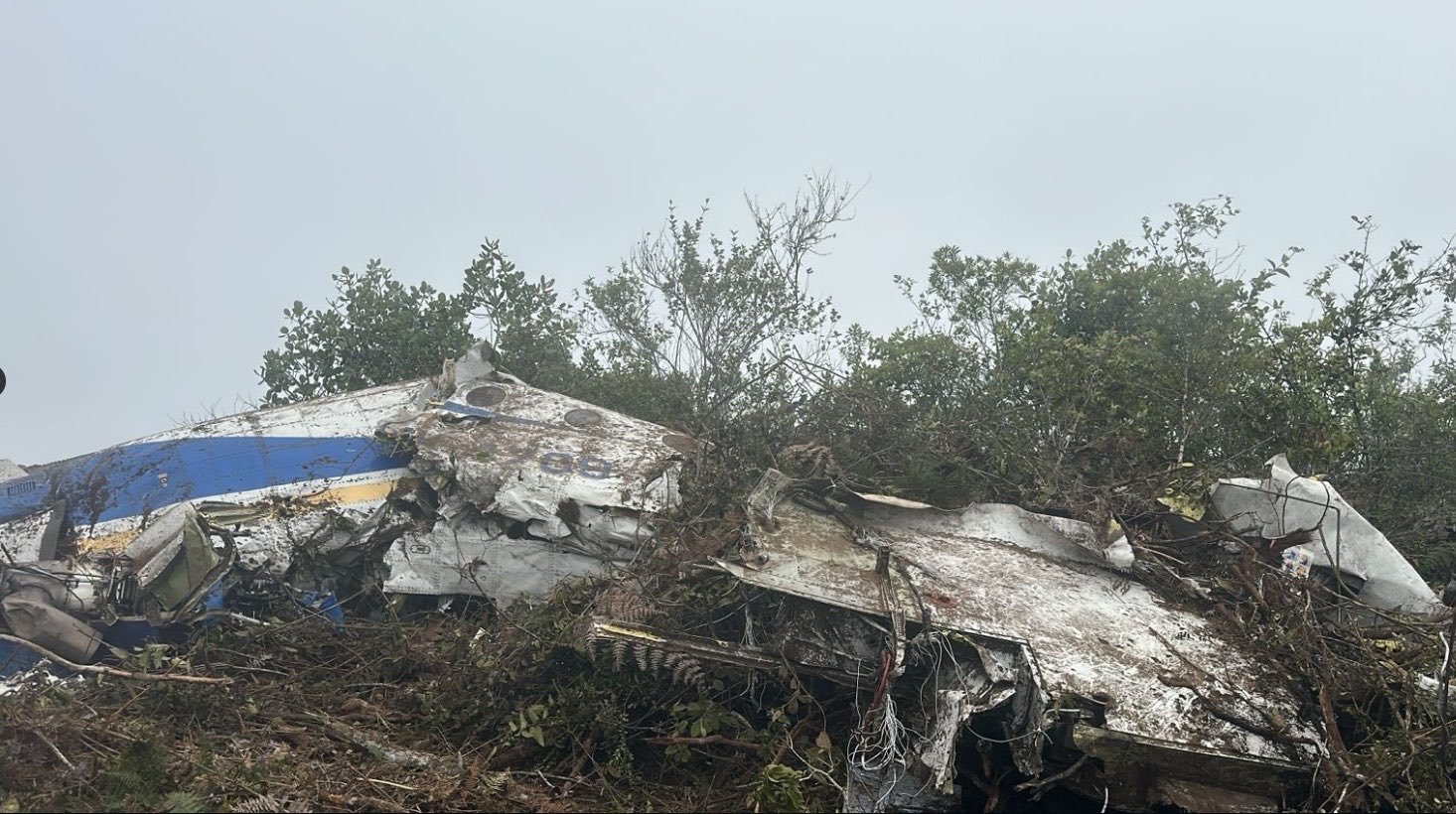
    After hours of searching in the remote and mountainous Catatumbo region near Colombia’s border with Venezuela, rescue teams located the wreckage in the rural area of Curasica, Playa de Belén. Sadly, all onboard had perished. 

    Details About the Aircraft and Operator

    The aircraft involved was a Beechcraft 1900D turboprop, an older model manufactured in 1994, registered as HK-4709. It was operated by SEARCA on behalf of SATENA, Colombia’s state-owned airline that connects remote regions of the country. 

    Beechcraft 1900Ds are commonly used for short regional flights and are capable of operating in rugged environments. However, they are smaller than typical commercial airliners and have a limited passenger capacity in this case, 13 passengers and 2 crew members

    Who Were on Board?

    All 15 people onboard were killed in the crash that included 13 passengers and 2 crew members. 

    Among the passengers were Diógenes Quintero, a 36-year-old Colombian congressman and human rights representative, and Carlos Salcedo, a political candidate. Their deaths prompted national mourning and tributes from public officials, including statements from President Gustavo Petro and party leaders. 

    The crew, identified as Captain Miguel Vanegas and Captain José de la Vega, were experienced pilots serving on this domestic route. 


    Search and Recovery Efforts

    Once Flight 8895 lost contact, Colombian authorities including the Aerospace Force, National Army, and Aerocivil (Civil Aviation Authority) — launched an extensive search operation. 

    The wreckage was found later in the afternoon in terrain that is mountainous, forested, and difficult to access. Local residents first alerted officials to the crash site. 

    Recovery teams worked through challenging conditions to reach the site, collect remains, and begin the painstaking task of identifying victims. Officials confirmed there were no survivors. 


    Investigation: What Do We Know So Far?

    The exact cause of the crash currently remains under investigation by a panel of experts. Colombian aviation investigators have begun gathering data from flight records, radar tracking, and witness accounts to determine what led to the sudden loss of contact. 

    Initial reports indicate the emergency locator transmitter (ELT) did not activate upon impact, complicating early search efforts — a factor that investigators are scrutinizing. 

    Weather, technical issues, terrain challenges, and human factors are all potential areas of inquiry. However, authorities have not yet released a definitive cause. 


    Reactions from Colombia and Beyond

    The crash has had a profound impact in Colombia, particularly in regions connected to the victims. Leaders across the political spectrum expressed sorrow and solidarity with the families of those lost. 

    International news outlets have also covered the tragedy, highlighting the disappearance of the flight, the harrowing search efforts, and the loss of prominent public figures. 


    Conclusion

    The HK-4709 crash remains a deeply tragic event for Colombia and the aviation community. With 15 lives lost, including public servants and local leaders, the focus now turns to uncovering the truth behind what happened and preventing future tragedies. The ongoing investigation will be key to answering critical questions about this devastating accident. 

  • Bombardier Learjet 45 Crash in India: Early Details on the Jet Carrying Ajit Pawar and Four Others

    Bombardier Learjet 45 Crash in India: Early Details on the Jet Carrying Ajit Pawar and Four Others

    A Bombardier Learjet 45 business jet tragically crashed in Baramati, Maharashtra, India, early on January 28, 2026, killing all five people onboard, including Maharashtra Deputy Chief Minister Ajit Pawar. The aircraft went down while attempting to land at Baramati Airport, about 250 kilometers southeast of Mumbai, prompting an immediate investigation by Indian aviation authorities. 

    The aircraft, identified as a Learjet 45 (registration VT-SSK) operated by VSR Ventures Pvt. Ltd., departed from Mumbai around 8:10 a.m. local time, flying a short regional route to Baramati. Flight tracking data suggests it was airborne for roughly 35 minutes before radar contact was lost. 

    Final Approach and Crash

    According to early reports and eyewitness accounts, the Learjet encountered trouble during the landing phase, possibly while attempting an emergency approach. Officials from the Directorate General of Civil Aviation (DGCA) India’s national aviation regulator confirmed that the jet crash-landed near the runway at Baramati Airport. The aircraft veered off course, struck the ground, and immediately caught fire, leaving wreckage and debris scattered across an open field near the threshold of Runway 11. 

    Local eyewitnesses described hearing multiple explosions as the aircraft hit the ground and disintegrated on impact, further underscoring the severity of the crash. 

    Victims on Board

    The five people onboard included:

    • Ajit Pawar, Maharashtra Deputy Chief Minister
    • Two crew members (pilot-in-command and first officer)
    • A personal security officer and an attendant

    Tragically, none of the occupants survived the crash. Emergency responders reached the scene quickly, but the severity of the impact and subsequent fire left no survivors. 

    The Learjet 45: Aircraft Background

    The Learjet 45 is a mid-size business jet manufactured by Bombardier Aerospace, widely used for executive, VIP, and charter flights. With a typical seating configuration for up to eight passengers and a range suitable for short-to-medium routes, it has long been a popular choice among private and corporate operators around the world. 

    While the Learjet family has enjoyed a strong reputation in business aviation, this latest accident will undoubtedly draw scrutiny from the global aviation community, particularly around maintenance practices, approach procedures, and safety protocols at smaller regional airports. 

    Investigation and Next Steps

    India’s DGCA has launched a formal investigation into the crash. Early inquiries are expected to focus on flight data records, weather conditions at the time of landing, and aircraft performance data to determine what led to this devastating event. 

    As the aviation world watches closely, this tragedy serves as a sobering reminder of the risks inherent in regional business jet operations — especially during critical phases of flight like landing. 

  • Philadelphia International Airport Security Breach: Former Worker Sentenced Over Major TSA Lapse

    Philadelphia International Airport Security Breach: Former Worker Sentenced Over Major TSA Lapse

    A former employee at Philadelphia International Airport has been sentenced in federal court after admitting he helped another man bypass TSA security, a breach that raised serious concerns about airport safety.

    Tiriq Henson, 34, of Philadelphia, was sentenced to nine days in federal prison followed by two years of supervised release for his role in allowing an unauthorized individual to enter a secure area of the airport without screening. The sentence was handed down by U.S. District Judge Gail A. Weilheimer.

    According to court records, Henson worked as a wheelchair assistant for a third-party passenger assistance company at Philadelphia International Airport (PHL), a position he had held since 2014. His job granted him access to restricted airport areas using an official security badge — access prosecutors say he abused.

    What Led To The TSA Lapse At the Philadelphia International Airport

    In early 2024, Henson agreed to let an acquaintance, 39-year-old David Easley of Georgia, use his airport ID badge to bypass TSA screening entirely. In exchange, Henson was paid $50 in cash.

    Easley, a convicted felon with a lengthy criminal history, had booked a flight from Philadelphia to Atlanta but wanted to avoid TSA checkpoints. Authorities say Easley was attempting to smuggle six bottles of promethazine, a prescription cough syrup containing codeine that is often abused recreationally and known on the street as “lean” or “purple drank.” Prosecutors noted that the quantity Easley carried could have been worth thousands of dollars on the black market.

    Using Henson’s credentials, Easley accessed a restricted corridor that connects the public check-in area of the airport to the secure departures concourse. However, his plan unraveled when he encountered TSA agents conducting random security checks near the final access point. Easley attempted to flee but was quickly detained.

    When apprehended, Easley was still in possession of Henson’s airport ID badge. He later admitted to paying Henson for its use.

    Both men initially faced potential sentences of up to 10 years in prison. Easley pleaded guilty in July 2024 and ultimately avoided incarceration, receiving 26 months of supervised release that includes two months of home detention. Prosecutors had argued for jail time, citing Easley’s criminal past and what they described as a lack of remorse.

    Henson also pleaded guilty, admitting to one count of entering an airport area in violation of security requirements. His attorneys asked for probation, emphasizing that he is a father with no prior criminal record and had expressed deep shame over his actions. The court ultimately imposed a brief custodial sentence, followed by supervised release.

    The case was investigated by the FBI with assistance from the Transportation Security Administration and the Philadelphia Police Department, and prosecuted by the U.S. Attorney’s Office for the Eastern District of Pennsylvania.

    Federal officials say the case underscores how even small acts of misconduct by airport workers can create significant security risks.

  • Singapore Airlines A350 Photos Raise Questions About Possible Tail Strike After Go Around 

    Singapore Airlines A350 Photos Raise Questions About Possible Tail Strike After Go Around 

    Singapore Airlines Flight SQ917, an Airbus A350-900 operating from Manila to Singapore, performed a go-around at Singapore Changi Airport on Saturday, January 24, before completing a safe landing but photos and official responses have since drawn attention to what may have been a tail strike during the maneuver. 

    The aircraft involved — registered 9V-SHW — initially attempted to land on Runway 02L at Changi around early evening. Due to wind conditions reported at the time, the flight crew executed a rejected landing (go-around)procedure. During this maneuver, the tail of the aircraft made contact with the runway surface, according to multiple local media reports citing airline sources and aviation tracking data. 

    After climbing to a safe altitude, the flight repositioned for a second approach to Runway 02C, landing without further incident approximately 25 minutes later. All 256 passengers and 16 crew members disembarked normally, and there were no injuries reported. 

    Singapore Airlines A350 Photos Raise Questions About Possible Tail Strike

    Photos shared on social media including images captured shortly after the aircraft reached the terminal reportedly show scrape marks and damage on the lower rear fuselage near the tail section. Aviation observers and online trackers have described the visual evidence as consistent with a tail strike, though Singapore Airlines has not released detailed diagnostic information publicly. 

    In an official response to queries from media outlets, a Singapore Airlines spokesperson confirmed the aborted landing was due to wind conditions and emphasized that the aircraft later landed safely and disembarked normally. The airline also said the aircraft is undergoing repairs following the incident. 

    “All customers and crew disembarked normally,” read the official statement

    While tail strikes are relatively uncommon events in modern commercial flight operations, they are a known risk when aircraft perform go-arounds from low altitude. During these maneuvers, sudden changes in thrust and pitch can increase the likelihood of the aft fuselage contacting the runway surface if not carefully controlled. 

    Flight tracking data also shows that 9V-SHW has remained on the ground in Singapore since the January 24 flight, suggesting it has been taken out of service for inspections and maintenance while other aircraft operate scheduled flights in its stead. 

    This incident highlights how routine safety procedures such as go-arounds can lead to complex aircraft responses and post-flight scrutiny, especially when visual evidence circulates before formal statements are published. For now, the confirmed elements are clear: a go-around was performed, the aircraft subsequently landed safely, and visible tail damage has prompted repairs and further observation.

  • Bangor Plane Crash Today: Timeline, Casualties, and Ongoing Investigation

    Bangor Plane Crash Today: Timeline, Casualties, and Ongoing Investigation

    A private jet carrying eight people crashed at Bangor International Airport in Maine late Sunday evening, marking a tragic and unsettling incident that has drawn attention across the United States and beyond. Officials say the aircraft went down as it was attempting to take off just before 8 p.m. local time, and emergency crews responded swiftly to the scene. The cause of the crash remains under investigation, and key details are still emerging. 

    What Happened — Timeline of the Bangor Plane Crash Today:

    According to the Federal Aviation Administration (FAA), a Bombardier Challenger 600 business jet carrying eight people crashed during its departure from Bangor International Airport on Sunday night. The incident occurred at approximately 7:45 p.m. local time amid a powerful winter storm that has brought snow, sleet, and freezing rain across much of the northeastern United States. 

    Preliminary reports and audio from air traffic control recordings indicate that pilots and controllers discussed low visibility and de-icing concerns just minutes before the jet was cleared for takeoff on Runway 33. Shortly afterward, controllers were heard reporting that the aircraft had flipped and was “upside down.” 

    Witnesses in the area reported hearing a loud boom and seeing smoke rising from the crash site, while multiple emergency response vehicles quickly converged on the runway. 

    “First responders are still on the scene and are expected to be actively working the site for several more hours before any additional information is available,” Bangor International Airport said in an official statement.

    Casualties and Conditions of Those On Board

    At this early stage of reporting of the Bangor Plane crash, authorities have not released confirmed information on injuries or fatalities involving the eight people aboard the jet, which likely included both crew members and passengers. The FAA and the National Transportation Safety Board (NTSB) are jointly investigating the incident, but officials have not yet disclosed the identities or the condition of those on board. 

    News outlets have noted that the chaotic weather at the time of the crash complicates the situation, and rescue workers were still assessing the scene well into the night. Flight operations at the airport were suspended temporarily following the accident, and travelers were urged to contact their airlines for further information. 

    Weather and Other Contributing Factors

    The Bangor plane crash occurred amid one of the harshest winter storms to hit the region in recent memory, with heavy snowfall and freezing conditions contributing to low visibility and potentially hazardous runway conditions. The storm, which has affected travel across the eastern U.S., has led to tens of thousands of flight cancellations and delays over the weekend. 

    Investigators will be closely examining whether weather conditions played a role in the tragedy, along with standard aircraft maintenance records, pilot experience, and air traffic control communications. Officials will likely release a preliminary report once they have analyzed initial evidence. 

    Ongoing Investigation and What Comes Next

    The FAA and NTSB have launched a thorough investigation into the crash. The NTSB typically recovers data recorders and examines physical evidence from the aircraft wreckage to reconstruct events leading up to accidents. As part of this process, authorities will interview witnesses, analyze radar and communication logs, and evaluate weather data. 

    Airport officials have also set up an emergency operations center, and community leaders are monitoring developments as more information becomes available. At this time, the airport remains closed while responders continue their work and assess runway safety before reopening. 

    This is a developing story, and further updates are expected as investigators release more details.