Category: News

  • Ireland Moves to Scrap Dublin Airport’s 32 million Passenger Cap

    Ireland Moves to Scrap Dublin Airport’s 32 million Passenger Cap

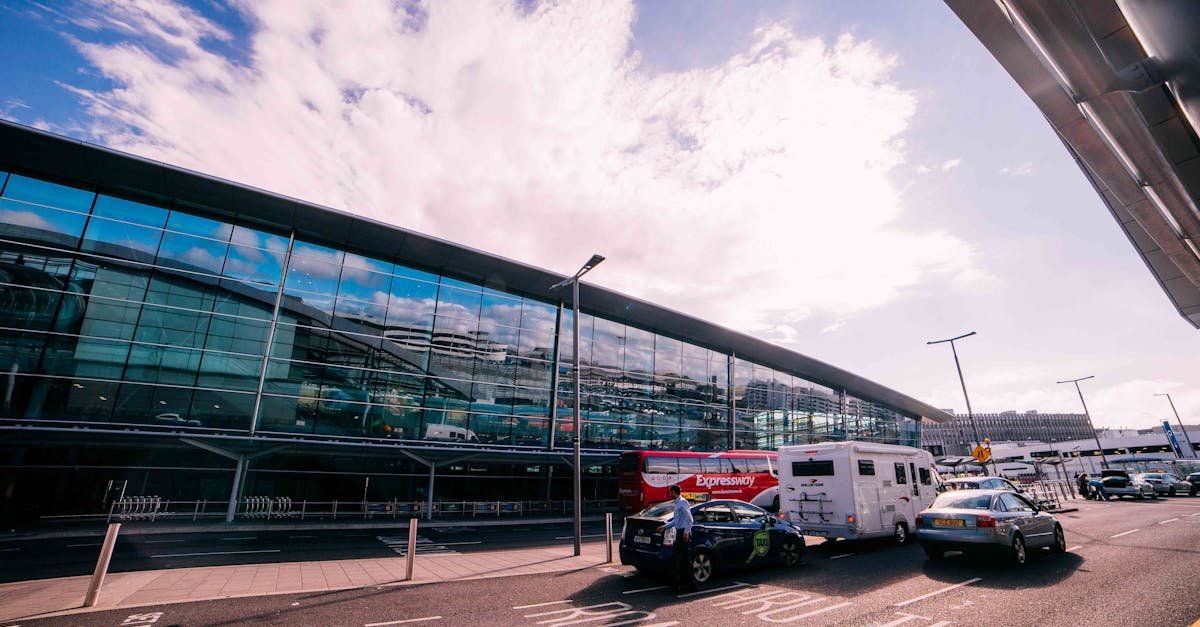
    Ireland’s Cabinet has approved legislation that would allow the long-standing 32 million annual passenger cap at Dublin Airport to be lifted in 2026.

    The proposed Dublin Airport Passenger Capacity Bill would give the Minister for Transport the authority to amend or revoke the cap, which has been in place since 2007 as part of the planning approval for Terminal 2. The legislation would also prevent similar hard passenger limits from being imposed in the future.If passed into law, the change would mark one of the most significant aviation policy reforms in Ireland in nearly two decades.

    Why Was There a Passenger Cap in the First Place?

    The 32 million passenger limit was introduced in 2007 during the planning process for Terminal 2. At the time, local infrastructure, road access, environmental impact, and community concerns were central to the approval conditions.The cap was designed as a planning safeguard rather than an operational ceiling. It aimed to balance airport expansion with environmental oversight and local impact management.However, the aviation landscape in Ireland has changed dramatically since then.Ireland’s economy has grown, tourism has expanded, and Dublin has cemented itself as a major European gateway particularly for transatlantic travel. The passenger cap, once seen as precautionary, has increasingly been viewed by business and aviation leaders as outdated.

    Dublin Airport Has Already Exceeded the Cap

    The debate intensified after Dublin Airport handled approximately 36.4 million passengers in 2025 significantly above the legal 32 million threshold.That overrun has created legal and operational complications. Airlines have warned about potential route uncertainty, while business groups have argued that Ireland risks damaging its competitiveness if the issue is not resolved quickly.The government’s new legislation is designed to remove that uncertainty and provide clarity for airlines, investors, and passengers alike.

    What the New Legislation Would Do

    The proposed bill does not automatically remove the cap overnight. Instead, it gives the Minister for Transport the power to:

    • Amend the 32 million limit and Revoke it entirely to prevent similar fixed caps from being imposed in the future

    Supporters say this provides flexibility while still allowing environmental and planning oversight to remain in place through other regulatory frameworks. In practical terms, lifting the cap would allow Dublin Airport to grow in line with demand without breaching planning law.

    Business and Tourism Groups Welcome the Move

    Ireland’s business community has strongly backed the reform.Ibec, the country’s largest business organization, has argued that international connectivity is essential for Ireland’s export-driven economy. Dublin Airport is the primary gateway for trade, tourism, and foreign direct investment. The Irish Travel Agents Association has also supported scrapping the cap, saying tourism growth depends on reliable and scalable airport capacity. Tourism Minister Peter Burke has described reforming the passenger limit as central to Ireland’s long-term economic strategy. From a business perspective, the argument is straightforward: limiting airport capacity in a growing economy creates artificial bottlenecks.

    Airlines Push for Urgent Action

    Stunning aerial view of Dublin cityscape featuring the river, modern architecture, and bridges.

    Airlines operating out of Dublin have been vocal about the issue.Among the most prominent voices is Michael O’Leary, CEO of Ryanair, who has urged the government to move quickly. He has warned that delays risk damaging airline investment decisions and route planning.Airlines typically plan schedules months, sometimes years, in advance. Regulatory uncertainty can affect aircraft allocation, staffing, and long-term expansion strategies.The timing is also politically sensitive, with O’Leary publicly calling for action before St Patrick’s Day a peak promotional period for Irish tourism.

    Environmental Concerns Remain Strong

    Not everyone supports lifting the cap. Environmental groups argue that removing the passenger limit could lead to higher aviation emissions at a time when Ireland is under pressure to meet climate targets.Critics say growth at Dublin Airport must align with national decarbonisation commitments. They warn that increased flights could undermine progress on emissions reduction unless balanced with sustainable aviation fuel adoption, improved aircraft efficiency, and carbon mitigation policies.Some campaigners also argue that airport expansion should be assessed through updated environmental impact reviews rather than broad legislative changes. The government insists that environmental oversight mechanisms will remain in place, even if the fixed passenger ceiling is removed.

    Economic Impact: Why This Matters Nationally

    Dublin Airport is more than just a transport hub it is a strategic national asset.It connects Ireland directly to North America, Europe, the Middle East, and beyond. For multinational companies with European headquarters in Ireland, direct connectivity is often a deciding factor in investment decisions.Tourism, which supports thousands of jobs across the country, relies heavily on international air access.Supporters of lifting the cap argue that:

    • Passenger growth supports job creationMore routes increase regional tourismGreater capacity strengthens Ireland’s global competitiveness Investment decisions become more secure

    Without reform, they argue, airlines could redirect growth to competing hubs in the UK or mainland Europe.

    What Happens Next?

    Cabinet approval is only the first formal step.The legislation must now move through the parliamentary process before becoming law. That includes debate, potential amendments, and final approval.If passed, the Transport Minister would then have the authority to formally revoke or amend the cap. While 2026 has been cited as the likely timeframe for implementation, political debate and environmental opposition could influence the speed of progress.

    A Defining Moment for Irish Aviation Policy

    The decision to scrap the 32 million passenger cap reflects a broader policy question: how should Ireland balance economic growth with environmental responsibility?For nearly two decades, the cap symbolised caution. Now, it has become a symbol of constraint.Ireland’s aviation sector is emerging from pandemic-era disruption and entering a renewed growth phase. Demand for travel remains strong, and airlines are expanding fleets and route networks.The government’s move signals that it wants policy to reflect current realities rather than planning conditions set almost twenty years ago.

    The Bigger Picture

    Airports across Europe are facing similar tensions between growth and sustainability.The debate in Ireland is not simply about a number. It is about how a small, globally connected economy manages infrastructure in a climate-conscious era.Removing the passenger cap would not automatically mean unlimited expansion. Planning laws, noise regulations, emissions targets, and infrastructure constraints will still shape future growth.But it would remove a legal barrier that many believe has already been overtaken by events.

    Final Thoughts

    Beautiful daytime view of the River Liffey flowing through Dublin, Ireland, with iconic city buildings.

    Ireland’s move to scrap Dublin Airport’s 32 million passenger cap represents a pivotal shift in national transport policy.Supporters see it as a long-overdue reform that aligns infrastructure with economic ambition. Critics warn it could conflict with environmental commitments.What is clear is that the issue has moved from debate to legislative action. The coming months will determine whether Ireland reshapes its aviation framework for the next generation or whether the cap remains part of its planning legacy.Either way, Dublin Airport’s future growth trajectory is now firmly at the centre of national conversation.

  • Air Canada Confirms Airbus A350-1000 Order to Modernize Long-Haul Fleet Starting 2030

    Air Canada Confirms Airbus A350-1000 Order to Modernize Long-Haul Fleet Starting 2030

    Air Canada has taken a major step toward reshaping its long-haul future. The airline has confirmed an order for eight Airbus A350-1000 aircraft, along with options for eight more, with deliveries expected to begin in 2030.

    This move signals more than just a fleet upgrade. It reflects a long-term strategy focused on growth, sustainability, passenger comfort, and strengthening Canada’s global connections.

    A Strategic Investment in the Future

    At first glance, an order for eight aircraft might seem modest. But in the world of widebody jets, especially next-generation long-haul aircraft, this is a powerful investment.

    The Airbus A350-1000 is one of the most advanced commercial aircraft flying today. By choosing this model, Air Canada is preparing for the next phase of international travel demand. The airline is positioning itself to:

    • Expand international routes
    • Replace older widebody aircraft
    • Improve fuel efficiency
    • Reduce emissions
    • Enhance passenger comfort

    Deliveries starting in 2030 give the airline flexibility to align with future market conditions while securing production slots early.

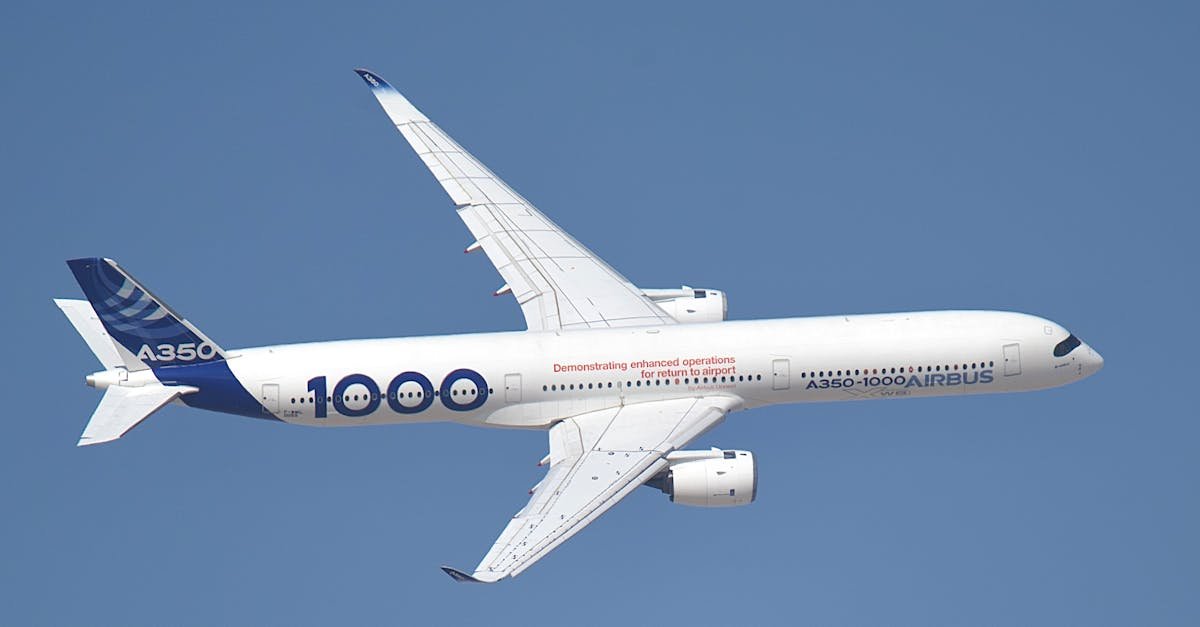
    Meet the Airbus A350-1000

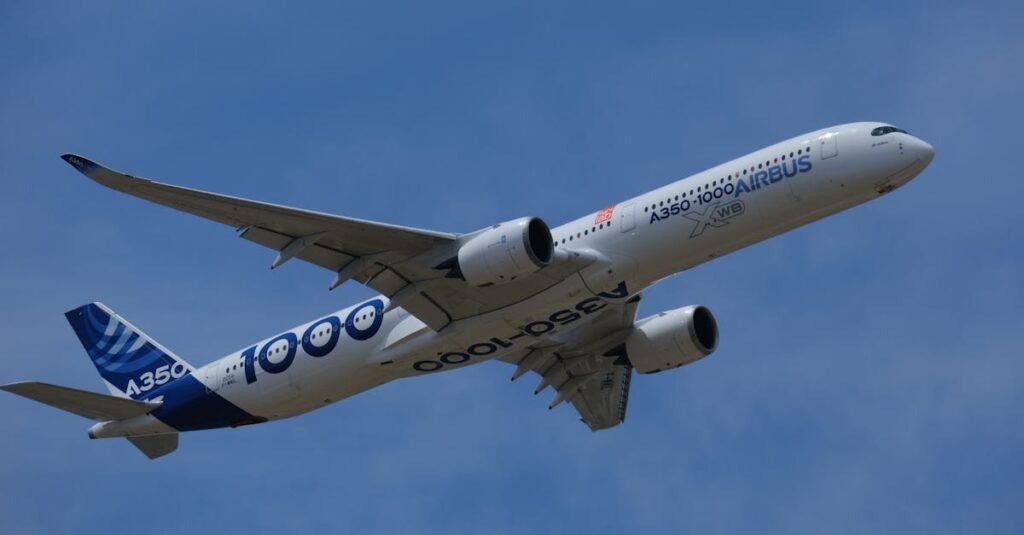
    Dynamic view of Airbus A350-1000 XWB flying against a clear blue sky, showcasing its modern design.

    The Airbus A350-1000 is the largest variant of the A350 family. It is designed for ultra-long-haul routes and high-capacity international travel.

    Key Features of the A350-1000:

    • Built with lightweight composite materials
    • New-generation Rolls-Royce engines
    • Improved aerodynamics
    • Lower fuel consumption compared to older widebodies
    • Reduced noise footprint

    The aircraft typically seats between 350 and 410 passengers, depending on configuration. For Air Canada, this opens the door to serving high-demand global destinations more efficiently.

    How This Fits Into Air Canada’s Current Fleet

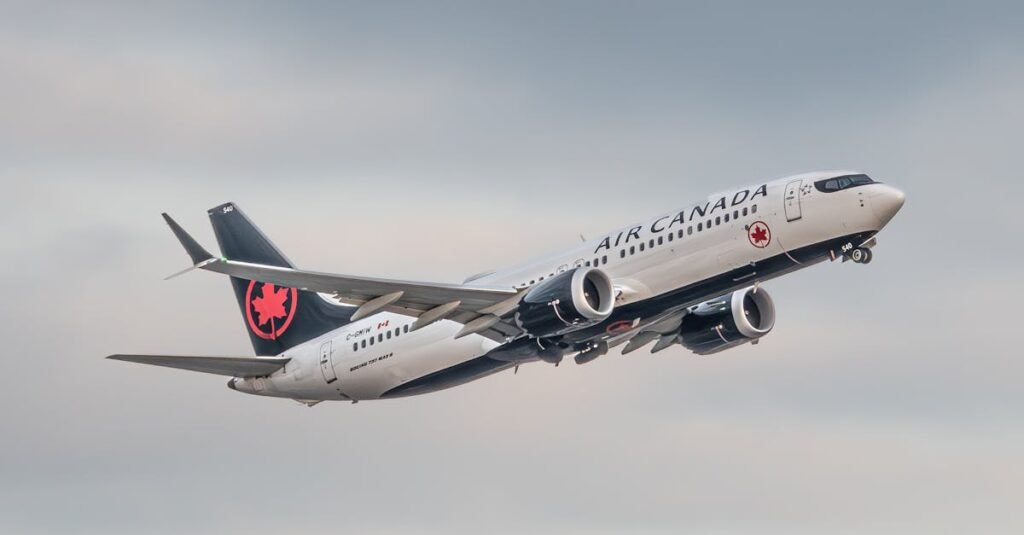
    Air Canada Boeing 737 Max takes to the sky, showcasing flight and travel.

    Air Canada already operates a diverse fleet that includes:

    • Airbus A220-300
    • Airbus A320
    • Airbus A321
    • Airbus A330-300
    • Boeing 737 MAX 8
    • Boeing 777-200LR
    • Boeing 777-300ER
    • Boeing 787-8
    • Boeing 787-9

    The addition of the A350-1000 complements the airline’s existing widebody fleet, particularly the Boeing 787 Dreamliners and 777 aircraft. Over time, the A350-1000 could replace older Boeing 777 models or support growth on major international routes.

    This balanced mix of Airbus and Boeing aircraft also provides operational flexibility and competitive leverage.

    Why the A350-1000 Matters for Long-Haul Routes

    Long-haul flying is complex and expensive. Airlines must balance fuel costs, passenger demand, range capability, and environmental regulations.

    The A350-1000 is ideal for:

    • Non-stop flights between Canada and Asia
    • Transatlantic routes to Europe
    • High-capacity services to the Middle East
    • Potential ultra-long-haul destinations

    With its extended range, the aircraft can connect distant cities without refueling stops. That means shorter travel times and greater convenience for passengers.

    Sustainability and Environmental Impact

    Sustainability is no longer optional in aviation. Governments, investors, and travelers are demanding cleaner operations.

    The A350-1000 supports Air Canada’s environmental goals by:

    • Consuming significantly less fuel per seat
    • Producing lower CO₂ emissions
    • Generating less noise around airports

    New-generation engines and lightweight composite materials play a key role in reducing environmental impact. As older aircraft retire, the overall fleet becomes more efficient and environmentally friendly.

    For an airline operating across vast distances like Canada, fuel efficiency directly impacts both costs and sustainability performance.

    Passenger Experience: What Travelers Can Expect

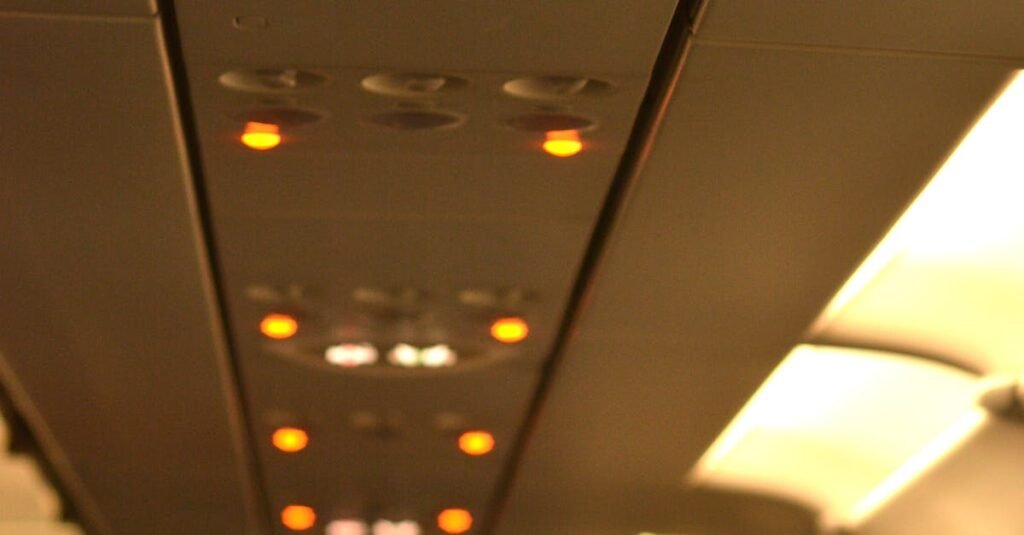
    Interior of a well-lit airplane cabin showing the overhead safety signs and passenger seating.

    Modern travelers expect more than just transportation. Comfort, connectivity, and cabin design matter.

    The A350 family is known for:

    • Larger windows
    • Improved cabin air quality
    • Higher ceilings
    • Reduced cabin noise
    • Advanced mood lighting

    Passengers often report feeling less fatigue on long-haul flights aboard A350 aircraft compared to older models. For Air Canada, this provides an opportunity to enhance its premium product, including business class and premium economy offerings.

    A Competitive Move in Global Aviation

    Air Canada competes with major international airlines on long-haul routes. Having state-of-the-art aircraft strengthens its position against global carriers operating modern fleets.

    By securing the A350-1000, Air Canada aligns itself with other leading airlines that have invested in next-generation widebody aircraft.

    This order also signals confidence in long-term international travel growth, even as the aviation industry continues to recover and adapt to changing global dynamics.

    The Importance of the 8 Options

    Beyond the eight firm orders, Air Canada has secured options for eight additional A350-1000 aircraft.

    Options provide flexibility. If travel demand grows faster than expected, the airline can exercise these options and expand its fleet further. If market conditions change, the airline is not obligated to take them.

    This strategy allows Air Canada to manage risk while keeping expansion opportunities open.

    Economic Impact and Canadian Connectivity

    As Canada’s flag carrier, Air Canada plays a critical role in connecting the country to global markets.

    New wide-body aircraft means:

    • Increased tourism capacity
    • Stronger trade connections
    • More direct international routes
    • Job creation in aviation and related sectors

    Investing in modern aircraft ensures Canada remains competitive in international air travel and cargo transportation.

    Looking Ahead to 2030 and Beyond

    Although deliveries begin in 2030, the decision made today shapes the airline’s future for decades.

    Aircraft typically remain in service for 20 to 30 years. This means the A350-1000 could define Air Canada’s long-haul operations well into the 2050s.

    The aviation industry is constantly evolving, but one thing remains clear: efficiency, sustainability, and passenger comfort drive fleet decisions.

    Air Canada’s A350-1000 order checks all three boxes.

    Final Thoughts

    Air Canada’s confirmation of eight Airbus A350-1000 aircraft, with options for eight more, marks a significant milestone in the airline’s modernization journey.

    This is not just a fleet update. It is a strategic investment in:

    • Long-haul growth
    • Environmental responsibility
    • Enhanced passenger experience
    • Global competitiveness

    As deliveries begin in 2030, travelers, investors, and industry observers will be watching closely. The Airbus A350-1000 represents the next chapter in Air Canada’s international ambitions one built on innovation, efficiency, and long-term vision.

    The skies over the next decade are set to become even more advanced, and Air Canada is clearly preparing to lead the way. 

  • Gainesville Plane Crash-Landing Explained: What Happened, Injuries, and Latest Updates

    Gainesville Plane Crash-Landing Explained: What Happened, Injuries, and Latest Updates

    A shocking aviation emergency unfolded in Gainesville, when a small plane was forced to crash-land on a busy roadway, striking multiple vehicles and causing chaos for drivers. The incident quickly drew national attention due to dramatic eyewitness videos and the sheer danger of an aircraft landing in traffic.

    Despite the severity of the situation, officials confirmed that no lives were lost, a result many are calling nothing short of a miracle. Here is everything you need to know about what happened, who was injured, how authorities responded to the Gainesville Plane Crash, and what comes next.

    What Happened in the Gainesville Plane Crash-Landing

    According to police and aviation officials, the aircraft experienced engine trouble shortly after takeoff, leaving the pilot with limited time to react. Unable to return safely to the airport, the pilot made the critical decision to attempt an emergency landing on Browns Bridge Road, one of Gainesville’s busiest streets.

    Witnesses reported seeing the plane flying unusually low before touching down on the roadway. As it landed, the aircraft struck several vehicles, including cars stopped in traffic. The plane eventually came to rest after sliding across the road, leaving debris scattered across multiple lanes.

    Authorities said the pilot’s quick decision likely prevented a far worse outcome, as the area was heavily trafficked at the time.

    Where the Incident Occurred and Why the Location Matters

    The Gainesville Plane Crash took place on a major road that serves as a key route for commuters and local residents. Browns Bridge Road is typically busy throughout the day, increasing the risk of serious injuries during an incident like this.

    Police noted that landing on a roadway is always dangerous due to moving vehicles, power lines, and limited space. However, investigators believe the pilot chose the location because it offered the longest visible stretch of open roadavailable during the emergency.

    Injuries Reported and Medical Response

    Emergency responders confirmed that several people suffered injuries, though none were life-threatening. Most injuries were reported among drivers whose vehicles were struck or damaged during the landing.

    Victims were treated for:

    • Cuts from broken glass
    • Bruising from airbag deployment
    • Minor impact-related injuries

    At least two people were taken to local hospitals for further evaluation. The pilot and another person onboard the aircraft escaped without serious injuries, which officials described as remarkable given the conditions.

    Damage to Vehicles and Roadway

    The plane collided with multiple vehicles, causing significant damage. Some cars were left with crushed panels and shattered windshields, while others were struck by parts of the aircraft, including a wing section and fuel components.

    Several vehicles were towed from the scene, and city crews worked to clear debris and inspect the roadway. Traffic signals and nearby infrastructure were also checked for damage before the road was fully reopened.

    Traffic in the area was disrupted for several hours as authorities secured the scene.

    Police and Emergency Crew Response

    Laguna Beach police vehicle patrols the street at night, showcasing law enforcement presence.

    Local police arrived within minutes and immediately shut down the roadway to prevent further danger. Firefighters worked to stabilize the aircraft and reduce the risk of fire, while paramedics assisted injured drivers and passengers.

    Officers helped evacuate people from damaged vehicles and guided motorists away from the area. Police praised the coordinated effort, stating that quick action played a major role in preventing more serious injuries.

    Authorities also asked the public to avoid the area while the investigation continued.

    Federal Investigation Into the Crash

    The Federal Aviation Administration and the National Transportation Safety Board are leading the investigation into what caused the Gainesville Plane Crash Landing .

    Investigators are reviewing:

    • The aircraft’s maintenance records
    • Pilot communications before the landing
    • Engine performance data
    • Weather and flight conditions

    While early reports suggest mechanical failure, officials stressed that it is too soon to determine an exact cause. A preliminary report is expected in the coming weeks, with a full investigation likely to take several months.

    Witnesses Describe a Frightening Scene

    Drivers who witnessed the crash said the moment was terrifying. Many initially thought the plane was preparing for a safe landing but quickly realized something was wrong.

    Several witnesses described hearing a loud impact as the plane struck vehicles, followed by screams and car horns. Others said the aircraft passed just feet above their cars before hitting traffic ahead.

    Despite the fear, many expressed relief that the pilot managed to avoid even more vehicles.

    Expert Insight on Emergency Road Landings

    Aviation experts say emergency landings on roads are extremely rare, but sometimes unavoidable when aircraft experience sudden failures. Unlike airports, roads are unpredictable and filled with obstacles.

    Experts noted that pilots are trained to prioritize public safety during emergencies. In this case, many believe the pilot’s actions helped reduce the overall severity of the crash.

    “Landing on a road is a last resort,” one expert explained. “The fact that there were no fatalities suggests strong decision-making under pressure.”

    Community Reaction and Safety Concerns

    The incident left many Gainesville residents shaken. Some questioned how close flight paths come to populated areas, while others praised first responders for their fast reaction.

    City officials reassured residents that aviation emergencies like this are very uncommon and that safety measures remain strong. They also emphasized that investigations help improve future safety standards.

    Local leaders thanked emergency crews and hospital staff for their work during the incident.

    What Happens Next

    Investigators will continue examining the aircraft and collecting witness statements. The plane will be moved to a secure location for further inspection.

    Authorities confirmed there is no evidence of criminal activity related to the crash. The pilot is cooperating fully with investigators.

    More updates are expected as the investigation progresses, and officials say they will release information as soon as it becomes available.

    A Close Call That Could Have Ended Much Worse

    The Gainesville plane crash-landing serves as a reminder of how unpredictable emergencies can be. While the incident caused injuries and property damage, many agree the outcome could have been far more tragic.

    Thanks to quick thinking, professional emergency response, and a measure of luck, lives were spared on a busy Georgia road.

  • How Super Bowl LX Triggered a 1,136% Surge in Private Jet Departures from Bay Area Airports

    How Super Bowl LX Triggered a 1,136% Surge in Private Jet Departures from Bay Area Airports

    The final whistle at Super Bowl LX didn’t just send fans spilling into the streets, it sent a tidal wave of business aircraft into the skies. In the two hours after the game, flight-tracking snapshots show a dramatic jump in private-jet activity from five Bay Area airfields (San Francisco International, San Jose Mineta, Oakland, Livermore and Hayward). Some analyses put the immediate post-game departure increase at roughly 1,136% compared with a typical Sunday evening, a number that stunned airport staff, handlers and anyone watching the tarmacs. 

    A flight path of numbers

    What looks chaotic from the ground has tidy data behind it. Flight trackers recorded roughly 95 business jets lifting off from the Bay Area within about two hours after the game ended, many heading to Van Nuys, Las Vegas and other West Coast hubs. That short burst stands in sharp contrast to typical Sunday night traffic and explains the enormous percentage jump. The surge was the peak of a weekend that had already seen hundreds of private-aviation movements as travelers and VIPs streamed into the region. 

    The logistics: Choreography at scale

    Pulling an operation like this off is less glamour and more logistics: airports, fixed-base operators (FBOs), handlers, ground transport providers and air traffic control shift into a temporary, high-intensity rhythm. The Federal Aviation Administration’s temporary flight restrictions around the stadium, added security cordons and increased marine and airborne patrols complicate arrivals and departures; aircraft must be routed carefully to avoid congesting the narrow slices of available airspace. Weeks of advance planning, plus real-time coordination on the day, are what keep departures moving rather than bottling them into a long line on the ground. 

    Who was going where?

    Van Nuys in Los Angeles emerged as a favored destination for many of the jets that left the Bay Area promptly after the game, followed by Las Vegas and a handful of domestic and international points beyond. High-profile owners and entertainers often prefer quick, private exits after a big event and for many flights the aircraft are repositioned to a nearby airport for a quick climb out rather than waiting for a gate or ramp space at the closest major field. That pattern explains the cluster of short-haul hops to nearby relays like Van Nuys before long legs to farther cities. 

    How operators prepare (and profit)

    Private-jet companies and fractional operators treat Super Bowl week as a peak season that requires extra staff, extra planes and expanded ground services. Operators negotiate parking and handling slots months in advance, publish “peak-day” requirements for customers and sometimes impose premium fees to account for limited availability. For operators, the weekend is both logistically demanding and lucrative; for customers, the convenience and speed can make the high price tag feel worth it. The whole exercise functions as a mobile showroom for operators, one smooth trip can win a lifelong customer. 

    Airport strain and practical consequences

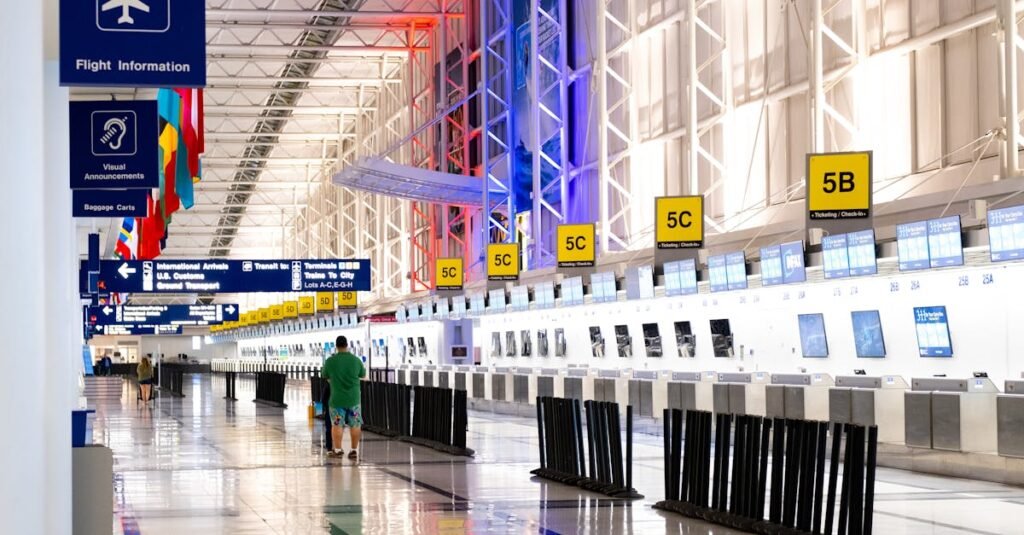
    Wide view of Chicago airport terminal showcasing architecture and check-in counters. Flags and signages add vibrant detail.

    Airports with otherwise steady operations suddenly contend with a chessboard of aircraft needing hardstands, fuel, catering, and security. Ramp space becomes precious and not every airport has the apron capacity to park dozens of large business jets at once and handlers must juggle arrivals, departures and repositioning moves. In some cases, jets will be routed to smaller, satellite airfields and passengers transported by road to the stadium to free up space closer in. That ripple effect can push service crews into around-the-clock work and raise operating costs across the board. 

    The bigger picture: Super Bowl as private-aviation showcase

    The Super Bowl is a marquee event for the private-aviation industry because it compresses so many variables: last-minute travel decisions, high net-worth customers, complex airspace, and an intense need for flawless execution. For companies that handle these spikes well, the reputational payoff is enormous. For communities near major airports, it’s a brief, concentrated period of noise, traffic and economic activity. Everything from extra hotel bookings and catering orders to temporary strains on local services. 

    Environmental and neighborhood ripple effects

    Bright blue sky with scattered fluffy white clouds creating a serene atmosphere.

    A concentrated burst of business-jet movements raises predictable concerns: noise for nearby neighborhoods, temporary traffic pressure, and the environmental footprint associated with additional jet fuel burn. While the flights are short for many of the repositioning hops, the sheer density of operations in a short window magnifies local impacts. Airports, local authorities and operators increasingly face questions about balancing the economic benefits of hosting such traffic against quality-of-life concerns for residents. 

    What this means for future events?

    If Super Bowl LX is any guide, future big-ticket events will continue to be magnet events for private aviation but they’ll be managed differently. Expect more advanced coordination with satellite airports, preemptive negotiations for ramp space, and continued pressure on regulators to keep airspace safe without throttling legitimate traffic. For airports, the lesson is tactical preparedness; for operators, it’s about maintaining service while scaling up quickly; and for the public, it’s a reminder that the modern event economy has a surprisingly large airborne afterlife. 

    Final whistle

    The image of dozens of sleek business jets lining up after a game is a vivid reminder of how modern sports events ripple far beyond the stadium. Behind the numbers whether you focus on the eye-popping 1,136% post-game spike or the roughly 95 private flights tracked in a two-hour window is a complex system that turns VIP departures into a coordinated, high-stakes operation. For everyone involved, from ground crews to flight planners to hometown residents, the show continues long after the final score is posted.

  • Pilot Union Pressures American Airlines Board as Confidence in Management Collapses

    Pilot Union Pressures American Airlines Board as Confidence in Management Collapses

    American Airlines is facing one of the most serious internal challenges it has seen in years. Its pilots, the people responsible for safely flying millions of passengers have openly told the company’s board of directors that they no longer trust senior management to run the airline effectively.

    This is not a routine labor dispute over pay or schedules. Instead, it is a blunt warning about leadership, strategy, and the long-term health of the airline. The message from pilots is clear: fix the problems at the top, or the airline will continue to fall behind its competitors.

    Who Is Speaking Out?

    The pressure is coming from the Allied Pilots Association (APA), the labor union representing more than 15,000 pilots at American Airlines.

    The APA sent a strongly worded letter directly to the airline’s board of directors which is an unusual and serious step. In the letter, union leaders said pilots have lost confidence in management’s ability to lead the company, citing years of poor decisions and repeated operational failures.

    Rather than addressing executives privately, the pilots chose to escalate the issue publicly, signaling how deep the frustration has become.

    Why Pilots Say American Airlines Leadership Is Failing

    According to the union, the airline’s problems are not the result of one bad quarter or a single storm-related disruption. Instead, pilots argue that American Airlines is suffering from systemic leadership issues that have been building for years.

    Key concerns raised by pilots include:

    • Weak operational reliability compared with competitors
    • Poor long-term strategic planning
    • Failure to learn from past disruptions
    • Financial underperformance relative to rival airlines

    Pilots believe these issues stem from decisions made at the highest levels of management and not from frontline employees doing their jobs.

    Operational Problems Keep Piling Up

    One of the clearest signs of trouble has been American Airlines’ operational reliability. Pilots point to repeated delays, cancellations, and crew mismanagement, especially during bad weather or peak travel periods.

    While weather affects all airlines, pilots argue that American is less prepared and slower to recover than competitors like Delta or United. This leads to frustrated passengers, exhausted crews, and damaged trust in the brand.

    From the pilots’ perspective, these disruptions are not accidents. They say they are the predictable outcome of cost-cutting, underinvestment, and leadership decisions that prioritize short-term savings over long-term stability.

    Falling Behind the Competition

    Another major source of frustration is how American Airlines compares to other major U.S. carriers.

    Pilots note that while competitors have strengthened their operations, improved customer satisfaction, and posted stronger financial results, American continues to lag behind. This gap has become more noticeable in recent years.

    The union believes leadership has failed to position the airline for success in a highly competitive market. Instead of adapting and improving, pilots say management often reacts too late or not at all.

    “Get Your House in Order”

    One phrase from the pilots’ message has drawn particular attention: “get your house in order.”

    “Our airline is on an underperforming path and has failed to define an identity or a strategy to correct course,” read an excerpt from the union’s letter.

    This was not directed at coworkers or frontline staff. It was aimed squarely at executive leadership and the board. Pilots are asking for leaders who are “willing, equipped, and empowered” to make real changes and not just offer reassurances or temporary fixes.

    The wording suggests pilots believe the current leadership structure itself may be part of the problem, not just individual decisions.

    Why the Letter Matters

    Labor unions often criticize management, but letters like this that were sent directly to a board of directors are rare. It signals a breakdown in confidence that goes beyond normal contract disagreements.

    Importantly, the pilots are not currently threatening a strike or work slowdown. Instead, they are pushing for governance-level changes, including deeper board oversight and a reassessment of leadership direction.

    This makes the situation especially significant for investors, regulators, and employees across the airline.

    CEO Agrees to Meet With American Airlines Pilots

    In response to the growing pressure, American Airlines CEO Robert Isom has agreed to meet with pilot union leaders.

    While this move shows management is taking the criticism seriously, pilots have made it clear that meetings alone are not enough. They want to see measurable action, not just dialogue.

    Whether these talks lead to meaningful change remains to be seen.

    What This Means for Passengers

    For travelers, this internal conflict may raise concerns about future disruptions. However, pilots have emphasized that safety is not at risk and that they remain committed to flying professionally.

    Still, prolonged tension between labor and management can affect morale, staffing decisions, and long-term planning, all of which can eventually impact passengers.

    If leadership issues are not addressed, pilots warn that American Airlines could continue to struggle with reliability and customer satisfaction.

    A Bigger Warning Sign for the Airline

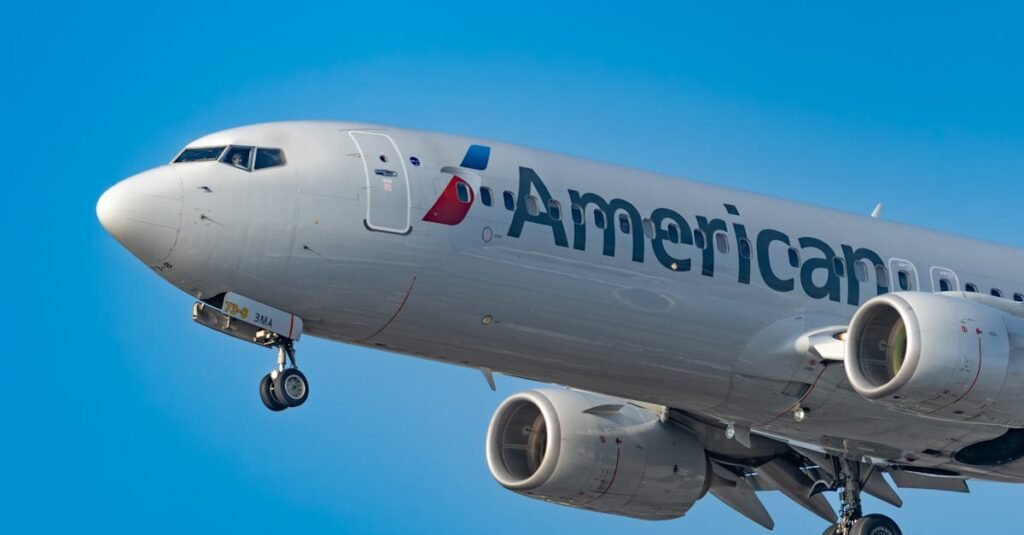
    Close-up of an American Airlines Boeing 737 during landing at Los Angeles International Airport.

    This dispute is about more than one airline or one union. It highlights a broader issue in the aviation industry: frontline employees are increasingly willing to challenge executive leadership publicly when they believe long-term performance is being sacrificed.

    For American Airlines, the pilots’ message is a wake-up call. Losing the confidence of the people who operate the aircraft every day is a serious problem, one that cannot be solved with press releases or short-term fixes.

    What Happens Next?

    The next steps will depend on how the board and senior leadership respond. Pilots are watching closely to see whether promises turn into action.

    Possible outcomes include:

    • Changes in leadership strategy
    • Greater board involvement in operations oversight
    • Increased investment in reliability and planning
    • Continued tension if pilots feel ignored

    What is clear is that the status quo is no longer acceptable to the airline’s pilots.

    Final Thoughts

    The pilots’ ultimatum to American Airlines management is one of the strongest internal challenges the company has faced in years. By going directly to the board, the union has made it clear that confidence in leadership has collapsed and that fixing the airline’s problems will require more than small adjustments.

    Whether American Airlines uses this moment to reset its direction or continues on its current path may determine its future standing in an increasingly competitive industry.

  • Sudden Drop at 35,000 Feet: JetBlue Passengers Take Airbus to Court

    Sudden Drop at 35,000 Feet: JetBlue Passengers Take Airbus to Court

    What began as a routine international flight turned into a terrifying mid-air emergency, and now it has escalated into a major legal battle. Passengers aboard a JetBlue flight have filed a lawsuit against aircraft manufacturer Airbus, alleging that a sudden and unexplained loss of altitude on an Airbus A320 caused injuries, trauma, and long-term distress.

    The incident has reignited concerns about flight-control software, automation reliability, and how modern aircraft handle rare system failures. As investigations continue, the lawsuit is already drawing global attention within the aviation industry.

    What Happened on the JetBlue Flight

    View of clouds and sky from an airplane window, showcasing travel scenery.

    The incident occurred aboard a JetBlue Airbus A320 operating an international route from Cancún, Mexico, to Newark, New Jersey. According to passenger accounts and early investigative findings, the aircraft was cruising at approximately 35,000 feet when it suddenly pitched nose-down without warning.

    Passengers described the moment as violent and disorienting. Drinks flew, unsecured items hit the ceiling, and several people were thrown against their seatbelts. Flight attendants who were standing or moving through the cabin were injured as the aircraft abruptly lost altitude within seconds.

    Crucially, there were no severe weather conditions reported at the time, and the aircraft was not maneuvering to avoid turbulence or traffic. The sudden descent appeared to come out of nowhere.

    How Much Altitude Did the Plane Lose?

    While early reports suggested a dramatic “plunge,” aviation data indicates the aircraft lost roughly 100 feet of altitude in a very short span of time. In commercial aviation terms, even a brief, uncommanded altitude loss at cruising height is considered serious, especially when it occurs without pilot input or warning.

    Pilots quickly regained control of the aircraft, stabilized the flight, and declared an emergency. The plane diverted to Tampa, Florida, where it landed safely. No fatalities occurred, but multiple passengers and crew members required medical evaluation after landing.

    Allegations of a Flight Control Software Failure

    At the heart of the lawsuit is an allegation that the incident was caused by a malfunction within the aircraft’s fly-by-wire system. The Airbus A320 relies heavily on computer-controlled flight systems that interpret pilot inputs and automatically maintain safe flight parameters.

    According to the lawsuit, a fault within one of the flight control computers may have caused the aircraft to command a nose-down input without pilot instruction. Investigators are reportedly examining whether corrupted data or a software anomaly inside the Elevator and Aileron Computer played a role.

    While Airbus has not admitted fault, the company has acknowledged that it identified a potential software vulnerability affecting certain A320-family aircraft. Airlines worldwide were instructed to apply software updates or temporary mitigations as a precaution.

    Who Filed the Lawsuit and What Are They Claiming?

    Several passengers from the flight have filed a federal lawsuit in Florida naming Airbus as a primary defendant. JetBlue is also included under international aviation liability rules that govern passenger injuries on cross-border flights.

    The plaintiffs allege that:

    • The aircraft was equipped with flight-control software that was unreasonably dangerous
    • The defect was known or should have been known prior to the incident
    • Passengers suffered physical injuries, emotional trauma, and ongoing psychological effects

    The lawsuit seeks financial compensation exceeding $75,000 per plaintiff, covering medical costs, pain and suffering, and long-term emotional distress.

    JetBlue’s Role Under International Aviation Law

    Although the lawsuit focuses heavily on Airbus, JetBlue has been named under the Montreal Convention, an international treaty that governs airline liability for injuries occurring on international flights.

    Under this framework, airlines can be held financially responsible for passenger injuries regardless of fault, though they may later seek reimbursement from manufacturers or suppliers if a defect is proven.

    JetBlue has stated that safety remains its top priority and that it is cooperating fully with investigators. The airline has not publicly commented on the pending litigation.

    Regulatory Investigations and Industry Impact

    The incident is being reviewed by aviation safety authorities, including the National Transportation Safety Board. Investigators are analyzing flight data recorders, cockpit voice recordings, and software logs to determine exactly what triggered the sudden descent.

    Beyond this single flight, the case has broader implications. The Airbus A320 family is one of the most widely used aircAircraftraft types in the world, with thousands in service across major airlines. Any confirmed software flaw could have ripple effects across global aviation operations.

    In response to the incident, Airbus issued guidance recommending software updates and operational checks. While these measures were described as precautionary, they underscore the seriousness with which the manufacturer is treating the event.

    Passenger Trauma and the Human Cost

    For many passengers, the most lasting impact has not been physical but psychological. Several plaintiffs report anxiety about flying, sleep disturbances, and symptoms consistent with post-traumatic stress.

    A sudden loss of altitude, even one that lasts only seconds, can feel catastrophic to those onboard. Aviation experts note that humans are particularly sensitive to unexpected vertical motion, especially when it occurs without explanation.

    The lawsuit argues that passengers were entitled to a reasonable expectation of safety and that the incident shattered their trust in aircraft automation.

    A vibrant sunset at Copenhagen Airport with airplanes and bustling activity.

    Why This Lawsuit Matters for Aviation Safety

    This case arrives at a time when aviation safety discussions increasingly focus on software, automation, and human-machine interaction. Modern aircraft are extraordinarily safe, but when systems fail, the failures can be complex and difficult to predict.

    The lawsuit may ultimately hinge on whether the alleged software issue constitutes a design defect or an unforeseeable anomaly. Either way, it is likely to influence how manufacturers test, certify, and monitor flight-critical software going forward.

    What Happens Next?

    The legal process is still in its early stages. Investigators continue to analyze technical data, and the court will eventually determine whether the claims against Airbus and JetBlue proceed to trial or are resolved through settlement.

    For now, the incident serves as a stark reminder that even in an era of advanced automation, aviation safety depends on relentless oversight, transparency, and accountability.

    As the case unfolds, passengers, regulators, and airlines around the world will be watching closely.

  • Arizona Police Helicopter Crash Today: Timeline, Casualties, and Ongoing Investigation

    Arizona Police Helicopter Crash Today: Timeline, Casualties, and Ongoing Investigation

    An Arizona Police Helicopter Crashed in a residential area of Flagstaff on the night of February 4, 2026. The aircraft was responding to an active-shooter call when it went down and caught fire, and nearby residents reported loud noises and shaking from the impact. 

    Who was on board? Arizona Department of Public Safety crew

    The helicopter belonged to the Arizona Department of Public Safety. Two crew members were on board: the pilot and a trooper who also served as a paramedic. Both were killed in the crash, according to official statements. Authorities have not released the victims’ names pending next of kin notifications. 

    What led up to the Arizona Police Helicopter Crash?

    Arizona Police were already on the scene for an active-shooter incident before the helicopter arrived. Witnesses described hearing multiple gunshots in the neighborhood and called 911. The helicopter was providing aerial support to officers on the ground when it went down a short time later. A suspect in the shooting was wounded and taken into custody; no ground officers were reported injured. 

    Timeline: Key moments

    • Around 8:40 p.m.: Residents reported hearing gunfire in the neighborhood north of Historic Route 66. 
    • Later that night: Law enforcement responded and the DPS helicopter was dispatched to provide tactical air support. 
    • Shortly after arrival: The Arizona Police Helicopter crashed in a residential area and ignited a fire. Emergency crews arrived on scene; the suspect was already in custody and treated for wounds. 

    Casualties and injuries

    Two members of the DPS helicopter crew died at the scene. Authorities have confirmed those fatalities but have not released the crew members’ names. The shooting suspect survived and was taken to hospital; police reported no additional injuries to officers or residents in connection with the crash. 

    The investigation : Who’s involved?

    State and federal agencies are investigating the cause of the Arizona Police Helicopter Crash. The Federal Aviation Administration (FAA) and the National Transportation Safety Board (NTSB) typically work together on incidents involving public-safety aircraft: the FAA handles regulatory and operational oversight while the NTSB conducts technical accident investigation. Both agencies have been notified and are participating in evidence collection and airframe examination. 

    What investigators will look for?

    Investigators will examine several possible factors of the Arizona Police Helicopter Crash :

    • Aircraft condition: maintenance history, recent repairs, and any mechanical failures.
    • Operational factors: flight plan, crew communications, and the helicopter’s role during the active-shooter response.
    • Environmental conditions: weather, visibility, and obstacles in the flight path.
    • Tactical circumstances: whether gunfire, debris, or other operational hazards affected the aircraft.
      This kind of investigation usually takes time; preliminary findings may appear weeks after the crash, while a complete report can take many months. 

    Response from the community and officials

    Local police urged nearby residents to shelter in place briefly after the crash while first responders secured the scene. Neighbors described fear and confusion after hearing gunfire and then an explosion. Officials have offered condolences and said they will release more details as they become available. 

    Aviation safety context

    Public-safety helicopters perform high-risk missions, including rapid aerial support during violent incidents. These flights often involve low altitudes, complex maneuvers, and dynamic environments that increase risk. When accidents happen, investigators and the aviation community study them closely to identify lessons that improve safety for crews and the public. Recent helicopter accidents in the region have already prompted renewed attention to pilot briefings and preflight notices. 

    What to expect next

    Authorities will continue to gather evidence of the Arizona Police Helicopter Crash, interview witnesses, and analyze flight data if it is available. The NTSB and FAA will issue updates when they have verified findings. Meanwhile, local agencies will likely provide victim-assistance resources and community updates. For readers, the safest action is to follow official statements from the Arizona Department of Public Safety and Flagstaff police for confirmed information. 

    Official Press Release by the Department of Public Safety Arizona

     On the evening of Wednesday, February 4, 2026, an Arizona Department of Public Safety (AZDPS) Ranger Helicopter crew responded to assist the Flagstaff Police Department and other law enforcement agencies with an active shooter incident in the Flagstaff area, providing tactical air support. Tragically, during the incident, the helicopter crashed, killing both the pilot and the trooper/paramedic on board. Their identities will not be released at this time.

    Prior to the crash, law enforcement officers were involved in a shooting with the active shooting suspect. The suspect, who suffered non-fatal gunshot wounds, has been taken into custody. No other injuries were sustained during the incident. The AZDPS Major Incident Division will be taking the lead in the investigation of the shooting. AZDPS will also be working jointly with the Federal Aviation Administration and the National Transportation Safety Board on the helicopter crash investigation. Further details will be released later.

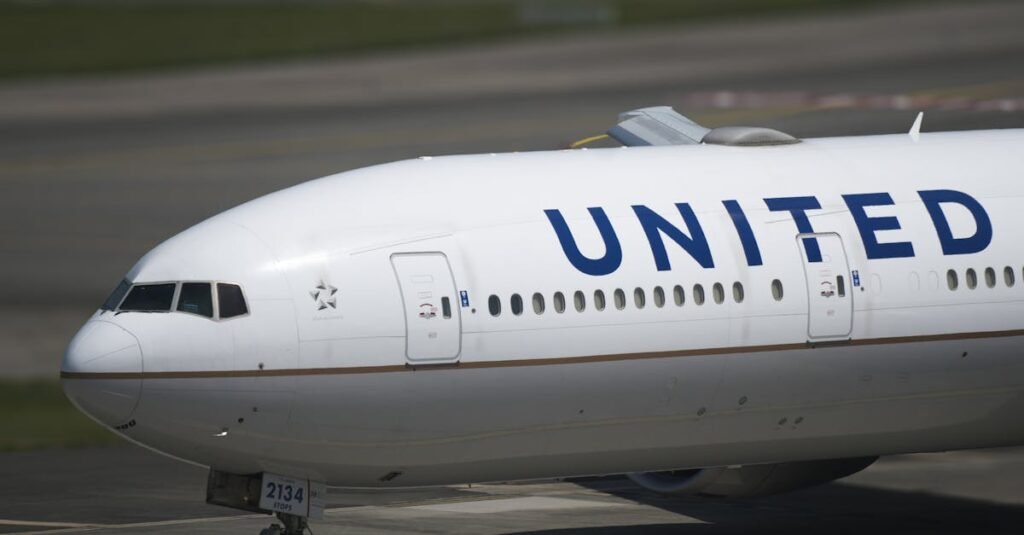
  • United Airlines Faces Scrutiny as FAA Inspector Alleges Lifetime Travel Ban Following Safety Report

    United Airlines Faces Scrutiny as FAA Inspector Alleges Lifetime Travel Ban Following Safety Report

    United Airlines is facing renewed attention after an off-duty Federal Aviation Administration (FAA) inspector claimed he was permanently banned from flying with the airline after raising safety concerns. The allegation has sparked discussion across the aviation industry, touching on sensitive issues such as airline accountability, passenger safety, and how safety concerns are handled when raised outside official channels.

    While United Airlines has disputed key elements of the claim, the situation has raised broader questions about how airlines respond when safety concerns are brought forward especially when the individual involved is a trained aviation safety professional.

    Who Is Involved in the Dispute?

    The case centers on an off-duty inspector employed by the Federal Aviation Administration, the U.S. agency responsible for overseeing aviation safety. According to public court filings, the inspector was traveling as a passenger on a United Airlines flight when he noticed what he believed were potential safety issues.

    The airline at the center of the dispute is United Airlines, one of the largest carriers in the United States, operating thousands of flights daily across domestic and international routes.

    The inspector later reported the concerns, stating that he did so in the interest of aviation safety. He claims that instead of being acknowledged, he ultimately received notice that he had been banned for life from flying with United.

    What Safety Concerns Were Raised?

    United Airlines aircraft taxiing on runway at an overcast airport.

    According to the inspector’s account, the concerns were observed while he was off duty and traveling as a regular passenger. The issues reportedly related to flight operations and cockpit procedures, though specific technical details have not been publicly confirmed in full.

    Importantly, the inspector has stated that he did not present himself as an FAA official during the flight and did not interfere with crew duties. He later submitted his observations through appropriate channels, believing the matter would be reviewed as part of standard safety oversight.

    Aviation experts note that professionals with safety training often remain alert even when off duty. However, airlines typically rely on internal reporting systems and formal regulatory processes to assess any safety-related claims.

    The Alleged Lifetime Ban

    The most serious claim in the dispute is the alleged lifetime travel ban. The inspector says he was informed that he would no longer be allowed to fly with United Airlines under any circumstances.

    From the inspector’s perspective, the ban was retaliatory and directly connected to his decision to raise safety concerns. He has since filed a lawsuit seeking damages and alleging harm to his reputation and career.

    United Airlines, for its part, has denied that the ban was related to whistleblowing. The airline has stated that its actions were taken for other reasons and that safety remains its top priority.

    United Airlines Responds

    United Airlines has publicly emphasized its commitment to safety and compliance with federal regulations. The airline has also stated that it cooperates closely with the FAA and follows established procedures when safety issues are reported.

    In similar cases, airlines often argue that bans are issued due to passenger conduct, communication issues, or perceived disruptions rather than the content of safety reports themselves. United has not admitted wrongdoing and is expected to defend its position in court.

    As the case proceeds, more details may emerge through legal filings and testimony.

    Why This Case Matters to Aviation Safety

    Green emergency exit sign with directional arrow in a hallway.

    This situation has resonated across the aviation community because it sits at the intersection of safety reporting and corporate authority. Aviation safety relies heavily on people speaking up when they see something concerning—whether they are pilots, inspectors, cabin crew, or even passengers.

    If professionals fear negative consequences for raising concerns, critics argue it could discourage reporting. On the other hand, airlines stress the importance of clear communication channels and maintaining order during flight operations.

    The case highlights the delicate balance between encouraging safety awareness and managing passenger interactions in a highly regulated environment.

    Legal and Industry Implications

    Legal experts say the outcome of the case could influence how airlines handle future safety-related complaints from off-duty professionals. While airlines retain the right to refuse service, that authority may be questioned if bans appear linked to safety reporting.

    For the aviation industry, the dispute serves as a reminder that transparency and trust are essential. Even the perception of retaliation can attract scrutiny from regulators, lawmakers, and the public.

    What Happens Next?

    The lawsuit is still in its early stages, and no final judgment has been made. Courts will need to determine whether the ban was justified and whether the inspector’s claims of retaliation hold up under legal review.

    Until then, both sides maintain their positions. United Airlines continues to operate normally, while the case unfolds in the background as another example of how complex aviation safety issues can become when they intersect with legal and corporate boundaries.

    A Broader Conversation About Speaking Up

    At its core, this story is not just about one airline or one inspector. It reflects a broader conversation in aviation: how to ensure that safety concerns are raised, heard, and addressed without fear.

    As the industry continues to prioritize safety above all else, cases like this remind everyone involved—airlines, regulators, and travelers alike—that how concerns are handled can be just as important as the concerns themselves.

  • American Airlines in 2026: What Flyers Really Need to Know Before Booking

    American Airlines in 2026: What Flyers Really Need to Know Before Booking

    Flying in 2026 is not the same as it was a few years ago. Prices change fast, rules shift often, and airlines keep updating their services. If you’re planning a trip and thinking about booking with American Airlines, this guide will help you understand what to expect before you click “buy.”

    This article breaks everything down in plain English, no airline jargon, no confusing fine print, just the stuff travelers actually care about.

    A Quick Look at American Airlines in 2026

    American Airlines is still one of the largest airlines in the world. It flies to hundreds of destinations across the United States and many international locations. In 2026, the airline focuses heavily on efficiency, digital tools, and premium upgrades, while keeping basic fares as low as possible.

    This means travelers have more choices but also more decisions to make when booking.

    Ticket Prices: What You’re Really Paying For

    At first glance, American Airlines tickets can look affordable. But the base price often does not include everything.

    Basic Economy Explained

    Basic Economy is the cheapest option, but it comes with limits:

    • No free seat selection
    • Last boarding group
    • No changes allowed
    • Carry-on rules may vary by route

    This option works best for short trips if you travel light and don’t mind where you sit.

    Main Cabin and Beyond

    If you want more flexibility, the Main Cabin fare is usually worth the extra cost. It allows seat selection, flight changes (often with no change fee), and earlier boarding.

    Premium Economy, Business, and First Class offer more space, better food, and extra comfort, especially useful for long flights.

    Baggage Rules You Should Know

    Modern baggage claim area at Suvarnabhumi Airport in Bangkok with luggage carousel and signage.

    Baggage policies are one of the biggest reasons travelers get frustrated. In 2026, American Airlines still charges for most checked bags on domestic flights.

    • Carry-on: Usually free (except some Basic Economy tickets)
    • Checked bag: Typically costs extra
    • Overweight bags: Can be expensive

    Tip: Always check your ticket type before arriving at the airport. Many surprise fees happen at the check-in counter.

    Seating and Comfort: Has It Improved?

    Comfort depends a lot on which plane and seat you choose.

    Economy Class

    Seats are slim and legroom is average. For short flights, it’s fine. For long trips, it can feel tight unless you upgrade or pick an exit-row seat.

    Premium Cabins

    Premium Economy offers more legroom and better recline. Business and First Class feel much more relaxed, with lie-flat seats on many long international routes.

    American Airlines has continued updating its planes, so newer aircraft feel cleaner and more modern.

    In-Flight Entertainment and Wi-Fi

    Comfortable airplane cabin interior featuring in-flight entertainment screens on all seats.

    Good news: entertainment has improved.

    Most planes now offer:

    • Seat-back screens or personal device streaming
    • Movies, TV shows, and music
    • Wi-Fi on most flights (usually paid)

    The Wi-Fi works well for browsing and messages, but streaming or video calls can still be hit or miss.

    On-Time Performance and Reliability

    In 2026, American Airlines performs reasonably well when it comes to on-time arrivals. Weather, airport congestion, and staffing still affect delays, especially at busy hubs.

    Major hubs include:

    • Dallas/Fort Worth
    • Charlotte
    • Miami
    • Chicago O’Hare

    Flights early in the morning tend to be more reliable than late-night departures.

    The AAdvantage Loyalty Program

    If you fly often, the AAdvantage program can be useful—but it works best for frequent travelers.

    What Works Well

    • Miles never expire with activity
    • Good partner airlines
    • Useful credit card rewards

    What’s Less Great

    • Award flights can cost more miles than before
    • Elite status is harder to earn casually

    For occasional travelers, the program still has value, but it’s no longer as generous as it once was.

    Customer Service: What Travelers Say

    Customer service reviews are mixed. Some passengers report smooth experiences, while others complain about long waits during disruptions.

    American Airlines relies heavily on:

    • Mobile apps
    • Self-service kiosks
    • Online chat support

    The app is helpful, especially for rebooking during delays, but speaking to a human can still take time when things go wrong.

    Pros and Cons of Flying American Airlines

    Pros

    • Large route network
    • Frequent flight options
    • Modern aircraft on many routes
    • Strong loyalty partnerships

    Cons

    • Extra fees add up fast
    • Economy seats can feel cramped
    • Customer service during delays can be slow

    Is American Airlines Worth Booking in 2026?

    American Airlines is a solid choice if:

    • You want many flight time options
    • You live near a major hub
    • You understand the fare rules before booking

    It may not be the best airline for everyone, especially travelers who want everything included in one price. But if you book smart, choose the right ticket, and know what to expect, it can be a reliable option.

    Conclusion

    Flying in 2026 requires more attention than ever. American Airlines offers flexibility, wide coverage, and modern planes but only if you choose carefully. Always read the fare details, compare ticket types, and think about your travel style before booking. Choosing an airline in 2026 is not just about finding the cheapest ticket anymore. It is about understanding what you are getting for the price you pay. American Airlines can be a good option if you take a little time to plan before booking.

    For many travelers, the biggest mistake is choosing the lowest fare without checking the rules. Basic Economy may look cheap, but it can feel stressful if you want to choose your seat, bring extra bags, or change your plans. Spending a little more on a Main Cabin ticket often makes the journey easier and more comfortable.

    American Airlines works best for travelers who like having many flight choices and flexible schedules. It is also useful if you live near one of its major hubs, where flights run more often. The planes are mostly modern, and the onboard experience is decent, especially on longer routes.

    That said, no airline is perfect. Delays can happen, and customer service may take time during busy travel days. Going in with realistic expectations makes a big difference.

    In the end, American Airlines is neither amazing nor terrible. It is a practical choice. If you understand the fees, choose the right ticket, and plan ahead, your flight experience in 2026 can be smooth and stress-free.

  • Why did the Police Investigate a Jet2 Aircraft at Glasgow Airport

    Why did the Police Investigate a Jet2 Aircraft at Glasgow Airport

    Police carried out investigations on two aircraft at Glasgow Airport after reports of suspicious activity raised concerns. One of the aircraft involved belonged to Jet2. The police action caught attention after officers and forensic teams were seen around the planes on the airport runway.

    Authorities later confirmed that the investigation was part of an ongoing enquiry. While the presence of police caused some concern among passengers, officials were quick to reassure the public that there was no danger and that airport operations continued as normal.

    What Happened at Glasgow Airport?

    The investigation took place at Glasgow Airport when police were alerted to a matter that required further checks. Two aircraft were secured so officers could carry out detailed inspections. One of the planes was operated by Jet2, a popular airline used by many UK holidaymakers.

    Police vehicles and forensic teams were seen near the aircraft, which led to questions from travelers and airport staff. However, the situation was handled calmly, and the area remained under control during the investigation.

    Why Were the Jet2 Aircraft Searched?

    Police have not shared full details about why the aircraft were searched. They stated only that the action was linked to an ongoing investigation. In situations like this, officers may search planes to gather evidence, follow up on intelligence, or check reports made earlier.

    It is common for police to limit what they share while an investigation is active. This helps ensure that enquiries are not affected and that all legal steps are followed correctly.

    Was There Any Risk to Passengers?

    Interior view of airplane cabin with passengers seated and flight attendant in aisle.

    Officials confirmed there was no threat to passengers, staff, or the wider public. Airport authorities worked closely with police to make sure safety procedures were followed at all times.

    Passengers at the airport were advised that flights were operating normally. There were no reports of evacuations or major delays caused by the investigation, which helped reduce disruption for travelers.

    How Did Jet2 Respond?

    Jet2 confirmed that it was cooperating fully with the police. The airline said customer safety was its top priority and that it was assisting officers with their enquiries.

    The company also reassured passengers that its services were continuing as planned. By working closely with authorities, Jet2 helped ensure that the situation was dealt with quickly and professionally.

    Did Flights Get Delayed?

    There were no major delays linked directly to the police activity. Glasgow Airport continued to operate as normal while officers carried out their work.

    Airport staff kept passengers informed and ensured that security and safety procedures remained in place. Once the initial investigation on the aircraft was completed, police activity at the site was reduced.

    Why Do Police Carry Out Aircraft Investigations?

    Police vehicle parked on an urban street outside a London building

    Police investigations involving aircraft are not common, but they do happen when necessary. These checks can be related to security concerns, reports of illegal items, or other matters that need careful examination.

    Forensic teams may inspect different parts of a plane to collect evidence. This process can take time, but it is done carefully to ensure accuracy and safety.

    What Happens Next?

    Police have described the matter as ongoing, meaning further enquiries could still take place. This might include interviews, additional checks, or reviewing collected evidence.

    More information is likely to be shared only if it becomes relevant to the public. Until then, authorities have stressed that there is no cause for concern.

    Complete Gist of The Incident

    The police investigation involving two Jet2 aircraft at Glasgow Airport was handled calmly and professionally. While the sight of police and forensic teams raised questions, officials were clear that there was no risk to the public.

    Both the airport and Jet2 worked closely with police to ensure safety and limit disruption. As the investigation continues, passengers are encouraged to rely on official updates and trusted news sources for accurate information.