Category: Airlines

  • Alaska Airlines Power Bank Fire: What Happened and Why Passengers Were Delayed 7 Hours

    Alaska Airlines Power Bank Fire: What Happened and Why Passengers Were Delayed 7 Hours

    Traveling by air is usually a routine experience, but for 76 passengers aboard an Alaska Airlines flight this past Sunday, February 22, 2026, the journey became anything but ordinary. What started as a standard trip from Wichita to Seattle quickly turned into a high stakes emergency when a passenger’s portable power bank burst into flames mid-flight. The incident resulted in an emergency landing, a trip to the hospital for one traveler, and a massive seven hour delay for everyone else.+2

    This event serves as a stark reminder of the hidden dangers tucked away in our carry-on bags. Below is a deep dive into the specifics of Flight 2117, the quick thinking that saved the cabin from further harm, and why a small battery caused such a massive logistical headache.

    The Mid-Air Emergency on Flight 2117 Operated on behalf of Alaska Airlines

    The flight, operated by Horizon Air on behalf of Alaska Airlines, took off from Wichita Dwight D. Eisenhower National Airport just after 2:00 pm. Everything seemed normal as the Embraer E175 aircraft climbed toward its cruising altitude. However, as the plane reached approximately 20,000 feet, the peace of the cabin was shattered.

    Witnesses reported that a power bank belonging to a passenger suddenly began to hiss and emit a thick, acrid smoke. Within moments, flames as high as one foot erupted from the device. According to fellow travelers, the battery was not even in use at the time. It was simply sitting in a passenger’s lap when it spontaneously failed.

    The heat was intense enough to cause minor burns to the owner of the device. In a moment of panic and survival instinct, a nearby passenger reportedly threw the burning charger into the aisle to get the flames away from the seats and upholstery.+1

    Quick Action in the Cabin

    Fires on an airplane are among the most feared scenarios for any flight crew. Because the cabin is a pressurized, enclosed environment, smoke can become toxic and blinding in seconds. Passengers on Flight 2117 described the air becoming difficult to breathe almost immediately as the lithium-ion battery underwent what experts call “thermal runaway.”

    The Alaska Airlines flight attendants jumped into action using specialized training. One crew member doused the flames with a fire extinguisher while others used a containment bag. These bags are specifically designed to handle the extreme heat of lithium fires, which can reach temperatures high enough to melt metal. By sealing the device inside this “burn bag,” the crew was able to stop the fire from spreading, though the cabin remained filled with a thick, chemical haze.+1

    Why the Pilot Chose an Emergency Landing

    While the fire was technically “contained” in the bag, the captain of Flight 2117 decided that continuing the multi-hour journey to Seattle was too risky. When a lithium battery fails this violently, there is always a concern about toxic fumes lingering in the ventilation system. Furthermore, the passenger who owned the device needed immediate medical attention for burns on her arms and legs.+1

    The pilot declared an emergency and performed a rapid descent, looping the aircraft back toward Wichita. The plane landed safely roughly 40 minutes after it had first departed. Emergency medical teams met the aircraft on the tarmac, and the injured passenger was transported to a local hospital for treatment.+1

    The Long Road to Seattle: Explaining the 7-Hour Delay

    For the remaining 75 passengers, the drama in the sky was only the beginning of a very long day. Many people wonder why a small fire that was quickly put out resulted in a seven hour delay. The reality of aviation safety and logistics is quite complex.

    1. Aircraft Safety Inspections

    Once a fire occurs on a plane, that specific aircraft is grounded. Even if the damage seems localized to a carpet or a seat, engineers must inspect the floorboards, wiring, and air filtration systems. The aircraft involved in this incident, a seven year old Embraer E175, had to stay in Wichita overnight for a full safety clearance.

    2. Sourcing a Replacement Plane

    Wichita is not a primary hub for Alaska Airlines. This meant there was no “spare” plane sitting in a nearby hangar ready to go. The airline had to coordinate the arrival of a replacement aircraft from another location to pick up the stranded travelers.

    3. Crew Time Limits

    Federal regulations strictly limit how many hours a flight crew can work in a single day. After the stress and physical toll of an in-flight fire and an emergency landing, the original crew likely exceeded their “duty day” or was no longer in a fit state to fly. A new crew had to be positioned to take the passengers the rest of the way to Seattle.

    The replacement for the Alaska Airlines flight finally took off from Wichita late that evening, eventually touching down in Seattle at 11:30 pm.By the time passengers reached their final destination, they were seven hours behind schedule.

    Understanding Thermal Runaway in Power Banks

    A minimalist black and white image of a USB-C power bank on a marble surface.

    The technical term for what happened on Flight 2117 is “thermal runaway.” This occurs when a cell inside a lithium-ion battery is damaged or short-circuits, causing it to generate heat. That heat then triggers the neighboring cells, leading to a chain reaction that releases energy in the form of fire and pressurized gas.+1

    These failures can be caused by several factors:

    • Manufacturing Defects: Tiny microscopic metal particles inside the battery can cause a short.
    • Physical Damage: Dropping a power bank or crushing it in a reclining seat can compromise its internal structure.
    • Extreme Heat: Leaving a battery in a hot car or near a window can weaken the separators inside the cells.

    The most frightening aspect of this specific incident is that the passenger claimed the device was not being used or charged. This suggests a spontaneous internal failure, which is rare but extremely dangerous when it happens in a confined space like an airplane.

    Essential Battery Safety Tips for Travelers

    This incident serves as a wake-up call for anyone who travels with portable electronics. To keep yourself and your fellow passengers safe, follow these guidelines:

    • Carry-on Only: Never put power banks or loose lithium batteries in checked luggage. If a fire starts in the cargo hold, it is much harder for the crew to detect and extinguish.
    • Buy Quality Brands: Avoid “no-name” or extremely cheap power banks found on discount websites. These often lack the sophisticated circuitry needed to prevent overcharging and overheating.
    • Protect the Terminals: If you carry spare batteries, keep them in their original packaging or a plastic case so the metal ends do not touch other coins or keys, which can cause a short circuit.
    • Alert the Crew Early: If your phone or charger feels unusually hot to the touch or starts to smell like burning plastic, tell a flight attendant immediately. Do not wait for sparks to fly.

    Strategic Safety Protocols: Why Every Second Counts in the Air
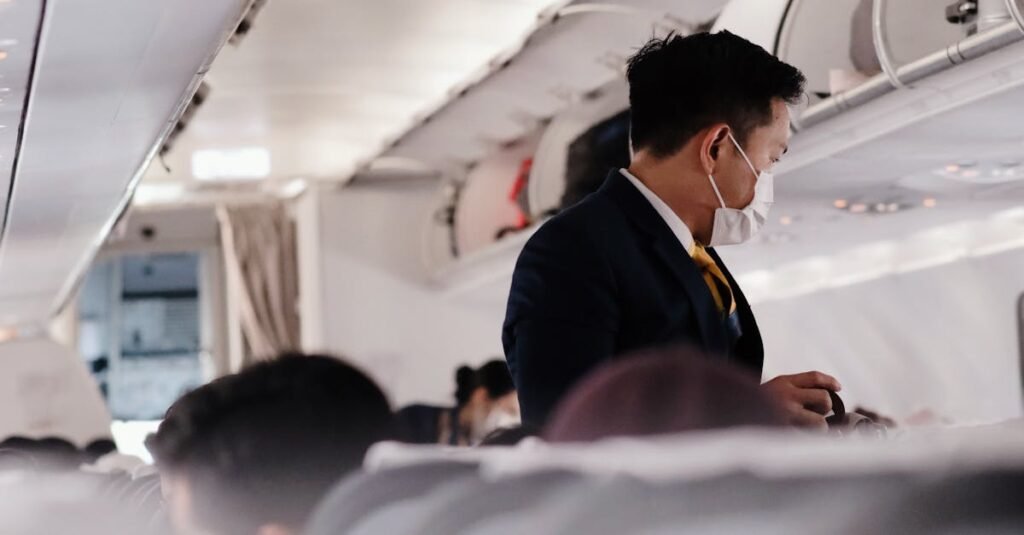
    A flight attendant wearing a mask assists passengers on a commercial Alaska Airlines flight.

    The incident on Flight 2117 operated on behalf of Alaska Airlines highlights the delicate balance of safety protocols that dictate modern aviation. When a lithium-ion battery enters a state of thermal runaway, it creates a self-sustaining fire that feeds on its own heat. Unlike a traditional fire fueled by wood or paper, a battery fire is a chemical reaction that can restart even after it appears to be extinguished. This is why the flight crew did not simply pour water on the device and return to their seats. They utilized specialized containment bags designed to withstand temperatures exceeding 1,000 degrees Fahrenheit. These bags act as a high tech pressure cooker, trapping the heat and toxic gases while preventing the fire from reaching the aluminum skin of the aircraft or the oxygen rich cabin environment.

    The decision to divert and the subsequent seven hour delay are rooted in a “safety first” culture that leaves zero room for ambiguity. Once the containment bag was sealed, the pilots had to consider the air quality for everyone on board. Lithium fires release heavy metals and caustic vapors that can irritate the lungs and eyes of passengers. Continuing a long flight with those fumes circulating through the recycled air system was not a viable option. Additionally, the pilots must account for the psychological state of the travelers. After witnessing a fire in a confined tube miles above the ground, the stress levels in the cabin are incredibly high. Landing as soon as possible allows for a controlled evacuation and immediate medical assessment for anyone experiencing smoke inhalation or shock. While a seven hour delay is frustrating for those with connecting flights or business meetings, it represents the time required to swap an entire aircraft and crew to ensure that the final leg of the journey is conducted under perfect safety conditions.
  • Delta Engine Blowout Ignites Runway Fire During Emergency Landing: All We Know So Far

    Delta Engine Blowout Ignites Runway Fire During Emergency Landing: All We Know So Far

    On Sunday evening, February 22, 2026, passengers on a Delta Air Lines flight experienced a terrifying moment when an engine failure shortly after takeoff forced an emergency return to Savannah Hilton Head International Airport. The incident, involving Delta Flight 1067, did not just result in a midair scare but also sparked a massive grass fire along the airport runways. Despite the dramatic nature of the engine blowout and the secondary fires on the ground, all 185 people on board the aircraft returned to the terminal safely and without injury.

    A Sudden Bang During Ascent

    The flight was scheduled to travel from Savannah to Atlanta, a short hop that usually takes less than an hour. According to witnesses and passengers on board the Boeing 737-900, everything seemed normal until the wheels left the pavement. Within seconds of being airborne, a loud boom echoed through the cabin. Passengers reported seeing sparks and streaks of flame shooting from the left engine.

    One traveler described the sound as being similar to a car backfiring, though significantly louder and more jarring. The vibration from the engine failure was felt throughout the plane, immediately alerting the crew that something was wrong. Pilots quickly realized that the left CFM-56 turbofan engine had suffered a major mechanical failure.

    Emergency Procedures and Pilot Skill

    As soon as the engine blew, the flight crew declared an emergency. Aviation data shows that the aircraft reached a maximum altitude of roughly 3,000 feet before the pilots stopped the climb. Operating on the remaining functional engine, the pilots performed a controlled loop to bring the plane back to Savannah.

    While the situation in the cockpit was intense, passengers praised the crew for their calm demeanor. The pilots communicated clearly with the travelers, explaining that the plane could fly safely on one engine and that they were returning to the airport immediately. This transparency helped manage the fear inside the cabin as the plane made its final approach back toward the runway.

    The Ground Fire at Savannah Airport

    While the plane was still in the air, a different kind of emergency was unfolding on the ground. The flames and sparks emitted by the failing engine during takeoff had ignited the dry grass adjacent to the runway. Fed by powerful winds gusting at nearly 60 miles per hour, the small sparks quickly grew into a large brush fire.

    Air traffic controllers spotted the flames almost immediately and alerted other aircraft in the vicinity. The fire spread rapidly across a significant stretch of the airfield, specifically the area between taxiway Alpha and Charlie 1. This prompted a massive response from local emergency services. Because the fire was so large and spreading fast due to the wind, the airport fire department requested mutual aid from nearby agencies.

    A Large Scale Emergency Response

    The response to the fire and the incoming aircraft was a coordinated effort involving multiple departments. Firefighters from the Savannah Fire Department, Garden City Fire Rescue, and Pooler Fire Rescue all rushed to the scene. Additionally, the 165th Airlift Wing Fire Department provided support to help contain the blaze.

    As Flight 1067 touched down at approximately 7:12 p.m., it was met on the tarmac by a fleet of fire trucks. Emergency responders were positioned to douse the aircraft if necessary, but the primary focus of the ground crews remained on the sprawling grass fire that was threatening airport infrastructure.

    Passengers Safe but Shaken

    Once the Boeing 737 landed safely, it was towed back to the gate. The 179 passengers and six crew members deplaned normally through the jet bridge rather than using emergency slides. While everyone was physically unharmed, many described the experience as incredibly stressful.

    Travelers remained on the aircraft for about an hour after landing while officials ensured the area was safe and the fire was under control. Delta Air Lines issued an official statement shortly after the event, confirming the mechanical issue and apologizing for the disruption. The airline worked through the night to rebook passengers on alternate flights to Atlanta so they could reach their final destinations.

    Impact on Airport Operations

    The combination of a crippled aircraft on the runway and a large brush fire led to temporary ground stops at Savannah Hilton Head International Airport. Several incoming flights were held in the air or diverted, while departing flights faced significant delays.

    Fortunately, the fire did not reach the actual pavement of the runways, which allowed crews to clear the scene relatively quickly once the flames were extinguished. By later that evening, the fire was fully out, and operations at the airport began to return to a state of normalcy.

    The Role of Weather Conditions

    Weather played a significant role in how the incident unfolded. The Savannah area was experiencing high winds on Sunday, which is likely why the sparks from the engine were able to ignite the grass so easily. These same winds made the fire much harder to fight, as the flames were pushed across the dry vegetation at a high rate of speed.

    Aviation experts note that while engine failures are rare, pilots are trained extensively for this specific scenario. Modern twin engine jets like the Boeing 737 are designed to fly, climb, and land safely even if one engine completely loses power. The successful landing in Savannah is a testament to that engineering and the rigorous training of the Delta flight crew.

    What Happens Next for the Aircraft?

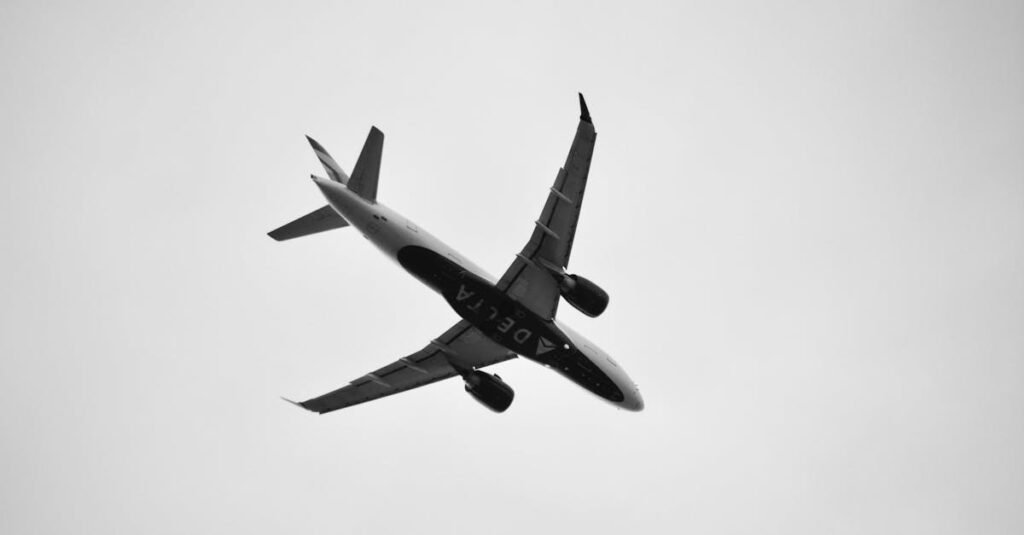
    Black and white image of a commercial airplane flying overhead, showcasing aviation in San Antonio, Texas.

    The Boeing 737-900 involved in the incident will remain on the ground in Savannah for a thorough investigation. Delta maintenance teams and federal investigators from the Federal Aviation Administration will examine the failed engine to determine exactly what caused the blowout.

    The investigation will look into whether the failure was caused by an internal mechanical part, a bird strike, or another external factor. This process often takes time, as the engine may need to be disassembled to find the root cause of the spark and subsequent power loss.

    Safety First for Travelers

    Delta Air Lines has reiterated that the safety of its customers is the top priority. While the sight of flames coming from a wing is terrifying for anyone, the airline pointed out that the systems in place worked exactly as they should. The pilots followed their emergency checklists, the aircraft remained stable, and emergency crews on the ground were ready to act before the plane even touched the ground.

    For the passengers of Flight 1067, it was a Sunday night they will never forget. Most were simply grateful to be standing on solid ground after a very close call. The quick thinking of the pilots and the rapid response of the Savannah area firefighters prevented a serious mechanical failure from turning into a much worse tragedy.

  • Is Your Mexico Flight Canceled? How American Airlines, United, and Southwest Are Responding to ‘El Mencho’ Unrest

    Is Your Mexico Flight Canceled? How American Airlines, United, and Southwest Are Responding to ‘El Mencho’ Unrest

    The sudden death of Nemesio Oseguera Cervantes, the notorious leader of the Jalisco New Generation Cartel known as El Mencho, has sent shockwaves through the aviation industry. Following a high stakes military operation in Tapalpa on February 22, 2026, retaliatory violence erupted across Western Mexico, leading to a cascade of flight cancellations. For travelers with upcoming plans to Guadalajara, Puerto Vallarta, or Mazatlan, the situation is evolving rapidly as major carriers prioritize crew and passenger safety. While all airlines are under pressure, American Airlines has been particularly vocal about its commitment to passenger safety during this period of civil unrest.

    American Airlines Takes Decisive Action in Jalisco

    As a primary carrier for North American tourists, American Airlines has faced significant operational hurdles in the wake of the Jalisco violence. The airline acted quickly to ensure that its staff and passengers were not caught in the crossfire of cartel retaliatory strikes.

    On Sunday afternoon, American Airlines suspended all operations at Puerto Vallarta International Airport and Guadalajara International Airport. The carrier cited safety concerns regarding ground transportation as the main reason for the suspension. Even though airport terminals are under the protection of the Mexican National Guard, the transit routes to and from these facilities have been compromised by burning vehicles and illegal checkpoints.

    American Airlines has issued a special travel alert for those flying to, from, or through affected cities. This policy allows travelers to rebook their flights without change fees. The airline is currently prioritizing customers who are stuck in Mexico, working to schedule recovery flights as soon as local security officials give the all clear signal.

    The Operational Impact on United and Southwest

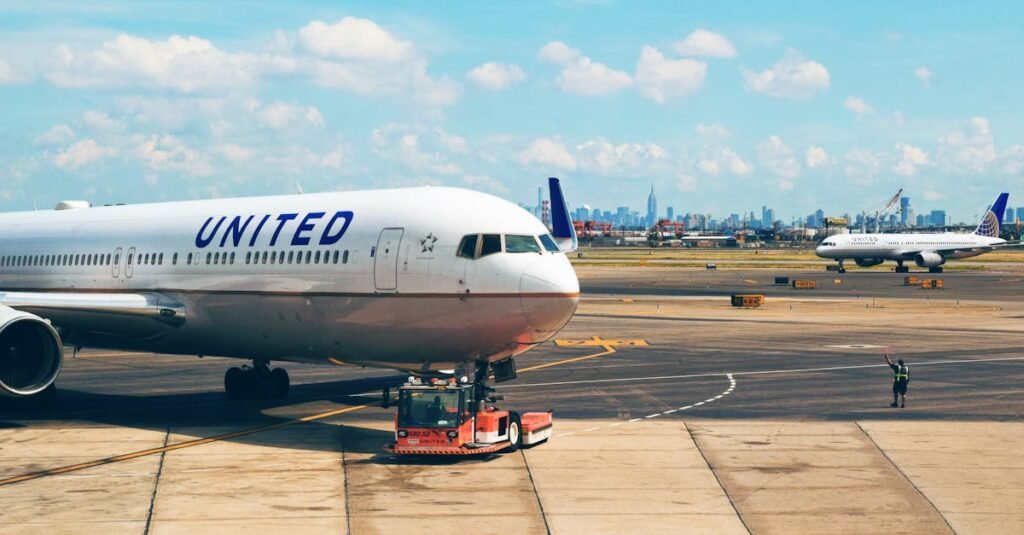
    United Airlines Aircraft on the runway at Newark Airport with city skyline in the background.

    While American Airlines manages its extensive network in the region, other major carriers like United and Southwest are also grappling with the fallout from the death of El Mencho.

    Southwest Airlines made headlines on February 22 by turning back four flights that were already in the air and headed for Puerto Vallarta. The airline has since canceled the majority of its schedule to the region through the middle of the week. Southwest has stated that they will send empty aircraft to repatriate stranded passengers and employees once the security situation stabilizes and the threat of roadside violence diminishes.

    United Airlines has implemented a similar strategy, issuing a civil unrest travel waiver for passengers booked between February 22 and February 25, 2026. This waiver permits travelers to push their trips to as late as March 4, 2026, without incurring additional costs. United is monitoring the situation from its operations center in Chicago, staying in constant contact with the United States State Department regarding the safety of the airspace and terminal surroundings.

    Why the Death of El Mencho Grounded Aviation

    The crisis began when Nemesio Oseguera Cervantes, who had a fifteen million dollar bounty on his head, was killed during a gun battle with the Mexican Army. He was being airlifted to Mexico City for medical treatment when he succumbed to his injuries. The Jalisco New Generation Cartel, often called the CJNG, responded with a strategy known as narcobloqueos.

    These blockades involved hijacking large commercial trucks and setting them on fire to block major highways. This effectively cut off access to the Puerto Vallarta and Guadalajara airports. For an airline like American Airlines, which relies on a seamless flow of passengers and flight crews between hotels and the tarmac, these roadblocks created an impossible operational environment. Reports of gunfire near major tourist zones further complicated the situation, leading to the current shelter in place orders.

    Airport Security and Current Facility Status

    Despite the chaos on the roads, the airports themselves have remained relatively secure zones. The Mexican National Guard and the Ministry of National Defense have deployed heavy reinforcements to protect the perimeter of major hubs.

    • Guadalajara (GDL): The airport remains open but is operating with a skeleton crew. Many airport workers are unable to reach the terminal due to the suspension of public transit and the danger of highway travel.
    • Puerto Vallarta (PVR): This airport saw the most significant impact on international travel. While the internal safety of the airport has not been breached, almost all international arrivals were halted through Monday morning.
    • Mazatlan (MZT): Security has been tightened here as a precaution, with American Airlines and others monitoring for any sign that the violence is moving toward the state of Sinaloa.

    Guidance and Contact Information for Travelers

    If you are a passenger currently holding a ticket with American Airlines, United, or Southwest, you should prioritize digital communication. Airport counters are expected to be overwhelmed, and travel to the airport is currently discouraged by the United States government.

    American Airlines Support

    For those traveling with American Airlines, the most efficient way to manage your trip is through the official website or the mobile app.

    • Customer Service Number: 1-800-433-7300
    • Action Step: Look for the travel alert banner on the home page to see if your specific flight qualifies for an automated rebooking or refund.

    United Airlines Support

    United passengers can utilize the “My Trips” section of the United app to check for flight status updates.

    • Customer Service Number: 1-800-864-8331
    • Action Step: Ensure your contact information is up to date in your MileagePlus profile to receive text alerts regarding diversions or cancellations.

    Southwest Airlines Support

    Southwest encourages travelers to use their website for the fastest service, as hold times on phone lines are expected to be high.

    • Customer Service Number: 1-800-435-9792
    • Action Step: Check the “Travel Advisories” page for specific details on the Jalisco Mexico Civil Unrest policy.

    What to Expect Next

    Aviation analysts expect the disruption to continue for several days. Even if the violence subsides, the backlog of stranded passengers will take time to clear. American Airlines and its competitors are currently coordinating with the Federal Aviation Administration and Mexican civil aviation authorities to determine when it will be safe to resume a full schedule.

    The death of El Mencho is a historic event in the fight against cartel power, but the immediate result is a logistical nightmare for thousands of travelers. If you are in the affected region, follow the advice of local authorities and remain in your hotel or residence until your airline confirms a safe departure time. This is a developing story, and travelers should remain vigilant as the security landscape in Jalisco and surrounding states continues to shift.

  • United Airlines Maintenance Under Fire as FAA Relies on ‘Virtual’ Checks to Cover Vacancies

    United Airlines Maintenance Under Fire as FAA Relies on ‘Virtual’ Checks to Cover Vacancies

    The safety of modern air travel depends on a rigorous system of checks and balances where federal regulators serve as the ultimate line of defense. However, a startling new federal audit has revealed that the shield protecting millions of passengers may be thinning. United Airlines, one of the largest carriers in the world, is currently at the center of a controversy involving the Federal Aviation Administration and its ability to provide adequate maintenance oversight.

    The Department of Transportation Office of Inspector General recently released a report detailing significant systemic failures within the FAA office responsible for United Airlines. The findings suggest that a combination of severe staffing shortages and a controversial reliance on virtual inspections has created a safety oversight gap that could have long term implications for the aviation industry.

    The Surge of Maintenance Concerns at United Airlines

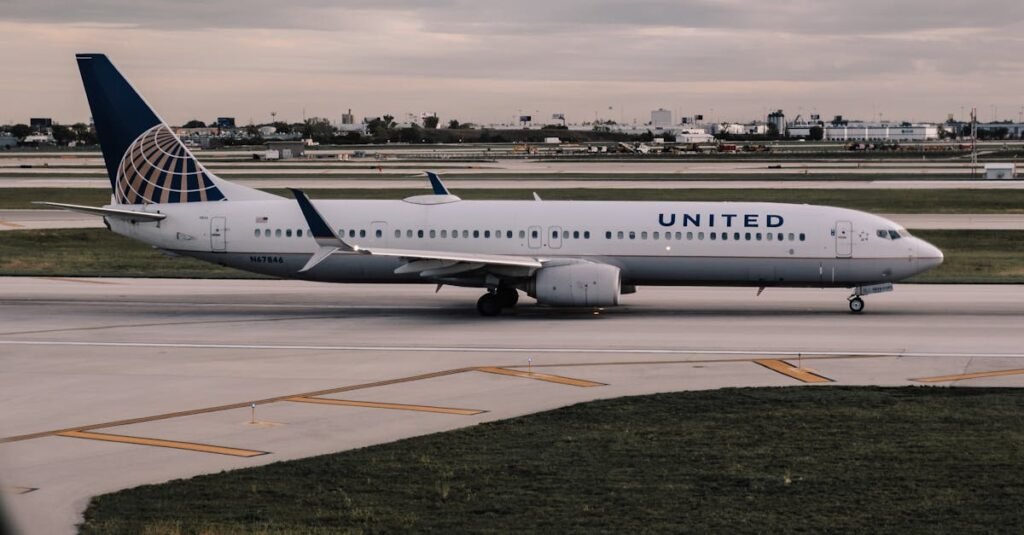
    United Airlines aircraft taxiing on runway at an overcast airport.

    This federal probe did not emerge in a vacuum. It follows a string of high profile maintenance incidents that occurred throughout 2024 and 2025. Passengers and industry analysts alike were rattled by a series of events including an external panel falling off a Boeing 737 mid flight, a tire detaching from a jet during takeoff, and a plane rolling off a runway in Houston.

    While these incidents resulted in no major injuries, they prompted the FAA to initiate a period of enhanced oversight for United Airlines. The goal was to ensure the carrier was adhering to strict safety protocols. However, the new audit by the Inspector General suggests that the FAA itself was struggling to keep up with the very oversight it promised to provide. The report argues that the agency lacks the resources to effectively monitor the technical complexities of United’s massive and growing fleet.

    A Critical Shortage of Federal Inspectors

    The core of the problem lies in the FAA Certificate Management Office dedicated to United Airlines. According to the audit, this office has been plagued by a vacancy rate as high as 33 percent. This means that one out of every three authorized inspector positions has remained unfilled.

    This personnel shortage has had a domino effect on the quality of oversight. Existing inspectors are reportedly overwhelmed by massive workloads, leading to high turnover and a steady loss of institutional knowledge. When experienced inspectors leave the agency, they take with them years of specialized understanding of United’s specific maintenance culture and history. The report notes that the FAA has failed to implement effective workforce planning to address these retirements and departures, leaving the remaining staff ill equipped to fulfill their surveillance responsibilities.

    The Rise of the Virtual Inspection

    Perhaps the most controversial finding in the report is the revelation that the FAA has been frequently conducting maintenance checks virtually. When the agency lacked the staff or the travel budget to send an inspector to a maintenance facility in person, managers reportedly instructed inspectors to perform reviews via video calls or by reviewing photographs.

    FAA internal policies generally require that if an inspection cannot be performed on site, it should be postponed.Instead, the audit found that roughly 40 percent of inspections intended to be on site were conducted virtually in 2024.The Inspector General warned that this practice is fundamentally flawed. In nearly half of the virtual reports reviewed by investigators, at least 50 percent of the required safety questions were marked as not observable.

    A virtual camera cannot replace the tactile and 360 degree perspective of a physical inspector. Remote checks can easily miss subtle signs of corrosion, hairline fractures, or improper tool markings that would be obvious to a person standing in the hangar. By opting for “surveillance continuity” over physical presence, the FAA may have inadvertently weakened the very safety net it is meant to uphold.

    Disproportionate Oversight for the Boeing 737 Fleet

    The audit highlighted a particularly concerning disparity in how the FAA manages different aircraft programs. United Airlines operates more than 520 Boeing 737 aircraft, which constitutes over half of its total fleet. Despite the size and complexity of this sub fleet, the FAA has had only four inspectors specifically assigned to oversee it.

    To compensate for this extreme imbalance, the agency has been forced to pull inspectors from other aircraft programs to help fill the gaps. While this cross training technically meets minimum regulatory requirements, the Inspector General concluded that it is not sufficient to perform the depth of surveillance required for such a massive number of planes.This “thinning of the ranks” means that specialized problems unique to the 737 might not receive the dedicated attention they deserve.

    Barriers to Accessing Vital Safety Data

    Effective oversight is not just about physical inspections; it is also about data. Modern airlines use a Safety Management System to track risks and maintenance trends. However, the audit found that FAA inspectors often face significant hurdles when trying to access United’s internal safety data.

    Inspectors reported that they were often denied remote access to these digital records. Instead, they were frequently limited to viewing “snippets” of data during virtual meetings where they were forbidden from taking screenshots or photos. Furthermore, the report noted that many federal inspectors had not been adequately trained on how to navigate or demand access to these systems. Without a transparent view of an airline’s internal safety trends, regulators are essentially flying blind, unable to identify the root causes of recurring maintenance issues.

    The Response from United Airlines and the FAA

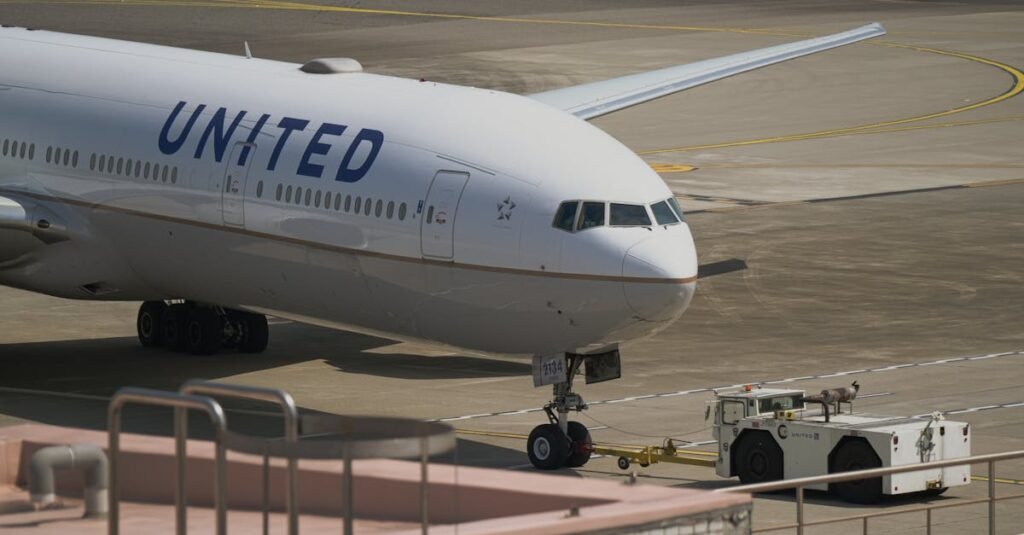
    United Airlines aircraft being towed on the runway at Taoyuan City Airport, Taiwan.

    In the wake of the report, both United Airlines and the FAA have moved to address the concerns. United Airlines issued a statement emphasizing that it has long advocated for the FAA to receive more resources. The carrier maintained that it works closely with regulators every day and operates its own robust internal safety protocols that exceed federal minimums.

    For its part, the FAA has agreed with five of the six recommendations made by the Inspector General. The agency has pledged to implement a more systemic approach to workforce planning and to improve the training of its inspectors.However, the FAA only partially concurred with the recommendation to create a stricter policy for postponing virtual inspections, arguing that current guidance is sufficient but acknowledging that better communication from management is needed.

    The Path Forward for Aviation Safety

    The findings of this audit serve as a wake up call for the aviation industry and federal lawmakers. As airlines continue to expand their fleets and adopt more complex technologies, the regulatory bodies charged with overseeing them must be given the resources to keep pace.

    Ensuring the safety of the flying public requires more than just high tech sensors and digital logs; it requires a physical presence in the hangars and a well staffed core of experienced professionals. The shift toward virtual oversight may offer a convenient temporary fix for staffing shortages, but as the Inspector General has made clear, there is no substitute for the eyes and ears of a federal inspector on the ground.

  • Tarmac Nightmare: Lufthansa Passengers Forced to Sleep on A320neo After Copenhagen Flight Axed

    Tarmac Nightmare: Lufthansa Passengers Forced to Sleep on A320neo After Copenhagen Flight Axed

    A routine short haul flight from Munich to Copenhagen turned into a grueling ordeal for over one hundred travelers this week. What was supposed to be a quick ninety minute hop across Europe transformed into an stationary overnight marathon on the tarmac. Passengers on Lufthansa flight LH2446 found themselves trapped inside an Airbus A320neo for nearly seven hours after their flight was cancelled due to a series of logistical failures and rigid airport curfews.

    The incident highlights a growing concern in the aviation industry regarding ground handling capabilities and the lack of contingency plans at major hubs. While flight cancellations are a common part of modern travel, the decision to keep passengers confined to a narrow body aircraft overnight has sparked outrage and raised serious questions about passenger rights and airline ethics.

    A Typical Evening Turns Into a Logistic Deadlock

    The trouble began on the evening of Thursday, February 19, 2026. Lufthansa flight LH2446 was scheduled to depart from Munich Airport at 9:30 PM with a planned arrival in Copenhagen by 11:05 PM. Like many flights during the busy winter season, the service was initially hit by rolling delays. Despite the uncertainty, airline staff proceeded with the boarding process, transporting the 123 passengers by bus to a remote parking stand where the Airbus A320neo was waiting.

    By the time everyone was seated, the departure window was rapidly closing. Munich Airport operates under a strict midnight curfew to minimize noise pollution for local residents. As the clock ticked toward 12:00 AM, it became clear that the aircraft would not be taking off. The flight was officially axed, leaving a cabin full of tired travelers expecting a quick bus ride back to the terminal and a hotel voucher. However, the nightmare was only just beginning.

    The Midnight Closure and the Vanishing Ground Crew

    In most scenarios, a cancelled flight at a major hub like Munich would result in passengers being deplaned within thirty minutes. In this instance, a catastrophic breakdown in communication occurred between Lufthansa and the airport ground services. As the crew attempted to call for buses to ferry the passengers back to the terminal, they were met with a shocking reality.

    By 2:00 AM, the flight crew had to deliver the news that no one wanted to hear. They informed the passengers that the airport had effectively closed for the night. More importantly, they claimed that all authorized bus drivers had already finished their shifts and gone home. Because the aircraft was parked on a remote stand, passengers were legally forbidden from walking across the active apron to the terminal due to strict security regulations. With no drivers to operate the buses and no legal way to walk off, the passengers were effectively locked inside the plane.

    Survival on a Short Haul Aircraft

    The Airbus A320neo is a marvel of modern engineering, but it is not designed to function as a hotel. Unlike long haul wide body jets, these regional aircraft are built for efficiency on short routes. This means the seats are designed with a tight pitch of roughly thirty inches, and the cabin lacks the amenities required for a comfortable night of sleep.

    Passengers reported a lack of basic supplies. Since the flight was only intended to last ninety minutes, the galley was stocked with minimal food and beverages. There were no pillows, blankets, or amenity kits available to soften the experience of sleeping upright in economy class seats. The crew reportedly provided updates every half hour, but as the night wore on, the atmosphere in the cabin grew increasingly tense and claustrophobic.

    Legal Limbo on the Tarmac

    During the early morning hours, some passengers reportedly asked if they could simply exit the aircraft and wait on the ground or attempt the walk to the terminal building. The crew remained firm, citing international aviation law and airport safety protocols. Accessing the apron without a designated escort or vehicle is a significant security violation that could result in heavy fines or arrests for both the passengers and the airline staff.

    This legal deadlock meant that even though the terminal was visible in the distance, it might as well have been on another continent. The travelers were forced to endure the cold Munich night inside the pressurized tube, waiting for the first shift of ground staff to arrive at dawn.

    The Dawn Rescue and Rebooking Chaos

    The ordeal finally came to an end in the early morning hours of Friday when the first wave of airport workers returned to duty. Buses eventually arrived to collect the exhausted travelers and return them to the terminal. However, the end of the “tarmac prison” was merely the start of a new set of challenges.

    Many passengers were rebooked on the earliest available flight to Copenhagen, which was scheduled for 6:40 AM.Adding insult to injury, that flight was also delayed by nearly an hour. After spending the entire night in a cramped seat without proper rest or nutrition, the travelers finally reached Denmark nearly twelve hours behind schedule.

    Lufthansa and Munich Airport Under Fire

    The backlash against the German flag carrier has been swift. Critics argue that a major airline operating out of its primary hub should have the influence and resources to find at least one bus driver in an emergency. The fact that over one hundred people were forced to sleep on a plane because of a “lack of buses” at one of Europe’s busiest airports is being viewed as a systemic failure.

    Lufthansa has since attributed the incident to a combination of weather related delays and an acute shortage of apron bus drivers. However, aviation experts suggest that the strict adherence to labor hours and airport curfews may have taken precedence over basic passenger welfare.

    Passenger Rights and Compensation

    Under European law, specifically the regulation known as EC 261, passengers are entitled to significant protections during flight disruptions. In a case like this, each passenger is likely eligible for at least 250 Euros in compensation for the delay. Furthermore, the airline is legally required to provide “duty of care,” which includes meals, refreshments, and hotel accommodation.

    By failing to provide a hotel and instead keeping passengers on the aircraft, Lufthansa may face additional legal scrutiny. Legal experts suggest that the “inhumane” conditions of being trapped on a stationary plane without adequate facilities could lead to further claims beyond the standard delay payouts.

    Lessons for the Future of Aviation

    This incident serves as a stark reminder of the fragility of the global aviation network. When one link in the chain breaks be it a crew shortage, a curfew, or a lack of ground transportation then the entire system can collapse, leaving the customer to bear the brunt of the failure.

    For travelers, it underscores the importance of knowing your rights and perhaps carrying a few extra essentials even on the shortest of flights. For airlines, it is a loud wake up call that digital tools and automated systems are no substitute for effective crisis management and human empathy.

  • Winter Storm Hernando Travel Guide: How to Rebook Delta, American Airlines, and JetBlue Flights as 5,000+ Cancelled

    Winter Storm Hernando Travel Guide: How to Rebook Delta, American Airlines, and JetBlue Flights as 5,000+ Cancelled

    Travelers across the East Coast are facing a massive logistical challenge as Winter Storm Hernando sweeps through major aviation hubs. With snow accumulations reaching up to 24 inches in some regions and wind gusts peaking at 55 mph, the impact on air travel has been swift and severe. Statistics from Sunday indicate that over 5,000 flights have already been removed from schedules through Monday. For those holding tickets with Delta Air Lines, American Airlines, or JetBlue, navigating this disruption requires a proactive strategy. This guide provides the essential steps to manage your itinerary, understand your legal rights, and utilize the latest 2026 travel policies to your advantage.

    Current State of East Coast Aviation Hubs

    The scale of the disruption is centered on the busiest corridors in the United States. New York City and Boston are currently the epicenters of the grounding. At John F. Kennedy International Airport (JFK), more than 650 flights have been cancelled as of Sunday evening. LaGuardia (LGA) and Boston Logan (BOS) are seeing similar numbers, with some carriers suspending nearly 80 percent of their local operations to avoid stranding aircraft and crews in the snow.

    Beyond the Northeast, the knock on effect is being felt nationwide. Because aircraft and flight crews cycle through these major hubs, a cancellation in Boston can lead to a grounded flight in Los Angeles or Atlanta. If you are flying anywhere in the United States this week, you should expect delays due to the winter storm Hernando even if your departure city has clear skies.

    Navigating Delta Air Lines Rebooking Procedures

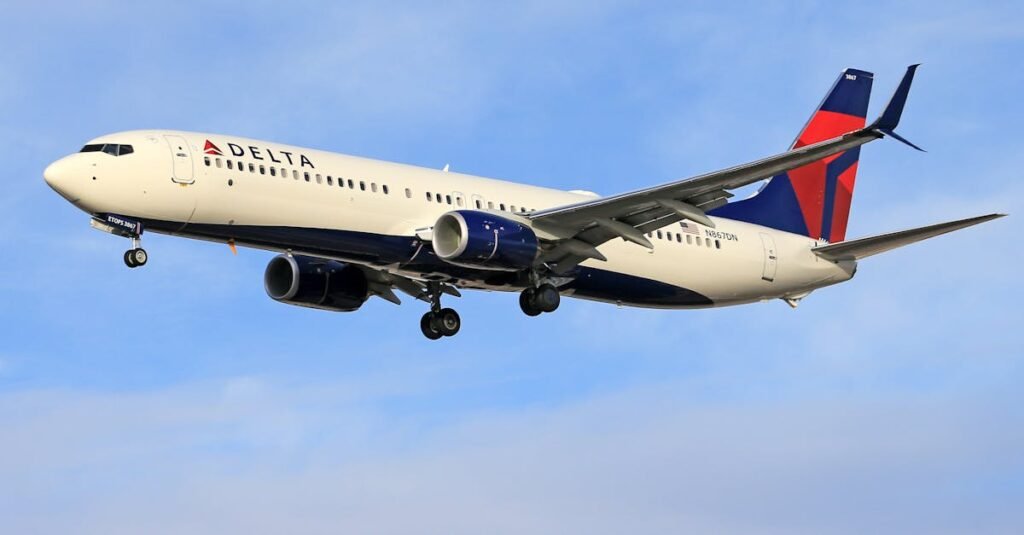
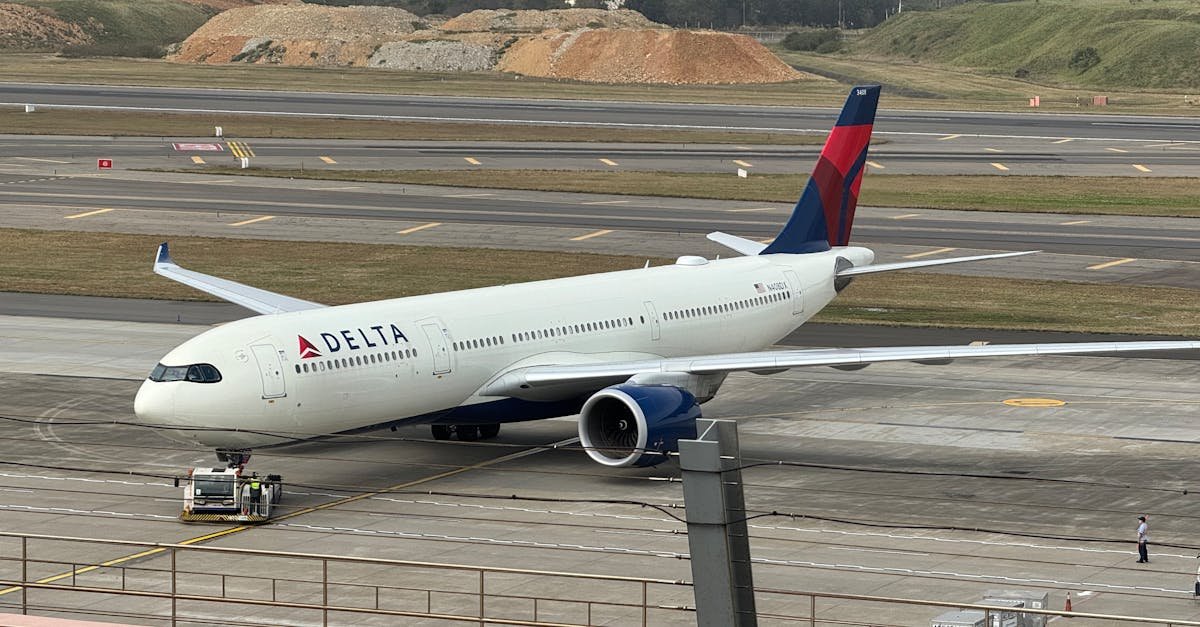
    Delta airline passenger plane flying in clear blue sky. Ideal for travel and transportation themes.

    Delta Air Lines has been proactive in issuing travel waivers for passengers flying through affected regions. The airline has identified its hubs in Boston, New York, and Philadelphia as high risk areas. Delta typically allows travelers to move their flight to a date outside the weather window without paying a change fee or a fare difference, provided the new travel occurs within a specific timeframe.

    The most efficient way to handle a Delta cancellation is through the Fly Delta mobile app. The airline uses an automated rebooking system that immediately assigns you to the next available flight. If that new itinerary does not work for you, the app allows you to browse other options for free. It is highly recommended to use the digital tools rather than waiting on hold with phone support, as wait times during Storm Hernando have exceeded four hours.

    Managing American Airlines Travel Disruptions

    American Airlines currently leads the industry in total cancellations for this event, with over 800 flights pulled from the schedule. Their primary affected hubs include New York (JFK and LGA) and Philadelphia (PHL), along with significant residual impacts at Dallas–Fort Worth (DFW).

    American’s travel alert for Storm Hernando allows customers to rebook in the same cabin for no additional cost. A key tip for American Airlines passengers is to check the Chat feature in the mobile app. This often connects you to a representative faster than the standard phone line. If you are at the airport, look for the self service kiosks to print new boarding passes or view alternative flight paths.

    JetBlue Waiver Rules and Sister Airport Options

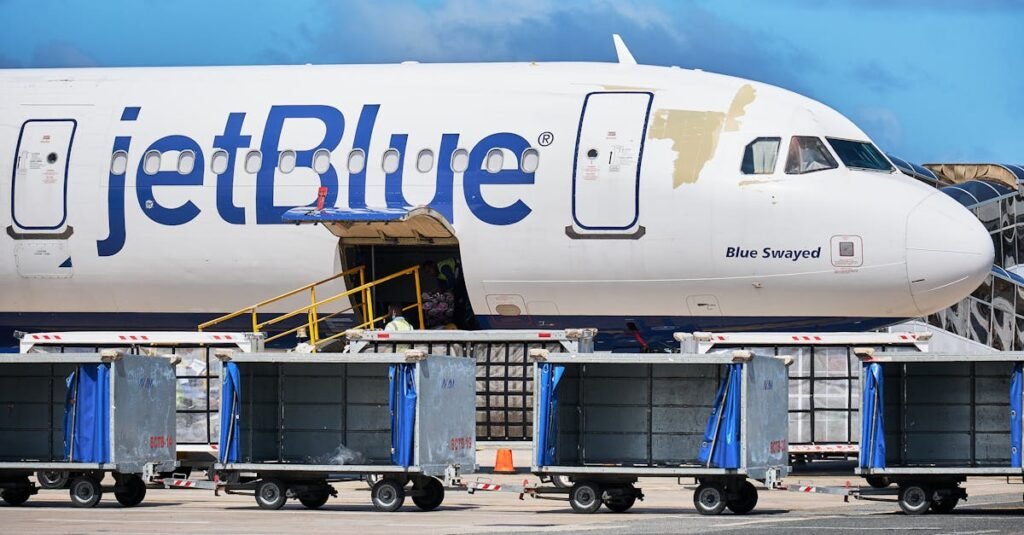
    JetBlue Airbus with luggage carts at Punta Cana Airport, Dominican Republic.

    JetBlue has hit a critical milestone with nearly 700 cancellations scheduled for Monday alone. Because JetBlue has a massive presence in New York and Boston, their operations are particularly vulnerable to this blizzard. The JetBlue waiver for Winter Storm Hernando covers travel through February 23, allowing customers to rebook through February 27.

    One unique advantage for JetBlue travelers is the Sister Airport policy. If your flight to JFK is cancelled due to the Winter Storm Hernando, JetBlue often allows you to rebook into Newark (EWR) or LaGuardia (LGA) at no extra charge. This flexibility can be the difference between getting home on Monday or waiting until Wednesday for a seat to open up at your original destination.

    Understanding Your Rights to a Cash Refund

    A common misconception during winter storms is that you are only entitled to a travel voucher. According to the United States Department of Transportation (DOT) regulations updated for 2026, if an airline cancels your flight for any reason, including weather, and you choose not to travel on the offered alternative, you are entitled to a full cash refund.

    This refund includes the base fare and any ancillary fees you paid, such as seat assignments or checked bag fees. While airlines prefer to issue Credit Shells or vouchers to keep the revenue, you have the right to insist on a return to your original form of payment. Under 2026 enforcement rules, credit card refunds must be processed within seven business days.

    Strategic Tips for Successful Rebooking

    When 5,000 flights are cancelled due to the Winter Storm Hernando, competition for the remaining seats is intense. Follow these steps to increase your chances of getting to your destination:

    • Monitor Flight Status Constantly: Do not wait for an email. Check the airline app every 30 minutes for updates.
    • Be Flexible with Nearby Airports: If you are headed to New York, consider flying into Philadelphia and taking a train. If you are going to Boston, look at Manchester (MHT) or Providence (PVD).
    • Check the Inbound Flight: Use flight tracking websites to see where your plane is coming from. If the inbound plane is stuck in a snowbank in another city, your flight will not be taking off on time.
    • Social Media Support: Sometimes the social media teams on platforms like X (formerly Twitter) can process a rebooking faster than a gate agent who is dealing with a long line of frustrated passengers.

    Essential Safety Protocols for Stranded Passengers

    Safety should remain the top priority when dealing with the extreme conditions brought by Winter Storm Hernando. If you find yourself stranded at a major hub like JFK or Boston Logan, avoid leaving the airport premises unless you have a confirmed hotel reservation and a reliable method of transportation. Blizzard conditions create near zero visibility on local roads, and many ride share services have suspended operations in the hardest hit zones.

    For those staying at the terminal, locate the designated rest areas and stay hydrated. Most airlines provide meal vouchers if the delay is significant, but it is wise to keep emergency snacks and a portable battery charger in your carry on bag. If you are traveling with medication, ensure you have an extra three day supply in your pocket rather than in checked luggage, as retrieving bags from a grounded aircraft can take hours. Stay tuned to airport public address systems for real time safety updates and emergency instructions from local authorities.

  • “Stolen” Seats? American Airlines Faces Backlash After Downgrading Paying First Class Travelers for Deadheading Pilots

    “Stolen” Seats? American Airlines Faces Backlash After Downgrading Paying First Class Travelers for Deadheading Pilots

    The friendly skies have felt a little more turbulent recently, and it has nothing to do with the weather. A series of viral incidents has sparked a heated national conversation regarding passenger rights, airline labor contracts, and the hierarchy of the modern cabin. At the center of this storm is American Airlines, which recently made headlines after high profile passengers reported being removed from their paid first class seats to accommodate off duty crew members.

    This practice, known in the industry as deadheading, has left many travelers wondering how a confirmed, paid ticket can be overridden by an internal airline policy. To understand why this is happening and what your rights are as a consumer, one must look at the intersection of union agreements, federal regulations, and the fine print of the ticket you buy.

    The Viral American Airlines Incident That Sparked the Debate

    The conversation reached a fever pitch in February 2026 when comedian Jim Breuer shared a frustrated account of his experience on a flight from Honolulu. Breuer and his wife had purchased first class tickets, a significant expense intended to ensure comfort on a long haul journey. However, shortly before boarding, they were informed that they were being downgraded to the economy cabin.

    The reason provided at the gate was not a mechanical failure or an aircraft swap. Instead, the seats were required for two pilots who needed to be repositioned for work. While the airline offered a standard compensation package, the discrepancy between the price of a first class ticket and the refund offered sparked an outcry.

    Breuer described the experience as feeling like his seats were stolen, a sentiment that resonated with thousands of travelers online. This incident served as a catalyst for a deeper look into how often this happens and why the airline prioritizes its employees over its highest paying customers in these specific scenarios.

    What Exactly Is a Deadheading Pilot?

    To the average passenger, seeing a pilot in uniform sitting in first class might seem like a simple perk of the job. However, the term deadheading refers to a specific operational necessity. A deadheading pilot is not commuting to work on their own time; they are being moved by the airline to a different city to operate a subsequent flight.

    Operational Necessity versus Luxury

    If a pilot is scheduled to fly a plane from Phoenix to London, but they are currently in Honolulu, the airline must get them to Phoenix. If that pilot does not arrive on time and properly rested, the Phoenix flight might be canceled,affecting hundreds of other passengers. Because of this, airlines view the movement of crew as a critical operational priority.

    The Impact of the 2023 Labor Agreement

    The reason these downgrades are becoming more visible is tied to the collective bargaining agreement ratified by American Airlines pilots in 2023. This contract, valued at billions of dollars, included significant “quality of life” provisions. One of those provisions mandates that for certain long distance or transoceanic flights, deadheading pilots must be accommodated in the highest class of service available.

    Prior to this contract, pilots were often placed in whatever seat was left over. Under the new rules, their right to a first class seat is contractually guaranteed, even if it means moving a passenger who has already paid for that seat.

    Why Elite Status Does Not Always Protect You

    For years, the conventional wisdom for frequent flyers was that holding elite status, such as Executive Platinum or Concierge Key, acted as a shield against involuntary downgrades. While status still helps in many overbooking situations, the deadheading pilot policy operates on a different logic.

    In the American Airlines internal priority system, deadheading pilots on qualifying routes are often coded with a higher priority than even the most loyal frequent flyers. If a flight is full and a crew member must be moved for operational reasons, the airline looks at the last people to join the first class cabin or those without specific protections.Unfortunately, even those who paid full cash for their tickets can find themselves at the bottom of the priority list when a contractual crew requirement is triggered.

    The Legal Reality: The Contract of Carriage

    When you purchase an airline ticket, you are not just buying a seat; you are entering into a legal agreement known as the Contract of Carriage. This document is notoriously long and filled with dense terminology, but it is the ultimate authority on what an airline can and cannot do.

    What the Fine Print Says

    Most major airlines include clauses in their Contract of Carriage that allow them to change seat assignments or even downgrade passengers for operational reasons. These reasons can include:

    • Safety requirements
    • Weather conditions
    • Equipment changes (switching to a smaller plane)
    • Operational necessity (such as moving crew)

    Because the passenger agrees to these terms at the time of purchase, the airline is generally protected from breach of contract claims as long as they provide the required compensation for the downgrade.

    Is It Illegal?

    While it feels unfair to the consumer, the practice is not illegal under current United States law. The Department of Transportation (DOT) has strict rules regarding “bumping” passengers from a flight entirely, which usually requires the airline to seek volunteers first and pay significant compensation. However, the rules for involuntary downgrades are less rigid. The DOT primarily requires that the airline refund the difference in fare between the two cabins.

    Compensation: What Are You Actually Owed?

    If you find yourself standing at a gate being told your first class seat is no longer yours, the immediate concern is often financial. American Airlines typically offers a standard “customer service” gesture on the spot, such as a flight voucher or a fixed amount of cash, but this is separate from your legal right to a refund.

    The Fare Difference

    The most important thing to know is that the airline must refund the difference in price. However, calculating this difference can be tricky. Airlines often use the fare that was available at the time of your original booking. If you bought a first class ticket for $2,000 and the economy fare at that time was $500, you are owed $1,500.

    Vouchers versus Cash

    Gate agents will frequently offer travel vouchers worth $500 or $1,000 to encourage passengers to accept the downgrade quietly. It is important to remember that you can often accept the voucher and still claim the fare difference refund later. Experts suggest documenting the names of the agents you speak with and keeping all original receipts to make the claims process smoother.

    How to Protect Your Seat

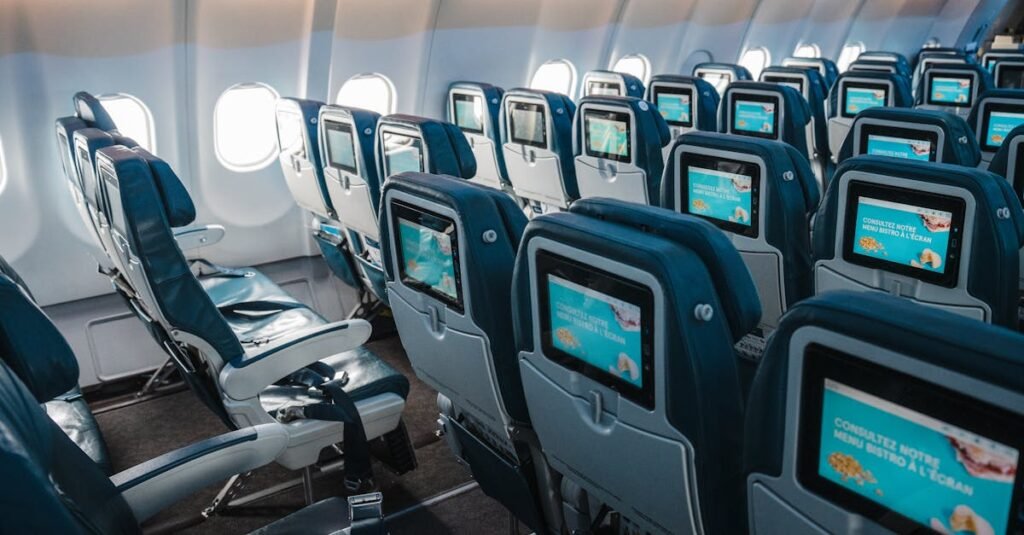
    Empty airplane interior highlighting rows of seats with touchscreens, offering a modern in-flight experience.

    While no strategy is 100% foolproof when a pilot contract is involved, there are steps you can take to minimize the risk of being the one chosen for a downgrade.

    • Check In Early: Airlines often look at the “last in, first out” rule. Passengers who check in at the 24 hour mark are less likely to be moved than those who check in at the airport.
    • Avoid “Upgrade” Scams: If you paid for your seat with cash, you generally have a stronger position than someone who was upgraded for free due to status. However, in the Jim Breuer case, even cash payers were affected.
    • Fly Non-Transoceanic Routes: The most aggressive pilot seating requirements usually apply to international flights or long hauls to places like Hawaii and Alaska. On shorter domestic hops, pilots are often assigned to economy first and only move up if seats are empty.
    • Monitor Your Reservation: Use the airline app to check your seat assignment frequently in the 24 hours leading up to your flight. If you see your seat has been changed, call the airline immediately to see if you can be moved to a different flight with first class availability.

    The Future of Passenger Rights

    The backlash from recent incidents has caught the attention of consumer advocacy groups and some lawmakers. There is a growing movement to pressure the Department of Transportation to modernize the rules regarding involuntary downgrades.

    Advocates argue that as airlines negotiate higher pay and better perks for their staff, those costs and inconveniences should not be directly offloaded onto the paying public. Until the regulations change, however, the pilot contract remains a powerful force that can override even the most expensive ticket.

    For now, travelers must remain vigilant. While American Airlines continues to navigate the PR fallout of these viral stories, the operational reality of moving crew members remains a priority. The best defense for any traveler is to know the rules, stay calm at the gate, and ensure that every dollar of the fare difference is recovered if the worst should happen.

    For now, travelers must remain vigilant. While American Airlines continues to navigate the PR fallout of these viral stories, the operational reality of moving crew members remains a priority. The best defense for any traveler is to know the rules, stay calm at the gate, and ensure that every dollar of the fare difference is recovered if the worst should happen.

  • Why Was Delta Passenger Arrested in Memphis? The Shocking Flight 82 Biting Incident Explained

    Why Was Delta Passenger Arrested in Memphis? The Shocking Flight 82 Biting Incident Explained

    On February 17, 2026, a routine afternoon at Memphis International Airport turned into a chaotic scene that has since captured national attention. The incident occurred on Delta Air Lines Flight 82, which was scheduled to fly from Memphis to Atlanta. What was supposed to be a standard boarding process escalated into a violent confrontation involving a passenger named Jessica Thomas, a flight attendant, and local law enforcement officers.

    The Initial Disturbance on Flight 82

    The trouble began around midday while the aircraft was still parked at Gate 12. According to reports from the Memphis Police Department, the situation ignited when 29 year old Jessica Thomas became involved in a physical altercation with a Delta crew member. Witnesses and police accounts suggest that Thomas struck a flight attendant in the face while the plane was preparing for departure.

    The motive behind the initial strike remains unclear in public reports, but the impact was immediate. Flight crew members followed standard safety protocols by notifying airport security and local law enforcement. This type of physical aggression toward airline staff is a serious offense under federal and local laws, leading to an immediate halt in the pre-flight procedures.

    Escalation and the Biting Incident

    When Memphis police officers arrived at the gate and boarded the aircraft to detain Thomas, the situation grew significantly more volatile. Law enforcement officials stated that Thomas became irate and resisted their attempts to take her into custody. The struggle moved from the cabin toward the jet bridge as officers worked to move her away from the other passengers.

    During this physical struggle, the confrontation reached a shocking peak. Police allege that Jessica Thomas bit one of the responding officers on the arm. In addition to the biting, she reportedly kicked a second officer in both legs. The aggressive behavior required multiple officers to eventually gain control and remove her from the airport terminal.

    Formal Charges and Legal Consequences

    A gavel striking a sound block, symbolizing justice and legal authority in a courtroom setting.

    Following the incident, Thomas was transported to the Shelby County Jail. The legal repercussions for the midday outburst are substantial. She currently faces several serious charges, which include:

    • Two counts of assault on a first responder
    • One count of assault (related to the flight attendant)
    • Disorderly conduct

    Authorities set her bond at $2,500. Court records indicate that she was scheduled for an initial appearance on Friday, February 20, 2026. Because the incident occurred on an aircraft, there is often the potential for federal involvement,though current charges are being handled at the local level in Shelby County.

    Impact on Delta Operations and Passengers

    One of the most surprising aspects of this story is how Delta Air Lines managed the operational fallout. In many cases of onboard violence, a flight might be cancelled or delayed for several hours to allow for evidence collection and crew reassignment. However, Flight 82 managed to depart Memphis only 37 minutes behind its original schedule.

    The airline received praise from industry observers for its quick recovery. The rapid intervention by the Memphis Police Department allowed the aircraft to be cleared quickly. While the flight attendant who was struck was understandably shaken, the remaining crew and passengers were able to continue the journey to Hartsfield Jackson International Airport in Atlanta without further disruption.

    A Growing Trend of Unruly Passengers

    The current arrest is part of a larger, more troubling pattern within the aviation industry. While air travel was once seen as a professional and orderly environment, the last several years have seen a significant rise in “air rage.” According to Federal Aviation Administration (FAA) data, unruly passenger incidents reached a historic peak in 2021 with nearly 6,000 reported cases. While that number has since decreased, the rate of incidents in 2026 remains nearly double what was seen in the pre-pandemic era of 2017 to 2019.

    The Anatomy of Air Rage

    Psychologists and aviation experts point to a “perfect storm” of stressors that contribute to these outbursts. The process of modern flying involves long queues, invasive security screenings, and crowded gate areas, all of which can push a passenger to their breaking point before they even step onto the aircraft. Once on board, factors such as limited personal space, recycled air, and the consumption of alcohol can further lower inhibitions and escalate minor frustrations into physical violence.

    In the case of Flight 82, the transition from a verbal dispute to a physical assault on a flight attendant and the subsequent biting of a police officer illustrates how quickly these situations can spiral. Experts note that many offenders are not “career criminals” but rather individuals experiencing temporary lapses in self-control due to travel fatigue or anxiety.

    Strengthening Enforcement and Penalties

    To combat this trend, the FAA has maintained a strict Zero Tolerance policy. Under current regulations, the agency can propose civil fines of up to $43,658 per violation. Because a single incident can involve multiple violations, such as interfering with a crew member and physically assaulting another, the total financial penalty can easily exceed $100,000 for a single flight.

    Beyond civil fines, the legal system is increasingly pursuing criminal charges. The FAA regularly refers the most serious cases to the FBI for federal prosecution, which can result in felony convictions and prison time. Additionally, the industry is seeing a renewed push for a centralized federal no fly list. Currently, if a passenger is banned by Delta, they might still be able to book a flight on a different carrier the next day. A centralized list would effectively bar high risk individuals from all commercial aviation.

    As the industry moves through 2026, the focus remains on protecting the “safety and health” of both passengers and crew. For such individuals, the consequences of a momentary outburst are life changing, involving jail time, massive legal fees, and a permanent mark on their criminal record.

    Safety Protocols and Airline Response

    Delta Air Lines has not released an extensive public statement regarding the specific condition of the flight attendant involved in the Memphis incident. However, the company maintains a strict zero tolerance policy regarding violence against its employees. Passengers who engage in such behavior are typically placed on internal no fly lists, which can permanently ban them from using the carrier in the future.

    For travelers, this incident serves as a stark reminder of the legal and social consequences of air rage. Attacking a first responder or a flight crew member carries heavy penalties, including significant jail time and hefty fines.

  • When Will Southwest Debut the Boeing 737 MAX 7? All We Know So Far

    When Will Southwest Debut the Boeing 737 MAX 7? All We Know So Far

    For nearly seven years, the aviation world and specifically Southwest Airlines has been playing a high-stakes game of “wait and see” with the Boeing 737 MAX 7. As the smallest member of the MAX family, the aircraft was originally intended to be the workhorse that would modernize Southwest’s short-haul fleet by 2019. However, a whirlwind of regulatory shifts, technical redesigns, and production hurdles has pushed that dream further down the runway.

    As of early 2026, the fog is finally beginning to lift. While the airline remains “optimistic,” the target for the official debut has moved to early 2027. This article dives deep into why the timeline shifted, the technical “fix” that saved the program, and what this means for the future of the world’s largest all-737 operator.

    The New Timeline: From Certification to Service

    To understand when you’ll actually step on board a Southwest MAX 7, we have to distinguish between “certification” and “entry into service.” They are not the same thing.

    2026: The Year of the FAA

    Southwest CEO Bob Jordan recently updated investors and analysts, stating that the airline now expects the Federal Aviation Administration (FAA) to grant the MAX 7 its type certification around August 2026. This follows a “rigorous testing” phase that Boeing has been conducting throughout late 2025 and the beginning of 2026.

    2027: The Passenger Debut

    Even if Boeing hands over the keys in late 2026, Southwest cannot simply start selling tickets. The airline requires a buffer of roughly six months to:

    • Train Pilots: Thousands of pilots must be familiarized with the specific nuances of the MAX 7 variant.
    • Maintenance Induction: Maintenance crews need to integrate the new airframe into their rigorous safety schedules.
    • Proving Runs: The airline must conduct its own non-passenger flights to satisfy operational requirements.

    Consequently, Southwest has officially adjusted its fleet planning to target Q1 2027 for the first commercial passenger flight of the Boeing 737 MAX 7.

    Why the Delay? The Engine Anti-Ice Hurdle

    The primary “roadblock” that haunted the MAX 7 for the last two years wasn’t the flight control software (MCAS) that grounded the fleet in 2019. Instead, it was a specialized hardware issue involving the Engine Anti-Ice (EAI) system.

    The Overheating Risk

    During the certification process, regulators discovered a potential flaw: under specific atmospheric conditions (dry, cold air), if a pilot left the engine anti-ice system on for too long, the heat could cause the carbon-composite engine inlets to overheat. This posed a structural risk to the engine housing.

    The Permanent Fix

    Boeing initially sought a temporary exemption to allow the plane to fly while they worked on a fix. However, following the high-profile door-plug incident on an Alaska Airlines flight in early 2024, the FAA and Boeing shifted to a “safety first” culture. Boeing withdrew the exemption request and spent 2025 engineering a permanent hardware redesign. This new system, completed in late 2025, is what is currently being flight-tested to ensure the MAX 7 meets the most modern safety standards.

    Southwest’s Pivot: The “MAX 8” Strategy

    Southwest is not just sitting idly by while Boeing works. To prevent a shortage of seats during the peak 2025 and 2026 travel seasons, the airline has had to get creative with its order book.

    In recent SEC filings (including the 10-K released in February 2026), Southwest revealed it has converted dozens of MAX 7 orders into the larger MAX 8.

    • The Benefit: It allows Southwest to continue growing its capacity and retiring its oldest aircraft.
    • The Trade-off: The MAX 8 is larger and carries more passengers (175 seats vs. 150 on the MAX 7). While great for high-traffic routes, it is less efficient for the “long and thin” routes that the MAX 7 was designed to dominate.

    How Will the “Baby Boeing” Impact Southwest

    Why is Southwest so committed to the MAX 7 despite nearly a decade of delays? The answer lies in the airline’s fundamental business model: point-to-point, high-efficiency travel.

    1. Replacing the 737-700

    Southwest still operates over 300 of the older Boeing 737-700s. These aircraft are the backbone of their fleet, but they are aging. The MAX 7 is the direct successor, offering:

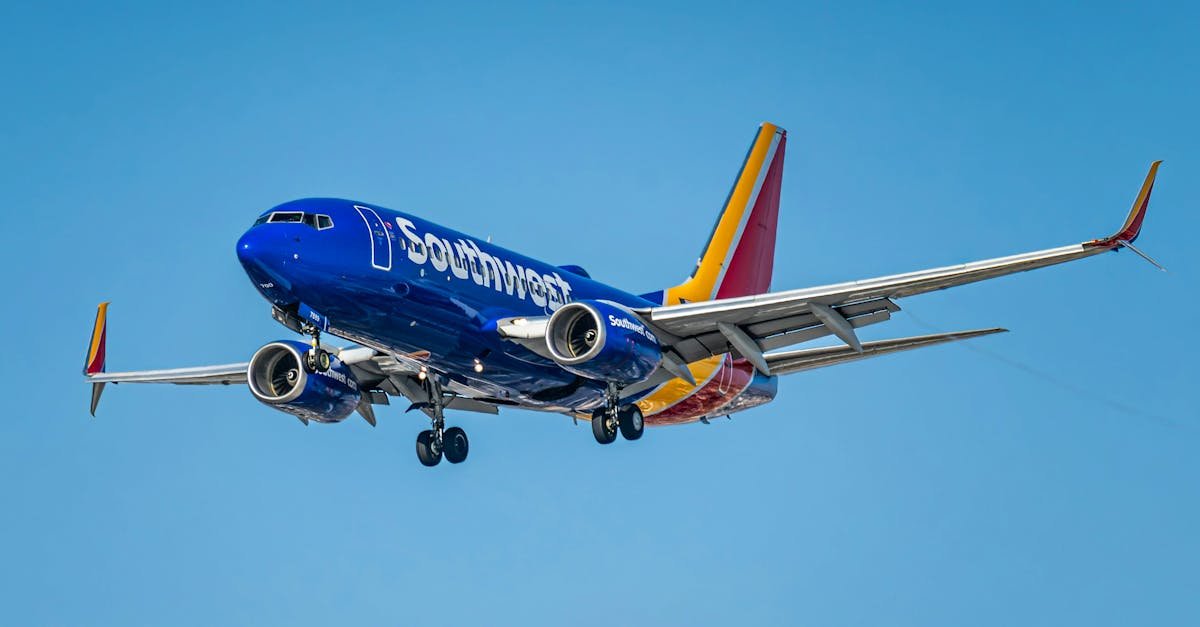
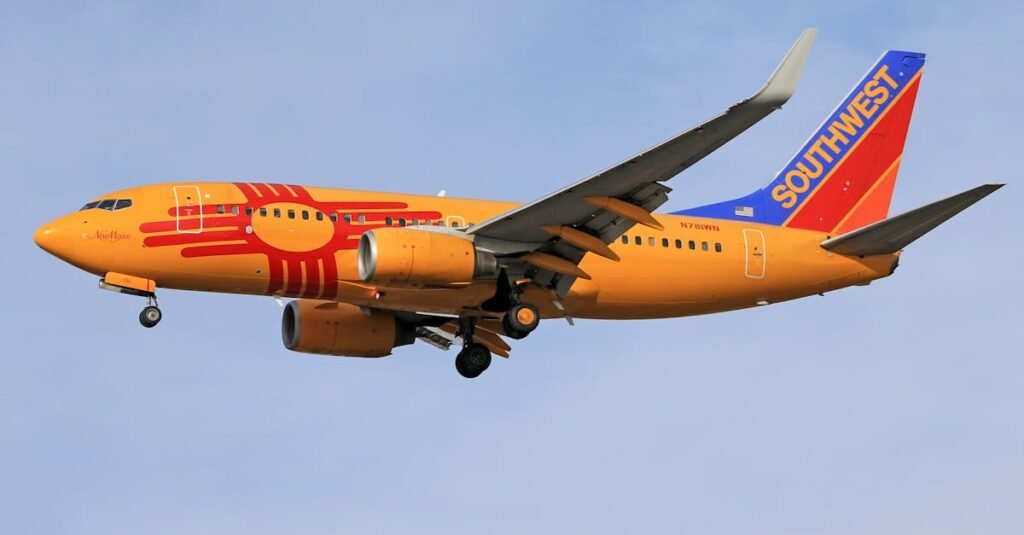
    A Southwest Airlines jet with special livery flying against a blue sky, showcasing aviation technology and travel vibrancy.
    • 18% lower fuel burn per seat.
    • Significantly lower carbon emissions, helping the airline hit its 2030 sustainability goals.

    2. Range and “Thin” Routes

    The MAX 7 has an incredible range of nearly 3,800 nautical miles which is about 1,000 more than the -700. This allows Southwest to fly from mid-continent U.S. cities to Hawaii, or deep into the Caribbean and Central America, without needing a “hub” or a larger, half-empty plane.

    3. Operational Commonality

    By staying with an all-737 fleet, Southwest saves hundreds of millions of dollars in training, spare parts, and crew scheduling. They simply cannot afford to switch to an Airbus A220 without upending their entire cost structure.

    Challenges Remaining for 2026 and 2027

    While the outlook is positive, the “Early 2027” debut is not yet set in stone. Several factors could still sway the timeline:

    • Production Caps: The FAA still maintains a production cap on Boeing (currently around 42 aircraft per month) as it monitors quality control. If Boeing cannot ramp up production by late 2026, Southwest may see its delivery slots pushed back.
    • The “2031 Deadline”: Southwest has set a hard target to retire all 737 Next Generation (NG) aircraft by 2031. To hit this, they need to take delivery of roughly one MAX 7 every week for the next five years which a massive logistical undertaking.
    • Regulatory Scrutiny: The FAA is operating under a “zero-shortcut” policy. Any minor anomaly found during the summer 2026 flight tests could result in a multi-month delay.

    The Strategic Path Forward for the Southwest Fleet

    The arrival of the MAX 7 in 2027 represents more than just a new plane; it is the linchpin of Southwest’s broader business transformation. As the airline moves toward assigned seating and an enhanced cabin experience in 2026, the MAX 7 will be the first aircraft to enter the fleet fully equipped with these new standards from day one. This includes the high-speed USB-A and USB-C power ports, larger overhead “Space Bins,” and the quieter engine profile that passengers have come to expect from the MAX 8.

    From a network perspective, the delay has acted as a bottleneck for Southwest’s “long and thin” route ambitions. While the MAX 8 is perfect for heavy-demand routes like Las Vegas to Phoenix, the MAX 7 is the surgical tool required to make smaller markets profitable over long distances. For example, direct flights from mid-sized cities in the Midwest to Hawaii or deeper into Central America become much more economically viable with a 150-seat aircraft that burns significantly less fuel.

    Furthermore, the 2027 debut aligns with Southwest’s aggressive goal to be an all-MAX operator by 2031. To achieve this, the airline must maintain a seamless “delivery machine” with Boeing. Any further slippage beyond early 2027 would not just delay a debut it would threaten the airline’s long-term cost-reduction targets and its ability to compete against carriers with newer, more diverse fleets. For now, the “August 2026 certification” remains the date to watch.

  • Alaska Airlines Pilot Salary 2026: Senior Captains Top $400,000

    Alaska Airlines Pilot Salary 2026: Senior Captains Top $400,000

    The aviation industry is witnessing a financial transformation that was nearly unthinkable a decade ago. At the forefront of this shift is Alaska Airlines, a carrier that has recently made headlines not just for its operational expansion, but for the staggering new pay scales being offered to its flight crews. As of 2026, the compensation for Alaska Airlines pilots has reached a new peak, with senior captains now commanding salaries that comfortably exceed the $400,000 mark.

    This surge in pay is more than just a generous gesture from management; it is a strategic response to a fiercely competitive labor market and a testament to the high-stakes responsibility pilots carry every time they take to the skies.

    The $400,000 Club: Breaking Down Captain Compensation

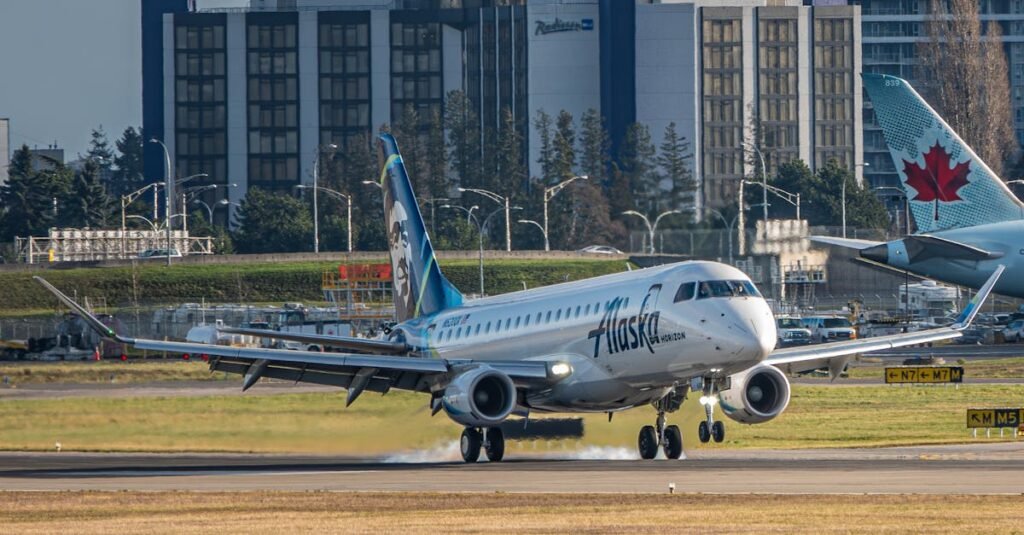
    An Alaska Horizon airplane lands on a runway with buildings in the background, showcasing aviation and transportation.

    For many, the most shocking figure in the new Alaska Airlines contract is the $400,000+ total compensation potential for senior captains. While the base hourly rate is the foundation of this wealth, the final “take-home” is built through a sophisticated multi-layered pay structure.

    Hourly Rates for Captains

    The base pay for an Alaska Airlines Captain is determined by their years of service and the type of aircraft they command. Under the current 2026 scales, a senior captain (typically with 12+ years of seniority) earns approximately $361.29 per hour.

    If we calculate this based on a standard “guarantee” of 75 flight hours per month—the industry average for a balanced schedule—the base annual salary sits at roughly $325,161. However, senior pilots rarely stop at the base.

    The “Extra” That Pushes Pay Over $400K

    The leap from $325,000 to over $400,000 occurs through several contractual “add-ons”:

    • Green Slip (Overtime) Pay: When pilots pick up extra flights on their days off, they are often paid at a premium rate (1.5x or 2x).
    • Performance-Based Pay (PBP): In February 2026, Alaska Airlines made waves by issuing a performance bonus equivalent to nearly three weeks of extra pay to its 32,000 employees, including pilots.
    • Per Diems: Hourly allowances for meals and incidentals while away from base.
    • Instructor Pay: Many senior captains serve as Check Airmen or flight instructors, adding a significant hourly “override” to their standard pay.

    First Officers: A Six-Figure Start

    Gone are the days when junior pilots at major airlines had to struggle on poverty wages. Today, a Year 1 First Officerat Alaska Airlines starts with an hourly rate of approximately $119.92.

    Based on a 75-hour monthly guarantee, a new hire can expect a base salary of about $107,900 in their very first year. By their sixth year of service, that hourly rate jumps to roughly $234.37, bringing their annual base to over $210,000. This rapid escalation makes Alaska one of the most attractive destinations for pilots transitioning from regional carriers like Horizon Air.

    How Alaska Airlines Compares to the “Big Three”

    To understand why these numbers are “shocking,” one must look at the broader industry. For years, Alaska was viewed as a “high-quality mid-tier” carrier. However, the 2026 data shows that they are now competing toe-to-toe with “Big Three” legacy carriers (Delta, United, and American).

    AirlineSenior Captain (Base)Year 1 First Officer (Base)
    Alaska Airlines~$361,000~$108,000
    Delta Air Lines~$465,000~$111,000
    American Airlines~$469,000~$116,000
    United Airlines~$352,000~$105,000

    While Delta and American still hold a slight edge for the most senior wide-body captains, Alaska Airlines has effectively closed the gap for narrow-body (Boeing 737) operations.

    The “Alaska Accelerate” Strategy: Why the Pay Hike?

    You might wonder why an airline would suddenly agree to such massive pay increases. The answer lies in the “Alaska Accelerate” plan. Following the integration with Hawaiian Airlines and the expansion of their Boeing 737 MAX fleet, Alaska needs a stable, highly motivated workforce to fuel its growth.

    The Pilot Shortage and Labor Leverage

    The global pilot shortage has shifted the power dynamic. Pilots are no longer just “employees”; they are the most critical “inventory” an airline possesses. If Alaska doesn’t pay market-leading rates, they risk losing their best talent to Delta or United, leading to canceled flights and lost revenue.

    Glassdoor Recognition

    Interestingly, Alaska Airlines was recently named one of the Top 100 Best Places to Work in 2026 by Glassdoor. This recognition, fueled by anonymous employee feedback, suggests that the high salaries are paired with a company culture that pilots actually enjoy, a rarity in the often-turbulent world of aviation labor relations.

    Beyond the Paycheck: The Benefits Package

    The “shocking” numbers don’t even include the retirement and health benefits, which are among the best in the private sector.

    1. 401(k) Direct Contributions: Unlike many companies that “match” your contribution, Alaska provides a high percentage direct contribution, regardless of whether the pilot contributes their own money.
    2. Retirement Stability: With the airline industry’s history of pension collapses, these modern, defined-contribution plans offer pilots a level of financial security that previous generations lacked.
    3. Travel Privileges: Pilots and their immediate families enjoy worldwide standby travel, a perk that remains one of the most cherished “hidden” values of the job.

    The Path to the Alaska Airlines Cockpit

    If these numbers have you considering a career change, be prepared for a long climb. To sit in the cockpit of an Alaska Airlines jet, you generally need:

    • An ATP (Airline Transport Pilot) certificate.
    • A minimum of 1,500 hours of flight time (though competitive candidates often have much more).
    • Experience in high-performance turbine or jet aircraft.
    • A clean FAA record and a First Class Medical Certificate.

    Most Alaska pilots “cut their teeth” at regional subsidiaries like Horizon Air, where starting pay for First Officers has also risen to roughly $91,000–$103,000 to ensure a steady pipeline of talent to the main cabin.

    How Does the Pay Compare to Other Airlines in the Industry

    While $400,000 for a pilot might seem astronomical to the average traveler, it reflects the reality of 2026 aviation. Pilots are managing multimillion-dollar assets and the lives of hundreds of passengers in an increasingly complex airspace.

    For Alaska Airlines, these salaries are an investment in reliability. By securing their pilot’s loyalty with industry-leading pay, they ensure that when you book a flight from Seattle to New York, there is a highly skilled professional ready to take you there. In the current market, it seems the sky really is the limit for pilot compensation.