Category: Airlines

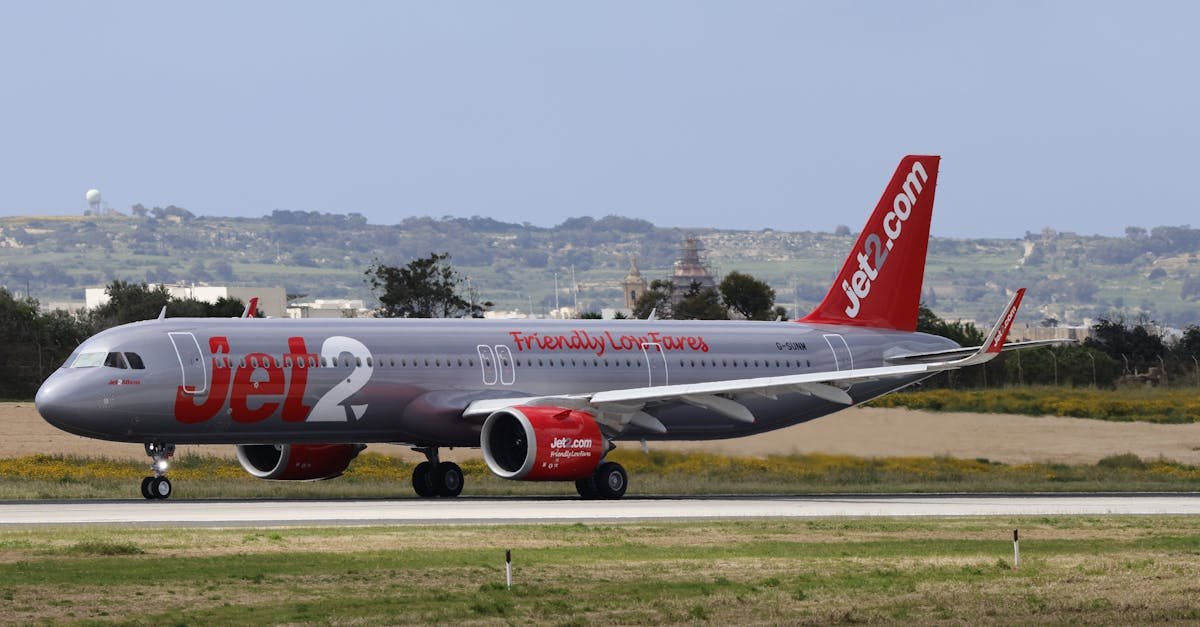
  • How to Become a Jet2 Pilot for Free in 2026? Eligibility, Application Process and Path Towards the Fully Funded Pilot Cadet Program

    How to Become a Jet2 Pilot for Free in 2026? Eligibility, Application Process and Path Towards the Fully Funded Pilot Cadet Program

    The dream of soaring through the skies as a commercial airline pilot has long been overshadowed by one colossal hurdle: the astronomical cost of training. For decades, aspiring aviators faced a financial barrier often exceeding £100,000, leaving many brilliant minds grounded. But what if we told you that in 2026, one of the UK’s leading airlines is offering a pathway to the flight deck, completely funded?

    Enter the Jet2FlightPath Cadet Pilot Programme 2026. This isn’t just another cadet scheme; it’s a game-changer. Jet2 is actively seeking the next generation of pilots, removing the financial burden entirely for successful candidates. If you’ve ever dreamt of flying a Boeing 737 or Airbus A321 across Europe, delivering unforgettable holidays, this could be your moment. This comprehensive guide will walk you through every step, from initial eligibility to what it takes to join the Jet2 family.

    Quick Facts: Your Gateway to the Skies

    Before we dive deep, here’s a snapshot of what makes the Jet2FlightPath programme truly exceptional:

    FeatureDetails
    Program NameJet2FlightPath Cadet Pilot Programme
    Funding100% Fully Funded (Jet2 covers all training costs)
    ExperienceNo prior flying experience required
    OutcomeGuaranteed Job Offer as a Jet2 Second Officer
    Training TimeApproximately 18 months
    Entry PointDirect Entry into airline operations upon graduation
    ApplicationOnline via Jet2Careers.com

    The Unprecedented Opportunity: Why Fully Funded Matters

    Let’s be clear: “fully funded” in pilot training is rare. Most airline cadet schemes offer partial funding, loan guarantees,or require significant upfront investment. Jet2’s commitment to covering the entire cost – from flight school tuition and accommodation to uniforms and exam fees – is a monumental investment in future talent. This means:

    • No Debt Burden: You won’t start your career with a six-figure loan hanging over your head. This frees you to focus on training and professional development.
    • Accessibility: It opens the door to individuals from all socio-economic backgrounds, ensuring that talent, rather than wealth, is the primary criterion for selection.
    • Jet2’s Investment: It signifies Jet2’s confidence in their chosen cadets, viewing them as long-term assets and future captains. They invest in you, and in return, you invest your dedication and passion.

    This isn’t just about saving money; it’s about democratizing a profession that has, for too long, been financially exclusive.

    Who Are Jet2 Looking For? Beyond the Basics

    While technical aptitude is crucial, Jet2 emphasizes that they’re looking for individuals who embody their “One Team” spirit. This means:

    • Exceptional Customer Service: Jet2 is a holiday airline. Pilots are not just navigators; they are key to the customer experience, from a reassuring PA announcement to a smooth landing.
    • Team Players: Aviation is a highly collaborative environment. You’ll work closely with cabin crew, ground staff,dispatchers, and air traffic controllers.
    • Resilience and Adaptability: The airline environment can be dynamic. Pilots need to remain calm under pressure, make sound decisions, and adapt to changing circumstances.
    • Professionalism: A deep commitment to safety, adherence to procedures, and continuous learning.

    They are looking for people who are passionate about aviation, yes, but equally passionate about delivering fantastic holidays with a smile.

    Eligibility Criteria for Jet2FlightPath 2026: Do You Qualify?
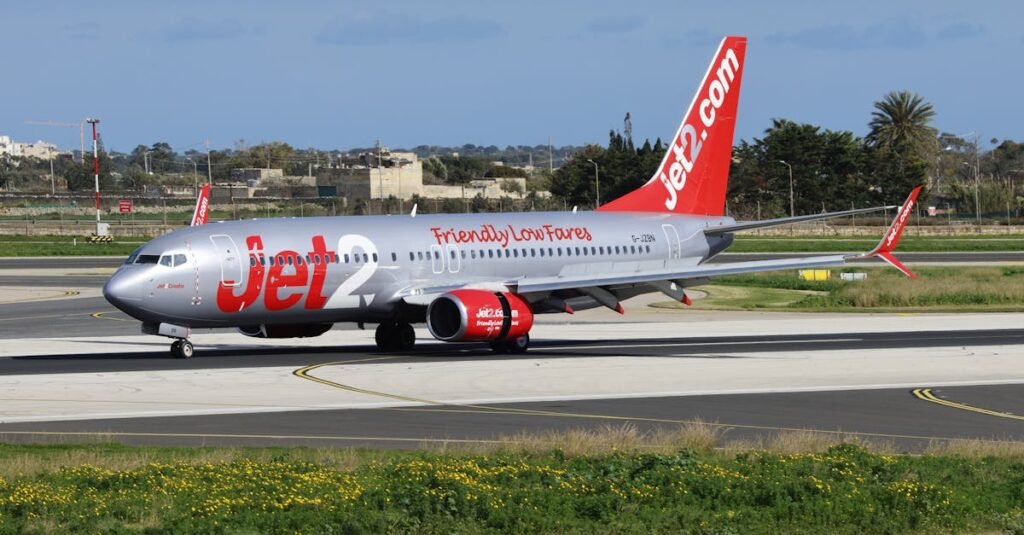
    Jet2 airplane on airport tarmac with clear blue sky, showcasing travel and transportation.

    Before you even think about applying, it’s crucial to ensure you meet the fundamental requirements. These are non-negotiable:

    1. Right to Work: You must have the unrestricted right to live and work in the UK. This is paramount for securing employment with a UK-based airline.
    2. Age: You must be at least 17 years old at the time of application. Critically, you must be 18 years old by August 1, 2026, to commence training.
    3. Education: A minimum of 5 GCSEs (or equivalent) at Grade 4 (C) or above. These must include Mathematicsand at least one Science subject (Physics, Chemistry, Biology, or Combined Science). Higher education qualifications are a bonus but not strictly required.
    4. English Language: You must be proficient in spoken and written English, meeting ICAO Aviation English Level 4 or above (though this will be assessed during training).
    5. Medical Fitness: You must be able to obtain and maintain a CAA Class 1 Medical Certificate. This is a rigorous medical examination that assesses sight, hearing, heart health, and overall physical and mental well-being. It’s highly recommended to consider getting a preliminary assessment if you have any doubts.
    6. Height Requirements: To ensure you can comfortably and safely operate the aircraft controls, there are height restrictions. You must be between 1.57m (5’2″) and 1.91m (6’3″).
    7. Driving Licence: A full, valid UK driving licence is beneficial for commuting to training facilities and potentially to your future base.
    8. No Previous Experience Necessary: This is a key point! You do not need any prior flying lessons, licences, or experience. Jet2 is looking for raw talent and potential.

    The Application Journey: Your Step-by-Step Guide

    The application process for the Jet2FlightPath 2026 programme is structured, designed to assess a wide range of skills and personal attributes.

    Step 1: Online Application & “Discovery” Exercise

    • Where to Apply: All applications must be submitted through the official Jet2 Careers website: Jet2Careers.com.
    • The Discovery Exercise: The initial stage often involves an interactive “Discovery” exercise. This isn’t just a formality; it’s a smart way for Jet2 to assess your values, decision-making style, and cultural fit within their “One Team” ethos. Take your time, be authentic, and reflect on Jet2’s values before you start. Upon completion, you’ll receive a code to proceed to the main application form.
    • The Application Form: Complete this thoroughly and accurately. Pay attention to detail; it reflects your professionalism. Highlight any experiences demonstrating teamwork, problem-solving, customer service, or leadership – even if they’re from non-aviation roles.

    Step 2: Online Assessments (The “Game-Based” Phase)

    If your initial application is successful, you’ll be invited to complete a series of online, game-based psychometric assessments, often powered by platforms like Arctic Shores. Don’t be fooled by the “game” aspect; these are scientifically designed to evaluate:

    • Cognitive Abilities: Your capacity for multitasking, spatial awareness, memory, logical reasoning, and processing information under pressure.
    • Behavioural Traits: Your personality, resilience, decision-making speed, and how you react to challenges. These games are designed to reveal natural tendencies relevant to a pilot’s role.
    • Preparation Tip: While you can’t “revise” for these, familiarizing yourself with similar online psychometric games can help you understand the format and reduce anxiety. Focus on staying calm, following instructions, and giving your best effort.

    Step 3: Video Interview

    Candidates who excel in the online assessments will move to a video interview stage. This could be a pre-recorded,one-way interview where you answer questions posed by an avatar, or a live session via platforms like Microsoft Teams.

    • What They’re Looking For: They want to see your personality, communication skills, and enthusiasm. Be prepared to discuss why you want to be a pilot, why Jet2 specifically, your understanding of the role, and how your past experiences (academic, work, voluntary) demonstrate the qualities they seek.
    • Preparation Tip: Practice answering common interview questions aloud. Research Jet2’s history, destinations,and fleet. Ensure you have a quiet, well-lit space and a stable internet connection.

    Step 4: Assessment Day

    The final stage is typically an in-person Assessment Day at a Jet2 facility. This is your chance to shine and demonstrate your potential in a dynamic environment. It usually involves:

    • Group Exercises: Designed to assess teamwork, leadership potential, communication, and problem-solving skills within a group setting.
    • Aptitude Testing: Further specific tests relevant to aviation, such as numerical reasoning, verbal reasoning, or technical comprehension.
    • Panel Interview: A formal interview with senior pilots, recruitment specialists, and potentially Flight Operations managers. This is where you’ll face detailed questions about your motivation, resilience, and understanding of the aviation industry and Jet2’s operations.
    • Preparation Tip: Be yourself, engage actively in group tasks, and articulate your thoughts clearly. Dress professionally, arrive early, and have questions ready to ask the panel – it shows genuine interest.

    What Happens After Selection? Your FlightPath to the Cockpit

    If you successfully navigate all stages, congratulations! You will be offered a place on the Jet2FlightPath Cadet Programme.

    1. Placement with a Partner ATO: You’ll be assigned to one of Jet2’s approved Flight Training Organisations (ATOs). Historically, these have included highly respected academies such as Skyborne Airline Academy,FTEJerez, and Leading Edge Aviation.
    2. Modular Training (Ab-initio): Your training will typically follow an integrated ATPL (Airline Transport Pilot Licence) programme. This intensive course covers everything from theoretical knowledge (14 ATPL exams) to practical flight training across various aircraft types, culminating in your Multi-Crew Co-operation (MCC) and Airline Pilot Standard Multi-Crew Co-operation (APS MCC) courses.
    3. Line Training & Type Rating: Upon successful completion of your ATPL, you’ll receive a guaranteed job offer as a Second Officer with Jet2. You’ll then undergo a Type Rating course on either the Boeing 737 or Airbus A321, followed by Line Training under the supervision of experienced Jet2 Captains, preparing you for commercial operations.

    Common Myths Debunked

    • “You need a university degree.” Not for Jet2FlightPath. While valuable, GCSEs in Maths and Science are the core academic requirement.
    • “You need perfect eyesight.” While strict, modern medical standards allow for corrected vision within limits. A CAA Class 1 Medical is the definitive answer.
    • “You need to know how to fly already.” Absolutely not. This programme is designed for individuals with no prior flying experience.
    • “It’s only for young people.” While age limits apply at the lower end, there isn’t an upper age limit as long as you meet all other criteria and can secure a Class 1 Medical. Maturity and life experience are often highly valued.

    Your Journey Starts Now

    The Jet2FlightPath Cadet Pilot Programme 2026 represents a golden opportunity to launch a truly rewarding career without the financial burden that once deterred so many. Jet2 is looking for dedication, aptitude, and individuals who genuinely want to be part of their “One Team.”

    If you meet the criteria, believe in your potential, and dream of those clear blue skies, don’t hesitate. The application window is highly competitive and often short. Research, prepare diligently, and seize this unprecedented chance to make your aviation dreams a reality. Good luck!
  • Why Spirit’s Youngest A320neos Are Worth More in Parts Than in the Air?

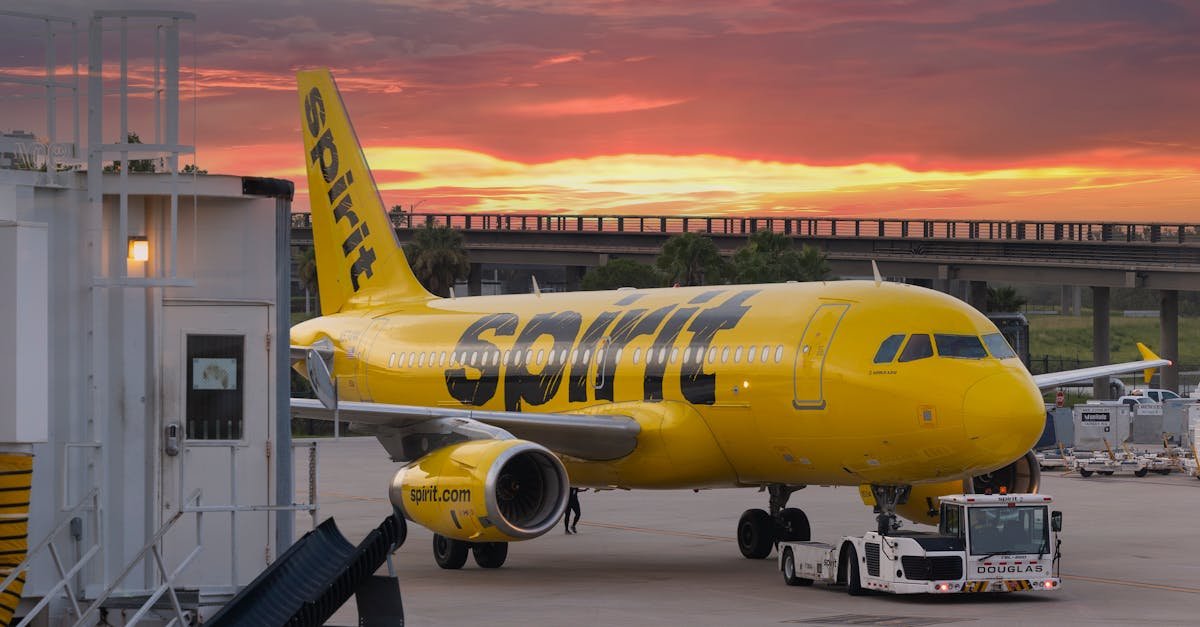
    Why Spirit’s Youngest A320neos Are Worth More in Parts Than in the Air?

    The aviation world recently witnessed a “canary in the coal mine” moment that has left industry veterans and casual observers alike scratching their heads. Two Airbus A320neos, formerly operated by the ultra-low-cost carrier Spirit Airlines, were sold not to another airline, but to a disassembly firm.

    At just four and three-and-a-half years old, these aircraft (registrations N950NK and N959NK) are practically brand new. In a normal market, a four-year-old jet is in its prime, with at least two decades of flying ahead of it. However, in the current economic climate of 2026, these state-of-the-art machines are being towed to the desert in Goodyear, Arizona, to be systematically dismantled.

    It sounds like a financial tragedy, but for the owners, it is a calculated masterstroke. Here is the deep dive into why these modern marvels are worth significantly more as a pile of parts than as flying assets.

    1. The Pratt & Whitney “Engine Crisis”

    The primary catalyst for this early retirement is the Pratt & Whitney PW1100G Geared Turbofan (GTF) engine.While revolutionary in its fuel efficiency, the GTF has been plagued by a series of manufacturing defects most notably the “powder metal” issue discovered in late 2023. Microscopic contaminants in the metal used for high-pressure turbine disks led to a massive global recall.

    By early 2026, the backlog for engine shop visits has reached a breaking point. Airlines are seeing “Aircraft on Ground” (AOG) times stretching past 300 days just to get an engine inspected or repaired. For a struggling carrier like Spirit, having a jet sit idle for a year while still paying lease fees is a fast track to liquidation.

    2. The Bankruptcy Math: Liquidity is King

    Spirit Airlines’ ongoing Chapter 11 restructuring (initiated in August 2025) has forced the company to make brutal decisions. As part of their court-supervised survival plan, Spirit is aggressively “right-sizing” its fleet.

    In bankruptcy, cash is the only currency that matters. The airline had two choices with these specific A320neos:

    • Option A: Keep the planes, pay the high monthly leases, and wait indefinitely for engine parts that might not arrive for a year.
    • Option B: Sell the aircraft to asset managers like EirTrade Aviation and RESIDCO, who are willing to pay a premium for the “instant” parts they can harvest.

    By choosing Option B, Spirit sheds debt and gains immediate liquidity to fund its remaining operations.

    3. The Power Player: Who is EirTrade Aviation?

    While the teardown of a four-year-old jet might seem like a desperate act of salvage to the public, for EirTrade Aviation, it is a high-stakes chess move. Headquartered in Dublin, Ireland, EirTrade has rapidly ascended as a global leader in aviation asset management and “end-of-life” solutions. However, in 2026, their definition of “end-of-life” has evolved. By partnering with the aviation lessor RESIDCO to acquire Spirit’s N950NK and N959NK, EirTrade isn’t just acting as a recycler; they are acting as a vital organ in the aviation supply chain.

    EirTrade’s expertise lies in monetization. They specialize in identifying aircraft that are underperforming as flying assets but overperforming as a collection of high-demand parts. In recent years, they made headlines as the first aftermarket company to manage the disassembly of a Boeing 787. Now, with the Spirit A320neo acquisition, they are doubling down on “new vintage” aircraft. Their strategy is clear: by harvesting parts from nearly new airframes, they ensure their inventory contains the highest-quality rotables (parts that can be repeatedly overhauled) that meet the very latest modification standards.

    The company’s operation is a logistical powerhouse. Once these Spirit jets are dismantled in the dry, preservative air of Goodyear, Arizona, every single bolt, sensor, and circuit board is cataloged and shipped to EirTrade’s massive distribution hub in Dallas, Texas. From this central point, they can provide rapid support to airlines across North and South America. In an era where a missing $500 sensor can ground a $100 million jet for weeks, EirTrade’s ability to provide “instant” certified parts makes them one of the most influential players in the 2026 MRO (Maintenance, Repair, and Overhaul) landscape.

    4. The “Used Serviceable Material” (USM) Gold Mine

    There is a massive shortage of spare parts for the A320neo family. Because so many engines are grounded, other airlines are desperate for Used Serviceable Material (USM) certified parts that can be swapped in immediately to get a plane back in the sky.

    When EirTrade dismantles these Spirit jets, they aren’t just looking at the engines. They are harvesting:

    • LRUs (Line Replaceable Units): Modular components like actuators, sensors, and flight computers that can be swapped in minutes.
    • BFE (Buyer Furnished Equipment): High-end interior components, seats, and avionics.
    • Landing Gear: Often worth millions on the secondary market for airlines approaching their first major overhaul cycle.

    In 2026, the “sum of the parts” for an A320neo has officially eclipsed the value of the whole, thanks to a starving supply chain.

    5. A Record-Breaking Teardown

    To put this in perspective, the previous “youngest” aircraft to be scrapped were a pair of six-year-old IndiGo A321neos.Spirit has shattered that record by nearly three years. This marks a fundamental shift in aviation economics; we are no longer just scrapping “old” planes. We are harvesting “new” technology to keep the rest of the global fleet from collapsing under the weight of maintenance backlogs.

    6. The Environmental and Operational Paradox

    Beautiful natural scene of a blue sky filled with wispy white clouds, perfect for background or nature-themed projects.

    There is a bitter irony here. The A320neo was designed to be the “greenest” narrow-body in the sky, offering a 15–20% reduction in fuel burn. By scrapping them at four years old, the industry is essentially throwing away the most fuel-efficient tools it has.

    However, from an operational standpoint, a plane that cannot fly is 0% efficient. By sacrificing these two aircraft, EirTrade can provide the parts necessary to return dozens of other grounded A320neos to service. It is a form of “aviation triage” sacrificing the few to save the many.

    Conclusion: A New Era of Asset Management

    The teardown of Spirit’s A320neos is a stark reminder that in aviation, value is determined by utility, not age. If an aircraft cannot generate revenue due to engine delays, its only remaining value is the “DNA” inside its wings and fuselage.

    As Spirit continues its journey through bankruptcy and the Pratt & Whitney crisis lingers into 2027, these “premature” retirements may become the new normal. For now, the parts from N950NK and N959NK will be headed to a warehouse in Dallas, destined to keep the rest of the world’s A320neos flying.

  • Kolkata Airport IndiGo Flight Bomb Threat: What Happened, Flight Details, and Security Response

    Kolkata Airport IndiGo Flight Bomb Threat: What Happened, Flight Details, and Security Response

    The serenity of travel was abruptly shattered at Netaji Subhas Chandra Bose International (NSCBI) Airport in Kolkata on Saturday, February 14, 2026. In a bizarre and unsettling turn of events, not one, but two separate IndiGo flights were targeted by bomb threats within a single day. What started as a standard weekend for thousands of travelers quickly devolved into a high-stakes security operation involving bomb squads, sniffer dogs, and the evacuation of dozens of passengers.

    This detailed report breaks down exactly what happened, the specific flights involved, and the rigorous security protocols that follow such “specific” threats in the modern aviation landscape.

    The Morning Crisis: Flight 6E 7304 (Kolkata to Shillong)

    The first incident of the day began just as passengers were settling into their seats for a morning flight to the hills of Meghalaya.

    The Discovery

    Around 9:15 AM, roughly fifteen minutes before the scheduled departure of IndiGo flight 6E 7304, a member of the cabin crew conducted a routine check of the aircraft’s lavatory. Inside, they discovered a chilling sight: a small, handwritten note on a slip of paper claiming that an explosive device had been placed on the aircraft.

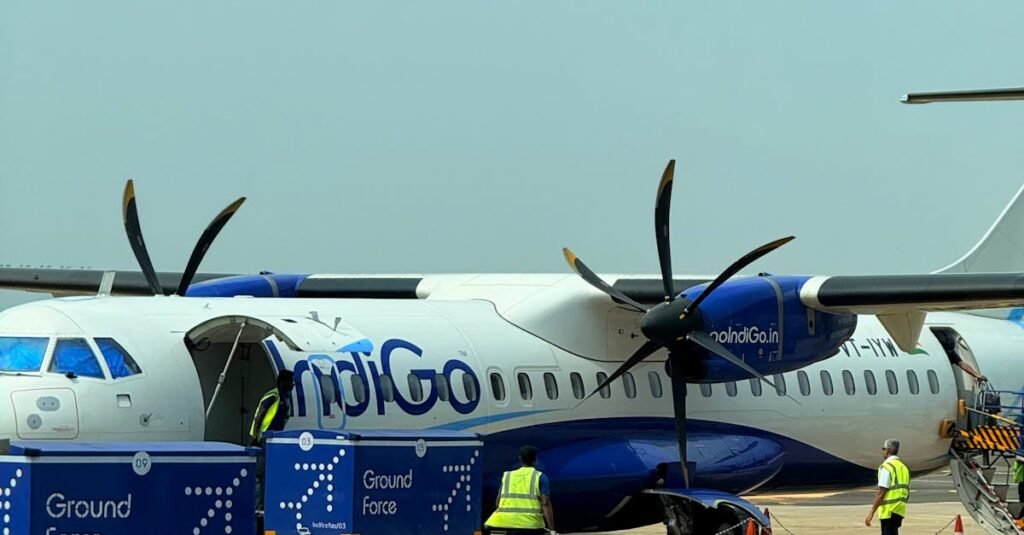
    IndiGo aircraft being serviced on the airport tarmac with ground staff present.

    Immediate Evacuation

    The crew followed emergency protocols instantly. The pilot-in-command alerted Air Traffic Control (ATC), and the “Bomb Threat Assessment Committee” (BTAC) was convened within minutes. The aircraft, an ATR-72 turboprop, was carrying 60 passengers and 4 crew members.+2

    To ensure maximum safety, all passengers were deboarded and moved to a secure waiting area inside the terminal. The aircraft was then towed to a designated isolation bay, located at a safe distance from the main terminal buildings and other taxiing aircraft.

    The Security Sweep

    For the next four hours, the Kolkata airport became a hive of security activity. The Central Industrial Security Force (CISF) and the local police bomb disposal squad meticulously searched every inch of the plane.

    • Luggage Screening: Every piece of checked-in and carry-on baggage was offloaded and passed through X-ray scanners again.
    • K9 Units: Sniffer dogs were deployed to detect any trace of volatile organic compounds or explosive residues.
    • Result: After a grueling search, the aircraft was declared “clean” at approximately 1:00 PM. The flight finally departed for Shillong at 1:33 PM, over four hours behind schedule.

    The Evening Escalation: Indigo Flight 6E 6894 (Dibrugarh to Kolkata)

    Just as the airport authorities were breathing a sigh of relief, a second, even more unusual threat emerged as the sun set over the city.

    The “Lipstick” Threat

    Around 7:30 PM, as IndiGo flight 6E 6894 from Dibrugarh, Assam, was preparing for its descent into Kolkata, a second bomb threat was reported. This time, the medium was different. A passenger or crew member found a message written in red lipstick on the toilet mirror, indicating the presence of a bomb.

    Priority Landing and Isolation

    The captain immediately notified Kolkata ATC of a “specific threat” on board. The aircraft was given priority for landing and touched down safely at 7:37 PM. Following the same protocol as the morning incident, the plane was taxied to the isolation bay.

    Passengers were once again deboarded under heavy security presence. While the “lipstick note” seemed like the work of a prankster, security agencies cannot afford to take risks. A secondary search operation was launched, involving the same rigorous BDDS (Bomb Detection and Disposal Squad) protocols used earlier in the day.

    Understanding the Security Response: The BTAC Protocol

    Indian soldiers in uniform walking with a patrol dog during a border security parade in India.

    When a bomb threat is reported in India, it isn’t just a matter of “checking the plane.” There is a highly structured legal and security framework that must be followed.

    1. The Bomb Threat Assessment Committee (BTAC)

    The BTAC is the first line of decision-making. It consists of the Airport Director, members of the CISF, representatives from the airline, and local intelligence officials. They categorize threats into two types:

    • Non-Specific: Often vague calls or emails that lack detail. These are monitored but may not lead to evacuations.
    • Specific: Threats that provide flight numbers, locations (like the lavatory), or physical notes. Both of Saturday’s incidents were classified as Specific, triggering full-scale evacuations.

    2. The Role of the Isolation Bay

    Every major airport like Kolkata has a designated “Isolation Bay.” This is a parking spot located at the furthest possible point from fuel depots, terminal glass, and other aircraft. If an explosion were to occur, the isolation bay minimizes the “blast radius” impact on the rest of the airport’s infrastructure.

    3. Secondary Frisking (SLPC)

    Even after a plane is cleared, passengers often undergo Secondary Ladder Point Check (SLPC). This is a final manual frisking of passengers and their hand bags at the base of the aircraft stairs before they are allowed to re-board.

    The Growing Menace of Hoax Threats in 2026

    The twin incidents at Kolkata are part of a worrying trend in the Indian aviation sector. Since late 2024 and through 2025, Indian airlines particularly IndiGo, Air India, and Vistara have been hit by a staggering number of hoax threats.

    YearNumber of Reported Hoax Threats (Approx.)
    202371
    2024728
    2025836+
    2026 (To Date)On track to exceed 2025 levels

    Why is this happening?

    Security experts suggest that the motives vary from “social media clout” to disgruntled passengers attempting to delay flights they are running late for. However, the cost is real. A single hoax threat can cost an airline between ₹50 lakh to ₹3 crore depending on fuel jettisoning, passenger compensation, and operational delays.

    Legal Consequences: What Happens to the Culprits?

    The Bidhannagar Police have registered cases against “unknown persons” for both the paper note and the lipstick message found on February 14.

    The Indian government has recently tightened the Civil Aviation Act to deal with such offenders. Those caught making hoax threats now face:

    • No-Fly List: A lifetime ban from flying on any Indian carrier.
    • Non-Bailable Charges: Under the Suppression of Unlawful Acts against Safety of Civil Aviation Act, offenders can face up to life imprisonment.
    • Financial Recovery: Airlines are increasingly suing individuals for the massive financial losses incurred during the grounding of aircraft.

    Conclusion: A Day of Vigilance

    While both threats at Kolkata Airport were ultimately proven to be hoaxes, the events of February 14, 2026, serve as a stark reminder of the “new normal” in air travel. The seamless coordination between IndiGo’s crew and the Kolkata airport security team ensured that despite the 120+ passengers affected across both flights, not a single person was harmed.

    For travelers, the message is clear: expect delays and cooperate with security. In an era of digital and physical hoaxes, “better safe than sorry” remains the gold standard of the skies.

  • United Airlines in 2026: What Flyers Really Need to Know Before Booking

    United Airlines in 2026: What Flyers Really Need to Know Before Booking

    In 2026, United Airlines is no longer just a carrier; it is a tech-driven hospitality company that happens to own a massive fleet of airplanes. As we move further into the year, the “United Next” strategy is hitting its stride, fundamentally changing how you book, board, and experience a flight.

    Whether you are a casual vacationer or a “Global Services” road warrior, here is the definitive guide to flying United Airlines in 2026.

    1. The “United Elevated” Experience: Luxury Reimagined

    The biggest headline for 2026 is the rollout of the United Elevated interior. This isn’t just a new coat of paint; it is a complete structural redesign of the cabin, specifically targeting the Boeing 787-9 Dreamliner fleet.

    The Polaris Studio Suite

    For the first time, United is offering a “Business Class Plus” product known as the Polaris Studio. Positioned in the first row of the business class cabin, these suites offer 25% more space than standard Polaris seats.+1

    • Privacy Doors: Each suite features a sliding door for total seclusion.
    • Social Seating: An extra ottoman allows a companion to sit with you during the flight.
    • Exclusive Dining: Studio passengers receive an Ossetra caviar service and specialized entrée options.

    High-Tech Cabins for All

    Even if you aren’t in the front of the plane, the technology upgrades are pervasive. United is aggressive about its goal to have seatback screens on every mainline aircraft. In 2026, you can expect:

    • 4K OLED Screens: Up to 13 inches in Economy and a massive 27 inches in Polaris Studio.
    • Bluetooth Connectivity: No more tangled cords; you can sync your AirPods or Bose headphones directly to the seatback.
    • Wireless Charging: Available at every seat in the premium cabins and at select locations in Economy.

    2. The Starlink Revolution: Free Wi-Fi for Everyone

    A stunning view of the star-filled night sky with silhouetted mountains beneath, offering a serene and captivating scene.

    The days of paying $18 for “spotty” Wi-Fi are largely over. United has partnered with SpaceX’s Starlink to provide gate-to-gate, high-speed internet.

    In 2026, a significant portion of the mainline fleet is already equipped with Starlink. The best part? It is free for MileagePlus members. The speed is sufficient for streaming Netflix, joining a Zoom call, or gaming—marking a significant competitive edge over carriers still relying on legacy satellite providers.+1

    3. MileagePlus in 2026: Stability and New Perks

    If you were worried about “devaluation,” 2026 brings some welcome stability. United Airlines has kept its Premier status requirements identical to the previous year, allowing flyers to plan their status runs with confidence.

    2026 Status Requirements

    TierPQF (Flights) + PQP (Points)PQP Only Option
    Silver15 PQF + 5,000 PQP6,000 PQP
    Gold30 PQF + 10,000 PQP12,000 PQP
    Platinum45 PQF + 15,000 PQP18,000 PQP
    1K60 PQF + 22,000 PQP28,000 PQP

    Upgrades on Award Tickets

    One of the most praised changes in 2026 is that all Premier members are now eligible for Complimentary Premier Upgrades (CPUs) even when traveling on award tickets (flights booked with miles). Previously, this was a perk reserved for cardholders or high-tier elites; now, it is a standard benefit across the board.

    4. Navigating the Airport: Touchless and Efficient

    Close-up of airport departure board displaying flight details at JFK Airport, New York.

    United Airlines’ investment in biometrics has reached a tipping point in 2026. If you are flying out of a major hub like Chicago O’Hare (ORD), Newark (EWR), or Houston (IAH), your face is now your boarding pass.

    • TSA PreCheck® Touchless ID: Passengers who opt-in can drop their bags and clear security using facial recognition, often without ever pulling out a physical ID.
    • Bag Drop Shortcut: By checking your bags in the United app before arriving, you can use dedicated kiosks that scan your face and print your tag in under 15 seconds.
    • The United App: It remains the gold standard in the industry. In 2026, it provides “Connection Saver” notifications that give you turn-by-turn directions to your next gate and let you know if the airline is holding a plane for you.

    5. New Routes: Where United Airlines is Flying in 2026

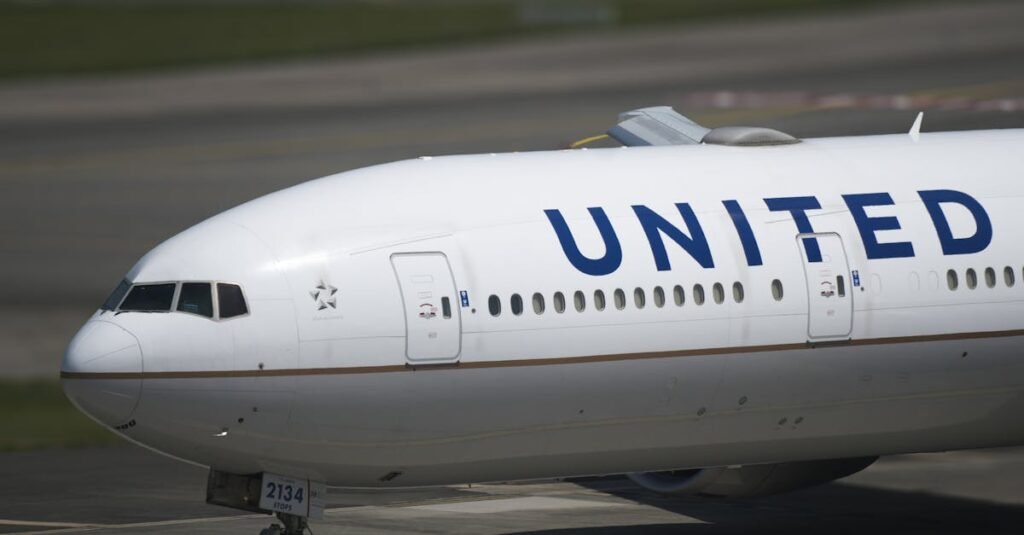
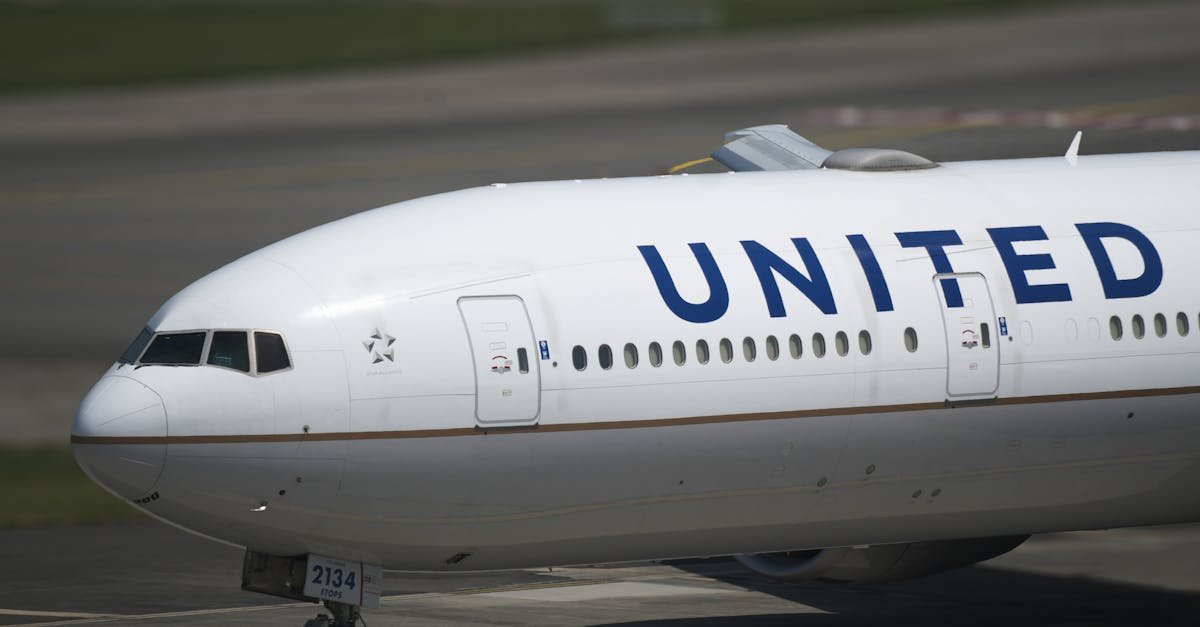
    Close-up of a United Airlines airplane on taxiway, emphasizing the aircraft's details.

    United Airlines continues to be the largest U.S. carrier across the Atlantic and Pacific. For the 2026 season, the airline has launched several “off-the-beaten-path” destinations that were previously hard to reach from the States.+1

    • Europe: New nonstops from Newark to Split, CroatiaBari, Italy; and Santiago de Compostela, Spain.
    • Asia: Increased frequency to Seoul, South Korea, and new seasonal service to Ulaanbaatar, Mongolia.
    • North America: In preparation for the 2026 World Cup, United has added significant capacity to all 16 host cities, including expanded service to Guadalajara and Monterrey.

    6. Understanding the Fare Classes: Basic Economy vs. The Rest

    While United Airlines has improved the “soft product” (food and service), the “hard rules” of fare classes remain strict. Before you click “Book,” make sure you understand what you are buying.

    Basic Economy (The “No-Frills” Choice)

    • Carry-on: No overhead bin space allowed (except for trans-Atlantic or trans-Pacific flights). You are limited to one personal item that fits under the seat.
    • Seating: Assigned at check-in. If you want to sit with family, you must pay for seat assignments.
    • Changes: Non-changeable, though they may be eligible for a partial travel credit if canceled.

    United Airlines Economy & Premium Plus

    • United Economy: Includes a carry-on and the ability to change your flight with no change fees.
    • United Premium Plus: This is a separate cabin (not just extra legroom). Think of it as “Domestic First Class” on an international route, featuring purple leather seats, footrests, and upgraded meal service.

    7. Sustainability: The Move to SAF

    United Airlines is vocal about its goal to be 100% green by 2050 without relying on traditional carbon offsets. In 2026, you will notice “Green Shading” in your flight search results. This indicates flights powered by a higher percentage of Sustainable Aviation Fuel (SAF). While SAF only accounts for a small portion of total fuel usage, United is currently the world leader in its procurement, with SAF now flowing regularly into hubs like Los Angeles, San Francisco, and London Heathrow.


    Summary Checklist for Your 2026 Booking

    1. Check the Aircraft: Look for the “United Elevated” tag or a Boeing 787-9 to experience the newest cabins.
    2. Join MileagePlus: Even if you don’t fly often, you need a membership to access the free Starlink Wi-Fi.
    3. Download the App: It is essential for the “Touchless” airport experience.
    4. Watch the Bag Rules: If you book Basic Economy, remember that a standard rolling suitcase will result in a gate fee (approx. $65).

    United in 2026 is defined by a “premium-first” mindset. While they still offer budget-friendly options, the airline is clearly pivoting toward the high-value traveler who prizes connectivity, privacy, and a seamless digital experience

  • Pilot Union Pressures American Airlines Board as Confidence in Management Collapses

    Pilot Union Pressures American Airlines Board as Confidence in Management Collapses

    American Airlines is facing one of the most serious internal challenges it has seen in years. Its pilots, the people responsible for safely flying millions of passengers have openly told the company’s board of directors that they no longer trust senior management to run the airline effectively.

    This is not a routine labor dispute over pay or schedules. Instead, it is a blunt warning about leadership, strategy, and the long-term health of the airline. The message from pilots is clear: fix the problems at the top, or the airline will continue to fall behind its competitors.

    Who Is Speaking Out?

    The pressure is coming from the Allied Pilots Association (APA), the labor union representing more than 15,000 pilots at American Airlines.

    The APA sent a strongly worded letter directly to the airline’s board of directors which is an unusual and serious step. In the letter, union leaders said pilots have lost confidence in management’s ability to lead the company, citing years of poor decisions and repeated operational failures.

    Rather than addressing executives privately, the pilots chose to escalate the issue publicly, signaling how deep the frustration has become.

    Why Pilots Say American Airlines Leadership Is Failing

    According to the union, the airline’s problems are not the result of one bad quarter or a single storm-related disruption. Instead, pilots argue that American Airlines is suffering from systemic leadership issues that have been building for years.

    Key concerns raised by pilots include:

    • Weak operational reliability compared with competitors
    • Poor long-term strategic planning
    • Failure to learn from past disruptions
    • Financial underperformance relative to rival airlines

    Pilots believe these issues stem from decisions made at the highest levels of management and not from frontline employees doing their jobs.

    Operational Problems Keep Piling Up

    One of the clearest signs of trouble has been American Airlines’ operational reliability. Pilots point to repeated delays, cancellations, and crew mismanagement, especially during bad weather or peak travel periods.

    While weather affects all airlines, pilots argue that American is less prepared and slower to recover than competitors like Delta or United. This leads to frustrated passengers, exhausted crews, and damaged trust in the brand.

    From the pilots’ perspective, these disruptions are not accidents. They say they are the predictable outcome of cost-cutting, underinvestment, and leadership decisions that prioritize short-term savings over long-term stability.

    Falling Behind the Competition

    Another major source of frustration is how American Airlines compares to other major U.S. carriers.

    Pilots note that while competitors have strengthened their operations, improved customer satisfaction, and posted stronger financial results, American continues to lag behind. This gap has become more noticeable in recent years.

    The union believes leadership has failed to position the airline for success in a highly competitive market. Instead of adapting and improving, pilots say management often reacts too late or not at all.

    “Get Your House in Order”

    One phrase from the pilots’ message has drawn particular attention: “get your house in order.”

    “Our airline is on an underperforming path and has failed to define an identity or a strategy to correct course,” read an excerpt from the union’s letter.

    This was not directed at coworkers or frontline staff. It was aimed squarely at executive leadership and the board. Pilots are asking for leaders who are “willing, equipped, and empowered” to make real changes and not just offer reassurances or temporary fixes.

    The wording suggests pilots believe the current leadership structure itself may be part of the problem, not just individual decisions.

    Why the Letter Matters

    Labor unions often criticize management, but letters like this that were sent directly to a board of directors are rare. It signals a breakdown in confidence that goes beyond normal contract disagreements.

    Importantly, the pilots are not currently threatening a strike or work slowdown. Instead, they are pushing for governance-level changes, including deeper board oversight and a reassessment of leadership direction.

    This makes the situation especially significant for investors, regulators, and employees across the airline.

    CEO Agrees to Meet With American Airlines Pilots

    In response to the growing pressure, American Airlines CEO Robert Isom has agreed to meet with pilot union leaders.

    While this move shows management is taking the criticism seriously, pilots have made it clear that meetings alone are not enough. They want to see measurable action, not just dialogue.

    Whether these talks lead to meaningful change remains to be seen.

    What This Means for Passengers

    For travelers, this internal conflict may raise concerns about future disruptions. However, pilots have emphasized that safety is not at risk and that they remain committed to flying professionally.

    Still, prolonged tension between labor and management can affect morale, staffing decisions, and long-term planning, all of which can eventually impact passengers.

    If leadership issues are not addressed, pilots warn that American Airlines could continue to struggle with reliability and customer satisfaction.

    A Bigger Warning Sign for the Airline

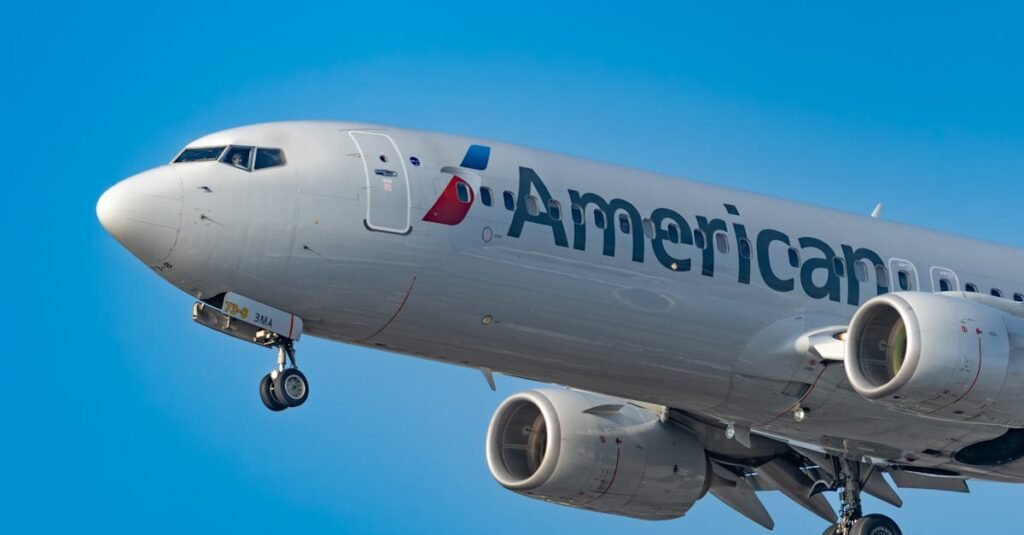
    Close-up of an American Airlines Boeing 737 during landing at Los Angeles International Airport.

    This dispute is about more than one airline or one union. It highlights a broader issue in the aviation industry: frontline employees are increasingly willing to challenge executive leadership publicly when they believe long-term performance is being sacrificed.

    For American Airlines, the pilots’ message is a wake-up call. Losing the confidence of the people who operate the aircraft every day is a serious problem, one that cannot be solved with press releases or short-term fixes.

    What Happens Next?

    The next steps will depend on how the board and senior leadership respond. Pilots are watching closely to see whether promises turn into action.

    Possible outcomes include:

    • Changes in leadership strategy
    • Greater board involvement in operations oversight
    • Increased investment in reliability and planning
    • Continued tension if pilots feel ignored

    What is clear is that the status quo is no longer acceptable to the airline’s pilots.

    Final Thoughts

    The pilots’ ultimatum to American Airlines management is one of the strongest internal challenges the company has faced in years. By going directly to the board, the union has made it clear that confidence in leadership has collapsed and that fixing the airline’s problems will require more than small adjustments.

    Whether American Airlines uses this moment to reset its direction or continues on its current path may determine its future standing in an increasingly competitive industry.

  • Sudden Drop at 35,000 Feet: JetBlue Passengers Take Airbus to Court

    Sudden Drop at 35,000 Feet: JetBlue Passengers Take Airbus to Court

    What began as a routine international flight turned into a terrifying mid-air emergency, and now it has escalated into a major legal battle. Passengers aboard a JetBlue flight have filed a lawsuit against aircraft manufacturer Airbus, alleging that a sudden and unexplained loss of altitude on an Airbus A320 caused injuries, trauma, and long-term distress.

    The incident has reignited concerns about flight-control software, automation reliability, and how modern aircraft handle rare system failures. As investigations continue, the lawsuit is already drawing global attention within the aviation industry.

    What Happened on the JetBlue Flight

    View of clouds and sky from an airplane window, showcasing travel scenery.

    The incident occurred aboard a JetBlue Airbus A320 operating an international route from Cancún, Mexico, to Newark, New Jersey. According to passenger accounts and early investigative findings, the aircraft was cruising at approximately 35,000 feet when it suddenly pitched nose-down without warning.

    Passengers described the moment as violent and disorienting. Drinks flew, unsecured items hit the ceiling, and several people were thrown against their seatbelts. Flight attendants who were standing or moving through the cabin were injured as the aircraft abruptly lost altitude within seconds.

    Crucially, there were no severe weather conditions reported at the time, and the aircraft was not maneuvering to avoid turbulence or traffic. The sudden descent appeared to come out of nowhere.

    How Much Altitude Did the Plane Lose?

    While early reports suggested a dramatic “plunge,” aviation data indicates the aircraft lost roughly 100 feet of altitude in a very short span of time. In commercial aviation terms, even a brief, uncommanded altitude loss at cruising height is considered serious, especially when it occurs without pilot input or warning.

    Pilots quickly regained control of the aircraft, stabilized the flight, and declared an emergency. The plane diverted to Tampa, Florida, where it landed safely. No fatalities occurred, but multiple passengers and crew members required medical evaluation after landing.

    Allegations of a Flight Control Software Failure

    At the heart of the lawsuit is an allegation that the incident was caused by a malfunction within the aircraft’s fly-by-wire system. The Airbus A320 relies heavily on computer-controlled flight systems that interpret pilot inputs and automatically maintain safe flight parameters.

    According to the lawsuit, a fault within one of the flight control computers may have caused the aircraft to command a nose-down input without pilot instruction. Investigators are reportedly examining whether corrupted data or a software anomaly inside the Elevator and Aileron Computer played a role.

    While Airbus has not admitted fault, the company has acknowledged that it identified a potential software vulnerability affecting certain A320-family aircraft. Airlines worldwide were instructed to apply software updates or temporary mitigations as a precaution.

    Who Filed the Lawsuit and What Are They Claiming?

    Several passengers from the flight have filed a federal lawsuit in Florida naming Airbus as a primary defendant. JetBlue is also included under international aviation liability rules that govern passenger injuries on cross-border flights.

    The plaintiffs allege that:

    • The aircraft was equipped with flight-control software that was unreasonably dangerous
    • The defect was known or should have been known prior to the incident
    • Passengers suffered physical injuries, emotional trauma, and ongoing psychological effects

    The lawsuit seeks financial compensation exceeding $75,000 per plaintiff, covering medical costs, pain and suffering, and long-term emotional distress.

    JetBlue’s Role Under International Aviation Law

    Although the lawsuit focuses heavily on Airbus, JetBlue has been named under the Montreal Convention, an international treaty that governs airline liability for injuries occurring on international flights.

    Under this framework, airlines can be held financially responsible for passenger injuries regardless of fault, though they may later seek reimbursement from manufacturers or suppliers if a defect is proven.

    JetBlue has stated that safety remains its top priority and that it is cooperating fully with investigators. The airline has not publicly commented on the pending litigation.

    Regulatory Investigations and Industry Impact

    The incident is being reviewed by aviation safety authorities, including the National Transportation Safety Board. Investigators are analyzing flight data recorders, cockpit voice recordings, and software logs to determine exactly what triggered the sudden descent.

    Beyond this single flight, the case has broader implications. The Airbus A320 family is one of the most widely used aircAircraftraft types in the world, with thousands in service across major airlines. Any confirmed software flaw could have ripple effects across global aviation operations.

    In response to the incident, Airbus issued guidance recommending software updates and operational checks. While these measures were described as precautionary, they underscore the seriousness with which the manufacturer is treating the event.

    Passenger Trauma and the Human Cost

    For many passengers, the most lasting impact has not been physical but psychological. Several plaintiffs report anxiety about flying, sleep disturbances, and symptoms consistent with post-traumatic stress.

    A sudden loss of altitude, even one that lasts only seconds, can feel catastrophic to those onboard. Aviation experts note that humans are particularly sensitive to unexpected vertical motion, especially when it occurs without explanation.

    The lawsuit argues that passengers were entitled to a reasonable expectation of safety and that the incident shattered their trust in aircraft automation.

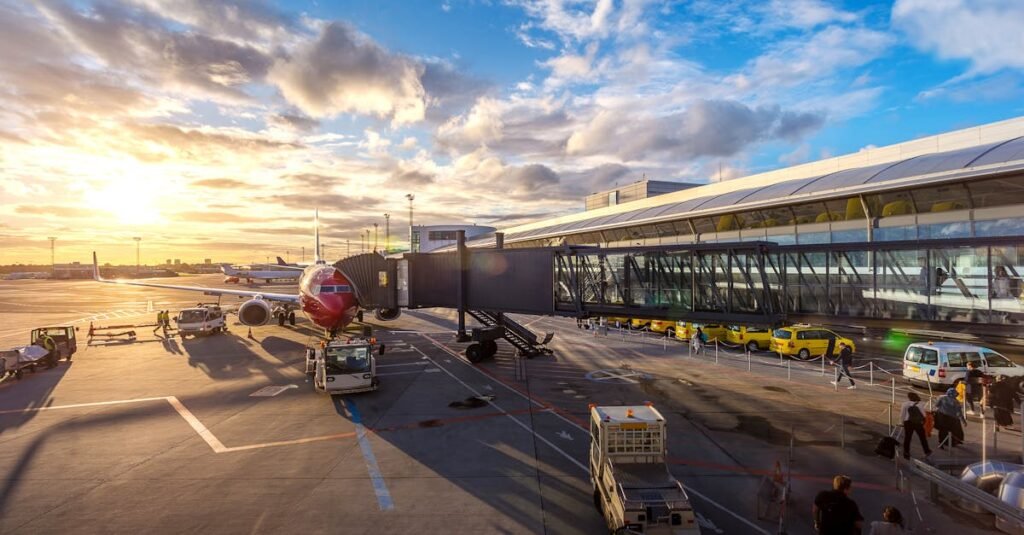
    A vibrant sunset at Copenhagen Airport with airplanes and bustling activity.

    Why This Lawsuit Matters for Aviation Safety

    This case arrives at a time when aviation safety discussions increasingly focus on software, automation, and human-machine interaction. Modern aircraft are extraordinarily safe, but when systems fail, the failures can be complex and difficult to predict.

    The lawsuit may ultimately hinge on whether the alleged software issue constitutes a design defect or an unforeseeable anomaly. Either way, it is likely to influence how manufacturers test, certify, and monitor flight-critical software going forward.

    What Happens Next?

    The legal process is still in its early stages. Investigators continue to analyze technical data, and the court will eventually determine whether the claims against Airbus and JetBlue proceed to trial or are resolved through settlement.

    For now, the incident serves as a stark reminder that even in an era of advanced automation, aviation safety depends on relentless oversight, transparency, and accountability.

    As the case unfolds, passengers, regulators, and airlines around the world will be watching closely.

  • $30.2 Million United Airlines Move: Spirit’s Final O’Hare Gates Up for Sale

    $30.2 Million United Airlines Move: Spirit’s Final O’Hare Gates Up for Sale

    United Airlines has made its next move in Chicago and it’s a costly one. Court filings tied to Spirit Airlines’ Chapter 11 bankruptcy case reveal that United is seeking to purchase Spirit’s final two preferential-use gates at Chicago O’Hare International Airport, gates G12 and G14, for $30.2 million. A bankruptcy court hearing scheduled for February 24, 2026, will determine whether the deal goes forward.

    While the transaction involves just two gates on paper, the implications stretch far beyond Concourse G. This is about leverage at one of the most congested airports in the world, the steady retreat of ultra-low-cost carriers from fortress hubs, and the growing reality that airport access and not aircraft is the most valuable currency in modern aviation.

    O’Hare: A Hub Where Gates Equal Power

    O’Hare is not short on runways, but it is chronically short on gates. Demand for access has long outpaced supply, especially during peak hours when weather delays, banked schedules, and international departures collide.

    In this environment, preferential-use gates are gold. Unlike common-use gates, which rotate between airlines, preferential gates give one carrier priority control. That means predictable scheduling, fewer ground delays, and the flexibility to recover faster when disruptions hit.

    For United Airlines, which operates one of its largest global hubs at O’Hare, adding even two more gates strengthens operational resilience. For competitors, it raises the barrier to entry even higher.

    Spirit Airlines’ Long Descent to Asset Sales

    For Spirit Airlines, this proposed sale is not a strategic expansion but it’s a financial necessity.

    Spirit spent the better part of the last decade growing aggressively, targeting large hubs traditionally dominated by legacy carriers. O’Hare was a key battleground. The airline believed that ultra-low fares paired with high passenger volumes could carve out a durable niche even in hostile territory.

    That strategy unraveled under mounting pressures:

    • Rising operating and fuel costs
    • Aircraft delivery delays that disrupted growth plans
    • Heavy debt loads
    • And the collapse of its proposed JetBlue merger after regulatory opposition

    By the time Spirit entered Chapter 11, it was forced to re-evaluate every asset it owned. Gates at O’Hare that were scarce, valuable, and immediately monetizable stood out as one of the clearest paths to raising cash for creditors.

    The G12 and G14 Deal Explained

    Under the proposed agreement, Spirit would sell its last remaining preferential-use gates at O’Hare, G12 and G14, to United for $30.2 million. The price reflects more than physical infrastructure. It captures the strategic advantage of guaranteed access at a crowded hub where expansion is slow and political.

    On a per-gate basis, the valuation is striking but not surprising. At airports like O’Hare, LaGuardia, or Reagan National, airlines have historically paid premiums for access because gates directly determine how much an airline can grow.

    For Spirit, the deal represents a clean exit from preferential control at O’Hare. For United, it is a surgical addition to an already dominant footprint.

    United Airlines’ Broader Chicago Strategy

    For United Airlines, Chicago is more than a hub but it’s a statement. United has poured billions into O’Hare over the years, from terminal redevelopment to premium lounges and international connectivity. The airline’s strategy centers on frequency, global reach, and reliability. All three depend on having enough gates in the right places at the right times.

    Adding G12 and G14 gives United Airlines:

    • More breathing room during peak departure banks
    • Greater flexibility to upgauge aircraft
    • Improved recovery options during weather disruptions
    • And tighter control over gate assignments

    Just as importantly, it limits opportunities for competitors especially low-cost carriers to re-enter the market with scale.

    The Quiet Gate War Passengers Rarely See

    To most travelers, gates are an afterthought. To airlines, they are the battlefield.

    Gate access determines whether a route can exist, whether an airline can compete on schedule frequency, and whether delays spiral into network-wide disruptions. At O’Hare, where weather regularly snarls operations, gate availability can make or break daily performance metrics.

    For years, low-cost carriers have argued that limited gate access at major hubs entrenches legacy airlines and weakens competition. Legacy carriers counter that they have invested heavily in airport infrastructure and deserve the operational stability that comes with preferential access.

    Spirit’s exit from its last O’Hare gates shifts that balance decisively toward United.

    What This Means for Competition and Airfares

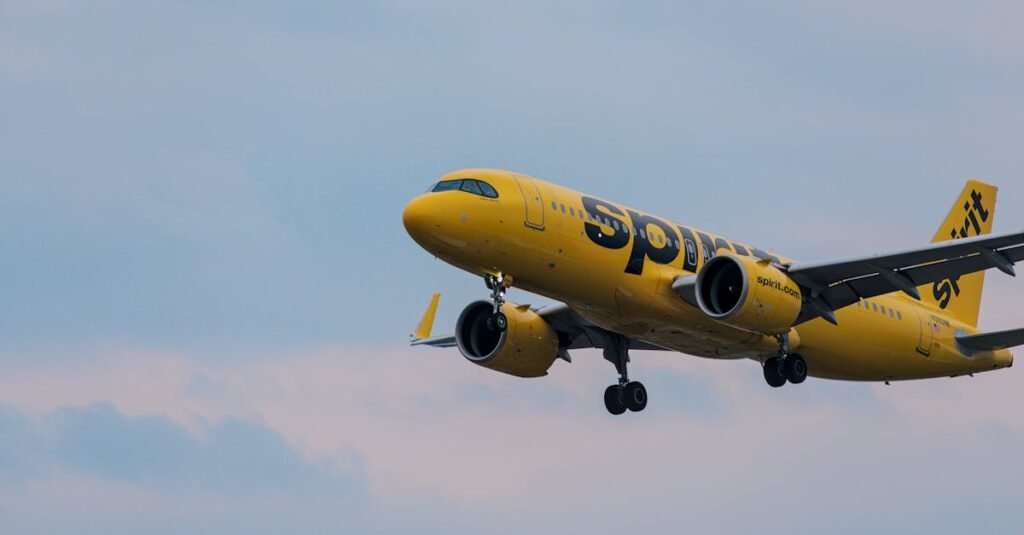
    A Spirit Airlines yellow jet in flight over Atlanta, showcasing aviation and travel.

    The proposed sale raises a critical question: what happens to competition when ultra-low-cost carriers lose access to major hubs?

    Historically, Spirit’s presence, however limited helped pressure fares downward. Even when passengers didn’t fly Spirit, competing airlines often adjusted pricing to remain competitive.

    With Spirit effectively surrendering preferential control at O’Hare:

    • Fare pressure may ease on certain routes
    • Route experimentation could decline
    • Legacy carriers may gain more pricing flexibility

    While the deal is unfolding in bankruptcy court, not before antitrust regulators directly, its competitive implications are difficult to ignore.

    The February 24, 2026 Bankruptcy Hearing

    All eyes now turn to the bankruptcy court.

    At the February 24, 2026 hearing, the judge will assess whether the sale:

    • Maximizes value for Spirit’s creditors
    • Was conducted fairly and transparently
    • Raises any legal or competitive concerns significant enough to block or delay approval

    Given Spirit’s financial condition, approval is widely expected. Still, objections from creditors or interested parties could influence timelines or terms.

    A Snapshot of a Changing Airline Industry

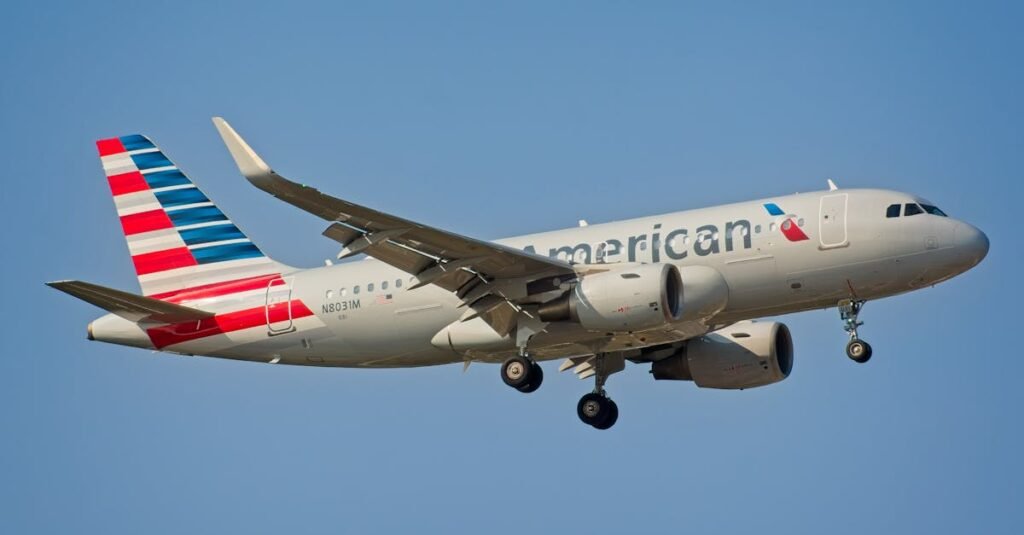
    American Airlines Airbus A319 airplane landing under clear sky in New York City.

    This deal is not an anomaly but a signal.

    Across the U.S. airline industry, power is consolidating around infrastructure. Aircraft can be leased. Routes can be shifted. But gates at constrained airports are finite, and once absorbed by dominant carriers, they rarely return to the open market.

    For Spirit, selling G12 and G14 marks another retreat from its once-ambitious hub strategy. For United, it reinforces Chicago as a fortress hub built not just on flights, but on access.

    Conclusion: Two Gates, Outsized Consequences

    United Airlines’ $30.2 million bid for Spirit’s final O’Hare gates may look like a routine bankruptcy transaction. In reality, it’s a microcosm of the modern airline industry where survival, dominance, and competition hinge on control of the ground as much as the sky.

    If approved, the sale will quietly but decisively reshape the competitive dynamics at Chicago O’Hare. And once again, it will prove that in aviation’s most crowded hubs, the real battle isn’t for passengers, it’s for gates.

  • United Airlines Faces Scrutiny as FAA Inspector Alleges Lifetime Travel Ban Following Safety Report

    United Airlines Faces Scrutiny as FAA Inspector Alleges Lifetime Travel Ban Following Safety Report

    United Airlines is facing renewed attention after an off-duty Federal Aviation Administration (FAA) inspector claimed he was permanently banned from flying with the airline after raising safety concerns. The allegation has sparked discussion across the aviation industry, touching on sensitive issues such as airline accountability, passenger safety, and how safety concerns are handled when raised outside official channels.

    While United Airlines has disputed key elements of the claim, the situation has raised broader questions about how airlines respond when safety concerns are brought forward especially when the individual involved is a trained aviation safety professional.

    Who Is Involved in the Dispute?

    The case centers on an off-duty inspector employed by the Federal Aviation Administration, the U.S. agency responsible for overseeing aviation safety. According to public court filings, the inspector was traveling as a passenger on a United Airlines flight when he noticed what he believed were potential safety issues.

    The airline at the center of the dispute is United Airlines, one of the largest carriers in the United States, operating thousands of flights daily across domestic and international routes.

    The inspector later reported the concerns, stating that he did so in the interest of aviation safety. He claims that instead of being acknowledged, he ultimately received notice that he had been banned for life from flying with United.

    What Safety Concerns Were Raised?

    United Airlines aircraft taxiing on runway at an overcast airport.

    According to the inspector’s account, the concerns were observed while he was off duty and traveling as a regular passenger. The issues reportedly related to flight operations and cockpit procedures, though specific technical details have not been publicly confirmed in full.

    Importantly, the inspector has stated that he did not present himself as an FAA official during the flight and did not interfere with crew duties. He later submitted his observations through appropriate channels, believing the matter would be reviewed as part of standard safety oversight.

    Aviation experts note that professionals with safety training often remain alert even when off duty. However, airlines typically rely on internal reporting systems and formal regulatory processes to assess any safety-related claims.

    The Alleged Lifetime Ban

    The most serious claim in the dispute is the alleged lifetime travel ban. The inspector says he was informed that he would no longer be allowed to fly with United Airlines under any circumstances.

    From the inspector’s perspective, the ban was retaliatory and directly connected to his decision to raise safety concerns. He has since filed a lawsuit seeking damages and alleging harm to his reputation and career.

    United Airlines, for its part, has denied that the ban was related to whistleblowing. The airline has stated that its actions were taken for other reasons and that safety remains its top priority.

    United Airlines Responds

    United Airlines has publicly emphasized its commitment to safety and compliance with federal regulations. The airline has also stated that it cooperates closely with the FAA and follows established procedures when safety issues are reported.

    In similar cases, airlines often argue that bans are issued due to passenger conduct, communication issues, or perceived disruptions rather than the content of safety reports themselves. United has not admitted wrongdoing and is expected to defend its position in court.

    As the case proceeds, more details may emerge through legal filings and testimony.

    Why This Case Matters to Aviation Safety

    Green emergency exit sign with directional arrow in a hallway.

    This situation has resonated across the aviation community because it sits at the intersection of safety reporting and corporate authority. Aviation safety relies heavily on people speaking up when they see something concerning—whether they are pilots, inspectors, cabin crew, or even passengers.

    If professionals fear negative consequences for raising concerns, critics argue it could discourage reporting. On the other hand, airlines stress the importance of clear communication channels and maintaining order during flight operations.

    The case highlights the delicate balance between encouraging safety awareness and managing passenger interactions in a highly regulated environment.

    Legal and Industry Implications

    Legal experts say the outcome of the case could influence how airlines handle future safety-related complaints from off-duty professionals. While airlines retain the right to refuse service, that authority may be questioned if bans appear linked to safety reporting.

    For the aviation industry, the dispute serves as a reminder that transparency and trust are essential. Even the perception of retaliation can attract scrutiny from regulators, lawmakers, and the public.

    What Happens Next?

    The lawsuit is still in its early stages, and no final judgment has been made. Courts will need to determine whether the ban was justified and whether the inspector’s claims of retaliation hold up under legal review.

    Until then, both sides maintain their positions. United Airlines continues to operate normally, while the case unfolds in the background as another example of how complex aviation safety issues can become when they intersect with legal and corporate boundaries.

    A Broader Conversation About Speaking Up

    At its core, this story is not just about one airline or one inspector. It reflects a broader conversation in aviation: how to ensure that safety concerns are raised, heard, and addressed without fear.

    As the industry continues to prioritize safety above all else, cases like this remind everyone involved—airlines, regulators, and travelers alike—that how concerns are handled can be just as important as the concerns themselves.

  • American Airlines in 2026: What Flyers Really Need to Know Before Booking

    American Airlines in 2026: What Flyers Really Need to Know Before Booking

    Flying in 2026 is not the same as it was a few years ago. Prices change fast, rules shift often, and airlines keep updating their services. If you’re planning a trip and thinking about booking with American Airlines, this guide will help you understand what to expect before you click “buy.”

    This article breaks everything down in plain English, no airline jargon, no confusing fine print, just the stuff travelers actually care about.

    A Quick Look at American Airlines in 2026

    American Airlines is still one of the largest airlines in the world. It flies to hundreds of destinations across the United States and many international locations. In 2026, the airline focuses heavily on efficiency, digital tools, and premium upgrades, while keeping basic fares as low as possible.

    This means travelers have more choices but also more decisions to make when booking.

    Ticket Prices: What You’re Really Paying For

    At first glance, American Airlines tickets can look affordable. But the base price often does not include everything.

    Basic Economy Explained

    Basic Economy is the cheapest option, but it comes with limits:

    • No free seat selection
    • Last boarding group
    • No changes allowed
    • Carry-on rules may vary by route

    This option works best for short trips if you travel light and don’t mind where you sit.

    Main Cabin and Beyond

    If you want more flexibility, the Main Cabin fare is usually worth the extra cost. It allows seat selection, flight changes (often with no change fee), and earlier boarding.

    Premium Economy, Business, and First Class offer more space, better food, and extra comfort, especially useful for long flights.

    Baggage Rules You Should Know

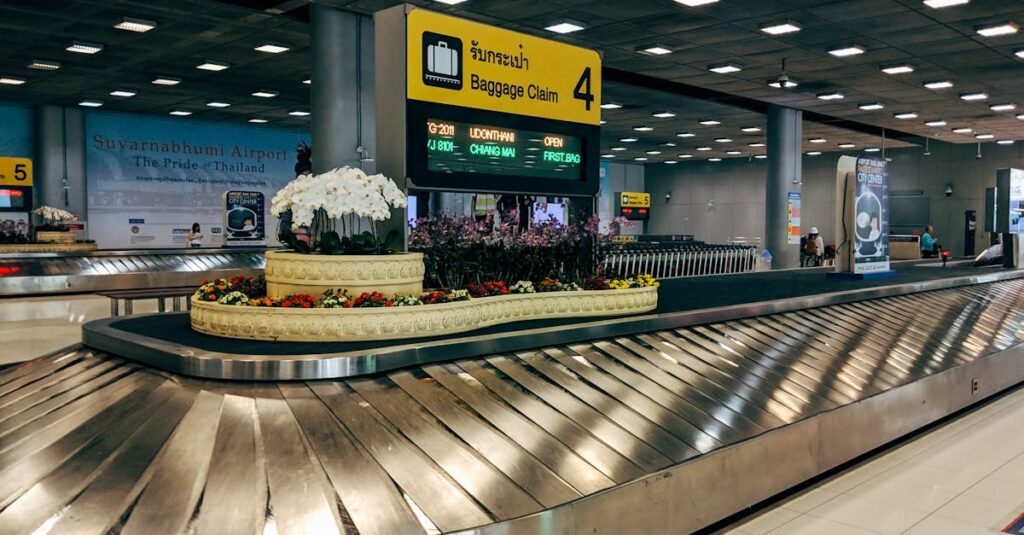
    Modern baggage claim area at Suvarnabhumi Airport in Bangkok with luggage carousel and signage.

    Baggage policies are one of the biggest reasons travelers get frustrated. In 2026, American Airlines still charges for most checked bags on domestic flights.

    • Carry-on: Usually free (except some Basic Economy tickets)
    • Checked bag: Typically costs extra
    • Overweight bags: Can be expensive

    Tip: Always check your ticket type before arriving at the airport. Many surprise fees happen at the check-in counter.

    Seating and Comfort: Has It Improved?

    Comfort depends a lot on which plane and seat you choose.

    Economy Class

    Seats are slim and legroom is average. For short flights, it’s fine. For long trips, it can feel tight unless you upgrade or pick an exit-row seat.

    Premium Cabins

    Premium Economy offers more legroom and better recline. Business and First Class feel much more relaxed, with lie-flat seats on many long international routes.

    American Airlines has continued updating its planes, so newer aircraft feel cleaner and more modern.

    In-Flight Entertainment and Wi-Fi

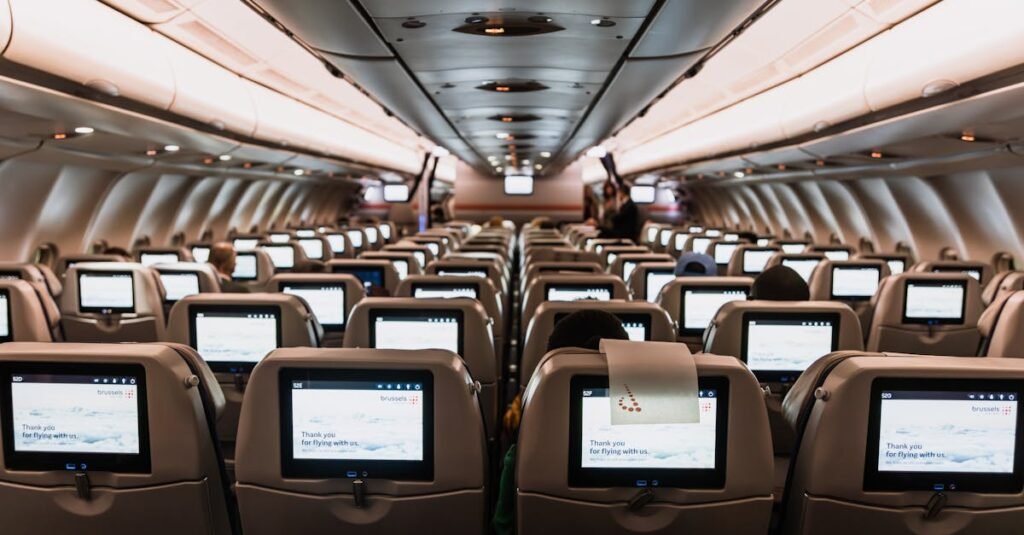
    Comfortable airplane cabin interior featuring in-flight entertainment screens on all seats.

    Good news: entertainment has improved.

    Most planes now offer:

    • Seat-back screens or personal device streaming
    • Movies, TV shows, and music
    • Wi-Fi on most flights (usually paid)

    The Wi-Fi works well for browsing and messages, but streaming or video calls can still be hit or miss.

    On-Time Performance and Reliability

    In 2026, American Airlines performs reasonably well when it comes to on-time arrivals. Weather, airport congestion, and staffing still affect delays, especially at busy hubs.

    Major hubs include:

    • Dallas/Fort Worth
    • Charlotte
    • Miami
    • Chicago O’Hare

    Flights early in the morning tend to be more reliable than late-night departures.

    The AAdvantage Loyalty Program

    If you fly often, the AAdvantage program can be useful—but it works best for frequent travelers.

    What Works Well

    • Miles never expire with activity
    • Good partner airlines
    • Useful credit card rewards

    What’s Less Great

    • Award flights can cost more miles than before
    • Elite status is harder to earn casually

    For occasional travelers, the program still has value, but it’s no longer as generous as it once was.

    Customer Service: What Travelers Say

    Customer service reviews are mixed. Some passengers report smooth experiences, while others complain about long waits during disruptions.

    American Airlines relies heavily on:

    • Mobile apps
    • Self-service kiosks
    • Online chat support

    The app is helpful, especially for rebooking during delays, but speaking to a human can still take time when things go wrong.

    Pros and Cons of Flying American Airlines

    Pros

    • Large route network
    • Frequent flight options
    • Modern aircraft on many routes
    • Strong loyalty partnerships

    Cons

    • Extra fees add up fast
    • Economy seats can feel cramped
    • Customer service during delays can be slow

    Is American Airlines Worth Booking in 2026?

    American Airlines is a solid choice if:

    • You want many flight time options
    • You live near a major hub
    • You understand the fare rules before booking

    It may not be the best airline for everyone, especially travelers who want everything included in one price. But if you book smart, choose the right ticket, and know what to expect, it can be a reliable option.

    Conclusion

    Flying in 2026 requires more attention than ever. American Airlines offers flexibility, wide coverage, and modern planes but only if you choose carefully. Always read the fare details, compare ticket types, and think about your travel style before booking. Choosing an airline in 2026 is not just about finding the cheapest ticket anymore. It is about understanding what you are getting for the price you pay. American Airlines can be a good option if you take a little time to plan before booking.

    For many travelers, the biggest mistake is choosing the lowest fare without checking the rules. Basic Economy may look cheap, but it can feel stressful if you want to choose your seat, bring extra bags, or change your plans. Spending a little more on a Main Cabin ticket often makes the journey easier and more comfortable.

    American Airlines works best for travelers who like having many flight choices and flexible schedules. It is also useful if you live near one of its major hubs, where flights run more often. The planes are mostly modern, and the onboard experience is decent, especially on longer routes.

    That said, no airline is perfect. Delays can happen, and customer service may take time during busy travel days. Going in with realistic expectations makes a big difference.

    In the end, American Airlines is neither amazing nor terrible. It is a practical choice. If you understand the fees, choose the right ticket, and plan ahead, your flight experience in 2026 can be smooth and stress-free.

  • Why Air India Grounded Its Boeing 787 Dreamliner: Full Story Explained

    Why Air India Grounded Its Boeing 787 Dreamliner: Full Story Explained

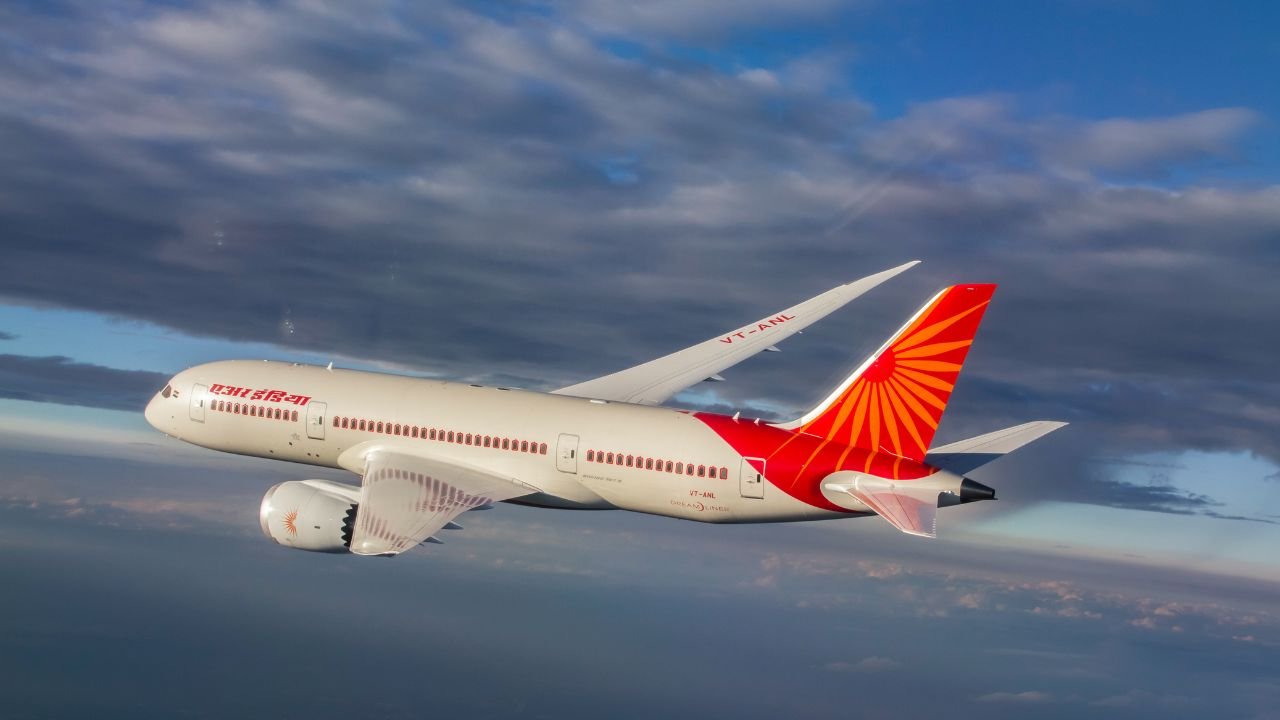
    An Air India Boeing 787 Dreamliner was taken out of service after a pilot noticed a possible problem with a fuel control switch. The flight had come from London and landed in Bengaluru. After landing, the pilot told the airline that a fuel control switch might not be working properly. The airline removed the aircraft from service so technicians could check it carefully. 

    Some news reports say the switch moved from the normal “RUN” position to “CUTOFF” while the crew was starting the engines. Other reports describe the pilot spotting a loose or faulty locking mechanism after landing. Both accounts point to the same thing: the fuel control switch did not behave as expected, so the airline acted cautiously and grounded the jet. 

    Why the switch matters

    A fuel control switch is a small but very important part of the engine controls. When it is in “RUN,” fuel flows to the engine and the engine can keep working. If the switch goes to “CUTOFF,” the fuel flow stops and the engine will shut down. That is why pilots and engineers pay close attention to these switches. Because the risk involves engine power, any unusual movement or failure is taken very seriously. 

    The grounding also comes at a sensitive time. Last year, investigators found that movement of a fuel control switch was linked to a fatal crash of an Air India Dreamliner. That earlier accident raised public concern and put extra focus on any new reports involving fuel switches. Airlines and regulators now treat even small hints of trouble with extra caution. 

    What steps are being taken by Air India

    Air India said it reported the issue to the aviation regulator and to Boeing, the plane’s maker. The regulator in India, the body that oversees airline safety will likely follow standard procedures: inspect the grounded plane, review the maintenance and flight records, and decide whether other aircraft need checks. Boeing and maintenance teams will examine the switch and the system around it to find the exact cause. 

    The airline’s move to ground the jet is a normal safety step. Grounding a single aircraft so teams can inspect and fix a possible fault prevents risk to passengers and crew while the problem is being understood. It is also meant to reassure the public that safety comes first.

    What this means for passengers and flights

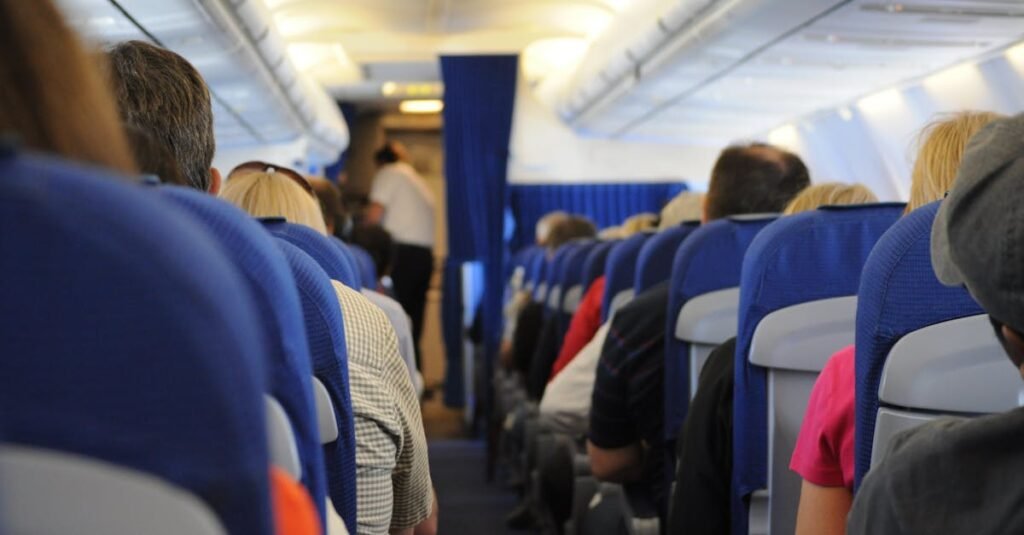
    Interior view of an airplane cabin with passengers seated, showcasing air travel experience.

    If you were booked on that aircraft, Air India will put you on another plane or offer an alternative route. If more planes need inspections, some flights might be delayed or re-scheduled; airlines usually try to limit disruption. Remember, such checks are done to keep flying safe ever though delays and changes are inconvenient but are part of the safety system working as it should. 

    Clear and simple takeaway

    A fuel control switch problem led Air India to ground a Dreamliner after a pilot reported the issue. The airline, the regulator, and the plane maker are involved and will investigate. This is a routine but important safety response to stop and check than to risk a harder problem in flight.

    If you want the latest updates, check official Air India statements or reliable news sites, because investigators will release findings when they are sure of the facts.