Tag: FAA

  • How Many Pilots Does America Have? New FAA Data Shows a Massive Jump

    How Many Pilots Does America Have? New FAA Data Shows a Massive Jump

    The American skies are busier than ever, and a fresh wave of data suggests that the aviation industry is undergoing a historic transformation. Earlier this week, the Federal Aviation Administration released the 2025 U.S. Civil Airmen Statistics, revealing that the active pilot population in the United States has reached a staggering 887,519. This number represents more than just a statistic; it is a clear indicator of a revitalized interest in flight, a shifting demographic, and a robust response to the global demand for air travel.

    A Closer Look at the 887,519 Milestone

    Reaching nearly 890,000 active pilots is a landmark achievement for the domestic aviation sector. This figure includes everyone from student pilots taking their very first lessons to veteran airline captains navigating transoceanic routes. When we look at the data provided by the FAA, the growth is not just incremental but exponential in certain sectors.

    In comparison to just a decade ago, the sheer volume of individuals holding active certificates has surged. This influx is largely driven by a combination of high-tech career appeal and a more accessible path to the cockpit. The FAA report highlights that the total pilot population has grown by roughly 4.6% in just the last year, signaling that the momentum built after the pandemic has not slowed down. Instead, it has found a steady cruising altitude.

    The Rise of the Next Generation

    One of the most encouraging takeaways from the latest FAA findings is the significant expansion of the student pilot category. As of the end of 2025, there are 370,286 active student pilots in the country. This represents the pipeline of the future. The fact that students now make up such a large portion of the total airmen population suggests that the industry’s efforts to recruit new talent are working.

    Flight schools across the country are reporting full schedules, and the FAA has been kept busy processing certificates at a record pace. Interestingly, the average age of a pilot in the United States has actually dropped to 42.1 years. For an industry that was once worried about an aging workforce and a “silver tsunami” of mandatory retirements, this downward trend in age is a breath of fresh air. It shows that younger people see aviation as a viable, long term career path once again.

    Women in Aviation Hit a Historic Peak

    For the first time in history, the number of women holding active pilot certificates has surpassed the 100,000 mark. The FAA recorded 100,704 women pilots by the end of 2025. This is a massive leap forward for representation in the cockpit. While women still make up about 11.3% of the total pilot population, the growth rate in this demographic is outpacing the general population.

    Much of this success can be attributed to targeted scholarships, mentorship programs, and a concerted effort by major airlines to create a more inclusive environment. The FAA data shows that women are particularly well represented in the student pilot category, making up over 16% of new learners. This suggests that the percentage of female pilots at the commercial and airline levels will continue to climb as these students earn their advanced ratings.

    The MOSAIC Effect and Sport Pilot Growth

    A major catalyst for the recent jump in numbers is the implementation of the Modernization of Special Airworthiness Certification, often referred to as MOSAIC. This regulatory change by the FAA has fundamentally altered how people can enter the world of flying. By expanding the types of aircraft that can be flown with a sport pilot certificate, the FAA has made it easier and more affordable for recreational flyers to get into the air.

    Under the new rules, many traditional four seat trainers that previously required a private pilot certificate can now be operated by sport pilots. This has opened the door for thousands of individuals who may have been deterred by the cost or the medical requirements of a higher level license. The FAA statistics show a renewed interest in these entry level certificates, providing a vital entry point for those who want to fly for the sheer joy of it.

    The Massive Impact of Remote Pilots

    While many people think of pilots as individuals sitting in a cockpit, the FAA also tracks remote pilots who operate Unmanned Aircraft Systems, commonly known as drones. The growth in this sector is nothing short of explosive. There are now 492,311 active remote pilot certificates in the United States.

    These remote pilots are utilized in everything from real estate photography and agricultural monitoring to search and rescue operations. In many ways, the remote pilot category is the fastest growing segment of the FAA database. If the current trends continue, the number of remote pilots could soon rival or even exceed the number of traditional “manned” aircraft pilots. This reflects a broader shift in how the FAA manages a complex and evolving national airspace.

    Why the Pilot Shortage is Driving Demand: FAA data

    It is impossible to discuss these record numbers without mentioning the economic reality of the pilot shortage. Major carriers and regional airlines are currently in a fierce competition for talent. This has led to unprecedented starting salaries, lucrative signing bonuses, and refined training pathways that make it easier for a student to go from zero hours to a regional jet seat in record time.

    The FAA has seen a steady increase in Commercial Pilot and Airline Transport Pilot certificates because the financial rewards have never been higher. When a first year officer at a regional airline can earn a six figure salary, the incentive to invest in flight training becomes much stronger. This economic engine is the primary force behind the 887,519 total that the FAA reported this week.

    Geographic Hotspots for American Aviators

    The FAA data also gives us a glimpse into where these pilots are located. Unsurprisingly, states with favorable flying weather year round lead the pack. Florida, Texas, and California remain the “Big Three” of aviation, housing a significant portion of the country’s pilots.

    Florida, in particular, has become a global hub for flight training. The combination of flat terrain, numerous airports, and consistent sun makes it an ideal place for the FAA to oversee a high volume of checkrides. However, growth is being seen in nearly every state, as the rise of remote work and the decentralization of some flight operations allow pilots to live further away from major airline hubs.

    A New Era for the American Skies

    The 2025 statistics from the FAA tell a story of resilience and modernization. We are seeing an industry that has adapted to new technologies, embraced a more diverse workforce, and simplified its regulations to encourage participation. The jump to 887,519 pilots is not just a peak; it is a new baseline for what American aviation looks like in the mid 2020s.

    As the FAA continues to integrate drones, electric vertical takeoff and landing aircraft, and traditional jets into the same sky, the role of the pilot will keep evolving. But for now, the data is clear: more Americans are looking toward the horizon than ever before, and the dream of flight is as alive and well as it has ever been.
  • FAA’s New SMART System: How AI is Predicting Air Traffic Before Takeoff

    FAA’s New SMART System: How AI is Predicting Air Traffic Before Takeoff

    The skies above the United States are becoming more crowded every year, making the job of managing those flight paths increasingly complex. To meet this challenge, the Federal Aviation Administration is turning to cutting-edge technology to rethink how we move planes from point A to point B. A recent report from The Air Current has shed light on a secretive project within the Federal Aviation Administration known as the SMART system. Short for Strategic Management of Airspace Routing Trajectories, this initiative is designed to move air traffic control from a reactive model to a predictive one.

    For decades, the Federal Aviation Administration has relied on the skill and quick thinking of human controllers to manage the flow of traffic. While these professionals are world-class, the current system often requires them to solve problems as they happen or just a few minutes before they become critical. The SMART system aims to change that dynamic by using artificial intelligence to look much further down the road. By analyzing massive amounts of data in real time, the Federal Aviation Administration wants to spot potential bottlenecks and flight path conflicts before a pilot even pushes back from the gate.


    The Shift from Reactive to Predictive Air Traffic Control

    Historically, the Federal Aviation Administration has operated on a timeline where controllers typically look about fifteen minutes into the future to identify potential issues. While this works for immediate safety, it does not do much to prevent the massive traffic jams that lead to hours of delays during peak travel times. The introduction of the SMART system represents a fundamental shift in philosophy for the Federal Aviation Administration.

    Instead of waiting for a conflict to appear on a radar screen, the Federal Aviation Administration will use SMART to simulate thousands of possible scenarios across the national airspace. This allows the agency to identify where too many planes are headed for the same patch of sky or which airports are about to be overwhelmed by arrivals. Secretary Sean Duffy recently noted that this new tool could give controllers a heads-up on potential issues between ninety minutes and two hours before they actually occur. This extra time allows for small, subtle adjustments to flight paths that can prevent a major backup from ever forming.


    Understanding the Strategic Management of Airspace Routing Trajectories

    The technical name for this project, Strategic Management of Airspace Routing Trajectories, tells you exactly what the Federal Aviation Administration is trying to achieve. It is about “strategic” planning rather than “tactical” reactions.Today, if a storm rolls in or a runway closes, the Federal Aviation Administration often has to hold planes on the ground or put them in circling patterns, which burns fuel and frustrates passengers.

    With SMART, the Federal Aviation Administration can model 4D trajectories, which account for latitude, longitude,altitude, and time. By looking at these four dimensions, the system can see exactly where every aircraft will be at any given moment. If the AI detects that two flight paths will get too close to each other two hours from now, it can suggest a slightly different route for one of those planes while it is still sitting on the tarmac. This proactive approach by the Federal Aviation Administration is expected to significantly reduce the “stop-and-go” nature of modern air travel.


    Key Players in the Race to Build the SMART System

    Developing a system this advanced is no small feat, and the Federal Aviation Administration is looking to the private sector to provide the underlying technology. Three major companies are currently in the running to build the SMART system for the Federal Aviation Administration: Palantir, Thales, and Airspace Intelligence. Each of these firms brings a different strength to the table.

    Palantir is well known for its work with large government agencies, specializing in “big data” and finding patterns in messy information. Thales has a long history of working with the Federal Aviation Administration on traditional air traffic control hardware and software, making them a safe and experienced choice. Airspace Intelligence is the newcomer in the group, but they have already made waves with their Flyways platform, which helps airlines optimize their routes to save fuel. The Federal Aviation Administration will have to decide which of these partners can best integrate AI into the high-stakes environment of air traffic management.


    Solving the Congestion Crisis Before Takeoff

    One of the most frustrating experiences for any traveler is sitting in a plane on the runway for an hour because of “traffic.” This happens because the Federal Aviation Administration current systems sometimes realize too late that there are more planes in the air than the destination airport can handle. By the time the issue is spotted, the only solution is to stop more planes from taking off.

    The SMART system aims to eliminate this “reactive” grounding. Because the Federal Aviation Administration will be able to see the congestion building two hours in advance, they can spread out the departures or adjust the cruising speeds of planes already in the air. This smoothing effect means that the flow of traffic remains steady. For the Federal Aviation Administration, this isn’t just about convenience; it is about safety. When the flow of traffic is predictable and steady, the workload on individual controllers is more manageable, reducing the risk of human error during busy shifts.


    Modernizing the Aging Air Traffic Infrastructure

    The push for the SMART system comes at a time when the Federal Aviation Administration is under immense pressure to modernize its entire infrastructure. Many of the systems currently in use by the Federal Aviation Administration were designed for a world with far fewer flights and much simpler technology. Secretary Duffy has been vocal about the need for the Federal Aviation Administration to move at a faster pace to keep up with the demands of the 21st century.

    The SMART system is a key part of a larger $32.5 billion modernization program led by the Federal Aviation Administration. This effort includes replacing hundreds of outdated radar systems, moving to cloud-based data storage,and hiring thousands of new air traffic controllers. By layering AI on top of these hardware upgrades, the Federal Aviation Administration hopes to create a “brand new” air traffic control system that is flexible enough to handle not just traditional airliners, but also the coming wave of drones and air taxis.


    Benefits for Airlines and the Environment

    While the Federal Aviation Administration primary focus is always safety, the SMART system offers massive benefits for the environment and airline bottom lines. When planes are forced to circle in “holding patterns” or fly longer routes because of poor planning, they burn a tremendous amount of fuel. This adds to the carbon footprint of the aviation industry and drives up ticket prices for consumers.

    By using the SMART system to find the most efficient routes, the Federal Aviation Administration can help airlines cut down on unnecessary fuel burn. Even a small one percent improvement in routing efficiency across the thousands of flights managed by the Federal Aviation Administration every day would lead to millions of gallons of saved fuel. This makes the SMART system a rare “win-win” for both the Federal Aviation Administration and the commercial aviation industry.


    Looking Ahead to Implementation and Beyond

    The timeline for this project is surprisingly aggressive. According to reports, the Federal Aviation Administration hopes to have the SMART system operational in some capacity by the end of this year. This is a much faster rollout than typical government technology projects, which can often take a decade or more to reach the field. It signals a new sense of urgency within the Federal Aviation Administration to embrace digital transformation.

    As the Federal Aviation Administration moves forward, the success of the SMART system will depend on how well the AI can work alongside human controllers. The goal is not to replace the people in the tower but to give them better tools to do their jobs. In the future, we may look back at this moment as the point when the Federal Aviation Administration officially moved the needle from managing the present to predicting the future, ensuring that the American skies remain the safest and most efficient in the world.

  • What Happened on the Emergency Frequency? FAA Investigates Pilots Heard Meowing and Woofing

    What Happened on the Emergency Frequency? FAA Investigates Pilots Heard Meowing and Woofing

    The world of aviation is built on a foundation of strict discipline, clear communication, and unwavering professionalism. Every word spoken over the airwaves is intended to serve a specific purpose, primarily ensuring the safety of hundreds of people traveling through the sky. However, a bizarre and troubling trend has recently captured public attention, leading to a situation where the FAA investigates pilots heard meowing and woofing on restricted frequencies. This behavior, while seemingly a harmless prank to those involved, represents a significant breach of protocol that can have life-threatening consequences.

    The Incident at Reagan National Airport

    In April 2026, a series of transmissions near Ronald Reagan Washington National Airport left air traffic controllers and the broader aviation community in a state of disbelief. While managing the complex flow of traffic at one of the busiest hubs in the United States, a controller began to hear unusual sounds interrupting the standard flow of flight numbers and altitude instructions. Instead of the typical professional banter, the radio was filled with the sounds of cats meowing and dogs barking.

    The audio, which quickly went viral across social media platforms, highlights a startling lack of decorum. It was not just a one-time occurrence; the animal noises persisted for several minutes. At one point, a controller, clearly reaching the end of his patience, was heard reminding the crews that they needed to remain professional. Despite this direct warning, the noises continued. The situation became even more heated when the controller pointed out that such behavior was exactly the reason some pilots remain in regional positions rather than advancing to major carriers.

    Why the Guard Frequency Is Sacred

    To understand why the FAA investigates pilots for these actions, one must understand the importance of the frequency used. In aviation, 121.5 MHz is known as the international emergency frequency, or more commonly as Guard. This channel is reserved for aircraft in distress, emergency locator transmitter signals, and for controllers to reach pilots who may have accidentally switched to the wrong frequency or suffered a radio failure.

    By international law and FAA regulations, Guard is meant to be kept clear of all non-emergency chatter. When a pilot keys their microphone to meow or bark, they are effectively blocking the channel. If a nearby aircraft were attempting to report an engine failure, a medical emergency on board, or a hijacking, those critical calls might never reach the ground. The airwaves can only handle one transmission at a time on a single frequency, meaning a single joke can silence a cry for help.

    The Cultural Problem of Guard Trolling

    While the recent events at Reagan National have made headlines, the truth is that meowing on Guard has been an underground nuisance in the aviation world for years. It is often described as a verbal meme. One pilot will make a noise, and others, thinking they are anonymous, will join in. This creates a chain reaction of unprofessionalism that can span hundreds of miles, as the VHF signal from a high-altitude jet carries a long way.

    Many veteran captains and safety experts have expressed deep frustration with this culture. They argue that it reflects a dangerous level of complacency. When the FAA investigates pilots involved in these incidents, they are looking at more than just a prank; they are looking at a breakdown in the safety culture that is supposed to govern every flight. The anonymity of the radio has long protected those who engage in this behavior, but modern technology is making it much easier for authorities to track the source of these transmissions.

    Safety Risks in High Pressure Environments

    The timing of this particular incident added a layer of gravity to the situation. Reagan National Airport is known for its challenging approach and high-traffic volume. Adding unnecessary distractions to a controller’s workload is inherently dangerous. When a controller has to stop and reprimand a pilot for making animal noises, their focus is momentarily taken away from the vital task of separating aircraft in the sky.

    Furthermore, the regional jet crews involved were operating in an area with a sensitive history. Aviation is an industry where lessons are often learned through tragedy, and the margin for error is incredibly thin. By cluttering the emergency frequency, these pilots were not just being immature; they were actively compromising the safety of the National Airspace System. This is a primary reason why the FAA investigates pilots who misuse these communication tools.

    Tracking Down the Source of Interference

    One might wonder how a pilot can be caught when they are speaking into a radio from miles away. While it used to be difficult to pinpoint a specific cockpit, the FAA and the Federal Communications Commission have improved their ability to monitor and locate unauthorized transmissions. Additionally, many modern aircraft are equipped with digital systems that log radio usage.

    In many cases, the pilots give themselves away. Because they are often listening to multiple radios at once, they may accidentally transmit their company call sign or respond to an air traffic control instruction while still keyed into the Guard frequency. Once a specific flight is identified, the airline can check the cockpit voice recorder or interview the crew. When the FAA investigates pilots, they work closely with the airlines to ensure that those responsible are held accountable for their actions on the flight deck.

    Professional and Legal Consequences

    The fallout for a pilot caught participating in these antics can be career-ending. The FAA has the authority to suspend or even revoke a pilot’s license for the misuse of aviation frequencies. This is not a slap on the wrist; it is a permanent mark on a professional record that can make a pilot unhireable at major airlines.

    Beyond the government level, airlines take these matters very seriously. Most major carriers have strict codes of conduct that emphasize professionalism at all times. Being part of an incident where the FAA investigates pilots for making animal noises is a major embarrassment for an airline’s brand. In the past, pilots have been terminated for such behavior, especially those who are still on probation or in training.

    The Human Element of Aviation

    At the heart of this issue is a question of human behavior and the psychological impact of boredom during long flights. Aviation can involve long stretches of routine activity, which sometimes leads younger or less disciplined crews to seek entertainment in inappropriate ways. However, the cockpit is an office where the lives of hundreds are in the balance, and the radio is the primary tool for maintaining that safety.

    The general public’s reaction to the audio recordings has been a mix of amusement and alarm. While some see it as a silly prank, the majority of travelers expect the people flying their planes to be fully focused and professional. The contrast between the gravity of the job and the juvenile nature of the barking and meowing is what makes this story so compelling and why the FAA investigates pilots with such vigor.

    Guarding the Future of Flight Safety

    The goal of any investigation into radio misuse is to prevent future occurrences. By making an example of those who disrupt emergency frequencies, the authorities hope to reinforce the importance of radio discipline. Education is also a key component, as flight schools and training departments are being encouraged to emphasize the legal and safety ramifications of Guard trolling.

    As technology continues to evolve, the ability to maintain a clean and reliable communication environment will only become more important. The sky is becoming more crowded with the introduction of drones and advanced air mobility vehicles, making clear radio channels a non-negotiable requirement for safety.

    Maintaining Professionalism in the Skies

    The incident of animal sounds on the radio serves as a stark reminder that professionalism must be maintained from takeoff to touchdown. While humor has its place in any workplace, the emergency frequency is a sacred space that must be protected. When the FAA investigates pilots, they are sending a clear message that the rules of the air apply to everyone, regardless of whether they are flying a small regional jet or a massive wide-body aircraft. The integrity of the aviation system depends on the mutual respect and discipline of every individual who keys a microphone to speak to the world below.

  • FAA 25-Hour Cockpit Voice Recorder Rule Finalized: What It Means for Aviation Safety

    FAA 25-Hour Cockpit Voice Recorder Rule Finalized: What It Means for Aviation Safety

    The U.S. Federal Aviation Administration (FAA) has announced a major safety rule change for commercial aircraft. The agency has finalized a rule that changes how long cockpit voice recorders (CVRs) must hold audio recordings. Under the new rule, CVRs will capture 25 hours of cockpit audio, replacing the older standard of just two hours. This change is meant to help investigators better understand incidents and accidents when something goes wrong during a flight. 

    Why This Change Matters

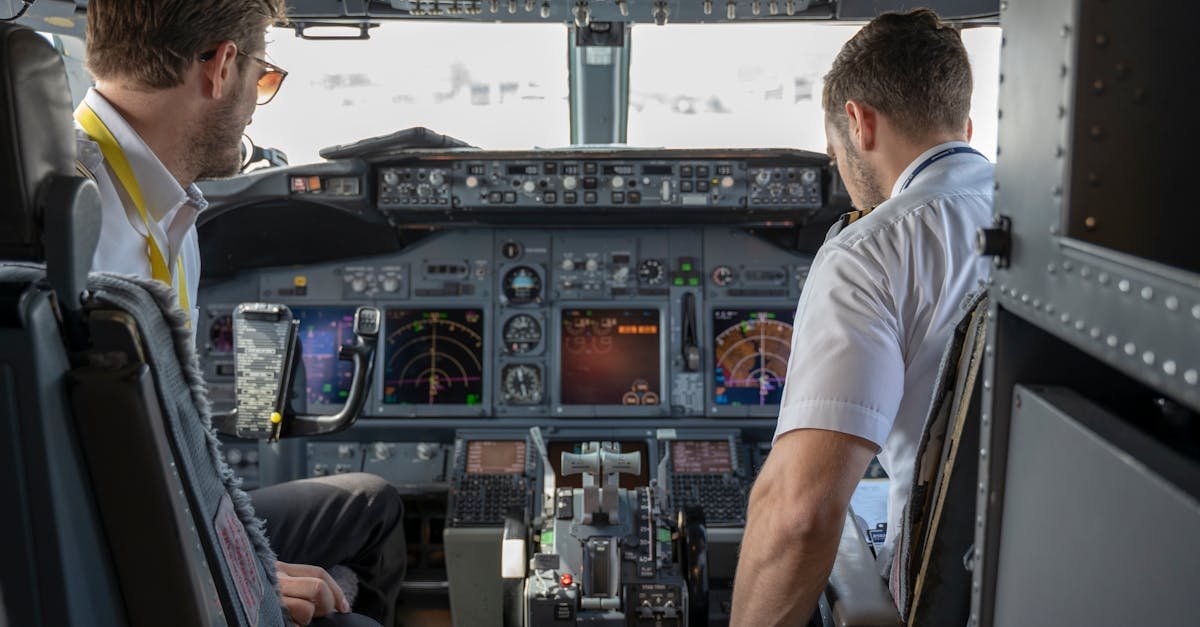
    Cockpit voice recorders are sometimes called “black boxes,” but they are really orange to help investigators find them after a crash. These devices record important sounds and conversations in the cockpit, such as:

    • Pilot voices
    • Air traffic control communications
    • Engine and alarm noises
    • Other cockpit sounds that help explain events leading to an accident or incident 

    For many years, CVRs were required to save only the last two hours of sound. If an incident happened but was not discovered soon enough, older audio could be overwritten and lost. This has made some investigations harder, especially when incidents happen early in a flight and the recorder overwrites the audio before the plane lands. 

    By expanding the recording time to 25 hours, investigators will have more data and wider insight into events happening over longer flights or earlier parts of a trip. That can make it easier to find causes and help prevent future accidents.

    What Triggered the FAA 25-Hour Cockpit Voice Recorder Rule

    The push for longer recording time has been driven by the National Transportation Safety Board (NTSB) for many years. The NTSB is the U.S. agency that investigates aviation accidents and makes safety recommendations. Investigators have noted many cases where the two-hour limit was too short, and critical audio was lost before they could secure it. 

    International bodies like the International Civil Aviation Organization (ICAO) and Europe’s aviation safety agency have already moved to 25 hours for new planes. The FAA’s new rule brings the United States closer to these international standards, aligning U.S. aviation rules with global best practices. 

    There have been specific incidents where limited CVR time made investigations difficult. In some high-profile runway near-miss cases, crucial voice recordings were overwritten because the event occurred more than two hours before the flight ended. Extending the recording time reduces this risk.

    Who Must Follow the Rule

    New Aircraft

    Under the rule, any newly manufactured passenger aircraft delivered after a specific date generally in 2027 and beyond must be equipped with a cockpit voice recorder that can hold at least 25 hours of audio. 

    Existing Fleets

    Congress also passed a separate law that requires all existing passenger airplanes to be retrofitted with these longer-recording devices by 2030. This means even older aircraft currently flying will need to update their recorders before that deadline. 

    Smaller aircraft that don’t carry many passengers may have extra time to meet the new rules, depending on their type and size. 

    Reactions to the Change

    The FAA believes this change will strengthen aviation safety. Longer recordings give investigators more context and improve the chances of finding answers after an event. Officials say it brings the U.S. closer to global standards and improves the ability to learn from unusual or serious incidents. 

    However, not everyone is happy with the new rule. Some pilot groups have raised privacy concerns. They worry that a 25-hour recording could capture multiple flights’ worth of cockpit conversations that have nothing to do with safety issues. Some say this could be misused or make pilots feel uncomfortable knowing that private cockpit talk is being recorded for longer. 

    What This Means for Air Travel

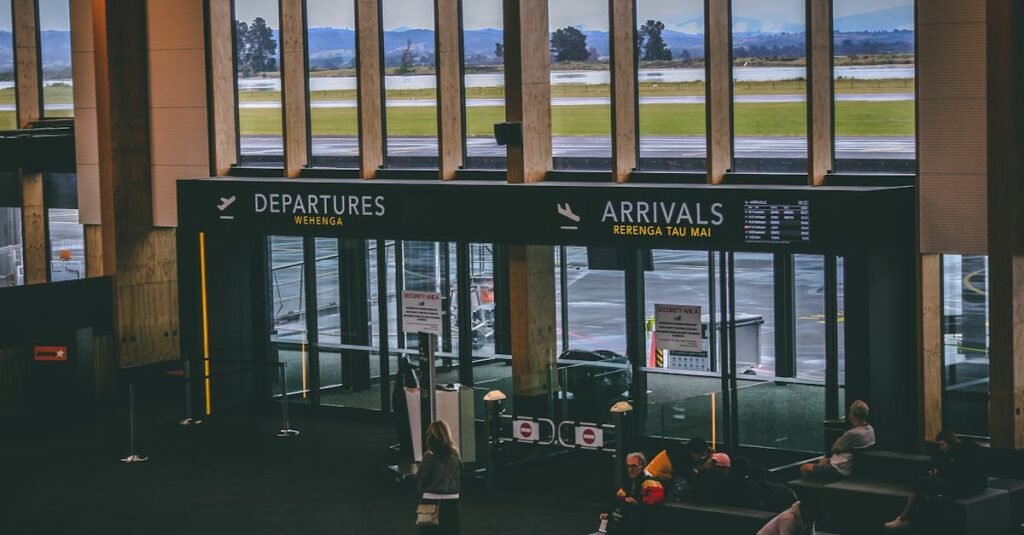
    Busy airport terminal area with people, featuring departures and arrivals signs.

    For most passengers, this change won’t be noticeable in everyday flying. Cockpit voice recorders operate in the background and don’t affect how a plane flies. But if something does go wrong, investigators will likely have a much richer record to understand what happened.

    Overall, the new 25-hour CVR rule marks a big step in aviation safety in the United States. It reflects years of study, international cooperation, and lessons learned from past incidents that were difficult to fully investigate.