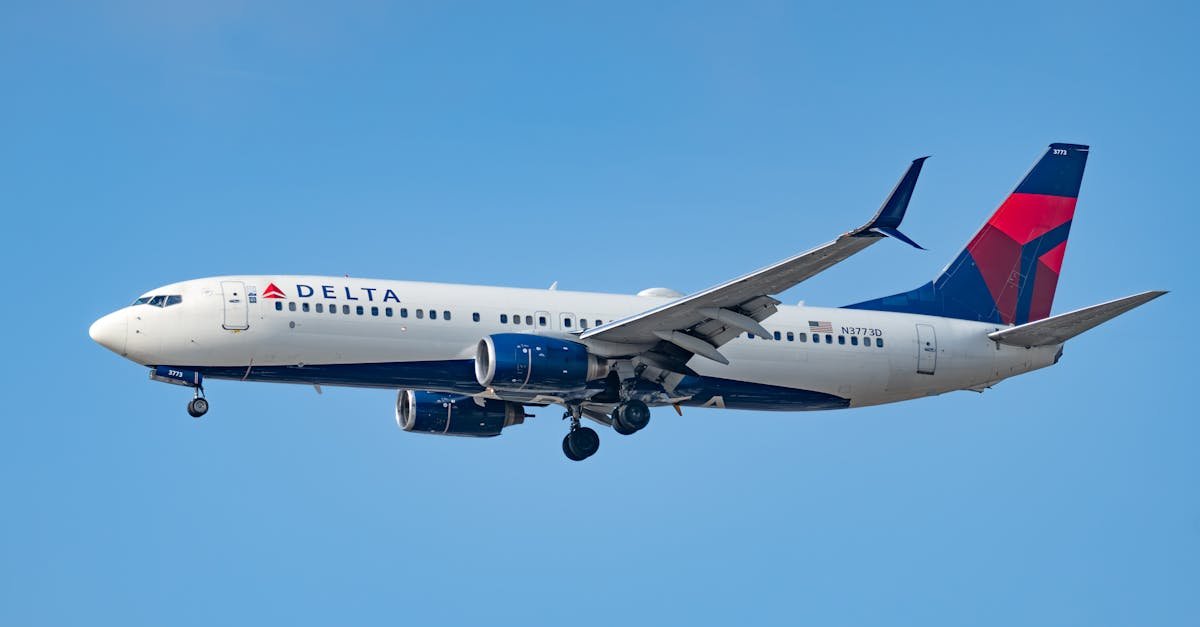
On Sunday evening, February 22, 2026, passengers on a Delta Air Lines flight experienced a terrifying moment when an engine failure shortly after takeoff forced an emergency return to Savannah Hilton Head International Airport. The incident, involving Delta Flight 1067, did not just result in a midair scare but also sparked a massive grass fire along the airport runways. Despite the dramatic nature of the engine blowout and the secondary fires on the ground, all 185 people on board the aircraft returned to the terminal safely and without injury.
A Sudden Bang During Ascent
The flight was scheduled to travel from Savannah to Atlanta, a short hop that usually takes less than an hour. According to witnesses and passengers on board the Boeing 737-900, everything seemed normal until the wheels left the pavement. Within seconds of being airborne, a loud boom echoed through the cabin. Passengers reported seeing sparks and streaks of flame shooting from the left engine.
One traveler described the sound as being similar to a car backfiring, though significantly louder and more jarring. The vibration from the engine failure was felt throughout the plane, immediately alerting the crew that something was wrong. Pilots quickly realized that the left CFM-56 turbofan engine had suffered a major mechanical failure.
Emergency Procedures and Pilot Skill
As soon as the engine blew, the flight crew declared an emergency. Aviation data shows that the aircraft reached a maximum altitude of roughly 3,000 feet before the pilots stopped the climb. Operating on the remaining functional engine, the pilots performed a controlled loop to bring the plane back to Savannah.
While the situation in the cockpit was intense, passengers praised the crew for their calm demeanor. The pilots communicated clearly with the travelers, explaining that the plane could fly safely on one engine and that they were returning to the airport immediately. This transparency helped manage the fear inside the cabin as the plane made its final approach back toward the runway.
The Ground Fire at Savannah Airport
While the plane was still in the air, a different kind of emergency was unfolding on the ground. The flames and sparks emitted by the failing engine during takeoff had ignited the dry grass adjacent to the runway. Fed by powerful winds gusting at nearly 60 miles per hour, the small sparks quickly grew into a large brush fire.
Air traffic controllers spotted the flames almost immediately and alerted other aircraft in the vicinity. The fire spread rapidly across a significant stretch of the airfield, specifically the area between taxiway Alpha and Charlie 1. This prompted a massive response from local emergency services. Because the fire was so large and spreading fast due to the wind, the airport fire department requested mutual aid from nearby agencies.
A Large Scale Emergency Response
The response to the fire and the incoming aircraft was a coordinated effort involving multiple departments. Firefighters from the Savannah Fire Department, Garden City Fire Rescue, and Pooler Fire Rescue all rushed to the scene. Additionally, the 165th Airlift Wing Fire Department provided support to help contain the blaze.
As Flight 1067 touched down at approximately 7:12 p.m., it was met on the tarmac by a fleet of fire trucks. Emergency responders were positioned to douse the aircraft if necessary, but the primary focus of the ground crews remained on the sprawling grass fire that was threatening airport infrastructure.
Passengers Safe but Shaken
Once the Boeing 737 landed safely, it was towed back to the gate. The 179 passengers and six crew members deplaned normally through the jet bridge rather than using emergency slides. While everyone was physically unharmed, many described the experience as incredibly stressful.
Travelers remained on the aircraft for about an hour after landing while officials ensured the area was safe and the fire was under control. Delta Air Lines issued an official statement shortly after the event, confirming the mechanical issue and apologizing for the disruption. The airline worked through the night to rebook passengers on alternate flights to Atlanta so they could reach their final destinations.
Impact on Airport Operations
The combination of a crippled aircraft on the runway and a large brush fire led to temporary ground stops at Savannah Hilton Head International Airport. Several incoming flights were held in the air or diverted, while departing flights faced significant delays.
Fortunately, the fire did not reach the actual pavement of the runways, which allowed crews to clear the scene relatively quickly once the flames were extinguished. By later that evening, the fire was fully out, and operations at the airport began to return to a state of normalcy.
The Role of Weather Conditions
Weather played a significant role in how the incident unfolded. The Savannah area was experiencing high winds on Sunday, which is likely why the sparks from the engine were able to ignite the grass so easily. These same winds made the fire much harder to fight, as the flames were pushed across the dry vegetation at a high rate of speed.
Aviation experts note that while engine failures are rare, pilots are trained extensively for this specific scenario. Modern twin engine jets like the Boeing 737 are designed to fly, climb, and land safely even if one engine completely loses power. The successful landing in Savannah is a testament to that engineering and the rigorous training of the Delta flight crew.
What Happens Next for the Aircraft?
The Boeing 737-900 involved in the incident will remain on the ground in Savannah for a thorough investigation. Delta maintenance teams and federal investigators from the Federal Aviation Administration will examine the failed engine to determine exactly what caused the blowout.
The investigation will look into whether the failure was caused by an internal mechanical part, a bird strike, or another external factor. This process often takes time, as the engine may need to be disassembled to find the root cause of the spark and subsequent power loss.
Safety First for Travelers
Delta Air Lines has reiterated that the safety of its customers is the top priority. While the sight of flames coming from a wing is terrifying for anyone, the airline pointed out that the systems in place worked exactly as they should. The pilots followed their emergency checklists, the aircraft remained stable, and emergency crews on the ground were ready to act before the plane even touched the ground.
For the passengers of Flight 1067, it was a Sunday night they will never forget. Most were simply grateful to be standing on solid ground after a very close call. The quick thinking of the pilots and the rapid response of the Savannah area firefighters prevented a serious mechanical failure from turning into a much worse tragedy.
Leave a Reply