Tag: Delta

  • Mystery Surrounds Fatal Frontier Airlines Runway Incident: Identity Withheld After Denver Runway Death

    Mystery Surrounds Fatal Frontier Airlines Runway Incident: Identity Withheld After Denver Runway Death

    The aviation community and the public are currently processing a deeply unsettling event that took place at Denver International Airport. Late on a Friday night, what should have been a standard departure turned into a tragic scene that has left investigators searching for answers. A person was struck and killed by a Frontier Airlines plane as it was accelerating for takeoff, leading to an emergency situation that forced over two hundred people to flee the aircraft. As the investigation enters its first full week, the mystery of who the individual was and how they managed to reach a secure runway remains the central focus of local and federal authorities.+1

    The Details of the Collision on Runway 17L

    The event occurred around 11:19 p.m. as Frontier Airlines flight 4345 was beginning its journey to Los Angeles International Airport. The aircraft, an Airbus A321, was carrying 224 passengers and seven crew members when the pilots felt a sudden, significant impact. According to reports from the flight deck, the crew realized immediately that they had struck something on the runway. The pilot quickly notified the control tower, stating that they were stopping the plane and reporting an engine fire.+2

    The collision was violent enough to be felt throughout the cabin. Passengers described a jarring sensation that felt like the plane had momentarily left the ground before slamming back down. In the moments following the impact, the cabin began to fill with smoke, and sparks were seen flying from one of the engines. This sparked immediate panic among the travelers, many of whom feared the plane might explode. The flight crew made the decision to initiate an emergency evacuation right there on the tarmac.

    Why This Unprecedented Breach Occurred

    One of the biggest questions surrounding this Frontier Airlines incident is how a pedestrian managed to get onto one of the busiest runways in the United States. Early reports from airport officials and the Department of Transportation indicate that the individual was a trespasser. This person reportedly jumped a perimeter fence and entered the airfield.Surveillance data suggests the individual was on the airport grounds for only about two minutes before being struck by the accelerating jet.+2

    Denver International Airport is a massive facility with miles of security fencing, lighting, and patrol units. Despite these measures, the trespasser was able to scale the barrier and reach the high speed takeoff zone of Runway 17L. The U.S. Transportation Secretary described the act as a deliberate breach by someone who ran directly into the path of the Frontier Airlines flight. Why this person chose to enter the airfield remains unknown, as they were not an employee and had no authorized reason to be near the active runways.+1

    Why This Tragedy Matters for Aviation Safety

    This event is more than just a localized accident; it represents a significant concern for the entire aviation industry. While most safety discussions focus on mechanical failures or pilot error, this Frontier Airlines collision highlights a vulnerability in ground security. If a single person can reach a runway in two minutes, it raises alarms about the potential for more coordinated or malicious breaches.

    Furthermore, the aftermath of the collision revealed challenges in emergency procedures. While the flight crew worked to keep everyone calm, the evacuation via emergency slides was described by some passengers as chaotic. Reports indicate that twelve people suffered minor injuries during the exit, with five requiring hospitalization. Some passengers expressed frustration at being left on the cold tarmac for an extended period after fleeing the smoke filled cabin. These details are now being scrutinized to see if current evacuation protocols are sufficient for incidents involving high speed collisions during the takeoff roll.

    What Happens Next in the Investigation

    The National Transportation Safety Board has stepped in to lead the inquiry into the operational aspects of the flight.Their team is currently gathering data from the aircraft’s flight recorders and interviewing the Frontier Airlines crew. They want to understand the exact timeline from the moment of impact to the deployment of the emergency slides. They are also looking closely at the engine fire and smoke reported by the pilots to determine if it was a direct result of the collision or a secondary mechanical failure triggered by the emergency braking.

    Simultaneously, the Denver Police Department and the Transportation Security Administration are focusing on the security lapse. They are reviewing every inch of the perimeter fence to find the exact point of entry and determine if any sensors failed to alert security personnel. The Denver Office of the Medical Examiner is also working to confirm the identity of the person killed. Once the family is notified, their name will be released, which may provide more clues about the motivation behind their presence on the runway.+1

    Understanding the Operational Impact

    From an expert perspective, this incident is a rare “black swan” event in aviation. Pilots are trained for bird strikes and mechanical issues during takeoff, but hitting a person at high speed is an incredibly traumatic and difficult scenario to manage. The pilots of the Frontier Airlines flight had to make a split second decision to abort a takeoff at a speed where stopping is often more dangerous than continuing. By choosing to stop, they likely prevented the aircraft from becoming airborne with a damaged engine and unknown structural integrity.

    The presence of smoke in the cabin suggests that debris or fluids from the collision may have been ingested into the engine or the air conditioning system. This explains why the evacuation was so urgent. For Frontier Airlines, the focus now shifts to supporting the crew and passengers while cooperating with a multi-agency probe. This case will likely lead to a nationwide review of airport perimeter security, specifically focusing on how to detect and stop trespassers before they can ever reach an active taxiway or runway.

    A Focus on Future Prevention

    As the community mourns the loss of life and the trauma experienced by those on board, the goal for the coming months will be prevention. Security experts suggest that thermal imaging and advanced ground radar might need to be expanded to cover more of the airport’s outer boundaries. While the actions of one person caused this tragedy, the industry must ensure that a single breach cannot lead to such a catastrophic outcome again. For now, the Frontier Airlines aircraft remains out of service as a piece of evidence in an investigation that has shaken the city of Denver and the wider world of travel.
  • Why Regional Airlines Are Under Pressure in the US Aviation Market?

    Why Regional Airlines Are Under Pressure in the US Aviation Market?

    The landscape of US Aviation is undergoing a seismic shift that many casual travelers might not notice until their local flight is canceled. While major international carriers are reporting record revenues and packed cabins, the smaller partners that connect rural America to global hubs are struggling to keep their planes in the air. These regional airlines act as the essential nervous system for the country, yet they are currently facing a series of pressures that threaten the very existence of short haul flying.

    To understand the gravity of the situation, one must look at how the industry is structured. Most people buy a ticket from a major brand, but the actual flight is often operated by a regional partner. These smaller companies are now caught in a vice between rising operational costs and a severe lack of qualified personnel. The result is a domestic network that is becoming increasingly fragile.

    What Happened to the Regional Network

    Over the past few years, the regional sector has seen a dramatic contraction. Hundreds of regional jets have been parked in desert storage not because they are broken, but because there is no one to fly them. Many small and mid sized cities across the United States have lost their scheduled service entirely. This is a massive blow to local economies that rely on US Aviation to bring in business and tourism.

    The statistics are jarring. Nearly three quarters of US airports have seen a decrease in flight frequency, and dozens have been cut off from the national grid completely. Major carriers have been forced to terminate contracts with regional partners that simply cannot meet their flight schedules. This has led to a consolidation of the market where only the strongest or most well capitalized regional players can survive.

    Why the Pressure Reached a Breaking Point

    The primary driver behind this crisis is a profound shortage of experienced pilots. While there has been a lot of talk about a general lack of pilots, the real issue is a lack of captains. In US Aviation, a pilot must move from the right seat to the left seat after gaining a specific amount of flight time. However, major airlines have been hiring away regional captains at an unprecedented rate. This leaves the regional carriers with plenty of new first officers but nobody with enough experience to legally lead the flight.

    Financial pressures have also intensified. Because the supply of pilots is so low, regional airlines have had to double or even triple their starting pay to attract talent. While this is great for the pilots, it has destroyed the traditional business model of the regional airline. These companies used to win contracts by being the lowest cost provider for major brands. Now that their labor costs are skyrocketing, that advantage has vanished. Fuel prices and the rising cost of aircraft parts have only added more weight to an already heavy burden.

    Why the Regional Struggle Matters to Everyone

    You might think that if you only fly between big cities like New York and Los Angeles, this does not affect you. That is a mistake. The health of the entire US Aviation ecosystem depends on the regional feed. When a regional airline fails or cuts a route, it stops delivering passengers to the big hubs. This means the large planes flying international routes have fewer people to fill their seats, which eventually leads to higher ticket prices for everyone.

    For residents in smaller communities, the impact is even more personal. When a city loses its air connection, it loses its link to the global economy. Businesses are less likely to open offices in towns that require a four hour drive to the nearest major airport. This creates a cycle of economic decline in rural areas, making the regional airline crisis a matter of national infrastructure rather than just a corporate problem.

    The Operational Reality for Major Hubs

    The pressure on regional carriers also creates a domino effect at large airports. To compensate for fewer regional flights, major airlines are using larger planes on routes that used to be served by small jets. While this moves more people, it reduces the frequency of flights. Instead of having five options to fly to a hub throughout the day, a traveler might only have two. This lack of flexibility makes US Aviation less convenient for the business traveler who needs specific timing for meetings and connections.

    Furthermore, the congestion at major hubs is actually getting worse. As airlines move away from small 50 seat jets and toward larger 150 seat aircraft, every flight requires more gate space and more ground crew. This shift is putting a strain on airport infrastructure that was designed for a different mix of aircraft sizes.

    What Happens Next for Domestic Travel

    Looking ahead, the regional airline industry will likely look very different than it does today. We are seeing a move toward “wholly owned” subsidiaries. Major airlines are realizing that they cannot leave their regional feed to chance, so they are buying up their partners to have more control over the pilot pipeline and scheduling. This means less competition among regional providers and more direct control by the big players in US Aviation.

    Technology may eventually offer a solution, but it is years away. There is significant investment in electric and hybrid aircraft designed for short hops. These planes would be cheaper to operate and quieter for local communities. However, until these new technologies are certified and produced at scale, the industry must find a way to make the current fossil fuel based model work under intense financial strain.

    An In Depth Analysis of the Path Forward

    The survival of the regional sector depends on a fundamental rethink of how we train and retain aviation professionals. The current pathway for a pilot in US Aviation is long and expensive, often saddling young aviators with six figures of debt before they ever earn a paycheck. For the regional model to stabilize, there must be a more streamlined way to move people from flight school to the captain’s chair without the constant threat of them being poached by larger carriers the moment they gain experience.

    There is also a growing discussion about the role of government subsidies. The Essential Air Service program already helps fund flights to very remote areas, but some argue this needs to be expanded to prevent a total collapse of service to mid sized America. Without some form of intervention or a drastic shift in how major airlines support their partners, the map of US Aviation will continue to shrink. The next few years will determine if we remain a country where every major town has a flight or if air travel becomes a luxury reserved only for those living in the largest metropolitan centers.

    Navigating the Changing Skies

    The current friction in the market is a wake up call for the entire industry. It highlights that no part of the aviation chain exists in a vacuum. When the small players suffer, the giants eventually feel the pain as well. The coming years will require creative scheduling, better career paths for crew members, and perhaps a new definition of what it means to provide regional service. While the challenges are significant, the necessity of these flights ensures that the industry will find a way to adapt, even if the journey is a bit bumpy.

  • Delta Pilot’s Confused Response to Fetty Wap Reference Goes Viral

    Delta Pilot’s Confused Response to Fetty Wap Reference Goes Viral

    The world of aviation is usually defined by strict protocols and standardized communication. Pilots and air traffic controllers spend their days speaking a coded language of altitudes and waypoints designed to keep the skies safe. Every now and then, however, a moment of human personality breaks through the static. That is exactly what happened during a recent exchange involving Delta flight 1738. The audio of this interaction has since taken the internet by storm, proving that even at thirty thousand feet, pop culture remains unavoidable.

    The Call Sign That Started It All

    In the world of commercial aviation, every flight is assigned a specific number for tracking and identification. For this particular Delta crew, the number was 1738. To most people, this is just a four digit sequence. To anyone who listened to the radio in 2015, however, those four digits are synonymous with one of the biggest hits of the decade.

    The number 1738 was the signature opening line for the artist Fetty Wap and his crew, the Remy Boyz. It became a cultural phenomenon, appearing in the intro of the massive hit song Trap Queen. While the song is nearly a decade old, the association remains burned into the minds of millions. When the air traffic controller saw the Delta flight number appear on his screen, he clearly could not let the opportunity pass by without making a comment.

    A Cultural Gap in the Cockpit

    The interaction began when the Delta aircraft checked in on the frequency. Air traffic control is responsible for guiding these massive machines through crowded airspace, but there are often brief lulls in the action. During one of these quiet moments, the controller decided to test the musical knowledge of the Delta pilot. He asked if the pilot had a moment for a quick question.

    After the Delta captain gave the green light, the controller dropped the name Fetty Wap. There was a brief pause, a moment of digital silence that signaled the punchline was falling flat. The Delta pilot eventually responded with a polite but firm admission that he had no idea who the controller was talking about. It was a classic case of a generational divide playing out over a high tech communication system.

    The controller, realizing the joke had not landed, laughed and briefly explained that the flight number 1738 was a famous lyric. Despite the explanation, the Delta pilot remained focused on his job, offering a simple and professional apology for not being in the loop. The business of flying a Delta jet took priority over the history of mid 2010s hip hop.

    Why the Interaction Resonated Online

    Once the audio clip of the Delta exchange was posted to social media, it spread rapidly across platforms like TikTok and Twitter. People found the contrast between the enthusiastic controller and the stoic Delta pilot to be incredibly relatable. It mirrored the everyday experience of a younger person trying to explain an internet meme or a pop song to an older colleague who just wants to finish their shift.

    The Delta pilot became an accidental hero for those who appreciate the no nonsense professionalism of the aviation industry. On the other hand, the controller was praised for bringing a bit of levity to a high pressure environment. The humor comes from the fact that while the controller was having a lighthearted moment, the Delta crew was likely busy cross checking instruments and managing the complex systems of their aircraft.

    The Professionalism of Delta Crews

    While the internet laughed at the confusion, the exchange actually highlighted the discipline expected of a Delta aviator. The pilot did not get distracted or try to fake his way through the conversation. He stayed professional, acknowledged the comment, and immediately steered the conversation back to the necessary flight clearances.

    This level of focus is what passengers expect when they board a Delta flight. While it is fun to imagine pilots having deep conversations about music, their primary responsibility is the safety of the hundreds of souls on board. The Delta pilot demonstrated that while he might not be up to date on rap hits from 2015, he is certainly up to date on his navigation charts and communication procedures.

    Aviation Humor and Frequency Etiquette

    Air traffic control frequencies are strictly regulated by the government. Using the radio for anything other than official business is generally discouraged. However, there has always been a tradition of “frequency fun” within the industry. On holidays or during late night shifts when traffic is light, controllers and Delta pilots often share a joke or a friendly greeting.

    The Fetty Wap incident falls into this category of harmless banter. It did not interfere with the safety of the Delta flight, nor did it cause any delays. Instead, it provided a rare glimpse into the human side of a very technical job. These moments help build a rapport between the people on the ground and the people in the air. When a Delta pilot knows they are working with a controller who has a sense of humor, it can actually make for a more relaxed and efficient working environment.

    The Lasting Legacy of 1738

    It is unlikely that the number 1738 will ever lose its association with Fetty Wap. As long as that Delta flight number exists, there will likely be another controller somewhere in the world tempted to ask the same question. For the music fans watching from the sidelines, it serves as a reminder of how deeply pop culture can penetrate even the most serious industries.

    The Delta pilot may never go home and look up the song Trap Queen, but he has certainly earned a spot in the archives of viral aviation history. This event joins a long list of funny cockpit recordings that remind us that the people flying Delta planes are just like us. They might not get every joke, and they might not know every song on the charts, but they are human beings doing their best in a demanding world.

    Looking at the Human Side of the Skies

    As technology continues to advance, much of the communication between aircraft and the ground is becoming automated. Digital data links are slowly replacing voice commands in many parts of the world. This means that the chance for a Delta pilot to have a spontaneous laugh with a controller is becoming rarer.

    The popularity of this specific Delta story proves that people still crave that human connection. We like knowing that there is a real person behind the microphone, someone who can find a reason to smile even during a routine flight. The viral success of this audio clip ensures that for at least a few days, everyone was thinking about that one Delta flight and the pilot who was just a little bit too busy to be a rap fan.

    In the end, the Delta pilot did exactly what he was supposed to do. He kept the plane on course, maintained a professional tone, and got his passengers to their destination. He might have missed out on a joke about a rapper from New Jersey, but he didn’t miss a single beat when it came to his duties. That balance of personality and precision is exactly what makes the world of aviation so fascinating to the public. The sky is a vast place, but it seems there is always enough room for a quick laugh between a controller and a Delta crew.

  • American Airlines Breaks Silence on Potential United Merger: Here’s the Official Word

    American Airlines Breaks Silence on Potential United Merger: Here’s the Official Word

    American Airlines has officially responded to the wave of rumors regarding a potential merger with United Airlines,putting an end to days of industry speculation. The airline released a clear and firm statement late Friday, confirming that it is not currently participating in or considering any such deal. This news comes after reports suggested that leadership at United Airlines had approached government officials to explore the possibility of a massive consolidation within the aviation sector.

    The official word from American Airlines clarifies that they are not engaged in any discussions and have zero interest in merging with their long-standing competitor. This stance is rooted in concerns about market competition and the impact such a massive shift would have on passengers. By speaking out now, American Airlines has drawn a definitive line in the sand, choosing to prioritize its own strategic path rather than pursuing a merger that would fundamentally rewrite the rules of the sky.

    The Origin of the United Merger Rumors

    The chatter started earlier this week when news leaked that Scott Kirby, the chief executive of United Airlines, had reportedly pitched the idea of a merger to the administration. These discussions apparently took place behind closed doors, suggesting that the industry might be ready for another major round of consolidation. Given that American Airlines and United are two of the largest players in the global aviation market, even the whisper of a tie-up was enough to send shockwaves through the financial markets and travel circles.

    Industry insiders spent much of the week debating whether such a move was even feasible. Many looked toward the current political climate and regulatory landscape to see if a deal of this magnitude could survive legal challenges.While United seemed to be testing the waters, American Airlines remained quiet for several days before finally delivering its blunt rejection of the concept. The delay in the response led some to wonder if American Airlines was weighing the benefits, but the final statement left no room for ambiguity.

    Why American Airlines Rejects the Idea

    In its formal communication, American Airlines highlighted that a merger with United would be bad for the competitive nature of the industry. The airline pointed out that combining these two massive networks would likely lead to fewer choices for travelers and could potentially drive up ticket prices across the board. American Airlines expressed that maintaining a healthy, competitive environment is essential for the long term health of the aviation sector.

    Furthermore, American Airlines noted that such a deal would be inconsistent with its understanding of antitrust laws and the current administration’s approach to business oversight. By aligning its rejection with federal policy, American Airlines signaled that it does not believe a merger of this scale would ever receive the necessary green light from regulators. Instead of spending years in courtrooms fighting for a deal that might never happen, American Airlines is choosing to focus on its own operations and growth.

    Impact on the Aviation Competitive Landscape

    The US airline industry is already dominated by a small group of major carriers, often referred to as the Big Four. If American Airlines were to merge with United, it would create a behemoth that dwarfs every other competitor in the world. This combined entity would control an unprecedented number of gates, flight paths, and slots at major international hubs like Chicago, Dallas, and New York.

    For smaller airlines and low cost carriers, the prospect of an American Airlines and United merger was particularly alarming. A giant of that size would have immense power to set prices and dictate market trends, making it difficult for smaller companies to survive. By walking away from the table, American Airlines has essentially preserved the current balance of power, ensuring that the marketplace remains fragmented enough to allow for continued competition.

    Regulatory Hurdles and Legal Barriers

    Even if American Airlines had been interested, the path to a merger would have been incredibly difficult. Antitrust regulators have become increasingly skeptical of large scale mergers in recent years, especially those that involve vital infrastructure like air travel. A deal between American Airlines and United would have triggered intense scrutiny from the Department of Justice and various state attorneys general.

    Legal experts suggested that the combined airline would have been forced to give up a significant number of its most valuable routes and airport assets to win approval. Such concessions might have stripped away the very benefits that would make a merger attractive in the first place. American Airlines likely realized that the juice was not worth the squeeze, recognizing that the legal battle alone could take years and cost millions in fees without any guarantee of success.

    Strategic Focus on Internal Growth

    Rather than looking outward for growth through acquisitions, American Airlines is doubling down on its internal goals.The company stated that its primary focus remains on executing its own strategic objectives. This includes modernizing its fleet, improving the customer experience, and strengthening its financial position after the turbulent years following the global pandemic.

    American Airlines has been working hard to streamline its operations and improve its reliability. By focusing on its own strengths, American Airlines aims to win over more customers and build a more resilient business model. This internal focus allows the company to move faster and adapt to market changes without the massive distraction that comes with integrating another airline’s employees, technology, and aircraft.

    Customer and Labor Union Perspectives

    Passengers generally view airline mergers with a degree of skepticism, often associating them with higher prices and reduced service quality. The firm “no” from American Airlines is likely to be welcomed by traveler advocacy groups who were worried about the loss of a major competitor. Keeping American Airlines and United as separate entities ensures that both companies must continue to compete for the loyalty of the flying public.

    Labor unions also play a massive role in these decisions. Merging two of the largest workforces in the world is a logistical nightmare that involves reconciling different seniority lists, pay scales, and benefit packages. The pilots’ union at American Airlines had previously expressed some intrigue regarding the rumors, mainly as a way to see improvements in management performance. However, the official stance from American Airlines now provides clarity for thousands of employees who were worried about their job security and future under a new corporate structure.

    Future of Industry Consolidation

    While American Airlines has closed the door on a United deal, it doesn’t mean that consolidation in the industry is dead.The airline mentioned that changes in the broader marketplace might still be necessary. This suggests that while a mega merger of the two largest carriers is off the table, smaller acquisitions or strategic partnerships could still happen in the future.

    The aviation industry is constantly evolving, and companies are always looking for ways to gain an edge. American Airlines will continue to evaluate its position in the market and look for opportunities that align with its long term vision. For now, however, that vision does not include a partnership with United.

    Standing Strong in a Shifting Market

    The decision by American Airlines to break its silence and reject the merger talk is a sign of confidence. It shows that the leadership team believes in the current path of American Airlines and sees a future where they can succeed as an independent entity. In a world where bigger is often seen as better, American Airlines is betting on its ability to compete on its own terms.

    The aviation world will undoubtedly keep a close eye on both companies as they navigate the remainder of the year. For travelers, the immediate takeaway is that the status quo remains. You will still see American Airlines and United competing for your business at the airport, which is exactly how the leadership at American Airlines believes it should be. By shutting down these rumors, American Airlines has provided the stability and clarity that the market, the employees, and the customers needed.

  • United-American Merger Update 2026: Everything We Know About the Potential Mega-Deal

    United-American Merger Update 2026: Everything We Know About the Potential Mega-Deal

    The aviation world is currently processing one of the most unexpected stories of the decade. Recent reports suggest that a United-American merger could be on the horizon, potentially creating a single airline that would dwarf every other carrier on the planet. This news broke in mid-April 2026, following leaks about a high-level meeting at the White House where the idea was reportedly discussed. While nothing is set in stone yet, the mere possibility of such a massive consolidation has sent shockwaves through the travel industry, financial markets, and regulatory offices.

    For years, the thought of a United-American merger was considered impossible due to antitrust laws. However, changing economic pressures and a shift in the political landscape have brought the topic back to the center of the conversation. Travelers, employees, and investors are now asking the same questions: Is this really going to happen, and what does it mean for the future of flying?

    The White House Meeting that Started it All

    The spark for the current United-American merger speculation came from a February 2025 meeting between United Airlines CEO Scott Kirby and President Donald Trump. While the official agenda was supposed to focus on infrastructure improvements for Washington Dulles International Airport, insiders claim that Kirby used the opportunity to pitch a much larger vision. He reportedly suggested that for American aviation to truly compete against state-backed global giants, the United States needs a massive, singular carrier with unmatched scale.

    This informal pitch was kept quiet for several weeks until news outlets like Bloomberg and Reuters brought it to light in April 2026. The fact that the proposal reached the highest level of the executive branch suggests that this is more than just typical industry gossip. It indicates that the leadership at United is at least exploring the idea of a United-American merger as a strategic path forward in a world where fuel prices and operating costs continue to climb.

    READ MORE: Delta, United and American Airlines International Routes: What US Travelers Need to Know During the Mexico Crisis 2026

    Why United and American Might Consider Joining Forces

    It might seem strange that two rivals would want to become one, but the economic environment of 2026 is providing a strong motivation. Jet fuel prices have remained stubbornly high due to ongoing global conflicts, specifically in the Middle East. These costs have put immense pressure on airline profit margins. In the past, whenever fuel prices spiked, the industry saw a wave of consolidation. Executives often believe that by merging, they can eliminate redundant routes and save billions in operating expenses.

    Beyond fuel, there is the issue of global competition. Scott Kirby has long argued that the U.S. market is fragmented compared to international players. He believes a United-American merger would create a “premium” global carrier that could better compete with the likes of Emirates or Qatar Airways. By combining their networks, the two airlines would control a massive portion of the long-haul international market, giving them more leverage with partners and more power in the global Star Alliance and Oneworld networks.

    The Scale of a Potential Aviation Giant

    If a United-American merger were to actually move forward, the resulting company would be the largest airline in history. Together, these two carriers would offer more than 40 million seats per month. To put that in perspective, that is nearly double the capacity of Delta Air Lines, which is currently one of their biggest rivals.

    A combined United and American would control roughly 35% to 40% of the domestic United States market. This would give them a dominant position in major hubs like Chicago O’Hare, Los Angeles International, and New York’s JFK and Newark airports. While this scale would be great for the airline’s bottom line, it creates a significant concern for passengers who worry that a lack of competition will lead to higher ticket prices and fewer choices at their local airports.

    READ MORE: What Happened at Denver Airport? United Airlines Jet Strikes Two De-Icing Rigs After Miscommunication

    The Massive Regulatory Hurdles Ahead

    Even if both airline boards agree to a deal, the United-American merger faces a mountain of legal challenges. The Department of Justice and the Department of Transportation have historically been very skeptical of “mega-mergers.”Only a few years ago, regulators successfully blocked a merger between JetBlue and Spirit, arguing it would hurt consumers.

    However, the current administration in 2026 has signaled a slightly different approach. Secretary of Transportation Sean Duffy recently mentioned that there might be room for more consolidation if airlines are willing to “peel off” assets.This means that for a United-American merger to be approved, the carriers might have to give up valuable landing slots or gates at busy airports to smaller competitors like Southwest or Alaska Airlines. Even with these concessions, the scrutiny would be intense, and a final decision could take years to reach.

    Impact on Frequent Flyers and Loyalty Programs

    United-American Merger Update 2026: Everything We Know About the Potential Mega-Deal

    One of the most complicated parts of any United-American merger would be the integration of their loyalty programs.United MileagePlus and American AAdvantage are two of the most popular frequent flyer programs in the world. They belong to different global alliances: United is a founding member of Star Alliance, while American is a cornerstone of Oneworld.

    A merger would likely force the new airline to choose one alliance and leave the other. This would be a logistical nightmare for millions of travelers who have built up points and elite status. If United is the primary buyer in the deal, the combined airline would likely stick with Star Alliance. This would mean American flyers might lose their easy access to Oneworld partners like British Airways or Qantas. Merging the two databases and ensuring that status levels are matched fairly is a task that often takes years to get right.

    SEE ALSO: United Welcomes New A321XLR & Coastliner: The World’s Most Luxurious Single-Aisle Experience?

    The Human Element: Pilots and Flight Attendants

    While executives talk about “synergies” and “networks,” the employees on the ground have a very different set of concerns. A United-American merger would involve the blending of two massive workforces. In the airline industry, seniority is everything. It determines a pilot’s schedule, their pay, and what kind of planes they are allowed to fly.

    Historically, when airlines merge, the most heated battles happen between labor unions. If the seniority lists are not integrated in a way that feels fair to both sides, it can lead to strikes, low morale, and operational delays. Pilots at United and American are represented by powerful unions that will demand significant pay raises and job protections before they ever sign off on a merger. The cost of satisfying these labor demands could be so high that it cancels out many of the financial benefits the merger was supposed to create.

    What This Means for Ticket Prices

    For the average person who flies once or twice a year, the biggest concern is the price of a ticket. In any industry, when you remove a major competitor, prices tend to go up. In cities where United and American currently compete head-to-head, a United-American merger would eliminate that rivalry.

    Advocates of the deal might argue that a larger, more efficient airline can keep costs down, but history suggests otherwise. When the “Big Four” airlines were created through previous mergers, ticket prices generally stayed high while “junk fees” for bags and seat assignments became the norm. Consumer advocacy groups are already preparing to fight the United-American merger, claiming it will leave travelers with fewer options and much higher bills.

    MORE: Tennessee Plane Crash Near New Market: What Caused It and What FAA, NTSB Will Investigate 

    Watching the Horizon for Future News

    At this moment, the United-American merger is still in the “rumor and proposal” stage. Neither company has filed a formal intent to merge with the Securities and Exchange Commission. The market reaction has been mixed, with American Airlines stock seeing a temporary jump while United shares remained relatively flat. This tells us that investors are still skeptical about the deal actually getting past the finish line.

    The coming months will be critical. If United decides to move forward, we should expect a formal announcement by the end of 2026. Until then, the aviation industry will continue to debate whether this deal is a necessary evolution for American travel or a dangerous move toward a monopoly. Whatever happens, the conversation surrounding the United-American merger has already changed the way we think about the future of the skies. For now, travelers should keep their miles where they are and keep a close eye on the news, as the landscape of air travel could look very different by this time next year.

  • Could United and American Airlines Merge? What It Means for U.S. Air Travel

    Could United and American Airlines Merge? What It Means for U.S. Air Travel

    The aviation world is currently buzzing with a question that once seemed impossible. Could United and American Airlines actually merge? For years, the U.S. airline industry has been dominated by a small group of massive carriers. These companies have carved out their own hubs and loyal customer bases. However, recent rumors and high-level discussions have brought the idea of a “mega-merger” back into the spotlight.

    If such a deal ever moved from a whisper to a reality, it would change everything for passengers. From the price of a ticket to the routes available at your local airport, the ripples would be felt across the globe. To understand why this is being talked about now, we have to look at the current state of American Airlines and how the industry is shifting under our feet.

    The Spark That Started the Conversation

    The latest round of speculation began in early 2026. Reports emerged that the leadership at United Airlines had floated the idea of a combination during meetings with government officials. The logic presented was simple. As fuel prices climb and international competition grows, the biggest U.S. carriers might need even more scale to stay competitive against foreign airlines.

    For American Airlines, this conversation comes at a time of transition. The company has spent the last few years focusing on paying down debt and improving its operational reliability. While the airline is seeing record revenues and strong demand for its premium seats, the cost of doing business is rising. In this environment, the idea of joining forces with another giant starts to look less like a fantasy and more like a strategic play for survival.

    Why Scale Matters for American Airlines

    To understand why a merger is even being discussed, you have to look at how American Airlines operates today. It currently manages one of the largest fleets in the world and serves hundreds of destinations. However, even with that massive footprint, there are gaps. United has a very strong presence in international gateways like San Francisco and Newark. Meanwhile, American Airlines holds a dominant position in the Sun Belt and across the Atlantic through its London partnerships.

    A merger would theoretically create a carrier that is untouchable in terms of network reach. You would have a single airline that controls the most important hubs in New York, Chicago, Dallas, and Los Angeles. For a business traveler, this sounds like a dream. You could fly almost anywhere on a single ticket while racking up points in one loyalty program. For the airline, it means more efficiency and more power to negotiate for better fuel prices or airplane orders.

    The Massive Regulatory Wall

    While the business logic might make sense on paper, the legal reality is much different. The United States government has a very strict set of rules meant to prevent monopolies. In recent years, regulators have been incredibly skeptical of any deals that reduce competition. We saw this when the government blocked smaller deals involving JetBlue and Spirit.

    If the government was worried about a small budget airline being bought, imagine the reaction to a merger between two of the “Big Three.” A combined United and American Airlines would control such a huge portion of the market that it could effectively set prices in many cities. Critics argue that when competition goes down, ticket prices almost always go up.

    The Department of Justice would look at “overlap” routes. These are flights where both United and American Airlines are the only major choices for passengers. If they merged, the competition on those routes would vanish. To get approval, the airlines would likely have to give up dozens of gates at major airports, which might defeat the purpose of the merger in the first place.

    How Your Frequent Flyer Miles Could Change

    One of the biggest concerns for travelers is what happens to their loyalty. American Airlines has one of the most popular programs in the world with AAdvantage. Millions of people have spent years earning status and miles with the hope of using them for dream vacations.

    In a merger, two very different cultures and systems have to mesh. United uses a different technology platform and has a different approach to elite benefits. History shows that combining these programs is a massive headache. When American Airlines merged with US Airways years ago, it took a long time to smooth out the bumps. A merger of this size would be even more complex. While your miles would likely carry over into a new combined program, the value of those miles and the ease of using them could shift overnight.

    Impact on Ticket Prices and Service

    The most pressing question for the average traveler is the cost. If American Airlines were to merge with United, would flying become more expensive? Most industry experts say yes. When there are fewer companies competing for your business, they don’t have to try as hard to offer the lowest price.

    Beyond the price, there is the issue of service. Huge mergers often lead to “growing pains.” We have seen it before where flight schedules get messy and customer service wait times skyrocket as two massive workforces try to integrate. For American Airlines employees, a merger would mean new contracts, new seniority lists, and potential job relocations. If the staff is unhappy or stressed, that often trickles down to the passenger experience.

    The International Competitive Angle

    One of the strongest arguments in favor of a merger involves the global stage. While American Airlines is a titan in the U.S., it faces stiff competition from state-subsidized carriers in the Middle East and Asia. These foreign airlines often have newer planes and luxury amenities that are hard for U.S. carriers to match while remaining profitable.

    United and American Airlines leaders might argue that they need to be larger to survive this global pressure. By combining resources, they could invest more in “next-generation” aircraft and better airport lounges. They want to ensure that a traveler flying from New York to Singapore chooses a U.S. brand rather than a foreign one. Whether the government believes this is a good enough reason to allow a domestic monopoly is the multi-billion dollar question.

    READ MORE: American Airlines Stock Jumps as TD Cowen Hikes Price Target on Fuel Outlook

    Looking Toward the Horizon

    For now, a merger remains in the realm of “what if.” There have been no formal filings and no official agreements. The leadership at American Airlines continues to focus on its own independent growth, adding new planes and refining its schedule to meet the demands of 2026 travelers.

    However, the fact that these conversations are happening at high levels of government shows that the industry is at a crossroads. Costs are not going down, and the pressure to be more efficient is only growing. Whether it happens through a full merger or just deeper partnerships, the way we fly is going to continue to evolve.

    The sky is crowded, and the players are powerful. As we watch how American Airlines navigates these rumors, passengers should stay informed. The future of your next flight might just depend on a handshake between the giants of the industry.

  • Delta Flight 104 Forced into Emergency U-Turn After Left Engine Failure at Takeoff: What Happened?

    Delta Flight 104 Forced into Emergency U-Turn After Left Engine Failure at Takeoff: What Happened?

    What began as a standard Sunday night journey from Brazil to the United States quickly transformed into a high-stakes emergency for the crew and passengers of Delta Air Lines Flight 104. On March 29, 2026, an Airbus A330-300 was scheduled to fly from São Paulo Guarulhos International Airport to Hartsfield-Jackson Atlanta International Airport.However, just moments after the wheels left the tarmac, a major mechanical failure in the left engine forced the pilots to make a split-second decision to return to the ground.

    The incident was caught on various airport cameras and witnessed by those on the ground, showing sparks and flames trailing from the aircraft. While the event was undoubtedly frightening for the nearly 300 people on board, the outcome serves as a testament to modern aviation safety protocols and the intense training of international flight crews.


    Timeline of the Engine Failure

    The flight departed São Paulo at approximately 11:49 pm local time. As the aircraft reached the “rotation” point—the moment it lifts off the runway—eyewitnesses and passengers reported hearing loud bangs and seeing flashes of light coming from the left-hand engine.

    Data from flight tracking services shows that the plane only reached an altitude of about 4,500 feet before the climb was halted. In the cockpit, the pilots were likely dealing with a barrage of alerts from the Electronic Centralized Aircraft Monitor (ECAM), a system designed to identify and help manage onboard failures. Air traffic controllers in the São Paulo tower also played a vital role, reportedly radioing the pilots to inform them that they could see visible fire on the wing.

    Faced with an “uncontained” engine failure, where debris can potentially exit the engine casing, the crew immediately declared a “Mayday” and began the process of bringing the heavy wide-body jet back to the airport.


    The Challenges of an Immediate Return

    Landing an Airbus A330 shortly after takeoff is not as simple as turning a car around. When a long-haul flight like Flight 104 departs for a 10-hour journey to Atlanta, it is heavily loaded with fuel. This makes the aircraft significantly heavier than its maximum structural landing weight.

    In many emergency scenarios, pilots might choose to dump fuel over a safe area to lighten the load. However, given the reports of fire and the urgency of the mechanical issue, the crew opted for an “expedited return.” This means they prioritized getting the plane on the ground quickly rather than spending time circling to burn or dump fuel.

    Adding to the complexity was the operational status of the airport. Guarulhos was undergoing maintenance on one of its two main runways at the time. This meant the Delta jet had to land on the only active strip, which was also the same one it had just departed from. All other inbound and outbound traffic had to be suspended or diverted to ensure the Delta crew had a clear path home.


    Chaos on the Ground: Falling Debris and Brush Fires

    As the engine suffered its failure, it did more than just lose power. Reports indicate that molten debris and metallic fragments fell from the sky onto the airport grounds. This hot material ignited the dry grass alongside the runway, creating a secondary emergency for airport staff.

    The São Paulo airport firefighting team (ARFF) was already on high alert for the incoming aircraft, but they also had to manage the brush fires that were spreading near the active runway. Despite these distractions, the ground teams were positioned and ready by the time the A330 touched down at 11:59 pm, exactly ten minutes after its initial departure.


    Inside the Cabin: The Passenger Experience

    For the 272 passengers on board, the ten-minute flight felt much longer. Those seated on the left side of the aircraft, particularly toward the rear, had a direct view of the engine as it emitted flames and loud “thumping” sounds.

    One passenger, Desmond Spencer, shared his experience on social media, describing the atmosphere as one of heightened anxiety. He noted that while many people remained calm, others began to lose their cool as the reality of the fire became visible through the windows. The cabin crew worked to keep everyone seated and prepared for a potential emergency evacuation, though fortunately, a full slide evacuation was not required once the plane came to a stop.

    After the landing, the aircraft was met by emergency vehicles and inspected for further fire risks. Once the situation was deemed stable, the passengers were not let off on the taxiway; instead, they were safely transported by bus back to the terminal to begin the process of rebooking.


    The Airbus A330-300: A Reliable Workhorse

    The aircraft involved, registered as N813NW, is a 19-year-old Airbus A330-300. While 19 years might sound old for a vehicle, in the world of aviation, this is middle-aged. Aircraft are subject to incredibly rigorous maintenance schedules where parts are replaced long before they are expected to fail.

    The A330 is known for its “ETOPS” rating, which means it is certified to fly long distances over oceans even if one engine fails. It is designed to fly, climb, and land safely on a single engine. The training pilots undergo involves hundreds of hours in simulators specifically practicing for the exact scenario that happened in São Paulo: a “V1 cut,” or an engine failure at the most critical moment of takeoff.


    The Importance of ARFF Teams

    The “ARFF” (Aircraft Rescue and Firefighting) team mentioned in Delta’s statement is the unsung hero of airport safety. These units are specialized firefighters who deal exclusively with aviation incidents. Their vehicles carry massive amounts of foam and water and are designed to reach any point on the airport grounds within minutes.

    In the case of Flight 104, their presence was not just a precaution. They had to ensure the overheated brakes of the heavy aircraft didn’t catch fire after the high-energy landing and manage the grass fires caused by the falling engine parts. Their swift action allowed the airport to eventually reopen and resume normal operations after a period of significant disruption.


    Next Steps for the Aircraft and Investigation

    Following an incident of this magnitude, the aircraft is grounded for a thorough investigation. Aviation authorities, likely including Brazil’s CENIPA and the U.S. National Transportation Safety Board (NTSB), will examine the engine to determine the root cause.

    They will look at whether the failure was caused by:

    • Foreign Object Debris (FOD): Something sucked into the engine on the runway.
    • Material Fatigue: A specific component within the turbine failing over time.
    • Maintenance Issues: Whether a recent service missed a developing problem.

    The findings from these investigations are shared globally, ensuring that if a specific part is found to be faulty, every other airline flying the same engine type can inspect and replace it, preventing a repeat occurrence.


    A Smooth Return to Safety

    Delta Air Lines issued a formal apology to the passengers, acknowledging the major delay in their travel plans. While an engine fire is a terrifying ordeal, the safe return of Flight 104 is a success story in terms of safety. The combination of clear communication from air traffic control, the calm execution of emergency checklists by the pilots, and the rapid response from ground crews ensured that 288 people walked away without a scratch.

    Events like this remind us that while technology can fail, the layers of safety built into modern travel are designed to handle the unexpected.

  • Delta Air Lines Cancels 300+ Midwest Flights as Massive Winter Storm Hits MSP Hub

    Delta Air Lines Cancels 300+ Midwest Flights as Massive Winter Storm Hits MSP Hub

    The middle of the country is bracing for a powerful weather system that has forced major changes for travelers this weekend. As a massive winter storm moves through the region, Delta Air Lines has already started calling off hundreds of flights to keep passengers safe and prevent a complete gridlock at busy terminals. This late winter blast is expected to bring heavy snow and dangerous winds, making it impossible for many planes to take off or land.

    For anyone planning to fly through the Midwest over the next few days, the situation is changing quickly. Delta Air Lines is working hard to manage the fallout from the weather, but the sheer scale of the storm means that disruptions are unavoidable. By making proactive cuts to the schedule, the company hopes to avoid the long lines and stranded crowds that often happen when a storm catches an airline by surprise.

    Massive Snowfall Totals Forecast for Minneapolis and Beyond

    The heart of the disruption is centered around Minneapolis St. Paul International Airport, which serves as a major base of operations for the carrier. Forecasters are warning that this could be one of the biggest snow events of the season for the Twin Cities. Some estimates suggest that as much as 18 to 20 inches of snow could fall in parts of Minnesota and Wisconsin before the system finally moves out.

    It is not just the snow that is causing headaches for Delta Air Lines and its customers. Strong wind gusts are expected to create whiteout conditions, making it dangerous for ground crews to operate and for pilots to see the runway. These conditions are a recipe for delays, and the airline decided that canceling flights ahead of time was the most responsible way to handle the risk.

    How Delta Air Lines is Managing Flight Cancellations

    When a storm of this magnitude is on the horizon, airlines use data and weather models to decide which flights to cut. Delta Air Lines has already pulled more than 300 flights from its weekend schedule, with the majority of those impacts happening on Sunday. By canceling these flights early, the airline can stop passengers from heading to the airport only to find out their plane isn’t leaving.

    This proactive approach also helps the airline keep its staff and equipment in the right places. If too many planes get stuck in a snowy hub like Minneapolis, it can cause a ripple effect that delays flights in sunny places like Florida or California. Delta Air Lines is trying to keep its global network moving by sacrificing these specific regional routes that are directly in the path of the blizzard.

    Understanding the Reach of the Travel Waivers

    To help people deal with the stress of a canceled trip, Delta Air Lines has issued a special travel waiver. This is essentially a hall pass that lets you change your flight without paying the usual fees. If you were scheduled to fly to, from, or through the affected areas on March 14 or March 15, you can move your trip to a later date.

    The airline is allowing customers to rebook their travel for any time through March 22 without a fare difference, as long as they stay in the same cabin. This gives people about a week to wait for the snow to clear and for airport operations to return to normal. Delta Air Lines also offers the option to cancel the trip entirely and keep the value of the ticket as a credit for a future flight, which is valid for one year.

    The Impact on Regional Airports Across Seven States

    While the hub in Minneapolis is seeing the most trouble, the reach of this storm is much wider. Delta Air Lines has flagged 26 different airports across seven states as being at risk. This includes smaller cities in Michigan, Iowa, and South Dakota where snow removal might take longer and where regional jets are more susceptible to high winds.

    Travelers in cities like Milwaukee, Des Moines, and Green Bay are seeing their options dwindle as the storm moves closer. Because many of these smaller locations rely on flights connecting through larger hubs, a cancellation in Minneapolis often means the regional flight is canceled too. Delta Air Lines is keeping a close eye on these smaller markets to ensure that safety remains the top priority for everyone involved.

    Tips for Travelers Navigating the Storm

    If you have a ticket with Delta Air Lines this weekend, the most important thing you can do is stay informed. Checking your flight status through the mobile app is usually faster than calling a customer service representative, as phone lines tend to get very busy during weather events. The app will provide real time updates on whether your plane is delayed, canceled, or still on track.

    It is also a good idea to pack some extra patience and perhaps some snacks if you do decide to go to the airport. Even if your flight is still scheduled to depart, there could be long lines for de icing or delays on the tarmac while crews clear the runways. Delta Air Lines suggests that passengers sign up for text alerts so they can get instant notifications about any changes to their itinerary.

    Why Proactive Cancellations Save Time in the Long Run

    It might seem frustrating when Delta Air Lines cancels a flight before the first snowflake has even fallen, but this strategy actually helps everyone get home sooner. When an airline waits until the last minute to cancel, thousands of people end up stuck in the terminal at the same time. This creates a massive backlog that can take days to clear.

    By thinning out the schedule now, Delta Air Lines ensures that they have empty seats available on Monday and Tuesday to accommodate the people who couldn’t fly on Sunday. It also prevents flight crews from reaching their maximum work hours while sitting on a plane that isn’t moving, which keeps them available to fly once the skies clear up.

    Looking Ahead to Recovery Efforts

    Once the peak of the storm passes on Sunday morning, the focus will shift to digging out. Delta Air Lines will be working closely with airport authorities to clear runways and get the gates ready for arrivals. Depending on how much snow actually piles up, it could take 24 to 48 hours for the schedule to get back to 100 percent.

    The airline has stated that they will continue to monitor the weather and make further adjustments if the storm lingers longer than expected. For now, the best advice for anyone in the Midwest is to stay off the roads and keep an eye on their inbox for updates from Delta Air Lines regarding their travel plans.

    Keeping Your Travel Plans Flexible

    The reality of spring travel in the Midwest is that winter isn’t always finished with us. This latest storm is a reminder that weather can change in an instant, and being flexible is the best way to handle the situation. Delta Air Lines has made it clear that they want to help their customers get where they need to go, even if it means a slight delay in the arrival time.

    By using the tools provided by the airline, such as the mobile app and the flexible rebooking options, you can take control of your trip despite the snow. While nobody likes a canceled flight, knowing that Delta Air Lines is prioritizing safety over schedule provides some peace of mind during a chaotic weather event.

  • American Airlines, United, and Delta Suspend Middle East Flights: Emergency 2026 Travel Guide and Refund Rights

    American Airlines, United, and Delta Suspend Middle East Flights: Emergency 2026 Travel Guide and Refund Rights

    The landscape of international travel faced a seismic shift on February 28, 2026, as the three largest carriers in the United States made the difficult call to halt operations to the Middle East. Following a night of intense military activity and the closure of several key air corridors, American Airlines, United, and Delta have grounded flights to ensure the safety of their passengers and crew members. For many travelers, this news broke while they were already at the gate or, in some dramatic cases, while their planes were already soaring over the Atlantic Ocean.

    The decision comes at a time of extreme regional tension. With airspaces over Doha and Dubai essentially closed to civilian traffic, the logistics of flying into the Gulf have become impossible. If you are currently holding a ticket with American Airlines or one of its domestic competitors, you are likely facing a storm of questions regarding your travel plans, your money, and your next steps. This guide breaks down exactly what is happening on the ground and in the air.

    Why American Airlines and Others Pulled the Plug

    The primary driver for these cancellations is the safety of the flight paths. On the morning of February 28, 2026, military strikes led to the immediate activation of air defense systems across the region. Civilian aircraft are particularly vulnerable in these scenarios, and no airline is willing to risk flying into a potential crossfire.

    American Airlines was among the first to react when its flight from Philadelphia to Doha was forced to turn back mid flight. This was not an isolated incident. United and Delta quickly followed by scrubbing their schedules for the foreseeable future. The Federal Aviation Administration has also issued a series of warnings that make it legally and operationally difficult for any US based carrier to maintain their regular routes through the Middle East.

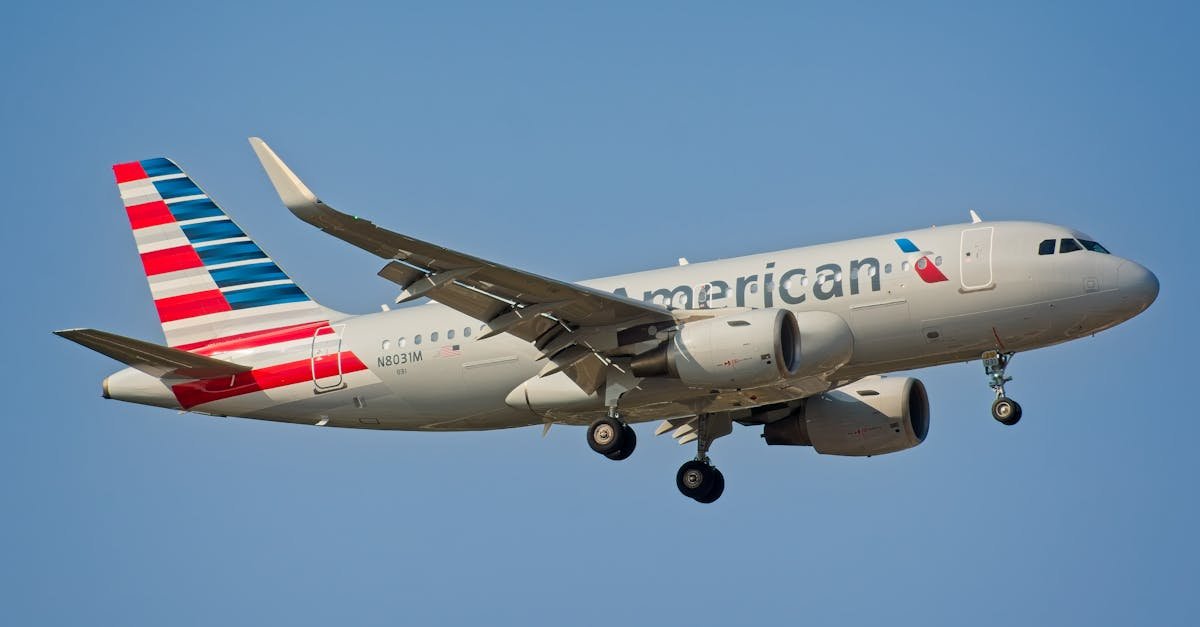
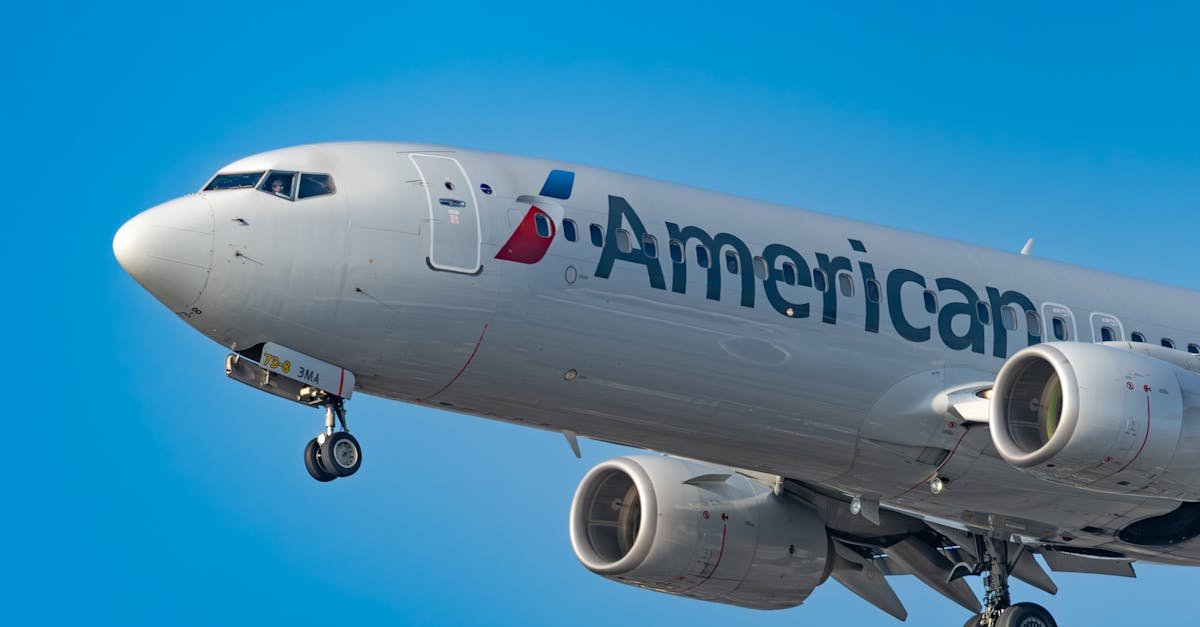
    Side view of a commercial airplane in flight against a clear blue sky.

    The Massive Diversions of February 28

    One of the most striking stories of the day involved an American Airlines long haul flight. Passengers on the Philadelphia to Doha route spent nearly seven hours in the air only to be told that the plane had to return to its origin point. Because the airspace in Qatar was suddenly restricted, the pilots had no choice but to execute a U turn over the ocean.

    This creates a massive logistical headache. These “flights to nowhere” mean that planes are ending up in the wrong cities, and flight crews are hitting their legal limits for working hours. If you were on one of these flights, you are likely exhausted and frustrated. American Airlines has set up specialized desks at their major hubs to handle these specific cases, but the sheer volume of travelers means that digital tools are currently your fastest way to get help.

    Understanding Your Refund Rights Under US Law

    When a major disruption like this occurs, airlines often try to offer travel vouchers or credits that expire after a year. However, as a passenger on a US carrier, you have much stronger protections than the airlines might initially mention. The United States Department of Transportation is very clear on this matter. If an airline cancels your flight for any reason, including war or regional conflict, and you choose not to take the alternative flight they offer, you are entitled to a full cash refund.

    This rule applies to all tickets, even those labeled as non refundable. If American Airlines cancels your trip to the Middle East, you do not have to accept a voucher. You can insist that the money be returned to your original credit card or bank account.

    What to Do if You Are Stranded Abroad

    While the Department of Transportation protects your ticket price, it does not strictly require airlines to pay for your hotel or food when the cancellation is due to an act of war or a security threat. This is where the situation gets tricky for those stuck in transit.

    If you are a passenger of American Airlines and you are stuck in a connecting city like London or Madrid, you should immediately speak with a gate agent about “distressed passenger” assistance. While they may not be legally obligated to pay for your room, many carriers provide vouchers for nearby hotels out of goodwill. If they refuse, make sure to keep every single receipt for your meals, transport, and lodging. You will need these to file a claim with your travel insurance provider later.

    Navigating the United and Delta Cancellations

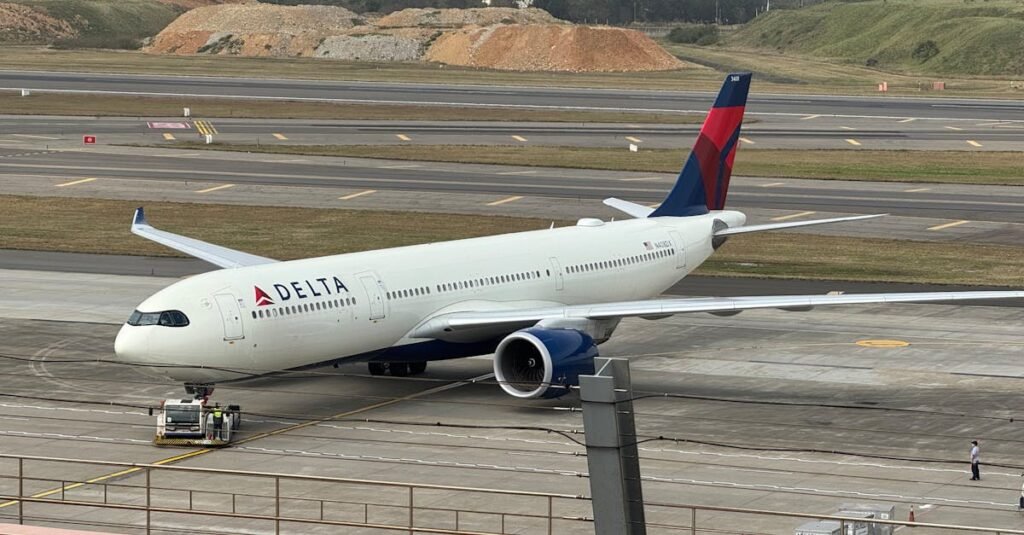
    Delta Air Lines Airbus A350 preparing for takeoff at Taiwan Taoyuan International Airport.

    United Airlines has seen similar chaos, particularly with its popular routes out of Newark Liberty International. Their direct service to Dubai is a major artery for people traveling to the Indian subcontinent. With that route now closed, United is working to rebook passengers on flights that go through Europe or Asia, though those seats are filling up in seconds.

    Delta Air Lines has also paused its Middle East operations. Delta often relies on its European partners like Air France and KLM. Because those airlines have also restricted their flights to the region, Delta passengers are finding that their entire itinerary has been wiped out. If you are in this position, you must check the Delta Travel Advisories page for the most recent updates on rebooking.

    The Importance of Travel Insurance and Credit Card Coverage

    In a situation as volatile as the 2026 conflict, your personal travel insurance is often more valuable than the airline policy itself. Many high end credit cards also offer built in trip interruption insurance. These policies usually cover the extra costs that the airline will not pay for, such as the price of a last minute flight on a different carrier or extended hotel stays.

    When you call your insurance company, tell them your flight was cancelled due to “airspace closure” or “security concerns.” Be prepared to provide your original American Airlines flight number and the official cancellation notice you received via email or text.

    Staying Safe with Government Programs

    For any American citizen currently in or near the conflict zone, the situation goes beyond just a missed flight. The US State Department has issued urgent travel warnings for the region. They highly recommend that all travelers enroll in the Smart Traveler Enrollment Program. This allows the US government to know your location and send you emergency updates about evacuation flights or airport reopenings.

    Preparing for Long Term Schedule Shifts

    Even if the military tension cools down in the next few days, do not expect American Airlines to resume a normal schedule immediately. The aviation industry is a delicate web. When hundreds of flights are cancelled at once, the planes and the pilots end up in the wrong parts of the world.

    It can take weeks to reset the system. If you have a flight booked for later in March or April of 2026, you should keep a very close eye on your email. There is a high chance of “schedule padding,” where airlines add extra time to flights to account for the longer routes they must now take to avoid the restricted airspace.

    Managing Your Journey Moving Forward

    The closure of these air corridors is a historic event for global aviation. While the primary concern for everyone involved is the restoration of peace and safety, the immediate task for travelers is to stay informed and protect their rights. American Airlines and its competitors are dealing with an unprecedented volume of requests, so patience is a necessity.

    Focus on using the mobile apps for the fastest updates, and remember that you are legally entitled to your money back if the airline cannot get you to your destination. Stay safe, stay connected, and keep your travel documents in a secure and accessible place at all times.

  • Delta, United and American Airlines International Routes: What US Travelers Need to Know During the Mexico Crisis 2026

    Delta, United and American Airlines International Routes: What US Travelers Need to Know During the Mexico Crisis 2026

    Traveling to Mexico has long been a staple for American vacationers seeking sun, culture, and relaxation. However, the events of late February 2026 have shifted the landscape significantly. Following a major military operation on February 22 that resulted in the death of a high profile cartel leader, several regions in Mexico experienced a sudden wave of civil unrest. For those with tickets on Delta, United, or American Airlines, navigating this situation requires more than just checking a flight board. It involves understanding specific airline waivers, regional safety alerts, and the logistical reality of a country in flux.

    The Spark of the Current Crisis

    The current instability stems from a military engagement in Jalisco that targeted the leadership of the Jalisco New Generation Cartel. In the immediate aftermath, retaliatory actions including roadblocks and vehicle fires were reported across more than a dozen states. While the Mexican government has worked to clear these blockades, the ripple effect on transportation has been immense. Major tourist hubs and transit points like Guadalajara and Puerto Vallarta bore the brunt of these disruptions, leading to a cascade of flight cancellations and a heightened security presence at transportation hubs.

    The U.S. State Department and the U.S. Embassy in Mexico City issued urgent notices shortly after the violence began.For a period, government employees were ordered to shelter in place in cities like Cancun, Tijuana, and Monterrey.While some of these orders have since been scaled back, the environment remains unpredictable. Travelers are currently advised to exercise extreme caution and stay informed through official channels.

    Delta Air Lines: Flexibility and Rebooking

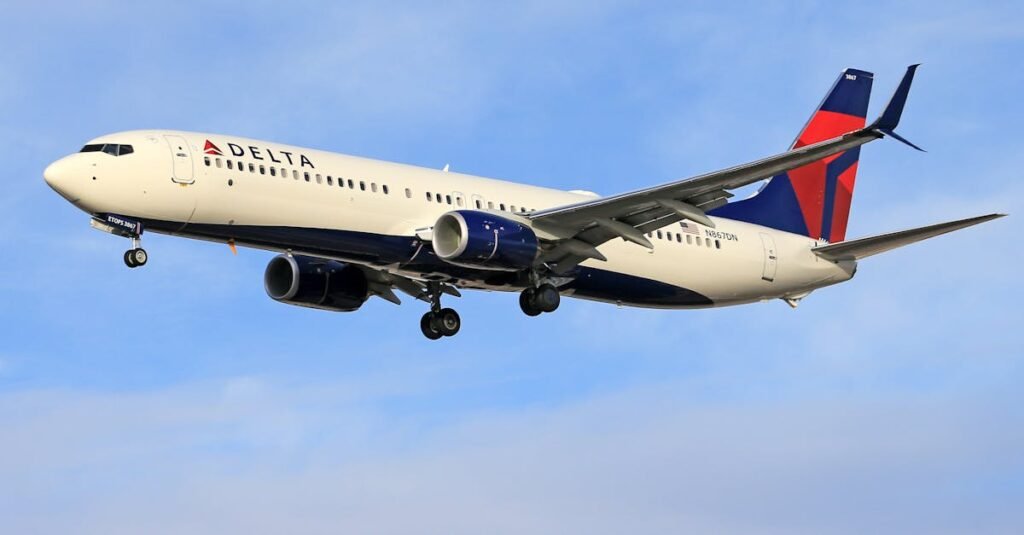
    Delta airline passenger plane flying in clear blue sky. Ideal for travel and transportation themes.

    Delta Airlines was among the first to respond to the unrest in Jalisco. The carrier recognizes that safety concerns often outweigh the desire to keep a travel date. Delta has issued specific travel waivers for passengers flying to, from, or through affected areas such as Guadalajara and Puerto Vallarta.

    If you are holding a ticket for travel through late February 2026, Delta is allowing a one time change without a fare difference, provided the new travel begins by early March. For those who cannot reschedule within that tight window, the airline is offering the option to cancel the flight and retain the value as a credit for one year. This flexibility is vital for families who may feel uncomfortable heading into a region that was recently under a shelter in place advisory. Delta continues to operate its main hubs in Atlanta, Minneapolis, and Detroit with a focus on repositioning crews that were displaced during the initial peak of the unrest.

    United Airlines: Managing the West Coast Pipeline

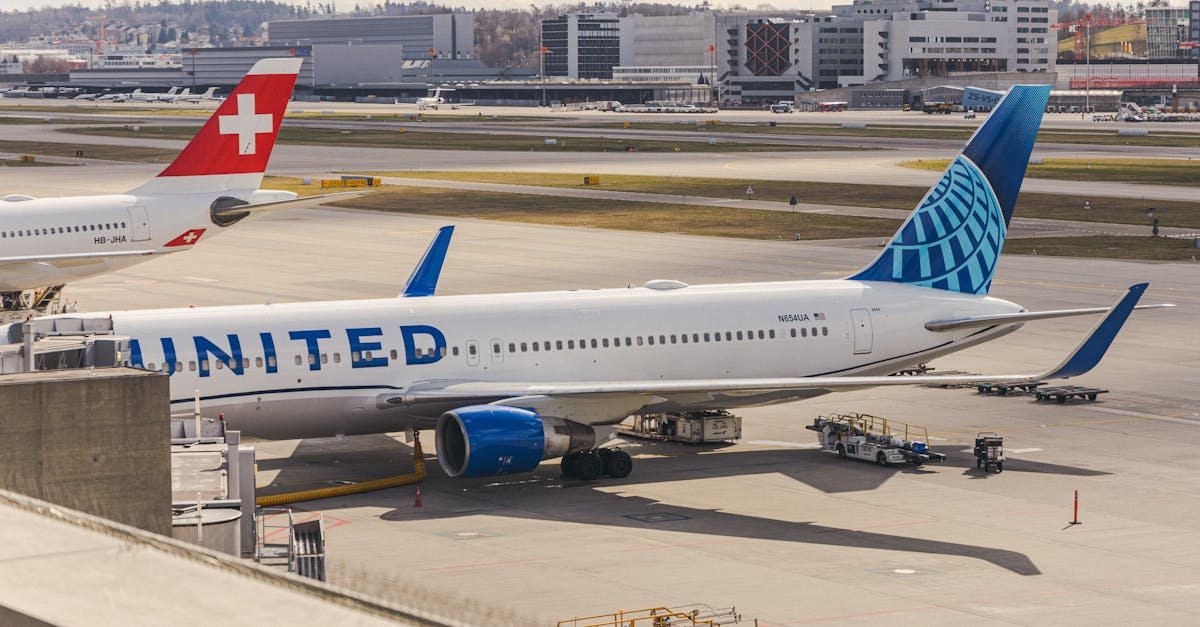
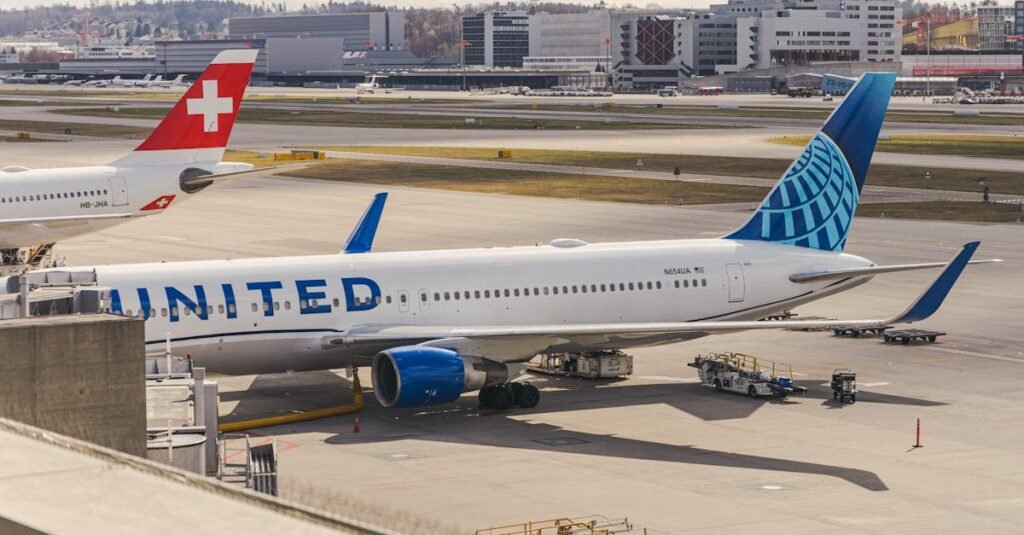
    United Airlines and Swiss planes parked at Zurich airport terminal on a clear day.

    United Airlines maintains a heavy presence in the Mexican market, particularly through its hubs in Houston, Denver, and San Francisco. Because United serves a high volume of business and leisure travelers heading to the Pacific coast of Mexico, the impact of the Guadalajara and Puerto Vallarta disruptions was significant.

    United has implemented a rebooking policy that covers original travel dates through the end of February. Passengers can shift their flights to a later date without paying a change fee or a difference in fare, as long as they stay in the same cabin and complete their travel by the first week of March. United has also utilized its “Agent on Demand” feature in its mobile app to help stranded passengers find alternative routes through less affected cities like Mexico City or Cabo San Lucas, where operations have remained relatively stable.+1

    American Airlines: Navigating a Difficult Week

    American Airlines has faced a particularly challenging week. In addition to the security crisis in Mexico, the airline dealt with separate operational hurdles in the Northeast United States. This “double hit” meant that American had to cancel a significant number of flights to Mexico on February 22 and 23.

    For travelers heading to Mexico, American Airlines has issued waivers for several key destinations, including Mazatlan, where U.S. government staff were restricted from traveling through February 25. If your flight was canceled by the airline, you are entitled to a full refund to your original form of payment. If you choose to keep your plans but want to delay them, American is waiving change fees for impacted routes. It is worth noting that some American flights actually turned around mid air when the violence first escalated, so checking the status of your specific aircraft is more important now than ever.

    Key Airports and Regional Status

    While the news often paints a broad brush, the crisis has affected different parts of Mexico in different ways. Knowing the status of your specific destination is crucial for a safe trip.

    • Puerto Vallarta (PVR) and Guadalajara (GDL): These were the epicenters of the flight disruptions. While flights have begun to resume, the availability of flight crews remains a bottleneck. Many ride share services were temporarily suspended in these cities, so traditional taxis or hotel shuttles are the more reliable choice for now.
    • Cancun and the Riviera Maya: This region saw a brief shelter in place order for government officials, but the situation has stabilized faster here than in the west. Most flights are operating on schedule, though travelers are still urged to stay within resort perimeters.
    • Tijuana and Baja California: Roadblocks impacted the areas near the border, making land crossings risky. Travelers are encouraged to fly directly into their destination rather than crossing the border by car.
    • Mexico City (MEX): The capital has remained the most stable transit point. Many travelers have successfully reached their final destinations by rerouting through Mexico City and taking domestic connections.

    Essential Safety Tips for US Travelers

    If you decide to proceed with your travel plans, you must take extra precautions to ensure your safety and your ability to return home.

    First, enroll in the Smart Traveler Enrollment Program (STEP). This is a free service provided by the U.S. government that allows the Embassy to contact you in an emergency. Second, keep a digital and physical copy of your passport and entry documents in separate locations.

    Avoid traveling on highways at night. Many of the reported incidents involved roadblocks on major toll roads. If you must travel between cities, do so during daylight hours and stick to the most frequented routes. Lastly, stay in constant contact with your airline. Use their mobile apps to receive real time notifications, as the situation on the ground can change within minutes.+2

    Looking Ahead to March 2026

    As we move toward the end of February, the frequency of violent incidents has decreased, and the Mexican military has increased its presence in tourist zones to restore confidence. Most airlines expect to return to a full schedule by the first week of March, provided no further retaliatory actions occur.

    The crisis serves as a reminder of how quickly the travel landscape can change. For now, the best strategy is a mix of flexibility and caution. If you are unsure about your safety, the generous waiver policies from Delta, United, and American provide a safety net that allows you to postpone your trip without losing your financial investment.