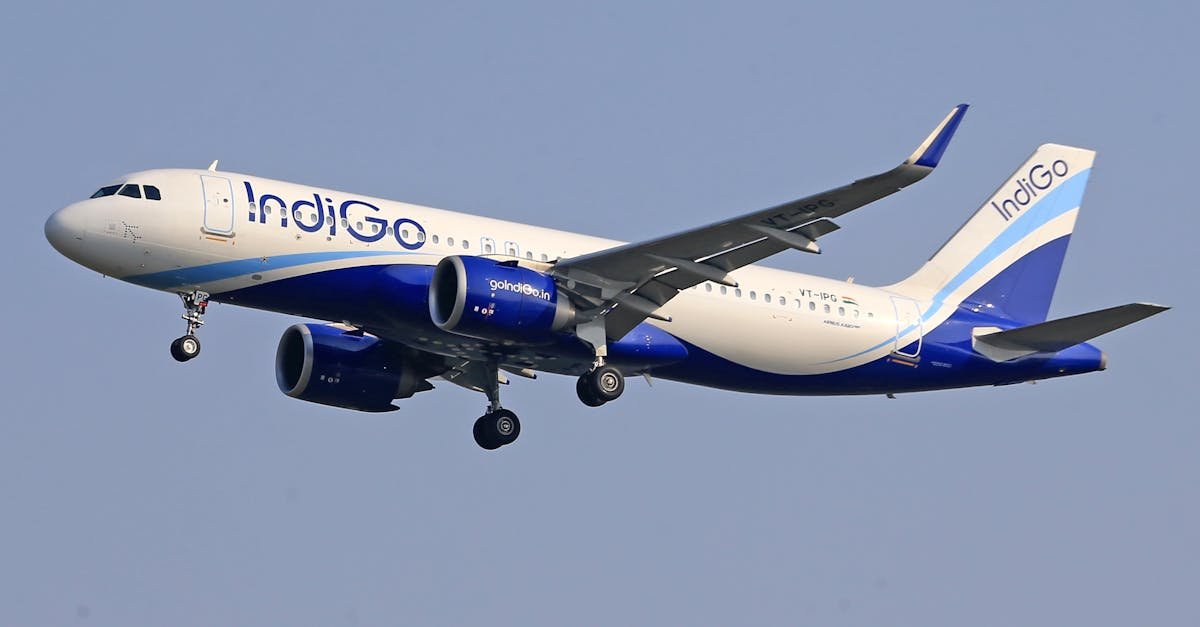
The serenity of travel was abruptly shattered at Netaji Subhas Chandra Bose International (NSCBI) Airport in Kolkata on Saturday, February 14, 2026. In a bizarre and unsettling turn of events, not one, but two separate IndiGo flights were targeted by bomb threats within a single day. What started as a standard weekend for thousands of travelers quickly devolved into a high-stakes security operation involving bomb squads, sniffer dogs, and the evacuation of dozens of passengers.
This detailed report breaks down exactly what happened, the specific flights involved, and the rigorous security protocols that follow such “specific” threats in the modern aviation landscape.
The Morning Crisis: Flight 6E 7304 (Kolkata to Shillong)
The first incident of the day began just as passengers were settling into their seats for a morning flight to the hills of Meghalaya.
The Discovery
Around 9:15 AM, roughly fifteen minutes before the scheduled departure of IndiGo flight 6E 7304, a member of the cabin crew conducted a routine check of the aircraft’s lavatory. Inside, they discovered a chilling sight: a small, handwritten note on a slip of paper claiming that an explosive device had been placed on the aircraft.
Immediate Evacuation
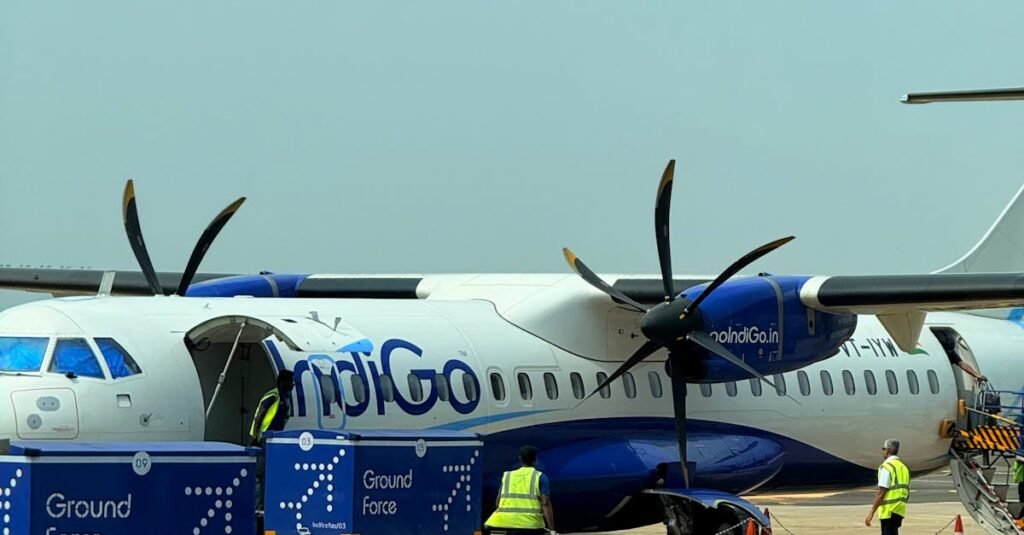
The crew followed emergency protocols instantly. The pilot-in-command alerted Air Traffic Control (ATC), and the “Bomb Threat Assessment Committee” (BTAC) was convened within minutes. The aircraft, an ATR-72 turboprop, was carrying 60 passengers and 4 crew members.+2
To ensure maximum safety, all passengers were deboarded and moved to a secure waiting area inside the terminal. The aircraft was then towed to a designated isolation bay, located at a safe distance from the main terminal buildings and other taxiing aircraft.
The Security Sweep
For the next four hours, the Kolkata airport became a hive of security activity. The Central Industrial Security Force (CISF) and the local police bomb disposal squad meticulously searched every inch of the plane.
- Luggage Screening: Every piece of checked-in and carry-on baggage was offloaded and passed through X-ray scanners again.
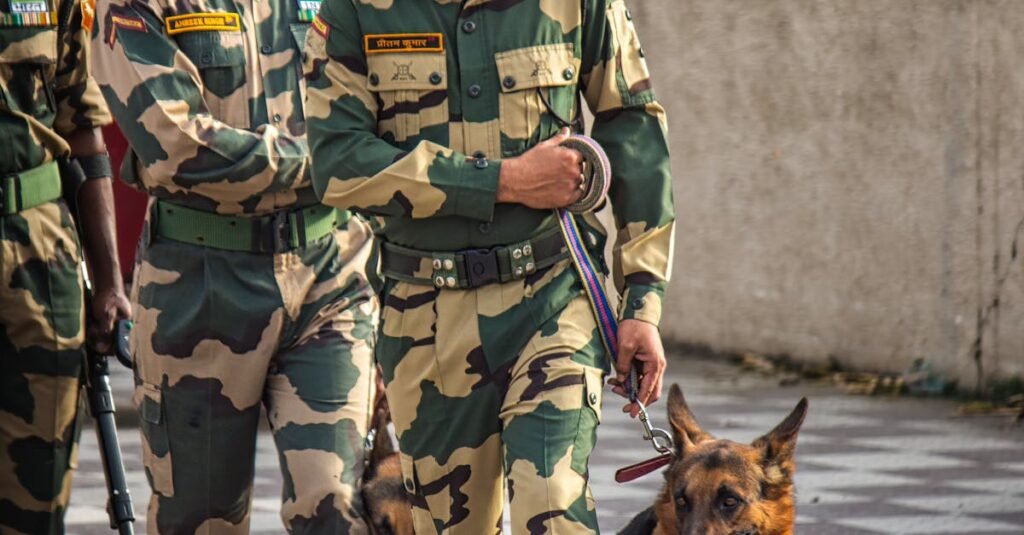
- K9 Units: Sniffer dogs were deployed to detect any trace of volatile organic compounds or explosive residues.
- Result: After a grueling search, the aircraft was declared “clean” at approximately 1:00 PM. The flight finally departed for Shillong at 1:33 PM, over four hours behind schedule.
The Evening Escalation: Indigo Flight 6E 6894 (Dibrugarh to Kolkata)
Just as the airport authorities were breathing a sigh of relief, a second, even more unusual threat emerged as the sun set over the city.
The “Lipstick” Threat
Around 7:30 PM, as IndiGo flight 6E 6894 from Dibrugarh, Assam, was preparing for its descent into Kolkata, a second bomb threat was reported. This time, the medium was different. A passenger or crew member found a message written in red lipstick on the toilet mirror, indicating the presence of a bomb.
Priority Landing and Isolation
The captain immediately notified Kolkata ATC of a “specific threat” on board. The aircraft was given priority for landing and touched down safely at 7:37 PM. Following the same protocol as the morning incident, the plane was taxied to the isolation bay.
Passengers were once again deboarded under heavy security presence. While the “lipstick note” seemed like the work of a prankster, security agencies cannot afford to take risks. A secondary search operation was launched, involving the same rigorous BDDS (Bomb Detection and Disposal Squad) protocols used earlier in the day.
Understanding the Security Response: The BTAC Protocol
When a bomb threat is reported in India, it isn’t just a matter of “checking the plane.” There is a highly structured legal and security framework that must be followed.
1. The Bomb Threat Assessment Committee (BTAC)
The BTAC is the first line of decision-making. It consists of the Airport Director, members of the CISF, representatives from the airline, and local intelligence officials. They categorize threats into two types:
- Non-Specific: Often vague calls or emails that lack detail. These are monitored but may not lead to evacuations.
- Specific: Threats that provide flight numbers, locations (like the lavatory), or physical notes. Both of Saturday’s incidents were classified as Specific, triggering full-scale evacuations.
2. The Role of the Isolation Bay
Every major airport like Kolkata has a designated “Isolation Bay.” This is a parking spot located at the furthest possible point from fuel depots, terminal glass, and other aircraft. If an explosion were to occur, the isolation bay minimizes the “blast radius” impact on the rest of the airport’s infrastructure.
3. Secondary Frisking (SLPC)
Even after a plane is cleared, passengers often undergo Secondary Ladder Point Check (SLPC). This is a final manual frisking of passengers and their hand bags at the base of the aircraft stairs before they are allowed to re-board.
The Growing Menace of Hoax Threats in 2026
The twin incidents at Kolkata are part of a worrying trend in the Indian aviation sector. Since late 2024 and through 2025, Indian airlines particularly IndiGo, Air India, and Vistara have been hit by a staggering number of hoax threats.
| Year | Number of Reported Hoax Threats (Approx.) |
| 2023 | 71 |
| 2024 | 728 |
| 2025 | 836+ |
| 2026 (To Date) | On track to exceed 2025 levels |
Why is this happening?
Security experts suggest that the motives vary from “social media clout” to disgruntled passengers attempting to delay flights they are running late for. However, the cost is real. A single hoax threat can cost an airline between ₹50 lakh to ₹3 crore depending on fuel jettisoning, passenger compensation, and operational delays.
Legal Consequences: What Happens to the Culprits?
The Bidhannagar Police have registered cases against “unknown persons” for both the paper note and the lipstick message found on February 14.
The Indian government has recently tightened the Civil Aviation Act to deal with such offenders. Those caught making hoax threats now face:
- No-Fly List: A lifetime ban from flying on any Indian carrier.
- Non-Bailable Charges: Under the Suppression of Unlawful Acts against Safety of Civil Aviation Act, offenders can face up to life imprisonment.
- Financial Recovery: Airlines are increasingly suing individuals for the massive financial losses incurred during the grounding of aircraft.
Conclusion: A Day of Vigilance
While both threats at Kolkata Airport were ultimately proven to be hoaxes, the events of February 14, 2026, serve as a stark reminder of the “new normal” in air travel. The seamless coordination between IndiGo’s crew and the Kolkata airport security team ensured that despite the 120+ passengers affected across both flights, not a single person was harmed.
For travelers, the message is clear: expect delays and cooperate with security. In an era of digital and physical hoaxes, “better safe than sorry” remains the gold standard of the skies.
Leave a Reply