Category: Airports

  • Mustang Madness: Man Storms Runway to Hijack Embry-Riddle Plane at Daytona Airport

    Mustang Madness: Man Storms Runway to Hijack Embry-Riddle Plane at Daytona Airport

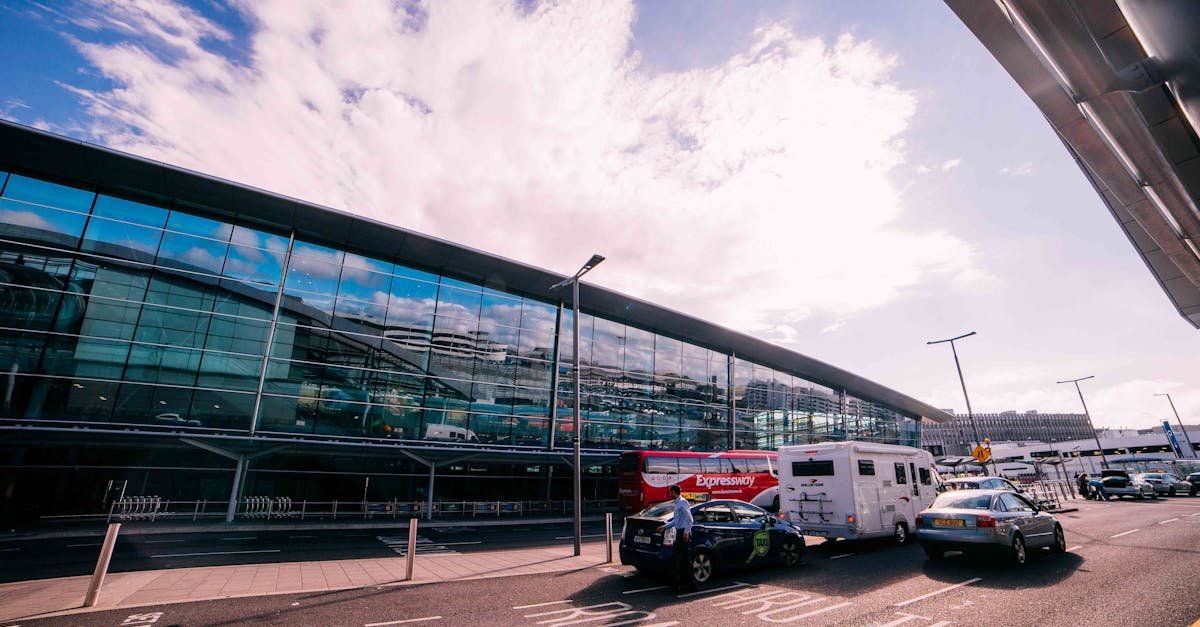
    Wednesday afternoon at Daytona Beach International Airport is usually defined by the steady hum of flight school engines and the routine departure of commercial jets. However, March 25, 2026, took a turn for the bizarre when a blue Ford Mustang transformed the secure airfield into a high speed pursuit zone. What started as a standard day for student pilots and travelers quickly spiraled into a security crisis as an intoxicated driver breached the perimeter and attempted to board multiple aircraft.

    Smashed Gates and a High Speed Entry

    The chaos began around 4:23 p.m. at the international terminal. Witnesses and airport staff were stunned when a blue Ford Mustang suddenly accelerated, crashing through a secure perimeter gate. Security gates at major airports like Daytona Beach are designed to withstand significant impact, but the momentum of the vehicle allowed the driver to break through and enter the restricted taxiway system.

    Once inside the fence, the driver did not slow down. He steered the car across active taxiways and even crossed an active runway. This area of the airport is typically restricted to licensed pilots, ground crews, and air traffic control vehicles. The presence of a civilian sports car weaving through the pavement created an immediate life safety threat for any planes in the process of taking off or landing.

    A Near Miss with Embry Riddle Students

    One of the most terrifying moments of the afternoon involved a plane belonging to Embry Riddle Aeronautical University. The university, which is world famous for its flight training programs, operates a large fleet of small Cessnas and Pipers. These planes are often piloted by students gaining their necessary flight hours.

    As the Mustang sped across the airfield, it nearly collided with an Embry Riddle aircraft that was taxiing toward a runway. Ground observers reported that the car came within feet of the small plane. For the students inside the cockpit,seeing a car racing toward them on a secure taxiway was likely a surreal and frightening experience. The quick reflexes of ground crews and the pilots prevented a ground collision that could have been fatal given the speed of the Mustang.

    The Hijacking Attempt on the Tarmac

    After nearly hitting the taxiing plane, the driver abandoned his vehicle in the middle of the airfield. Instead of surrendering, he began a frantic sprint toward the parked aircraft. His first target was a plane that was currently occupied and had its engine running.

    The man reached the door of the occupied aircraft and began pulling on the handle, desperately trying to force his way inside. Fortunately, the pilot had the doors secured. In the world of aviation, “hijacking” is a heavy word that triggers immediate federal response. While the driver did not appear to have a complex plan or weapons, his intent to enter a running aircraft created a “hijack” scenario that put the entire airport on lockdown.

    When he failed to enter the first plane, the suspect did not stop. He ran toward two other unoccupied planes. According to local law enforcement, he actually managed to briefly enter one of the empty aircraft before he was physically confronted.

    Security and Staff Spring Into Action

    The breach was short lived thanks to the rapid response of airport personnel. An airport operations technician was among the first to reach the suspect. The technician managed to pull the man out of the empty aircraft and physically restrain him. At one point, the suspect was sat on the tailgate of a ground vehicle, but his erratic behavior continued as he tried to jump off and run toward yet another plane.

    Security teams from Embry Riddle Aeronautical University and Daytona Beach International Airport arrived on the scene within seconds. They were joined by deputies from the Volusia Sheriff’s Office. The coordinated effort between university security and local police allowed for a quick apprehension without any shots being fired or injuries reported.

    Identifying the Driver and the Motive

    The Volusia Sheriff’s Office later identified the driver as 58 year old Bryan Parker from nearby Holly Hill. When deputies took him into custody, the reason for his erratic behavior became clearer. Parker appeared to be highly intoxicated.

    During initial questioning, Parker reportedly told investigators that he had been using a combination of alcohol and drugs. He claimed that he had no memory of how he ended up on the airport grounds or why he was trying to get into the planes. This state of total disorientation made him an unpredictable threat to everyone on the tarmac. While his lack of memory might be a legal defense strategy, the physical evidence of the smashed gate and the dashcam footage from the airport tells a very clear story of a dangerous security breach.

    Legal Fallout and Federal Involvement

    Because the incident involved a breach of a commercial airport and an attempted entry into aircraft, the legal consequences are severe. Bryan Parker is facing a long list of charges, including:

    • Trespass on an operational area of an airport.
    • Burglary of an occupied conveyance.
    • Attempted grand theft of an aircraft.
    • Criminal mischief for the destruction of the airport gate.
    • Driving under the influence.

    In addition to local charges, the FBI and the Domestic Security Unit have been involved in the investigation. Any time a person tries to seize control of an airplane, even if they are intoxicated and unsuccessful, it falls under federal aviation security laws. The FAA is also expected to review the incident to determine if any changes are needed for the physical security of the Daytona Beach terminal gates.

    Staying Safe in the Skies and on the Ground

    Despite the dramatic nature of the event, airport officials confirmed that operations were not permanently crippled.While the specific area of the breach was cordoned off for investigation, commercial flights were able to continue with minimal delays once the suspect was in custody.

    The incident serves as a stark reminder of the importance of airport “ramp” security. While passengers go through intense screening at TSA checkpoints, the exterior gates of an airport must also be strong enough to keep out ground level threats. The fact that the suspect was able to drive a car onto an active runway is a major point of concern for aviation safety experts.

    For the students and staff at Embry Riddle, it was a day they won’t soon forget. Training to be a pilot involves learning how to handle engine failures and bad weather, but “Mustang on the runway” is a scenario that isn’t usually in the handbook.

    Looking Ahead at Airport Security Upgrades

    In the wake of this breach, there is already talk among Volusia County officials about upgrading the perimeter fencing and gates at the airport. While the response from security was fast, the goal is to prevent the entry from happening in the first place. Enhanced barriers and better surveillance might be the legacy of this strange March afternoon.

    As for Bryan Parker, he remains in the Volusia County Branch Jail. His blue Mustang, once a symbol of American muscle, is now evidence in a case that highlights just how dangerous the combination of intoxication and a high performance vehicle can be. The community is thankful that the only things broken were a metal gate and a few aircraft door handles, rather than lives.
  • Fact Check: Was Dubai Airport Bombed? What We Know About DXB Damage and Current Flight Status

    Fact Check: Was Dubai Airport Bombed? What We Know About DXB Damage and Current Flight Status

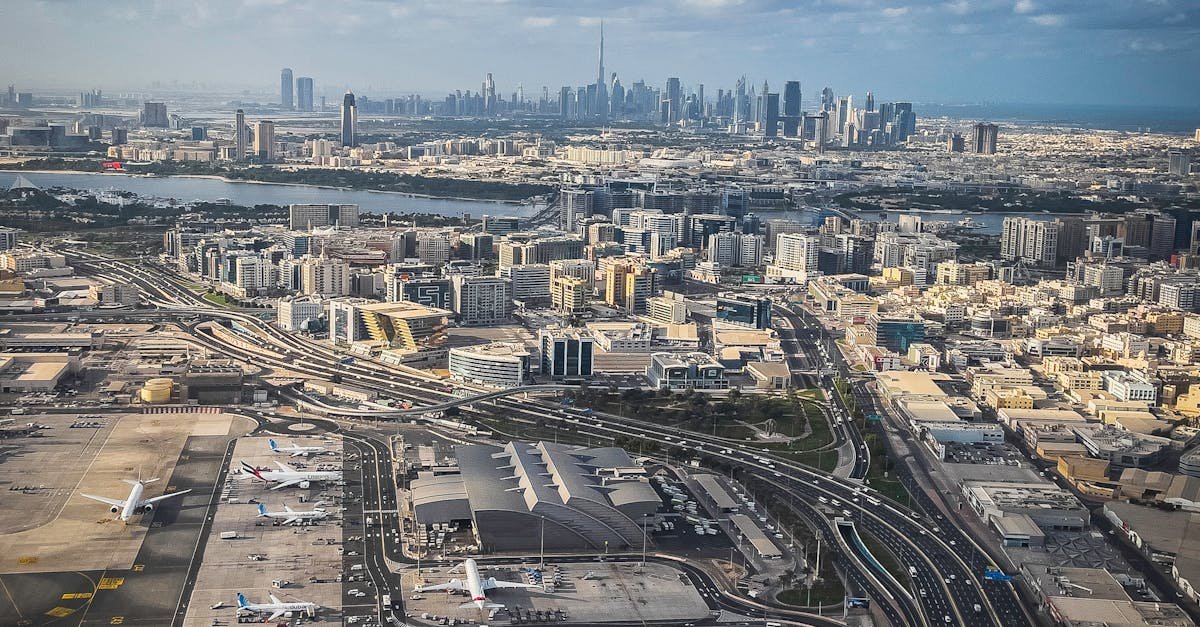
    Early this morning, March 1, 2026, the world woke up to alarming reports concerning Dubai Airport. Social media feeds quickly filled with grainy videos of smoke and flashing lights, leading many to ask if the global travel hub had been bombed. While the situation is serious and involves physical damage, the word bombed carries a specific weight that requires a closer look at what actually happened on the ground.

    The Reality of the Incident at Dubai Airport

    To be precise, Dubai Airport was not targeted by a traditional bombing in the sense of a planted explosive device. Instead, the facility was caught in the crossfire of a significant regional military escalation. Early Sunday morning, a series of missiles and drones were launched from Iran toward various locations across the Gulf.

    Government officials from the Dubai Media Office have confirmed that a concourse at Dubai International (DXB) sustained what they describe as minor structural damage. This occurred during the overnight hours when the UAE air defense systems were actively intercepting multiple incoming threats. It appears that either a direct hit from a small drone or falling debris from an intercepted missile impacted a section of the terminal.

    Reports of Damage and Injuries

    The most distressing part of the news involves the people working at the site. According to official statements, four airport staff members were injured during the incident. These individuals were quickly attended to by emergency medical teams that are permanently stationed at the airport. Fortunately, the injuries were not reported as life threatening, but the event caused significant panic among those still in the building.

    Visible damage was reported at Terminal 3, which is the primary home for Emirates. Photos shared by witnesses show shattered glass and debris near the immigration and concourse areas. Outside the airport, the impact was felt as well. Shrapnel and debris from the interceptions caused a small fire on the exterior of the Burj Al Arab hotel and another fire at the Jebel Ali Port. While these fires were small and quickly put out, they underscore the scale of the aerial activity over the city.

    Why the Airport Was Partially Empty

    One reason the casualty count remained low is that authorities had already begun taking defensive measures. Before the projectiles reached the city, a national emergency alert was sent to mobile phones across the UAE. The message told residents to stay away from windows and seek shelter immediately.

    Because of these proactive warnings, Dubai Airport had already started clearing sections of its terminals. Many passengers had been moved to more secure, reinforced areas of the building or were kept away from glass facades. This quick thinking by the National Emergency Crisis and Disaster Management Authority likely saved many lives.

    Current Flight Status and Airspace Closures

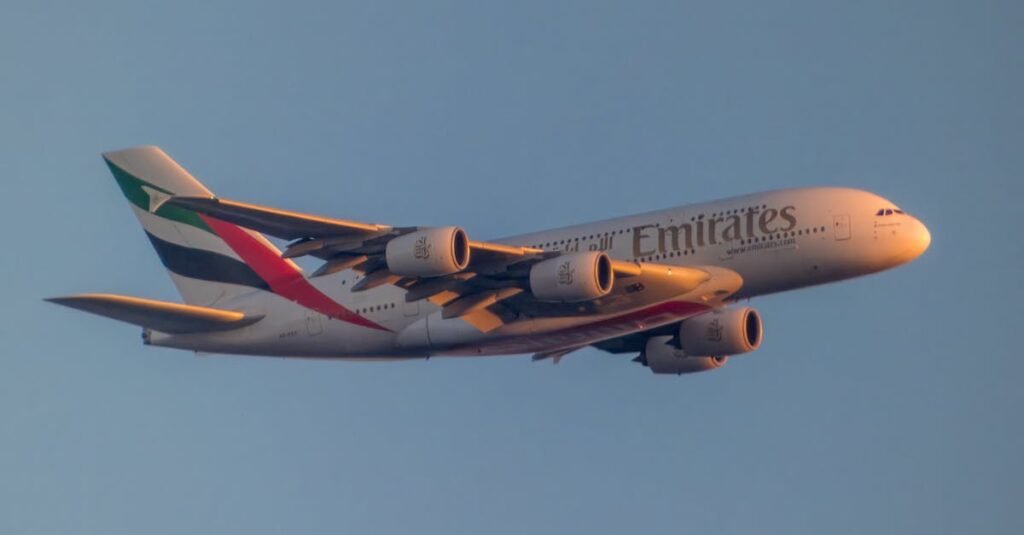
    Emirates Airbus A380 flying high during sunset, capturing elegance and aviation engineering.

    As of Sunday afternoon, the status of Dubai Airport is at a standstill. The General Civil Aviation Authority made the difficult call to close the UAE airspace partially to ensure no civilian planes were caught in the conflict. This has led to a total suspension of flight operations at both DXB and Al Maktoum International (DWC).

    Major carriers have issued the following updates:

    • Emirates: All flights leaving from or arriving in Dubai are suspended until at least 3:00 PM local time. This window may be extended depending on the security assessment.
    • Flydubai: The airline has grounded its fleet and canceled all flights to and from the region for the remainder of the day.
    • Etihad Airways: Operations in Abu Dhabi have also been halted, with departures paused until at least 2:00 PM.
    • International Airlines: Carriers like Air India, Lufthansa, and British Airways have canceled their flights to the Gulf or rerouted them to avoid the region entirely.

    If you have a flight booked today, the advice from every airline is the same: stay away from the airport. The roads leading to the terminals are heavily monitored, and with no planes taking off, the facilities are not accepting new passengers.

    How Travelers Can Get Help

    For those currently stranded, the situation is frustrating but being managed. Emirates has stated that anyone scheduled to travel within the next 72 hours can rebook their flight for a date within the next 10 days without paying any change fees. Alternatively, passengers can opt for a full refund.

    If you booked your trip through a travel agent, you must contact them directly to make changes. If you booked through the airline website, their apps and customer service lines are the best way to get updates, though wait times are expected to be very long given the thousands of people affected globally.

    The Bigger Picture for Global Travel

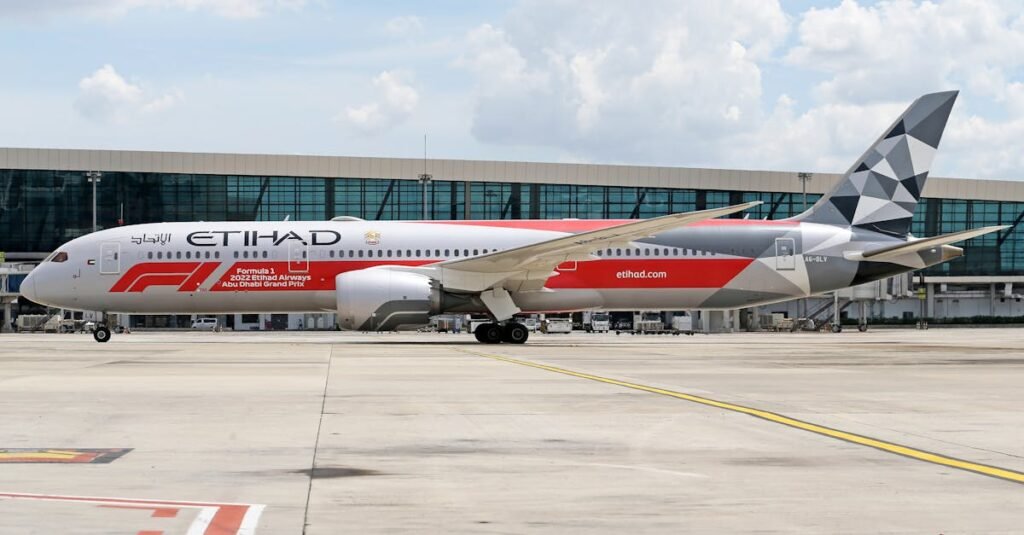
    Etihad Airways Boeing 787 with Formula 1 livery parked at a modern airport.

    Dubai Airport is the busiest international hub in the world. When it stops moving, the rest of the world feels it. From London to Sydney, thousands of passengers are currently sitting in transit lounges waiting for news. The closure of this airspace means that long haul flights between Europe and Asia must now take much longer routes around the Middle East, leading to fuel stops and further delays.

    The UAE government has reiterated that the safety of its residents and visitors is the top priority. They are working with international security partners to assess when the skies will be safe enough to resume the roar of jet engines.

    Staying Safe and Getting the Facts

    In times of crisis, rumors spread faster than the truth. You may see dramatic headlines or unverified videos on social media claiming the airport has been destroyed. It is important to look at the official word from the Dubai Media Office and the airlines themselves.

    The damage at Dubai Airport is real, and the injuries to the staff are a tragedy, but the facility remains standing. The current closure is a precautionary measure to prevent further risk to human life.

    What to Watch for in the Coming Hours

    The next few hours will be critical for anyone hoping to travel. Authorities will be conducting a full sweep of the runways and terminal structures to ensure everything is safe for use. Once the military threat is deemed to have passed, a phased reopening will likely begin.

    Expect the first flights to be arrivals that were previously diverted to other countries. It will likely take several days for the backlog of passengers to clear and for schedules to return to their normal rhythm. Until then, the best thing anyone can do is stay informed through official channels and remain in a safe location.

  • American Airlines’ Worker Faces Charges in Major CLT Security Breach

    American Airlines’ Worker Faces Charges in Major CLT Security Breach

    The atmosphere at Charlotte Douglas International Airport turned from routine to high alert recently following a major security incident involving an American Airlines employee. What started as a regular shift in a secure area of the airport ended with an arrest and a felony charge that has sent ripples through the local aviation community. This situation highlights the extreme sensitivity of airport operations and the zero tolerance policies in place for any communication regarding potential threats.

    The Details of the Incident at Charlotte Douglas

    On the evening of February 26, 2026, law enforcement was called to Charlotte Douglas International Airport after reports surfaced of a potential bomb threat. The focus of the investigation was Christian Cox, a twenty-five-year-old resident of Gastonia, North Carolina. Cox was working as an employee for American Airlines at the time of the incident.

    According to police records and official reports, the threat originated from a text message sent by Cox to a coworker. Both individuals were assigned to a restricted baggage handling area, a part of the airport that requires high level security clearance and is off limits to the general public. The message reportedly claimed that an explosive device was located inside one of the airport elevators.

    The coworker who received the message took the situation seriously and immediately notified a supervisor. This triggered an emergency response from the Charlotte-Mecklenburg Police Department and airport security officials. Officers arrived at the scene around 6:45 p.m. to secure the area and locate the individual responsible for the message.

    A Joke with Serious Consequences

    During the subsequent questioning by law enforcement, Cox admitted to sending the text message from his personal mobile device. He reportedly told investigators that the message was intended to be a joke between colleagues and was not meant to be taken as a legitimate threat. He even used phrases like “don’t be a hero” in the text, which added a layer of perceived urgency that the recipient and supervisors could not ignore.

    Regardless of the intent, airport authorities and federal law enforcement do not have the luxury of treating such messages as humor. In an industry where safety is the absolute priority, every mention of a bomb or a weapon is treated as a credible threat until a thorough investigation proves otherwise. In this case, although no explosives were found and no one was injured, the legal repercussions for the employee were immediate and severe.

    Understanding the Felony Charges

    Christian Cox now faces a felony charge for making a false report of a bomb in a public building. This is a significant legal matter in North Carolina. Under state law, making a false report concerning a destructive device is not a minor infraction. Because it involves a public facility as critical as an international airport, the charge carries weight that could lead to prison time and a permanent criminal record.

    After his arrest, Cox was processed and scheduled for an appearance at the Mecklenburg County Courthouse. Beyond the criminal court system, there are professional consequences to consider. American Airlines has a strict code of conduct regarding security and safety. While the airline has not released a lengthy public statement on the specific disciplinary actions taken, workers in secure zones who violate safety protocols typically face immediate suspension or termination of their employment.

    Why Airport Security Breaches are Handled So Strictly

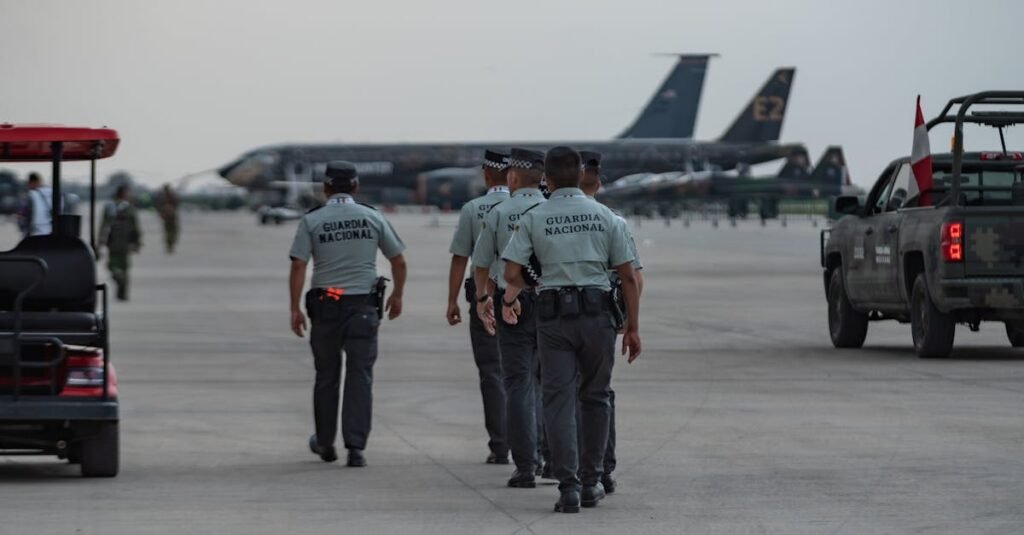
    National Guard officers patrolling an airport tarmac with planes in the background.

    Charlotte Douglas International Airport is one of the busiest travel hubs in the world. It serves as a primary gateway for American Airlines, handling hundreds of flights and thousands of passengers every single day. Because of the sheer volume of people and the complexity of moving luggage and aircraft, a security breach in a restricted area can cause massive operational delays.

    When a threat is reported, security teams must often shut down specific zones, sweep for devices, and redeploy personnel. This costs the airport and the airlines money, but more importantly, it places a heavy emotional burden on travelers and other staff members. The “insider threat” is a major concern for the Transportation Security Administration. Employees are given special access because they are trusted to keep the system running safely. When that trust is broken, even for a “joke,” it forces a full re-evaluation of security measures.

    The Role of Law Enforcement and the TSA

    In an incident like this, multiple agencies work together to resolve the situation. The Charlotte-Mecklenburg Police Department handles the initial arrest and the local criminal charges. However, the TSA and potentially federal investigators also look into the breach. They want to know how the message was sent and if any physical security barriers were bypassed.

    Federal law under the U.S. Code also prohibits unauthorized access to secured areas or the disruption of airport services. While Cox was an authorized employee, using that authorization to create a panic is a violation of the spirit of his security clearance. This serves as a reminder that background checks and security training are ongoing processes.Every person with a badge at CLT is expected to act as a line of defense, not a source of disruption.

    Impact on Airport Operations and Passenger Safety

    Fortunately for travelers, the response to this specific breach was contained quickly enough that it did not lead to a total airport shutdown. Operations eventually returned to normal once the baggage area was cleared and the suspect was in custody. However, the psychological impact remains. Passengers want to know that the people handling their bags and working around the planes are focused entirely on safety.

    Incidents like these often lead to “safety stand-downs” where employees are gathered for additional training. Management uses these moments to remind everyone that their personal communications, especially while on the clock in a secure zone, are subject to scrutiny. There is no such thing as a “private joke” when it involves the safety of a public building.

    Looking Ahead to the Legal Process

    As the case against Christian Cox moves through the Mecklenburg County court system, the focus will be on the specific language of the law regarding false reports. His defense may argue a lack of “criminal intent” or that the message was a lapse in judgment rather than a malicious act. However, the prosecution will likely argue that the act of sending the message is the crime itself, regardless of whether the sender wanted to cause a real explosion.

    For the community in Gastonia and Charlotte, this story is a cautionary tale. It shows how a single text message, sent in a moment of poor judgment, can derail a career and lead to a felony record. It also reassures the public that the reporting systems at Charlotte Douglas work. The fact that a coworker immediately reported the message shows that the culture of “see something, say something” is alive and well among the staff at CLT.

    Protecting the Integrity of the Aviation System

    Side view of a commercial airplane in flight against a clear blue sky.

    The safety of the skies starts on the ground. From the TSA checkpoints to the hidden baggage tunnels under the terminals, every inch of an airport is a controlled environment. This felony charge against an American Airlines worker is a harsh but necessary reminder that the rules of the airport apply to everyone, regardless of their uniform.

    As we move forward into 2026, technology makes it easier than ever to communicate, but it also makes it easier to track and document threats. Law enforcement has the tools to trace every digital footprint, meaning there is no way to hide a false report once the “send” button is pressed.

  • $1 Billion American Airlines Investment: MIA Concourse Expansion Starts

    $1 Billion American Airlines Investment: MIA Concourse Expansion Starts

    Miami International Airport is standing at the edge of a massive transformation. In a move that highlights the long term partnership between the city and its largest carrier, American Airlines has officially unveiled a one billion dollar plan to overhaul and expand a vital section of the airport. This project is not just about adding more space; it is about fixing a part of the terminal that has long been a source of frustration for travelers. By focusing on Concourse D, specifically the area known as the North Terminal West Extension, the airline and the county aim to modernize the gateway to Latin America and the Caribbean.

    A Major Shift for Concourse D

    For years, passengers flying on regional routes through Miami have dealt with a less than ideal setup at Gate D60. This specific area currently operates with a single shared boarding lounge and seventeen ground level gates. Because of the way it was built, travelers often have to walk outside across the pavement to reach their planes, sometimes in the heat or rain.

    The new one billion dollar investment changes everything for this footprint. Instead of a cramped waiting room and outdoor ramps, American Airlines will build a three level concourse extension. This new facility will provide seventeen traditional gates equipped with jet bridges. This means every passenger will be able to board their flight directly from a climate controlled indoor area. The change is a huge step forward for comfort and efficiency, especially as the airport continues to see record breaking numbers of visitors every year.

    Improving the Passenger Journey

    While the number of gates might stay the same at seventeen, the quality of those gates will be vastly different. The current “bus station” feel of the regional gate area will be replaced by thirty thousand square feet of new retail and dining options. Travelers will have more places to sit, eat, and shop while they wait for their departures.

    On top of the public spaces, the plan includes thirty thousand square feet of dedicated lounge space. American Airlines has been hinting at new premium offerings for its top tier flyers, and this expansion provides the perfect canvas for those upgrades. The design itself promises to be a reflection of Miami, with bright and open layouts, lots of natural light, and even indoor palm trees to give the terminal a tropical feel.

    Better Connections for International Travelers

    One of the most practical upgrades in this project involves the third floor of the new concourse. The design includes a direct connection to the United States Customs and Border Protection facility. This is a game changer for international arrivals. Currently, navigating from certain parts of the North Terminal to the customs hall can be a long and confusing trek.

    By building in these sterile corridors from the start, American Airlines is making it easier for people coming from abroad to clear immigration and get to their next flight or out into the city. Since Miami is a primary hub for travel between the United States and the south, these infrastructure tweaks have a global impact on how smoothly people move through the world.

    The Timeline and Construction Goals

    A project of this scale does not happen overnight. According to the plans shared by the airline and Miami-Dade County, the official groundbreaking for the D60 expansion is set for the summer of 2027. If everything stays on schedule, the new concourse will be fully operational by the summer of 2030.

    During the next year, the teams will focus on finalizing the architectural designs. While the general layout is known, the specific aesthetic details and final vendor selections will be decided soon. The goal is to create a building that meets silver level LEED certification, meaning the construction will focus on sustainability and energy efficiency. Using modern materials and smarter cooling systems will help the airport reduce its carbon footprint even as it grows in size.

    Paying for the Future

    A common question with billion dollar projects is where the money comes from. This expansion is part of a much larger nine billion dollar modernization effort at Miami International Airport. Most of the funding for these improvements comes from bonds issued by the airport department.

    These bonds are not paid back by local taxpayers. Instead, the debt is serviced through the fees that airlines pay to use the airport. Landing fees and terminal rents cover the costs. Because American Airlines is the primary tenant at MIA, they are essentially the driving force behind the funding. This creates a cycle where the airline invests in better facilities to attract more passengers, which in turn helps fund even more improvements down the road.

    Strengthening a Forty Year Partnership

    This investment is a clear signal that American Airlines is not going anywhere. The company has called Miami a hub for nearly forty years and currently employs over fifteen thousand people in the local area. By committing a billion dollars to a single concourse, they are doubling down on Miami as their premier international gateway.

    The local economy also gets a boost. Major construction projects like this create thousands of jobs for builders, engineers, and support staff. Once the new concourse opens, the extra retail space and larger planes will require more staff to keep things running. It is a win for the local workforce and a sign of confidence in the future of South Florida as a global business and tourism destination.

    Why This Matters for the Average Traveler

    If you have ever been stuck in a crowded terminal with no place to charge your phone or a long walk to your gate, you know why this matters. The expansion is designed to fix the “pain points” of travel.

    • More Space: The move from a shared lounge to seventeen individual gate areas means less crowding and more seating.
    • Climate Control: No more walking outside in the humidity to get on a regional jet.
    • Faster Customs: Easier paths for international travelers mean shorter wait times in the long run.
    • Better Tech: The new facility will feature updated digital signage and improved Wi-Fi to keep people connected.

    Looking at the Bigger Picture

    This concourse project is just one piece of the puzzle. The airport is also working on fixing escalators, upgrading baggage systems, and renovating hundreds of restrooms. It is a massive undertaking to modernize an airport that stays open twenty four hours a day, seven days a week.

    While the construction might cause some temporary headaches and gate changes over the next few years, the end result will be a terminal that finally matches the status of the city it serves. Miami is a world class destination, and with this billion dollar investment, its airport is finally catching up.

    The “Modernization in Action” plan is an ambitious look at what the next decade of travel will look like in Florida. With American Airlines leading the way, the expansion of Concourse D is the first of many steps toward making the travel experience smoother, faster, and much more comfortable for everyone.

  • Fact Check: Is the Mexico Plane Fire Real? Guadalajara Airport Chaos After the Death of El Mencho

    Fact Check: Is the Mexico Plane Fire Real? Guadalajara Airport Chaos After the Death of El Mencho

    The digital landscape has been flooded with alarming images and videos claiming a commercial aircraft was set ablaze at the Guadalajara International Airport after the death of El Mencho. These reports surfaced shortly after news broke of a major military operation in the state of Jalisco. Given the high stakes of the situation and the reputation of the region for volatility, many travelers and concerned citizens are asking if the Mexico plane fire is real.

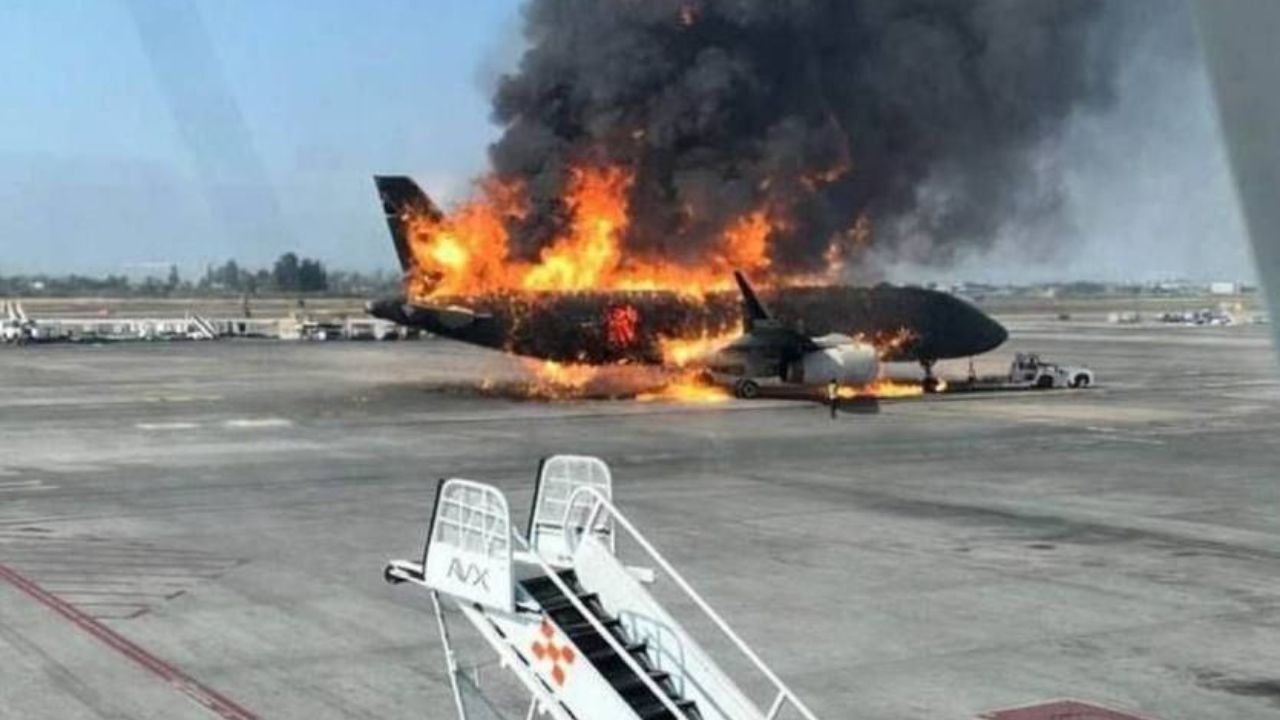
    After a thorough investigation into official statements and on the ground reports, the short answer is no. While the state of Jalisco is currently experiencing significant unrest and travel disruptions, the specific image of a burning plane is a product of modern technology rather than a physical attack on an aircraft.

    The Origins of the Viral Plane Fire Rumor

    The rumors began to gain traction on social media platforms like X and TikTok on February 22, 2026. Users shared high definition images showing what appeared to be a Volaris airlines jet engulfed in thick black smoke on a tarmac. The timing of the post coincided with a surge of genuine violence in the region, making the claim seem highly plausible to a global audience.

    However, the Embassy of Mexico in the United States and the management of the Guadalajara International Airport quickly intervened to set the record straight. Official statements confirmed that the image was entirely fake and had been generated using artificial intelligence. Authorities emphasized that no such incident occurred within the airport facilities and no Volaris aircraft had been targeted or damaged by fire.

    The Real Trigger: The Death of El Mencho

    To understand why the public was so quick to believe the hoax, one must look at the monumental event that actually took place. On Sunday, February 22, 2026, the Mexican military conducted a high stakes operation in the town of Tapalpa, Jalisco. The target was Nemesio Oseguera Cervantes, famously known as El Mencho, the supreme leader of the Jalisco New Generation Cartel (CJNG).

    During the raid, a fierce gun battle broke out between special forces and cartel members. El Mencho was critically wounded during the confrontation and reportedly died while being airlifted to Mexico City for medical treatment. As the leader of one of the most powerful and violent criminal organizations in the world, his death immediately sent shockwaves through the country, leading to a massive and coordinated retaliation by his followers.

    Retaliation and Narco Blockades Across Jalisco

    The chaos that followed the military operation was not fictional. In the hours following the announcement of the death of El Mencho, members of the CJNG implemented a tactic known as narcobloqueos or narco blockades. Gunmen seized buses, delivery trucks, and private vehicles, setting them on fire to block major highways and prevent the movement of federal troops.

    These burning blockades were reported in several key areas:

    • Guadalajara: The state capital saw multiple vehicles torched on main avenues.
    • Puerto Vallarta: This popular tourist destination was effectively cut off as entry points were blocked by flaming wreckage.
    • Guanajuato and Michoacán: The violence spilled over into neighboring states as the cartel flexed its regional influence.

    The sight of thick smoke billowing over city skylines was very real, which provided the perfect backdrop for misinformation to thrive.

    Panic at Guadalajara International Airport

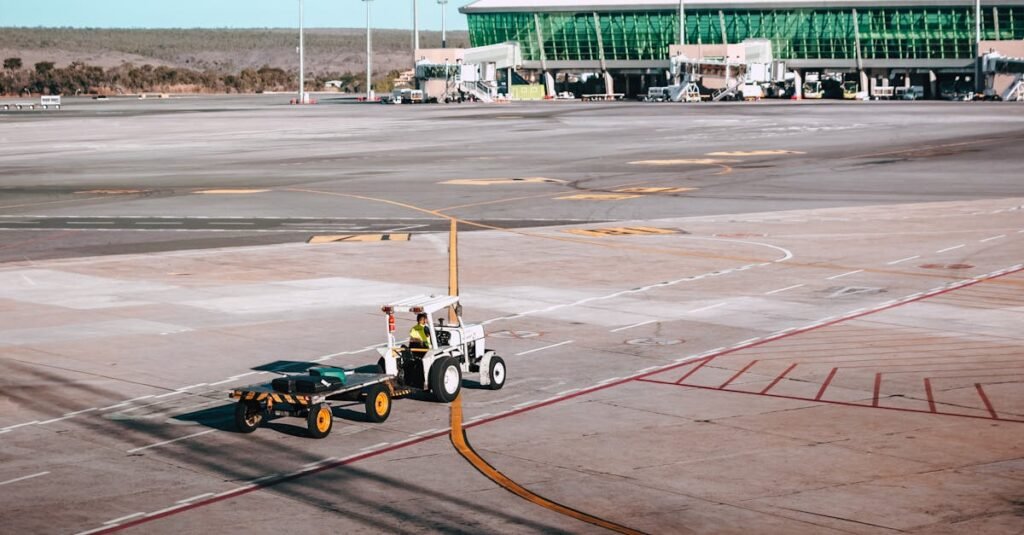
    A luggage cart on the airport tarmac near a modern terminal building under clear skies.

    While no plane was burned, the situation at the Guadalajara International Airport (GDL) was undeniably chaotic. As news of the clashes spread, panic gripped the terminal. Videos showed travelers sprinting through the concourse and ducking behind check-in counters as rumors of an active shooter circulated.

    Security forces, including the National Guard, were deployed to the airport to secure the perimeter. While there were reports of gunfire in the vicinity of the airport entrances, the interior of the facility remained under the control of authorities. Nevertheless, the psychological impact on passengers was profound, leading to a mass exodus from the terminal and a complete standstill of airport operations for several hours.

    Impact on International Flights and Travel

    The security crisis had an immediate effect on the aviation industry. Airlines from the United States and Canada were forced to make quick decisions to ensure the safety of their crews and passengers. Many flights bound for Guadalajara and Puerto Vallarta were diverted to other Mexican cities or returned to their points of origin.

    Key airline responses included:

    • Air Canada: Suspended all flights to Puerto Vallarta citing the ongoing security situation.
    • Alaska Airlines and United: Cancelled several scheduled departures and arrivals to the region.
    • Volaris: Despite being the subject of the AI hoax, the airline had to manage significant delays and cancellations due to the general unrest in Jalisco.

    The U.S. State Department issued an urgent security alert, advising American citizens in Jalisco, Michoacán, and Colima to shelter in place. Travelers were told to avoid travel to the region until the military had fully stabilized the situation.

    The Role of AI in Spreading Misinformation

    This incident serves as a stark reminder of how sophisticated AI-generated content can be used to escalate panic during a real-world crisis. The “burned plane” image was convincing enough to be picked up by several minor news outlets before being debunked. In a high-tension environment like a cartel war, the line between fact and fiction becomes dangerously thin.

    Verifying sources is now more critical than ever. During the events in Guadalajara, the most reliable information came directly from the official social media accounts of the Jalisco government and the airport authorities. They worked in real time to separate the physical reality of the road blockades from the digital fiction of the plane fire.

    Current Status of the Region

    As of February 23, 2026, the situation remains fluid but is slowly stabilizing. Federal forces have moved in to clear the burned vehicles from the highways and restore the flow of traffic. Schools in several municipalities were closed as a precaution, and many businesses chose to remain shuttered.

    The death of El Mencho represents a significant victory for the Mexican government under President Claudia Sheinbaum, as well as for U.S. intelligence agencies that had placed a 15 million dollar bounty on his head. However, experts warn that a power vacuum within the CJNG could lead to further internal infighting or external wars with rival cartels like the Sinaloa Cartel.

    Safety Advice for Those Currently in Mexico

    Close-up of airport departure board displaying flight details at JFK Airport, New York.

    If you are currently in the state of Jalisco or planning to travel there soon, it is vital to stay informed through official channels. The following steps are recommended:

    • Monitor Flight Status: Check directly with your airline before heading to the airport.
    • Avoid Road Travel: Do not attempt to drive between cities in Jalisco until the blockades are confirmed to be fully cleared.
    • Stay Indoors: Follow the advice of local authorities and the U.S. Embassy to shelter in place if violence is reported in your immediate area.
    • Verify Information: Do not resharing sensationalist images or videos without confirming their authenticity through reputable news organizations.
  • Why Was Delta Passenger Arrested in Memphis? The Shocking Flight 82 Biting Incident Explained

    Why Was Delta Passenger Arrested in Memphis? The Shocking Flight 82 Biting Incident Explained

    On February 17, 2026, a routine afternoon at Memphis International Airport turned into a chaotic scene that has since captured national attention. The incident occurred on Delta Air Lines Flight 82, which was scheduled to fly from Memphis to Atlanta. What was supposed to be a standard boarding process escalated into a violent confrontation involving a passenger named Jessica Thomas, a flight attendant, and local law enforcement officers.

    The Initial Disturbance on Flight 82

    The trouble began around midday while the aircraft was still parked at Gate 12. According to reports from the Memphis Police Department, the situation ignited when 29 year old Jessica Thomas became involved in a physical altercation with a Delta crew member. Witnesses and police accounts suggest that Thomas struck a flight attendant in the face while the plane was preparing for departure.

    The motive behind the initial strike remains unclear in public reports, but the impact was immediate. Flight crew members followed standard safety protocols by notifying airport security and local law enforcement. This type of physical aggression toward airline staff is a serious offense under federal and local laws, leading to an immediate halt in the pre-flight procedures.

    Escalation and the Biting Incident

    When Memphis police officers arrived at the gate and boarded the aircraft to detain Thomas, the situation grew significantly more volatile. Law enforcement officials stated that Thomas became irate and resisted their attempts to take her into custody. The struggle moved from the cabin toward the jet bridge as officers worked to move her away from the other passengers.

    During this physical struggle, the confrontation reached a shocking peak. Police allege that Jessica Thomas bit one of the responding officers on the arm. In addition to the biting, she reportedly kicked a second officer in both legs. The aggressive behavior required multiple officers to eventually gain control and remove her from the airport terminal.

    Formal Charges and Legal Consequences

    A gavel striking a sound block, symbolizing justice and legal authority in a courtroom setting.

    Following the incident, Thomas was transported to the Shelby County Jail. The legal repercussions for the midday outburst are substantial. She currently faces several serious charges, which include:

    • Two counts of assault on a first responder
    • One count of assault (related to the flight attendant)
    • Disorderly conduct

    Authorities set her bond at $2,500. Court records indicate that she was scheduled for an initial appearance on Friday, February 20, 2026. Because the incident occurred on an aircraft, there is often the potential for federal involvement,though current charges are being handled at the local level in Shelby County.

    Impact on Delta Operations and Passengers

    One of the most surprising aspects of this story is how Delta Air Lines managed the operational fallout. In many cases of onboard violence, a flight might be cancelled or delayed for several hours to allow for evidence collection and crew reassignment. However, Flight 82 managed to depart Memphis only 37 minutes behind its original schedule.

    The airline received praise from industry observers for its quick recovery. The rapid intervention by the Memphis Police Department allowed the aircraft to be cleared quickly. While the flight attendant who was struck was understandably shaken, the remaining crew and passengers were able to continue the journey to Hartsfield Jackson International Airport in Atlanta without further disruption.

    A Growing Trend of Unruly Passengers

    The current arrest is part of a larger, more troubling pattern within the aviation industry. While air travel was once seen as a professional and orderly environment, the last several years have seen a significant rise in “air rage.” According to Federal Aviation Administration (FAA) data, unruly passenger incidents reached a historic peak in 2021 with nearly 6,000 reported cases. While that number has since decreased, the rate of incidents in 2026 remains nearly double what was seen in the pre-pandemic era of 2017 to 2019.

    The Anatomy of Air Rage

    Psychologists and aviation experts point to a “perfect storm” of stressors that contribute to these outbursts. The process of modern flying involves long queues, invasive security screenings, and crowded gate areas, all of which can push a passenger to their breaking point before they even step onto the aircraft. Once on board, factors such as limited personal space, recycled air, and the consumption of alcohol can further lower inhibitions and escalate minor frustrations into physical violence.

    In the case of Flight 82, the transition from a verbal dispute to a physical assault on a flight attendant and the subsequent biting of a police officer illustrates how quickly these situations can spiral. Experts note that many offenders are not “career criminals” but rather individuals experiencing temporary lapses in self-control due to travel fatigue or anxiety.

    Strengthening Enforcement and Penalties

    To combat this trend, the FAA has maintained a strict Zero Tolerance policy. Under current regulations, the agency can propose civil fines of up to $43,658 per violation. Because a single incident can involve multiple violations, such as interfering with a crew member and physically assaulting another, the total financial penalty can easily exceed $100,000 for a single flight.

    Beyond civil fines, the legal system is increasingly pursuing criminal charges. The FAA regularly refers the most serious cases to the FBI for federal prosecution, which can result in felony convictions and prison time. Additionally, the industry is seeing a renewed push for a centralized federal no fly list. Currently, if a passenger is banned by Delta, they might still be able to book a flight on a different carrier the next day. A centralized list would effectively bar high risk individuals from all commercial aviation.

    As the industry moves through 2026, the focus remains on protecting the “safety and health” of both passengers and crew. For such individuals, the consequences of a momentary outburst are life changing, involving jail time, massive legal fees, and a permanent mark on their criminal record.

    Safety Protocols and Airline Response

    Delta Air Lines has not released an extensive public statement regarding the specific condition of the flight attendant involved in the Memphis incident. However, the company maintains a strict zero tolerance policy regarding violence against its employees. Passengers who engage in such behavior are typically placed on internal no fly lists, which can permanently ban them from using the carrier in the future.

    For travelers, this incident serves as a stark reminder of the legal and social consequences of air rage. Attacking a first responder or a flight crew member carries heavy penalties, including significant jail time and hefty fines.

  • Why Was A JetBlue Passenger Arrested At Las Vegas Airport? All About The ‘Service Dog’ Paperwork Dispute

    Why Was A JetBlue Passenger Arrested At Las Vegas Airport? All About The ‘Service Dog’ Paperwork Dispute

    In the high-stress environment of a major international airport, tensions often run high, but a recent incident at Harry Reid International Airport (LAS) has left the public and travel industry professionals alike in a state of disbelief. On the night of February 2, 2026, a routine travel dispute between a passenger and JetBlue Airways staff escalated into a criminal case involving animal abandonment and a dramatic police intervention.

    The story, which has since gone viral, centers on a 2-year-old Goldendoodle and a passenger’s refusal to comply with federal and airline-specific service animal regulations. Here is the full breakdown of what transpired, the legal consequences, and the heartwarming update on the dog now known as “JetBlue.”

    The Initial Confrontation: A Service Dog Paperwork Failure

    The trouble began shortly before midnight at the JetBlue ticket counter in Terminal 3. A 26-year-old traveler, identified in police logs as Germiran Bryson, arrived at the airport intending to fly with her Goldendoodle. Bryson claimed the animal was a trained service dog, which would typically allow the pet to fly in the cabin free of charge.

    However, airline staff quickly identified a critical issue: Bryson had not completed the mandatory online service animal documentation.

    JetBlue’s Service Animal Policy

    Under U.S. Department of Transportation (DOT) guidelines and JetBlue’s 2026 policies, passengers traveling with service animals must:

    1. Submit Documentation: Complete the DOT Service Animal Air Transportation Form at least 48 hours before the flight.
    2. Validation: The form must be submitted via the airline’s digital portal to ensure the animal is added to the reservation.
    3. Alternative Options: If paperwork is not completed, the animal is treated as a standard pet, which requires a $150 pet fee, a hard-sided carrier that fits under the seat, and a limit of one pet per passenger.

    When informed that her dog could not fly as a service animal without the pre-filed paperwork, Bryson was offered the choice to pay the fee or rebook her flight. She reportedly refused both options.

    A Shocking Decision: Abandonment at the Baggage Sizer

    What happened next was captured on airport surveillance footage and has become the focal point of public outrage. Rather than making arrangements for the dog’s care or staying behind, Bryson allegedly led the Goldendoodle to a metal carry-on baggage sizer near the ticket counter.

    Without a second glance, she tied the dog’s leash to the sizer and walked away, heading toward the Transportation Security Administration (TSA) checkpoint to catch her flight. Witnesses and airport employees watched in confusion as the dog sat alone in the middle of the busy terminal.

    The Police Intervention at Gate D1

    JetBlue employees acted immediately, notifying the Las Vegas Metropolitan Police Department (LVMPD). Officers tracked Bryson through the secure area of the airport and located her at Gate D1, waiting to board her flight.

    The “Tracking Device” Defense

    Body camera footage released by the LVMPD shows a startling exchange. When asked why she left her dog, Bryson claimed the animal had a “tracking device” and would simply “find its way home” to her. As officers attempted to escort her back, she became hostile and combative, leading to charges of animal abandonment and resisting a public officer.

    The Road to Recovery: A New Chapter for the Dog Named “JetBlue”

    While the legal proceedings against Bryson continue with a status check hearing scheduled for March 31, 2026 and the narrative has shifted toward a much more hopeful tone regarding the innocent victim of this dispute. After being abandoned at the ticket counter, the 2-year-old Goldendoodle was initially taken into custody by Animal Protective Services. Per Nevada law, a mandatory 10-day hold was placed on the dog to allow the owner a final chance to reclaim him. When the period passed with no word from Bryson, he was signed over to the Retriever Rescue of Las Vegas (RRLV).

    The rescue group, moved by the dog’s resilience and the location of his rescue, officially renamed him “JetBlue.”Since entering foster care, the pup has undergone a complete medical overhaul, including vaccinations and neutering. Despite the trauma of being tied to a metal post and left in a crowded terminal, rescuers describe him as an exceptionally “affectionate, gentle, and social” animal who holds no grudges against the humans he meets.

    An Outpouring of Community Support and Global Interest

    The story of “JetBlue” has resonated far beyond the borders of Nevada. According to Danielle Roth, founder of Retriever Rescue of Las Vegas, the organization has been overwhelmed by the public’s response. In the weeks following the viral footage, the rescue received nearly 200 adoption applications from across the country. In a poetic twist of fate, several of those applications came from the very Las Vegas police officers and TSA agents who were on the scene the night of the abandonment.

    This massive surge in interest has allowed the rescue to be incredibly selective, ensuring that “JetBlue” is placed in a “forever home” that prioritizes stability and companionship. The rescue has used this spotlight to remind the public that while “JetBlue” is a “celebrity” rescue, thousands of other animals face similar abandonment issues at airports and shelters every day. They hope his story encourages a broader movement toward responsible pet ownership and adoption.

    Lessons in Responsible Travel and Animal Welfare

    This incident serves as a crucial case study for pet owners navigating the increasingly strict world of air travel. The $150 fee Bryson refused to pay has now resulted in multiple misdemeanor charges and a permanent criminal record. Beyond the legalities, the “JetBlue” case highlights the ethical responsibility of pet owners. Experts stress that animals are not luggage; they are sentient beings that experience confusion and fear when separated from their owners in high-stress environments.

    As “JetBlue” prepares to move into his new permanent home this Saturday, the message from the LVMPD remains clear: “Please don’t abandon your dog at the airport or anywhere else.” There are always resources, rescues, and temporary boarding facilities available for those who find themselves in a bind. For the Goldendoodle once left behind at a baggage sizer, the future finally looks bright, filled with the promise of a family that will never walk away.

  • Why Was Newark Airport Shutdown? JetBlue Cockpit Smoke and Engine Issues Explained

    Why Was Newark Airport Shutdown? JetBlue Cockpit Smoke and Engine Issues Explained

    On Wednesday, February 18, 2026, Newark Liberty International Airport (EWR) was abruptly brought to a standstill.Thousands of travelers were left scanning departure boards in confusion as a “ground stop” was declared, effectively freezing one of the busiest aviation hubs in the United States. The cause? A harrowing emergency involving JetBlue Flight 543, an Airbus A320 bound for West Palm Beach, Florida.+2

    What began as a routine evening departure quickly escalated into a high-stakes emergency landing, cockpit smoke, and a full-scale tarmac evacuation that forced federal authorities to shutter the entire airport.

    The Timeline of JetBlue Flight 543: 40 Minutes of Uncertainty

    JetBlue Flight 543 was scheduled for a standard sunset departure, lifting off from Newark at approximately 5:43 PM local time. However, the flight didn’t make it far. Within minutes of reaching its initial climb, the flight crew detected a catastrophic failure in engine number one.+1

    While modern twin-engine aircraft are designed to fly perfectly well on a single engine, the situation grew more complex when smoke began to filter into the cockpit and the passenger cabin. Recognizing the immediate threat to the crew’s visibility and passenger safety, the pilots declared an emergency and requested an immediate return to Newark.+1

    The aircraft spent only about 17 to 20 minutes in the air, performing a tight loop over northern New Jersey before touching down safely on the runway just after 6:00 PM.

    The Tarmac Crisis: Why the Airport Had to Close

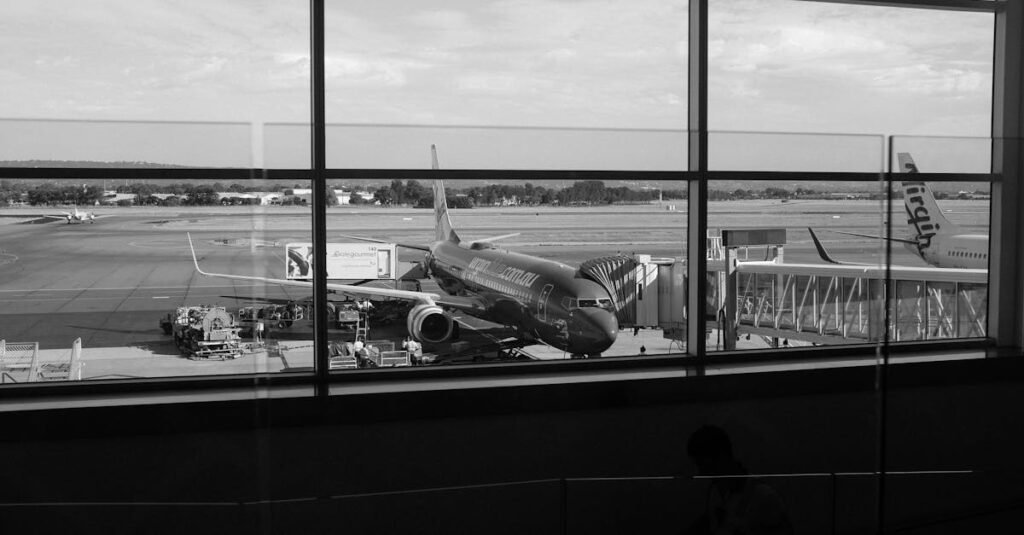
    Monochrome view of an airport runway showcasing airplanes and gates through large windows.

    Many travelers wonder why a single plane’s mechanical issue would necessitate the shutdown of an entire international airport. The answer lies in the emergency evacuation protocols.

    After landing, the crew of Flight 543 determined that the smoke levels were significant enough that they could not risk taxiing the aircraft all the way back to the gate. The pilots brought the Airbus A320 to a halt on a taxiway and made the critical call to “pull the chutes.”

    • Evacuation via Slides: All 122 passengers and crew members were forced to exit the aircraft via inflatable emergency slides directly onto the tarmac.
    • Total Ground Stop: Per FAA and Port Authority safety regulations, whenever passengers are on the actual airfield (outside of the aircraft and not in a vehicle), all aircraft movement must cease. This prevents any risk of an evacuating passenger being struck by a taxiing plane or sucked into a nearby engine.
    • Emergency Responder Influx: Dozens of fire trucks, ambulances, and Port Authority police vehicles swarmed the taxiway, further blocking the “lanes” used by other flights.

    The Anatomy of an Engine Failure: What Went Wrong?

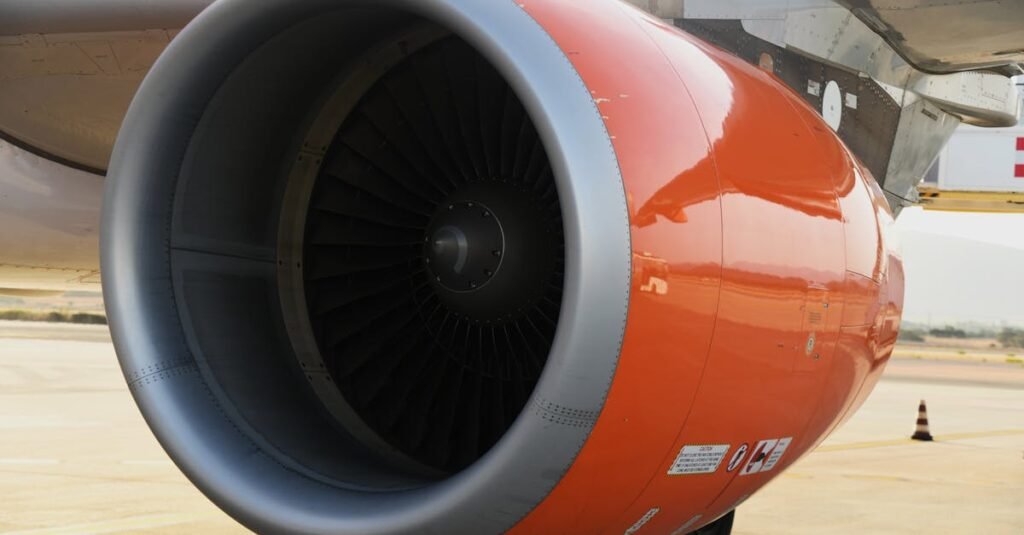
    Detailed view of an orange jet engine of a commercial airplane in Sardegna, Italy.

    While the official investigation by the Federal Aviation Administration (FAA) and the National Transportation Safety Board (NTSB) is ongoing, preliminary reports point toward a mechanical breach in the #1 engine.

    Why was there smoke in the cabin?

    In an aircraft, the air you breathe is “bleed air” drawn from the engines. If an engine suffers a mechanical failure involving an oil leak or a seal breach, atomized oil or hydraulic fluid can enter the air cycle machine. When this fluid hits the high-heat environment of the engine, it vaporizes, creating a thick, acrid smoke that is pumped directly into the cockpit and passenger cabin.

    Passenger Accounts: “A Calm but Tense Scene”

    Social media was quickly flooded with footage from the tarmac. Passengers described a distinct smell of burning plastic or chemicals followed by a visible haze in the cabin. Despite the terrifying nature of an emergency evacuation, eyewitnesses praised the JetBlue flight attendants for their professional handling of the 122 souls on board.

    One passenger, Alexandra Svokos, recounted the speed of the event, noting that once the slides were deployed, the plane was empty in under two minutes. Emergency medical teams evaluated one passenger for chest pains, but remarkably, no traumatic injuries were reported during the slide descent a testament to the effectiveness of modern aviation safety drills.

    The Ripple Effect: Newark’s Operations and Air Traffic Control

    Newark Liberty is a notoriously “compact” airport. Unlike sprawling facilities like Denver or Dallas-Fort Worth, Newark’s runways and taxiways are tightly packed. When Flight 543 came to a halt on a primary taxiway, it effectively acted as a cork in a bottle.

    • Delayed Flights: According to FlightAware data, approximately 31% of arrivals and 30% of departures were delayed.
    • Diverted Aircraft: Planes already in the air heading for Newark were forced to circle in “holding patterns” or divert to Philadelphia (PHL) and New York-JFK.
    • The Reopening: The ground stop remained in effect until roughly 7:00 PM, when the aircraft was finally towed to a maintenance hangar and the taxiway was cleared of debris and passengers.

    Safety First: The FAA and JetBlue’s Response

    In a statement released shortly after the incident, JetBlue reiterated its commitment to safety:

    “Safety is JetBlue’s top priority. We are focused on supporting our customers and crew members and will work closely with the appropriate federal authorities to investigate what occurred.”

    The FAA has confirmed that it will be performing a deep dive into the maintenance records of the specific Airbus A320 involved. Investigators will look for signs of metal fatigue, bird strikes (though none were initially reported), or component failure within the turbine assembly.

    Beyond the Chaos: Why Flight 543 is a Masterclass in Aviation Safety

    While a total shutdown of a major international hub like Newark Liberty is often viewed through the lens of frustration and missed connections, the resolution of JetBlue Flight 543 represents a triumph of modern aviation protocols. In the high-stakes environment of a cockpit filled with smoke, seconds are the only currency that matters. The decision-making process displayed by the flight crew transitioning from a standard climb to an emergency descent and a full-scale tarmac evacuation in under 40 minutes is a testament to the rigorous, simulator-driven training that defines the industry today.

    The “ground stop” that paralyzed the Tri-State area’s air traffic was not a failure of the system, but rather the system working exactly as designed. By freezing all movement at EWR, the FAA and Port Authority created a “sterile environment,” ensuring that the 122 passengers sliding onto the pavement were protected from the secondary risks of a functioning airfield. In the world of commercial flight, an “inconvenience” for thousands is always a fair trade for the lives of a few hundred.

    As investigators from the NTSB begin their “tear-down” of the failed engine to identify the root mechanical cause, the takeaway for the traveling public is one of resilience. This incident serves as a visceral reminder that while mechanical failures are an inherent risk of complex machinery, the layers of redundancy both in the aircraft’s engineering and the crew’s emergency procedures are robust enough to turn a mid-air crisis into a safe landing. For the passengers who walked away on the Newark tarmac on Wednesday night, the smell of smoke and the rush of the inflatable slide will be a lifelong memory, but thanks to a “safety-first” culture, it is a memory they are alive to share.

  • Kolkata Airport IndiGo Flight Bomb Threat: What Happened, Flight Details, and Security Response

    Kolkata Airport IndiGo Flight Bomb Threat: What Happened, Flight Details, and Security Response

    The serenity of travel was abruptly shattered at Netaji Subhas Chandra Bose International (NSCBI) Airport in Kolkata on Saturday, February 14, 2026. In a bizarre and unsettling turn of events, not one, but two separate IndiGo flights were targeted by bomb threats within a single day. What started as a standard weekend for thousands of travelers quickly devolved into a high-stakes security operation involving bomb squads, sniffer dogs, and the evacuation of dozens of passengers.

    This detailed report breaks down exactly what happened, the specific flights involved, and the rigorous security protocols that follow such “specific” threats in the modern aviation landscape.

    The Morning Crisis: Flight 6E 7304 (Kolkata to Shillong)

    The first incident of the day began just as passengers were settling into their seats for a morning flight to the hills of Meghalaya.

    The Discovery

    Around 9:15 AM, roughly fifteen minutes before the scheduled departure of IndiGo flight 6E 7304, a member of the cabin crew conducted a routine check of the aircraft’s lavatory. Inside, they discovered a chilling sight: a small, handwritten note on a slip of paper claiming that an explosive device had been placed on the aircraft.

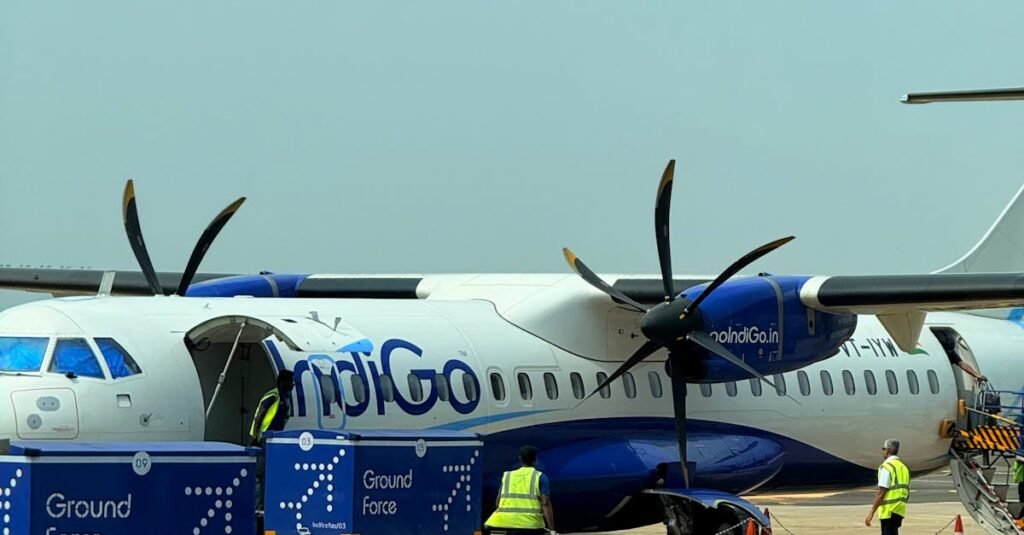
    IndiGo aircraft being serviced on the airport tarmac with ground staff present.

    Immediate Evacuation

    The crew followed emergency protocols instantly. The pilot-in-command alerted Air Traffic Control (ATC), and the “Bomb Threat Assessment Committee” (BTAC) was convened within minutes. The aircraft, an ATR-72 turboprop, was carrying 60 passengers and 4 crew members.+2

    To ensure maximum safety, all passengers were deboarded and moved to a secure waiting area inside the terminal. The aircraft was then towed to a designated isolation bay, located at a safe distance from the main terminal buildings and other taxiing aircraft.

    The Security Sweep

    For the next four hours, the Kolkata airport became a hive of security activity. The Central Industrial Security Force (CISF) and the local police bomb disposal squad meticulously searched every inch of the plane.

    • Luggage Screening: Every piece of checked-in and carry-on baggage was offloaded and passed through X-ray scanners again.
    • K9 Units: Sniffer dogs were deployed to detect any trace of volatile organic compounds or explosive residues.
    • Result: After a grueling search, the aircraft was declared “clean” at approximately 1:00 PM. The flight finally departed for Shillong at 1:33 PM, over four hours behind schedule.

    The Evening Escalation: Indigo Flight 6E 6894 (Dibrugarh to Kolkata)

    Just as the airport authorities were breathing a sigh of relief, a second, even more unusual threat emerged as the sun set over the city.

    The “Lipstick” Threat

    Around 7:30 PM, as IndiGo flight 6E 6894 from Dibrugarh, Assam, was preparing for its descent into Kolkata, a second bomb threat was reported. This time, the medium was different. A passenger or crew member found a message written in red lipstick on the toilet mirror, indicating the presence of a bomb.

    Priority Landing and Isolation

    The captain immediately notified Kolkata ATC of a “specific threat” on board. The aircraft was given priority for landing and touched down safely at 7:37 PM. Following the same protocol as the morning incident, the plane was taxied to the isolation bay.

    Passengers were once again deboarded under heavy security presence. While the “lipstick note” seemed like the work of a prankster, security agencies cannot afford to take risks. A secondary search operation was launched, involving the same rigorous BDDS (Bomb Detection and Disposal Squad) protocols used earlier in the day.

    Understanding the Security Response: The BTAC Protocol

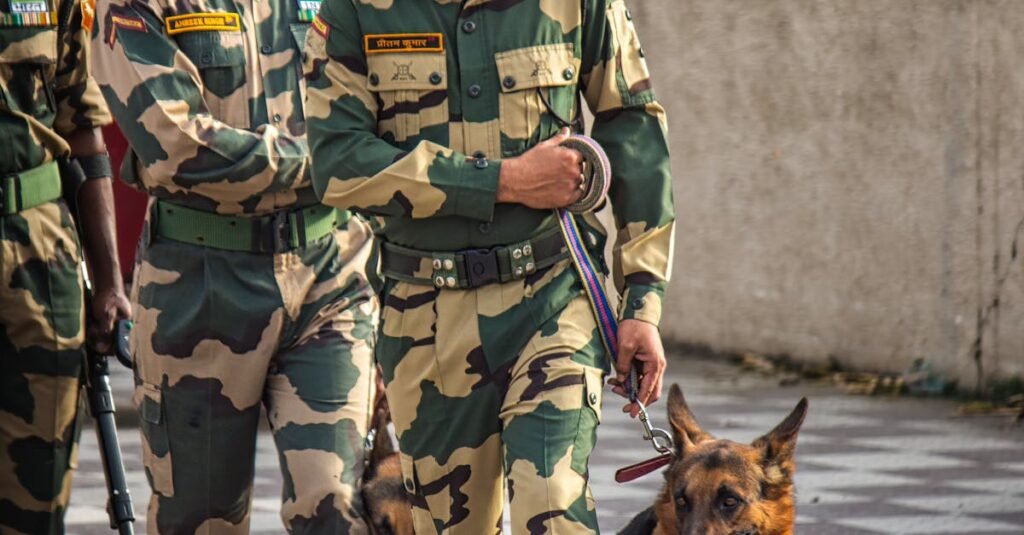
    Indian soldiers in uniform walking with a patrol dog during a border security parade in India.

    When a bomb threat is reported in India, it isn’t just a matter of “checking the plane.” There is a highly structured legal and security framework that must be followed.

    1. The Bomb Threat Assessment Committee (BTAC)

    The BTAC is the first line of decision-making. It consists of the Airport Director, members of the CISF, representatives from the airline, and local intelligence officials. They categorize threats into two types:

    • Non-Specific: Often vague calls or emails that lack detail. These are monitored but may not lead to evacuations.
    • Specific: Threats that provide flight numbers, locations (like the lavatory), or physical notes. Both of Saturday’s incidents were classified as Specific, triggering full-scale evacuations.

    2. The Role of the Isolation Bay

    Every major airport like Kolkata has a designated “Isolation Bay.” This is a parking spot located at the furthest possible point from fuel depots, terminal glass, and other aircraft. If an explosion were to occur, the isolation bay minimizes the “blast radius” impact on the rest of the airport’s infrastructure.

    3. Secondary Frisking (SLPC)

    Even after a plane is cleared, passengers often undergo Secondary Ladder Point Check (SLPC). This is a final manual frisking of passengers and their hand bags at the base of the aircraft stairs before they are allowed to re-board.

    The Growing Menace of Hoax Threats in 2026

    The twin incidents at Kolkata are part of a worrying trend in the Indian aviation sector. Since late 2024 and through 2025, Indian airlines particularly IndiGo, Air India, and Vistara have been hit by a staggering number of hoax threats.

    YearNumber of Reported Hoax Threats (Approx.)
    202371
    2024728
    2025836+
    2026 (To Date)On track to exceed 2025 levels

    Why is this happening?

    Security experts suggest that the motives vary from “social media clout” to disgruntled passengers attempting to delay flights they are running late for. However, the cost is real. A single hoax threat can cost an airline between ₹50 lakh to ₹3 crore depending on fuel jettisoning, passenger compensation, and operational delays.

    Legal Consequences: What Happens to the Culprits?

    The Bidhannagar Police have registered cases against “unknown persons” for both the paper note and the lipstick message found on February 14.

    The Indian government has recently tightened the Civil Aviation Act to deal with such offenders. Those caught making hoax threats now face:

    • No-Fly List: A lifetime ban from flying on any Indian carrier.
    • Non-Bailable Charges: Under the Suppression of Unlawful Acts against Safety of Civil Aviation Act, offenders can face up to life imprisonment.
    • Financial Recovery: Airlines are increasingly suing individuals for the massive financial losses incurred during the grounding of aircraft.

    Conclusion: A Day of Vigilance

    While both threats at Kolkata Airport were ultimately proven to be hoaxes, the events of February 14, 2026, serve as a stark reminder of the “new normal” in air travel. The seamless coordination between IndiGo’s crew and the Kolkata airport security team ensured that despite the 120+ passengers affected across both flights, not a single person was harmed.

    For travelers, the message is clear: expect delays and cooperate with security. In an era of digital and physical hoaxes, “better safe than sorry” remains the gold standard of the skies.

  • Ireland Moves to Scrap Dublin Airport’s 32 million Passenger Cap

    Ireland Moves to Scrap Dublin Airport’s 32 million Passenger Cap

    Ireland’s Cabinet has approved legislation that would allow the long-standing 32 million annual passenger cap at Dublin Airport to be lifted in 2026.

    The proposed Dublin Airport Passenger Capacity Bill would give the Minister for Transport the authority to amend or revoke the cap, which has been in place since 2007 as part of the planning approval for Terminal 2. The legislation would also prevent similar hard passenger limits from being imposed in the future.If passed into law, the change would mark one of the most significant aviation policy reforms in Ireland in nearly two decades.

    Why Was There a Passenger Cap in the First Place?

    The 32 million passenger limit was introduced in 2007 during the planning process for Terminal 2. At the time, local infrastructure, road access, environmental impact, and community concerns were central to the approval conditions.The cap was designed as a planning safeguard rather than an operational ceiling. It aimed to balance airport expansion with environmental oversight and local impact management.However, the aviation landscape in Ireland has changed dramatically since then.Ireland’s economy has grown, tourism has expanded, and Dublin has cemented itself as a major European gateway particularly for transatlantic travel. The passenger cap, once seen as precautionary, has increasingly been viewed by business and aviation leaders as outdated.

    Dublin Airport Has Already Exceeded the Cap

    The debate intensified after Dublin Airport handled approximately 36.4 million passengers in 2025 significantly above the legal 32 million threshold.That overrun has created legal and operational complications. Airlines have warned about potential route uncertainty, while business groups have argued that Ireland risks damaging its competitiveness if the issue is not resolved quickly.The government’s new legislation is designed to remove that uncertainty and provide clarity for airlines, investors, and passengers alike.

    What the New Legislation Would Do

    The proposed bill does not automatically remove the cap overnight. Instead, it gives the Minister for Transport the power to:

    • Amend the 32 million limit and Revoke it entirely to prevent similar fixed caps from being imposed in the future

    Supporters say this provides flexibility while still allowing environmental and planning oversight to remain in place through other regulatory frameworks. In practical terms, lifting the cap would allow Dublin Airport to grow in line with demand without breaching planning law.

    Business and Tourism Groups Welcome the Move

    Ireland’s business community has strongly backed the reform.Ibec, the country’s largest business organization, has argued that international connectivity is essential for Ireland’s export-driven economy. Dublin Airport is the primary gateway for trade, tourism, and foreign direct investment. The Irish Travel Agents Association has also supported scrapping the cap, saying tourism growth depends on reliable and scalable airport capacity. Tourism Minister Peter Burke has described reforming the passenger limit as central to Ireland’s long-term economic strategy. From a business perspective, the argument is straightforward: limiting airport capacity in a growing economy creates artificial bottlenecks.

    Airlines Push for Urgent Action

    Stunning aerial view of Dublin cityscape featuring the river, modern architecture, and bridges.

    Airlines operating out of Dublin have been vocal about the issue.Among the most prominent voices is Michael O’Leary, CEO of Ryanair, who has urged the government to move quickly. He has warned that delays risk damaging airline investment decisions and route planning.Airlines typically plan schedules months, sometimes years, in advance. Regulatory uncertainty can affect aircraft allocation, staffing, and long-term expansion strategies.The timing is also politically sensitive, with O’Leary publicly calling for action before St Patrick’s Day a peak promotional period for Irish tourism.

    Environmental Concerns Remain Strong

    Not everyone supports lifting the cap. Environmental groups argue that removing the passenger limit could lead to higher aviation emissions at a time when Ireland is under pressure to meet climate targets.Critics say growth at Dublin Airport must align with national decarbonisation commitments. They warn that increased flights could undermine progress on emissions reduction unless balanced with sustainable aviation fuel adoption, improved aircraft efficiency, and carbon mitigation policies.Some campaigners also argue that airport expansion should be assessed through updated environmental impact reviews rather than broad legislative changes. The government insists that environmental oversight mechanisms will remain in place, even if the fixed passenger ceiling is removed.

    Economic Impact: Why This Matters Nationally

    Dublin Airport is more than just a transport hub it is a strategic national asset.It connects Ireland directly to North America, Europe, the Middle East, and beyond. For multinational companies with European headquarters in Ireland, direct connectivity is often a deciding factor in investment decisions.Tourism, which supports thousands of jobs across the country, relies heavily on international air access.Supporters of lifting the cap argue that:

    • Passenger growth supports job creationMore routes increase regional tourismGreater capacity strengthens Ireland’s global competitiveness Investment decisions become more secure

    Without reform, they argue, airlines could redirect growth to competing hubs in the UK or mainland Europe.

    What Happens Next?

    Cabinet approval is only the first formal step.The legislation must now move through the parliamentary process before becoming law. That includes debate, potential amendments, and final approval.If passed, the Transport Minister would then have the authority to formally revoke or amend the cap. While 2026 has been cited as the likely timeframe for implementation, political debate and environmental opposition could influence the speed of progress.

    A Defining Moment for Irish Aviation Policy

    The decision to scrap the 32 million passenger cap reflects a broader policy question: how should Ireland balance economic growth with environmental responsibility?For nearly two decades, the cap symbolised caution. Now, it has become a symbol of constraint.Ireland’s aviation sector is emerging from pandemic-era disruption and entering a renewed growth phase. Demand for travel remains strong, and airlines are expanding fleets and route networks.The government’s move signals that it wants policy to reflect current realities rather than planning conditions set almost twenty years ago.

    The Bigger Picture

    Airports across Europe are facing similar tensions between growth and sustainability.The debate in Ireland is not simply about a number. It is about how a small, globally connected economy manages infrastructure in a climate-conscious era.Removing the passenger cap would not automatically mean unlimited expansion. Planning laws, noise regulations, emissions targets, and infrastructure constraints will still shape future growth.But it would remove a legal barrier that many believe has already been overtaken by events.

    Final Thoughts

    Beautiful daytime view of the River Liffey flowing through Dublin, Ireland, with iconic city buildings.

    Ireland’s move to scrap Dublin Airport’s 32 million passenger cap represents a pivotal shift in national transport policy.Supporters see it as a long-overdue reform that aligns infrastructure with economic ambition. Critics warn it could conflict with environmental commitments.What is clear is that the issue has moved from debate to legislative action. The coming months will determine whether Ireland reshapes its aviation framework for the next generation or whether the cap remains part of its planning legacy.Either way, Dublin Airport’s future growth trajectory is now firmly at the centre of national conversation.