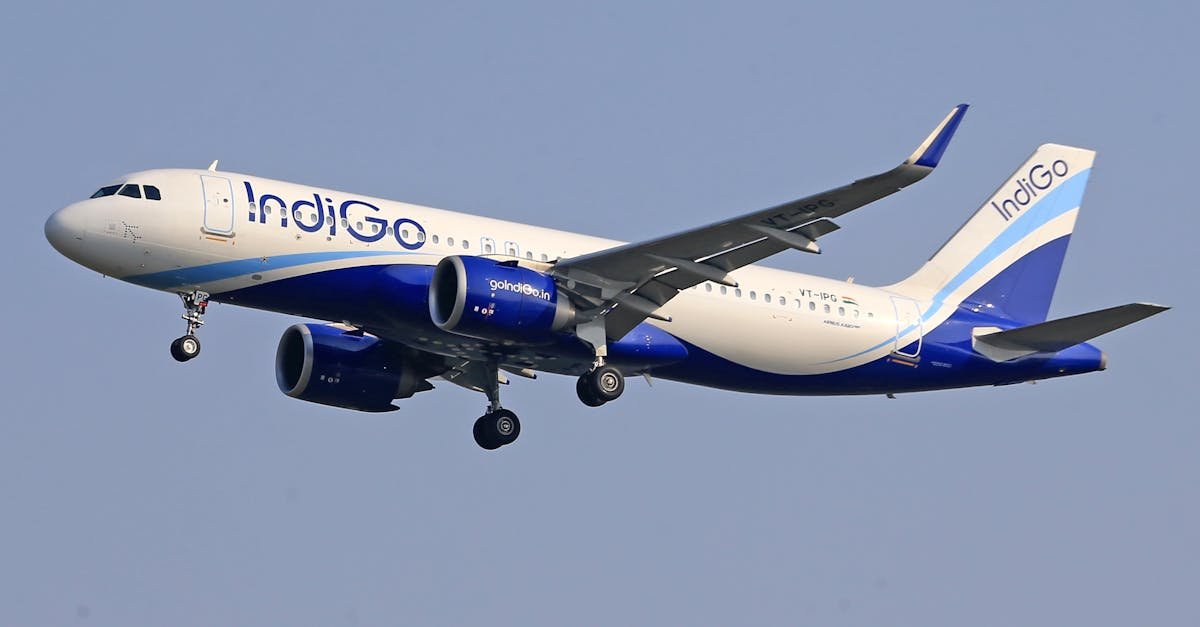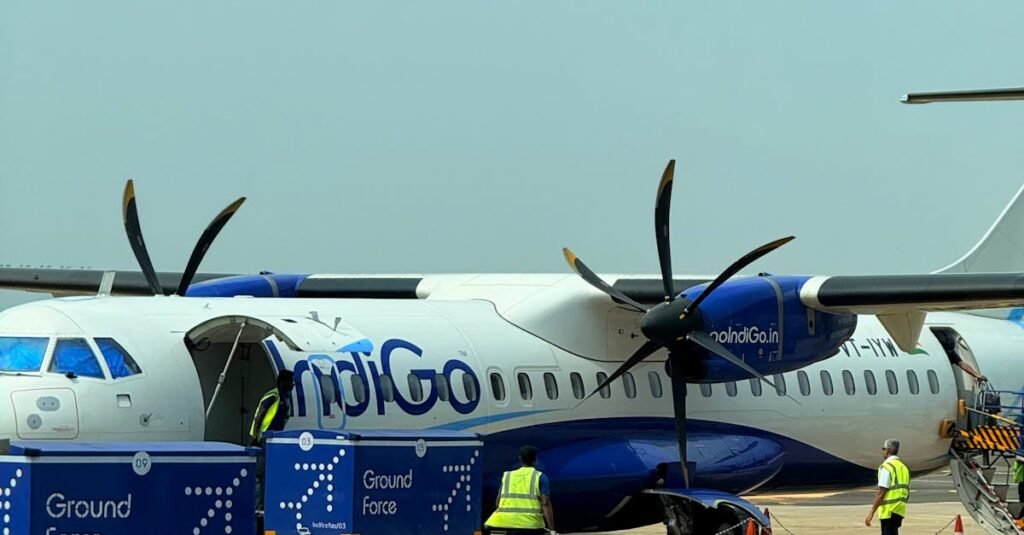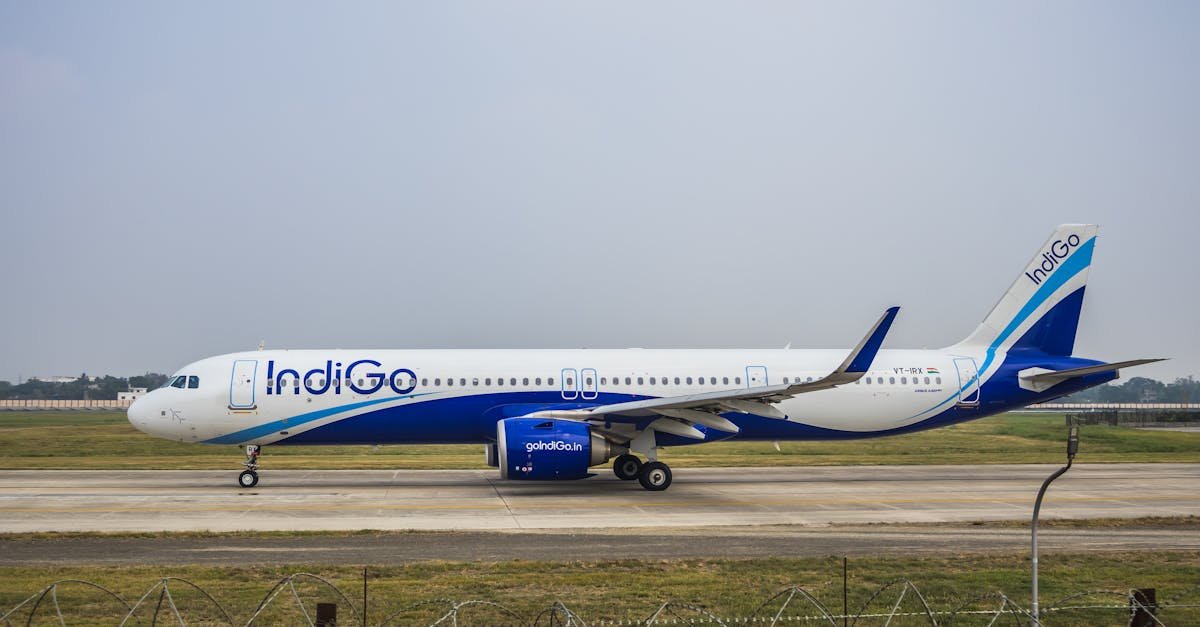
The Indian aviation sector has just witnessed one of its most significant leadership shifts in recent years. IndiGo, the country’s dominant low cost carrier, has officially announced the appointment of William Walsh as its new Chief Executive Officer. Better known as Willie Walsh in the industry, the former head of British Airways and the International Airlines Group (IAG) is set to lead the airline into a new era of global expansion and operational stabilization.
The news comes at a critical juncture for InterGlobe Aviation, the parent company of IndiGo. Following a period of leadership transition and intense competition in the domestic market, the board has looked toward a seasoned veteran with a proven track record of navigating complex global markets. Walsh, who is currently serving as the Director General of the International Air Transport Association (IATA), will step into his new role in August 2026.
A Career Built on High Altitude Decisions
To understand why this appointment is such a major story, one must look at the career trajectory of Willie Walsh. He is not just another executive; he is a pilot who worked his way to the very top of the corporate ladder. Starting his career as a cadet pilot at Aer Lingus in 1979, Walsh spent years in the cockpit before moving into management. This background gives him a unique perspective that many other airline CEOs lack. He understands the technical realities of flying just as well as he understands a balance sheet.
His rise at Aer Lingus eventually led him to the CEO position, where he was credited with a radical turnaround of the Irish carrier. However, it was his tenure at British Airways that solidified his reputation as a tough and effective leader.Between 2005 and 2011, he steered the airline through the turbulent waters of the global financial crisis. He was later the driving force behind the creation of IAG, a massive holding company that brought together British Airways and Iberia, later adding Aer Lingus and Vueling to the fold.
Why IndiGo Needs a Leader Like Walsh Right Now
IndiGo holds a commanding share of nearly 64 percent of the Indian domestic market. With a fleet of over 400 aircraft and thousands of daily flights, it is the undisputed heavyweight of Indian skies. Yet, being the biggest comes with its own set of challenges. The airline recently faced operational hurdles, including significant domestic schedule disruptions that left passengers frustrated.
The exit of the previous CEO, Pieter Elbers, created a vacuum that required a leader with immediate global credibility.By bringing in Walsh, IndiGo is sending a clear signal to investors and competitors. They are no longer just focused on being a domestic powerhouse. They want to be a formidable player on the international stage. Walsh’s experience in managing large scale mergers and international operations is exactly what IndiGo needs as it looks to connect more Indian cities to Europe, Africa, and the rest of Asia.
Navigating the Complexities of the Indian Aviation Market
The Indian market is notoriously difficult to master. It is a high volume but low margin environment where fuel costs,taxes, and price sensitivity can make or break an airline. While IndiGo has remained profitable when others have failed,the competition is heating up. A revitalized Air India under the Tata Group and the emergence of newer players mean that IndiGo cannot afford to be complacent.
Walsh is known for his disciplined approach to costs. During his time at British Airways and IAG, he earned a reputation for being a “no nonsense” negotiator, particularly with labor unions and suppliers. In the world of low cost carriers, where every cent counts, this level of fiscal discipline is vital. He will likely focus on streamlining operations and ensuring that the airline’s rapid growth does not come at the expense of its famous on-time performance.
The Transition from IATA to the Boardroom
Currently, Walsh is the voice of the global airline industry in his role at IATA. Since 2021, he has been advocating for airlines on the world stage, dealing with everything from post pandemic recovery to sustainability and carbon emissions. This role has given him an unparalleled view of the global aviation landscape. He has spent the last few years talking to governments, regulators, and manufacturers about the future of flight.
His tenure at IATA will end on July 31, 2026. He is expected to join IndiGo no later than August 3, 2026. This quick transition suggests that the airline is eager to get his feet on the ground. The timing is also strategic, as the airline industry globally is shifting focus toward sustainable aviation fuels and more efficient fleet management. Walsh’s recent work at IATA puts him at the forefront of these discussions, which will be beneficial as IndiGo updates its fleet with more fuel efficient Neo aircraft.
International Ambitions and the Wide Body Future
One of the most exciting aspects of this appointment is what it suggests for IndiGo’s international strategy. For years,IndiGo was strictly a short haul, narrow body operator. However, the airline has recently started exploring long haul flights, even leasing wide body aircraft to test the waters on routes to places like Istanbul.
With Walsh at the helm, we can expect a more aggressive and polished international rollout. He knows the European and North American markets better than almost anyone in the industry. If IndiGo plans to fly its own wide body jets to London or Paris in the future, Walsh is perhaps the best person to design that network and ensure it can compete with established full service carriers.
The Human Element and Corporate Culture
While Walsh is often described in the media through the lens of his tough negotiations, those who work closely with him often speak of his deep commitment to the business of flying. In his initial comments regarding the appointment, he highlighted that the people and their passion at IndiGo were what stood out to him most.
For the thousands of employees at IndiGo, a change in leadership can be a period of uncertainty. However, having a CEO who started as a pilot can be a point of inspiration for the operational staff. It suggests a leadership style that values the frontline experience. Walsh will need to balance his reputation for cost cutting with the need to maintain high morale in a service-oriented industry.
Looking Ahead to the August Takeover
The period between now and August will be one of preparation. The board at InterGlobe Aviation has expressed immense confidence in this choice. Vikram Singh Mehta, the Chairman of IndiGo, noted that Walsh’s track record across several airlines makes him ideally suited to lead the carrier through the next phase of its evolution.
The aviation world will be watching closely when Walsh officially takes the seat. Will he maintain the low cost DNA that made IndiGo a success, or will he pivot the airline toward a hybrid model that can better serve international travelers? Given his history, it is likely that he will find a way to do both without losing the efficiency that is the hallmark of the IndiGo brand.
The Road Toward Global Recognition
This appointment is a landmark moment for Indian business. It shows that Indian companies are now at a stage where they can attract the absolute top tier of global executive talent. For IndiGo, the goal is clear: move beyond being the leader in India and become a recognized name in global aviation.
As the airline prepares for this transition, the focus remains on delivering value to the millions of passengers who fly with them every month. With a veteran like Willie Walsh preparing to take the controls, the flight path for India’s largest airline looks set for some very interesting developments in the second half of 2026. The journey from a domestic startup to a global powerhouse is far from over, and the next chapter is about to begin.