Tag: Delta

  • Delta Engine Blowout Ignites Runway Fire During Emergency Landing: All We Know So Far

    Delta Engine Blowout Ignites Runway Fire During Emergency Landing: All We Know So Far

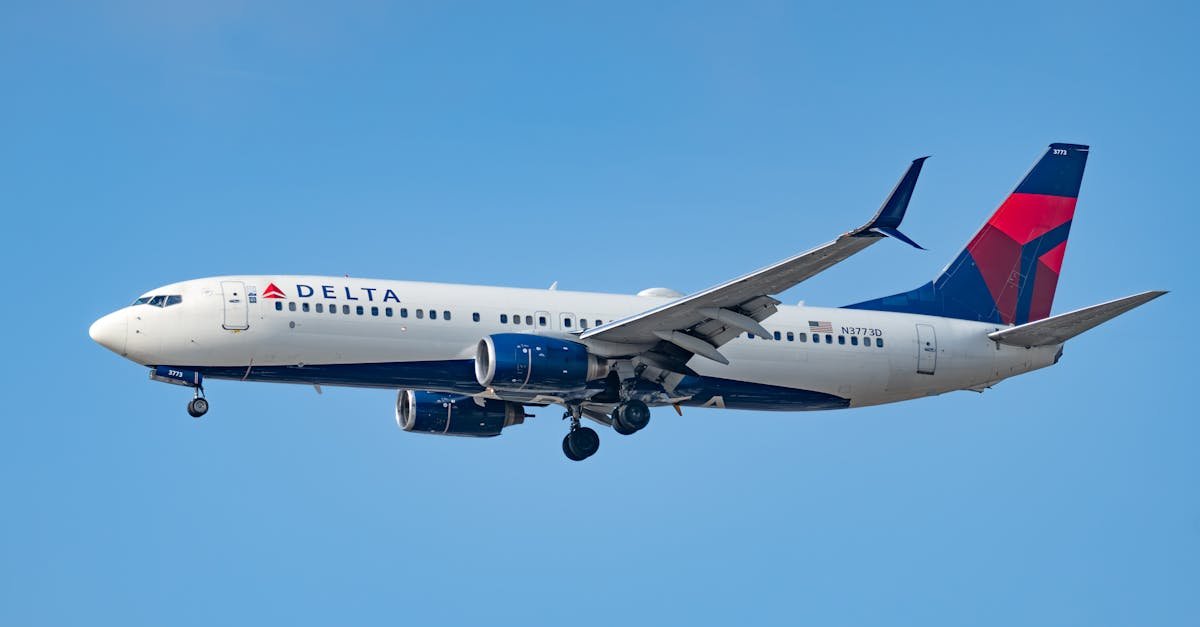
    On Sunday evening, February 22, 2026, passengers on a Delta Air Lines flight experienced a terrifying moment when an engine failure shortly after takeoff forced an emergency return to Savannah Hilton Head International Airport. The incident, involving Delta Flight 1067, did not just result in a midair scare but also sparked a massive grass fire along the airport runways. Despite the dramatic nature of the engine blowout and the secondary fires on the ground, all 185 people on board the aircraft returned to the terminal safely and without injury.

    A Sudden Bang During Ascent

    The flight was scheduled to travel from Savannah to Atlanta, a short hop that usually takes less than an hour. According to witnesses and passengers on board the Boeing 737-900, everything seemed normal until the wheels left the pavement. Within seconds of being airborne, a loud boom echoed through the cabin. Passengers reported seeing sparks and streaks of flame shooting from the left engine.

    One traveler described the sound as being similar to a car backfiring, though significantly louder and more jarring. The vibration from the engine failure was felt throughout the plane, immediately alerting the crew that something was wrong. Pilots quickly realized that the left CFM-56 turbofan engine had suffered a major mechanical failure.

    Emergency Procedures and Pilot Skill

    As soon as the engine blew, the flight crew declared an emergency. Aviation data shows that the aircraft reached a maximum altitude of roughly 3,000 feet before the pilots stopped the climb. Operating on the remaining functional engine, the pilots performed a controlled loop to bring the plane back to Savannah.

    While the situation in the cockpit was intense, passengers praised the crew for their calm demeanor. The pilots communicated clearly with the travelers, explaining that the plane could fly safely on one engine and that they were returning to the airport immediately. This transparency helped manage the fear inside the cabin as the plane made its final approach back toward the runway.

    The Ground Fire at Savannah Airport

    While the plane was still in the air, a different kind of emergency was unfolding on the ground. The flames and sparks emitted by the failing engine during takeoff had ignited the dry grass adjacent to the runway. Fed by powerful winds gusting at nearly 60 miles per hour, the small sparks quickly grew into a large brush fire.

    Air traffic controllers spotted the flames almost immediately and alerted other aircraft in the vicinity. The fire spread rapidly across a significant stretch of the airfield, specifically the area between taxiway Alpha and Charlie 1. This prompted a massive response from local emergency services. Because the fire was so large and spreading fast due to the wind, the airport fire department requested mutual aid from nearby agencies.

    A Large Scale Emergency Response

    The response to the fire and the incoming aircraft was a coordinated effort involving multiple departments. Firefighters from the Savannah Fire Department, Garden City Fire Rescue, and Pooler Fire Rescue all rushed to the scene. Additionally, the 165th Airlift Wing Fire Department provided support to help contain the blaze.

    As Flight 1067 touched down at approximately 7:12 p.m., it was met on the tarmac by a fleet of fire trucks. Emergency responders were positioned to douse the aircraft if necessary, but the primary focus of the ground crews remained on the sprawling grass fire that was threatening airport infrastructure.

    Passengers Safe but Shaken

    Once the Boeing 737 landed safely, it was towed back to the gate. The 179 passengers and six crew members deplaned normally through the jet bridge rather than using emergency slides. While everyone was physically unharmed, many described the experience as incredibly stressful.

    Travelers remained on the aircraft for about an hour after landing while officials ensured the area was safe and the fire was under control. Delta Air Lines issued an official statement shortly after the event, confirming the mechanical issue and apologizing for the disruption. The airline worked through the night to rebook passengers on alternate flights to Atlanta so they could reach their final destinations.

    Impact on Airport Operations

    The combination of a crippled aircraft on the runway and a large brush fire led to temporary ground stops at Savannah Hilton Head International Airport. Several incoming flights were held in the air or diverted, while departing flights faced significant delays.

    Fortunately, the fire did not reach the actual pavement of the runways, which allowed crews to clear the scene relatively quickly once the flames were extinguished. By later that evening, the fire was fully out, and operations at the airport began to return to a state of normalcy.

    The Role of Weather Conditions

    Weather played a significant role in how the incident unfolded. The Savannah area was experiencing high winds on Sunday, which is likely why the sparks from the engine were able to ignite the grass so easily. These same winds made the fire much harder to fight, as the flames were pushed across the dry vegetation at a high rate of speed.

    Aviation experts note that while engine failures are rare, pilots are trained extensively for this specific scenario. Modern twin engine jets like the Boeing 737 are designed to fly, climb, and land safely even if one engine completely loses power. The successful landing in Savannah is a testament to that engineering and the rigorous training of the Delta flight crew.

    What Happens Next for the Aircraft?
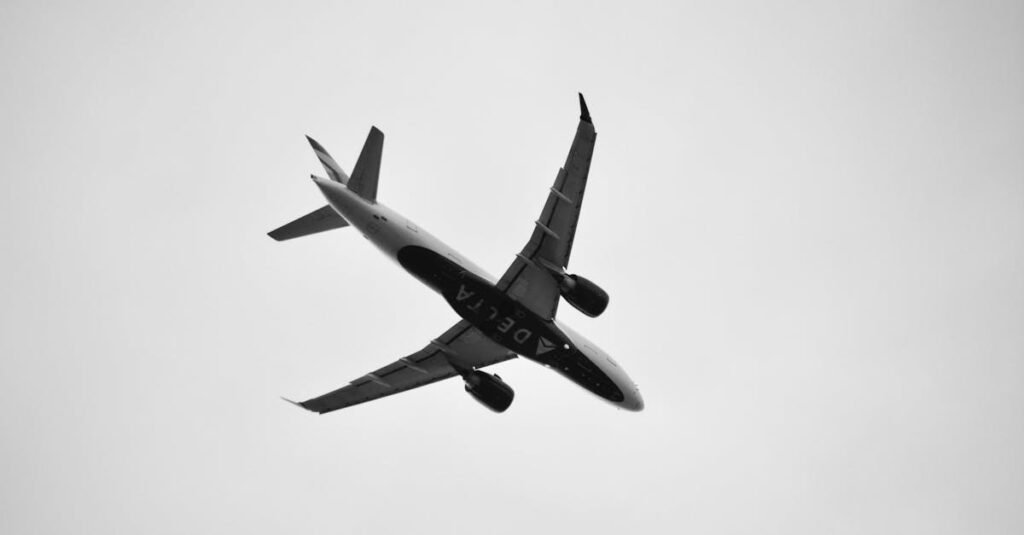
    Black and white image of a commercial airplane flying overhead, showcasing aviation in San Antonio, Texas.

    The Boeing 737-900 involved in the incident will remain on the ground in Savannah for a thorough investigation. Delta maintenance teams and federal investigators from the Federal Aviation Administration will examine the failed engine to determine exactly what caused the blowout.

    The investigation will look into whether the failure was caused by an internal mechanical part, a bird strike, or another external factor. This process often takes time, as the engine may need to be disassembled to find the root cause of the spark and subsequent power loss.

    Safety First for Travelers

    Delta Air Lines has reiterated that the safety of its customers is the top priority. While the sight of flames coming from a wing is terrifying for anyone, the airline pointed out that the systems in place worked exactly as they should. The pilots followed their emergency checklists, the aircraft remained stable, and emergency crews on the ground were ready to act before the plane even touched the ground.

    For the passengers of Flight 1067, it was a Sunday night they will never forget. Most were simply grateful to be standing on solid ground after a very close call. The quick thinking of the pilots and the rapid response of the Savannah area firefighters prevented a serious mechanical failure from turning into a much worse tragedy.

  • Why Was Delta Passenger Arrested in Memphis? The Shocking Flight 82 Biting Incident Explained

    Why Was Delta Passenger Arrested in Memphis? The Shocking Flight 82 Biting Incident Explained

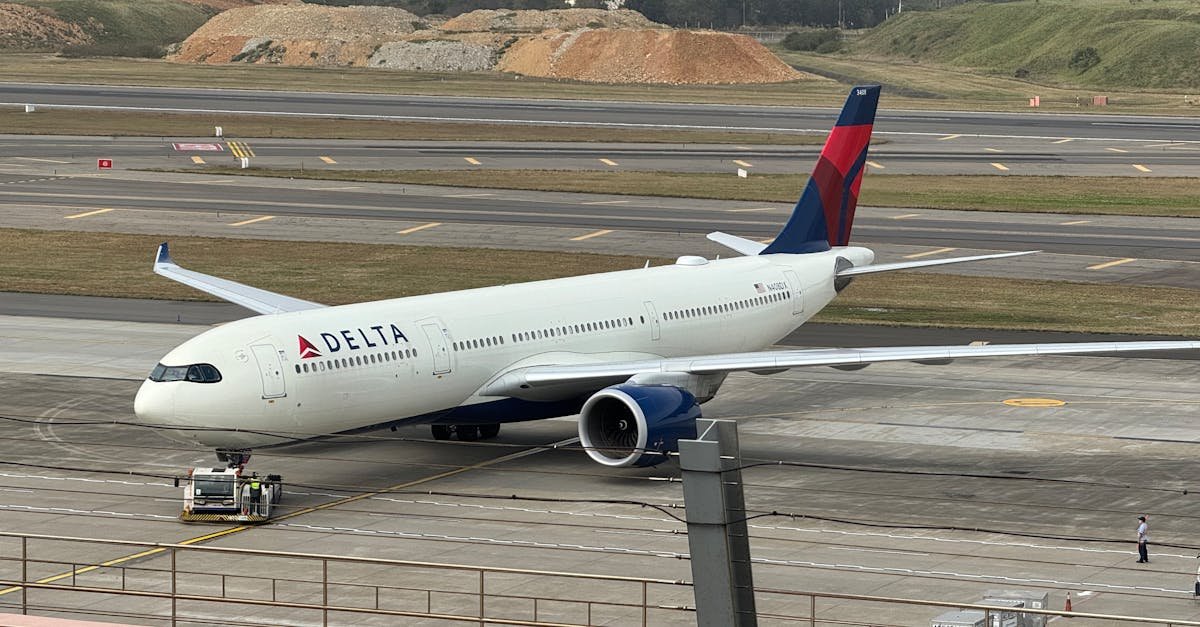
    On February 17, 2026, a routine afternoon at Memphis International Airport turned into a chaotic scene that has since captured national attention. The incident occurred on Delta Air Lines Flight 82, which was scheduled to fly from Memphis to Atlanta. What was supposed to be a standard boarding process escalated into a violent confrontation involving a passenger named Jessica Thomas, a flight attendant, and local law enforcement officers.

    The Initial Disturbance on Flight 82

    The trouble began around midday while the aircraft was still parked at Gate 12. According to reports from the Memphis Police Department, the situation ignited when 29 year old Jessica Thomas became involved in a physical altercation with a Delta crew member. Witnesses and police accounts suggest that Thomas struck a flight attendant in the face while the plane was preparing for departure.

    The motive behind the initial strike remains unclear in public reports, but the impact was immediate. Flight crew members followed standard safety protocols by notifying airport security and local law enforcement. This type of physical aggression toward airline staff is a serious offense under federal and local laws, leading to an immediate halt in the pre-flight procedures.

    Escalation and the Biting Incident

    When Memphis police officers arrived at the gate and boarded the aircraft to detain Thomas, the situation grew significantly more volatile. Law enforcement officials stated that Thomas became irate and resisted their attempts to take her into custody. The struggle moved from the cabin toward the jet bridge as officers worked to move her away from the other passengers.

    During this physical struggle, the confrontation reached a shocking peak. Police allege that Jessica Thomas bit one of the responding officers on the arm. In addition to the biting, she reportedly kicked a second officer in both legs. The aggressive behavior required multiple officers to eventually gain control and remove her from the airport terminal.

    Formal Charges and Legal Consequences

    A gavel striking a sound block, symbolizing justice and legal authority in a courtroom setting.

    Following the incident, Thomas was transported to the Shelby County Jail. The legal repercussions for the midday outburst are substantial. She currently faces several serious charges, which include:

    • Two counts of assault on a first responder
    • One count of assault (related to the flight attendant)
    • Disorderly conduct

    Authorities set her bond at $2,500. Court records indicate that she was scheduled for an initial appearance on Friday, February 20, 2026. Because the incident occurred on an aircraft, there is often the potential for federal involvement,though current charges are being handled at the local level in Shelby County.

    Impact on Delta Operations and Passengers

    One of the most surprising aspects of this story is how Delta Air Lines managed the operational fallout. In many cases of onboard violence, a flight might be cancelled or delayed for several hours to allow for evidence collection and crew reassignment. However, Flight 82 managed to depart Memphis only 37 minutes behind its original schedule.

    The airline received praise from industry observers for its quick recovery. The rapid intervention by the Memphis Police Department allowed the aircraft to be cleared quickly. While the flight attendant who was struck was understandably shaken, the remaining crew and passengers were able to continue the journey to Hartsfield Jackson International Airport in Atlanta without further disruption.

    A Growing Trend of Unruly Passengers

    The current arrest is part of a larger, more troubling pattern within the aviation industry. While air travel was once seen as a professional and orderly environment, the last several years have seen a significant rise in “air rage.” According to Federal Aviation Administration (FAA) data, unruly passenger incidents reached a historic peak in 2021 with nearly 6,000 reported cases. While that number has since decreased, the rate of incidents in 2026 remains nearly double what was seen in the pre-pandemic era of 2017 to 2019.

    The Anatomy of Air Rage

    Psychologists and aviation experts point to a “perfect storm” of stressors that contribute to these outbursts. The process of modern flying involves long queues, invasive security screenings, and crowded gate areas, all of which can push a passenger to their breaking point before they even step onto the aircraft. Once on board, factors such as limited personal space, recycled air, and the consumption of alcohol can further lower inhibitions and escalate minor frustrations into physical violence.

    In the case of Flight 82, the transition from a verbal dispute to a physical assault on a flight attendant and the subsequent biting of a police officer illustrates how quickly these situations can spiral. Experts note that many offenders are not “career criminals” but rather individuals experiencing temporary lapses in self-control due to travel fatigue or anxiety.

    Strengthening Enforcement and Penalties

    To combat this trend, the FAA has maintained a strict Zero Tolerance policy. Under current regulations, the agency can propose civil fines of up to $43,658 per violation. Because a single incident can involve multiple violations, such as interfering with a crew member and physically assaulting another, the total financial penalty can easily exceed $100,000 for a single flight.

    Beyond civil fines, the legal system is increasingly pursuing criminal charges. The FAA regularly refers the most serious cases to the FBI for federal prosecution, which can result in felony convictions and prison time. Additionally, the industry is seeing a renewed push for a centralized federal no fly list. Currently, if a passenger is banned by Delta, they might still be able to book a flight on a different carrier the next day. A centralized list would effectively bar high risk individuals from all commercial aviation.

    As the industry moves through 2026, the focus remains on protecting the “safety and health” of both passengers and crew. For such individuals, the consequences of a momentary outburst are life changing, involving jail time, massive legal fees, and a permanent mark on their criminal record.

    Safety Protocols and Airline Response

    Delta Air Lines has not released an extensive public statement regarding the specific condition of the flight attendant involved in the Memphis incident. However, the company maintains a strict zero tolerance policy regarding violence against its employees. Passengers who engage in such behavior are typically placed on internal no fly lists, which can permanently ban them from using the carrier in the future.

    For travelers, this incident serves as a stark reminder of the legal and social consequences of air rage. Attacking a first responder or a flight crew member carries heavy penalties, including significant jail time and hefty fines.