Tag: American Airlines

  • American Airlines Heathrow Catering Crisis: Flight Attendants Demand Bonus Pay Amid Service Disruptions

    American Airlines Heathrow Catering Crisis: Flight Attendants Demand Bonus Pay Amid Service Disruptions

    The skies over the Atlantic have become a bit more turbulent lately for those working at American Airlines. While passengers usually worry about legroom or flight delays, a new kind of trouble has brewed at London Heathrow Airport. What started as a breakdown in the kitchen has turned into a major labor dispute between American Airlines and the people who keep the cabins running. Flight attendants are now standing their ground, asking for extra pay to handle a mess they did not create.

    A Kitchen Crisis at the Heart of Heathrow

    The trouble began when American Airlines had to suddenly stop working with its usual food supplier at London Heathrow. This was not a small change. Reports surfaced about serious cleanliness issues in the kitchens where the meals were made. Some images even leaked online showing things that definitely should not be in a bread basket.Because of these safety concerns, American Airlines had to scramble for a backup plan.

    Since they could not trust the local food supply in London, the airline started a practice called double catering. This means when a plane leaves the United States, it carries enough food for the trip to London and the trip back. It sounds like a smart fix on paper, but in reality, it created a massive headache for everyone on board.

    The Heavy Burden of Double Catering

    Planes are built with very specific storage spaces. When American Airlines decided to pack twice the amount of food, it meant the galleys became incredibly crowded. Imagine trying to organize a kitchen that is already small, and then someone tells you to fit two days’ worth of meals in there at once. This is exactly what the crews at American Airlines have been dealing with.

    Flight attendants now have to move heavy carts around more than usual. They have to play a high-stakes game of Tetris just to find the right meal for the right person. Because the food is sitting for so long, some items have to be swapped out for things that stay fresh longer. This means the high-end service American Airlines usually promises, like ice cream sundaes or fancy seafood, has often disappeared from the menu.

    Dealing with Frustrated Travelers

    It is no secret that a hungry passenger is often an unhappy passenger. When travelers pay thousands of dollars for a premium seat on American Airlines, they expect a certain level of luxury. When they are told their meal options are limited or that the special dish they ordered is not available, they usually take their frustration out on the first person they see. That person is almost always a flight attendant.

    The staff at American Airlines are reporting a much more difficult work environment. They are spending more time apologizing and trying to fix problems that they have no control over. The union representing these workers says the workload has become unpredictable and physically exhausting. They argue that the mental toll of dealing with angry flyers for hours on end deserves more than just a standard paycheck.

    The Call for Crisis Compensation

    The Association of Professional Flight Attendants has officially stepped in to demand better treatment for the crews flying these routes. They filed a formal grievance against American Airlines, stating that the current working conditions are not what the staff signed up for. The union believes that if American Airlines asks its workers to do more under tougher circumstances, it should be willing to pay up.

    The demand is simple. They want a bonus or extra pay for every flight that is affected by this catering mess. They feel that the added stress and the physical labor of managing double-provisioned flights should be recognized as extra work.So far, American Airlines has acknowledged the struggle but has not yet agreed to the extra money.

    A Helping Hand from British Airways

    While the dispute over pay continues, American Airlines has found a little bit of help from its partner, British Airways.Since British Airways uses a different, high-quality catering company called Do and Co, they agreed to share some of that food with American Airlines. This has helped bring better meals back to the business class cabins on some flights.

    However, this is only a partial fix. While the folks in the front of the plane might be eating better, the passengers in the back are still seeing a lot of service changes. The second meal service and the snacks in economy are still not back to normal. This means the crew at American Airlines still has to manage a split service where half the plane is happy and the other half is still missing their favorite snacks.

    READ MORE: Could United and American Airlines Merge? What It Means for U.S. Air Travel

    The Bigger Picture for American Airlines

    This catering disaster is happening at a time when American Airlines is already facing pressure from its workforce.Earlier this year, the union even took a vote of no confidence in the leadership of the airline. There is a feeling among the staff that the company is falling behind its rivals and that the front-line workers are the ones paying the price.

    London Heathrow is one of the most important hubs for American Airlines. With up to 19 flights a day going back and forth, any problem there is a massive problem for the whole network. If the airline cannot find a permanent solution to the food issue and a way to satisfy its workers, the damage to its reputation could last a long time.

    Looking Toward a Better Flight Experience

    Everyone involved wants to see things get back to normal. Passengers want their hot meals and ice cream, and the crew at American Airlines wants to do their jobs without the extra stress of a cluttered galley and angry customers. The airline is currently looking for a new permanent catering partner in London so they can stop the practice of double catering once and for all.

    Until that happens, the debate over extra pay will likely remain a hot topic. The flight attendants feel they have gone above and beyond to keep the airline running during a crisis. Whether American Airlines decides to reward that loyalty with extra pay remains to be seen, but the pressure is definitely mounting. For now, the focus remains on keeping the planes in the air and finding a way to keep everyone on board fed and happy.

  • Could United and American Airlines Merge? What It Means for U.S. Air Travel

    Could United and American Airlines Merge? What It Means for U.S. Air Travel

    The aviation world is currently buzzing with a question that once seemed impossible. Could United and American Airlines actually merge? For years, the U.S. airline industry has been dominated by a small group of massive carriers. These companies have carved out their own hubs and loyal customer bases. However, recent rumors and high-level discussions have brought the idea of a “mega-merger” back into the spotlight.

    If such a deal ever moved from a whisper to a reality, it would change everything for passengers. From the price of a ticket to the routes available at your local airport, the ripples would be felt across the globe. To understand why this is being talked about now, we have to look at the current state of American Airlines and how the industry is shifting under our feet.

    The Spark That Started the Conversation

    The latest round of speculation began in early 2026. Reports emerged that the leadership at United Airlines had floated the idea of a combination during meetings with government officials. The logic presented was simple. As fuel prices climb and international competition grows, the biggest U.S. carriers might need even more scale to stay competitive against foreign airlines.

    For American Airlines, this conversation comes at a time of transition. The company has spent the last few years focusing on paying down debt and improving its operational reliability. While the airline is seeing record revenues and strong demand for its premium seats, the cost of doing business is rising. In this environment, the idea of joining forces with another giant starts to look less like a fantasy and more like a strategic play for survival.

    Why Scale Matters for American Airlines

    To understand why a merger is even being discussed, you have to look at how American Airlines operates today. It currently manages one of the largest fleets in the world and serves hundreds of destinations. However, even with that massive footprint, there are gaps. United has a very strong presence in international gateways like San Francisco and Newark. Meanwhile, American Airlines holds a dominant position in the Sun Belt and across the Atlantic through its London partnerships.

    A merger would theoretically create a carrier that is untouchable in terms of network reach. You would have a single airline that controls the most important hubs in New York, Chicago, Dallas, and Los Angeles. For a business traveler, this sounds like a dream. You could fly almost anywhere on a single ticket while racking up points in one loyalty program. For the airline, it means more efficiency and more power to negotiate for better fuel prices or airplane orders.

    The Massive Regulatory Wall

    While the business logic might make sense on paper, the legal reality is much different. The United States government has a very strict set of rules meant to prevent monopolies. In recent years, regulators have been incredibly skeptical of any deals that reduce competition. We saw this when the government blocked smaller deals involving JetBlue and Spirit.

    If the government was worried about a small budget airline being bought, imagine the reaction to a merger between two of the “Big Three.” A combined United and American Airlines would control such a huge portion of the market that it could effectively set prices in many cities. Critics argue that when competition goes down, ticket prices almost always go up.

    The Department of Justice would look at “overlap” routes. These are flights where both United and American Airlines are the only major choices for passengers. If they merged, the competition on those routes would vanish. To get approval, the airlines would likely have to give up dozens of gates at major airports, which might defeat the purpose of the merger in the first place.

    How Your Frequent Flyer Miles Could Change

    One of the biggest concerns for travelers is what happens to their loyalty. American Airlines has one of the most popular programs in the world with AAdvantage. Millions of people have spent years earning status and miles with the hope of using them for dream vacations.

    In a merger, two very different cultures and systems have to mesh. United uses a different technology platform and has a different approach to elite benefits. History shows that combining these programs is a massive headache. When American Airlines merged with US Airways years ago, it took a long time to smooth out the bumps. A merger of this size would be even more complex. While your miles would likely carry over into a new combined program, the value of those miles and the ease of using them could shift overnight.

    Impact on Ticket Prices and Service

    The most pressing question for the average traveler is the cost. If American Airlines were to merge with United, would flying become more expensive? Most industry experts say yes. When there are fewer companies competing for your business, they don’t have to try as hard to offer the lowest price.

    Beyond the price, there is the issue of service. Huge mergers often lead to “growing pains.” We have seen it before where flight schedules get messy and customer service wait times skyrocket as two massive workforces try to integrate. For American Airlines employees, a merger would mean new contracts, new seniority lists, and potential job relocations. If the staff is unhappy or stressed, that often trickles down to the passenger experience.

    The International Competitive Angle

    One of the strongest arguments in favor of a merger involves the global stage. While American Airlines is a titan in the U.S., it faces stiff competition from state-subsidized carriers in the Middle East and Asia. These foreign airlines often have newer planes and luxury amenities that are hard for U.S. carriers to match while remaining profitable.

    United and American Airlines leaders might argue that they need to be larger to survive this global pressure. By combining resources, they could invest more in “next-generation” aircraft and better airport lounges. They want to ensure that a traveler flying from New York to Singapore chooses a U.S. brand rather than a foreign one. Whether the government believes this is a good enough reason to allow a domestic monopoly is the multi-billion dollar question.

    READ MORE: American Airlines Stock Jumps as TD Cowen Hikes Price Target on Fuel Outlook

    Looking Toward the Horizon

    For now, a merger remains in the realm of “what if.” There have been no formal filings and no official agreements. The leadership at American Airlines continues to focus on its own independent growth, adding new planes and refining its schedule to meet the demands of 2026 travelers.

    However, the fact that these conversations are happening at high levels of government shows that the industry is at a crossroads. Costs are not going down, and the pressure to be more efficient is only growing. Whether it happens through a full merger or just deeper partnerships, the way we fly is going to continue to evolve.

    The sky is crowded, and the players are powerful. As we watch how American Airlines navigates these rumors, passengers should stay informed. The future of your next flight might just depend on a handshake between the giants of the industry.

  • American Airlines Stock Jumps as TD Cowen Hikes Price Target on Fuel Outlook

    American Airlines Stock Jumps as TD Cowen Hikes Price Target on Fuel Outlook

    Airlines run on tight margins and heavy overhead. When one of the biggest expenses for these companies starts to drop,the market pays attention. American Airlines recently saw a welcome bump in its stock price after equity research firm TD Cowen raised its price target for the carrier. The driving force behind this optimistic update is a more favorable outlook on jet fuel costs.

    Investors who have watched the airline sector struggle with volatile energy prices are finally getting some good news.The updated forecast suggests that American Airlines is in a prime position to capitalize on cheaper fuel. This change gives the company a bit more breathing room to improve profitability, pay down debt, and reward shareholders. Let us break down exactly what this price target hike means and why fuel costs play such a massive role in the financial health of American Airlines.

    Unpacking the TD Cowen Price Target Increase When an investment bank like TD Cowen adjusts a price target,retail and institutional investors take notes. The firm raised its expectation for American Airlines shares, indicating a strong belief that the stock has room to run. The analysts maintained their buy rating, which tells the market that the stock is currently undervalued compared to its potential earnings.

    This upgrade is not based on blind optimism. The analysts looked at the raw data surrounding crude oil prices and the specific crack spread. The crack spread is the price difference between crude oil and the refined jet fuel airlines actually purchase. As those spreads narrow and crude oil stabilizes, airlines spend less cash just to keep their planes in the sky.TD Cowen sees this creating a direct path to higher earnings per share for American Airlines in the coming quarters.

    Wall Street often uses these price target hikes as a signal to buy. As soon as the report went public, American Airlines stock experienced a noticeable jump. This upward momentum reflects a collective sigh of relief from investors who were previously worried that stubborn energy prices would eat away at the profits generated by strong ticket sales.

    How Jet Fuel Dictates Airline Profitability To understand why a fuel outlook can move a massive stock like American Airlines, you have to look at the basic business model of a commercial airline. Jet fuel is usually the second largest operating expense for any carrier, right behind labor costs. Even a drop of a few cents per gallon can save an airline tens of millions of dollars over the course of a fiscal year.

    Unlike some of its main competitors, American Airlines does not heavily use fuel hedging strategies. Fuel hedging is a financial tool where an airline locks in a specific price for fuel months or years in advance. While hedging can protect a company if oil prices skyrocket, it can also backfire if prices plummet. Because American Airlines generally buys fuel at current market rates, the company benefits immediately when oil prices drop.

    This direct exposure to market prices is a double edged sword. In times of energy crisis, the stock takes a heavy hit. But right now, with the fuel outlook improving, American Airlines gets to reap the rewards instantly. Every dollar saved at the pump falls straight to the bottom line, boosting net income and making the financial statements look much more attractive to potential buyers.

    The Role of Fleet Modernization Fuel prices are only half of the equation. The other half is how efficiently an airline burns that fuel. Over the past decade, American Airlines has spent billions of dollars updating its fleet. The company retired older, gas guzzling aircraft and replaced them with newer models from Boeing and Airbus.

    These next generation planes are significantly lighter and feature advanced aerodynamics. They also use modern engine technology that requires less fuel to travel the same distance. Because American Airlines operates one of the youngest fleets among the legacy carriers, it gets a better return on every gallon of jet fuel it purchases.

    This efficiency amplifies the positive effects of falling fuel costs. The TD Cowen analysts factored this modern fleet into their updated price target. They know that even if fuel prices remain moderately high, American Airlines has the hardware required to keep operating costs under control. This structural advantage sets the company apart from competitors flying older planes that require more maintenance and burn more fuel.

    Strong Passenger Demand and Booking Trends Cheaper fuel only helps if people are actually buying tickets.Fortunately for American Airlines, consumer demand for travel remains incredibly resilient. The post pandemic travel surge has evolved into a steady, reliable stream of passengers booking both domestic and international flights.

    The TD Cowen report highlighted solid booking trends as a secondary reason for the price target hike. Vacationers are still prioritizing experiences over physical goods, leading to packed planes during peak holiday seasons. At the same time, corporate travel is making a slow but steady comeback. Business travelers are highly lucrative for airlines because they tend to book last minute tickets at higher prices and fill up the premium cabins.

    American Airlines has successfully optimized its route network to capture this demand. By focusing on highly profitable hubs like Dallas Fort Worth and Charlotte, the airline maximizes the number of passengers on every flight.When you combine full planes, high ticket prices, and falling fuel costs, you get a recipe for strong financial performance.

    Tackling the Debt Burden One of the main reasons American Airlines stock has historically traded at a discount compared to Delta and United is its debt load. The company took on massive amounts of debt to survive previous industry downturns and to fund its aggressive fleet renewal program. Wall Street has always kept a close eye on this balance sheet, waiting to see how management plans to pay it down.

    This is where the improved fuel outlook becomes a game changer. The extra cash generated from lower fuel expenses gives management the exact tool they need to accelerate debt repayment. American Airlines has publicly committed to reducing its total debt by billions of dollars over the next few years.

    Every time the company retires a chunk of debt, its interest expenses go down. This creates a positive feedback loop.Lower interest payments mean more free cash flow, which can be used to pay down even more debt or eventually be returned to shareholders through stock buybacks and dividends. TD Cowen recognized this improving financial flexibility when they issued their bullish report. As the balance sheet gets cleaner, the perceived risk of investing in the stock drops, paving the way for a higher valuation.

    Navigating Future Industry Risks While the current outlook is highly positive, the airline industry is famous for its unpredictability. Investors jumping into American Airlines stock based on the TD Cowen upgrade still need to monitor potential roadblocks.

    The energy market is sensitive to global events. Any sudden shifts in foreign policy, supply chain disruptions, or changes in production quotas by major oil producing nations could cause crude oil prices to spike again. Because American Airlines is directly exposed to spot prices, a rapid increase in fuel costs would squeeze margins and potentially reverse the recent stock gains.

    Labor relations also play a massive role in airline profitability. Pilots, flight attendants, and mechanics have all negotiated higher pay rates across the industry in recent years. These elevated labor costs raise the baseline expense of operating the airline. American Airlines must maintain strong pricing power to cover these wages. If a broader economic slowdown causes consumers to stop buying plane tickets, the company will have a harder time absorbing those fixed labor costs, even if fuel remains cheap.

    The Road Ahead for AAL Shareholders The recent upgrade from TD Cowen provides a clear roadmap for why American Airlines is catching the attention of institutional buyers. The combination of a modern fleet, strong consumer demand, and a very friendly fuel environment creates a compelling case for the stock.

    Management now faces the task of executing their financial plan. If they can continue to fill premium seats, manage their capacity effectively, and use their surplus cash to aggressively pay down debt, the stock has a strong chance of reaching and surpassing the new price target.

    For retail investors, the key is to watch the upcoming quarterly earnings reports. The actual numbers will show exactly how much money the airline is saving on fuel and how much of that savings is reaching the bottom line. The current market reaction shows a lot of confidence in the company. If American Airlines delivers on this potential, shareholders could see sustained growth well beyond this initial jump.

  • Close Call at Newark: Inside the American Airlines Boeing 737 MAX Emergency Landing

    Close Call at Newark: Inside the American Airlines Boeing 737 MAX Emergency Landing

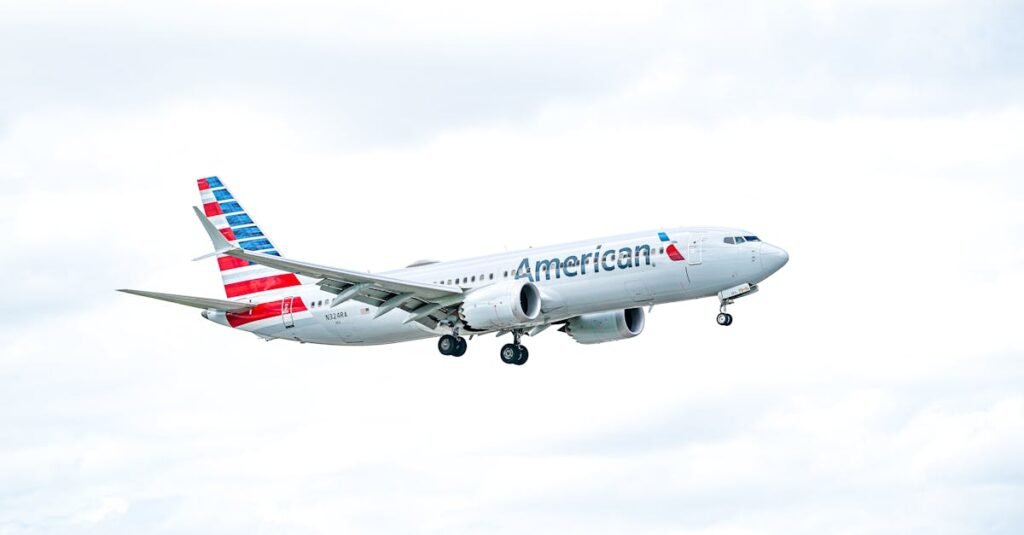
    The evening sky over New Jersey was the backdrop for a tense aviation moment on Wednesday, March 25, 2026. For the passengers on American Airlines Flight 1461, what started as a short hop from the South turned into a high stakes emergency. The Boeing 737 MAX aircraft was making its final approach to Newark Liberty International Airport when a mechanical failure forced the pilots into a critical decision making process. This incident serves as a stark reminder of the unpredictable nature of air travel and the rigorous training that keeps the skies safe.

    A Routine Departure Turns Tense

    The journey began at Charlotte Douglas International Airport in North Carolina. Flight 1461 is a frequent and usually quiet route, whisking travelers between two major East Coast hubs. The aircraft, a Boeing 737 MAX, departed at approximately 7:14 PM, climbing into the clear night air for its two hour trek north. For most of the flight, there was no indication that anything was wrong. Passengers settled into their seats, likely expecting a standard arrival in Newark around 9:00 PM.

    The situation changed as the plane began its descent toward the New York metropolitan area. Modern aircraft are equipped with a vast array of sensors designed to monitor every moving part. As the crew prepared for landing, an alert triggered in the cockpit. The pilots received a notification regarding the landing gear system. Specifically, the data suggested a drop in pressure or a mechanical anomaly with the nose gear, which is the set of wheels located directly under the front of the plane.

    The Emergency Declaration Over New Jersey

    In the world of aviation, “declaring an emergency” is a formal process that gives a flight immediate priority over all other traffic. As the Boeing 737 MAX approached Newark, the captain made the call to air traffic control. They reported a blown tire on the nose gear. This was not a minor inconvenience. The nose tire is essential for steering the aircraft once it touches the ground. If the tire is shredded or missing, the metal wheel assembly can spark against the runway, or worse, the plane can become difficult to control during the high speed rollout after landing.

    Newark Liberty International Airport immediately went into a high alert status. Other flights were held in patterns or diverted to ensure the runway was completely clear for Flight 1461. On the ground, the sight was dramatic. Flashing red and blue lights from dozens of emergency vehicles began to line the edges of the tarmac. Fire trucks, ambulances, and Port Authority police prepared for the worst case scenario as the jet lined up with the runway.

    Touching Down with a Blown Tire

    Landing a massive jet with a compromised nose gear requires a delicate touch. Pilots are trained to keep the nose of the aircraft off the ground for as long as possible during the landing roll, using the rear main gear to take the brunt of the impact and the initial braking. When the nose finally touches down, the crew must work quickly to maintain the center line of the runway.

    At approximately 9:00 PM, the Boeing 737 MAX made contact with the pavement. The sound of the landing was reportedly louder than usual for those sitting in the front of the cabin. As the front gear touched the ground, the remaining rubber on the blown tire likely disintegrated. The smell of burning rubber began to waft into the cabin through the air filtration system, a common but unsettling occurrence during tire failures.+1

    Despite the mechanical failure, the aircraft stayed on the runway. The dual tire configuration of the 737 MAX nose gear proved to be a vital safety feature. Because there are two tires on the front assembly, the intact tire helped stabilize the plane even as the other one failed completely. The aircraft eventually slowed to a stop, surrounded by a ring of emergency responders.

    Ground Operations and Passenger Safety

    Once the plane was stationary, the focus shifted to the 160 passengers and crew members on board. In many emergency landings, the first instinct is to use the inflatable slides for a rapid evacuation. However, since there was no active fire and the aircraft was stable, the decision was made to keep everyone on board for a short period. This is often a safer route to prevent injuries that can occur during a frantic slide evacuation.

    Engineers and fire crews inspected the landing gear while the passengers waited. They had to ensure that the heat from the friction had not ignited any hydraulic fluid or caused structural damage that would make moving the plane dangerous. After the “all clear” was given, the aircraft was towed off the active runway. Passengers eventually deplaned via mobile stairs and were bussed to the terminal. Remarkably, there were no reported injuries, a testament to the calm handling of the situation by the flight crew.

    The Cleanup and Investigation

    The impact of such an incident ripples through the entire airport. After Flight 1461 was cleared, the runway remained closed for an inspection. When a tire blows at high speed, it often leaves behind “FOD” or foreign object debris. Small chunks of reinforced rubber and wire can be scattered across the concrete. If another plane were to vacuum this debris into an engine during takeoff, it could cause a catastrophic failure. Ground crews spent significant time sweeping the area to ensure it was safe for the next arrival.

    American Airlines and the Federal Aviation Administration have already begun looking into why the tire failed. Tires on commercial jets are designed to withstand incredible pressures and temperatures, but they are not invincible. Investigators will look at maintenance logs, the age of the tire, and whether any debris on the runway in Charlotte might have caused an initial nick that led to the blowout in Newark.

    Context of Recent Boeing Incidents

    It is impossible to discuss this event without mentioning the intense scrutiny currently facing Boeing. Over the last year, various issues ranging from door plugs to landing gear fires have kept the manufacturer in the headlines. While a blown tire is often a maintenance or operational issue rather than a design flaw, the fact that it occurred on a 737 MAX model ensures that the investigation will be thorough.

    Aviation experts point out that tire blowouts, while frightening, are a known variable in flight operations. Modern jets are over engineered to handle these exact moments. The success of Flight 1461 in landing without a single scratch to a passenger highlights that the safety systems in place both mechanical and human worked exactly as they were supposed to.

    Moving Forward After the Scare

    For the travelers who were on board, the memory of the flashing lights and the smell of smoke will likely linger. For the rest of the traveling public, the incident is a reminder of the importance of the “silent” work done by ground crews, mechanics, and air traffic controllers. Every day, thousands of flights land without issue, but it is the preparation for the one that doesn’t that defines the industry.

    The aircraft involved has been taken out of service for a full inspection and repair of the nose gear assembly. It will likely return to the skies once it passes a series of rigorous safety checks. In the meantime, the data from this landing will be shared across the industry to help other pilots and maintenance teams recognize the early warning signs of gear failure.

  • Mired in the Mud: American Airlines Boeing 737 Plows Into Soft Ground at Syracuse Airport

    Mired in the Mud: American Airlines Boeing 737 Plows Into Soft Ground at Syracuse Airport

    Travelers at Syracuse Hancock International Airport witnessed an unusual sight on Saturday when a massive commercial jet ended up far from its intended path. What started as a routine departure for American Airlines Flight 1235 quickly turned into a logistical headache as the aircraft slipped off the paved surface and became firmly embedded in the soft New York soil.

    The incident involved a Boeing 737-800, a workhorse of the American Airlines fleet. The plane was scheduled to transport passengers from Syracuse to Charlotte Douglas International Airport in North Carolina. Instead of soaring through the clouds, the aircraft spent its afternoon sinking into the mud, leading to a full scale ground response and a significant delay for everyone on board.

    The Mechanics of a Pushback Mishap

    To understand how a multi ton aircraft ends up off the road, one has to look at the delicate process of ground handling. Most large jets cannot reverse on their own power using jet engines because the blast could damage airport terminals or nearby equipment. Instead, they rely on a specialized vehicle known as a tug. This tug connects to the nose gear and pushes the plane backward from the gate toward the taxiway.

    During this specific pushback at Syracuse, something went wrong. Reports indicate that as the tug was maneuvering the Boeing 737-800 into position, the aircraft exited the hardened asphalt of the taxiway. Once the heavy tires of a 737 leave the reinforced concrete or asphalt designed to support their weight, they immediately encounter the soft, grassy medians of the airfield.

    In Syracuse, especially during seasons where the ground may be saturated by rain or melting snow, that soil offers almost no resistance. The sheer weight of the aircraft caused the landing gear to sink several inches into the earth, effectively anchoring the plane in place. At that point, the tug no longer had the traction or the power to pull the jet back onto the pavement without risking structural damage to the nose gear.

    Safety First for Passengers and Crew

    The immediate priority for the ground crew and the pilots was the safety of the people inside the cabin. While the event was certainly jarring for those sitting by the windows, there were no initial reports of injuries. Modern aircraft are built to withstand significant stress, and a low speed slip into the grass is generally more of an embarrassment and a logistical hurdle than a life threatening emergency.

    Flight attendants and the flight deck crew remained in constant communication with the passengers to keep them calm while airport authorities assessed the situation. Because the plane was stuck in a position where it could not simply be pulled back by the tug, the decision was made to deplane the passengers right there on the airfield.

    Deplaning on the tarmac is a complex operation. It requires mobile staircases to be brought out to the aircraft so that passengers can safely exit. From there, buses were used to shuttle the travelers back to the terminal building. While the walk down the stairs onto the windy airfield was likely not the start to the trip they expected, the process was handled in an orderly fashion to ensure no one was hurt during the transition.

    The Technical Challenge of Recovery

    Once the passengers were safely back in the terminal, the real work for the recovery teams began. Moving a Boeing 737-800 that is mired in mud is not as simple as calling a standard tow truck. The aircraft has a maximum takeoff weight that can exceed 170,000 pounds. When that much weight is concentrated on thin tires in soft dirt, the plane acts like a giant stake driven into the ground.

    Recovery teams often have to use specialized equipment such as heavy duty inflatable air bags or metal tracks. The air bags are placed under the wings or fuselage to lift the aircraft high enough so that the ground beneath the tires can be stabilized. Sometimes, crews have to dig out the mud by hand and replace it with gravel or steel plating to create a temporary road for the wheels to roll back onto the pavement.

    Every move must be calculated with extreme precision. If the recovery team pulls too hard on the landing gear while it is stuck in the mud, they could snap a high pressure hydraulic line or cause a structural failure in the gear itself. This would turn a minor ground incident into a multi million dollar repair job.

    Impact on Syracuse Hancock International Airport Operations

    Syracuse Hancock International is a busy hub for Central New York, and having a large jet blocking a taxiway or sitting near a runway can cause a ripple effect of delays. Air traffic controllers had to manage the flow of other arriving and departing flights to ensure they stayed clear of the recovery zone.

    While the airport remained open, the presence of emergency vehicles and recovery equipment meant that certain paths on the airfield were restricted. This required pilots of other aircraft to take longer routes to their gates, adding minutes to their taxi times. Fortunately, the incident occurred in a location that did not necessitate a total shutdown of the primary runways, which spared the traveling public from a total collapse of the day’s schedule.

    For American Airlines, the incident meant finding a replacement aircraft for the Charlotte leg of the trip. Airlines usually try to swap in a new plane from a nearby hub or rebook passengers on later flights. However, with a busy weekend schedule, finding nearly 160 empty seats on other flights can be a massive challenge for gate agents and customer service representatives.

    Investigating the Root Cause

    Whenever an aircraft leaves the paved surface, the Federal Aviation Administration and the airline itself launch an investigation. They want to know if the mishap was caused by mechanical failure in the tug, a lapse in communication between the ground crew and the cockpit, or perhaps a patch of ice or oil that caused the tires to lose grip.

    Investigators will look at the flight data recorders and the logs of the ground handling company. They will also interview the tug operator and the pilots. The goal is not just to assign blame but to update safety protocols to ensure that a similar slip does not happen again. Ground handling is one of the most dangerous and precise parts of aviation, and even a small mistake can lead to a very expensive result.

    Looking Ahead for Flight 1235 Travelers

    For the passengers of Flight 1235, the day will be remembered as the trip that never quite got off the ground. Most travelers understand that safety is the most important factor, but the frustration of a long delay is unavoidable. American Airlines typically provides vouchers for food and future travel in these scenarios to maintain goodwill with their customers.

    As the Boeing 737-800 is eventually pulled from the mud, it will be taken to a hangar for a thorough inspection. Mechanics will check the tires, the brakes, and the landing gear for any signs of stress or debris ingestion. Only after a rigorous series of tests will the plane be cleared to return to the skies.

    This incident serves as a reminder of the complex dance that happens on the ground at every major airport. While we focus on the marvel of flight, the simple task of moving a plane from a gate to a runway requires perfect coordination. When the ground turns soft and a wheel slips, it reminds everyone that even the most advanced machines are still at the mercy of the earth beneath them.

    Final Steps for the Stranded Boeing

    The recovery of the aircraft is only the beginning of the journey back to service. Once the jet is back on solid ground, the airport must also inspect the area where the incident occurred. The grass and soil will need to be repaired, and the pavement edge will be checked for any cracking or damage caused by the weight of the aircraft during the slide.

    The aviation industry thrives on learning from these moments. Within weeks, the findings from the Syracuse incident will likely be shared across the industry as a case study for ground crews. Whether it was a matter of timing, equipment, or environmental factors, the data gathered will help keep the next pushback on the right path.

  • American Airlines Adds Nonstop Miami to South Bend Flights for Hurricanes vs. Notre Dame 2026

    American Airlines Adds Nonstop Miami to South Bend Flights for Hurricanes vs. Notre Dame 2026

    College football fans often face a logistical puzzle when their favorite team travels to a legendary stadium in a smaller city. For those following the Miami Hurricanes to South Bend to face the Notre Dame Fighting Irish on November 7, 2026, that puzzle just got a lot simpler. American Airlines has stepped in to bridge the gap between South Florida and Northern Indiana by adding special nonstop service specifically for this high profile matchup.

    This move acknowledges the massive demand for a game that many are already calling a highlight of the 2026 season. Usually, flying from Miami to South Bend requires a stop in a hub like Charlotte or Chicago. For one weekend only, fans can skip the layovers and fly directly into the heart of the action.

    Why This Specific Matchup is Driving Travel Demand

    The history between the Hurricanes and the Fighting Irish is one of the most storied in all of sports. While they do not play every year, every time they meet, the stakes feel incredibly high. The 2026 meeting is particularly significant because of how the 2025 season unfolded. Miami enters this year with a target on its back after a deep run in the previous playoffs, and Notre Dame is looking to reclaim its spot at the top of the college football hierarchy.

    Because this game is set for early November, it carries heavy implications for the post season. Fans realize that a win in South Bend could be the deciding factor for a playoff berth. This anticipation has led to a surge in ticket sales and hotel bookings, prompting American Airlines to adjust its typical flight schedules to accommodate the influx of travelers from Miami.

    Navigating the Special Flight Schedule

    The beauty of these added flights lies in their convenience. American Airlines has tailored the timing to fit the needs of a typical football fan. Most of these nonstop routes are scheduled to depart Miami International Airport on Friday, November 6, giving travelers plenty of time to reach South Bend, check into their hotels, and perhaps even catch a Friday night pep rally or visit a local spot like Linebacker Lounge.

    Return flights are generally set for Sunday, November 8. This allows fans to experience the full game day atmosphere without rushing to the airport immediately after the final whistle. By offering a direct path, the airline is saving travelers anywhere from three to six hours of total travel time compared to traditional connecting routes.

    What to Expect at South Bend International Airport

    South Bend International Airport is a smaller facility that prides itself on being easy to navigate. However, during a major Notre Dame home game weekend, the airport transforms. Travelers should expect a sea of green and orange in the terminal. Despite the smaller size, the airport is well equipped to handle the increased volume that comes with the American Airlines special service.

    Once you land, the proximity to the university is a major perk. The airport is only about fifteen minutes away from the Notre Dame campus. This makes it easy to grab a ride share or a rental car and get straight to the tailgating lots. For those used to the sprawling nature of Miami International, the efficiency of South Bend will be a refreshing change of pace.

    Exploring the Traditions of a Notre Dame Home Game

    Flying in for the game is only half the experience. Being at Notre Dame Stadium is a bucket list item for many sports enthusiasts. If you are taking the direct flight from Miami, you will want to make the most of your time in South Bend. The university is home to iconic landmarks like the Golden Dome, the Basilica of the Sacred Heart, and the Grotto of Our Lady of Lourdes.

    On game day, the campus comes alive hours before kickoff. Fans gather to watch the Player Walk, where the team enters the stadium through a corridor of cheering supporters. The Victory March, performed by the oldest marching band in the country, provides the soundtrack for the afternoon. These traditions are part of what makes the trip worth the effort, and the direct flight ensures you arrive with plenty of energy to take it all in.

    Booking Your Seat on the Hurricanes Special

    Because these flights are part of a limited time schedule, they tend to fill up quickly. American Airlines uses a dynamic pricing model, meaning the earlier you book, the more likely you are to secure a reasonable fare. These special routes are often labeled in booking systems as gameday flights or added service.

    When searching for these tickets, make sure to look specifically for the nonstop option between MIA and SBN. If you wait too long, you might find yourself back on a connecting flight through North Carolina. For the ultimate fan experience, booking the direct route is the way to go. It turns a long day of travel into a quick three hour hop, keeping the focus on the football rather than the airport terminal.

    Preparing for Northern Indiana Weather in November

    One thing Miami residents should keep in mind is the dramatic shift in climate. While Miami stays warm and humid in November, South Bend can be quite unpredictable. It is not uncommon for early November games to feature biting winds, rain, or even the first dusting of snow.

    Packing for this trip requires a different strategy than a typical home game at Hard Rock Stadium. Layers are essential. You will want a heavy jacket, gloves, and perhaps a scarf in team colors. The direct flight makes it easier to bring a larger suitcase without worrying about your gear getting lost during a tight connection in a hub city.

    Strategic Benefits of Direct Travel for Fans

    Beyond just the time saved, there is a psychological benefit to direct travel. Anyone who has dealt with a missed connection or a delayed flight in Chicago knows the stress it can add to a weekend. By choosing the American Airlines nonstop option, you eliminate the risk of being stranded in a midwest hub while your team is taking the field.

    This reliability is why many alumni groups and fan clubs coordinate their travel around these specific flights. It creates a shared atmosphere from the moment you board the plane. You are surrounded by fellow fans, and the excitement begins at the gate in Miami rather than at the stadium gate in Indiana.

    Enhancing the South Florida to South Bend Connection

    This special service from American Airlines is a testament to the power of college football in the United States. It shows how an airline can respond to the cultural pulse of a city. Miami is a town that loves its sports, and the willingness to travel thousands of miles to support the Hurricanes is a defining trait of the local culture.

    The connection between these two iconic programs is stronger than ever, and the ease of travel provided by these nonstop flights only serves to deepen that bond. It allows a new generation of fans to witness a rivalry that has defined decades of college football history.

    Making the Most of the Gameday Weekend

    When you land in South Bend, remember that the city itself has much to offer beyond the stadium walls. The downtown area has seen significant growth, with new restaurants and shops that cater to the visiting crowds. Whether you are looking for a high end steakhouse or a classic college dive bar, you will find it in the blocks surrounding the campus.

    Since you saved so much time by flying direct, you might consider extending your trip to see more of the region. The shores of Lake Michigan are only a short drive away, offering beautiful views and hiking trails. However, for most people on the American Airlines flight, the focus will remain squarely on the grass of Notre Dame Stadium.

    Planning Your Path to the Kickoff

    As the date approaches, keep a close eye on the American Airlines website for any updates to the flight times. Occasionally, the network will add even more seats if the game is flexed to a different television time slot. Being proactive is the best way to ensure your travel remains seamless.

    The 2026 clash between Miami and Notre Dame is more than just a game. It is an event that requires careful planning and a bit of travel savvy. By taking advantage of the special nonstop service, you are setting yourself up for a weekend of memories that will last long after the final score is recorded. Grab your tickets, pack your orange and green gear, and prepare for a direct journey to one of the greatest venues in the history of the sport.

  • Unruly Passenger Escorted Off American Airlines Flight In Miami Over “No Headphone” Policy

    Unruly Passenger Escorted Off American Airlines Flight In Miami Over “No Headphone” Policy

    Travelers at Miami International Airport recently witnessed a scene that has become all too common in the era of viral videos and shrinking personal space. What started as a short, forty minute hop from Miami to Tampa turned into a legal and logistical headache for one woman who refused to follow the basic rules of modern flight. The incident, which led to her being escorted off an American Airlines aircraft by law enforcement, highlights a growing tension in the skies: the battle over personal digital space versus public courtesy.

    While flight delays are usually caused by weather or mechanical issues, this particular delay was entirely human. The confrontation began before the plane even left the gate, centered on a piece of technology almost everyone carries but not everyone uses responsibly. As the story spread across social media, it sparked a massive debate about airplane etiquette and the right of airline crews to remove passengers who disrupt the peace of the cabin.

    The Spark That Ignored the Quiet Cabin Policy

    The trouble began when a female passenger decided to catch up on videos using her mobile device. While this is standard behavior for millions of travelers, she chose to play the audio through her phone speakers at a high volume. In the cramped quarters of an Airbus or Boeing jet, sound travels quickly. Neighbors in her row and several rows back were immediately subjected to the noise of her social media feed or movie.

    Most travelers understand the unwritten rule of flying: if you want to listen to something, you wear headphones. American Airlines, like almost every major carrier in the world, actually has written policies regarding this. Their “Quiet Cabin” expectations require that all personal electronic devices be used with headsets or kept on silent. When other passengers politely asked the woman to turn down the volume or put on earbuds, she reportedly refused, claiming she did not have any and had every right to watch her content.

    A Refusal to Comply With Flight Crew Instructions

    When a passenger ignores the requests of their fellow travelers, the flight attendants must step in. This is not just about being a “hall monitor” for noise. It is about maintaining a controlled and safe environment. On this Miami to Tampa flight, the crew approached the woman multiple times. They explained the policy and asked her to silence the device so the safety briefings could continue without distraction.

    The situation escalated when the passenger became combative. Instead of simply turning off the video, she began to argue with the crew members about her rights. In the eyes of the Federal Aviation Administration, once a flight attendant gives a lawful instruction regarding cabin safety or policy, a passenger is legally required to comply. Failing to do so moves the situation from a minor annoyance to a “refusal to follow crew instructions.” This is a serious classification that gives the pilot the authority to remove someone from the manifest.

    The Moment the Pilot Made the Final Call

    After several minutes of back and forth, the lead flight attendant informed the cockpit of the disruption. Safety is the primary concern of any captain. If a passenger is already showing signs of being “unruly” or “noncompliant” while the plane is still at the gate, there is a high risk that the behavior will worsen once the plane is at thirty thousand feet. At that altitude, a disruptive passenger becomes a security threat that cannot be easily managed.

    The American Airlines pilot made the decision to return to the gate or hold the aircraft so that the passenger could be removed. At this point, the woman was told she would have to leave the plane. Despite her protests and her insistence that she had paid for her ticket, the airline was firm. When a passenger creates an environment that interferes with the duties of the crew, their contract of carriage is effectively terminated.

    Cheering from the Cabin as Law Enforcement Arrived

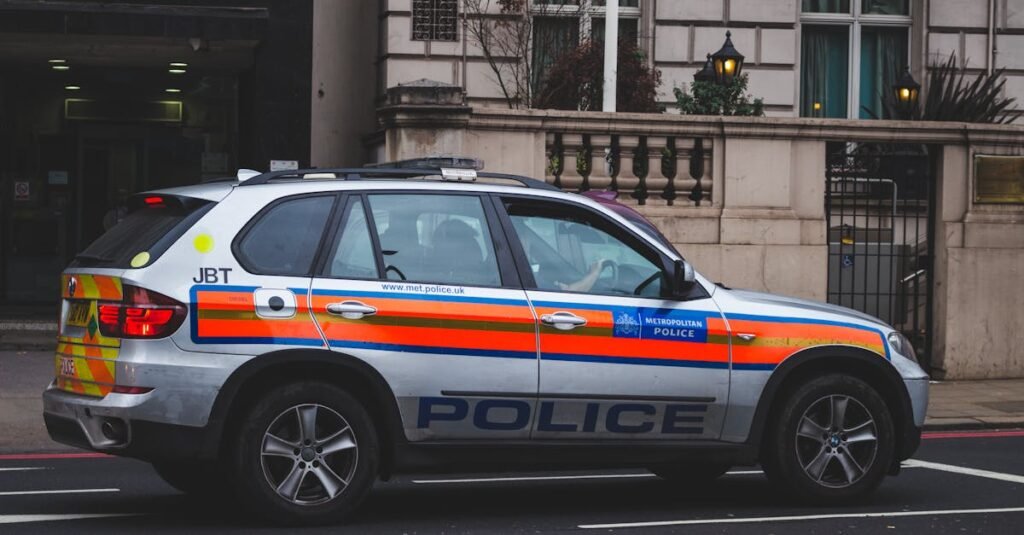
    Police vehicle parked on an urban street outside a London building

    One of the most striking aspects of the videos captured by other passengers was the collective reaction of the cabin. Usually, when a flight is delayed, people are frustrated and angry at the airline. However, as Miami Dade Police officers walked down the aisle to escort the woman off, the plane erupted in applause and cheers.

    This reaction speaks to a broader “traveler fatigue” regarding public behavior. Many people feel that flying has become increasingly stressful due to individuals who disregard the comfort of others. The cheering was a sign of relief that the disruption was over and that the flight could finally proceed to Tampa. For the woman being removed, it was a public moment of “justice served” that quickly trended across TikTok and X.

    The Legal Consequences of a Short Video

    Being kicked off a flight is more than just an embarrassing moment. It carries real world consequences that can last for years. When a passenger is removed for being unruly, they are often placed on an internal “no fly” list for that specific airline. This means the woman might never be allowed to board an American Airlines flight again.

    Furthermore, the FAA has a zero tolerance policy for interference with flight crews. Depending on the severity of the confrontation and whether it was deemed a safety risk, the passenger could face civil penalties or fines reaching into the thousands of dollars. What started as a refusal to buy a five dollar pair of earbuds ended up costing significantly more in potential legal fees and the price of a new ticket on a different airline.

    The Growing Trend of Main Character Energy in Travel

    Social media experts have pointed to this incident as a prime example of “Main Character Syndrome.” This is a term used to describe people who act as if they are the only person who matters in a public space, ignoring how their actions impact the hundreds of people around them. In the context of a flight, this manifests as playing loud music, reclining seats aggressively during meal service, or blocking aisles.

    The Miami incident serves as a warning that airlines are no longer willing to tolerate this behavior. In the past, a crew might have tried to “work around” a difficult passenger to stay on schedule. Today, with the rise in air rage incidents, the protocol is to remove the problem early. Airlines are prioritizing the collective experience of the group over the demands of a single disruptive individual.

    Practical Tips for Avoiding In-Flight Conflict

    The easiest way to avoid finding yourself in a viral video or a police escort is to follow basic travel etiquette. It is always a good idea to pack two sets of headphones: one wired and one wireless. Bluetooth headphones are convenient, but if the battery dies during a flight, you need a backup to ensure you can continue your entertainment without bothering your neighbor.

    If you find yourself near a passenger who is being disruptive, the best course of action is to notify a flight attendant quietly rather than engaging in a shouting match. Professional crews are trained in de-escalation techniques. As seen in the Miami to Tampa case, the crew handled the situation by following their internal chain of command, which eventually resolved the issue without the situation turning into a physical fight between passengers.

    A New Standard for Digital Courtesy in the Air

    This event will likely be cited in future discussions about airline policy updates. There is a growing movement among frequent flyers to ban the use of speakers entirely on all forms of public transit. While most people have common sense, the small percentage of travelers who do not are forcing airlines to be more aggressive with their enforcement.

    The woman who was removed from the flight to Tampa learned a very expensive and public lesson about the importance of being a considerate traveler. The sky is a shared resource, and the rules that govern it are designed to make the experience bearable for everyone. When those rules are ignored, the system is designed to protect the many from the few.

    Looking Ahead to a More Respectful Flying Experience

    As we move forward, it is likely that we will see more signs at gates and announcements during boarding specifically mentioning the use of headphones. This Miami incident has highlighted a specific loophole in passenger behavior that crews are now being trained to close immediately. The goal for every airline is to get passengers from point A to point B safely and quietly.

    For those who plan to fly soon, the message is clear. Your right to watch a video ends where your neighbor’s right to a peaceful flight begins. By being mindful of our digital footprint, we can all contribute to a travel environment that is less about conflict and more about the journey itself. The cheers heard on that American Airlines flight were not just for the removal of one person, but for the return of order and respect in the sky.

  • American Airlines, United, and Delta Suspend Middle East Flights: Emergency 2026 Travel Guide and Refund Rights

    American Airlines, United, and Delta Suspend Middle East Flights: Emergency 2026 Travel Guide and Refund Rights

    The landscape of international travel faced a seismic shift on February 28, 2026, as the three largest carriers in the United States made the difficult call to halt operations to the Middle East. Following a night of intense military activity and the closure of several key air corridors, American Airlines, United, and Delta have grounded flights to ensure the safety of their passengers and crew members. For many travelers, this news broke while they were already at the gate or, in some dramatic cases, while their planes were already soaring over the Atlantic Ocean.

    The decision comes at a time of extreme regional tension. With airspaces over Doha and Dubai essentially closed to civilian traffic, the logistics of flying into the Gulf have become impossible. If you are currently holding a ticket with American Airlines or one of its domestic competitors, you are likely facing a storm of questions regarding your travel plans, your money, and your next steps. This guide breaks down exactly what is happening on the ground and in the air.

    Why American Airlines and Others Pulled the Plug

    The primary driver for these cancellations is the safety of the flight paths. On the morning of February 28, 2026, military strikes led to the immediate activation of air defense systems across the region. Civilian aircraft are particularly vulnerable in these scenarios, and no airline is willing to risk flying into a potential crossfire.

    American Airlines was among the first to react when its flight from Philadelphia to Doha was forced to turn back mid flight. This was not an isolated incident. United and Delta quickly followed by scrubbing their schedules for the foreseeable future. The Federal Aviation Administration has also issued a series of warnings that make it legally and operationally difficult for any US based carrier to maintain their regular routes through the Middle East.

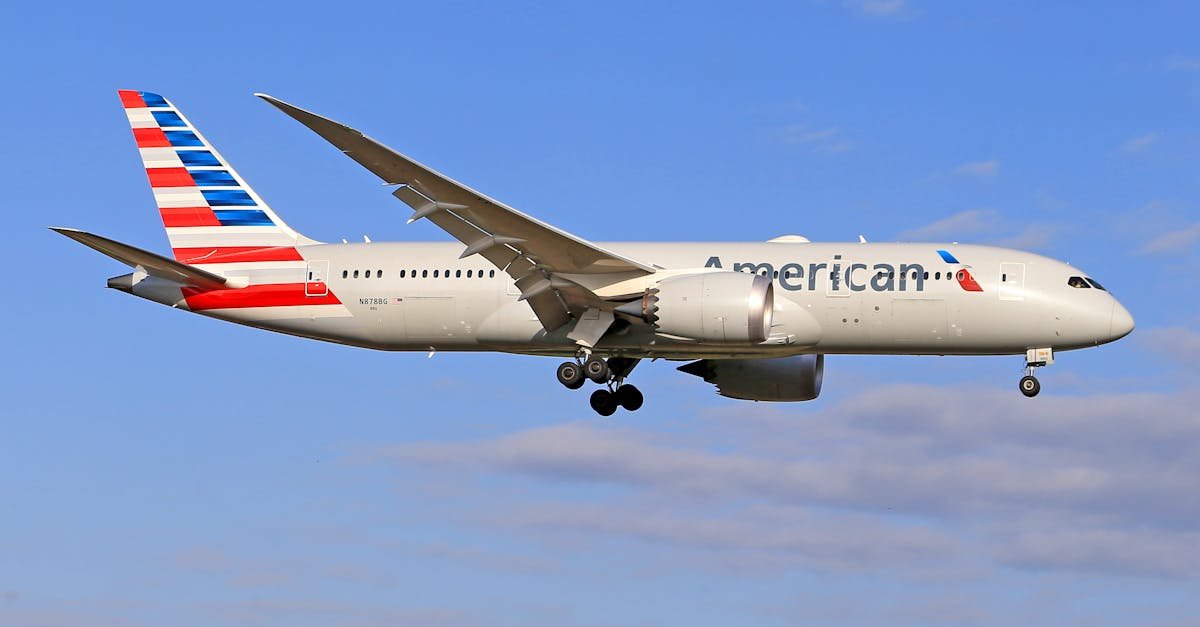
    Side view of a commercial airplane in flight against a clear blue sky.

    The Massive Diversions of February 28

    One of the most striking stories of the day involved an American Airlines long haul flight. Passengers on the Philadelphia to Doha route spent nearly seven hours in the air only to be told that the plane had to return to its origin point. Because the airspace in Qatar was suddenly restricted, the pilots had no choice but to execute a U turn over the ocean.

    This creates a massive logistical headache. These “flights to nowhere” mean that planes are ending up in the wrong cities, and flight crews are hitting their legal limits for working hours. If you were on one of these flights, you are likely exhausted and frustrated. American Airlines has set up specialized desks at their major hubs to handle these specific cases, but the sheer volume of travelers means that digital tools are currently your fastest way to get help.

    Understanding Your Refund Rights Under US Law

    When a major disruption like this occurs, airlines often try to offer travel vouchers or credits that expire after a year. However, as a passenger on a US carrier, you have much stronger protections than the airlines might initially mention. The United States Department of Transportation is very clear on this matter. If an airline cancels your flight for any reason, including war or regional conflict, and you choose not to take the alternative flight they offer, you are entitled to a full cash refund.

    This rule applies to all tickets, even those labeled as non refundable. If American Airlines cancels your trip to the Middle East, you do not have to accept a voucher. You can insist that the money be returned to your original credit card or bank account.

    What to Do if You Are Stranded Abroad

    While the Department of Transportation protects your ticket price, it does not strictly require airlines to pay for your hotel or food when the cancellation is due to an act of war or a security threat. This is where the situation gets tricky for those stuck in transit.

    If you are a passenger of American Airlines and you are stuck in a connecting city like London or Madrid, you should immediately speak with a gate agent about “distressed passenger” assistance. While they may not be legally obligated to pay for your room, many carriers provide vouchers for nearby hotels out of goodwill. If they refuse, make sure to keep every single receipt for your meals, transport, and lodging. You will need these to file a claim with your travel insurance provider later.

    Navigating the United and Delta Cancellations

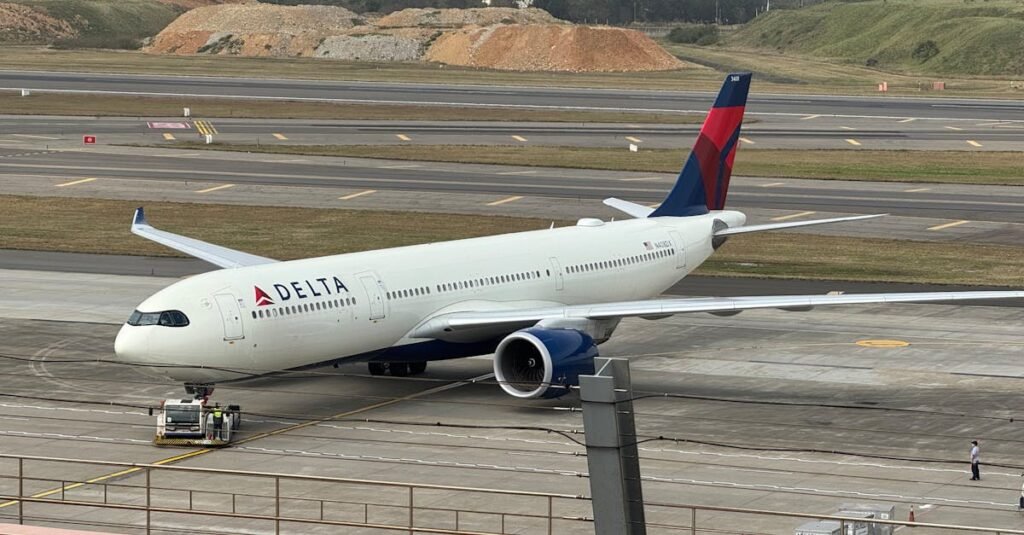
    Delta Air Lines Airbus A350 preparing for takeoff at Taiwan Taoyuan International Airport.

    United Airlines has seen similar chaos, particularly with its popular routes out of Newark Liberty International. Their direct service to Dubai is a major artery for people traveling to the Indian subcontinent. With that route now closed, United is working to rebook passengers on flights that go through Europe or Asia, though those seats are filling up in seconds.

    Delta Air Lines has also paused its Middle East operations. Delta often relies on its European partners like Air France and KLM. Because those airlines have also restricted their flights to the region, Delta passengers are finding that their entire itinerary has been wiped out. If you are in this position, you must check the Delta Travel Advisories page for the most recent updates on rebooking.

    The Importance of Travel Insurance and Credit Card Coverage

    In a situation as volatile as the 2026 conflict, your personal travel insurance is often more valuable than the airline policy itself. Many high end credit cards also offer built in trip interruption insurance. These policies usually cover the extra costs that the airline will not pay for, such as the price of a last minute flight on a different carrier or extended hotel stays.

    When you call your insurance company, tell them your flight was cancelled due to “airspace closure” or “security concerns.” Be prepared to provide your original American Airlines flight number and the official cancellation notice you received via email or text.

    Staying Safe with Government Programs

    For any American citizen currently in or near the conflict zone, the situation goes beyond just a missed flight. The US State Department has issued urgent travel warnings for the region. They highly recommend that all travelers enroll in the Smart Traveler Enrollment Program. This allows the US government to know your location and send you emergency updates about evacuation flights or airport reopenings.

    Preparing for Long Term Schedule Shifts

    Even if the military tension cools down in the next few days, do not expect American Airlines to resume a normal schedule immediately. The aviation industry is a delicate web. When hundreds of flights are cancelled at once, the planes and the pilots end up in the wrong parts of the world.

    It can take weeks to reset the system. If you have a flight booked for later in March or April of 2026, you should keep a very close eye on your email. There is a high chance of “schedule padding,” where airlines add extra time to flights to account for the longer routes they must now take to avoid the restricted airspace.

    Managing Your Journey Moving Forward

    The closure of these air corridors is a historic event for global aviation. While the primary concern for everyone involved is the restoration of peace and safety, the immediate task for travelers is to stay informed and protect their rights. American Airlines and its competitors are dealing with an unprecedented volume of requests, so patience is a necessity.

    Focus on using the mobile apps for the fastest updates, and remember that you are legally entitled to your money back if the airline cannot get you to your destination. Stay safe, stay connected, and keep your travel documents in a secure and accessible place at all times.

  • American Airlines’ Worker Faces Charges in Major CLT Security Breach

    American Airlines’ Worker Faces Charges in Major CLT Security Breach

    The atmosphere at Charlotte Douglas International Airport turned from routine to high alert recently following a major security incident involving an American Airlines employee. What started as a regular shift in a secure area of the airport ended with an arrest and a felony charge that has sent ripples through the local aviation community. This situation highlights the extreme sensitivity of airport operations and the zero tolerance policies in place for any communication regarding potential threats.

    The Details of the Incident at Charlotte Douglas

    On the evening of February 26, 2026, law enforcement was called to Charlotte Douglas International Airport after reports surfaced of a potential bomb threat. The focus of the investigation was Christian Cox, a twenty-five-year-old resident of Gastonia, North Carolina. Cox was working as an employee for American Airlines at the time of the incident.

    According to police records and official reports, the threat originated from a text message sent by Cox to a coworker. Both individuals were assigned to a restricted baggage handling area, a part of the airport that requires high level security clearance and is off limits to the general public. The message reportedly claimed that an explosive device was located inside one of the airport elevators.

    The coworker who received the message took the situation seriously and immediately notified a supervisor. This triggered an emergency response from the Charlotte-Mecklenburg Police Department and airport security officials. Officers arrived at the scene around 6:45 p.m. to secure the area and locate the individual responsible for the message.

    A Joke with Serious Consequences

    During the subsequent questioning by law enforcement, Cox admitted to sending the text message from his personal mobile device. He reportedly told investigators that the message was intended to be a joke between colleagues and was not meant to be taken as a legitimate threat. He even used phrases like “don’t be a hero” in the text, which added a layer of perceived urgency that the recipient and supervisors could not ignore.

    Regardless of the intent, airport authorities and federal law enforcement do not have the luxury of treating such messages as humor. In an industry where safety is the absolute priority, every mention of a bomb or a weapon is treated as a credible threat until a thorough investigation proves otherwise. In this case, although no explosives were found and no one was injured, the legal repercussions for the employee were immediate and severe.

    Understanding the Felony Charges

    Christian Cox now faces a felony charge for making a false report of a bomb in a public building. This is a significant legal matter in North Carolina. Under state law, making a false report concerning a destructive device is not a minor infraction. Because it involves a public facility as critical as an international airport, the charge carries weight that could lead to prison time and a permanent criminal record.

    After his arrest, Cox was processed and scheduled for an appearance at the Mecklenburg County Courthouse. Beyond the criminal court system, there are professional consequences to consider. American Airlines has a strict code of conduct regarding security and safety. While the airline has not released a lengthy public statement on the specific disciplinary actions taken, workers in secure zones who violate safety protocols typically face immediate suspension or termination of their employment.

    Why Airport Security Breaches are Handled So Strictly

    National Guard officers patrolling an airport tarmac with planes in the background.

    Charlotte Douglas International Airport is one of the busiest travel hubs in the world. It serves as a primary gateway for American Airlines, handling hundreds of flights and thousands of passengers every single day. Because of the sheer volume of people and the complexity of moving luggage and aircraft, a security breach in a restricted area can cause massive operational delays.

    When a threat is reported, security teams must often shut down specific zones, sweep for devices, and redeploy personnel. This costs the airport and the airlines money, but more importantly, it places a heavy emotional burden on travelers and other staff members. The “insider threat” is a major concern for the Transportation Security Administration. Employees are given special access because they are trusted to keep the system running safely. When that trust is broken, even for a “joke,” it forces a full re-evaluation of security measures.

    The Role of Law Enforcement and the TSA

    In an incident like this, multiple agencies work together to resolve the situation. The Charlotte-Mecklenburg Police Department handles the initial arrest and the local criminal charges. However, the TSA and potentially federal investigators also look into the breach. They want to know how the message was sent and if any physical security barriers were bypassed.

    Federal law under the U.S. Code also prohibits unauthorized access to secured areas or the disruption of airport services. While Cox was an authorized employee, using that authorization to create a panic is a violation of the spirit of his security clearance. This serves as a reminder that background checks and security training are ongoing processes.Every person with a badge at CLT is expected to act as a line of defense, not a source of disruption.

    Impact on Airport Operations and Passenger Safety

    Fortunately for travelers, the response to this specific breach was contained quickly enough that it did not lead to a total airport shutdown. Operations eventually returned to normal once the baggage area was cleared and the suspect was in custody. However, the psychological impact remains. Passengers want to know that the people handling their bags and working around the planes are focused entirely on safety.

    Incidents like these often lead to “safety stand-downs” where employees are gathered for additional training. Management uses these moments to remind everyone that their personal communications, especially while on the clock in a secure zone, are subject to scrutiny. There is no such thing as a “private joke” when it involves the safety of a public building.

    Looking Ahead to the Legal Process

    As the case against Christian Cox moves through the Mecklenburg County court system, the focus will be on the specific language of the law regarding false reports. His defense may argue a lack of “criminal intent” or that the message was a lapse in judgment rather than a malicious act. However, the prosecution will likely argue that the act of sending the message is the crime itself, regardless of whether the sender wanted to cause a real explosion.

    For the community in Gastonia and Charlotte, this story is a cautionary tale. It shows how a single text message, sent in a moment of poor judgment, can derail a career and lead to a felony record. It also reassures the public that the reporting systems at Charlotte Douglas work. The fact that a coworker immediately reported the message shows that the culture of “see something, say something” is alive and well among the staff at CLT.

    Protecting the Integrity of the Aviation System

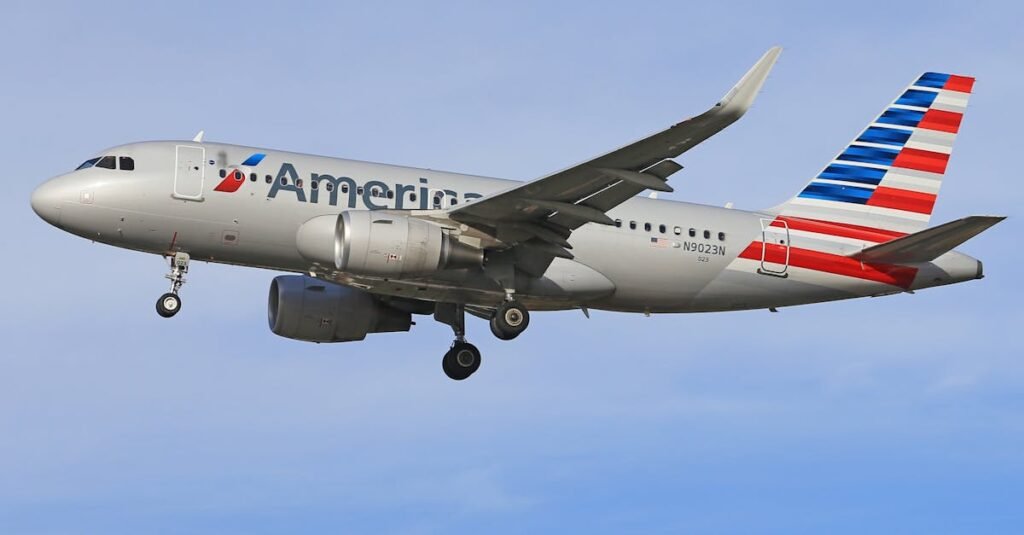
    Side view of a commercial airplane in flight against a clear blue sky.

    The safety of the skies starts on the ground. From the TSA checkpoints to the hidden baggage tunnels under the terminals, every inch of an airport is a controlled environment. This felony charge against an American Airlines worker is a harsh but necessary reminder that the rules of the airport apply to everyone, regardless of their uniform.

    As we move forward into 2026, technology makes it easier than ever to communicate, but it also makes it easier to track and document threats. Law enforcement has the tools to trace every digital footprint, meaning there is no way to hide a false report once the “send” button is pressed.

  • $1 Billion American Airlines Investment: MIA Concourse Expansion Starts

    $1 Billion American Airlines Investment: MIA Concourse Expansion Starts

    Miami International Airport is standing at the edge of a massive transformation. In a move that highlights the long term partnership between the city and its largest carrier, American Airlines has officially unveiled a one billion dollar plan to overhaul and expand a vital section of the airport. This project is not just about adding more space; it is about fixing a part of the terminal that has long been a source of frustration for travelers. By focusing on Concourse D, specifically the area known as the North Terminal West Extension, the airline and the county aim to modernize the gateway to Latin America and the Caribbean.

    A Major Shift for Concourse D

    For years, passengers flying on regional routes through Miami have dealt with a less than ideal setup at Gate D60. This specific area currently operates with a single shared boarding lounge and seventeen ground level gates. Because of the way it was built, travelers often have to walk outside across the pavement to reach their planes, sometimes in the heat or rain.

    The new one billion dollar investment changes everything for this footprint. Instead of a cramped waiting room and outdoor ramps, American Airlines will build a three level concourse extension. This new facility will provide seventeen traditional gates equipped with jet bridges. This means every passenger will be able to board their flight directly from a climate controlled indoor area. The change is a huge step forward for comfort and efficiency, especially as the airport continues to see record breaking numbers of visitors every year.

    Improving the Passenger Journey

    While the number of gates might stay the same at seventeen, the quality of those gates will be vastly different. The current “bus station” feel of the regional gate area will be replaced by thirty thousand square feet of new retail and dining options. Travelers will have more places to sit, eat, and shop while they wait for their departures.

    On top of the public spaces, the plan includes thirty thousand square feet of dedicated lounge space. American Airlines has been hinting at new premium offerings for its top tier flyers, and this expansion provides the perfect canvas for those upgrades. The design itself promises to be a reflection of Miami, with bright and open layouts, lots of natural light, and even indoor palm trees to give the terminal a tropical feel.

    Better Connections for International Travelers

    One of the most practical upgrades in this project involves the third floor of the new concourse. The design includes a direct connection to the United States Customs and Border Protection facility. This is a game changer for international arrivals. Currently, navigating from certain parts of the North Terminal to the customs hall can be a long and confusing trek.

    By building in these sterile corridors from the start, American Airlines is making it easier for people coming from abroad to clear immigration and get to their next flight or out into the city. Since Miami is a primary hub for travel between the United States and the south, these infrastructure tweaks have a global impact on how smoothly people move through the world.

    The Timeline and Construction Goals

    A project of this scale does not happen overnight. According to the plans shared by the airline and Miami-Dade County, the official groundbreaking for the D60 expansion is set for the summer of 2027. If everything stays on schedule, the new concourse will be fully operational by the summer of 2030.

    During the next year, the teams will focus on finalizing the architectural designs. While the general layout is known, the specific aesthetic details and final vendor selections will be decided soon. The goal is to create a building that meets silver level LEED certification, meaning the construction will focus on sustainability and energy efficiency. Using modern materials and smarter cooling systems will help the airport reduce its carbon footprint even as it grows in size.

    Paying for the Future

    A common question with billion dollar projects is where the money comes from. This expansion is part of a much larger nine billion dollar modernization effort at Miami International Airport. Most of the funding for these improvements comes from bonds issued by the airport department.

    These bonds are not paid back by local taxpayers. Instead, the debt is serviced through the fees that airlines pay to use the airport. Landing fees and terminal rents cover the costs. Because American Airlines is the primary tenant at MIA, they are essentially the driving force behind the funding. This creates a cycle where the airline invests in better facilities to attract more passengers, which in turn helps fund even more improvements down the road.

    Strengthening a Forty Year Partnership

    This investment is a clear signal that American Airlines is not going anywhere. The company has called Miami a hub for nearly forty years and currently employs over fifteen thousand people in the local area. By committing a billion dollars to a single concourse, they are doubling down on Miami as their premier international gateway.

    The local economy also gets a boost. Major construction projects like this create thousands of jobs for builders, engineers, and support staff. Once the new concourse opens, the extra retail space and larger planes will require more staff to keep things running. It is a win for the local workforce and a sign of confidence in the future of South Florida as a global business and tourism destination.

    Why This Matters for the Average Traveler

    If you have ever been stuck in a crowded terminal with no place to charge your phone or a long walk to your gate, you know why this matters. The expansion is designed to fix the “pain points” of travel.

    • More Space: The move from a shared lounge to seventeen individual gate areas means less crowding and more seating.
    • Climate Control: No more walking outside in the humidity to get on a regional jet.
    • Faster Customs: Easier paths for international travelers mean shorter wait times in the long run.
    • Better Tech: The new facility will feature updated digital signage and improved Wi-Fi to keep people connected.

    Looking at the Bigger Picture

    This concourse project is just one piece of the puzzle. The airport is also working on fixing escalators, upgrading baggage systems, and renovating hundreds of restrooms. It is a massive undertaking to modernize an airport that stays open twenty four hours a day, seven days a week.

    While the construction might cause some temporary headaches and gate changes over the next few years, the end result will be a terminal that finally matches the status of the city it serves. Miami is a world class destination, and with this billion dollar investment, its airport is finally catching up.

    The “Modernization in Action” plan is an ambitious look at what the next decade of travel will look like in Florida. With American Airlines leading the way, the expansion of Concourse D is the first of many steps toward making the travel experience smoother, faster, and much more comfortable for everyone.