Tag: American Airlines

  • Dramatic Security Breach at Phoenix Airport as Man Chases American Airlines Plane on Runway

    Dramatic Security Breach at Phoenix Airport as Man Chases American Airlines Plane on Runway

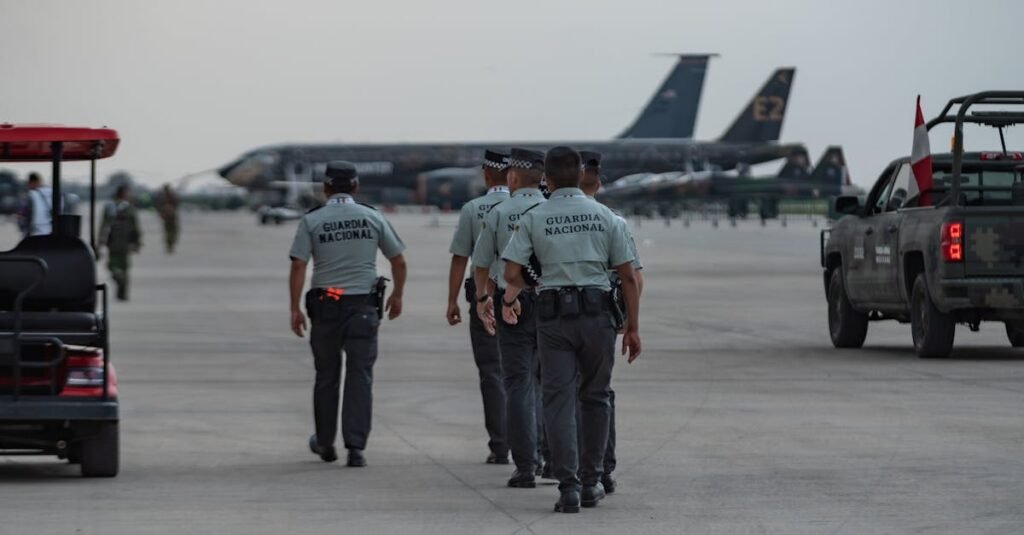
    Phoenix Sky Harbor International Airport witnessed a startling security incident on Monday evening when an unauthorized individual managed to access the active airfield. The breach occurred during one of the busiest travel periods of the day, causing immediate alarm for pilots and air traffic controllers alike. As flight crews prepared for departures, they were met with the sight of a man running across the pavement toward an American Airlines Airbus A321 that was taxiing for takeoff.

    The event took place around 5:15 PM local time, a period when the airport is typically buzzing with evening rush hour traffic. The aircraft involved was American Airlines flight 1804, scheduled to depart from Phoenix and head to Tampa,Florida. While the situation was resolved quickly by law enforcement and airport operations teams, the ease with which the perimeter was compromised has sparked new discussions regarding airport safety protocols and perimeter security.

    Discovery on the Tarmac

    The first signs that something was wrong came not from security sensors or ground patrols, but from the cockpit of the American Airlines jet. As the pilots of American Airlines flight 1804 were navigating the taxiways toward their designated runway, they spotted a figure where no person should be. Initially, the man was seen walking near a taxiway intersection known as Golf One. This area is located on the south side of the airfield, situated between major runways.

    According to audio recordings from air traffic control, the pilots radioed the tower to ask if controllers could see the person walking near the runway. The tower responded with surprise, indicating that they did not have the individual in their sight at that moment. The pilots then clarified that the man had already cleared one runway that was being used for landing traffic and was moving toward their specific position.

    Chasing the American Airlines Airbus A321

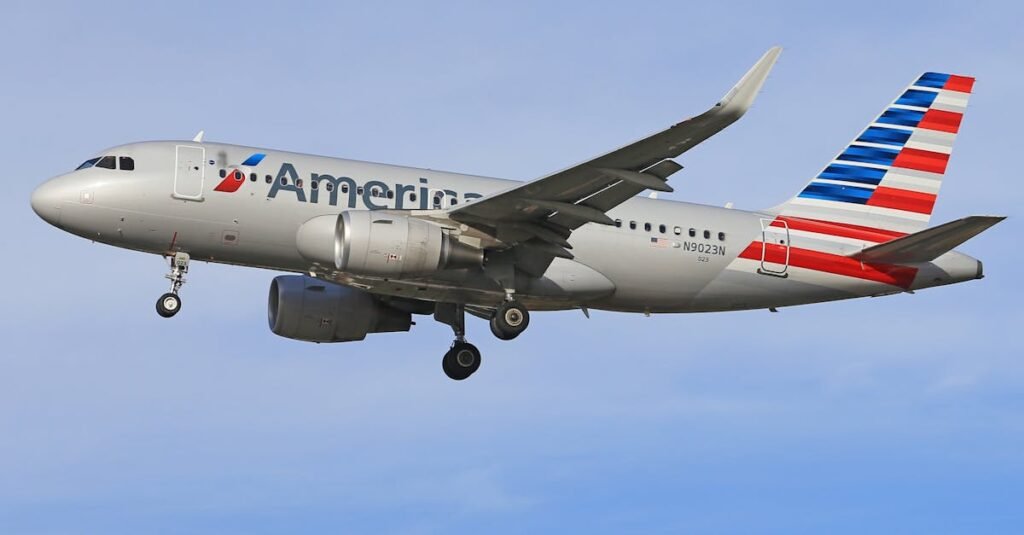
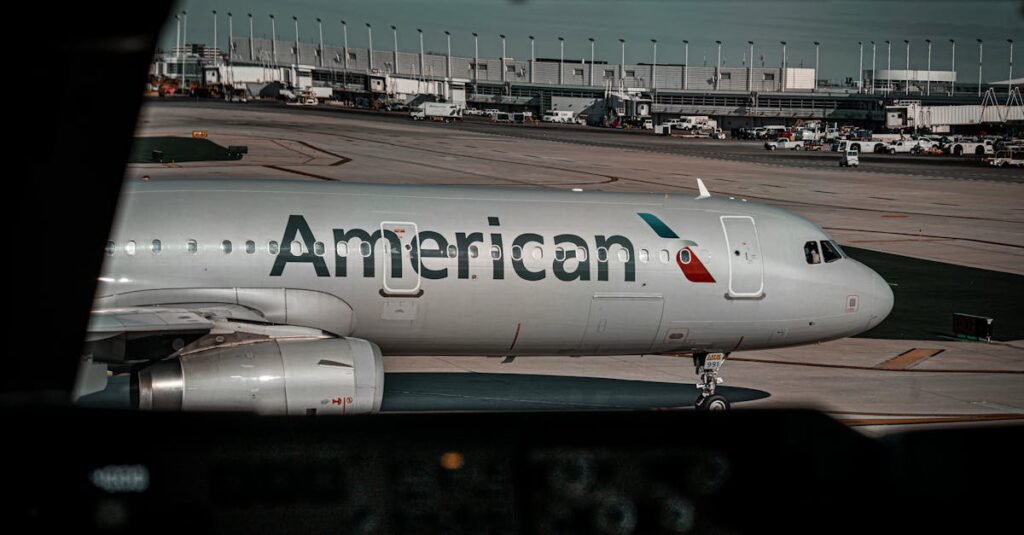
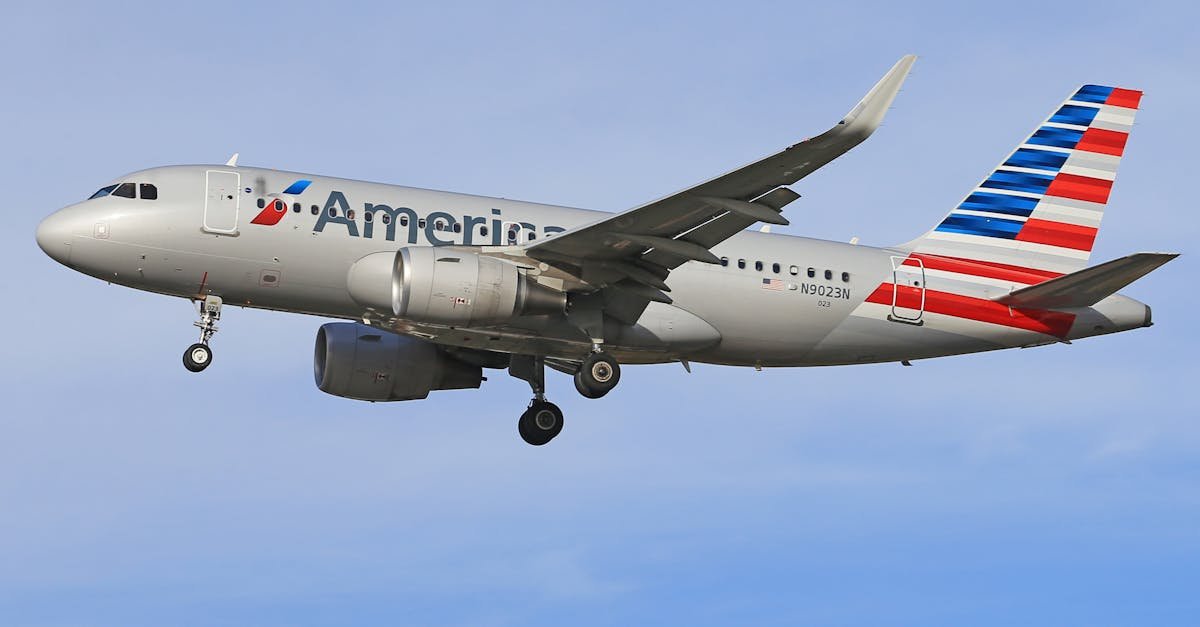
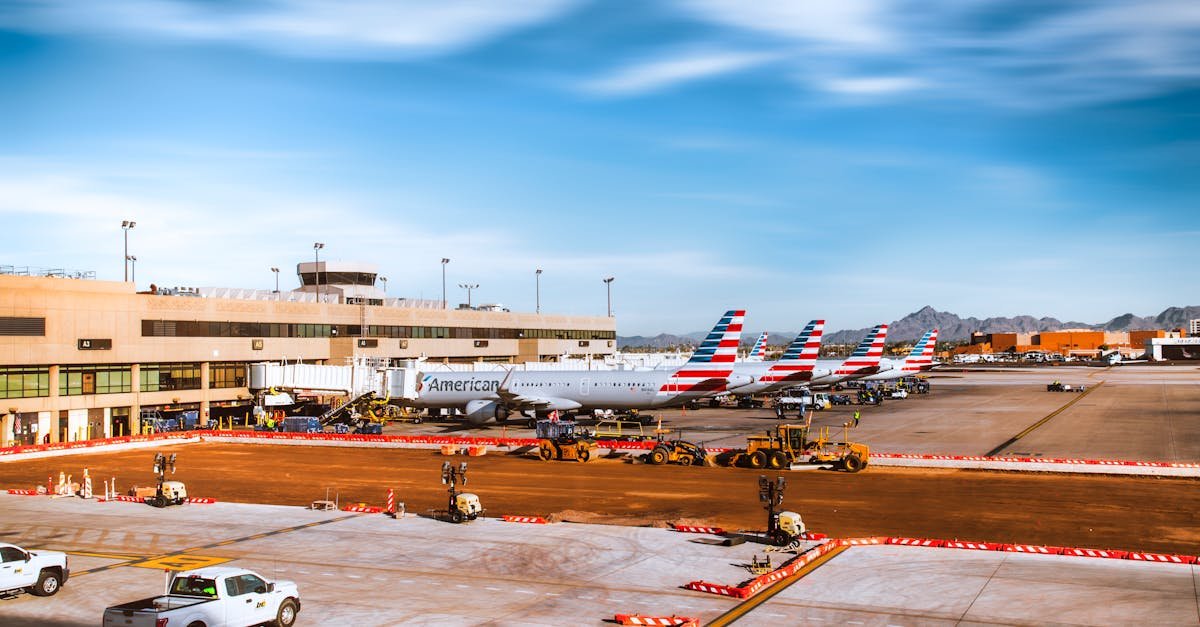
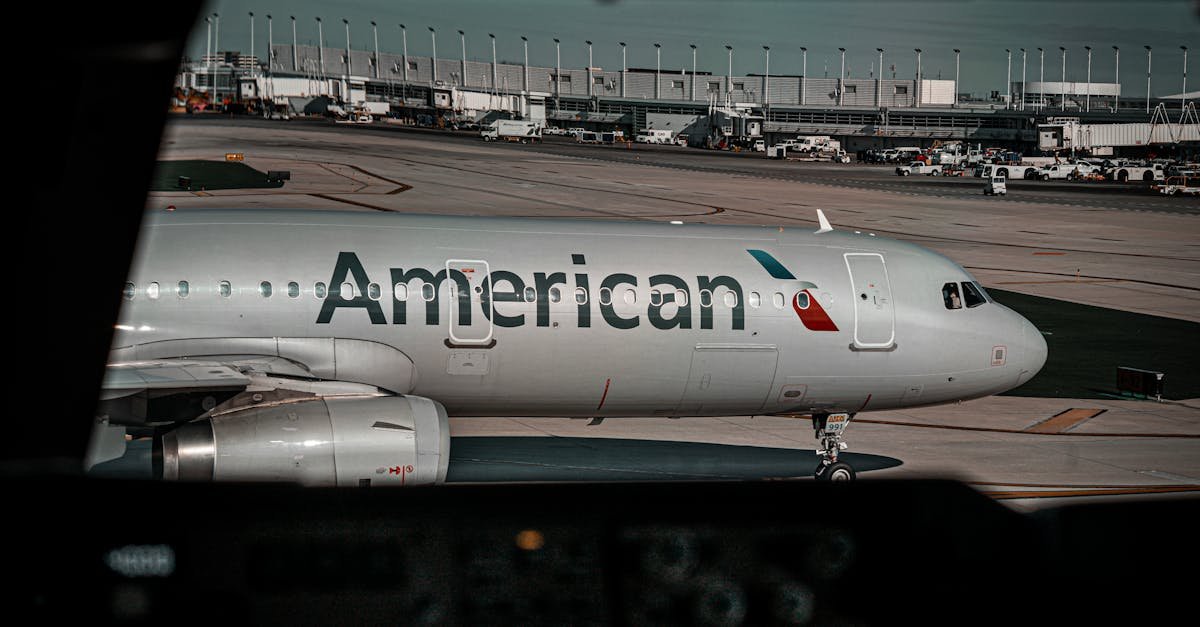
    Commercial airplane from American Airlines positioned on airport tarmac, ready for departure or arrival.

    The situation escalated rapidly from a simple trespass to a more aggressive encounter. The man began waving his arms frantically at the American Airlines aircraft. As the jet continued its taxiing sequence, the individual started running toward the plane. Pilots from other nearby aircraft also joined the radio frequency to report the bizarre behavior. One pilot noted that the man had stopped to remove his shoes, leaving them behind on the active runway surface before continuing his pursuit of the jet.

    Eyewitness accounts from passengers on board nearby planes described a scene of confusion and fear. People looking out of their cabin windows of the American Airlines flight saw a man in a white shirt running wildly across the asphalt, seemingly trying to flag down the massive passenger jet as if it were a city bus. The sheer size and power of an Airbus A321 make such an approach incredibly dangerous, as the suction from the engines or the heat from the exhaust can be fatal to anyone in close proximity.

    Immediate Emergency Response

    Air traffic controllers acted swiftly once the gravity of the breach was confirmed. They immediately ordered all aircraft in the vicinity to hold their positions. This included not only the American Airlines flight but also several Southwest Airlines jets that were lined up for departure. By freezing ground movement, the tower ensured that no aircraft would inadvertently strike the man or be forced into a dangerous maneuver to avoid him.

    Airport operations teams and the Phoenix Police Department were dispatched to the south side of the airfield within seconds. Ground crews used their vehicles to intercept the individual and create a barrier between him and the taxiing aircraft. Officers were able to subdue the man on the pavement without further incident. Video footage captured by a passenger on a nearby plane shows at least two officers pinning the man to the ground as they worked to secure him for transport.

    Mental Health Concerns and Hospitalization

    Following the arrest, authorities began to piece together the circumstances leading up to the breach. Preliminary reports from the Phoenix Police Department suggested that the individual was experiencing a severe mental health crisis.Rather than being a person with malicious intent toward the aircraft or passengers, he appeared to be in a state of deep personal distress.

    Due to the nature of the behavior observed on the runway, the man was not immediately taken to a local jail. Instead,emergency medical services transported him to a nearby hospital for a full psychiatric and medical evaluation. Officials have stated that while the investigation into the criminal aspect of the trespass continues, the immediate priority was ensuring the man received the necessary mental health care.

    Investigation into the Security Gap

    Laguna Beach police vehicle patrols the street at night, showcasing law enforcement presence.

    One of the most pressing questions following the incident is how the man managed to get onto the airfield in the first place. Phoenix Sky Harbor is a massive facility with layered security, including high fencing, cameras, and regular patrols. Early evidence suggests the man may have bypassed the perimeter from a street outside the airport grounds.

    Investigators found a suspicious vehicle abandoned on a road just outside the airport fence shortly after the breach was reported. It is believed that the man drove to this location, left his car, and then found a way over or through the fencing. Unlike many previous airport security incidents involving ticketed passengers who sneak through fire doors,this individual appears to have entered from the “outside in,” which highlights potential vulnerabilities in the physical boundaries of the airport.

    Comparisons to Past Incidents

    This event in Phoenix brings back memories of other tragic runway breaches. In early 2024, a similar situation occurred at Salt Lake City International Airport. In that case, a man who was also believed to be suffering from a mental health episode managed to run onto the tarmac and approach a taxiing Delta Air Lines jet. Unfortunately, that incident ended in tragedy when the man was pulled into the aircraft’s engine.

    The fact that the Phoenix incident ended without injury is being credited to the quick eyes of the American Airlines pilots and the rapid response of the air traffic control team. Modern jet engines are designed with immense power, and the area around a moving aircraft is a “no go” zone for a reason. The pilots of flight 1804 stopped their aircraft well before the man could reach a hazardous area, likely preventing a fatal outcome.

    Impact on Airport Operations

    Despite the dramatic nature of the chase, the actual impact on airport operations was surprisingly minimal. Because the response was so fast and the man was detained quickly, the airport did not have to initiate a full ground stop for an extended period. Most flights experienced only minor delays of ten to fifteen minutes as the airfield was swept for any debris, such as the shoes the man had left behind.

    American Airlines flight 1804 was eventually cleared to resume its journey. After a brief wait to ensure the runway was clear and the crew was ready, the Airbus A321 took off for Tampa only a few minutes behind its original schedule. The passengers on board arrived in Florida safely, though many likely had quite a story to tell about their departure from Arizona.

    Future Security Measures

    The Federal Aviation Administration and the Transportation Security Administration are expected to conduct a joint review of the incident alongside local Phoenix authorities. These reviews typically look at whether current fencing is adequate or if additional technology, such as motion sensors or enhanced thermal imaging, is needed to monitor the miles of perimeter at Sky Harbor.

    Airports across the country are constantly balancing the need for accessibility with the absolute necessity of safety.While total prevention of every possible breach is a difficult goal, the lessons learned from this man’s run toward a moving plane will likely lead to changes in how the outer edges of the airport are watched. For now, the focus remains on the investigation into the perimeter breach and the recovery of the individual involved.

  • How Did a Bullet Hole End Up in an American Airlines Boeing 737? What We Know So Far

    How Did a Bullet Hole End Up in an American Airlines Boeing 737? What We Know So Far

    A routine international flight transformed into a complex forensic investigation this week after ground technicians at José María Córdova International Airport in Medellín, Colombia, identified a puncture on an American Airlines Boeing 737. The damage, discovered during a standard post flight walkaround, appears consistent with a projectile strike.

    While the aircraft landed without incident and all passengers disembarked safely, the discovery has triggered an urgent review by aviation security officials and local law enforcement. The focus of the inquiry sits on identifying the exact moment the metal skin of the American Airlines jet was breached and whether the aircraft was specifically targeted or caught in a random trajectory of gunfire.

    The Post Flight Inspection Discovery

    The breach was found during the transition period between the arrival of the American Airlines flight from the United States and its scheduled departure back to the mainland. Ground crews performing the mandatory exterior check noticed a small, clean hole in the lower section of the fuselage. This specific type of damage is immediately categorized as a high priority safety event because it involves the structural integrity of the pressurized cabin.

    Upon closer inspection, the puncture showed characteristics typically associated with a small arms bullet. The entry point did not cause any immediate system failures during the flight, which explains why the flight crew did not report any cockpit warnings or loss of hydraulic pressure during the descent. The American Airlines aircraft was pulled from the active rotation and moved to a maintenance hangar where it remains under guard for further analysis.

    Analysis of the Descent Path

    Investigating an aerial strike requires a detailed look at the flight data recorder and the specific geography of the approach into Medellín. The airport serves as a major gateway but is situated in a high altitude valley surrounded by varied terrain. Aircraft on final approach are often flying at lower altitudes over rural and semi urban districts where ground activity is less controlled than the immediate airport perimeter.

    Safety experts are currently mapping the GPS coordinates of the flight path to determine the most likely window for the strike. If the projectile hit the plane while it was at several thousand feet, the ballistics would suggest a high powered rifle or a lucky shot from a significant distance. If the strike occurred during the final seconds before touchdown, the perimeter security of the airport itself comes into question.

    What Do the Unconfirmed Reports on Local Accounts Say?

    There are several unconfirmed reports circulating within the Rionegro region regarding the origin of the shot. It is critical to note that Colombian authorities have not officially verified any of these claims. Some local witnesses have suggested that sporadic gunfire was heard in a district several miles from the runway threshold around the time of the landing.

    Other speculative reports mention the possibility of celebratory gunfire or a local conflict occurring on the ground that accidentally intersected with the flight path of the American Airlines Boeing 737. Until ballistic recovery is complete and the metal fragments are analyzed, these accounts remain strictly anecdotal. The Colombian National Police are conducting a ground sweep of the areas beneath the arrival corridor to search for any evidence of recent firearm discharges.

    American Airlines Released an official statement to New York Post and said:
    “The aircraft was immediately removed from service for further inspection and repair. We will work closely with all relevant authorities to investigate this incident.”

    Engineering Perspectives on Hull Integrity

    Commercial aircraft like the Boeing 737 are manufactured using high grade aluminum alloys. While these materials are exceptionally strong and designed to handle the massive pressure changes of high altitude flight, they are not bulletproof. The skin is thin to save weight, relying on the internal skeletal structure for its primary strength.

    A small caliber bullet hitting the fuselage at a shallow angle might ricochet, but a direct hit will almost always penetrate the outer skin. The fact that the cabin did not experience an explosive decompression suggests one of two things. Either the strike occurred at a low enough altitude where the pressure differential was minimal, or the projectile was stopped by internal insulation or secondary structures before it could breach the interior pressure seal where the passengers sit.

    Procedural Response by American Airlines

    American Airlines has maintained a standard protocol in response to the incident, prioritizing the safety of the subsequent flight by canceling the return leg. The carrier is working in tandem with the Federal Aviation Administration and the Transportation Security Administration to evaluate the risk levels associated with the Medellín route.

    The airline has sent a specialized team of structural engineers to Colombia to assess whether the airframe can be repaired on site or if a specialized ferry flight is required. A ferry flight involves flying the aircraft at a low altitude without passengers to a major maintenance base in the United States, such as the one located in Tulsa or Miami. This ensures that the hull is not subjected to high pressure cycles until a permanent, certified patch is applied.

    Security Context at José María Córdova International

    The airport in Medellín is one of the busiest in South America and adheres to international security standards set by the International Civil Aviation Organization. However, controlling the vast tracts of land surrounding any major airport is a logistical challenge. Most modern aviation security focuses on preventing threats from boarding the aircraft, but ground to air incidents represent a different category of risk.

    If the investigation concludes that the aircraft was hit while in the air, it may prompt a review of the minimum vectoring altitudes for the region. Air traffic control may be required to keep planes at higher altitudes for longer periods to minimize exposure to potential ground hazards.

    Examining Historical Precedents

    Ground to air strikes involving civilian hardware are rare in commercial aviation but not entirely unheard of. Most documented cases involve stray bullets from hunting accidents or celebratory events near the flight path. In rare instances, aircraft have been hit by projectiles during periods of civil unrest in various parts of the world.

    The Medellín incident is being treated with heightened scrutiny because of the importance of the US-Colombia travel corridor. Authorities are looking for patterns to see if any other carriers have reported similar fuselage damage in recent months that may have been misidentified as bird strikes or debris damage during takeoff.

    Technical Forensics and Ballistics

    The next phase of the investigation involves extracting the projectile if it is still lodged within the airframe of the American Airlines flight. Ballistic forensics can determine the caliber of the bullet and, in some cases, the type of firearm used. This data is essential for the Colombian National Police as they attempt to narrow down the search area on the ground.

    Metallurgical tests will also be conducted on the entry hole. The way the metal peeled back at the point of impact can tell investigators the velocity and the angle of the shot. This helps distinguish between a bullet falling back to earth after being fired into the air and a shot fired directly at the moving target.

    Operational Status of the Boeing 737 Fleet

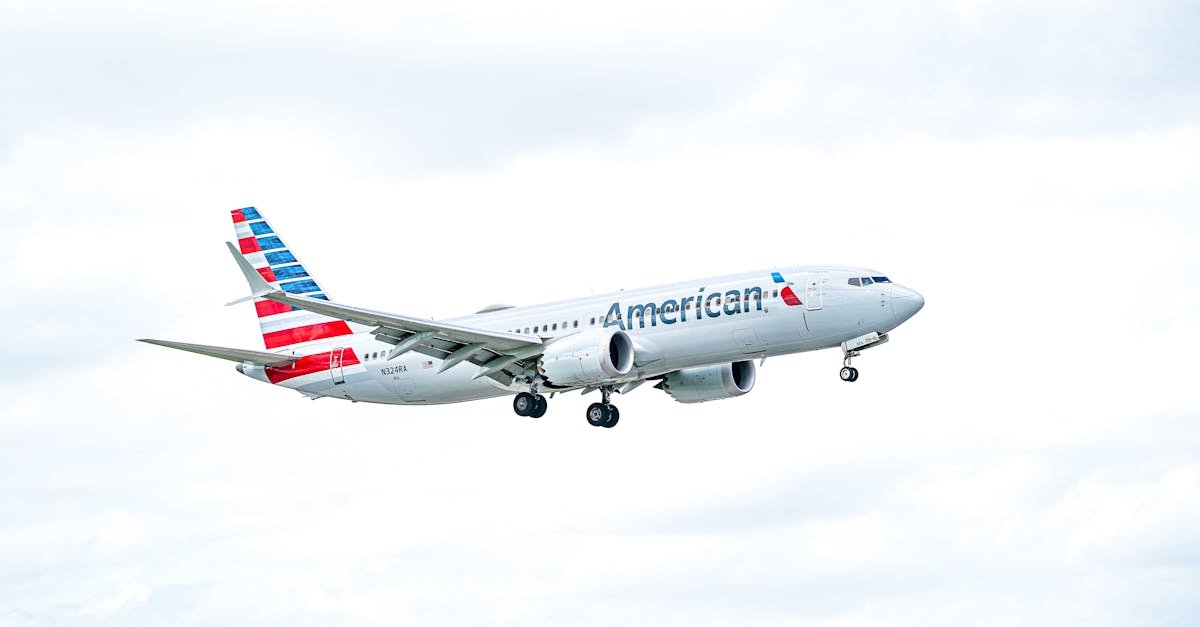
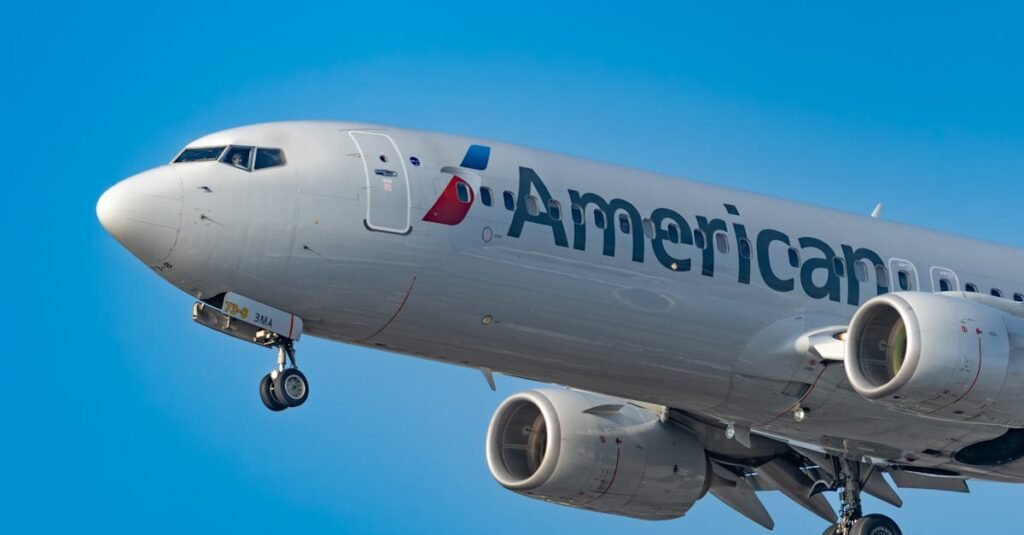
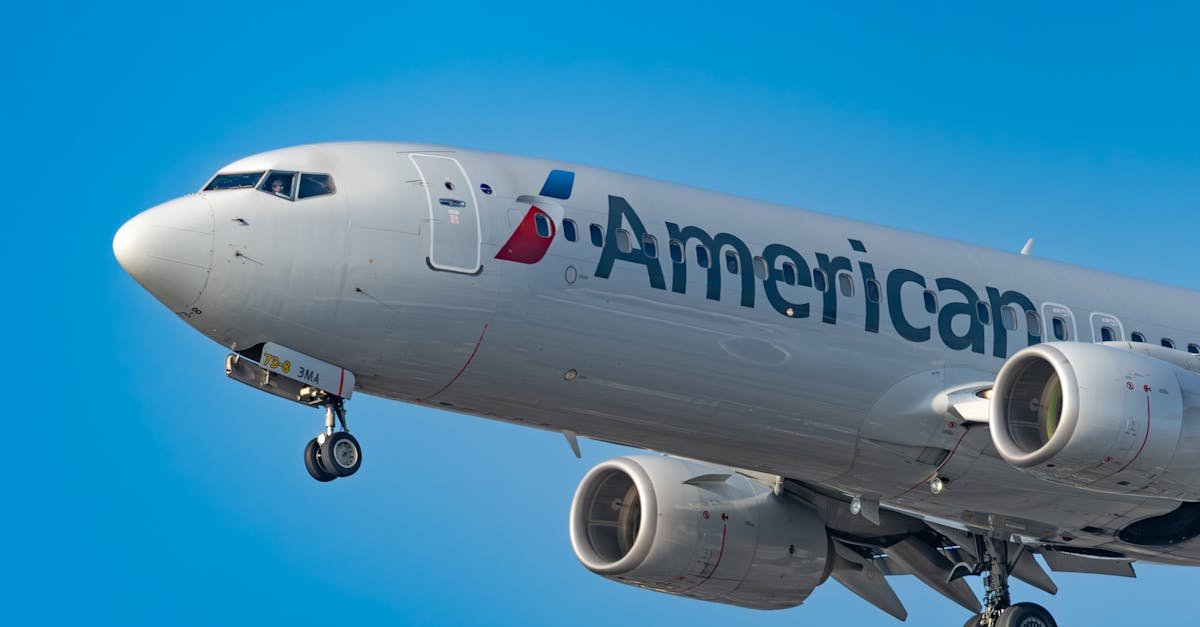
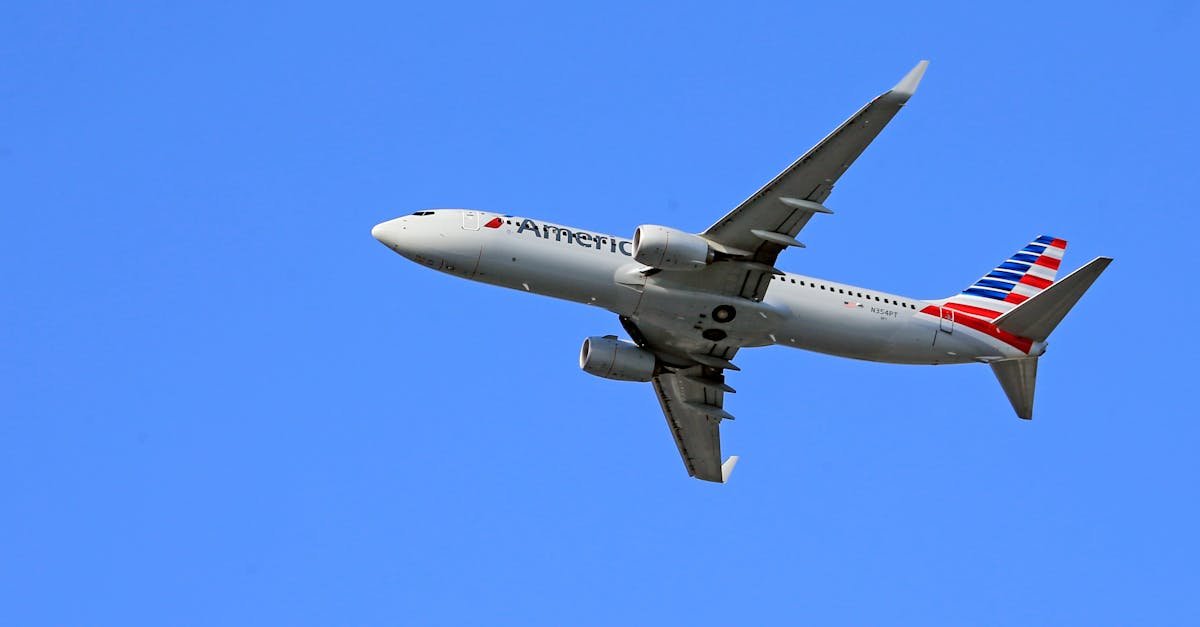
    Close-up of an American Airlines Boeing 737 during landing at Los Angeles International Airport.

    The Boeing 737 remains a workhorse for American Airlines, and this specific incident is being viewed as an external security event rather than a mechanical or design flaw of the aircraft itself. There have been no calls to ground similar aircraft, as the damage was clearly caused by an outside force.

    Airline operations to Medellín continue, though pilots have likely been briefed to remain vigilant and report any unusual sightings or sounds during their approach and departure phases. The coordination between the airline, the American government, and the Colombian civil aviation authority remains the primary channel for resolving the mystery of how a commercial jet ended up with a bullet hole in its side.

  • Delta, United and American Airlines International Routes: What US Travelers Need to Know During the Mexico Crisis 2026

    Delta, United and American Airlines International Routes: What US Travelers Need to Know During the Mexico Crisis 2026

    Traveling to Mexico has long been a staple for American vacationers seeking sun, culture, and relaxation. However, the events of late February 2026 have shifted the landscape significantly. Following a major military operation on February 22 that resulted in the death of a high profile cartel leader, several regions in Mexico experienced a sudden wave of civil unrest. For those with tickets on Delta, United, or American Airlines, navigating this situation requires more than just checking a flight board. It involves understanding specific airline waivers, regional safety alerts, and the logistical reality of a country in flux.

    The Spark of the Current Crisis

    The current instability stems from a military engagement in Jalisco that targeted the leadership of the Jalisco New Generation Cartel. In the immediate aftermath, retaliatory actions including roadblocks and vehicle fires were reported across more than a dozen states. While the Mexican government has worked to clear these blockades, the ripple effect on transportation has been immense. Major tourist hubs and transit points like Guadalajara and Puerto Vallarta bore the brunt of these disruptions, leading to a cascade of flight cancellations and a heightened security presence at transportation hubs.

    The U.S. State Department and the U.S. Embassy in Mexico City issued urgent notices shortly after the violence began.For a period, government employees were ordered to shelter in place in cities like Cancun, Tijuana, and Monterrey.While some of these orders have since been scaled back, the environment remains unpredictable. Travelers are currently advised to exercise extreme caution and stay informed through official channels.

    Delta Air Lines: Flexibility and Rebooking

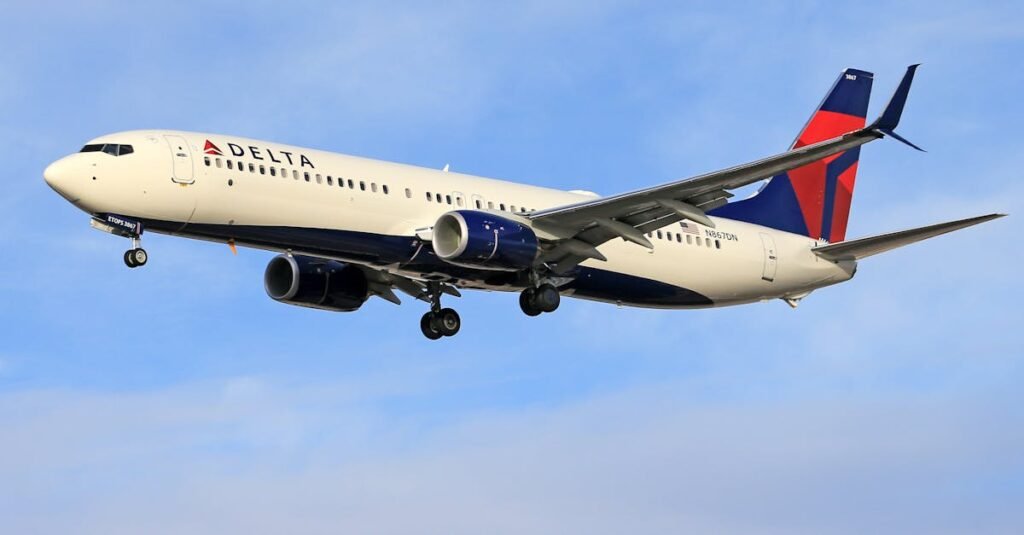
    Delta airline passenger plane flying in clear blue sky. Ideal for travel and transportation themes.

    Delta Airlines was among the first to respond to the unrest in Jalisco. The carrier recognizes that safety concerns often outweigh the desire to keep a travel date. Delta has issued specific travel waivers for passengers flying to, from, or through affected areas such as Guadalajara and Puerto Vallarta.

    If you are holding a ticket for travel through late February 2026, Delta is allowing a one time change without a fare difference, provided the new travel begins by early March. For those who cannot reschedule within that tight window, the airline is offering the option to cancel the flight and retain the value as a credit for one year. This flexibility is vital for families who may feel uncomfortable heading into a region that was recently under a shelter in place advisory. Delta continues to operate its main hubs in Atlanta, Minneapolis, and Detroit with a focus on repositioning crews that were displaced during the initial peak of the unrest.

    United Airlines: Managing the West Coast Pipeline

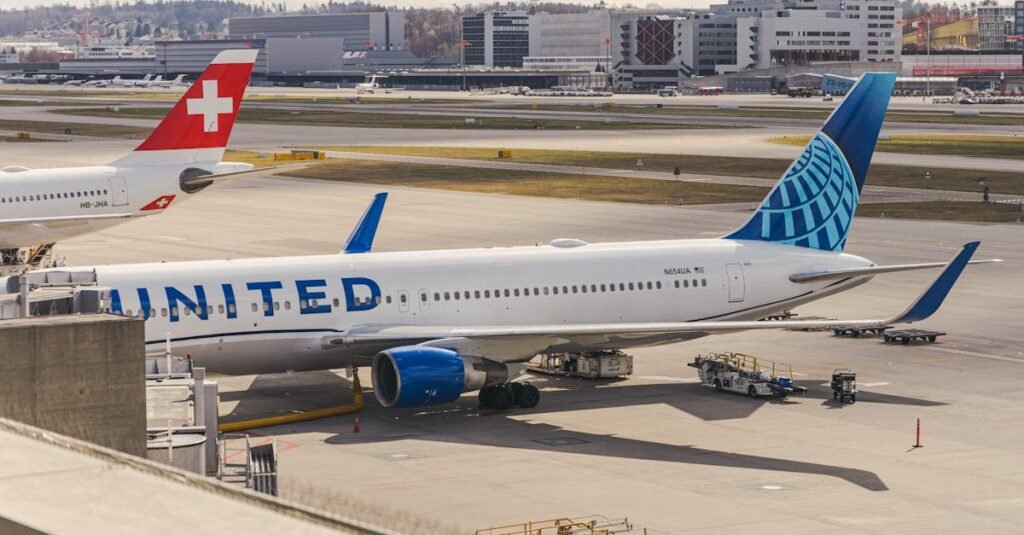
    United Airlines and Swiss planes parked at Zurich airport terminal on a clear day.

    United Airlines maintains a heavy presence in the Mexican market, particularly through its hubs in Houston, Denver, and San Francisco. Because United serves a high volume of business and leisure travelers heading to the Pacific coast of Mexico, the impact of the Guadalajara and Puerto Vallarta disruptions was significant.

    United has implemented a rebooking policy that covers original travel dates through the end of February. Passengers can shift their flights to a later date without paying a change fee or a difference in fare, as long as they stay in the same cabin and complete their travel by the first week of March. United has also utilized its “Agent on Demand” feature in its mobile app to help stranded passengers find alternative routes through less affected cities like Mexico City or Cabo San Lucas, where operations have remained relatively stable.+1

    American Airlines: Navigating a Difficult Week

    American Airlines has faced a particularly challenging week. In addition to the security crisis in Mexico, the airline dealt with separate operational hurdles in the Northeast United States. This “double hit” meant that American had to cancel a significant number of flights to Mexico on February 22 and 23.

    For travelers heading to Mexico, American Airlines has issued waivers for several key destinations, including Mazatlan, where U.S. government staff were restricted from traveling through February 25. If your flight was canceled by the airline, you are entitled to a full refund to your original form of payment. If you choose to keep your plans but want to delay them, American is waiving change fees for impacted routes. It is worth noting that some American flights actually turned around mid air when the violence first escalated, so checking the status of your specific aircraft is more important now than ever.

    Key Airports and Regional Status

    While the news often paints a broad brush, the crisis has affected different parts of Mexico in different ways. Knowing the status of your specific destination is crucial for a safe trip.

    • Puerto Vallarta (PVR) and Guadalajara (GDL): These were the epicenters of the flight disruptions. While flights have begun to resume, the availability of flight crews remains a bottleneck. Many ride share services were temporarily suspended in these cities, so traditional taxis or hotel shuttles are the more reliable choice for now.
    • Cancun and the Riviera Maya: This region saw a brief shelter in place order for government officials, but the situation has stabilized faster here than in the west. Most flights are operating on schedule, though travelers are still urged to stay within resort perimeters.
    • Tijuana and Baja California: Roadblocks impacted the areas near the border, making land crossings risky. Travelers are encouraged to fly directly into their destination rather than crossing the border by car.
    • Mexico City (MEX): The capital has remained the most stable transit point. Many travelers have successfully reached their final destinations by rerouting through Mexico City and taking domestic connections.

    Essential Safety Tips for US Travelers

    If you decide to proceed with your travel plans, you must take extra precautions to ensure your safety and your ability to return home.

    First, enroll in the Smart Traveler Enrollment Program (STEP). This is a free service provided by the U.S. government that allows the Embassy to contact you in an emergency. Second, keep a digital and physical copy of your passport and entry documents in separate locations.

    Avoid traveling on highways at night. Many of the reported incidents involved roadblocks on major toll roads. If you must travel between cities, do so during daylight hours and stick to the most frequented routes. Lastly, stay in constant contact with your airline. Use their mobile apps to receive real time notifications, as the situation on the ground can change within minutes.+2

    Looking Ahead to March 2026

    As we move toward the end of February, the frequency of violent incidents has decreased, and the Mexican military has increased its presence in tourist zones to restore confidence. Most airlines expect to return to a full schedule by the first week of March, provided no further retaliatory actions occur.

    The crisis serves as a reminder of how quickly the travel landscape can change. For now, the best strategy is a mix of flexibility and caution. If you are unsure about your safety, the generous waiver policies from Delta, United, and American provide a safety net that allows you to postpone your trip without losing your financial investment.

  • Is Your Mexico Flight Canceled? How American Airlines, United, and Southwest Are Responding to ‘El Mencho’ Unrest

    Is Your Mexico Flight Canceled? How American Airlines, United, and Southwest Are Responding to ‘El Mencho’ Unrest

    The sudden death of Nemesio Oseguera Cervantes, the notorious leader of the Jalisco New Generation Cartel known as El Mencho, has sent shockwaves through the aviation industry. Following a high stakes military operation in Tapalpa on February 22, 2026, retaliatory violence erupted across Western Mexico, leading to a cascade of flight cancellations. For travelers with upcoming plans to Guadalajara, Puerto Vallarta, or Mazatlan, the situation is evolving rapidly as major carriers prioritize crew and passenger safety. While all airlines are under pressure, American Airlines has been particularly vocal about its commitment to passenger safety during this period of civil unrest.

    American Airlines Takes Decisive Action in Jalisco

    As a primary carrier for North American tourists, American Airlines has faced significant operational hurdles in the wake of the Jalisco violence. The airline acted quickly to ensure that its staff and passengers were not caught in the crossfire of cartel retaliatory strikes.

    On Sunday afternoon, American Airlines suspended all operations at Puerto Vallarta International Airport and Guadalajara International Airport. The carrier cited safety concerns regarding ground transportation as the main reason for the suspension. Even though airport terminals are under the protection of the Mexican National Guard, the transit routes to and from these facilities have been compromised by burning vehicles and illegal checkpoints.

    American Airlines has issued a special travel alert for those flying to, from, or through affected cities. This policy allows travelers to rebook their flights without change fees. The airline is currently prioritizing customers who are stuck in Mexico, working to schedule recovery flights as soon as local security officials give the all clear signal.

    The Operational Impact on United and Southwest

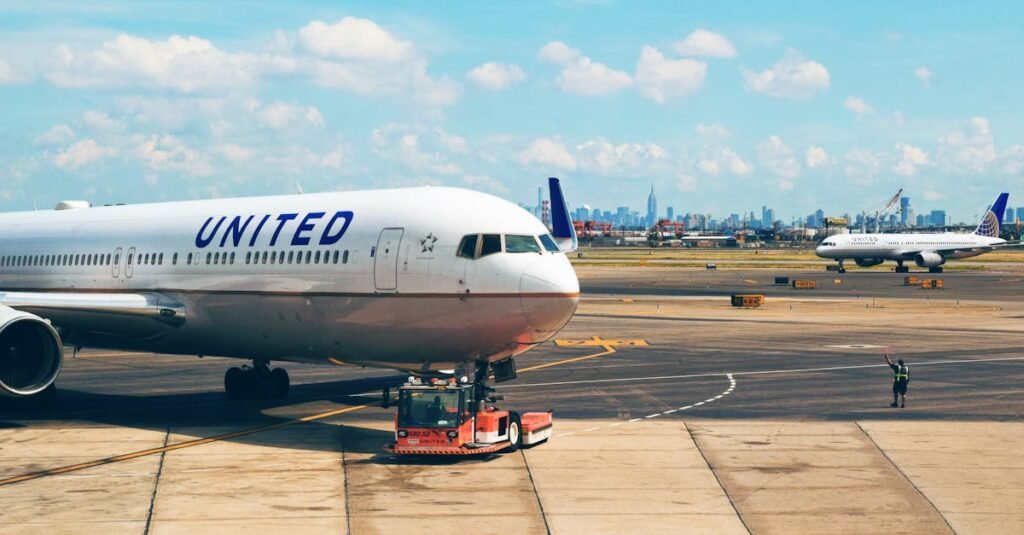
    United Airlines Aircraft on the runway at Newark Airport with city skyline in the background.

    While American Airlines manages its extensive network in the region, other major carriers like United and Southwest are also grappling with the fallout from the death of El Mencho.

    Southwest Airlines made headlines on February 22 by turning back four flights that were already in the air and headed for Puerto Vallarta. The airline has since canceled the majority of its schedule to the region through the middle of the week. Southwest has stated that they will send empty aircraft to repatriate stranded passengers and employees once the security situation stabilizes and the threat of roadside violence diminishes.

    United Airlines has implemented a similar strategy, issuing a civil unrest travel waiver for passengers booked between February 22 and February 25, 2026. This waiver permits travelers to push their trips to as late as March 4, 2026, without incurring additional costs. United is monitoring the situation from its operations center in Chicago, staying in constant contact with the United States State Department regarding the safety of the airspace and terminal surroundings.

    Why the Death of El Mencho Grounded Aviation

    The crisis began when Nemesio Oseguera Cervantes, who had a fifteen million dollar bounty on his head, was killed during a gun battle with the Mexican Army. He was being airlifted to Mexico City for medical treatment when he succumbed to his injuries. The Jalisco New Generation Cartel, often called the CJNG, responded with a strategy known as narcobloqueos.

    These blockades involved hijacking large commercial trucks and setting them on fire to block major highways. This effectively cut off access to the Puerto Vallarta and Guadalajara airports. For an airline like American Airlines, which relies on a seamless flow of passengers and flight crews between hotels and the tarmac, these roadblocks created an impossible operational environment. Reports of gunfire near major tourist zones further complicated the situation, leading to the current shelter in place orders.

    Airport Security and Current Facility Status

    Despite the chaos on the roads, the airports themselves have remained relatively secure zones. The Mexican National Guard and the Ministry of National Defense have deployed heavy reinforcements to protect the perimeter of major hubs.

    • Guadalajara (GDL): The airport remains open but is operating with a skeleton crew. Many airport workers are unable to reach the terminal due to the suspension of public transit and the danger of highway travel.
    • Puerto Vallarta (PVR): This airport saw the most significant impact on international travel. While the internal safety of the airport has not been breached, almost all international arrivals were halted through Monday morning.
    • Mazatlan (MZT): Security has been tightened here as a precaution, with American Airlines and others monitoring for any sign that the violence is moving toward the state of Sinaloa.

    Guidance and Contact Information for Travelers

    If you are a passenger currently holding a ticket with American Airlines, United, or Southwest, you should prioritize digital communication. Airport counters are expected to be overwhelmed, and travel to the airport is currently discouraged by the United States government.

    American Airlines Support

    For those traveling with American Airlines, the most efficient way to manage your trip is through the official website or the mobile app.

    • Customer Service Number: 1-800-433-7300
    • Action Step: Look for the travel alert banner on the home page to see if your specific flight qualifies for an automated rebooking or refund.

    United Airlines Support

    United passengers can utilize the “My Trips” section of the United app to check for flight status updates.

    • Customer Service Number: 1-800-864-8331
    • Action Step: Ensure your contact information is up to date in your MileagePlus profile to receive text alerts regarding diversions or cancellations.

    Southwest Airlines Support

    Southwest encourages travelers to use their website for the fastest service, as hold times on phone lines are expected to be high.

    • Customer Service Number: 1-800-435-9792
    • Action Step: Check the “Travel Advisories” page for specific details on the Jalisco Mexico Civil Unrest policy.

    What to Expect Next

    Aviation analysts expect the disruption to continue for several days. Even if the violence subsides, the backlog of stranded passengers will take time to clear. American Airlines and its competitors are currently coordinating with the Federal Aviation Administration and Mexican civil aviation authorities to determine when it will be safe to resume a full schedule.

    The death of El Mencho is a historic event in the fight against cartel power, but the immediate result is a logistical nightmare for thousands of travelers. If you are in the affected region, follow the advice of local authorities and remain in your hotel or residence until your airline confirms a safe departure time. This is a developing story, and travelers should remain vigilant as the security landscape in Jalisco and surrounding states continues to shift.

  • Winter Storm Hernando Travel Guide: How to Rebook Delta, American Airlines, and JetBlue Flights as 5,000+ Cancelled

    Winter Storm Hernando Travel Guide: How to Rebook Delta, American Airlines, and JetBlue Flights as 5,000+ Cancelled

    Travelers across the East Coast are facing a massive logistical challenge as Winter Storm Hernando sweeps through major aviation hubs. With snow accumulations reaching up to 24 inches in some regions and wind gusts peaking at 55 mph, the impact on air travel has been swift and severe. Statistics from Sunday indicate that over 5,000 flights have already been removed from schedules through Monday. For those holding tickets with Delta Air Lines, American Airlines, or JetBlue, navigating this disruption requires a proactive strategy. This guide provides the essential steps to manage your itinerary, understand your legal rights, and utilize the latest 2026 travel policies to your advantage.

    Current State of East Coast Aviation Hubs

    The scale of the disruption is centered on the busiest corridors in the United States. New York City and Boston are currently the epicenters of the grounding. At John F. Kennedy International Airport (JFK), more than 650 flights have been cancelled as of Sunday evening. LaGuardia (LGA) and Boston Logan (BOS) are seeing similar numbers, with some carriers suspending nearly 80 percent of their local operations to avoid stranding aircraft and crews in the snow.

    Beyond the Northeast, the knock on effect is being felt nationwide. Because aircraft and flight crews cycle through these major hubs, a cancellation in Boston can lead to a grounded flight in Los Angeles or Atlanta. If you are flying anywhere in the United States this week, you should expect delays due to the winter storm Hernando even if your departure city has clear skies.

    Navigating Delta Air Lines Rebooking Procedures

    Delta airline passenger plane flying in clear blue sky. Ideal for travel and transportation themes.

    Delta Air Lines has been proactive in issuing travel waivers for passengers flying through affected regions. The airline has identified its hubs in Boston, New York, and Philadelphia as high risk areas. Delta typically allows travelers to move their flight to a date outside the weather window without paying a change fee or a fare difference, provided the new travel occurs within a specific timeframe.

    The most efficient way to handle a Delta cancellation is through the Fly Delta mobile app. The airline uses an automated rebooking system that immediately assigns you to the next available flight. If that new itinerary does not work for you, the app allows you to browse other options for free. It is highly recommended to use the digital tools rather than waiting on hold with phone support, as wait times during Storm Hernando have exceeded four hours.

    Managing American Airlines Travel Disruptions

    American Airlines currently leads the industry in total cancellations for this event, with over 800 flights pulled from the schedule. Their primary affected hubs include New York (JFK and LGA) and Philadelphia (PHL), along with significant residual impacts at Dallas–Fort Worth (DFW).

    American’s travel alert for Storm Hernando allows customers to rebook in the same cabin for no additional cost. A key tip for American Airlines passengers is to check the Chat feature in the mobile app. This often connects you to a representative faster than the standard phone line. If you are at the airport, look for the self service kiosks to print new boarding passes or view alternative flight paths.

    JetBlue Waiver Rules and Sister Airport Options

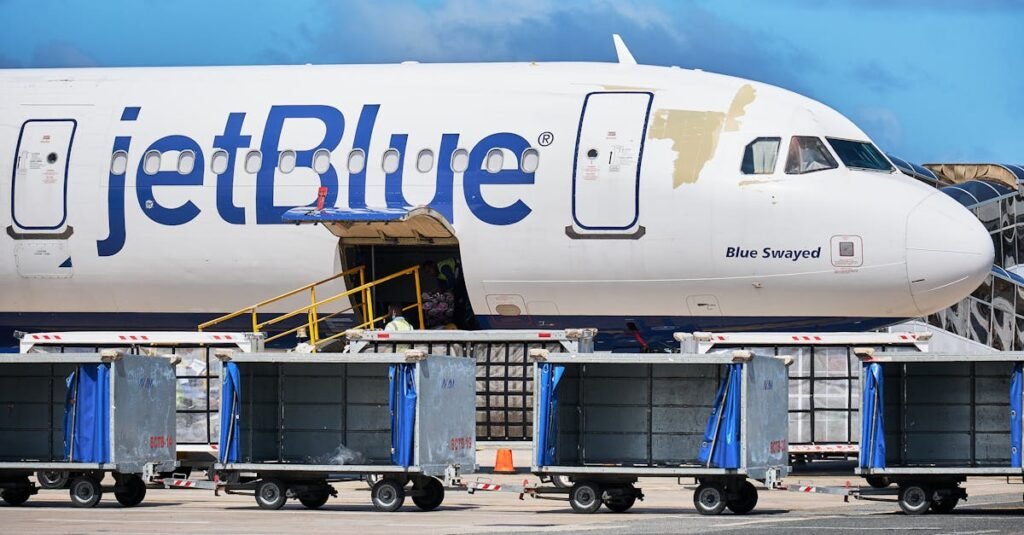
    JetBlue Airbus with luggage carts at Punta Cana Airport, Dominican Republic.

    JetBlue has hit a critical milestone with nearly 700 cancellations scheduled for Monday alone. Because JetBlue has a massive presence in New York and Boston, their operations are particularly vulnerable to this blizzard. The JetBlue waiver for Winter Storm Hernando covers travel through February 23, allowing customers to rebook through February 27.

    One unique advantage for JetBlue travelers is the Sister Airport policy. If your flight to JFK is cancelled due to the Winter Storm Hernando, JetBlue often allows you to rebook into Newark (EWR) or LaGuardia (LGA) at no extra charge. This flexibility can be the difference between getting home on Monday or waiting until Wednesday for a seat to open up at your original destination.

    Understanding Your Rights to a Cash Refund

    A common misconception during winter storms is that you are only entitled to a travel voucher. According to the United States Department of Transportation (DOT) regulations updated for 2026, if an airline cancels your flight for any reason, including weather, and you choose not to travel on the offered alternative, you are entitled to a full cash refund.

    This refund includes the base fare and any ancillary fees you paid, such as seat assignments or checked bag fees. While airlines prefer to issue Credit Shells or vouchers to keep the revenue, you have the right to insist on a return to your original form of payment. Under 2026 enforcement rules, credit card refunds must be processed within seven business days.

    Strategic Tips for Successful Rebooking

    When 5,000 flights are cancelled due to the Winter Storm Hernando, competition for the remaining seats is intense. Follow these steps to increase your chances of getting to your destination:

    • Monitor Flight Status Constantly: Do not wait for an email. Check the airline app every 30 minutes for updates.
    • Be Flexible with Nearby Airports: If you are headed to New York, consider flying into Philadelphia and taking a train. If you are going to Boston, look at Manchester (MHT) or Providence (PVD).
    • Check the Inbound Flight: Use flight tracking websites to see where your plane is coming from. If the inbound plane is stuck in a snowbank in another city, your flight will not be taking off on time.
    • Social Media Support: Sometimes the social media teams on platforms like X (formerly Twitter) can process a rebooking faster than a gate agent who is dealing with a long line of frustrated passengers.

    Essential Safety Protocols for Stranded Passengers

    Safety should remain the top priority when dealing with the extreme conditions brought by Winter Storm Hernando. If you find yourself stranded at a major hub like JFK or Boston Logan, avoid leaving the airport premises unless you have a confirmed hotel reservation and a reliable method of transportation. Blizzard conditions create near zero visibility on local roads, and many ride share services have suspended operations in the hardest hit zones.

    For those staying at the terminal, locate the designated rest areas and stay hydrated. Most airlines provide meal vouchers if the delay is significant, but it is wise to keep emergency snacks and a portable battery charger in your carry on bag. If you are traveling with medication, ensure you have an extra three day supply in your pocket rather than in checked luggage, as retrieving bags from a grounded aircraft can take hours. Stay tuned to airport public address systems for real time safety updates and emergency instructions from local authorities.

  • “Stolen” Seats? American Airlines Faces Backlash After Downgrading Paying First Class Travelers for Deadheading Pilots

    “Stolen” Seats? American Airlines Faces Backlash After Downgrading Paying First Class Travelers for Deadheading Pilots

    The friendly skies have felt a little more turbulent recently, and it has nothing to do with the weather. A series of viral incidents has sparked a heated national conversation regarding passenger rights, airline labor contracts, and the hierarchy of the modern cabin. At the center of this storm is American Airlines, which recently made headlines after high profile passengers reported being removed from their paid first class seats to accommodate off duty crew members.

    This practice, known in the industry as deadheading, has left many travelers wondering how a confirmed, paid ticket can be overridden by an internal airline policy. To understand why this is happening and what your rights are as a consumer, one must look at the intersection of union agreements, federal regulations, and the fine print of the ticket you buy.

    The Viral American Airlines Incident That Sparked the Debate

    The conversation reached a fever pitch in February 2026 when comedian Jim Breuer shared a frustrated account of his experience on a flight from Honolulu. Breuer and his wife had purchased first class tickets, a significant expense intended to ensure comfort on a long haul journey. However, shortly before boarding, they were informed that they were being downgraded to the economy cabin.

    The reason provided at the gate was not a mechanical failure or an aircraft swap. Instead, the seats were required for two pilots who needed to be repositioned for work. While the airline offered a standard compensation package, the discrepancy between the price of a first class ticket and the refund offered sparked an outcry.

    Breuer described the experience as feeling like his seats were stolen, a sentiment that resonated with thousands of travelers online. This incident served as a catalyst for a deeper look into how often this happens and why the airline prioritizes its employees over its highest paying customers in these specific scenarios.

    What Exactly Is a Deadheading Pilot?

    To the average passenger, seeing a pilot in uniform sitting in first class might seem like a simple perk of the job. However, the term deadheading refers to a specific operational necessity. A deadheading pilot is not commuting to work on their own time; they are being moved by the airline to a different city to operate a subsequent flight.

    Operational Necessity versus Luxury

    If a pilot is scheduled to fly a plane from Phoenix to London, but they are currently in Honolulu, the airline must get them to Phoenix. If that pilot does not arrive on time and properly rested, the Phoenix flight might be canceled,affecting hundreds of other passengers. Because of this, airlines view the movement of crew as a critical operational priority.

    The Impact of the 2023 Labor Agreement

    The reason these downgrades are becoming more visible is tied to the collective bargaining agreement ratified by American Airlines pilots in 2023. This contract, valued at billions of dollars, included significant “quality of life” provisions. One of those provisions mandates that for certain long distance or transoceanic flights, deadheading pilots must be accommodated in the highest class of service available.

    Prior to this contract, pilots were often placed in whatever seat was left over. Under the new rules, their right to a first class seat is contractually guaranteed, even if it means moving a passenger who has already paid for that seat.

    Why Elite Status Does Not Always Protect You

    For years, the conventional wisdom for frequent flyers was that holding elite status, such as Executive Platinum or Concierge Key, acted as a shield against involuntary downgrades. While status still helps in many overbooking situations, the deadheading pilot policy operates on a different logic.

    In the American Airlines internal priority system, deadheading pilots on qualifying routes are often coded with a higher priority than even the most loyal frequent flyers. If a flight is full and a crew member must be moved for operational reasons, the airline looks at the last people to join the first class cabin or those without specific protections.Unfortunately, even those who paid full cash for their tickets can find themselves at the bottom of the priority list when a contractual crew requirement is triggered.

    The Legal Reality: The Contract of Carriage

    When you purchase an airline ticket, you are not just buying a seat; you are entering into a legal agreement known as the Contract of Carriage. This document is notoriously long and filled with dense terminology, but it is the ultimate authority on what an airline can and cannot do.

    What the Fine Print Says

    Most major airlines include clauses in their Contract of Carriage that allow them to change seat assignments or even downgrade passengers for operational reasons. These reasons can include:

    • Safety requirements
    • Weather conditions
    • Equipment changes (switching to a smaller plane)
    • Operational necessity (such as moving crew)

    Because the passenger agrees to these terms at the time of purchase, the airline is generally protected from breach of contract claims as long as they provide the required compensation for the downgrade.

    Is It Illegal?

    While it feels unfair to the consumer, the practice is not illegal under current United States law. The Department of Transportation (DOT) has strict rules regarding “bumping” passengers from a flight entirely, which usually requires the airline to seek volunteers first and pay significant compensation. However, the rules for involuntary downgrades are less rigid. The DOT primarily requires that the airline refund the difference in fare between the two cabins.

    Compensation: What Are You Actually Owed?

    If you find yourself standing at a gate being told your first class seat is no longer yours, the immediate concern is often financial. American Airlines typically offers a standard “customer service” gesture on the spot, such as a flight voucher or a fixed amount of cash, but this is separate from your legal right to a refund.

    The Fare Difference

    The most important thing to know is that the airline must refund the difference in price. However, calculating this difference can be tricky. Airlines often use the fare that was available at the time of your original booking. If you bought a first class ticket for $2,000 and the economy fare at that time was $500, you are owed $1,500.

    Vouchers versus Cash

    Gate agents will frequently offer travel vouchers worth $500 or $1,000 to encourage passengers to accept the downgrade quietly. It is important to remember that you can often accept the voucher and still claim the fare difference refund later. Experts suggest documenting the names of the agents you speak with and keeping all original receipts to make the claims process smoother.

    How to Protect Your Seat

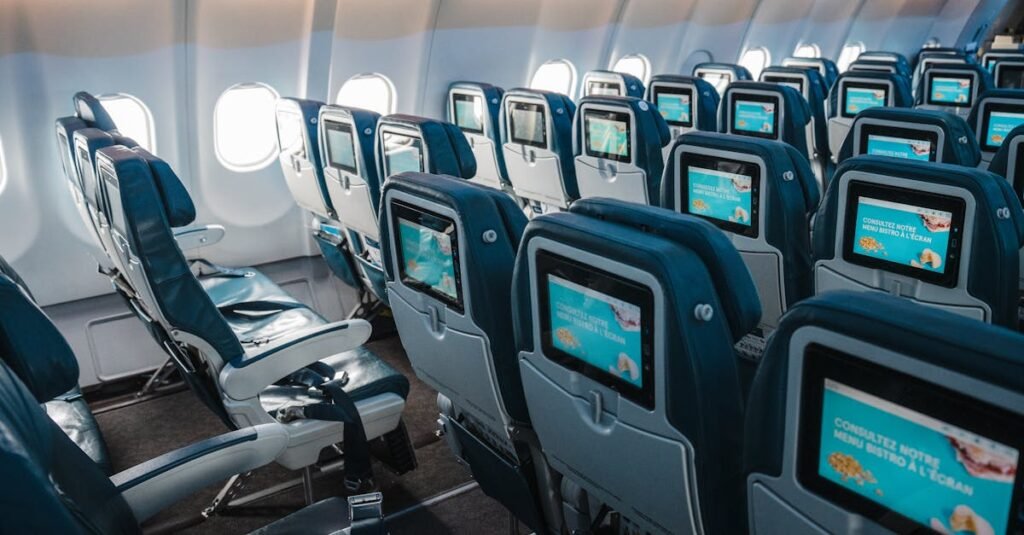
    Empty airplane interior highlighting rows of seats with touchscreens, offering a modern in-flight experience.

    While no strategy is 100% foolproof when a pilot contract is involved, there are steps you can take to minimize the risk of being the one chosen for a downgrade.

    • Check In Early: Airlines often look at the “last in, first out” rule. Passengers who check in at the 24 hour mark are less likely to be moved than those who check in at the airport.
    • Avoid “Upgrade” Scams: If you paid for your seat with cash, you generally have a stronger position than someone who was upgraded for free due to status. However, in the Jim Breuer case, even cash payers were affected.
    • Fly Non-Transoceanic Routes: The most aggressive pilot seating requirements usually apply to international flights or long hauls to places like Hawaii and Alaska. On shorter domestic hops, pilots are often assigned to economy first and only move up if seats are empty.
    • Monitor Your Reservation: Use the airline app to check your seat assignment frequently in the 24 hours leading up to your flight. If you see your seat has been changed, call the airline immediately to see if you can be moved to a different flight with first class availability.

    The Future of Passenger Rights

    The backlash from recent incidents has caught the attention of consumer advocacy groups and some lawmakers. There is a growing movement to pressure the Department of Transportation to modernize the rules regarding involuntary downgrades.

    Advocates argue that as airlines negotiate higher pay and better perks for their staff, those costs and inconveniences should not be directly offloaded onto the paying public. Until the regulations change, however, the pilot contract remains a powerful force that can override even the most expensive ticket.

    For now, travelers must remain vigilant. While American Airlines continues to navigate the PR fallout of these viral stories, the operational reality of moving crew members remains a priority. The best defense for any traveler is to know the rules, stay calm at the gate, and ensure that every dollar of the fare difference is recovered if the worst should happen.

    For now, travelers must remain vigilant. While American Airlines continues to navigate the PR fallout of these viral stories, the operational reality of moving crew members remains a priority. The best defense for any traveler is to know the rules, stay calm at the gate, and ensure that every dollar of the fare difference is recovered if the worst should happen.

  • Pilot Union Pressures American Airlines Board as Confidence in Management Collapses

    Pilot Union Pressures American Airlines Board as Confidence in Management Collapses

    American Airlines is facing one of the most serious internal challenges it has seen in years. Its pilots, the people responsible for safely flying millions of passengers have openly told the company’s board of directors that they no longer trust senior management to run the airline effectively.

    This is not a routine labor dispute over pay or schedules. Instead, it is a blunt warning about leadership, strategy, and the long-term health of the airline. The message from pilots is clear: fix the problems at the top, or the airline will continue to fall behind its competitors.

    Who Is Speaking Out?

    The pressure is coming from the Allied Pilots Association (APA), the labor union representing more than 15,000 pilots at American Airlines.

    The APA sent a strongly worded letter directly to the airline’s board of directors which is an unusual and serious step. In the letter, union leaders said pilots have lost confidence in management’s ability to lead the company, citing years of poor decisions and repeated operational failures.

    Rather than addressing executives privately, the pilots chose to escalate the issue publicly, signaling how deep the frustration has become.

    Why Pilots Say American Airlines Leadership Is Failing

    According to the union, the airline’s problems are not the result of one bad quarter or a single storm-related disruption. Instead, pilots argue that American Airlines is suffering from systemic leadership issues that have been building for years.

    Key concerns raised by pilots include:

    • Weak operational reliability compared with competitors
    • Poor long-term strategic planning
    • Failure to learn from past disruptions
    • Financial underperformance relative to rival airlines

    Pilots believe these issues stem from decisions made at the highest levels of management and not from frontline employees doing their jobs.

    Operational Problems Keep Piling Up

    One of the clearest signs of trouble has been American Airlines’ operational reliability. Pilots point to repeated delays, cancellations, and crew mismanagement, especially during bad weather or peak travel periods.

    While weather affects all airlines, pilots argue that American is less prepared and slower to recover than competitors like Delta or United. This leads to frustrated passengers, exhausted crews, and damaged trust in the brand.

    From the pilots’ perspective, these disruptions are not accidents. They say they are the predictable outcome of cost-cutting, underinvestment, and leadership decisions that prioritize short-term savings over long-term stability.

    Falling Behind the Competition

    Another major source of frustration is how American Airlines compares to other major U.S. carriers.

    Pilots note that while competitors have strengthened their operations, improved customer satisfaction, and posted stronger financial results, American continues to lag behind. This gap has become more noticeable in recent years.

    The union believes leadership has failed to position the airline for success in a highly competitive market. Instead of adapting and improving, pilots say management often reacts too late or not at all.

    “Get Your House in Order”

    One phrase from the pilots’ message has drawn particular attention: “get your house in order.”

    “Our airline is on an underperforming path and has failed to define an identity or a strategy to correct course,” read an excerpt from the union’s letter.

    This was not directed at coworkers or frontline staff. It was aimed squarely at executive leadership and the board. Pilots are asking for leaders who are “willing, equipped, and empowered” to make real changes and not just offer reassurances or temporary fixes.

    The wording suggests pilots believe the current leadership structure itself may be part of the problem, not just individual decisions.

    Why the Letter Matters

    Labor unions often criticize management, but letters like this that were sent directly to a board of directors are rare. It signals a breakdown in confidence that goes beyond normal contract disagreements.

    Importantly, the pilots are not currently threatening a strike or work slowdown. Instead, they are pushing for governance-level changes, including deeper board oversight and a reassessment of leadership direction.

    This makes the situation especially significant for investors, regulators, and employees across the airline.

    CEO Agrees to Meet With American Airlines Pilots

    In response to the growing pressure, American Airlines CEO Robert Isom has agreed to meet with pilot union leaders.

    While this move shows management is taking the criticism seriously, pilots have made it clear that meetings alone are not enough. They want to see measurable action, not just dialogue.

    Whether these talks lead to meaningful change remains to be seen.

    What This Means for Passengers

    For travelers, this internal conflict may raise concerns about future disruptions. However, pilots have emphasized that safety is not at risk and that they remain committed to flying professionally.

    Still, prolonged tension between labor and management can affect morale, staffing decisions, and long-term planning, all of which can eventually impact passengers.

    If leadership issues are not addressed, pilots warn that American Airlines could continue to struggle with reliability and customer satisfaction.

    A Bigger Warning Sign for the Airline

    Close-up of an American Airlines Boeing 737 during landing at Los Angeles International Airport.

    This dispute is about more than one airline or one union. It highlights a broader issue in the aviation industry: frontline employees are increasingly willing to challenge executive leadership publicly when they believe long-term performance is being sacrificed.

    For American Airlines, the pilots’ message is a wake-up call. Losing the confidence of the people who operate the aircraft every day is a serious problem, one that cannot be solved with press releases or short-term fixes.

    What Happens Next?

    The next steps will depend on how the board and senior leadership respond. Pilots are watching closely to see whether promises turn into action.

    Possible outcomes include:

    • Changes in leadership strategy
    • Greater board involvement in operations oversight
    • Increased investment in reliability and planning
    • Continued tension if pilots feel ignored

    What is clear is that the status quo is no longer acceptable to the airline’s pilots.

    Final Thoughts

    The pilots’ ultimatum to American Airlines management is one of the strongest internal challenges the company has faced in years. By going directly to the board, the union has made it clear that confidence in leadership has collapsed and that fixing the airline’s problems will require more than small adjustments.

    Whether American Airlines uses this moment to reset its direction or continues on its current path may determine its future standing in an increasingly competitive industry.

  • American Airlines in 2026: What Flyers Really Need to Know Before Booking

    American Airlines in 2026: What Flyers Really Need to Know Before Booking

    Flying in 2026 is not the same as it was a few years ago. Prices change fast, rules shift often, and airlines keep updating their services. If you’re planning a trip and thinking about booking with American Airlines, this guide will help you understand what to expect before you click “buy.”

    This article breaks everything down in plain English, no airline jargon, no confusing fine print, just the stuff travelers actually care about.

    A Quick Look at American Airlines in 2026

    American Airlines is still one of the largest airlines in the world. It flies to hundreds of destinations across the United States and many international locations. In 2026, the airline focuses heavily on efficiency, digital tools, and premium upgrades, while keeping basic fares as low as possible.

    This means travelers have more choices but also more decisions to make when booking.

    Ticket Prices: What You’re Really Paying For

    At first glance, American Airlines tickets can look affordable. But the base price often does not include everything.

    Basic Economy Explained

    Basic Economy is the cheapest option, but it comes with limits:

    • No free seat selection
    • Last boarding group
    • No changes allowed
    • Carry-on rules may vary by route

    This option works best for short trips if you travel light and don’t mind where you sit.

    Main Cabin and Beyond

    If you want more flexibility, the Main Cabin fare is usually worth the extra cost. It allows seat selection, flight changes (often with no change fee), and earlier boarding.

    Premium Economy, Business, and First Class offer more space, better food, and extra comfort, especially useful for long flights.

    Baggage Rules You Should Know

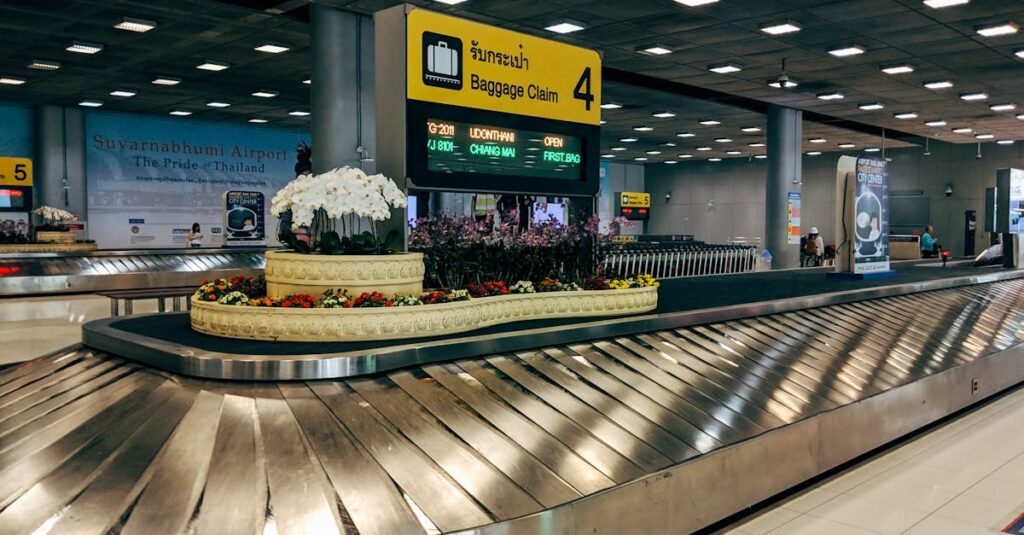
    Modern baggage claim area at Suvarnabhumi Airport in Bangkok with luggage carousel and signage.

    Baggage policies are one of the biggest reasons travelers get frustrated. In 2026, American Airlines still charges for most checked bags on domestic flights.

    • Carry-on: Usually free (except some Basic Economy tickets)
    • Checked bag: Typically costs extra
    • Overweight bags: Can be expensive

    Tip: Always check your ticket type before arriving at the airport. Many surprise fees happen at the check-in counter.

    Seating and Comfort: Has It Improved?

    Comfort depends a lot on which plane and seat you choose.

    Economy Class

    Seats are slim and legroom is average. For short flights, it’s fine. For long trips, it can feel tight unless you upgrade or pick an exit-row seat.

    Premium Cabins

    Premium Economy offers more legroom and better recline. Business and First Class feel much more relaxed, with lie-flat seats on many long international routes.

    American Airlines has continued updating its planes, so newer aircraft feel cleaner and more modern.

    In-Flight Entertainment and Wi-Fi

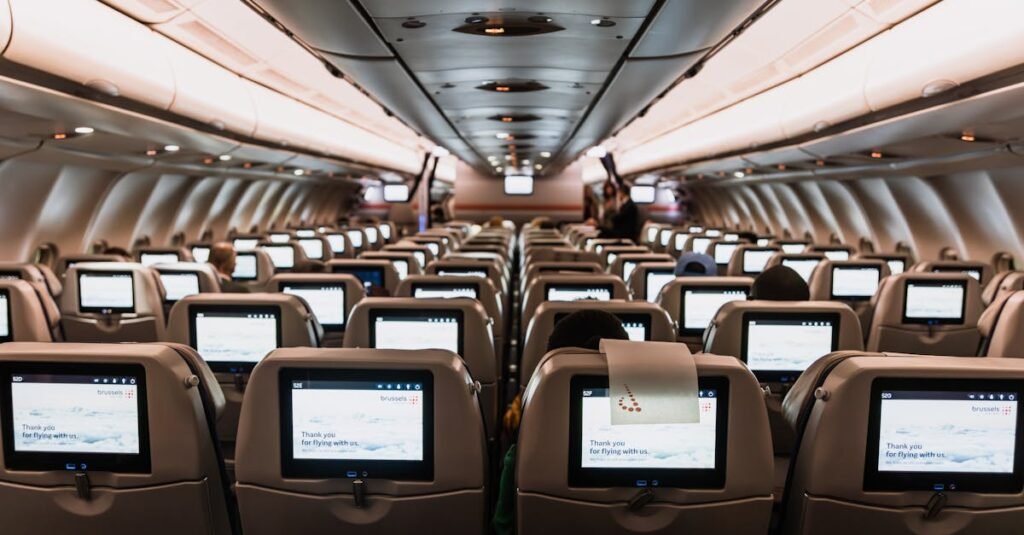
    Comfortable airplane cabin interior featuring in-flight entertainment screens on all seats.

    Good news: entertainment has improved.

    Most planes now offer:

    • Seat-back screens or personal device streaming
    • Movies, TV shows, and music
    • Wi-Fi on most flights (usually paid)

    The Wi-Fi works well for browsing and messages, but streaming or video calls can still be hit or miss.

    On-Time Performance and Reliability

    In 2026, American Airlines performs reasonably well when it comes to on-time arrivals. Weather, airport congestion, and staffing still affect delays, especially at busy hubs.

    Major hubs include:

    • Dallas/Fort Worth
    • Charlotte
    • Miami
    • Chicago O’Hare

    Flights early in the morning tend to be more reliable than late-night departures.

    The AAdvantage Loyalty Program

    If you fly often, the AAdvantage program can be useful—but it works best for frequent travelers.

    What Works Well

    • Miles never expire with activity
    • Good partner airlines
    • Useful credit card rewards

    What’s Less Great

    • Award flights can cost more miles than before
    • Elite status is harder to earn casually

    For occasional travelers, the program still has value, but it’s no longer as generous as it once was.

    Customer Service: What Travelers Say

    Customer service reviews are mixed. Some passengers report smooth experiences, while others complain about long waits during disruptions.

    American Airlines relies heavily on:

    • Mobile apps
    • Self-service kiosks
    • Online chat support

    The app is helpful, especially for rebooking during delays, but speaking to a human can still take time when things go wrong.

    Pros and Cons of Flying American Airlines

    Pros

    • Large route network
    • Frequent flight options
    • Modern aircraft on many routes
    • Strong loyalty partnerships

    Cons

    • Extra fees add up fast
    • Economy seats can feel cramped
    • Customer service during delays can be slow

    Is American Airlines Worth Booking in 2026?

    American Airlines is a solid choice if:

    • You want many flight time options
    • You live near a major hub
    • You understand the fare rules before booking

    It may not be the best airline for everyone, especially travelers who want everything included in one price. But if you book smart, choose the right ticket, and know what to expect, it can be a reliable option.

    Conclusion

    Flying in 2026 requires more attention than ever. American Airlines offers flexibility, wide coverage, and modern planes but only if you choose carefully. Always read the fare details, compare ticket types, and think about your travel style before booking. Choosing an airline in 2026 is not just about finding the cheapest ticket anymore. It is about understanding what you are getting for the price you pay. American Airlines can be a good option if you take a little time to plan before booking.

    For many travelers, the biggest mistake is choosing the lowest fare without checking the rules. Basic Economy may look cheap, but it can feel stressful if you want to choose your seat, bring extra bags, or change your plans. Spending a little more on a Main Cabin ticket often makes the journey easier and more comfortable.

    American Airlines works best for travelers who like having many flight choices and flexible schedules. It is also useful if you live near one of its major hubs, where flights run more often. The planes are mostly modern, and the onboard experience is decent, especially on longer routes.

    That said, no airline is perfect. Delays can happen, and customer service may take time during busy travel days. Going in with realistic expectations makes a big difference.

    In the end, American Airlines is neither amazing nor terrible. It is a practical choice. If you understand the fees, choose the right ticket, and plan ahead, your flight experience in 2026 can be smooth and stress-free.

  • How Harsh Winter Weather Disrupts American Airlines, WestJet, and U.S. Flights

    How Harsh Winter Weather Disrupts American Airlines, WestJet, and U.S. Flights

    Winter weather has always been one of aviation’s toughest tests. While summer thunderstorms can cause short-lived disruptions, winter storms have a habit of lingering, spreading, and compounding problems across the entire U.S. air travel system. For airlines like American Airlines, WestJet, and other carriers flying U.S. routes, harsh winter conditions can turn a routine travel day into a logistical headache for crews, airports, and passengers alike.

    Lets take a closer look at how winter weather affects airlines, why disruptions spread so quickly, and what it all means for travelers.

    Why Winter Weather Is So Disruptive for Airlines

    Winter storms bring more than just snow. Ice, freezing rain, high winds, and extreme cold all create unique risks for aircraft and ground operations. Unlike rain or mild fog, snow and ice directly interfere with an aircraft’s ability to take off, land, and maneuver safely on the ground.

    Airlines must operate within strict safety margins. Even a thin layer of ice on a wing can change how air flows over it, reducing lift. Because of that, flights cannot simply “push through” winter conditions the way cars sometimes do on highways. When conditions cross certain thresholds, airlines have no choice but to delay or cancel flights.

    Flight Delays and Cancellations

    One of the most frustrating aspects of winter travel is how a storm in one city can disrupt flights hundreds or even thousands of miles away. This happens because airline schedules are tightly interconnected.

    A single aircraft might operate several flights in one day across multiple cities. If a morning departure is canceled due to snow, that plane may never reach the next airport on its schedule. The result is a chain reaction of delays and cancellations that spreads throughout the airline’s network.Large carriers with major hub airports are particularly vulnerable. When a hub slows down, dozens of incoming and outgoing flights are affected at once. This is why winter storms often lead to nationwide disruption, even if only a few regions are experiencing severe weather.

    The Critical Role of De-Icing and Ground Operations

    De-icing is one of the most visible signs of winter operations, and it plays a major role in delays. Before takeoff, aircraft must be sprayed with heated fluids to remove snow and ice from critical surfaces like wings and tail sections.This process takes time, especially during heavy snowfall when ice can reform quickly. Aircraft often wait in long lines for de-icing, and once treated, they must take off within a specific window before ice begins to accumulate again. If that window is missed, the aircraft may need to return for another round of de-icing.

    At the same time, airports are battling the storm too. Snowplows must constantly clear runways and taxiways, and sometimes only one runway can remain operational. This dramatically reduces how many aircraft can land or depart, creating congestion even when flights are technically able to operate.

    Crew Scheduling Challenges in Winter Storms

    Airline crews operate under strict rules designed to prevent fatigue. Pilots and flight attendants can only work a certain number of hours before they are required to rest. Winter delays can easily push crews past those limits.

    When that happens, flights may be canceled even if the aircraft is ready and weather conditions have improved. Finding replacement crews on short notice is difficult, particularly during widespread storms when many employees are also dealing with travel disruptions. Crew availability is one of the main reasons airlines struggle to recover quickly after major winter events. It can take days to reposition both aircraft and crews back into the right places.

    Cross-Border Complications for U.S. and Canadian Flights

    Airlines operating between the U.S. and Canada face an extra layer of complexity. A flight might depart from a clear airport but be heading toward a destination dealing with heavy snow or ice. Even if conditions are acceptable at departure, the flight may still be canceled to avoid stranding aircraft and passengers.

    Carriers like WestJet, which operate many cross-border routes, must coordinate closely with both U.S. and Canadian airports. Weather systems that stretch across regions can disrupt both sides of the border simultaneously, reducing recovery options and increasing passenger backlogs.

    What Passengers Experience During Winter Disruptions

    Spacious airport terminal with moving walkway and travelers, showcasing modern architecture.

    For travelers, winter weather disruptions are often stressful and unpredictable. Delays can stretch from minutes into hours, and cancellations may leave passengers scrambling to find new flights.

    Airlines usually issue travel advisories ahead of major storms, allowing passengers to rebook without change fees. While this flexibility helps, it also means many travelers are trying to adjust plans at the same time. Customer service lines grow long, flights fill up quickly, and hotel availability near airports can disappear fast.

    Another challenge is baggage. When flights are canceled after bags are checked, luggage may end up separated from passengers, adding to frustration and uncertainty.

    Why Airlines Can’t Always “Recover” Quickly?

    After a winter storm passes, many travelers expect operations to return to normal almost immediately. In reality, recovery can take days. Aircraft may be parked in the wrong cities, crews may be out of position, and maintenance schedules may have been disrupted by extreme cold.

    Additionally, American airlines, WestJet and other carriers often prioritize safety and stability over speed. Rather than rushing to operate a full schedule, they may cancel additional flights proactively to reset operations and prevent further chaos.

    This cautious approach can feel inconvenient to passengers, but it is often necessary to restore reliability across the network.

    How American Airlines And Other Carriers Prepare for Harsh Winter Conditions

    Despite the challenges, American Airlines and other carriers invest heavily in winter preparedness. This includes specialized training for crews, winterized equipment, weather forecasting teams, and close coordination with airports.

    Aircraft are designed to operate in cold conditions, but procedures must be followed precisely. From anti-icing systems to cold-weather maintenance checks, every step is aimed at ensuring safety remains the top priority.

    Airlines also monitor weather systems days in advance, adjusting schedules and staffing levels before storms arrive. While these measures cannot prevent all disruptions, they help reduce the severity and duration of winter-related problems.

    The Bottom Line for Winter Air Travel

    Harsh winter conditions are an unavoidable part of flying in and across the United States. Snow, ice, and extreme cold affect every aspect of airline operations, from runways and aircraft to crews and passengers. For airlines like American Airlines, WestJet, and other carriers serving U.S. routes, winter storms can quickly escalate into system-wide disruptions.

    For travelers, understanding why these delays happen can make the experience slightly less frustrating. While winter weather may disrupt plans, the precautions taken by airlines are ultimately about ensuring that every flight operates as safely as possible — even when the forecast refuses to cooperate.

  • U.S.–Venezuela Travel Relaunch: American Airlines Plans Daily Nonstop Flights Pending Government Approval

    U.S.–Venezuela Travel Relaunch: American Airlines Plans Daily Nonstop Flights Pending Government Approval

    American Airlines has announced its intention to resume daily nonstop flights between the United States and Venezuela, a significant move that could restore direct air travel between the two countries for the first time since 2019. The plans are still subject to U.S. government approval and security assessments, but the announcement itself marks a major shift in commercial aviation and international travel ties between Washington and Caracas. 

    A Long-Awaited Return After Years of Silence

    The airline’s planned relaunch comes after more than six years without regular U.S.–Venezuela commercial service. Prior to 2019, American Airlines was the largest U.S. carrier operating in Venezuela, linking cities like Miami and Caracas with daily flights and serving as a crucial bridge for business, leisure, and family travel. 

    Service was suspended amid deteriorating security and diplomatic tensions, and shortly afterward the U.S. government formally barred U.S. passenger and cargo flights to Venezuelan destinations. Since then, travelers had to rely on indirect connections through third-country hubs, creating longer journeys and higher costs. 

    What Prompted the Change Now?

    The renewed plan by American Airlines comes in the wake of significant policy shifts by U.S. authorities. In late January 2026, the U.S. moved to reopen Venezuela’s airspace to commercial flights, reversing earlier restrictions that had been put in place amid safety and geopolitical concerns. 

    According to reports, the announcement to lift flight bans was coupled with broader strategic developments and an evolving diplomatic situation involving leaders from both countries. While this decision paves the way for airlines to consider resuming service, carriers like American still need to obtain explicit government and security clearances before flights can begin. 

    What American Airlines Has Said?

    American Airlines emphasized it is prepared to be the first U.S. airline to reconnect nonstop service with Venezuela once all regulatory milestones are met. The airline’s leadership highlighted its decades-long history in the region and noted that restored flights would open doors for families to reunite, for commerce to flourish, and for tourism and humanitarian travel to resume. 

    In a statement, American’s Chief Commercial Officer pointed to the “incredible relationship” the airline has had with the Venezuelan market since 1987 and its readiness to renew it. Specific details about routes, frequencies, aircraft types, and launch dates have not yet been shared. 

    “We have a more than 30-year history connecting Venezolanos to the U.S., and we are ready to renew that incredible relationship. By restarting service to Venezuela, American will offer customers the opportunity to reunite with families and create new business and commerce with the United States,” said Nat Pieper, the Chief Commercial Officer of American Airlines in an official Press Release

    What Travelers Can Expect?

    Spacious airport terminal with moving walkway and travelers, showcasing modern architecture.

    If approval is granted, travelers may soon see direct flights between key U.S. gateways and Venezuela’s major airports most likely starting with popular city pairs that historically drew high demand. Direct nonstop service would vastly simplify travel that has, for years, required multiple connections and planning through other countries. 

    For business and leisure passengers alike, restored flights could mean shorter travel times, improved connectivity, and more competitive pricing. They could also stimulate economic exchange as trade and corporate travel expand following years of limited direct access. 

    What are the Challenges That Still Lie Ahead?

    Even with the announcement, significant hurdles remain. Federal agencies such as the Federal Aviation Administration (FAA) and the Transportation Security Administration (TSA) must complete thorough safety and security assessments before flights can be authorized. These evaluations cover airspace safety, airport security infrastructure, and compliance with international aviation standards. 

    In addition, the U.S. State Department continues to issue travel advisories and may encourage cautious planning for those considering travel to Venezuela, reflecting ongoing safety concerns in the region. 

    Broader Impacts on U.S.–Venezuela Relations

    The planned relaunch of air service is more than a commercial aviation story, it reflects evolving relationships between the United States and Venezuela. Reestablishing nonstop flights could signal a gradual normalization of ties and a reopening of channels that were dormant for years. 

    For the Venezuelan diaspora in the U.S., particularly in cities with large Venezuelan communities, the return of direct service holds emotional and cultural significance. Families split across borders could once again travel more easily to visit loved ones, attend important events, and participate in cultural exchange.