Author: Adityan Pillai

  • $30.2 Million United Airlines Move: Spirit’s Final O’Hare Gates Up for Sale

    $30.2 Million United Airlines Move: Spirit’s Final O’Hare Gates Up for Sale

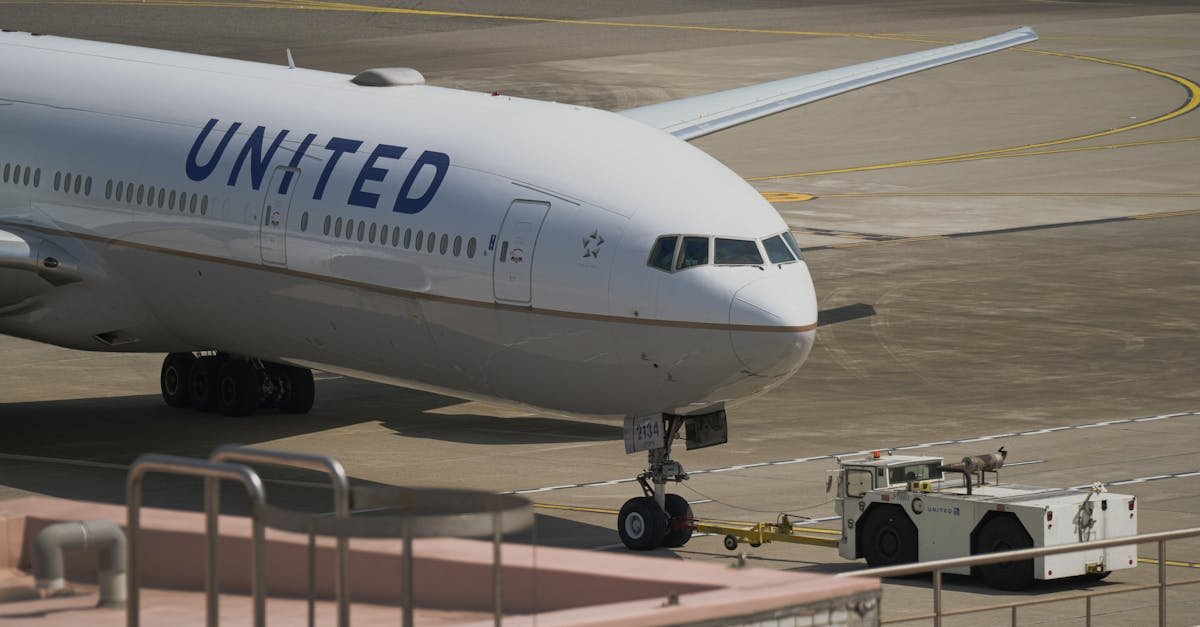
    United Airlines has made its next move in Chicago and it’s a costly one. Court filings tied to Spirit Airlines’ Chapter 11 bankruptcy case reveal that United is seeking to purchase Spirit’s final two preferential-use gates at Chicago O’Hare International Airport, gates G12 and G14, for $30.2 million. A bankruptcy court hearing scheduled for February 24, 2026, will determine whether the deal goes forward.

    While the transaction involves just two gates on paper, the implications stretch far beyond Concourse G. This is about leverage at one of the most congested airports in the world, the steady retreat of ultra-low-cost carriers from fortress hubs, and the growing reality that airport access and not aircraft is the most valuable currency in modern aviation.

    O’Hare: A Hub Where Gates Equal Power

    O’Hare is not short on runways, but it is chronically short on gates. Demand for access has long outpaced supply, especially during peak hours when weather delays, banked schedules, and international departures collide.

    In this environment, preferential-use gates are gold. Unlike common-use gates, which rotate between airlines, preferential gates give one carrier priority control. That means predictable scheduling, fewer ground delays, and the flexibility to recover faster when disruptions hit.

    For United Airlines, which operates one of its largest global hubs at O’Hare, adding even two more gates strengthens operational resilience. For competitors, it raises the barrier to entry even higher.

    Spirit Airlines’ Long Descent to Asset Sales

    For Spirit Airlines, this proposed sale is not a strategic expansion but it’s a financial necessity.

    Spirit spent the better part of the last decade growing aggressively, targeting large hubs traditionally dominated by legacy carriers. O’Hare was a key battleground. The airline believed that ultra-low fares paired with high passenger volumes could carve out a durable niche even in hostile territory.

    That strategy unraveled under mounting pressures:

    • Rising operating and fuel costs
    • Aircraft delivery delays that disrupted growth plans
    • Heavy debt loads
    • And the collapse of its proposed JetBlue merger after regulatory opposition

    By the time Spirit entered Chapter 11, it was forced to re-evaluate every asset it owned. Gates at O’Hare that were scarce, valuable, and immediately monetizable stood out as one of the clearest paths to raising cash for creditors.

    The G12 and G14 Deal Explained

    Under the proposed agreement, Spirit would sell its last remaining preferential-use gates at O’Hare, G12 and G14, to United for $30.2 million. The price reflects more than physical infrastructure. It captures the strategic advantage of guaranteed access at a crowded hub where expansion is slow and political.

    On a per-gate basis, the valuation is striking but not surprising. At airports like O’Hare, LaGuardia, or Reagan National, airlines have historically paid premiums for access because gates directly determine how much an airline can grow.

    For Spirit, the deal represents a clean exit from preferential control at O’Hare. For United, it is a surgical addition to an already dominant footprint.

    United Airlines’ Broader Chicago Strategy

    For United Airlines, Chicago is more than a hub but it’s a statement. United has poured billions into O’Hare over the years, from terminal redevelopment to premium lounges and international connectivity. The airline’s strategy centers on frequency, global reach, and reliability. All three depend on having enough gates in the right places at the right times.

    Adding G12 and G14 gives United Airlines:

    • More breathing room during peak departure banks
    • Greater flexibility to upgauge aircraft
    • Improved recovery options during weather disruptions
    • And tighter control over gate assignments

    Just as importantly, it limits opportunities for competitors especially low-cost carriers to re-enter the market with scale.

    The Quiet Gate War Passengers Rarely See

    To most travelers, gates are an afterthought. To airlines, they are the battlefield.

    Gate access determines whether a route can exist, whether an airline can compete on schedule frequency, and whether delays spiral into network-wide disruptions. At O’Hare, where weather regularly snarls operations, gate availability can make or break daily performance metrics.

    For years, low-cost carriers have argued that limited gate access at major hubs entrenches legacy airlines and weakens competition. Legacy carriers counter that they have invested heavily in airport infrastructure and deserve the operational stability that comes with preferential access.

    Spirit’s exit from its last O’Hare gates shifts that balance decisively toward United.

    What This Means for Competition and Airfares

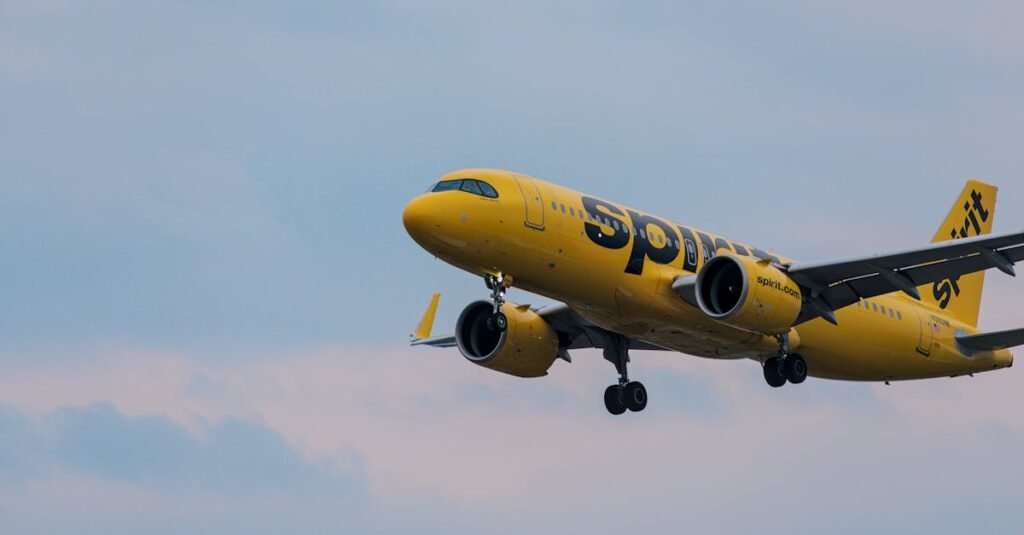
    A Spirit Airlines yellow jet in flight over Atlanta, showcasing aviation and travel.

    The proposed sale raises a critical question: what happens to competition when ultra-low-cost carriers lose access to major hubs?

    Historically, Spirit’s presence, however limited helped pressure fares downward. Even when passengers didn’t fly Spirit, competing airlines often adjusted pricing to remain competitive.

    With Spirit effectively surrendering preferential control at O’Hare:

    • Fare pressure may ease on certain routes
    • Route experimentation could decline
    • Legacy carriers may gain more pricing flexibility

    While the deal is unfolding in bankruptcy court, not before antitrust regulators directly, its competitive implications are difficult to ignore.

    The February 24, 2026 Bankruptcy Hearing

    All eyes now turn to the bankruptcy court.

    At the February 24, 2026 hearing, the judge will assess whether the sale:

    • Maximizes value for Spirit’s creditors
    • Was conducted fairly and transparently
    • Raises any legal or competitive concerns significant enough to block or delay approval

    Given Spirit’s financial condition, approval is widely expected. Still, objections from creditors or interested parties could influence timelines or terms.

    A Snapshot of a Changing Airline Industry

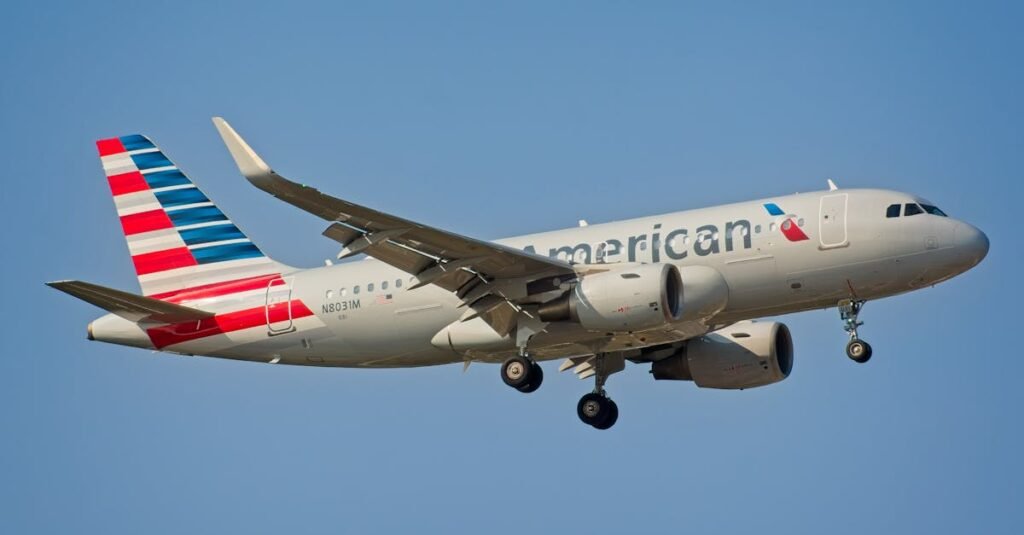
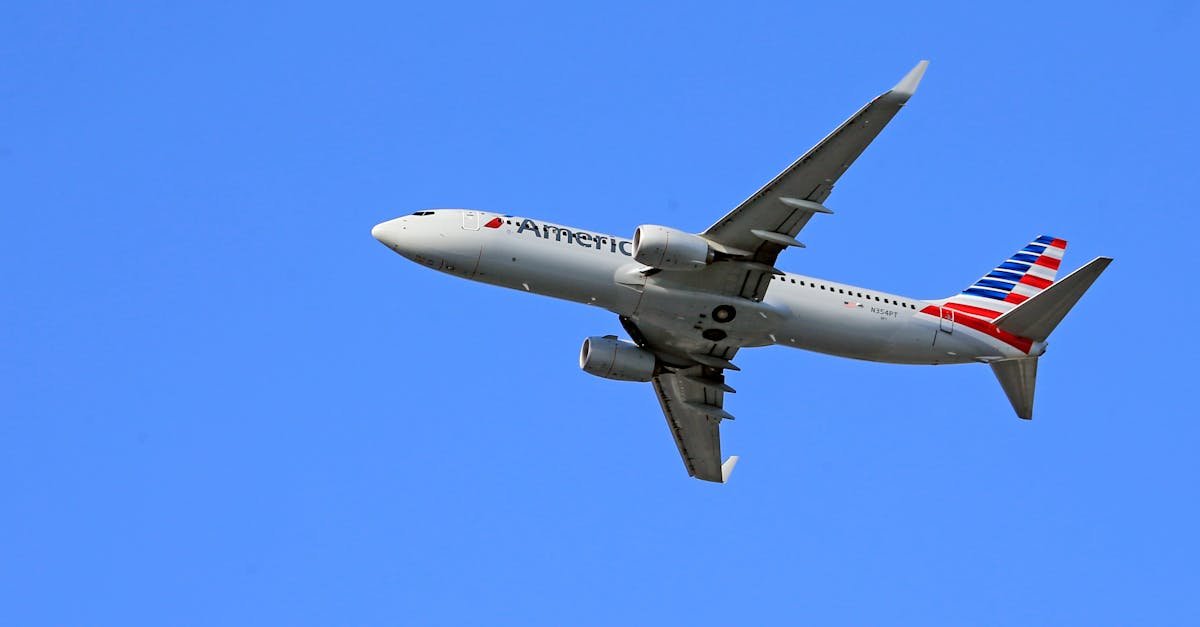
    American Airlines Airbus A319 airplane landing under clear sky in New York City.

    This deal is not an anomaly but a signal.

    Across the U.S. airline industry, power is consolidating around infrastructure. Aircraft can be leased. Routes can be shifted. But gates at constrained airports are finite, and once absorbed by dominant carriers, they rarely return to the open market.

    For Spirit, selling G12 and G14 marks another retreat from its once-ambitious hub strategy. For United, it reinforces Chicago as a fortress hub built not just on flights, but on access.

    Conclusion: Two Gates, Outsized Consequences

    United Airlines’ $30.2 million bid for Spirit’s final O’Hare gates may look like a routine bankruptcy transaction. In reality, it’s a microcosm of the modern airline industry where survival, dominance, and competition hinge on control of the ground as much as the sky.

    If approved, the sale will quietly but decisively reshape the competitive dynamics at Chicago O’Hare. And once again, it will prove that in aviation’s most crowded hubs, the real battle isn’t for passengers, it’s for gates.

  • Arizona Police Helicopter Crash Today: Timeline, Casualties, and Ongoing Investigation

    Arizona Police Helicopter Crash Today: Timeline, Casualties, and Ongoing Investigation

    An Arizona Police Helicopter Crashed in a residential area of Flagstaff on the night of February 4, 2026. The aircraft was responding to an active-shooter call when it went down and caught fire, and nearby residents reported loud noises and shaking from the impact. 

    Who was on board? Arizona Department of Public Safety crew

    The helicopter belonged to the Arizona Department of Public Safety. Two crew members were on board: the pilot and a trooper who also served as a paramedic. Both were killed in the crash, according to official statements. Authorities have not released the victims’ names pending next of kin notifications. 

    What led up to the Arizona Police Helicopter Crash?

    Arizona Police were already on the scene for an active-shooter incident before the helicopter arrived. Witnesses described hearing multiple gunshots in the neighborhood and called 911. The helicopter was providing aerial support to officers on the ground when it went down a short time later. A suspect in the shooting was wounded and taken into custody; no ground officers were reported injured. 

    Timeline: Key moments

    • Around 8:40 p.m.: Residents reported hearing gunfire in the neighborhood north of Historic Route 66. 
    • Later that night: Law enforcement responded and the DPS helicopter was dispatched to provide tactical air support. 
    • Shortly after arrival: The Arizona Police Helicopter crashed in a residential area and ignited a fire. Emergency crews arrived on scene; the suspect was already in custody and treated for wounds. 

    Casualties and injuries

    Two members of the DPS helicopter crew died at the scene. Authorities have confirmed those fatalities but have not released the crew members’ names. The shooting suspect survived and was taken to hospital; police reported no additional injuries to officers or residents in connection with the crash. 

    The investigation : Who’s involved?

    State and federal agencies are investigating the cause of the Arizona Police Helicopter Crash. The Federal Aviation Administration (FAA) and the National Transportation Safety Board (NTSB) typically work together on incidents involving public-safety aircraft: the FAA handles regulatory and operational oversight while the NTSB conducts technical accident investigation. Both agencies have been notified and are participating in evidence collection and airframe examination. 

    What investigators will look for?

    Investigators will examine several possible factors of the Arizona Police Helicopter Crash :

    • Aircraft condition: maintenance history, recent repairs, and any mechanical failures.
    • Operational factors: flight plan, crew communications, and the helicopter’s role during the active-shooter response.
    • Environmental conditions: weather, visibility, and obstacles in the flight path.
    • Tactical circumstances: whether gunfire, debris, or other operational hazards affected the aircraft.
      This kind of investigation usually takes time; preliminary findings may appear weeks after the crash, while a complete report can take many months. 

    Response from the community and officials

    Local police urged nearby residents to shelter in place briefly after the crash while first responders secured the scene. Neighbors described fear and confusion after hearing gunfire and then an explosion. Officials have offered condolences and said they will release more details as they become available. 

    Aviation safety context

    Public-safety helicopters perform high-risk missions, including rapid aerial support during violent incidents. These flights often involve low altitudes, complex maneuvers, and dynamic environments that increase risk. When accidents happen, investigators and the aviation community study them closely to identify lessons that improve safety for crews and the public. Recent helicopter accidents in the region have already prompted renewed attention to pilot briefings and preflight notices. 

    What to expect next

    Authorities will continue to gather evidence of the Arizona Police Helicopter Crash, interview witnesses, and analyze flight data if it is available. The NTSB and FAA will issue updates when they have verified findings. Meanwhile, local agencies will likely provide victim-assistance resources and community updates. For readers, the safest action is to follow official statements from the Arizona Department of Public Safety and Flagstaff police for confirmed information. 

    Official Press Release by the Department of Public Safety Arizona

     On the evening of Wednesday, February 4, 2026, an Arizona Department of Public Safety (AZDPS) Ranger Helicopter crew responded to assist the Flagstaff Police Department and other law enforcement agencies with an active shooter incident in the Flagstaff area, providing tactical air support. Tragically, during the incident, the helicopter crashed, killing both the pilot and the trooper/paramedic on board. Their identities will not be released at this time.

    Prior to the crash, law enforcement officers were involved in a shooting with the active shooting suspect. The suspect, who suffered non-fatal gunshot wounds, has been taken into custody. No other injuries were sustained during the incident. The AZDPS Major Incident Division will be taking the lead in the investigation of the shooting. AZDPS will also be working jointly with the Federal Aviation Administration and the National Transportation Safety Board on the helicopter crash investigation. Further details will be released later.

  • United Airlines Faces Scrutiny as FAA Inspector Alleges Lifetime Travel Ban Following Safety Report

    United Airlines Faces Scrutiny as FAA Inspector Alleges Lifetime Travel Ban Following Safety Report

    United Airlines is facing renewed attention after an off-duty Federal Aviation Administration (FAA) inspector claimed he was permanently banned from flying with the airline after raising safety concerns. The allegation has sparked discussion across the aviation industry, touching on sensitive issues such as airline accountability, passenger safety, and how safety concerns are handled when raised outside official channels.

    While United Airlines has disputed key elements of the claim, the situation has raised broader questions about how airlines respond when safety concerns are brought forward especially when the individual involved is a trained aviation safety professional.

    Who Is Involved in the Dispute?

    The case centers on an off-duty inspector employed by the Federal Aviation Administration, the U.S. agency responsible for overseeing aviation safety. According to public court filings, the inspector was traveling as a passenger on a United Airlines flight when he noticed what he believed were potential safety issues.

    The airline at the center of the dispute is United Airlines, one of the largest carriers in the United States, operating thousands of flights daily across domestic and international routes.

    The inspector later reported the concerns, stating that he did so in the interest of aviation safety. He claims that instead of being acknowledged, he ultimately received notice that he had been banned for life from flying with United.

    What Safety Concerns Were Raised?

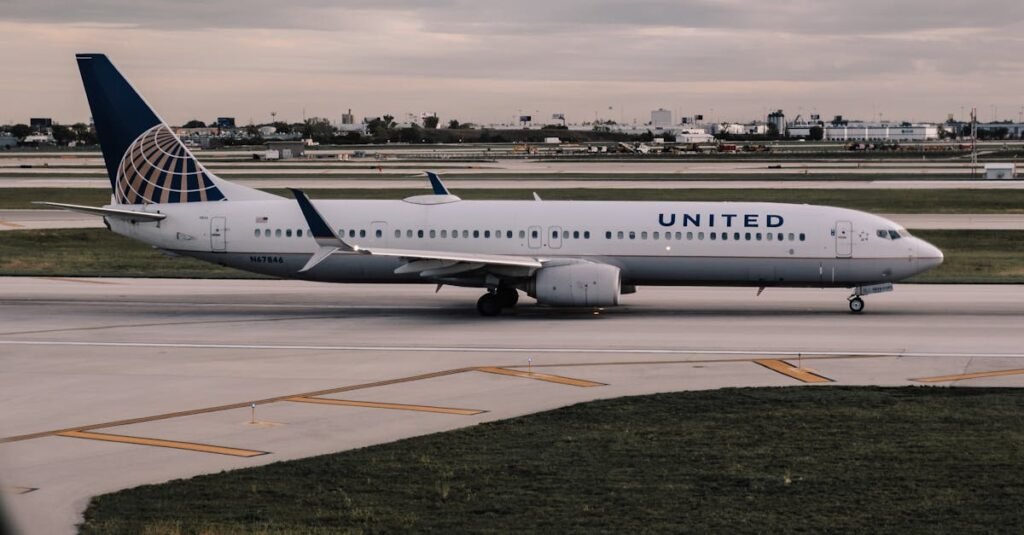
    United Airlines aircraft taxiing on runway at an overcast airport.

    According to the inspector’s account, the concerns were observed while he was off duty and traveling as a regular passenger. The issues reportedly related to flight operations and cockpit procedures, though specific technical details have not been publicly confirmed in full.

    Importantly, the inspector has stated that he did not present himself as an FAA official during the flight and did not interfere with crew duties. He later submitted his observations through appropriate channels, believing the matter would be reviewed as part of standard safety oversight.

    Aviation experts note that professionals with safety training often remain alert even when off duty. However, airlines typically rely on internal reporting systems and formal regulatory processes to assess any safety-related claims.

    The Alleged Lifetime Ban

    The most serious claim in the dispute is the alleged lifetime travel ban. The inspector says he was informed that he would no longer be allowed to fly with United Airlines under any circumstances.

    From the inspector’s perspective, the ban was retaliatory and directly connected to his decision to raise safety concerns. He has since filed a lawsuit seeking damages and alleging harm to his reputation and career.

    United Airlines, for its part, has denied that the ban was related to whistleblowing. The airline has stated that its actions were taken for other reasons and that safety remains its top priority.

    United Airlines Responds

    United Airlines has publicly emphasized its commitment to safety and compliance with federal regulations. The airline has also stated that it cooperates closely with the FAA and follows established procedures when safety issues are reported.

    In similar cases, airlines often argue that bans are issued due to passenger conduct, communication issues, or perceived disruptions rather than the content of safety reports themselves. United has not admitted wrongdoing and is expected to defend its position in court.

    As the case proceeds, more details may emerge through legal filings and testimony.

    Why This Case Matters to Aviation Safety

    Green emergency exit sign with directional arrow in a hallway.

    This situation has resonated across the aviation community because it sits at the intersection of safety reporting and corporate authority. Aviation safety relies heavily on people speaking up when they see something concerning—whether they are pilots, inspectors, cabin crew, or even passengers.

    If professionals fear negative consequences for raising concerns, critics argue it could discourage reporting. On the other hand, airlines stress the importance of clear communication channels and maintaining order during flight operations.

    The case highlights the delicate balance between encouraging safety awareness and managing passenger interactions in a highly regulated environment.

    Legal and Industry Implications

    Legal experts say the outcome of the case could influence how airlines handle future safety-related complaints from off-duty professionals. While airlines retain the right to refuse service, that authority may be questioned if bans appear linked to safety reporting.

    For the aviation industry, the dispute serves as a reminder that transparency and trust are essential. Even the perception of retaliation can attract scrutiny from regulators, lawmakers, and the public.

    What Happens Next?

    The lawsuit is still in its early stages, and no final judgment has been made. Courts will need to determine whether the ban was justified and whether the inspector’s claims of retaliation hold up under legal review.

    Until then, both sides maintain their positions. United Airlines continues to operate normally, while the case unfolds in the background as another example of how complex aviation safety issues can become when they intersect with legal and corporate boundaries.

    A Broader Conversation About Speaking Up

    At its core, this story is not just about one airline or one inspector. It reflects a broader conversation in aviation: how to ensure that safety concerns are raised, heard, and addressed without fear.

    As the industry continues to prioritize safety above all else, cases like this remind everyone involved—airlines, regulators, and travelers alike—that how concerns are handled can be just as important as the concerns themselves.

  • American Airlines in 2026: What Flyers Really Need to Know Before Booking

    American Airlines in 2026: What Flyers Really Need to Know Before Booking

    Flying in 2026 is not the same as it was a few years ago. Prices change fast, rules shift often, and airlines keep updating their services. If you’re planning a trip and thinking about booking with American Airlines, this guide will help you understand what to expect before you click “buy.”

    This article breaks everything down in plain English, no airline jargon, no confusing fine print, just the stuff travelers actually care about.

    A Quick Look at American Airlines in 2026

    American Airlines is still one of the largest airlines in the world. It flies to hundreds of destinations across the United States and many international locations. In 2026, the airline focuses heavily on efficiency, digital tools, and premium upgrades, while keeping basic fares as low as possible.

    This means travelers have more choices but also more decisions to make when booking.

    Ticket Prices: What You’re Really Paying For

    At first glance, American Airlines tickets can look affordable. But the base price often does not include everything.

    Basic Economy Explained

    Basic Economy is the cheapest option, but it comes with limits:

    • No free seat selection
    • Last boarding group
    • No changes allowed
    • Carry-on rules may vary by route

    This option works best for short trips if you travel light and don’t mind where you sit.

    Main Cabin and Beyond

    If you want more flexibility, the Main Cabin fare is usually worth the extra cost. It allows seat selection, flight changes (often with no change fee), and earlier boarding.

    Premium Economy, Business, and First Class offer more space, better food, and extra comfort, especially useful for long flights.

    Baggage Rules You Should Know

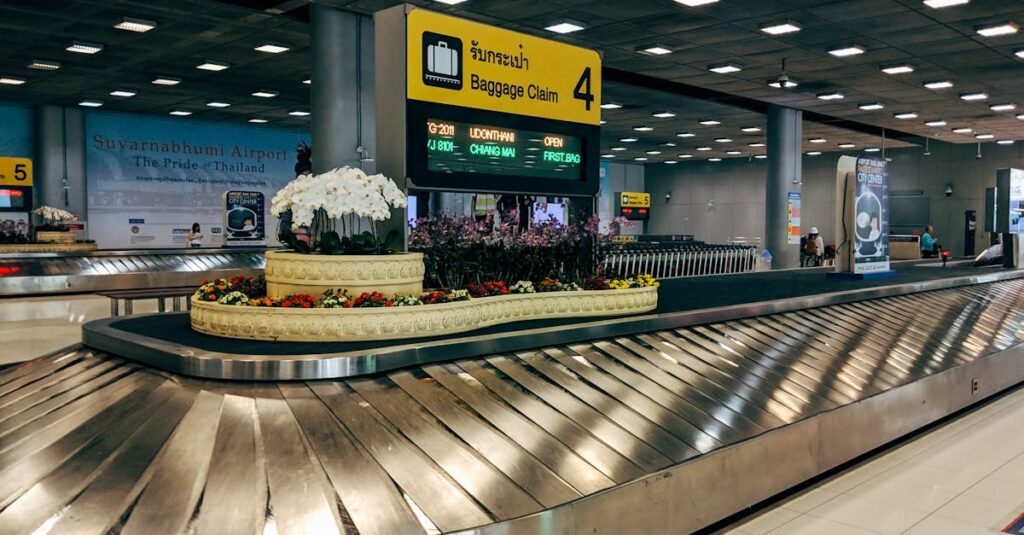
    Modern baggage claim area at Suvarnabhumi Airport in Bangkok with luggage carousel and signage.

    Baggage policies are one of the biggest reasons travelers get frustrated. In 2026, American Airlines still charges for most checked bags on domestic flights.

    • Carry-on: Usually free (except some Basic Economy tickets)
    • Checked bag: Typically costs extra
    • Overweight bags: Can be expensive

    Tip: Always check your ticket type before arriving at the airport. Many surprise fees happen at the check-in counter.

    Seating and Comfort: Has It Improved?

    Comfort depends a lot on which plane and seat you choose.

    Economy Class

    Seats are slim and legroom is average. For short flights, it’s fine. For long trips, it can feel tight unless you upgrade or pick an exit-row seat.

    Premium Cabins

    Premium Economy offers more legroom and better recline. Business and First Class feel much more relaxed, with lie-flat seats on many long international routes.

    American Airlines has continued updating its planes, so newer aircraft feel cleaner and more modern.

    In-Flight Entertainment and Wi-Fi

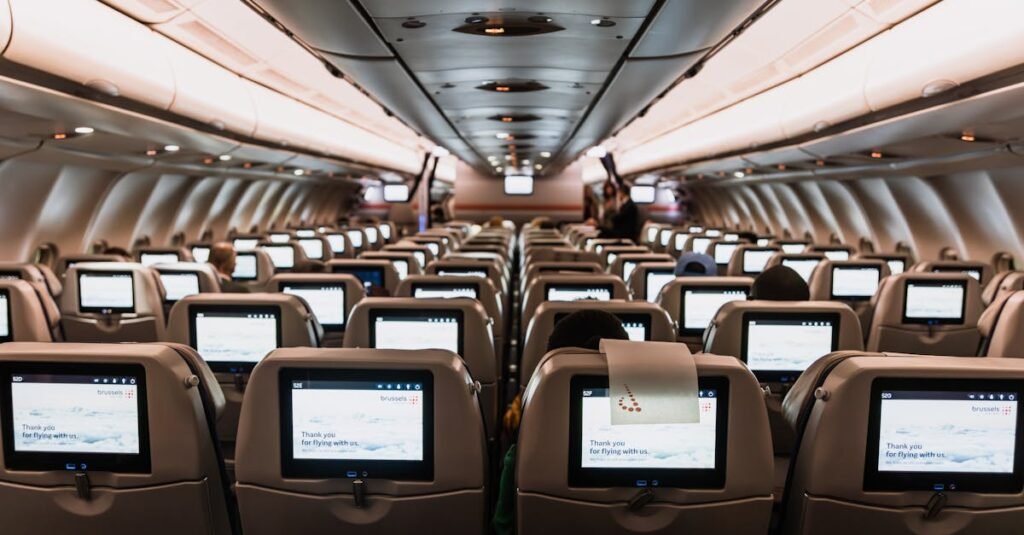
    Comfortable airplane cabin interior featuring in-flight entertainment screens on all seats.

    Good news: entertainment has improved.

    Most planes now offer:

    • Seat-back screens or personal device streaming
    • Movies, TV shows, and music
    • Wi-Fi on most flights (usually paid)

    The Wi-Fi works well for browsing and messages, but streaming or video calls can still be hit or miss.

    On-Time Performance and Reliability

    In 2026, American Airlines performs reasonably well when it comes to on-time arrivals. Weather, airport congestion, and staffing still affect delays, especially at busy hubs.

    Major hubs include:

    • Dallas/Fort Worth
    • Charlotte
    • Miami
    • Chicago O’Hare

    Flights early in the morning tend to be more reliable than late-night departures.

    The AAdvantage Loyalty Program

    If you fly often, the AAdvantage program can be useful—but it works best for frequent travelers.

    What Works Well

    • Miles never expire with activity
    • Good partner airlines
    • Useful credit card rewards

    What’s Less Great

    • Award flights can cost more miles than before
    • Elite status is harder to earn casually

    For occasional travelers, the program still has value, but it’s no longer as generous as it once was.

    Customer Service: What Travelers Say

    Customer service reviews are mixed. Some passengers report smooth experiences, while others complain about long waits during disruptions.

    American Airlines relies heavily on:

    • Mobile apps
    • Self-service kiosks
    • Online chat support

    The app is helpful, especially for rebooking during delays, but speaking to a human can still take time when things go wrong.

    Pros and Cons of Flying American Airlines

    Pros

    • Large route network
    • Frequent flight options
    • Modern aircraft on many routes
    • Strong loyalty partnerships

    Cons

    • Extra fees add up fast
    • Economy seats can feel cramped
    • Customer service during delays can be slow

    Is American Airlines Worth Booking in 2026?

    American Airlines is a solid choice if:

    • You want many flight time options
    • You live near a major hub
    • You understand the fare rules before booking

    It may not be the best airline for everyone, especially travelers who want everything included in one price. But if you book smart, choose the right ticket, and know what to expect, it can be a reliable option.

    Conclusion

    Flying in 2026 requires more attention than ever. American Airlines offers flexibility, wide coverage, and modern planes but only if you choose carefully. Always read the fare details, compare ticket types, and think about your travel style before booking. Choosing an airline in 2026 is not just about finding the cheapest ticket anymore. It is about understanding what you are getting for the price you pay. American Airlines can be a good option if you take a little time to plan before booking.

    For many travelers, the biggest mistake is choosing the lowest fare without checking the rules. Basic Economy may look cheap, but it can feel stressful if you want to choose your seat, bring extra bags, or change your plans. Spending a little more on a Main Cabin ticket often makes the journey easier and more comfortable.

    American Airlines works best for travelers who like having many flight choices and flexible schedules. It is also useful if you live near one of its major hubs, where flights run more often. The planes are mostly modern, and the onboard experience is decent, especially on longer routes.

    That said, no airline is perfect. Delays can happen, and customer service may take time during busy travel days. Going in with realistic expectations makes a big difference.

    In the end, American Airlines is neither amazing nor terrible. It is a practical choice. If you understand the fees, choose the right ticket, and plan ahead, your flight experience in 2026 can be smooth and stress-free.

  • Why did the Police Investigate a Jet2 Aircraft at Glasgow Airport

    Why did the Police Investigate a Jet2 Aircraft at Glasgow Airport

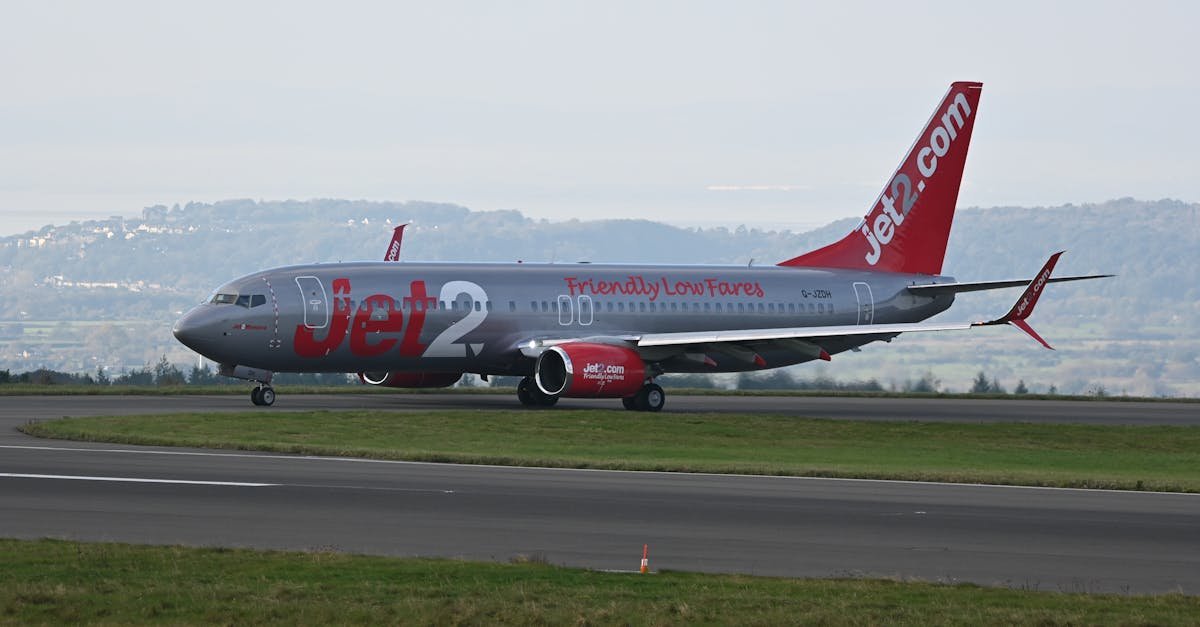
    Police carried out investigations on two aircraft at Glasgow Airport after reports of suspicious activity raised concerns. One of the aircraft involved belonged to Jet2. The police action caught attention after officers and forensic teams were seen around the planes on the airport runway.

    Authorities later confirmed that the investigation was part of an ongoing enquiry. While the presence of police caused some concern among passengers, officials were quick to reassure the public that there was no danger and that airport operations continued as normal.

    What Happened at Glasgow Airport?

    The investigation took place at Glasgow Airport when police were alerted to a matter that required further checks. Two aircraft were secured so officers could carry out detailed inspections. One of the planes was operated by Jet2, a popular airline used by many UK holidaymakers.

    Police vehicles and forensic teams were seen near the aircraft, which led to questions from travelers and airport staff. However, the situation was handled calmly, and the area remained under control during the investigation.

    Why Were the Jet2 Aircraft Searched?

    Police have not shared full details about why the aircraft were searched. They stated only that the action was linked to an ongoing investigation. In situations like this, officers may search planes to gather evidence, follow up on intelligence, or check reports made earlier.

    It is common for police to limit what they share while an investigation is active. This helps ensure that enquiries are not affected and that all legal steps are followed correctly.

    Was There Any Risk to Passengers?

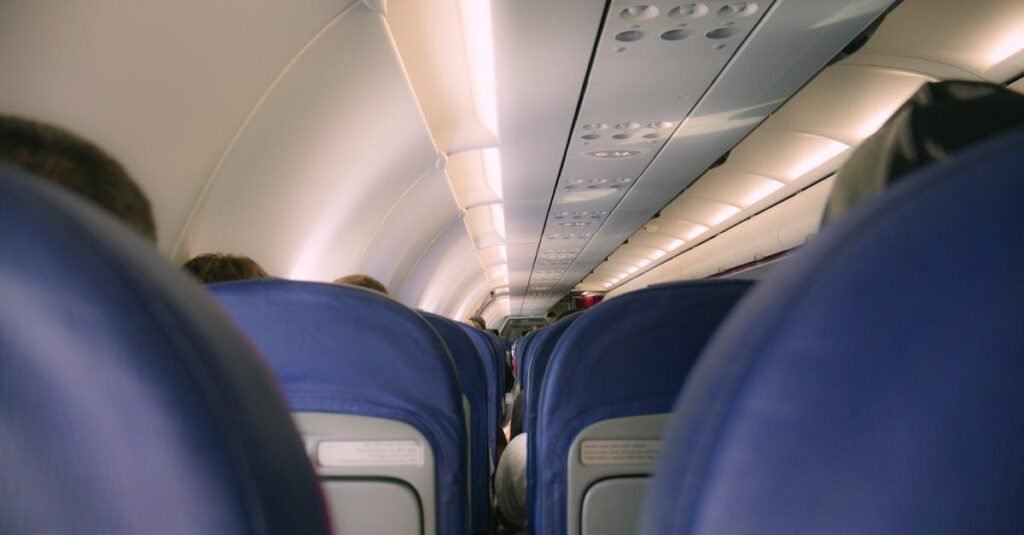
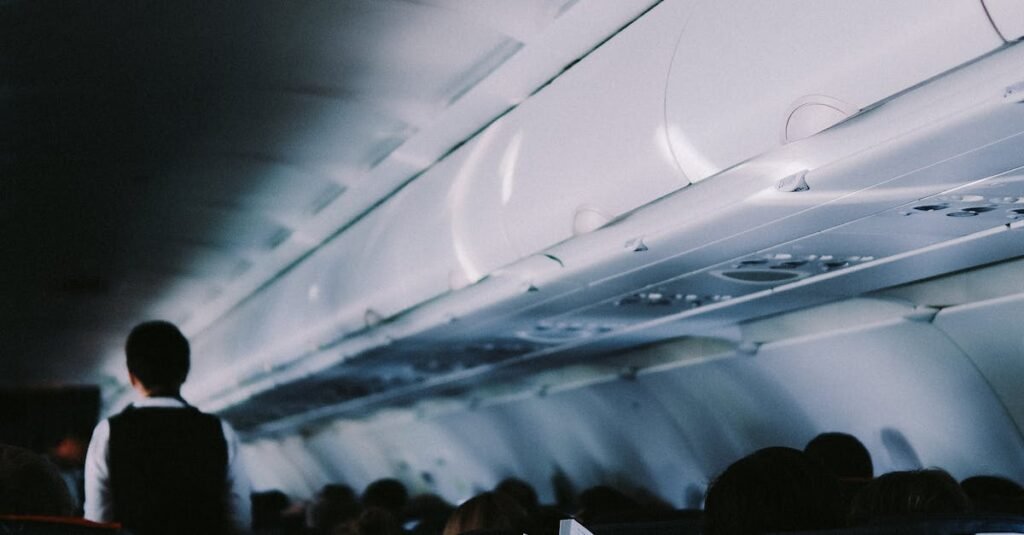
    Interior view of airplane cabin with passengers seated and flight attendant in aisle.

    Officials confirmed there was no threat to passengers, staff, or the wider public. Airport authorities worked closely with police to make sure safety procedures were followed at all times.

    Passengers at the airport were advised that flights were operating normally. There were no reports of evacuations or major delays caused by the investigation, which helped reduce disruption for travelers.

    How Did Jet2 Respond?

    Jet2 confirmed that it was cooperating fully with the police. The airline said customer safety was its top priority and that it was assisting officers with their enquiries.

    The company also reassured passengers that its services were continuing as planned. By working closely with authorities, Jet2 helped ensure that the situation was dealt with quickly and professionally.

    Did Flights Get Delayed?

    There were no major delays linked directly to the police activity. Glasgow Airport continued to operate as normal while officers carried out their work.

    Airport staff kept passengers informed and ensured that security and safety procedures remained in place. Once the initial investigation on the aircraft was completed, police activity at the site was reduced.

    Why Do Police Carry Out Aircraft Investigations?

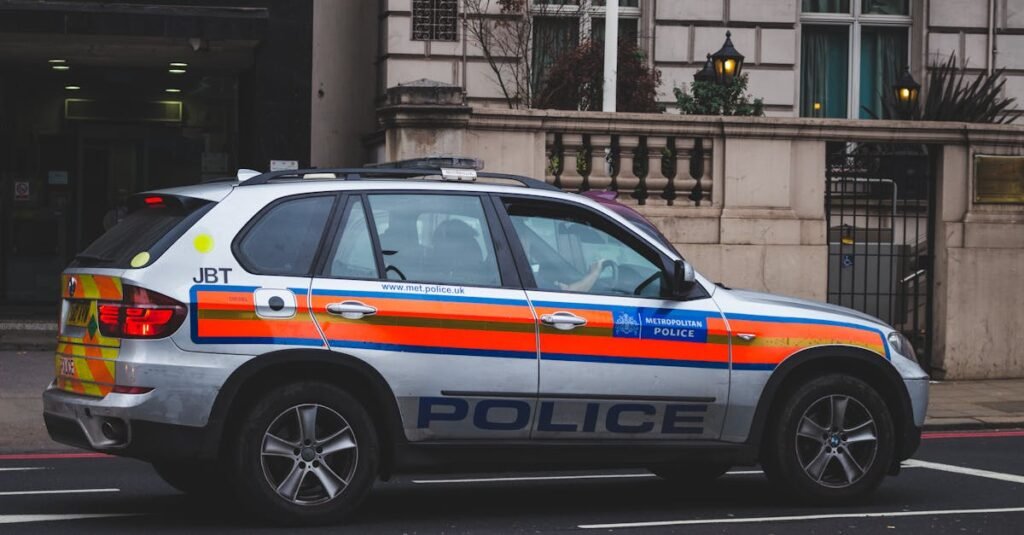
    Police vehicle parked on an urban street outside a London building

    Police investigations involving aircraft are not common, but they do happen when necessary. These checks can be related to security concerns, reports of illegal items, or other matters that need careful examination.

    Forensic teams may inspect different parts of a plane to collect evidence. This process can take time, but it is done carefully to ensure accuracy and safety.

    What Happens Next?

    Police have described the matter as ongoing, meaning further enquiries could still take place. This might include interviews, additional checks, or reviewing collected evidence.

    More information is likely to be shared only if it becomes relevant to the public. Until then, authorities have stressed that there is no cause for concern.

    Complete Gist of The Incident

    The police investigation involving two Jet2 aircraft at Glasgow Airport was handled calmly and professionally. While the sight of police and forensic teams raised questions, officials were clear that there was no risk to the public.

    Both the airport and Jet2 worked closely with police to ensure safety and limit disruption. As the investigation continues, passengers are encouraged to rely on official updates and trusted news sources for accurate information.

  • Why Air India Grounded Its Boeing 787 Dreamliner: Full Story Explained

    Why Air India Grounded Its Boeing 787 Dreamliner: Full Story Explained

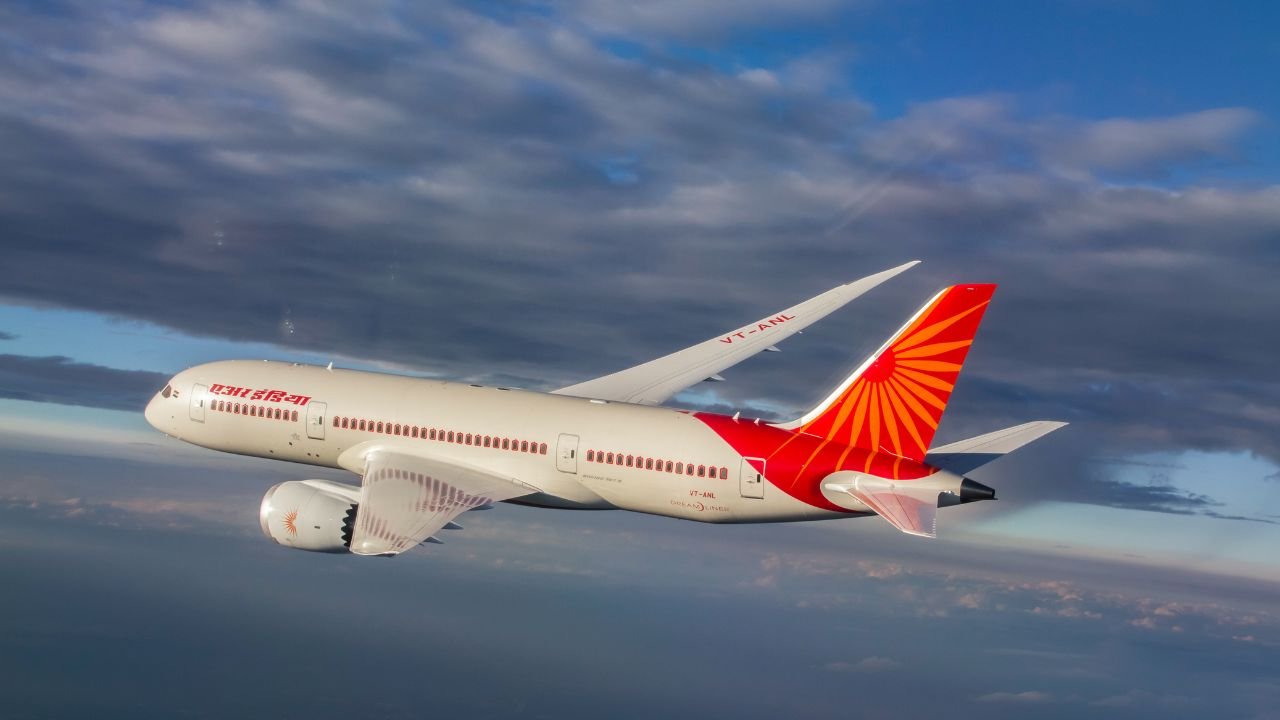
    An Air India Boeing 787 Dreamliner was taken out of service after a pilot noticed a possible problem with a fuel control switch. The flight had come from London and landed in Bengaluru. After landing, the pilot told the airline that a fuel control switch might not be working properly. The airline removed the aircraft from service so technicians could check it carefully. 

    Some news reports say the switch moved from the normal “RUN” position to “CUTOFF” while the crew was starting the engines. Other reports describe the pilot spotting a loose or faulty locking mechanism after landing. Both accounts point to the same thing: the fuel control switch did not behave as expected, so the airline acted cautiously and grounded the jet. 

    Why the switch matters

    A fuel control switch is a small but very important part of the engine controls. When it is in “RUN,” fuel flows to the engine and the engine can keep working. If the switch goes to “CUTOFF,” the fuel flow stops and the engine will shut down. That is why pilots and engineers pay close attention to these switches. Because the risk involves engine power, any unusual movement or failure is taken very seriously. 

    The grounding also comes at a sensitive time. Last year, investigators found that movement of a fuel control switch was linked to a fatal crash of an Air India Dreamliner. That earlier accident raised public concern and put extra focus on any new reports involving fuel switches. Airlines and regulators now treat even small hints of trouble with extra caution. 

    What steps are being taken by Air India

    Air India said it reported the issue to the aviation regulator and to Boeing, the plane’s maker. The regulator in India, the body that oversees airline safety will likely follow standard procedures: inspect the grounded plane, review the maintenance and flight records, and decide whether other aircraft need checks. Boeing and maintenance teams will examine the switch and the system around it to find the exact cause. 

    The airline’s move to ground the jet is a normal safety step. Grounding a single aircraft so teams can inspect and fix a possible fault prevents risk to passengers and crew while the problem is being understood. It is also meant to reassure the public that safety comes first.

    What this means for passengers and flights

    Interior view of an airplane cabin with passengers seated, showcasing air travel experience.

    If you were booked on that aircraft, Air India will put you on another plane or offer an alternative route. If more planes need inspections, some flights might be delayed or re-scheduled; airlines usually try to limit disruption. Remember, such checks are done to keep flying safe ever though delays and changes are inconvenient but are part of the safety system working as it should. 

    Clear and simple takeaway

    A fuel control switch problem led Air India to ground a Dreamliner after a pilot reported the issue. The airline, the regulator, and the plane maker are involved and will investigate. This is a routine but important safety response to stop and check than to risk a harder problem in flight.

    If you want the latest updates, check official Air India statements or reliable news sites, because investigators will release findings when they are sure of the facts.

  • FAA 25-Hour Cockpit Voice Recorder Rule Finalized: What It Means for Aviation Safety

    FAA 25-Hour Cockpit Voice Recorder Rule Finalized: What It Means for Aviation Safety

    The U.S. Federal Aviation Administration (FAA) has announced a major safety rule change for commercial aircraft. The agency has finalized a rule that changes how long cockpit voice recorders (CVRs) must hold audio recordings. Under the new rule, CVRs will capture 25 hours of cockpit audio, replacing the older standard of just two hours. This change is meant to help investigators better understand incidents and accidents when something goes wrong during a flight. 

    Why This Change Matters

    Cockpit voice recorders are sometimes called “black boxes,” but they are really orange to help investigators find them after a crash. These devices record important sounds and conversations in the cockpit, such as:

    • Pilot voices
    • Air traffic control communications
    • Engine and alarm noises
    • Other cockpit sounds that help explain events leading to an accident or incident 

    For many years, CVRs were required to save only the last two hours of sound. If an incident happened but was not discovered soon enough, older audio could be overwritten and lost. This has made some investigations harder, especially when incidents happen early in a flight and the recorder overwrites the audio before the plane lands. 

    By expanding the recording time to 25 hours, investigators will have more data and wider insight into events happening over longer flights or earlier parts of a trip. That can make it easier to find causes and help prevent future accidents.

    What Triggered the FAA 25-Hour Cockpit Voice Recorder Rule

    The push for longer recording time has been driven by the National Transportation Safety Board (NTSB) for many years. The NTSB is the U.S. agency that investigates aviation accidents and makes safety recommendations. Investigators have noted many cases where the two-hour limit was too short, and critical audio was lost before they could secure it. 

    International bodies like the International Civil Aviation Organization (ICAO) and Europe’s aviation safety agency have already moved to 25 hours for new planes. The FAA’s new rule brings the United States closer to these international standards, aligning U.S. aviation rules with global best practices. 

    There have been specific incidents where limited CVR time made investigations difficult. In some high-profile runway near-miss cases, crucial voice recordings were overwritten because the event occurred more than two hours before the flight ended. Extending the recording time reduces this risk.

    Who Must Follow the Rule

    New Aircraft

    Under the rule, any newly manufactured passenger aircraft delivered after a specific date generally in 2027 and beyond must be equipped with a cockpit voice recorder that can hold at least 25 hours of audio. 

    Existing Fleets

    Congress also passed a separate law that requires all existing passenger airplanes to be retrofitted with these longer-recording devices by 2030. This means even older aircraft currently flying will need to update their recorders before that deadline. 

    Smaller aircraft that don’t carry many passengers may have extra time to meet the new rules, depending on their type and size. 

    Reactions to the Change

    The FAA believes this change will strengthen aviation safety. Longer recordings give investigators more context and improve the chances of finding answers after an event. Officials say it brings the U.S. closer to global standards and improves the ability to learn from unusual or serious incidents. 

    However, not everyone is happy with the new rule. Some pilot groups have raised privacy concerns. They worry that a 25-hour recording could capture multiple flights’ worth of cockpit conversations that have nothing to do with safety issues. Some say this could be misused or make pilots feel uncomfortable knowing that private cockpit talk is being recorded for longer. 

    What This Means for Air Travel

    Busy airport terminal area with people, featuring departures and arrivals signs.

    For most passengers, this change won’t be noticeable in everyday flying. Cockpit voice recorders operate in the background and don’t affect how a plane flies. But if something does go wrong, investigators will likely have a much richer record to understand what happened.

    Overall, the new 25-hour CVR rule marks a big step in aviation safety in the United States. It reflects years of study, international cooperation, and lessons learned from past incidents that were difficult to fully investigate. 

  • How Harsh Winter Weather Disrupts American Airlines, WestJet, and U.S. Flights

    How Harsh Winter Weather Disrupts American Airlines, WestJet, and U.S. Flights

    Winter weather has always been one of aviation’s toughest tests. While summer thunderstorms can cause short-lived disruptions, winter storms have a habit of lingering, spreading, and compounding problems across the entire U.S. air travel system. For airlines like American Airlines, WestJet, and other carriers flying U.S. routes, harsh winter conditions can turn a routine travel day into a logistical headache for crews, airports, and passengers alike.

    Lets take a closer look at how winter weather affects airlines, why disruptions spread so quickly, and what it all means for travelers.

    Why Winter Weather Is So Disruptive for Airlines

    Winter storms bring more than just snow. Ice, freezing rain, high winds, and extreme cold all create unique risks for aircraft and ground operations. Unlike rain or mild fog, snow and ice directly interfere with an aircraft’s ability to take off, land, and maneuver safely on the ground.

    Airlines must operate within strict safety margins. Even a thin layer of ice on a wing can change how air flows over it, reducing lift. Because of that, flights cannot simply “push through” winter conditions the way cars sometimes do on highways. When conditions cross certain thresholds, airlines have no choice but to delay or cancel flights.

    Flight Delays and Cancellations

    One of the most frustrating aspects of winter travel is how a storm in one city can disrupt flights hundreds or even thousands of miles away. This happens because airline schedules are tightly interconnected.

    A single aircraft might operate several flights in one day across multiple cities. If a morning departure is canceled due to snow, that plane may never reach the next airport on its schedule. The result is a chain reaction of delays and cancellations that spreads throughout the airline’s network.Large carriers with major hub airports are particularly vulnerable. When a hub slows down, dozens of incoming and outgoing flights are affected at once. This is why winter storms often lead to nationwide disruption, even if only a few regions are experiencing severe weather.

    The Critical Role of De-Icing and Ground Operations

    De-icing is one of the most visible signs of winter operations, and it plays a major role in delays. Before takeoff, aircraft must be sprayed with heated fluids to remove snow and ice from critical surfaces like wings and tail sections.This process takes time, especially during heavy snowfall when ice can reform quickly. Aircraft often wait in long lines for de-icing, and once treated, they must take off within a specific window before ice begins to accumulate again. If that window is missed, the aircraft may need to return for another round of de-icing.

    At the same time, airports are battling the storm too. Snowplows must constantly clear runways and taxiways, and sometimes only one runway can remain operational. This dramatically reduces how many aircraft can land or depart, creating congestion even when flights are technically able to operate.

    Crew Scheduling Challenges in Winter Storms

    Airline crews operate under strict rules designed to prevent fatigue. Pilots and flight attendants can only work a certain number of hours before they are required to rest. Winter delays can easily push crews past those limits.

    When that happens, flights may be canceled even if the aircraft is ready and weather conditions have improved. Finding replacement crews on short notice is difficult, particularly during widespread storms when many employees are also dealing with travel disruptions. Crew availability is one of the main reasons airlines struggle to recover quickly after major winter events. It can take days to reposition both aircraft and crews back into the right places.

    Cross-Border Complications for U.S. and Canadian Flights

    Airlines operating between the U.S. and Canada face an extra layer of complexity. A flight might depart from a clear airport but be heading toward a destination dealing with heavy snow or ice. Even if conditions are acceptable at departure, the flight may still be canceled to avoid stranding aircraft and passengers.

    Carriers like WestJet, which operate many cross-border routes, must coordinate closely with both U.S. and Canadian airports. Weather systems that stretch across regions can disrupt both sides of the border simultaneously, reducing recovery options and increasing passenger backlogs.

    What Passengers Experience During Winter Disruptions

    Spacious airport terminal with moving walkway and travelers, showcasing modern architecture.

    For travelers, winter weather disruptions are often stressful and unpredictable. Delays can stretch from minutes into hours, and cancellations may leave passengers scrambling to find new flights.

    Airlines usually issue travel advisories ahead of major storms, allowing passengers to rebook without change fees. While this flexibility helps, it also means many travelers are trying to adjust plans at the same time. Customer service lines grow long, flights fill up quickly, and hotel availability near airports can disappear fast.

    Another challenge is baggage. When flights are canceled after bags are checked, luggage may end up separated from passengers, adding to frustration and uncertainty.

    Why Airlines Can’t Always “Recover” Quickly?

    After a winter storm passes, many travelers expect operations to return to normal almost immediately. In reality, recovery can take days. Aircraft may be parked in the wrong cities, crews may be out of position, and maintenance schedules may have been disrupted by extreme cold.

    Additionally, American airlines, WestJet and other carriers often prioritize safety and stability over speed. Rather than rushing to operate a full schedule, they may cancel additional flights proactively to reset operations and prevent further chaos.

    This cautious approach can feel inconvenient to passengers, but it is often necessary to restore reliability across the network.

    How American Airlines And Other Carriers Prepare for Harsh Winter Conditions

    Despite the challenges, American Airlines and other carriers invest heavily in winter preparedness. This includes specialized training for crews, winterized equipment, weather forecasting teams, and close coordination with airports.

    Aircraft are designed to operate in cold conditions, but procedures must be followed precisely. From anti-icing systems to cold-weather maintenance checks, every step is aimed at ensuring safety remains the top priority.

    Airlines also monitor weather systems days in advance, adjusting schedules and staffing levels before storms arrive. While these measures cannot prevent all disruptions, they help reduce the severity and duration of winter-related problems.

    The Bottom Line for Winter Air Travel

    Harsh winter conditions are an unavoidable part of flying in and across the United States. Snow, ice, and extreme cold affect every aspect of airline operations, from runways and aircraft to crews and passengers. For airlines like American Airlines, WestJet, and other carriers serving U.S. routes, winter storms can quickly escalate into system-wide disruptions.

    For travelers, understanding why these delays happen can make the experience slightly less frustrating. While winter weather may disrupt plans, the precautions taken by airlines are ultimately about ensuring that every flight operates as safely as possible — even when the forecast refuses to cooperate.

  • U.S.–Venezuela Travel Relaunch: American Airlines Plans Daily Nonstop Flights Pending Government Approval

    U.S.–Venezuela Travel Relaunch: American Airlines Plans Daily Nonstop Flights Pending Government Approval

    American Airlines has announced its intention to resume daily nonstop flights between the United States and Venezuela, a significant move that could restore direct air travel between the two countries for the first time since 2019. The plans are still subject to U.S. government approval and security assessments, but the announcement itself marks a major shift in commercial aviation and international travel ties between Washington and Caracas. 

    A Long-Awaited Return After Years of Silence

    The airline’s planned relaunch comes after more than six years without regular U.S.–Venezuela commercial service. Prior to 2019, American Airlines was the largest U.S. carrier operating in Venezuela, linking cities like Miami and Caracas with daily flights and serving as a crucial bridge for business, leisure, and family travel. 

    Service was suspended amid deteriorating security and diplomatic tensions, and shortly afterward the U.S. government formally barred U.S. passenger and cargo flights to Venezuelan destinations. Since then, travelers had to rely on indirect connections through third-country hubs, creating longer journeys and higher costs. 

    What Prompted the Change Now?

    The renewed plan by American Airlines comes in the wake of significant policy shifts by U.S. authorities. In late January 2026, the U.S. moved to reopen Venezuela’s airspace to commercial flights, reversing earlier restrictions that had been put in place amid safety and geopolitical concerns. 

    According to reports, the announcement to lift flight bans was coupled with broader strategic developments and an evolving diplomatic situation involving leaders from both countries. While this decision paves the way for airlines to consider resuming service, carriers like American still need to obtain explicit government and security clearances before flights can begin. 

    What American Airlines Has Said?

    American Airlines emphasized it is prepared to be the first U.S. airline to reconnect nonstop service with Venezuela once all regulatory milestones are met. The airline’s leadership highlighted its decades-long history in the region and noted that restored flights would open doors for families to reunite, for commerce to flourish, and for tourism and humanitarian travel to resume. 

    In a statement, American’s Chief Commercial Officer pointed to the “incredible relationship” the airline has had with the Venezuelan market since 1987 and its readiness to renew it. Specific details about routes, frequencies, aircraft types, and launch dates have not yet been shared. 

    “We have a more than 30-year history connecting Venezolanos to the U.S., and we are ready to renew that incredible relationship. By restarting service to Venezuela, American will offer customers the opportunity to reunite with families and create new business and commerce with the United States,” said Nat Pieper, the Chief Commercial Officer of American Airlines in an official Press Release

    What Travelers Can Expect?

    Spacious airport terminal with moving walkway and travelers, showcasing modern architecture.

    If approval is granted, travelers may soon see direct flights between key U.S. gateways and Venezuela’s major airports most likely starting with popular city pairs that historically drew high demand. Direct nonstop service would vastly simplify travel that has, for years, required multiple connections and planning through other countries. 

    For business and leisure passengers alike, restored flights could mean shorter travel times, improved connectivity, and more competitive pricing. They could also stimulate economic exchange as trade and corporate travel expand following years of limited direct access. 

    What are the Challenges That Still Lie Ahead?

    Even with the announcement, significant hurdles remain. Federal agencies such as the Federal Aviation Administration (FAA) and the Transportation Security Administration (TSA) must complete thorough safety and security assessments before flights can be authorized. These evaluations cover airspace safety, airport security infrastructure, and compliance with international aviation standards. 

    In addition, the U.S. State Department continues to issue travel advisories and may encourage cautious planning for those considering travel to Venezuela, reflecting ongoing safety concerns in the region. 

    Broader Impacts on U.S.–Venezuela Relations

    The planned relaunch of air service is more than a commercial aviation story, it reflects evolving relationships between the United States and Venezuela. Reestablishing nonstop flights could signal a gradual normalization of ties and a reopening of channels that were dormant for years. 

    For the Venezuelan diaspora in the U.S., particularly in cities with large Venezuelan communities, the return of direct service holds emotional and cultural significance. Families split across borders could once again travel more easily to visit loved ones, attend important events, and participate in cultural exchange.

  • WATCH: Airbus Beluga ST Takes Its Final Flight, Marking the End of an Era

    WATCH: Airbus Beluga ST Takes Its Final Flight, Marking the End of an Era

    On January 29, 2026, aviation enthusiasts and Airbus teams alike witnessed an emotional moment in aerospace history. The beloved Airbus Beluga ST, one of the most recognizable and unusual aircraft ever to grace the skies completed its final flight before retirement. After decades of service, the distinctive “whale of the skies” touched down at Hawarden (Broughton) Airfield in North Wales, marking the end of a remarkable chapter in European aviation. 

    This final sortie wasn’t just another landing; it was a salute to an aircraft that had quietly shaped how modern aircraft are produced. Crowds gathered to watch the Beluga ST’s farewell flypast, capturing footage that spread quickly across social platforms.

    Why the Airbus Beluga ST Was Built: A Logistics Revolution

    Airbus did not have an easy challenge in the early 1990s. Its factories were spread across multiple European countries — with wings built in the UK, fuselage sections in Germany, nose sections in France, and final assembly in Toulouse, France, or Hamburg, Germany. Transporting large, delicate aircraft components between these sites by road or rail was time-consuming and inefficient. 

    Before the Beluga, Airbus relied on converted 1940s-era cargo planes called Super Guppies to ferry oversized parts. These quirky aircraft had done heroic service but were costly to operate and limited in capacity. Airbus recognised that a modern, larger aircraft was essential to support growing production demands. The solution was the bespoke A300-600ST Super Transporter, later nicknamed the Beluga for its striking resemblance to the white whale. 

    From Maiden Flight to Production Essential

    Construction of the first Beluga ST began in September 1992, and the aircraft made its maiden flight on September 13, 1994. Following around 400 hours of rigorous testing, it was certified and ready for service by late 1995. Airbus built a total of five Beluga ST aircraft, each one taking roughly three years to complete from start to finish. 

    The Airbus Beluga ST became indispensable to Airbus’s logistics network. Its cavernous cargo bay could carry oversized parts, such as fuselage sections and wings, that would simply not fit into standard freighter aircraft. It flew regularly between Airbus production hubs across Europe, with some estimates suggesting up to 60 flights a week during peak periods. 

    Iconic Missions Beyond Airbus

    Although designed primarily for internal logistics, the Beluga ST’s capabilities were quickly recognised for special missions. Over the years, it transported large artwork, industrial machinery, complete helicopters, and even satellite parts. These unique flights showcased the aircraft’s unmatched ability to handle outsized and irregular cargo. 

    The Arrival of the BelugaXL and the Transition

    By the early 2010s, Airbus’s production needs had expanded beyond what the original Beluga ST fleet could efficiently serve. Antonio challenges, such as transporting the larger components of newer aircraft like the A350, demanded greater capacity. In response, Airbus launched the BelugaXL programme in 2014. 

    Based on the larger A330-200 airframe, the BelugaXL offers approximately 30% more cargo capacity than its predecessor. It features a redesigned fuselage and modernised systems, enabling it to carry larger parts, including two A350 wings at once — something the Beluga ST could not do. By mid-2024, the BelugaXL fleet was complete and fully operational, taking over the Super Transporter’s role in supporting Airbus’s manufacturing logistics. 

    A Lasting Legacy

    With Airbus’s transition to a newer fleet, the original Beluga STs have gradually been retired. The aircraft that completed its final flight on January 29 with registration F-GSTF has now joined the growing list of retired Beluga STs stored or preserved. 

    But Airbus isn’t ready to let these icons fade quietly. The company is exploring ways to place the retired Beluga ST aircraft in museums, educational displays, and public exhibitions. These placements would allow future generations to appreciate the engineering ingenuity and logistical impact of these extraordinary machines. 

    Airbus penned a tribute on social media and wrote:

    What This Means for Aviation

    The Airbus Beluga ST may no longer be needed in day-to-day operations, but its legacy continues. It represents a pivotal innovation in aerospace logistics, a tailor-made solution that enabled Airbus to streamline production and compete on the global stage. As a trailblazer in its role, it earned its place not only on airshow flight lines and enthusiast calendars but also in aviation history.