Author: Adityan Pillai

  • Why Spirit’s Youngest A320neos Are Worth More in Parts Than in the Air?

    Why Spirit’s Youngest A320neos Are Worth More in Parts Than in the Air?

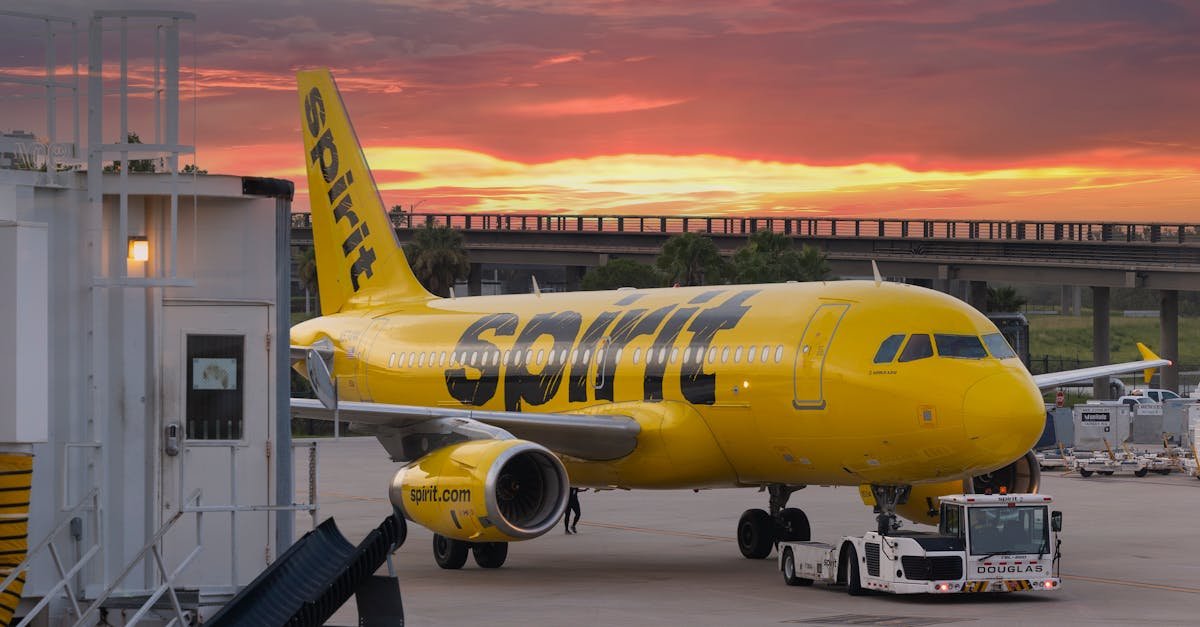
    The aviation world recently witnessed a “canary in the coal mine” moment that has left industry veterans and casual observers alike scratching their heads. Two Airbus A320neos, formerly operated by the ultra-low-cost carrier Spirit Airlines, were sold not to another airline, but to a disassembly firm.

    At just four and three-and-a-half years old, these aircraft (registrations N950NK and N959NK) are practically brand new. In a normal market, a four-year-old jet is in its prime, with at least two decades of flying ahead of it. However, in the current economic climate of 2026, these state-of-the-art machines are being towed to the desert in Goodyear, Arizona, to be systematically dismantled.

    It sounds like a financial tragedy, but for the owners, it is a calculated masterstroke. Here is the deep dive into why these modern marvels are worth significantly more as a pile of parts than as flying assets.

    1. The Pratt & Whitney “Engine Crisis”

    The primary catalyst for this early retirement is the Pratt & Whitney PW1100G Geared Turbofan (GTF) engine.While revolutionary in its fuel efficiency, the GTF has been plagued by a series of manufacturing defects most notably the “powder metal” issue discovered in late 2023. Microscopic contaminants in the metal used for high-pressure turbine disks led to a massive global recall.

    By early 2026, the backlog for engine shop visits has reached a breaking point. Airlines are seeing “Aircraft on Ground” (AOG) times stretching past 300 days just to get an engine inspected or repaired. For a struggling carrier like Spirit, having a jet sit idle for a year while still paying lease fees is a fast track to liquidation.

    2. The Bankruptcy Math: Liquidity is King

    Spirit Airlines’ ongoing Chapter 11 restructuring (initiated in August 2025) has forced the company to make brutal decisions. As part of their court-supervised survival plan, Spirit is aggressively “right-sizing” its fleet.

    In bankruptcy, cash is the only currency that matters. The airline had two choices with these specific A320neos:

    • Option A: Keep the planes, pay the high monthly leases, and wait indefinitely for engine parts that might not arrive for a year.
    • Option B: Sell the aircraft to asset managers like EirTrade Aviation and RESIDCO, who are willing to pay a premium for the “instant” parts they can harvest.

    By choosing Option B, Spirit sheds debt and gains immediate liquidity to fund its remaining operations.

    3. The Power Player: Who is EirTrade Aviation?

    While the teardown of a four-year-old jet might seem like a desperate act of salvage to the public, for EirTrade Aviation, it is a high-stakes chess move. Headquartered in Dublin, Ireland, EirTrade has rapidly ascended as a global leader in aviation asset management and “end-of-life” solutions. However, in 2026, their definition of “end-of-life” has evolved. By partnering with the aviation lessor RESIDCO to acquire Spirit’s N950NK and N959NK, EirTrade isn’t just acting as a recycler; they are acting as a vital organ in the aviation supply chain.

    EirTrade’s expertise lies in monetization. They specialize in identifying aircraft that are underperforming as flying assets but overperforming as a collection of high-demand parts. In recent years, they made headlines as the first aftermarket company to manage the disassembly of a Boeing 787. Now, with the Spirit A320neo acquisition, they are doubling down on “new vintage” aircraft. Their strategy is clear: by harvesting parts from nearly new airframes, they ensure their inventory contains the highest-quality rotables (parts that can be repeatedly overhauled) that meet the very latest modification standards.

    The company’s operation is a logistical powerhouse. Once these Spirit jets are dismantled in the dry, preservative air of Goodyear, Arizona, every single bolt, sensor, and circuit board is cataloged and shipped to EirTrade’s massive distribution hub in Dallas, Texas. From this central point, they can provide rapid support to airlines across North and South America. In an era where a missing $500 sensor can ground a $100 million jet for weeks, EirTrade’s ability to provide “instant” certified parts makes them one of the most influential players in the 2026 MRO (Maintenance, Repair, and Overhaul) landscape.

    4. The “Used Serviceable Material” (USM) Gold Mine

    There is a massive shortage of spare parts for the A320neo family. Because so many engines are grounded, other airlines are desperate for Used Serviceable Material (USM) certified parts that can be swapped in immediately to get a plane back in the sky.

    When EirTrade dismantles these Spirit jets, they aren’t just looking at the engines. They are harvesting:

    • LRUs (Line Replaceable Units): Modular components like actuators, sensors, and flight computers that can be swapped in minutes.
    • BFE (Buyer Furnished Equipment): High-end interior components, seats, and avionics.
    • Landing Gear: Often worth millions on the secondary market for airlines approaching their first major overhaul cycle.

    In 2026, the “sum of the parts” for an A320neo has officially eclipsed the value of the whole, thanks to a starving supply chain.

    5. A Record-Breaking Teardown

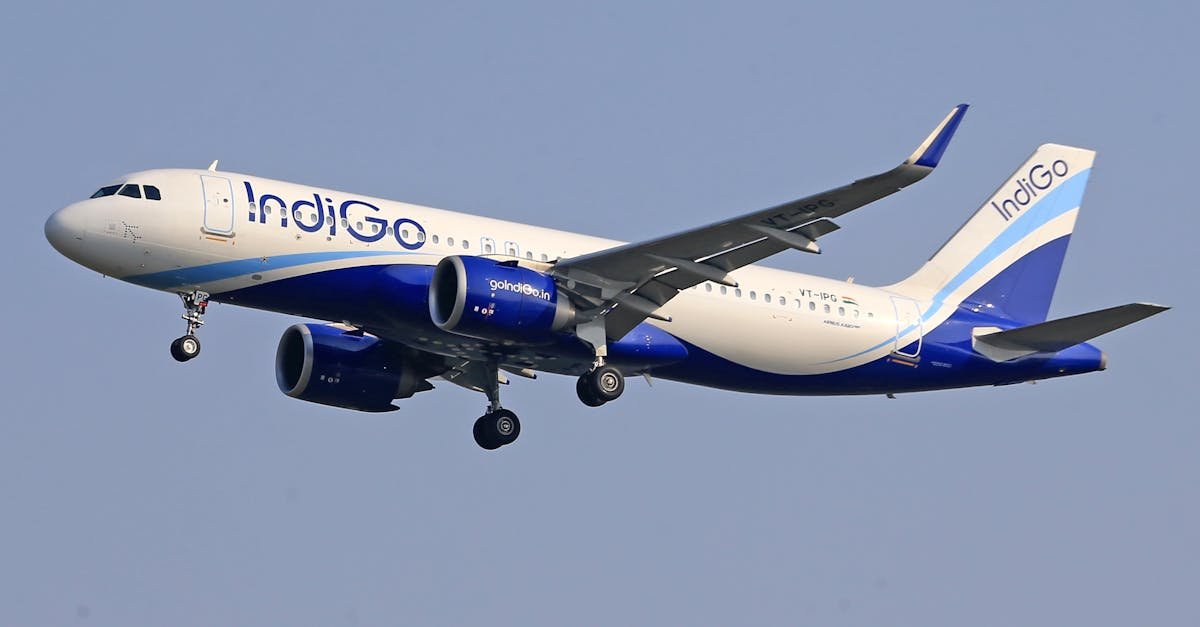
    To put this in perspective, the previous “youngest” aircraft to be scrapped were a pair of six-year-old IndiGo A321neos.Spirit has shattered that record by nearly three years. This marks a fundamental shift in aviation economics; we are no longer just scrapping “old” planes. We are harvesting “new” technology to keep the rest of the global fleet from collapsing under the weight of maintenance backlogs.

    6. The Environmental and Operational Paradox

    Beautiful natural scene of a blue sky filled with wispy white clouds, perfect for background or nature-themed projects.

    There is a bitter irony here. The A320neo was designed to be the “greenest” narrow-body in the sky, offering a 15–20% reduction in fuel burn. By scrapping them at four years old, the industry is essentially throwing away the most fuel-efficient tools it has.

    However, from an operational standpoint, a plane that cannot fly is 0% efficient. By sacrificing these two aircraft, EirTrade can provide the parts necessary to return dozens of other grounded A320neos to service. It is a form of “aviation triage” sacrificing the few to save the many.

    Conclusion: A New Era of Asset Management

    The teardown of Spirit’s A320neos is a stark reminder that in aviation, value is determined by utility, not age. If an aircraft cannot generate revenue due to engine delays, its only remaining value is the “DNA” inside its wings and fuselage.

    As Spirit continues its journey through bankruptcy and the Pratt & Whitney crisis lingers into 2027, these “premature” retirements may become the new normal. For now, the parts from N950NK and N959NK will be headed to a warehouse in Dallas, destined to keep the rest of the world’s A320neos flying.

  • Kolkata Airport IndiGo Flight Bomb Threat: What Happened, Flight Details, and Security Response

    Kolkata Airport IndiGo Flight Bomb Threat: What Happened, Flight Details, and Security Response

    The serenity of travel was abruptly shattered at Netaji Subhas Chandra Bose International (NSCBI) Airport in Kolkata on Saturday, February 14, 2026. In a bizarre and unsettling turn of events, not one, but two separate IndiGo flights were targeted by bomb threats within a single day. What started as a standard weekend for thousands of travelers quickly devolved into a high-stakes security operation involving bomb squads, sniffer dogs, and the evacuation of dozens of passengers.

    This detailed report breaks down exactly what happened, the specific flights involved, and the rigorous security protocols that follow such “specific” threats in the modern aviation landscape.

    The Morning Crisis: Flight 6E 7304 (Kolkata to Shillong)

    The first incident of the day began just as passengers were settling into their seats for a morning flight to the hills of Meghalaya.

    The Discovery

    Around 9:15 AM, roughly fifteen minutes before the scheduled departure of IndiGo flight 6E 7304, a member of the cabin crew conducted a routine check of the aircraft’s lavatory. Inside, they discovered a chilling sight: a small, handwritten note on a slip of paper claiming that an explosive device had been placed on the aircraft.

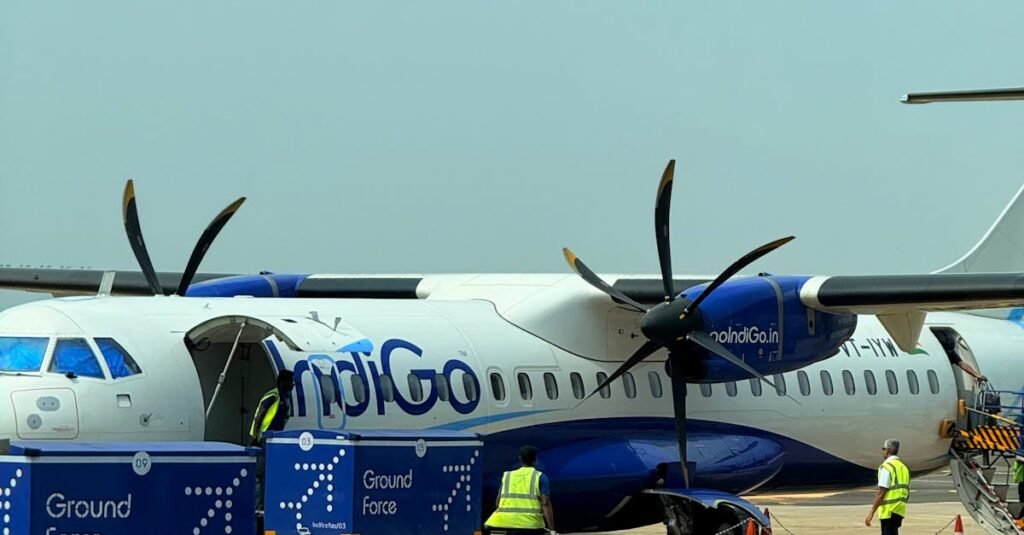
    IndiGo aircraft being serviced on the airport tarmac with ground staff present.

    Immediate Evacuation

    The crew followed emergency protocols instantly. The pilot-in-command alerted Air Traffic Control (ATC), and the “Bomb Threat Assessment Committee” (BTAC) was convened within minutes. The aircraft, an ATR-72 turboprop, was carrying 60 passengers and 4 crew members.+2

    To ensure maximum safety, all passengers were deboarded and moved to a secure waiting area inside the terminal. The aircraft was then towed to a designated isolation bay, located at a safe distance from the main terminal buildings and other taxiing aircraft.

    The Security Sweep

    For the next four hours, the Kolkata airport became a hive of security activity. The Central Industrial Security Force (CISF) and the local police bomb disposal squad meticulously searched every inch of the plane.

    • Luggage Screening: Every piece of checked-in and carry-on baggage was offloaded and passed through X-ray scanners again.
    • K9 Units: Sniffer dogs were deployed to detect any trace of volatile organic compounds or explosive residues.
    • Result: After a grueling search, the aircraft was declared “clean” at approximately 1:00 PM. The flight finally departed for Shillong at 1:33 PM, over four hours behind schedule.

    The Evening Escalation: Indigo Flight 6E 6894 (Dibrugarh to Kolkata)

    Just as the airport authorities were breathing a sigh of relief, a second, even more unusual threat emerged as the sun set over the city.

    The “Lipstick” Threat

    Around 7:30 PM, as IndiGo flight 6E 6894 from Dibrugarh, Assam, was preparing for its descent into Kolkata, a second bomb threat was reported. This time, the medium was different. A passenger or crew member found a message written in red lipstick on the toilet mirror, indicating the presence of a bomb.

    Priority Landing and Isolation

    The captain immediately notified Kolkata ATC of a “specific threat” on board. The aircraft was given priority for landing and touched down safely at 7:37 PM. Following the same protocol as the morning incident, the plane was taxied to the isolation bay.

    Passengers were once again deboarded under heavy security presence. While the “lipstick note” seemed like the work of a prankster, security agencies cannot afford to take risks. A secondary search operation was launched, involving the same rigorous BDDS (Bomb Detection and Disposal Squad) protocols used earlier in the day.

    Understanding the Security Response: The BTAC Protocol

    Indian soldiers in uniform walking with a patrol dog during a border security parade in India.

    When a bomb threat is reported in India, it isn’t just a matter of “checking the plane.” There is a highly structured legal and security framework that must be followed.

    1. The Bomb Threat Assessment Committee (BTAC)

    The BTAC is the first line of decision-making. It consists of the Airport Director, members of the CISF, representatives from the airline, and local intelligence officials. They categorize threats into two types:

    • Non-Specific: Often vague calls or emails that lack detail. These are monitored but may not lead to evacuations.
    • Specific: Threats that provide flight numbers, locations (like the lavatory), or physical notes. Both of Saturday’s incidents were classified as Specific, triggering full-scale evacuations.

    2. The Role of the Isolation Bay

    Every major airport like Kolkata has a designated “Isolation Bay.” This is a parking spot located at the furthest possible point from fuel depots, terminal glass, and other aircraft. If an explosion were to occur, the isolation bay minimizes the “blast radius” impact on the rest of the airport’s infrastructure.

    3. Secondary Frisking (SLPC)

    Even after a plane is cleared, passengers often undergo Secondary Ladder Point Check (SLPC). This is a final manual frisking of passengers and their hand bags at the base of the aircraft stairs before they are allowed to re-board.

    The Growing Menace of Hoax Threats in 2026

    The twin incidents at Kolkata are part of a worrying trend in the Indian aviation sector. Since late 2024 and through 2025, Indian airlines particularly IndiGo, Air India, and Vistara have been hit by a staggering number of hoax threats.

    YearNumber of Reported Hoax Threats (Approx.)
    202371
    2024728
    2025836+
    2026 (To Date)On track to exceed 2025 levels

    Why is this happening?

    Security experts suggest that the motives vary from “social media clout” to disgruntled passengers attempting to delay flights they are running late for. However, the cost is real. A single hoax threat can cost an airline between ₹50 lakh to ₹3 crore depending on fuel jettisoning, passenger compensation, and operational delays.

    Legal Consequences: What Happens to the Culprits?

    The Bidhannagar Police have registered cases against “unknown persons” for both the paper note and the lipstick message found on February 14.

    The Indian government has recently tightened the Civil Aviation Act to deal with such offenders. Those caught making hoax threats now face:

    • No-Fly List: A lifetime ban from flying on any Indian carrier.
    • Non-Bailable Charges: Under the Suppression of Unlawful Acts against Safety of Civil Aviation Act, offenders can face up to life imprisonment.
    • Financial Recovery: Airlines are increasingly suing individuals for the massive financial losses incurred during the grounding of aircraft.

    Conclusion: A Day of Vigilance

    While both threats at Kolkata Airport were ultimately proven to be hoaxes, the events of February 14, 2026, serve as a stark reminder of the “new normal” in air travel. The seamless coordination between IndiGo’s crew and the Kolkata airport security team ensured that despite the 120+ passengers affected across both flights, not a single person was harmed.

    For travelers, the message is clear: expect delays and cooperate with security. In an era of digital and physical hoaxes, “better safe than sorry” remains the gold standard of the skies.

  • United Airlines in 2026: What Flyers Really Need to Know Before Booking

    United Airlines in 2026: What Flyers Really Need to Know Before Booking

    In 2026, United Airlines is no longer just a carrier; it is a tech-driven hospitality company that happens to own a massive fleet of airplanes. As we move further into the year, the “United Next” strategy is hitting its stride, fundamentally changing how you book, board, and experience a flight.

    Whether you are a casual vacationer or a “Global Services” road warrior, here is the definitive guide to flying United Airlines in 2026.

    1. The “United Elevated” Experience: Luxury Reimagined

    The biggest headline for 2026 is the rollout of the United Elevated interior. This isn’t just a new coat of paint; it is a complete structural redesign of the cabin, specifically targeting the Boeing 787-9 Dreamliner fleet.

    The Polaris Studio Suite

    For the first time, United is offering a “Business Class Plus” product known as the Polaris Studio. Positioned in the first row of the business class cabin, these suites offer 25% more space than standard Polaris seats.+1

    • Privacy Doors: Each suite features a sliding door for total seclusion.
    • Social Seating: An extra ottoman allows a companion to sit with you during the flight.
    • Exclusive Dining: Studio passengers receive an Ossetra caviar service and specialized entrée options.

    High-Tech Cabins for All

    Even if you aren’t in the front of the plane, the technology upgrades are pervasive. United is aggressive about its goal to have seatback screens on every mainline aircraft. In 2026, you can expect:

    • 4K OLED Screens: Up to 13 inches in Economy and a massive 27 inches in Polaris Studio.
    • Bluetooth Connectivity: No more tangled cords; you can sync your AirPods or Bose headphones directly to the seatback.
    • Wireless Charging: Available at every seat in the premium cabins and at select locations in Economy.

    2. The Starlink Revolution: Free Wi-Fi for Everyone

    A stunning view of the star-filled night sky with silhouetted mountains beneath, offering a serene and captivating scene.

    The days of paying $18 for “spotty” Wi-Fi are largely over. United has partnered with SpaceX’s Starlink to provide gate-to-gate, high-speed internet.

    In 2026, a significant portion of the mainline fleet is already equipped with Starlink. The best part? It is free for MileagePlus members. The speed is sufficient for streaming Netflix, joining a Zoom call, or gaming—marking a significant competitive edge over carriers still relying on legacy satellite providers.+1

    3. MileagePlus in 2026: Stability and New Perks

    If you were worried about “devaluation,” 2026 brings some welcome stability. United Airlines has kept its Premier status requirements identical to the previous year, allowing flyers to plan their status runs with confidence.

    2026 Status Requirements

    TierPQF (Flights) + PQP (Points)PQP Only Option
    Silver15 PQF + 5,000 PQP6,000 PQP
    Gold30 PQF + 10,000 PQP12,000 PQP
    Platinum45 PQF + 15,000 PQP18,000 PQP
    1K60 PQF + 22,000 PQP28,000 PQP

    Upgrades on Award Tickets

    One of the most praised changes in 2026 is that all Premier members are now eligible for Complimentary Premier Upgrades (CPUs) even when traveling on award tickets (flights booked with miles). Previously, this was a perk reserved for cardholders or high-tier elites; now, it is a standard benefit across the board.

    4. Navigating the Airport: Touchless and Efficient

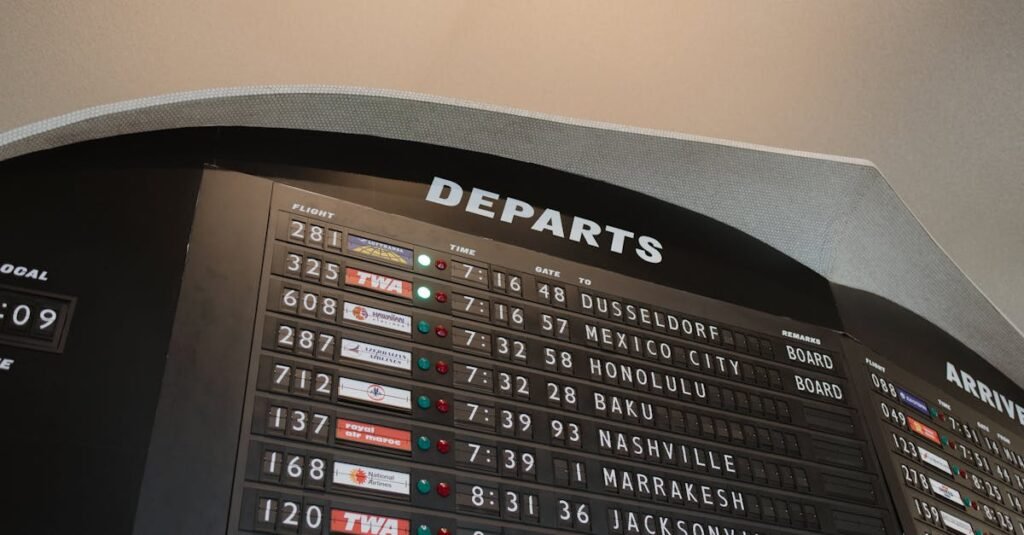
    Close-up of airport departure board displaying flight details at JFK Airport, New York.

    United Airlines’ investment in biometrics has reached a tipping point in 2026. If you are flying out of a major hub like Chicago O’Hare (ORD), Newark (EWR), or Houston (IAH), your face is now your boarding pass.

    • TSA PreCheck® Touchless ID: Passengers who opt-in can drop their bags and clear security using facial recognition, often without ever pulling out a physical ID.
    • Bag Drop Shortcut: By checking your bags in the United app before arriving, you can use dedicated kiosks that scan your face and print your tag in under 15 seconds.
    • The United App: It remains the gold standard in the industry. In 2026, it provides “Connection Saver” notifications that give you turn-by-turn directions to your next gate and let you know if the airline is holding a plane for you.

    5. New Routes: Where United Airlines is Flying in 2026

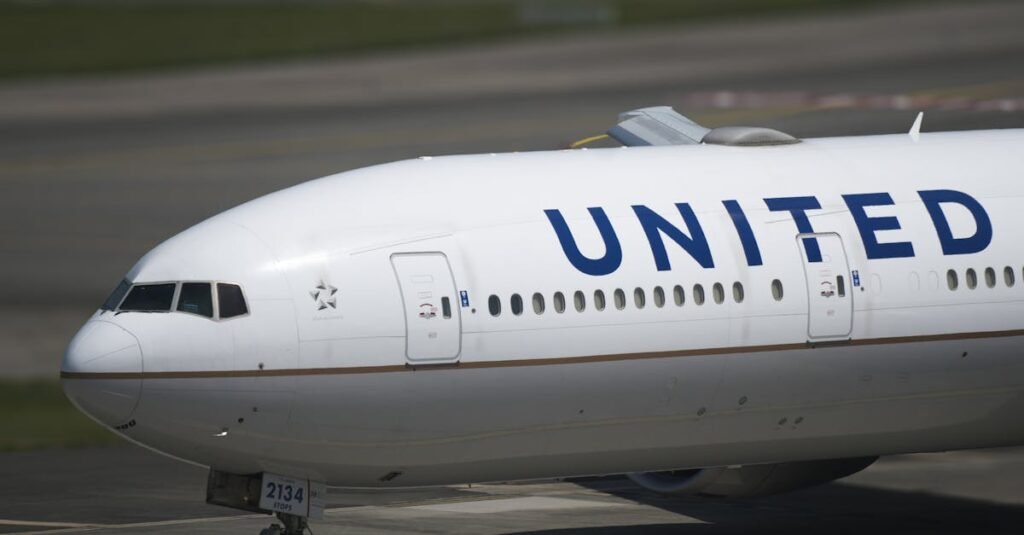
    Close-up of a United Airlines airplane on taxiway, emphasizing the aircraft's details.

    United Airlines continues to be the largest U.S. carrier across the Atlantic and Pacific. For the 2026 season, the airline has launched several “off-the-beaten-path” destinations that were previously hard to reach from the States.+1

    • Europe: New nonstops from Newark to Split, CroatiaBari, Italy; and Santiago de Compostela, Spain.
    • Asia: Increased frequency to Seoul, South Korea, and new seasonal service to Ulaanbaatar, Mongolia.
    • North America: In preparation for the 2026 World Cup, United has added significant capacity to all 16 host cities, including expanded service to Guadalajara and Monterrey.

    6. Understanding the Fare Classes: Basic Economy vs. The Rest

    While United Airlines has improved the “soft product” (food and service), the “hard rules” of fare classes remain strict. Before you click “Book,” make sure you understand what you are buying.

    Basic Economy (The “No-Frills” Choice)

    • Carry-on: No overhead bin space allowed (except for trans-Atlantic or trans-Pacific flights). You are limited to one personal item that fits under the seat.
    • Seating: Assigned at check-in. If you want to sit with family, you must pay for seat assignments.
    • Changes: Non-changeable, though they may be eligible for a partial travel credit if canceled.

    United Airlines Economy & Premium Plus

    • United Economy: Includes a carry-on and the ability to change your flight with no change fees.
    • United Premium Plus: This is a separate cabin (not just extra legroom). Think of it as “Domestic First Class” on an international route, featuring purple leather seats, footrests, and upgraded meal service.

    7. Sustainability: The Move to SAF

    United Airlines is vocal about its goal to be 100% green by 2050 without relying on traditional carbon offsets. In 2026, you will notice “Green Shading” in your flight search results. This indicates flights powered by a higher percentage of Sustainable Aviation Fuel (SAF). While SAF only accounts for a small portion of total fuel usage, United is currently the world leader in its procurement, with SAF now flowing regularly into hubs like Los Angeles, San Francisco, and London Heathrow.


    Summary Checklist for Your 2026 Booking

    1. Check the Aircraft: Look for the “United Elevated” tag or a Boeing 787-9 to experience the newest cabins.
    2. Join MileagePlus: Even if you don’t fly often, you need a membership to access the free Starlink Wi-Fi.
    3. Download the App: It is essential for the “Touchless” airport experience.
    4. Watch the Bag Rules: If you book Basic Economy, remember that a standard rolling suitcase will result in a gate fee (approx. $65).

    United in 2026 is defined by a “premium-first” mindset. While they still offer budget-friendly options, the airline is clearly pivoting toward the high-value traveler who prizes connectivity, privacy, and a seamless digital experience

  • Captain Ari Fuji: Japan’s First Female Commercial Airline Captain — Inspiring Story of Resilience

    Captain Ari Fuji: Japan’s First Female Commercial Airline Captain — Inspiring Story of Resilience

    From the moment she first looked out of an airplane window as a toddler, the sky became something more than a distant horizon for Ari Fuji, it became her destiny. Born in 1968 and raised near a U.S. airbase in Japan, Fuji was captivated by airplanes long before she knew their mechanics or spoke the technical language of aviation. As a child, she would gaze at aircraft in flight and imagine herself at the helm, guiding those massive metal birds through the endless blue. 

    Yet her path to becoming Japan’s first female commercial airline captain was not a straightforward ascension through textbooks and flight hours; it was a journey of resilience, adaptation, and quiet perseverance. Guided by a deep-seated belief that dreams are worth pursuing, she carved a path where no woman before her had walked. 

    Breaking Early Barriers

    After finishing high school, Fuji enrolled at Rikkyo University’s College of Law and Politics in Tokyo not because she dreamed of a legal career, but because traditional aviation entry routes were closed to her. In Japan at the time, civil aviation colleges had strict height requirements that Fuji, at a smaller stature than her peers, could not meet. When she petitioned to take the entry exams, she was turned away simply for being “too short.” 

    Rather than letting this rejection clip her ambitions, Fuji embraced that setback as a detour, not a dead end. While studying at university, she kept her focus on aviation despite immersing herself in other fields, yet always circling back to her dream. She once reflected that her studies helped her understand the world, but flying was where she really wanted to be. 

    Crossing Oceans and Learning to Fly

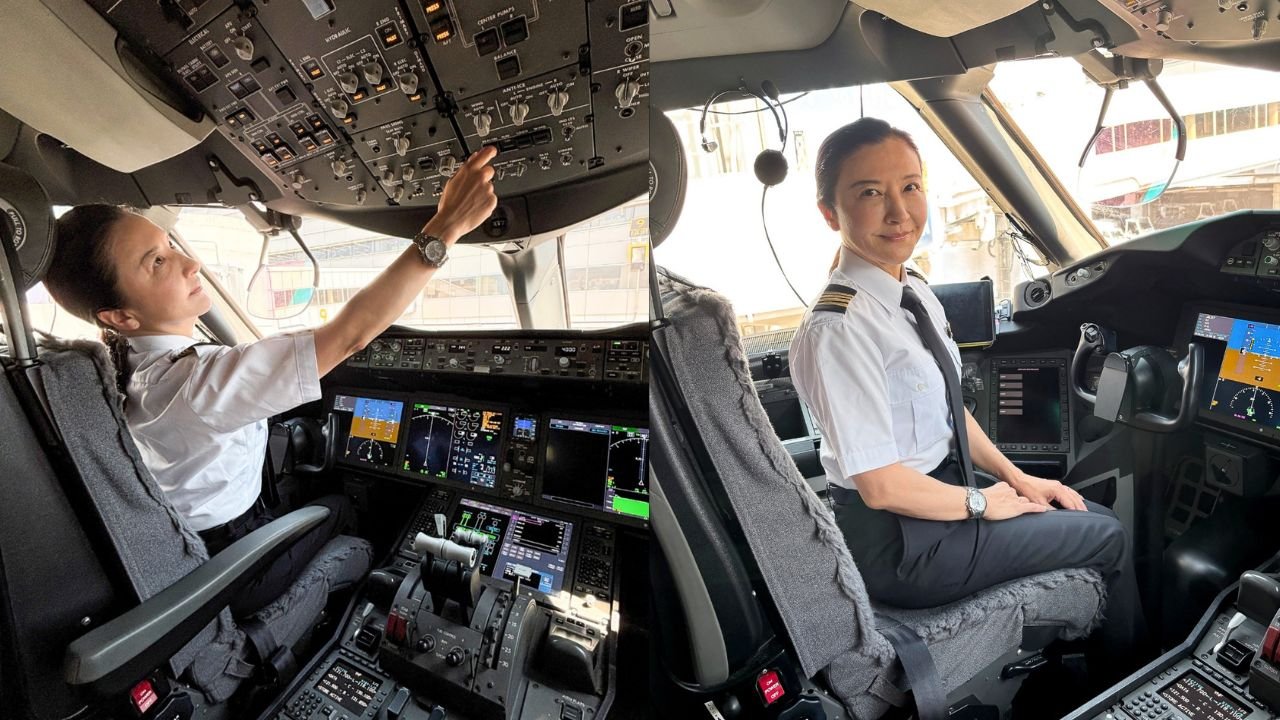
    Close-up of a simulated aircraft cockpit with control joystick and digital display.

    Recognizing that the path to becoming a pilot in Japan was fraught with institutional barriers, Fuji made a bold decision: she would learn to fly abroad. After graduating, she saved money and crossed the Pacific to attend a flight training school near Los Angeles, California. Far from home and navigating life in a language that was not her native tongue, Fuji dove into every aspect of pilot training with fierce determination. 

    Learning aviation in the U.S. immersed her in an environment where pilots — both male and female — came from diverse backgrounds. This experience did more than teach her how to fly; it expanded her vision of what was possible. Over the course of about ten months, she earned her commercial pilot license, as well as instructor certifications — a foundation she would soon build upon when she returned to Japan. 

    Returning Home and Earning Her Wings

    Back in Japan, Fuji didn’t immediately find the big cockpit she envisioned. She worked temporary office jobs, saved more money, and enrolled in a domestic pilot training course at Yao Airport near Osaka but this time to earn the Japanese aviator certificate she needed to fly commercially back home. 

    Her perseverance paid off. In 1997, after gaining her Japanese aviation license, she joined a small regional airline where she performed a mix of flying and ground support duties. Though she wasn’t yet flying full-time, Fuji absorbed every detail about aviation operations, always with her ultimate goal in mind which was to wear that captain’s uniform. 

    When a new recruitment system opened at JAL Express, a subsidiary of Japan Airlines (JAL), Fuji saw her moment. In 1999, she passed the entrant examinations and began her formal journey toward becoming a professional airline pilot. 

    Climbing the Ranks

    As a first officer, Fuji was in uncharted territory: she was one of the very few women in a cockpit dominated by men. Flight training was rigorous, and every advancement required skill, determination, and countless hours in the air. Nonetheless, she logged thousands of flight hours and consistently demonstrated the competency and calm judgment that define great pilots. 

    For more than a decade, Fuji worked toward the pinnacle of her profession. Finally, in July 2010 after logging over 5,500 flight hours and facing both technical and societal headwinds, she achieved her long-sought pilot-in-command (PIC) certification. At age 42, she became the first woman in Japan to serve as captain of a commercial passenger airline, flying routes between major Japanese cities and beyond. 

    Beyond the Cockpit

    Becoming captain was not the end of Fuji’s journey, but the opening of a new chapter. In 2015, she became certified as an instructor pilot yet another rare honor, and another first for a woman in the Japanese aviation industry. As an instructor, Fuji now helps shape the next generation of pilots, particularly welcoming those who once might have thought a cockpit was out of reach. 

    She has also participated in special flights with all-woman crews, an important cultural gesture toward greater gender inclusion in aviation — and a statement that the skies are truly for everyone. 

    A Legacy of Possibility

    Throughout her career, Ari Fuji has remained grounded in a simple philosophy: don’t look for excuses to stop, look for reasons to keep going. Those words have resonated with aspiring aviators in Japan and around the world, especially women who find themselves navigating industries where they are still underrepresented. 

    Today, Fuji stands not just as a symbol of aviation excellence, but as proof that barriers whether institutional, cultural, or personal — can be surmounted with courage and unwavering resolve. Her story continues to inspire, reminding us that the sky truly has no limits for those who dare to reach for it. 

  • Ireland Moves to Scrap Dublin Airport’s 32 million Passenger Cap

    Ireland Moves to Scrap Dublin Airport’s 32 million Passenger Cap

    Ireland’s Cabinet has approved legislation that would allow the long-standing 32 million annual passenger cap at Dublin Airport to be lifted in 2026.

    The proposed Dublin Airport Passenger Capacity Bill would give the Minister for Transport the authority to amend or revoke the cap, which has been in place since 2007 as part of the planning approval for Terminal 2. The legislation would also prevent similar hard passenger limits from being imposed in the future.If passed into law, the change would mark one of the most significant aviation policy reforms in Ireland in nearly two decades.

    Why Was There a Passenger Cap in the First Place?

    The 32 million passenger limit was introduced in 2007 during the planning process for Terminal 2. At the time, local infrastructure, road access, environmental impact, and community concerns were central to the approval conditions.The cap was designed as a planning safeguard rather than an operational ceiling. It aimed to balance airport expansion with environmental oversight and local impact management.However, the aviation landscape in Ireland has changed dramatically since then.Ireland’s economy has grown, tourism has expanded, and Dublin has cemented itself as a major European gateway particularly for transatlantic travel. The passenger cap, once seen as precautionary, has increasingly been viewed by business and aviation leaders as outdated.

    Dublin Airport Has Already Exceeded the Cap

    The debate intensified after Dublin Airport handled approximately 36.4 million passengers in 2025 significantly above the legal 32 million threshold.That overrun has created legal and operational complications. Airlines have warned about potential route uncertainty, while business groups have argued that Ireland risks damaging its competitiveness if the issue is not resolved quickly.The government’s new legislation is designed to remove that uncertainty and provide clarity for airlines, investors, and passengers alike.

    What the New Legislation Would Do

    The proposed bill does not automatically remove the cap overnight. Instead, it gives the Minister for Transport the power to:

    • Amend the 32 million limit and Revoke it entirely to prevent similar fixed caps from being imposed in the future

    Supporters say this provides flexibility while still allowing environmental and planning oversight to remain in place through other regulatory frameworks. In practical terms, lifting the cap would allow Dublin Airport to grow in line with demand without breaching planning law.

    Business and Tourism Groups Welcome the Move

    Ireland’s business community has strongly backed the reform.Ibec, the country’s largest business organization, has argued that international connectivity is essential for Ireland’s export-driven economy. Dublin Airport is the primary gateway for trade, tourism, and foreign direct investment. The Irish Travel Agents Association has also supported scrapping the cap, saying tourism growth depends on reliable and scalable airport capacity. Tourism Minister Peter Burke has described reforming the passenger limit as central to Ireland’s long-term economic strategy. From a business perspective, the argument is straightforward: limiting airport capacity in a growing economy creates artificial bottlenecks.

    Airlines Push for Urgent Action

    Stunning aerial view of Dublin cityscape featuring the river, modern architecture, and bridges.

    Airlines operating out of Dublin have been vocal about the issue.Among the most prominent voices is Michael O’Leary, CEO of Ryanair, who has urged the government to move quickly. He has warned that delays risk damaging airline investment decisions and route planning.Airlines typically plan schedules months, sometimes years, in advance. Regulatory uncertainty can affect aircraft allocation, staffing, and long-term expansion strategies.The timing is also politically sensitive, with O’Leary publicly calling for action before St Patrick’s Day a peak promotional period for Irish tourism.

    Environmental Concerns Remain Strong

    Not everyone supports lifting the cap. Environmental groups argue that removing the passenger limit could lead to higher aviation emissions at a time when Ireland is under pressure to meet climate targets.Critics say growth at Dublin Airport must align with national decarbonisation commitments. They warn that increased flights could undermine progress on emissions reduction unless balanced with sustainable aviation fuel adoption, improved aircraft efficiency, and carbon mitigation policies.Some campaigners also argue that airport expansion should be assessed through updated environmental impact reviews rather than broad legislative changes. The government insists that environmental oversight mechanisms will remain in place, even if the fixed passenger ceiling is removed.

    Economic Impact: Why This Matters Nationally

    Dublin Airport is more than just a transport hub it is a strategic national asset.It connects Ireland directly to North America, Europe, the Middle East, and beyond. For multinational companies with European headquarters in Ireland, direct connectivity is often a deciding factor in investment decisions.Tourism, which supports thousands of jobs across the country, relies heavily on international air access.Supporters of lifting the cap argue that:

    • Passenger growth supports job creationMore routes increase regional tourismGreater capacity strengthens Ireland’s global competitiveness Investment decisions become more secure

    Without reform, they argue, airlines could redirect growth to competing hubs in the UK or mainland Europe.

    What Happens Next?

    Cabinet approval is only the first formal step.The legislation must now move through the parliamentary process before becoming law. That includes debate, potential amendments, and final approval.If passed, the Transport Minister would then have the authority to formally revoke or amend the cap. While 2026 has been cited as the likely timeframe for implementation, political debate and environmental opposition could influence the speed of progress.

    A Defining Moment for Irish Aviation Policy

    The decision to scrap the 32 million passenger cap reflects a broader policy question: how should Ireland balance economic growth with environmental responsibility?For nearly two decades, the cap symbolised caution. Now, it has become a symbol of constraint.Ireland’s aviation sector is emerging from pandemic-era disruption and entering a renewed growth phase. Demand for travel remains strong, and airlines are expanding fleets and route networks.The government’s move signals that it wants policy to reflect current realities rather than planning conditions set almost twenty years ago.

    The Bigger Picture

    Airports across Europe are facing similar tensions between growth and sustainability.The debate in Ireland is not simply about a number. It is about how a small, globally connected economy manages infrastructure in a climate-conscious era.Removing the passenger cap would not automatically mean unlimited expansion. Planning laws, noise regulations, emissions targets, and infrastructure constraints will still shape future growth.But it would remove a legal barrier that many believe has already been overtaken by events.

    Final Thoughts

    Beautiful daytime view of the River Liffey flowing through Dublin, Ireland, with iconic city buildings.

    Ireland’s move to scrap Dublin Airport’s 32 million passenger cap represents a pivotal shift in national transport policy.Supporters see it as a long-overdue reform that aligns infrastructure with economic ambition. Critics warn it could conflict with environmental commitments.What is clear is that the issue has moved from debate to legislative action. The coming months will determine whether Ireland reshapes its aviation framework for the next generation or whether the cap remains part of its planning legacy.Either way, Dublin Airport’s future growth trajectory is now firmly at the centre of national conversation.

  • Air Canada Confirms Airbus A350-1000 Order to Modernize Long-Haul Fleet Starting 2030

    Air Canada Confirms Airbus A350-1000 Order to Modernize Long-Haul Fleet Starting 2030

    Air Canada has taken a major step toward reshaping its long-haul future. The airline has confirmed an order for eight Airbus A350-1000 aircraft, along with options for eight more, with deliveries expected to begin in 2030.

    This move signals more than just a fleet upgrade. It reflects a long-term strategy focused on growth, sustainability, passenger comfort, and strengthening Canada’s global connections.

    A Strategic Investment in the Future

    At first glance, an order for eight aircraft might seem modest. But in the world of widebody jets, especially next-generation long-haul aircraft, this is a powerful investment.

    The Airbus A350-1000 is one of the most advanced commercial aircraft flying today. By choosing this model, Air Canada is preparing for the next phase of international travel demand. The airline is positioning itself to:

    • Expand international routes
    • Replace older widebody aircraft
    • Improve fuel efficiency
    • Reduce emissions
    • Enhance passenger comfort

    Deliveries starting in 2030 give the airline flexibility to align with future market conditions while securing production slots early.

    Meet the Airbus A350-1000

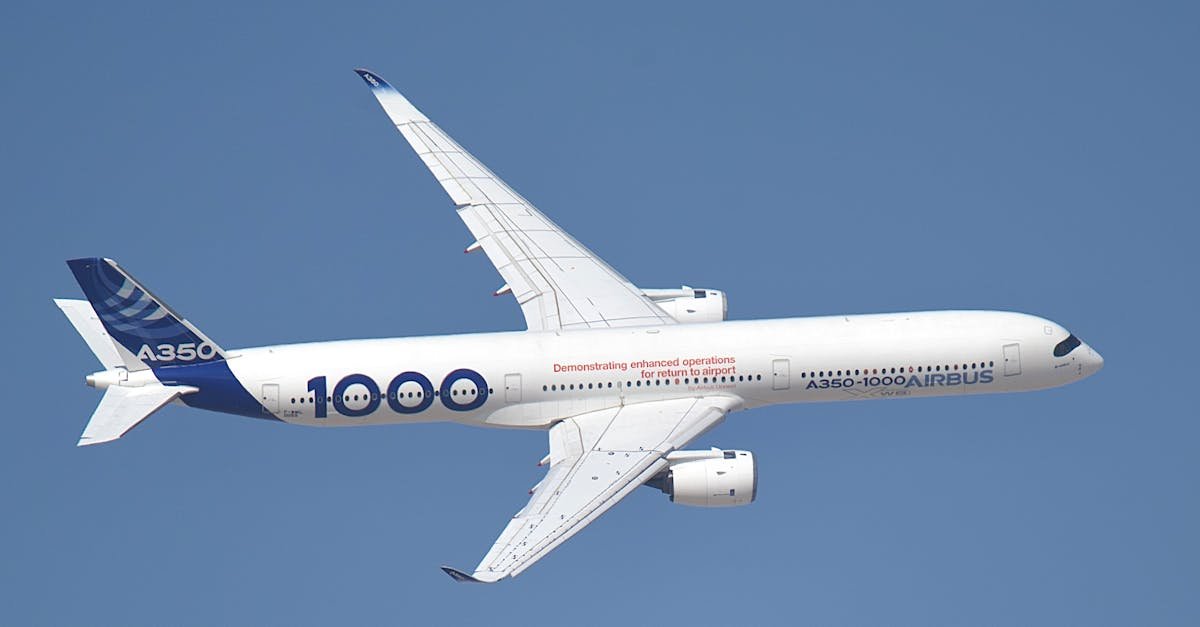
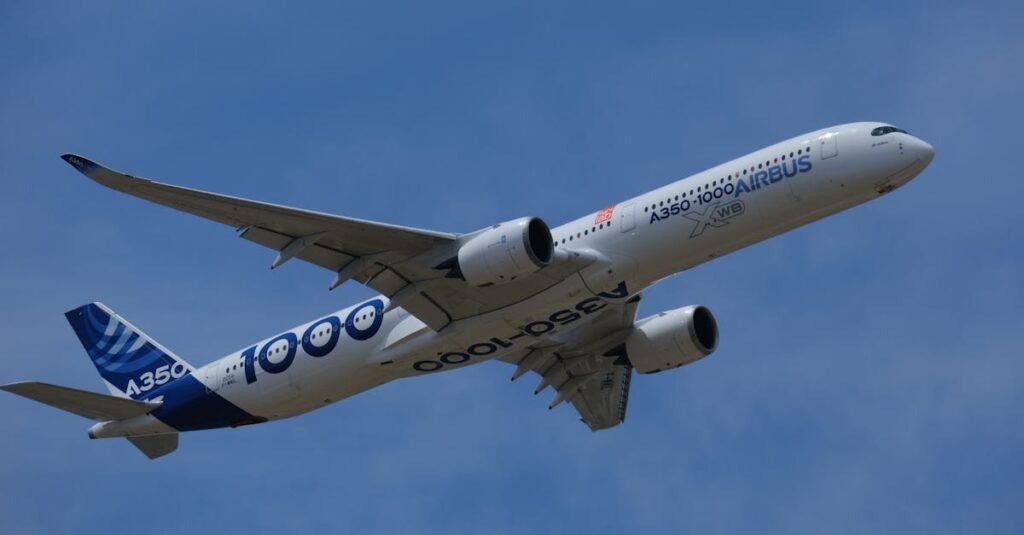
    Dynamic view of Airbus A350-1000 XWB flying against a clear blue sky, showcasing its modern design.

    The Airbus A350-1000 is the largest variant of the A350 family. It is designed for ultra-long-haul routes and high-capacity international travel.

    Key Features of the A350-1000:

    • Built with lightweight composite materials
    • New-generation Rolls-Royce engines
    • Improved aerodynamics
    • Lower fuel consumption compared to older widebodies
    • Reduced noise footprint

    The aircraft typically seats between 350 and 410 passengers, depending on configuration. For Air Canada, this opens the door to serving high-demand global destinations more efficiently.

    How This Fits Into Air Canada’s Current Fleet

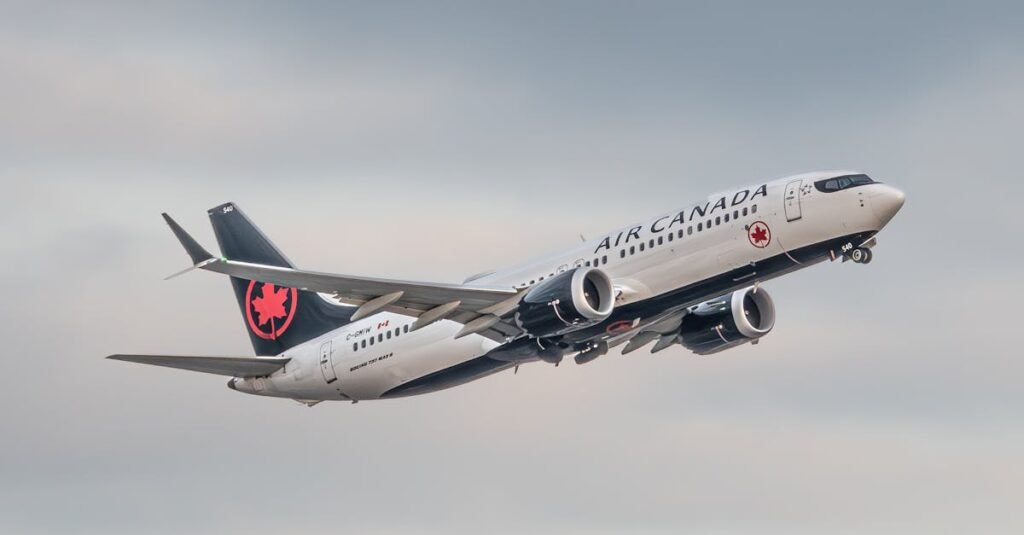
    Air Canada Boeing 737 Max takes to the sky, showcasing flight and travel.

    Air Canada already operates a diverse fleet that includes:

    • Airbus A220-300
    • Airbus A320
    • Airbus A321
    • Airbus A330-300
    • Boeing 737 MAX 8
    • Boeing 777-200LR
    • Boeing 777-300ER
    • Boeing 787-8
    • Boeing 787-9

    The addition of the A350-1000 complements the airline’s existing widebody fleet, particularly the Boeing 787 Dreamliners and 777 aircraft. Over time, the A350-1000 could replace older Boeing 777 models or support growth on major international routes.

    This balanced mix of Airbus and Boeing aircraft also provides operational flexibility and competitive leverage.

    Why the A350-1000 Matters for Long-Haul Routes

    Long-haul flying is complex and expensive. Airlines must balance fuel costs, passenger demand, range capability, and environmental regulations.

    The A350-1000 is ideal for:

    • Non-stop flights between Canada and Asia
    • Transatlantic routes to Europe
    • High-capacity services to the Middle East
    • Potential ultra-long-haul destinations

    With its extended range, the aircraft can connect distant cities without refueling stops. That means shorter travel times and greater convenience for passengers.

    Sustainability and Environmental Impact

    Sustainability is no longer optional in aviation. Governments, investors, and travelers are demanding cleaner operations.

    The A350-1000 supports Air Canada’s environmental goals by:

    • Consuming significantly less fuel per seat
    • Producing lower CO₂ emissions
    • Generating less noise around airports

    New-generation engines and lightweight composite materials play a key role in reducing environmental impact. As older aircraft retire, the overall fleet becomes more efficient and environmentally friendly.

    For an airline operating across vast distances like Canada, fuel efficiency directly impacts both costs and sustainability performance.

    Passenger Experience: What Travelers Can Expect

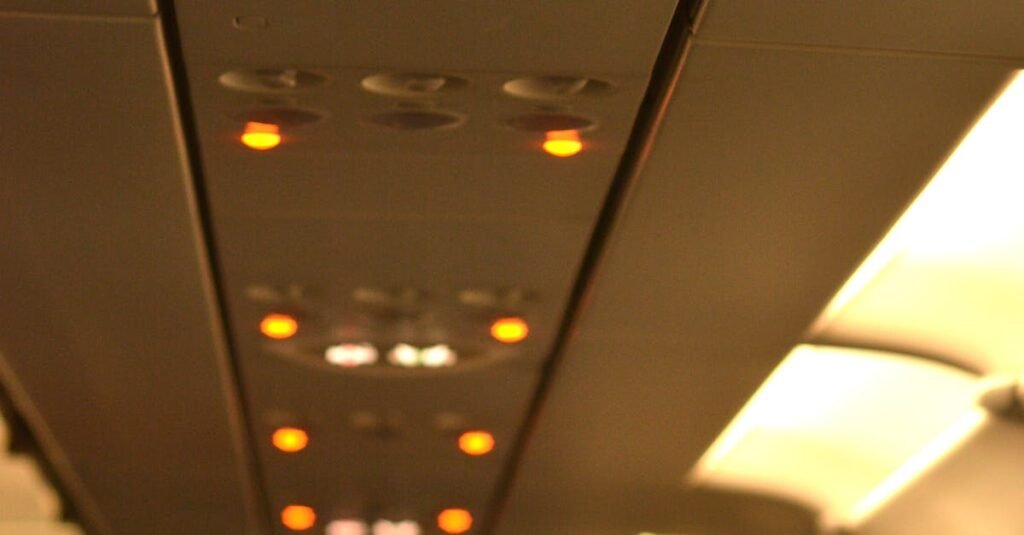
    Interior of a well-lit airplane cabin showing the overhead safety signs and passenger seating.

    Modern travelers expect more than just transportation. Comfort, connectivity, and cabin design matter.

    The A350 family is known for:

    • Larger windows
    • Improved cabin air quality
    • Higher ceilings
    • Reduced cabin noise
    • Advanced mood lighting

    Passengers often report feeling less fatigue on long-haul flights aboard A350 aircraft compared to older models. For Air Canada, this provides an opportunity to enhance its premium product, including business class and premium economy offerings.

    A Competitive Move in Global Aviation

    Air Canada competes with major international airlines on long-haul routes. Having state-of-the-art aircraft strengthens its position against global carriers operating modern fleets.

    By securing the A350-1000, Air Canada aligns itself with other leading airlines that have invested in next-generation widebody aircraft.

    This order also signals confidence in long-term international travel growth, even as the aviation industry continues to recover and adapt to changing global dynamics.

    The Importance of the 8 Options

    Beyond the eight firm orders, Air Canada has secured options for eight additional A350-1000 aircraft.

    Options provide flexibility. If travel demand grows faster than expected, the airline can exercise these options and expand its fleet further. If market conditions change, the airline is not obligated to take them.

    This strategy allows Air Canada to manage risk while keeping expansion opportunities open.

    Economic Impact and Canadian Connectivity

    As Canada’s flag carrier, Air Canada plays a critical role in connecting the country to global markets.

    New wide-body aircraft means:

    • Increased tourism capacity
    • Stronger trade connections
    • More direct international routes
    • Job creation in aviation and related sectors

    Investing in modern aircraft ensures Canada remains competitive in international air travel and cargo transportation.

    Looking Ahead to 2030 and Beyond

    Although deliveries begin in 2030, the decision made today shapes the airline’s future for decades.

    Aircraft typically remain in service for 20 to 30 years. This means the A350-1000 could define Air Canada’s long-haul operations well into the 2050s.

    The aviation industry is constantly evolving, but one thing remains clear: efficiency, sustainability, and passenger comfort drive fleet decisions.

    Air Canada’s A350-1000 order checks all three boxes.

    Final Thoughts

    Air Canada’s confirmation of eight Airbus A350-1000 aircraft, with options for eight more, marks a significant milestone in the airline’s modernization journey.

    This is not just a fleet update. It is a strategic investment in:

    • Long-haul growth
    • Environmental responsibility
    • Enhanced passenger experience
    • Global competitiveness

    As deliveries begin in 2030, travelers, investors, and industry observers will be watching closely. The Airbus A350-1000 represents the next chapter in Air Canada’s international ambitions one built on innovation, efficiency, and long-term vision.

    The skies over the next decade are set to become even more advanced, and Air Canada is clearly preparing to lead the way. 

  • Gainesville Plane Crash-Landing Explained: What Happened, Injuries, and Latest Updates

    Gainesville Plane Crash-Landing Explained: What Happened, Injuries, and Latest Updates

    A shocking aviation emergency unfolded in Gainesville, when a small plane was forced to crash-land on a busy roadway, striking multiple vehicles and causing chaos for drivers. The incident quickly drew national attention due to dramatic eyewitness videos and the sheer danger of an aircraft landing in traffic.

    Despite the severity of the situation, officials confirmed that no lives were lost, a result many are calling nothing short of a miracle. Here is everything you need to know about what happened, who was injured, how authorities responded to the Gainesville Plane Crash, and what comes next.

    What Happened in the Gainesville Plane Crash-Landing

    According to police and aviation officials, the aircraft experienced engine trouble shortly after takeoff, leaving the pilot with limited time to react. Unable to return safely to the airport, the pilot made the critical decision to attempt an emergency landing on Browns Bridge Road, one of Gainesville’s busiest streets.

    Witnesses reported seeing the plane flying unusually low before touching down on the roadway. As it landed, the aircraft struck several vehicles, including cars stopped in traffic. The plane eventually came to rest after sliding across the road, leaving debris scattered across multiple lanes.

    Authorities said the pilot’s quick decision likely prevented a far worse outcome, as the area was heavily trafficked at the time.

    Where the Incident Occurred and Why the Location Matters

    The Gainesville Plane Crash took place on a major road that serves as a key route for commuters and local residents. Browns Bridge Road is typically busy throughout the day, increasing the risk of serious injuries during an incident like this.

    Police noted that landing on a roadway is always dangerous due to moving vehicles, power lines, and limited space. However, investigators believe the pilot chose the location because it offered the longest visible stretch of open roadavailable during the emergency.

    Injuries Reported and Medical Response

    Emergency responders confirmed that several people suffered injuries, though none were life-threatening. Most injuries were reported among drivers whose vehicles were struck or damaged during the landing.

    Victims were treated for:

    • Cuts from broken glass
    • Bruising from airbag deployment
    • Minor impact-related injuries

    At least two people were taken to local hospitals for further evaluation. The pilot and another person onboard the aircraft escaped without serious injuries, which officials described as remarkable given the conditions.

    Damage to Vehicles and Roadway

    The plane collided with multiple vehicles, causing significant damage. Some cars were left with crushed panels and shattered windshields, while others were struck by parts of the aircraft, including a wing section and fuel components.

    Several vehicles were towed from the scene, and city crews worked to clear debris and inspect the roadway. Traffic signals and nearby infrastructure were also checked for damage before the road was fully reopened.

    Traffic in the area was disrupted for several hours as authorities secured the scene.

    Police and Emergency Crew Response

    Laguna Beach police vehicle patrols the street at night, showcasing law enforcement presence.

    Local police arrived within minutes and immediately shut down the roadway to prevent further danger. Firefighters worked to stabilize the aircraft and reduce the risk of fire, while paramedics assisted injured drivers and passengers.

    Officers helped evacuate people from damaged vehicles and guided motorists away from the area. Police praised the coordinated effort, stating that quick action played a major role in preventing more serious injuries.

    Authorities also asked the public to avoid the area while the investigation continued.

    Federal Investigation Into the Crash

    The Federal Aviation Administration and the National Transportation Safety Board are leading the investigation into what caused the Gainesville Plane Crash Landing .

    Investigators are reviewing:

    • The aircraft’s maintenance records
    • Pilot communications before the landing
    • Engine performance data
    • Weather and flight conditions

    While early reports suggest mechanical failure, officials stressed that it is too soon to determine an exact cause. A preliminary report is expected in the coming weeks, with a full investigation likely to take several months.

    Witnesses Describe a Frightening Scene

    Drivers who witnessed the crash said the moment was terrifying. Many initially thought the plane was preparing for a safe landing but quickly realized something was wrong.

    Several witnesses described hearing a loud impact as the plane struck vehicles, followed by screams and car horns. Others said the aircraft passed just feet above their cars before hitting traffic ahead.

    Despite the fear, many expressed relief that the pilot managed to avoid even more vehicles.

    Expert Insight on Emergency Road Landings

    Aviation experts say emergency landings on roads are extremely rare, but sometimes unavoidable when aircraft experience sudden failures. Unlike airports, roads are unpredictable and filled with obstacles.

    Experts noted that pilots are trained to prioritize public safety during emergencies. In this case, many believe the pilot’s actions helped reduce the overall severity of the crash.

    “Landing on a road is a last resort,” one expert explained. “The fact that there were no fatalities suggests strong decision-making under pressure.”

    Community Reaction and Safety Concerns

    The incident left many Gainesville residents shaken. Some questioned how close flight paths come to populated areas, while others praised first responders for their fast reaction.

    City officials reassured residents that aviation emergencies like this are very uncommon and that safety measures remain strong. They also emphasized that investigations help improve future safety standards.

    Local leaders thanked emergency crews and hospital staff for their work during the incident.

    What Happens Next

    Investigators will continue examining the aircraft and collecting witness statements. The plane will be moved to a secure location for further inspection.

    Authorities confirmed there is no evidence of criminal activity related to the crash. The pilot is cooperating fully with investigators.

    More updates are expected as the investigation progresses, and officials say they will release information as soon as it becomes available.

    A Close Call That Could Have Ended Much Worse

    The Gainesville plane crash-landing serves as a reminder of how unpredictable emergencies can be. While the incident caused injuries and property damage, many agree the outcome could have been far more tragic.

    Thanks to quick thinking, professional emergency response, and a measure of luck, lives were spared on a busy Georgia road.

  • How Super Bowl LX Triggered a 1,136% Surge in Private Jet Departures from Bay Area Airports

    How Super Bowl LX Triggered a 1,136% Surge in Private Jet Departures from Bay Area Airports

    The final whistle at Super Bowl LX didn’t just send fans spilling into the streets, it sent a tidal wave of business aircraft into the skies. In the two hours after the game, flight-tracking snapshots show a dramatic jump in private-jet activity from five Bay Area airfields (San Francisco International, San Jose Mineta, Oakland, Livermore and Hayward). Some analyses put the immediate post-game departure increase at roughly 1,136% compared with a typical Sunday evening, a number that stunned airport staff, handlers and anyone watching the tarmacs. 

    A flight path of numbers

    What looks chaotic from the ground has tidy data behind it. Flight trackers recorded roughly 95 business jets lifting off from the Bay Area within about two hours after the game ended, many heading to Van Nuys, Las Vegas and other West Coast hubs. That short burst stands in sharp contrast to typical Sunday night traffic and explains the enormous percentage jump. The surge was the peak of a weekend that had already seen hundreds of private-aviation movements as travelers and VIPs streamed into the region. 

    The logistics: Choreography at scale

    Pulling an operation like this off is less glamour and more logistics: airports, fixed-base operators (FBOs), handlers, ground transport providers and air traffic control shift into a temporary, high-intensity rhythm. The Federal Aviation Administration’s temporary flight restrictions around the stadium, added security cordons and increased marine and airborne patrols complicate arrivals and departures; aircraft must be routed carefully to avoid congesting the narrow slices of available airspace. Weeks of advance planning, plus real-time coordination on the day, are what keep departures moving rather than bottling them into a long line on the ground. 

    Who was going where?

    Van Nuys in Los Angeles emerged as a favored destination for many of the jets that left the Bay Area promptly after the game, followed by Las Vegas and a handful of domestic and international points beyond. High-profile owners and entertainers often prefer quick, private exits after a big event and for many flights the aircraft are repositioned to a nearby airport for a quick climb out rather than waiting for a gate or ramp space at the closest major field. That pattern explains the cluster of short-haul hops to nearby relays like Van Nuys before long legs to farther cities. 

    How operators prepare (and profit)

    Private-jet companies and fractional operators treat Super Bowl week as a peak season that requires extra staff, extra planes and expanded ground services. Operators negotiate parking and handling slots months in advance, publish “peak-day” requirements for customers and sometimes impose premium fees to account for limited availability. For operators, the weekend is both logistically demanding and lucrative; for customers, the convenience and speed can make the high price tag feel worth it. The whole exercise functions as a mobile showroom for operators, one smooth trip can win a lifelong customer. 

    Airport strain and practical consequences

    Wide view of Chicago airport terminal showcasing architecture and check-in counters. Flags and signages add vibrant detail.

    Airports with otherwise steady operations suddenly contend with a chessboard of aircraft needing hardstands, fuel, catering, and security. Ramp space becomes precious and not every airport has the apron capacity to park dozens of large business jets at once and handlers must juggle arrivals, departures and repositioning moves. In some cases, jets will be routed to smaller, satellite airfields and passengers transported by road to the stadium to free up space closer in. That ripple effect can push service crews into around-the-clock work and raise operating costs across the board. 

    The bigger picture: Super Bowl as private-aviation showcase

    The Super Bowl is a marquee event for the private-aviation industry because it compresses so many variables: last-minute travel decisions, high net-worth customers, complex airspace, and an intense need for flawless execution. For companies that handle these spikes well, the reputational payoff is enormous. For communities near major airports, it’s a brief, concentrated period of noise, traffic and economic activity. Everything from extra hotel bookings and catering orders to temporary strains on local services. 

    Environmental and neighborhood ripple effects

    Bright blue sky with scattered fluffy white clouds creating a serene atmosphere.

    A concentrated burst of business-jet movements raises predictable concerns: noise for nearby neighborhoods, temporary traffic pressure, and the environmental footprint associated with additional jet fuel burn. While the flights are short for many of the repositioning hops, the sheer density of operations in a short window magnifies local impacts. Airports, local authorities and operators increasingly face questions about balancing the economic benefits of hosting such traffic against quality-of-life concerns for residents. 

    What this means for future events?

    If Super Bowl LX is any guide, future big-ticket events will continue to be magnet events for private aviation but they’ll be managed differently. Expect more advanced coordination with satellite airports, preemptive negotiations for ramp space, and continued pressure on regulators to keep airspace safe without throttling legitimate traffic. For airports, the lesson is tactical preparedness; for operators, it’s about maintaining service while scaling up quickly; and for the public, it’s a reminder that the modern event economy has a surprisingly large airborne afterlife. 

    Final whistle

    The image of dozens of sleek business jets lining up after a game is a vivid reminder of how modern sports events ripple far beyond the stadium. Behind the numbers whether you focus on the eye-popping 1,136% post-game spike or the roughly 95 private flights tracked in a two-hour window is a complex system that turns VIP departures into a coordinated, high-stakes operation. For everyone involved, from ground crews to flight planners to hometown residents, the show continues long after the final score is posted.

  • Pilot Union Pressures American Airlines Board as Confidence in Management Collapses

    Pilot Union Pressures American Airlines Board as Confidence in Management Collapses

    American Airlines is facing one of the most serious internal challenges it has seen in years. Its pilots, the people responsible for safely flying millions of passengers have openly told the company’s board of directors that they no longer trust senior management to run the airline effectively.

    This is not a routine labor dispute over pay or schedules. Instead, it is a blunt warning about leadership, strategy, and the long-term health of the airline. The message from pilots is clear: fix the problems at the top, or the airline will continue to fall behind its competitors.

    Who Is Speaking Out?

    The pressure is coming from the Allied Pilots Association (APA), the labor union representing more than 15,000 pilots at American Airlines.

    The APA sent a strongly worded letter directly to the airline’s board of directors which is an unusual and serious step. In the letter, union leaders said pilots have lost confidence in management’s ability to lead the company, citing years of poor decisions and repeated operational failures.

    Rather than addressing executives privately, the pilots chose to escalate the issue publicly, signaling how deep the frustration has become.

    Why Pilots Say American Airlines Leadership Is Failing

    According to the union, the airline’s problems are not the result of one bad quarter or a single storm-related disruption. Instead, pilots argue that American Airlines is suffering from systemic leadership issues that have been building for years.

    Key concerns raised by pilots include:

    • Weak operational reliability compared with competitors
    • Poor long-term strategic planning
    • Failure to learn from past disruptions
    • Financial underperformance relative to rival airlines

    Pilots believe these issues stem from decisions made at the highest levels of management and not from frontline employees doing their jobs.

    Operational Problems Keep Piling Up

    One of the clearest signs of trouble has been American Airlines’ operational reliability. Pilots point to repeated delays, cancellations, and crew mismanagement, especially during bad weather or peak travel periods.

    While weather affects all airlines, pilots argue that American is less prepared and slower to recover than competitors like Delta or United. This leads to frustrated passengers, exhausted crews, and damaged trust in the brand.

    From the pilots’ perspective, these disruptions are not accidents. They say they are the predictable outcome of cost-cutting, underinvestment, and leadership decisions that prioritize short-term savings over long-term stability.

    Falling Behind the Competition

    Another major source of frustration is how American Airlines compares to other major U.S. carriers.

    Pilots note that while competitors have strengthened their operations, improved customer satisfaction, and posted stronger financial results, American continues to lag behind. This gap has become more noticeable in recent years.

    The union believes leadership has failed to position the airline for success in a highly competitive market. Instead of adapting and improving, pilots say management often reacts too late or not at all.

    “Get Your House in Order”

    One phrase from the pilots’ message has drawn particular attention: “get your house in order.”

    “Our airline is on an underperforming path and has failed to define an identity or a strategy to correct course,” read an excerpt from the union’s letter.

    This was not directed at coworkers or frontline staff. It was aimed squarely at executive leadership and the board. Pilots are asking for leaders who are “willing, equipped, and empowered” to make real changes and not just offer reassurances or temporary fixes.

    The wording suggests pilots believe the current leadership structure itself may be part of the problem, not just individual decisions.

    Why the Letter Matters

    Labor unions often criticize management, but letters like this that were sent directly to a board of directors are rare. It signals a breakdown in confidence that goes beyond normal contract disagreements.

    Importantly, the pilots are not currently threatening a strike or work slowdown. Instead, they are pushing for governance-level changes, including deeper board oversight and a reassessment of leadership direction.

    This makes the situation especially significant for investors, regulators, and employees across the airline.

    CEO Agrees to Meet With American Airlines Pilots

    In response to the growing pressure, American Airlines CEO Robert Isom has agreed to meet with pilot union leaders.

    While this move shows management is taking the criticism seriously, pilots have made it clear that meetings alone are not enough. They want to see measurable action, not just dialogue.

    Whether these talks lead to meaningful change remains to be seen.

    What This Means for Passengers

    For travelers, this internal conflict may raise concerns about future disruptions. However, pilots have emphasized that safety is not at risk and that they remain committed to flying professionally.

    Still, prolonged tension between labor and management can affect morale, staffing decisions, and long-term planning, all of which can eventually impact passengers.

    If leadership issues are not addressed, pilots warn that American Airlines could continue to struggle with reliability and customer satisfaction.

    A Bigger Warning Sign for the Airline

    Close-up of an American Airlines Boeing 737 during landing at Los Angeles International Airport.

    This dispute is about more than one airline or one union. It highlights a broader issue in the aviation industry: frontline employees are increasingly willing to challenge executive leadership publicly when they believe long-term performance is being sacrificed.

    For American Airlines, the pilots’ message is a wake-up call. Losing the confidence of the people who operate the aircraft every day is a serious problem, one that cannot be solved with press releases or short-term fixes.

    What Happens Next?

    The next steps will depend on how the board and senior leadership respond. Pilots are watching closely to see whether promises turn into action.

    Possible outcomes include:

    • Changes in leadership strategy
    • Greater board involvement in operations oversight
    • Increased investment in reliability and planning
    • Continued tension if pilots feel ignored

    What is clear is that the status quo is no longer acceptable to the airline’s pilots.

    Final Thoughts

    The pilots’ ultimatum to American Airlines management is one of the strongest internal challenges the company has faced in years. By going directly to the board, the union has made it clear that confidence in leadership has collapsed and that fixing the airline’s problems will require more than small adjustments.

    Whether American Airlines uses this moment to reset its direction or continues on its current path may determine its future standing in an increasingly competitive industry.

  • Sudden Drop at 35,000 Feet: JetBlue Passengers Take Airbus to Court

    Sudden Drop at 35,000 Feet: JetBlue Passengers Take Airbus to Court

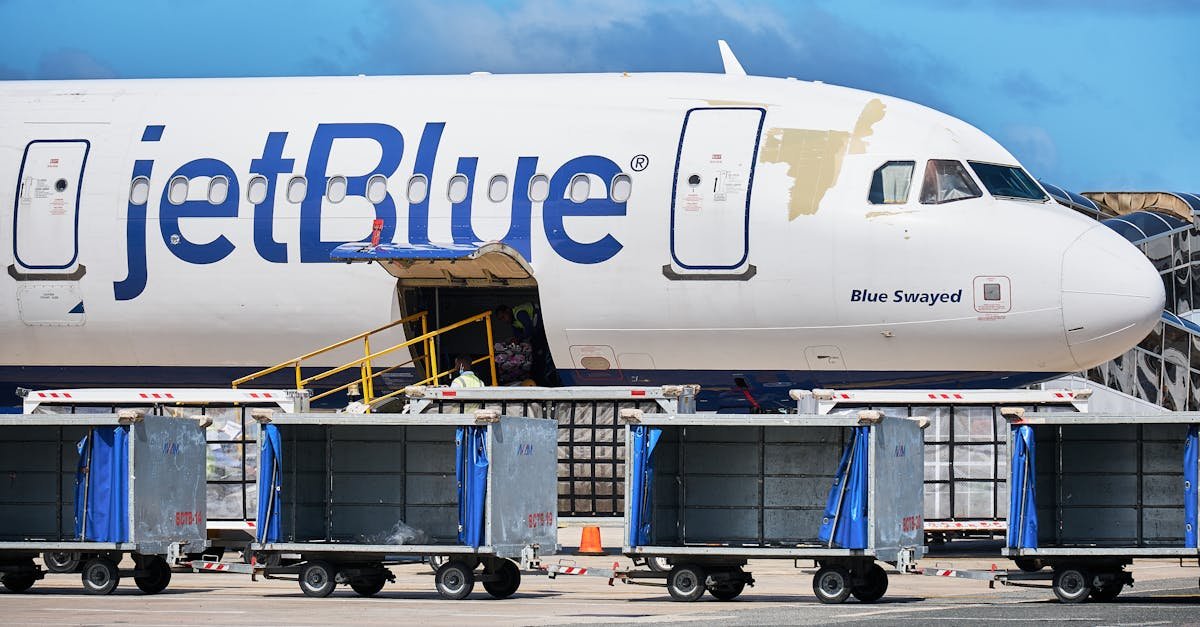
    What began as a routine international flight turned into a terrifying mid-air emergency, and now it has escalated into a major legal battle. Passengers aboard a JetBlue flight have filed a lawsuit against aircraft manufacturer Airbus, alleging that a sudden and unexplained loss of altitude on an Airbus A320 caused injuries, trauma, and long-term distress.

    The incident has reignited concerns about flight-control software, automation reliability, and how modern aircraft handle rare system failures. As investigations continue, the lawsuit is already drawing global attention within the aviation industry.

    What Happened on the JetBlue Flight

    View of clouds and sky from an airplane window, showcasing travel scenery.

    The incident occurred aboard a JetBlue Airbus A320 operating an international route from Cancún, Mexico, to Newark, New Jersey. According to passenger accounts and early investigative findings, the aircraft was cruising at approximately 35,000 feet when it suddenly pitched nose-down without warning.

    Passengers described the moment as violent and disorienting. Drinks flew, unsecured items hit the ceiling, and several people were thrown against their seatbelts. Flight attendants who were standing or moving through the cabin were injured as the aircraft abruptly lost altitude within seconds.

    Crucially, there were no severe weather conditions reported at the time, and the aircraft was not maneuvering to avoid turbulence or traffic. The sudden descent appeared to come out of nowhere.

    How Much Altitude Did the Plane Lose?

    While early reports suggested a dramatic “plunge,” aviation data indicates the aircraft lost roughly 100 feet of altitude in a very short span of time. In commercial aviation terms, even a brief, uncommanded altitude loss at cruising height is considered serious, especially when it occurs without pilot input or warning.

    Pilots quickly regained control of the aircraft, stabilized the flight, and declared an emergency. The plane diverted to Tampa, Florida, where it landed safely. No fatalities occurred, but multiple passengers and crew members required medical evaluation after landing.

    Allegations of a Flight Control Software Failure

    At the heart of the lawsuit is an allegation that the incident was caused by a malfunction within the aircraft’s fly-by-wire system. The Airbus A320 relies heavily on computer-controlled flight systems that interpret pilot inputs and automatically maintain safe flight parameters.

    According to the lawsuit, a fault within one of the flight control computers may have caused the aircraft to command a nose-down input without pilot instruction. Investigators are reportedly examining whether corrupted data or a software anomaly inside the Elevator and Aileron Computer played a role.

    While Airbus has not admitted fault, the company has acknowledged that it identified a potential software vulnerability affecting certain A320-family aircraft. Airlines worldwide were instructed to apply software updates or temporary mitigations as a precaution.

    Who Filed the Lawsuit and What Are They Claiming?

    Several passengers from the flight have filed a federal lawsuit in Florida naming Airbus as a primary defendant. JetBlue is also included under international aviation liability rules that govern passenger injuries on cross-border flights.

    The plaintiffs allege that:

    • The aircraft was equipped with flight-control software that was unreasonably dangerous
    • The defect was known or should have been known prior to the incident
    • Passengers suffered physical injuries, emotional trauma, and ongoing psychological effects

    The lawsuit seeks financial compensation exceeding $75,000 per plaintiff, covering medical costs, pain and suffering, and long-term emotional distress.

    JetBlue’s Role Under International Aviation Law

    Although the lawsuit focuses heavily on Airbus, JetBlue has been named under the Montreal Convention, an international treaty that governs airline liability for injuries occurring on international flights.

    Under this framework, airlines can be held financially responsible for passenger injuries regardless of fault, though they may later seek reimbursement from manufacturers or suppliers if a defect is proven.

    JetBlue has stated that safety remains its top priority and that it is cooperating fully with investigators. The airline has not publicly commented on the pending litigation.

    Regulatory Investigations and Industry Impact

    The incident is being reviewed by aviation safety authorities, including the National Transportation Safety Board. Investigators are analyzing flight data recorders, cockpit voice recordings, and software logs to determine exactly what triggered the sudden descent.

    Beyond this single flight, the case has broader implications. The Airbus A320 family is one of the most widely used aircAircraftraft types in the world, with thousands in service across major airlines. Any confirmed software flaw could have ripple effects across global aviation operations.

    In response to the incident, Airbus issued guidance recommending software updates and operational checks. While these measures were described as precautionary, they underscore the seriousness with which the manufacturer is treating the event.

    Passenger Trauma and the Human Cost

    For many passengers, the most lasting impact has not been physical but psychological. Several plaintiffs report anxiety about flying, sleep disturbances, and symptoms consistent with post-traumatic stress.

    A sudden loss of altitude, even one that lasts only seconds, can feel catastrophic to those onboard. Aviation experts note that humans are particularly sensitive to unexpected vertical motion, especially when it occurs without explanation.

    The lawsuit argues that passengers were entitled to a reasonable expectation of safety and that the incident shattered their trust in aircraft automation.

    A vibrant sunset at Copenhagen Airport with airplanes and bustling activity.

    Why This Lawsuit Matters for Aviation Safety

    This case arrives at a time when aviation safety discussions increasingly focus on software, automation, and human-machine interaction. Modern aircraft are extraordinarily safe, but when systems fail, the failures can be complex and difficult to predict.

    The lawsuit may ultimately hinge on whether the alleged software issue constitutes a design defect or an unforeseeable anomaly. Either way, it is likely to influence how manufacturers test, certify, and monitor flight-critical software going forward.

    What Happens Next?

    The legal process is still in its early stages. Investigators continue to analyze technical data, and the court will eventually determine whether the claims against Airbus and JetBlue proceed to trial or are resolved through settlement.

    For now, the incident serves as a stark reminder that even in an era of advanced automation, aviation safety depends on relentless oversight, transparency, and accountability.

    As the case unfolds, passengers, regulators, and airlines around the world will be watching closely.