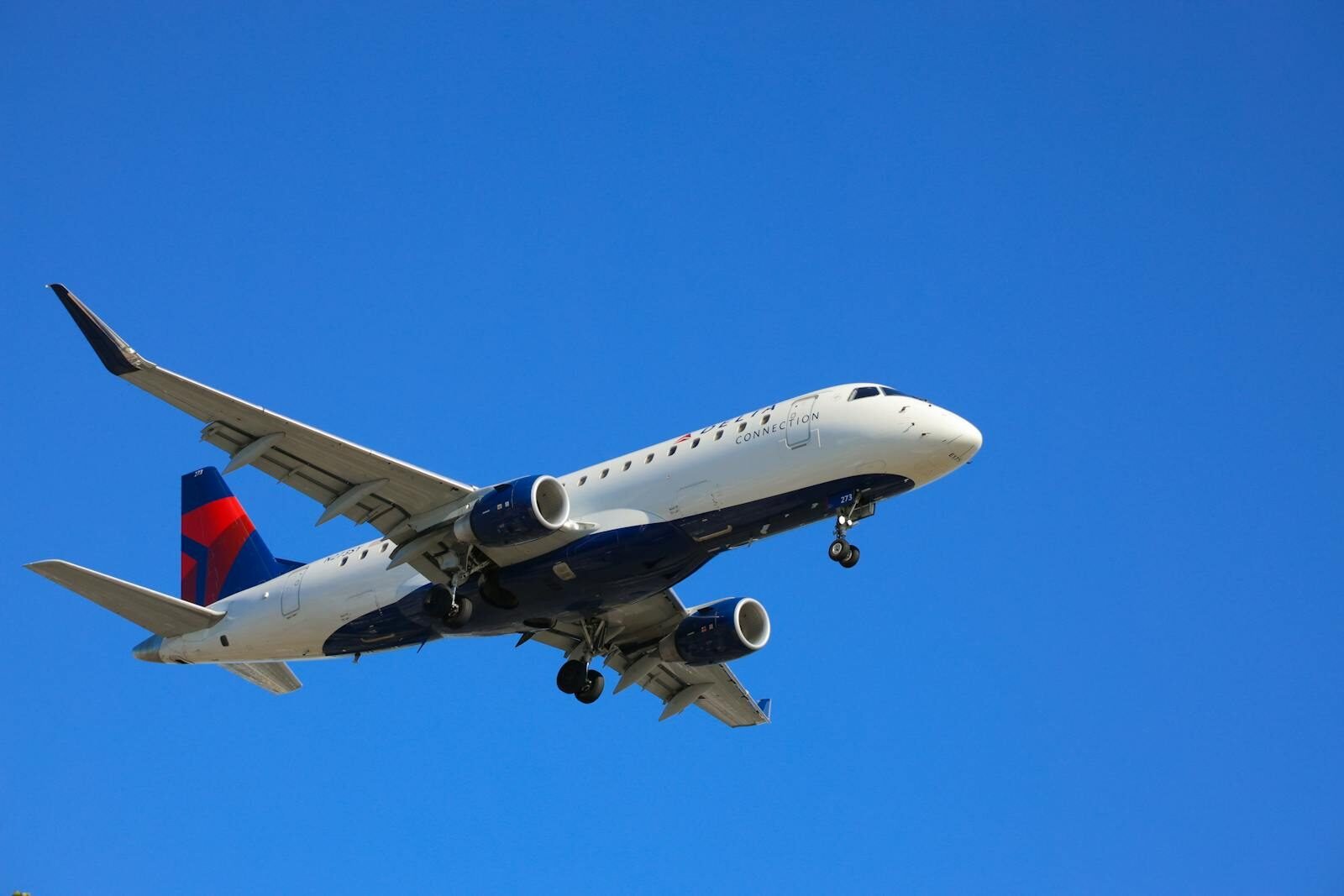
The landscape of US Aviation is undergoing a seismic shift that many casual travelers might not notice until their local flight is canceled. While major international carriers are reporting record revenues and packed cabins, the smaller partners that connect rural America to global hubs are struggling to keep their planes in the air. These regional airlines act as the essential nervous system for the country, yet they are currently facing a series of pressures that threaten the very existence of short haul flying.
To understand the gravity of the situation, one must look at how the industry is structured. Most people buy a ticket from a major brand, but the actual flight is often operated by a regional partner. These smaller companies are now caught in a vice between rising operational costs and a severe lack of qualified personnel. The result is a domestic network that is becoming increasingly fragile.
What Happened to the Regional Network
Over the past few years, the regional sector has seen a dramatic contraction. Hundreds of regional jets have been parked in desert storage not because they are broken, but because there is no one to fly them. Many small and mid sized cities across the United States have lost their scheduled service entirely. This is a massive blow to local economies that rely on US Aviation to bring in business and tourism.
The statistics are jarring. Nearly three quarters of US airports have seen a decrease in flight frequency, and dozens have been cut off from the national grid completely. Major carriers have been forced to terminate contracts with regional partners that simply cannot meet their flight schedules. This has led to a consolidation of the market where only the strongest or most well capitalized regional players can survive.
Why the Pressure Reached a Breaking Point
The primary driver behind this crisis is a profound shortage of experienced pilots. While there has been a lot of talk about a general lack of pilots, the real issue is a lack of captains. In US Aviation, a pilot must move from the right seat to the left seat after gaining a specific amount of flight time. However, major airlines have been hiring away regional captains at an unprecedented rate. This leaves the regional carriers with plenty of new first officers but nobody with enough experience to legally lead the flight.
Financial pressures have also intensified. Because the supply of pilots is so low, regional airlines have had to double or even triple their starting pay to attract talent. While this is great for the pilots, it has destroyed the traditional business model of the regional airline. These companies used to win contracts by being the lowest cost provider for major brands. Now that their labor costs are skyrocketing, that advantage has vanished. Fuel prices and the rising cost of aircraft parts have only added more weight to an already heavy burden.
Why the Regional Struggle Matters to Everyone
You might think that if you only fly between big cities like New York and Los Angeles, this does not affect you. That is a mistake. The health of the entire US Aviation ecosystem depends on the regional feed. When a regional airline fails or cuts a route, it stops delivering passengers to the big hubs. This means the large planes flying international routes have fewer people to fill their seats, which eventually leads to higher ticket prices for everyone.
For residents in smaller communities, the impact is even more personal. When a city loses its air connection, it loses its link to the global economy. Businesses are less likely to open offices in towns that require a four hour drive to the nearest major airport. This creates a cycle of economic decline in rural areas, making the regional airline crisis a matter of national infrastructure rather than just a corporate problem.
The Operational Reality for Major Hubs
The pressure on regional carriers also creates a domino effect at large airports. To compensate for fewer regional flights, major airlines are using larger planes on routes that used to be served by small jets. While this moves more people, it reduces the frequency of flights. Instead of having five options to fly to a hub throughout the day, a traveler might only have two. This lack of flexibility makes US Aviation less convenient for the business traveler who needs specific timing for meetings and connections.
Furthermore, the congestion at major hubs is actually getting worse. As airlines move away from small 50 seat jets and toward larger 150 seat aircraft, every flight requires more gate space and more ground crew. This shift is putting a strain on airport infrastructure that was designed for a different mix of aircraft sizes.
What Happens Next for Domestic Travel
Looking ahead, the regional airline industry will likely look very different than it does today. We are seeing a move toward “wholly owned” subsidiaries. Major airlines are realizing that they cannot leave their regional feed to chance, so they are buying up their partners to have more control over the pilot pipeline and scheduling. This means less competition among regional providers and more direct control by the big players in US Aviation.
Technology may eventually offer a solution, but it is years away. There is significant investment in electric and hybrid aircraft designed for short hops. These planes would be cheaper to operate and quieter for local communities. However, until these new technologies are certified and produced at scale, the industry must find a way to make the current fossil fuel based model work under intense financial strain.
An In Depth Analysis of the Path Forward
The survival of the regional sector depends on a fundamental rethink of how we train and retain aviation professionals. The current pathway for a pilot in US Aviation is long and expensive, often saddling young aviators with six figures of debt before they ever earn a paycheck. For the regional model to stabilize, there must be a more streamlined way to move people from flight school to the captain’s chair without the constant threat of them being poached by larger carriers the moment they gain experience.
There is also a growing discussion about the role of government subsidies. The Essential Air Service program already helps fund flights to very remote areas, but some argue this needs to be expanded to prevent a total collapse of service to mid sized America. Without some form of intervention or a drastic shift in how major airlines support their partners, the map of US Aviation will continue to shrink. The next few years will determine if we remain a country where every major town has a flight or if air travel becomes a luxury reserved only for those living in the largest metropolitan centers.
Navigating the Changing Skies
The current friction in the market is a wake up call for the entire industry. It highlights that no part of the aviation chain exists in a vacuum. When the small players suffer, the giants eventually feel the pain as well. The coming years will require creative scheduling, better career paths for crew members, and perhaps a new definition of what it means to provide regional service. While the challenges are significant, the necessity of these flights ensures that the industry will find a way to adapt, even if the journey is a bit bumpy.
Leave a Reply