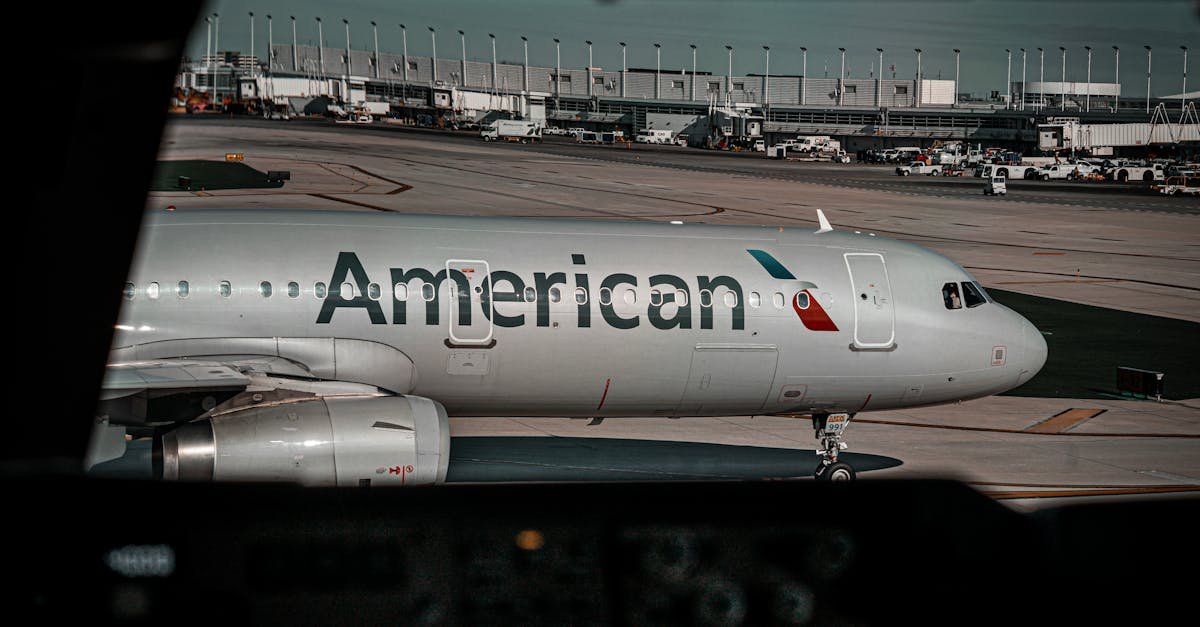
The aviation world is currently buzzing with a question that once seemed impossible. Could United and American Airlines actually merge? For years, the U.S. airline industry has been dominated by a small group of massive carriers. These companies have carved out their own hubs and loyal customer bases. However, recent rumors and high-level discussions have brought the idea of a “mega-merger” back into the spotlight.
If such a deal ever moved from a whisper to a reality, it would change everything for passengers. From the price of a ticket to the routes available at your local airport, the ripples would be felt across the globe. To understand why this is being talked about now, we have to look at the current state of American Airlines and how the industry is shifting under our feet.
The Spark That Started the Conversation
The latest round of speculation began in early 2026. Reports emerged that the leadership at United Airlines had floated the idea of a combination during meetings with government officials. The logic presented was simple. As fuel prices climb and international competition grows, the biggest U.S. carriers might need even more scale to stay competitive against foreign airlines.
For American Airlines, this conversation comes at a time of transition. The company has spent the last few years focusing on paying down debt and improving its operational reliability. While the airline is seeing record revenues and strong demand for its premium seats, the cost of doing business is rising. In this environment, the idea of joining forces with another giant starts to look less like a fantasy and more like a strategic play for survival.
Why Scale Matters for American Airlines
To understand why a merger is even being discussed, you have to look at how American Airlines operates today. It currently manages one of the largest fleets in the world and serves hundreds of destinations. However, even with that massive footprint, there are gaps. United has a very strong presence in international gateways like San Francisco and Newark. Meanwhile, American Airlines holds a dominant position in the Sun Belt and across the Atlantic through its London partnerships.
A merger would theoretically create a carrier that is untouchable in terms of network reach. You would have a single airline that controls the most important hubs in New York, Chicago, Dallas, and Los Angeles. For a business traveler, this sounds like a dream. You could fly almost anywhere on a single ticket while racking up points in one loyalty program. For the airline, it means more efficiency and more power to negotiate for better fuel prices or airplane orders.
The Massive Regulatory Wall
While the business logic might make sense on paper, the legal reality is much different. The United States government has a very strict set of rules meant to prevent monopolies. In recent years, regulators have been incredibly skeptical of any deals that reduce competition. We saw this when the government blocked smaller deals involving JetBlue and Spirit.
If the government was worried about a small budget airline being bought, imagine the reaction to a merger between two of the “Big Three.” A combined United and American Airlines would control such a huge portion of the market that it could effectively set prices in many cities. Critics argue that when competition goes down, ticket prices almost always go up.
The Department of Justice would look at “overlap” routes. These are flights where both United and American Airlines are the only major choices for passengers. If they merged, the competition on those routes would vanish. To get approval, the airlines would likely have to give up dozens of gates at major airports, which might defeat the purpose of the merger in the first place.
How Your Frequent Flyer Miles Could Change
One of the biggest concerns for travelers is what happens to their loyalty. American Airlines has one of the most popular programs in the world with AAdvantage. Millions of people have spent years earning status and miles with the hope of using them for dream vacations.
In a merger, two very different cultures and systems have to mesh. United uses a different technology platform and has a different approach to elite benefits. History shows that combining these programs is a massive headache. When American Airlines merged with US Airways years ago, it took a long time to smooth out the bumps. A merger of this size would be even more complex. While your miles would likely carry over into a new combined program, the value of those miles and the ease of using them could shift overnight.
Impact on Ticket Prices and Service
The most pressing question for the average traveler is the cost. If American Airlines were to merge with United, would flying become more expensive? Most industry experts say yes. When there are fewer companies competing for your business, they don’t have to try as hard to offer the lowest price.
Beyond the price, there is the issue of service. Huge mergers often lead to “growing pains.” We have seen it before where flight schedules get messy and customer service wait times skyrocket as two massive workforces try to integrate. For American Airlines employees, a merger would mean new contracts, new seniority lists, and potential job relocations. If the staff is unhappy or stressed, that often trickles down to the passenger experience.
The International Competitive Angle
One of the strongest arguments in favor of a merger involves the global stage. While American Airlines is a titan in the U.S., it faces stiff competition from state-subsidized carriers in the Middle East and Asia. These foreign airlines often have newer planes and luxury amenities that are hard for U.S. carriers to match while remaining profitable.
United and American Airlines leaders might argue that they need to be larger to survive this global pressure. By combining resources, they could invest more in “next-generation” aircraft and better airport lounges. They want to ensure that a traveler flying from New York to Singapore chooses a U.S. brand rather than a foreign one. Whether the government believes this is a good enough reason to allow a domestic monopoly is the multi-billion dollar question.
READ MORE: American Airlines Stock Jumps as TD Cowen Hikes Price Target on Fuel Outlook
Looking Toward the Horizon
For now, a merger remains in the realm of “what if.” There have been no formal filings and no official agreements. The leadership at American Airlines continues to focus on its own independent growth, adding new planes and refining its schedule to meet the demands of 2026 travelers.
However, the fact that these conversations are happening at high levels of government shows that the industry is at a crossroads. Costs are not going down, and the pressure to be more efficient is only growing. Whether it happens through a full merger or just deeper partnerships, the way we fly is going to continue to evolve.
The sky is crowded, and the players are powerful. As we watch how American Airlines navigates these rumors, passengers should stay informed. The future of your next flight might just depend on a handshake between the giants of the industry.
Leave a Reply