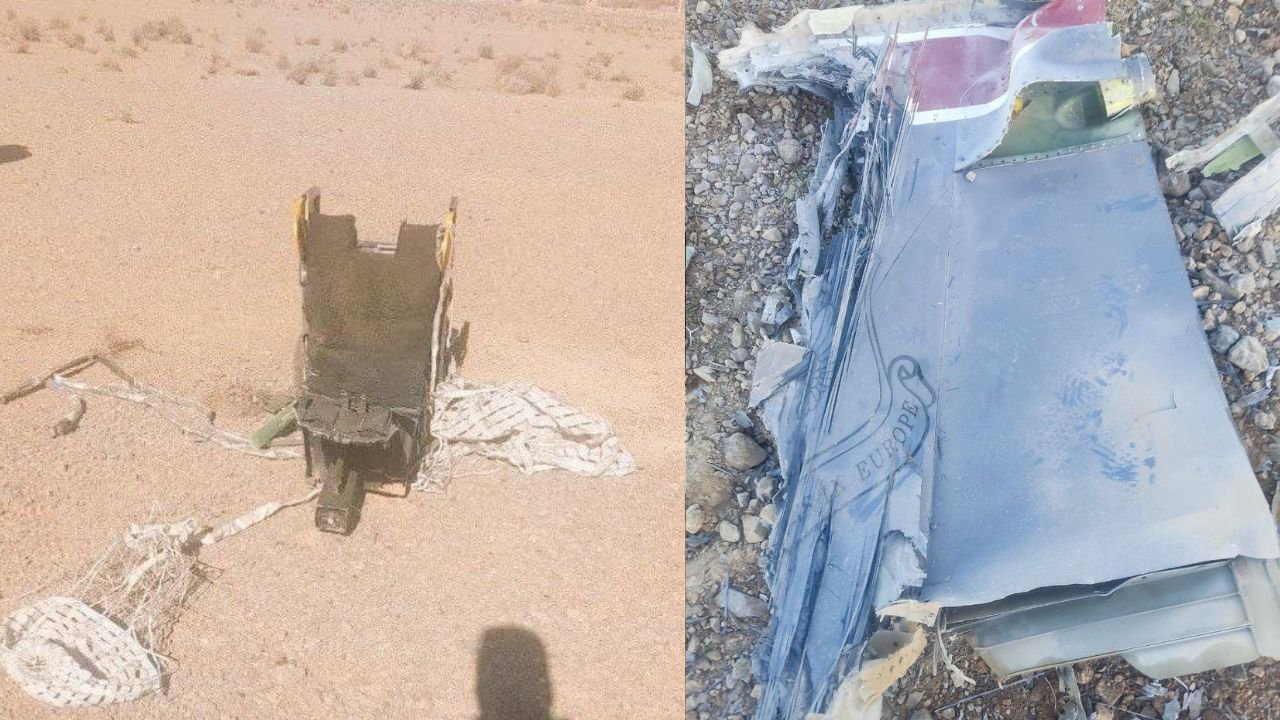
The sky over southern Iran became the center of global attention today as reports confirmed that a United States Air Force jet was lost during a combat sortie. This event marks a major turning point in the ongoing military conflict known as Operation Epic Fury. While initial rumors from local sources were scattered and often contradictory, it has now become clear that an F-15E Strike Eagle shot down earlier this morning has triggered one of the most dangerous search and rescue operations in recent military history.
As the sun sets over the rugged Iranian landscape, the fate of two American aviators remains unknown. Military analysts and families alike are waiting for any scrap of information regarding the pilot and the weapons systems officer who were on board the aircraft. This incident represents the first time a crewed American fighter jet has been lost to hostile fire over Iranian territory since the start of the current war, raising the stakes for every person involved in the region.
The Morning the F-15E Strike Eagle Shot Down Occurred
The mission began like many others during this intense period of aerial warfare. The F-15E Strike Eagle shot down was part of a formation conducting operations deep within Iranian airspace. Early on April 3, 2026, Iranian state media began broadcasting claims that their air defense systems had successfully engaged and destroyed an advanced American stealth fighter. They initially identified the wreckage as an F-35, likely seeking a propaganda victory by claiming to have defeated a fifth generation jet.
However, as photos of the crash site began to circulate on social media and through international news agencies, aviation experts quickly corrected the narrative. The debris clearly showed a vertical stabilizer with distinct markings and a red tail flash. These identifiers belong to the 494th Fighter Squadron, famously known as the Panthers, based out of RAF Lakenheath in the United Kingdom. It was soon confirmed that the aircraft was actually a dual seat F-15E Strike Eagle shot down by what appears to be a sophisticated surface to air missile system.
The crash site is located in a mountainous and remote region of southern Iran. This geography makes both the initial impact and any subsequent rescue attempts incredibly difficult. Eyewitnesses in nearby villages reported hearing a massive explosion followed by the sight of a burning object falling rapidly from the clouds. The crater left behind suggests a high speed impact, but there were also early reports of parachutes being spotted in the air shortly after the missile hit.
Status of the Two Person Crew
The most pressing concern for the Pentagon right now is the status of the two crew members. Unlike many other fighter jets, the F-15E Strike Eagle shot down today carries both a pilot in the front seat and a weapons systems officer in the back. This means two families are currently waiting for news that could change their lives forever.
Iranian news outlets have been active in posting images that they claim show the aftermath of the shoot down. One particularly chilling image appeared to show an ACES II ejection seat lying among the rocks. If this photo is authentic, it provides a glimmer of hope. The presence of an ejection seat on the ground usually means that at least one of the crew members was able to initiate the escape sequence before the jet hit the earth.
Despite this, the situation remains dire. Iran has reportedly offered rewards to local citizens for any information leading to the capture of the American aviators. There are also unconfirmed reports of Iranian ground forces and local militia groups scouring the hillsides near the crash site. The race is on to see who reaches the pilots first. If they are captured, they could become powerful bargaining chips in the wider geopolitical struggle, a scenario the United States military is working feverishly to avoid.
The High Stakes CSAR Mission Underway
As soon as the F-15E Strike Eagle shot down was confirmed missing from radar, the United States military activated its Combat Search and Rescue protocols, often referred to as CSAR. This is a highly specialized and dangerous type of mission where personnel fly into hostile territory to retrieve downed airmen.
Video footage captured by civilians in southwestern Iran shows a very low flying C-130 Hercules tanker accompanied by HH-60 Pave Hawk helicopters. These helicopters are the backbone of the Air Force rescue teams. Seeing them operating so deep inside Iranian borders confirms that the military has a general idea of where the crew might be and is willing to risk further assets to get them back.
A CSAR mission is a race against time. The pilots are likely equipped with survival kits, radios, and basic weapons, but they are operating in an environment where they are vastly outnumbered. They must stay hidden while trying to signal friendly aircraft without giving away their position to the Iranian search parties. The Pave Hawk crews are trained for exactly this, often flying just feet above the ground to avoid radar detection, but the density of Iranian air defenses in the area makes this a heart pounding operation for everyone involved.
Strategic Impact on Operation Epic Fury
The loss of this aircraft will undoubtedly have a ripple effect on how the United States conducts the rest of Operation Epic Fury. For weeks, American air power has operated with a level of confidence, but the F-15E Strike Eagle shot down today serves as a reminder that the skies are still contested.
The F-15E is a workhorse of the Air Force, capable of carrying massive payloads and fighting its way in and out of target zones. Seeing one of these powerful machines reduced to a pile of charred metal in the Iranian desert is a visual blow to the image of American air invincibility. It may force mission planners to change their tactics, perhaps relying more on long range standoff weapons or increasing the number of electronic warfare aircraft used to jam Iranian sensors during strike missions.
Furthermore, the domestic reaction in the United States is likely to be intense. The public has been following the developments of the 2026 war closely, and the news of missing airmen often changes the tone of national conversation from strategic goals to human survival. The pressure on the administration to bring these brave individuals home will be immense, regardless of the political cost.
A Waiting Game for the World
At this hour, the Pentagon has remained relatively quiet, only confirming the loss of an aircraft off the record while refusing to provide details on the identity of the crew. This silence is typical during an active rescue mission, as any information shared publicly could be used by the enemy to intercept the rescue teams.
The F-15E Strike Eagle shot down today is more than just a lost piece of hardware worth nearly one hundred million dollars. It represents two human lives currently caught in the middle of a global flashpoint. Whether they are hiding in a rocky crevice waiting for the sound of a Pave Hawk or have already been detained by local forces is the question that defines this moment.
As we move into the next phase of this developing story, the focus remains entirely on the rescue efforts. The specialized teams flying through the darkness of the Iranian night are the only hope for a positive end to this tragic day. The world can only watch and wait for the signal that the crew is safe and heading back to friendly lines. Every hour that passes makes the mission more difficult, but the resolve of the rescue units is legendary, and they will not stop until every effort has been exhausted to bring their comrades home.
Leave a Reply