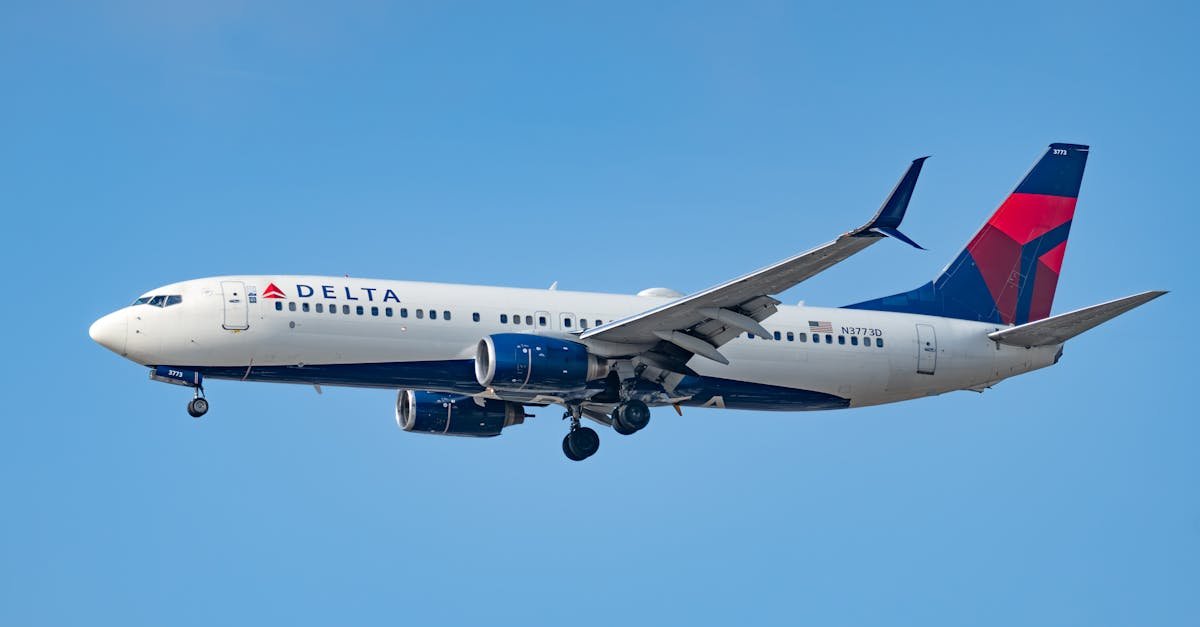
The middle of the country is bracing for a powerful weather system that has forced major changes for travelers this weekend. As a massive winter storm moves through the region, Delta Air Lines has already started calling off hundreds of flights to keep passengers safe and prevent a complete gridlock at busy terminals. This late winter blast is expected to bring heavy snow and dangerous winds, making it impossible for many planes to take off or land.
For anyone planning to fly through the Midwest over the next few days, the situation is changing quickly. Delta Air Lines is working hard to manage the fallout from the weather, but the sheer scale of the storm means that disruptions are unavoidable. By making proactive cuts to the schedule, the company hopes to avoid the long lines and stranded crowds that often happen when a storm catches an airline by surprise.
Massive Snowfall Totals Forecast for Minneapolis and Beyond
The heart of the disruption is centered around Minneapolis St. Paul International Airport, which serves as a major base of operations for the carrier. Forecasters are warning that this could be one of the biggest snow events of the season for the Twin Cities. Some estimates suggest that as much as 18 to 20 inches of snow could fall in parts of Minnesota and Wisconsin before the system finally moves out.
It is not just the snow that is causing headaches for Delta Air Lines and its customers. Strong wind gusts are expected to create whiteout conditions, making it dangerous for ground crews to operate and for pilots to see the runway. These conditions are a recipe for delays, and the airline decided that canceling flights ahead of time was the most responsible way to handle the risk.
How Delta Air Lines is Managing Flight Cancellations
When a storm of this magnitude is on the horizon, airlines use data and weather models to decide which flights to cut. Delta Air Lines has already pulled more than 300 flights from its weekend schedule, with the majority of those impacts happening on Sunday. By canceling these flights early, the airline can stop passengers from heading to the airport only to find out their plane isn’t leaving.
This proactive approach also helps the airline keep its staff and equipment in the right places. If too many planes get stuck in a snowy hub like Minneapolis, it can cause a ripple effect that delays flights in sunny places like Florida or California. Delta Air Lines is trying to keep its global network moving by sacrificing these specific regional routes that are directly in the path of the blizzard.
Understanding the Reach of the Travel Waivers
To help people deal with the stress of a canceled trip, Delta Air Lines has issued a special travel waiver. This is essentially a hall pass that lets you change your flight without paying the usual fees. If you were scheduled to fly to, from, or through the affected areas on March 14 or March 15, you can move your trip to a later date.
The airline is allowing customers to rebook their travel for any time through March 22 without a fare difference, as long as they stay in the same cabin. This gives people about a week to wait for the snow to clear and for airport operations to return to normal. Delta Air Lines also offers the option to cancel the trip entirely and keep the value of the ticket as a credit for a future flight, which is valid for one year.
The Impact on Regional Airports Across Seven States
While the hub in Minneapolis is seeing the most trouble, the reach of this storm is much wider. Delta Air Lines has flagged 26 different airports across seven states as being at risk. This includes smaller cities in Michigan, Iowa, and South Dakota where snow removal might take longer and where regional jets are more susceptible to high winds.
Travelers in cities like Milwaukee, Des Moines, and Green Bay are seeing their options dwindle as the storm moves closer. Because many of these smaller locations rely on flights connecting through larger hubs, a cancellation in Minneapolis often means the regional flight is canceled too. Delta Air Lines is keeping a close eye on these smaller markets to ensure that safety remains the top priority for everyone involved.
Tips for Travelers Navigating the Storm
If you have a ticket with Delta Air Lines this weekend, the most important thing you can do is stay informed. Checking your flight status through the mobile app is usually faster than calling a customer service representative, as phone lines tend to get very busy during weather events. The app will provide real time updates on whether your plane is delayed, canceled, or still on track.
It is also a good idea to pack some extra patience and perhaps some snacks if you do decide to go to the airport. Even if your flight is still scheduled to depart, there could be long lines for de icing or delays on the tarmac while crews clear the runways. Delta Air Lines suggests that passengers sign up for text alerts so they can get instant notifications about any changes to their itinerary.
Why Proactive Cancellations Save Time in the Long Run
It might seem frustrating when Delta Air Lines cancels a flight before the first snowflake has even fallen, but this strategy actually helps everyone get home sooner. When an airline waits until the last minute to cancel, thousands of people end up stuck in the terminal at the same time. This creates a massive backlog that can take days to clear.
By thinning out the schedule now, Delta Air Lines ensures that they have empty seats available on Monday and Tuesday to accommodate the people who couldn’t fly on Sunday. It also prevents flight crews from reaching their maximum work hours while sitting on a plane that isn’t moving, which keeps them available to fly once the skies clear up.
Looking Ahead to Recovery Efforts
Once the peak of the storm passes on Sunday morning, the focus will shift to digging out. Delta Air Lines will be working closely with airport authorities to clear runways and get the gates ready for arrivals. Depending on how much snow actually piles up, it could take 24 to 48 hours for the schedule to get back to 100 percent.
The airline has stated that they will continue to monitor the weather and make further adjustments if the storm lingers longer than expected. For now, the best advice for anyone in the Midwest is to stay off the roads and keep an eye on their inbox for updates from Delta Air Lines regarding their travel plans.
Keeping Your Travel Plans Flexible
The reality of spring travel in the Midwest is that winter isn’t always finished with us. This latest storm is a reminder that weather can change in an instant, and being flexible is the best way to handle the situation. Delta Air Lines has made it clear that they want to help their customers get where they need to go, even if it means a slight delay in the arrival time.
By using the tools provided by the airline, such as the mobile app and the flexible rebooking options, you can take control of your trip despite the snow. While nobody likes a canceled flight, knowing that Delta Air Lines is prioritizing safety over schedule provides some peace of mind during a chaotic weather event.
Leave a Reply