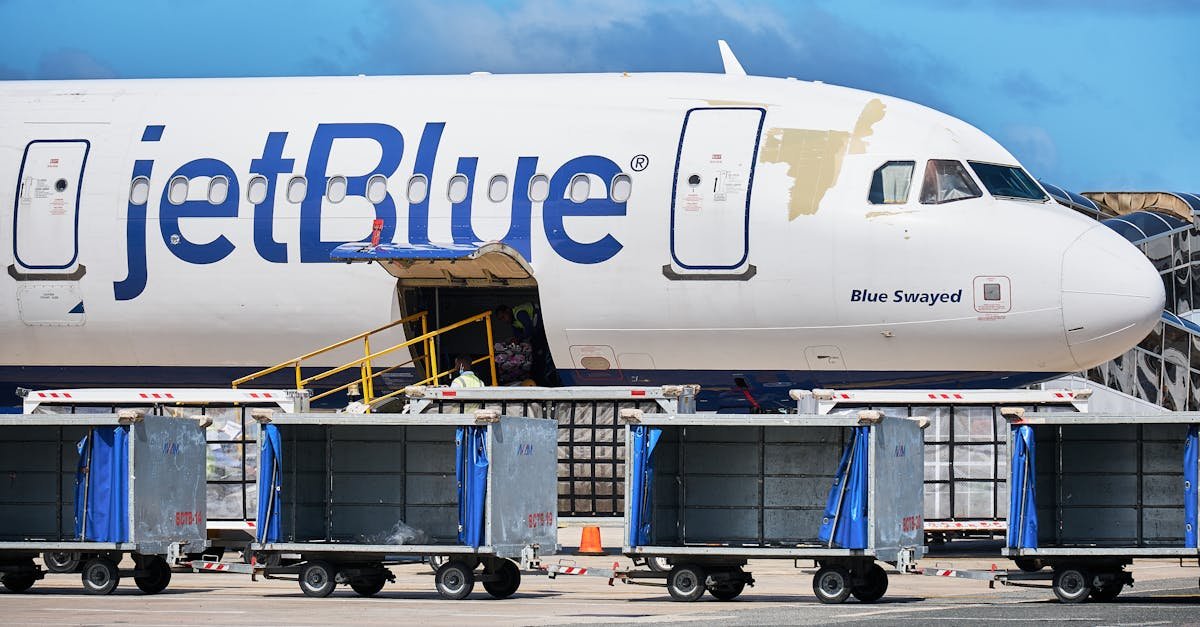
Early Tuesday morning on March 10, 2026, travelers across the United States woke up to a sudden and puzzling disruption. The Federal Aviation Administration issued a nationwide ground stop for all JetBlue flights at the request of the airline. While the pause was relatively brief, it sent ripples through the aviation industry and left thousands of passengers wondering what went wrong. To understand why such a drastic measure was taken, it is necessary to look at the mechanics of airline operations and the specific events that unfolded during those early morning hours.
The Timeline of the March 10 Grounding
The event began in the predawn hours when most of the country was still asleep. At approximately 5:30 AM EST, the FAA posted an official advisory noting that all JetBlue departures were being halted. Unlike many ground stops that are weather related or initiated by air traffic control, this specific order came because JetBlue itself asked for it.
The ground stop lasted roughly 40 minutes, with the FAA lifting the restriction around 6:10 AM EST. While 40 minutes might seem like a small window of time, in the world of commercial aviation, even a short pause can be incredibly expensive and logistically difficult. Flights already in the air were allowed to continue to their destinations and land safely, but any aircraft sitting at a gate or on a taxiway was forced to wait until the “all clear” was given.
The Core Cause A Brief System Outage
Following the resumption of flights, JetBlue issued a statement clarifying the situation. The airline attributed the grounding to a brief internal system outage. In the modern era, airlines are essentially massive technology companies that happen to fly planes. Every aspect of a flight is managed through interconnected software systems.
When a “system outage” occurs, it usually involves one of the following critical pillars:
- Weight and Balance Systems: Pilots need precise calculations on fuel, baggage, and passenger weight to determine takeoff speeds and flap settings. If the software that calculates this data goes down, a plane cannot legally or safely take off.
- Flight Dispatch Communication: Dispatchers on the ground must be able to send flight plans and weather updates to the cockpit. A break in this digital link effectively freezes the fleet.
- Passenger Manifests: For security and operational reasons, the airline must have an accurate, real-time list of every person on board. If the check-in or boarding software fails, the airline loses its ability to track who is on which plane.
While JetBlue did not specify which exact program failed, the fact that they requested a nationwide stop suggests the issue was at a central server level rather than a localized problem at a single airport like JFK or Boston Logan.
Why Airlines Request Their Own Grounding
It is quite rare for an airline to ask the FAA to ground its entire fleet. Usually, the FAA takes the lead during hardware failures in air traffic control towers or severe weather events. However, when an airline makes this request, it is an act of proactive safety management.
By freezing all departures, JetBlue prevented a situation where dozens of planes might be stuck on taxiways with no way to receive their necessary flight data. It is much easier to manage a delay at the gate than it is to manage a line of twenty planes burning fuel on a runway while technicians in a data center try to reboot a server. This move allowed JetBlue to “pause” the clock, fix the technical glitch, and then resume in a controlled manner.
The Impact on Passengers and Operations
Even though the grounding was lifted before many people had even finished their first cup of coffee, the effects were felt throughout the day. Aviation operates on a “hub and spoke” model where planes and crews are scheduled to fly multiple legs in a single day. A 40-minute delay for a 6:00 AM flight out of New York might result in a two-hour delay for a 4:00 PM flight out of Los Angeles because the aircraft or the pilots arrived late from their previous journey.
On the morning of the outage, flight tracking services reported roughly 150 delays across the JetBlue network.Fortunately, because the outage happened so early and was resolved quickly, the airline avoided the kind of multi-day “meltdown” that has plagued other carriers in recent years. Most passengers saw delays of under an hour, though those with tight connections in major hubs faced a more stressful experience.
Technical Resilience in Modern Aviation
The March 2026 JetBlue incident highlights a growing concern in the travel industry: the fragility of digital infrastructure. As airlines move toward more automated and paperless cockpits, their reliance on 100% uptime for their internal networks becomes absolute.
In years past, a computer failure might have been managed with manual paperwork and radio communication. Today,the complexity of modern flight planning makes manual work nearly impossible for a fleet of hundreds of aircraft. This event serves as a reminder that while technology makes flying more efficient and often safer, it also creates a single point of failure that can halt an entire nation’s travel in an instant.
Comparing This Event to Past Outages
JetBlue is not the first airline to face this challenge. In late 2024 and throughout 2025, other major carriers like United and American Airlines experienced similar “connectivity malfunctions” that required nationwide pauses. These incidents often stem from “vendor technology issues” where a third-party software provider pushes an update that contains a bug, or an internal server experiences a hardware failure.
The aviation industry is currently under pressure to modernize these legacy systems. Many airlines still use code bases that are decades old, layered with newer web-based interfaces. When these layers don’t communicate perfectly, a system outage is the result.
How Travelers Can Prepare for Future Disruptions
While you cannot predict when an airline might have a technical hiccup, there are ways to mitigate the frustration.
- Monitor the FAA Command Center: The FAA maintains a public website that lists active ground stops in real-time. If you see your airline listed there, you know the delay is systemic rather than just a problem with your specific plane.
- Use the Airline App: During a ground stop, airport gate agents are often overwhelmed. The JetBlue app usually receives updates on flight status and rebooking options faster than the physical monitors at the airport.
- Know Your Rights: Because this was an internal “system outage” and not a weather event, it is considered a “controllable” delay. This means the airline is generally responsible for rebooking you and, in the case of long delays, providing meal vouchers or other assistance.
Navigating the Aftermath of a Flight Pause
If your flight was one of those caught in the March 10 shuffle, the best course of action is to stay patient but proactive.Once the FAA lifts a ground stop, the “ramp up” period begins. This involves re-sequencing departures and ensuring that crews have not timed out of their legal working hours.
The airline’s priority is always to get the network back on schedule as quickly as possible. For most travelers, this means a slightly later arrival. For the airline, it means a day spent playing a massive game of logistical chess to ensure that every plane ends up where it needs to be for the following morning’s schedule.
Leave a Reply