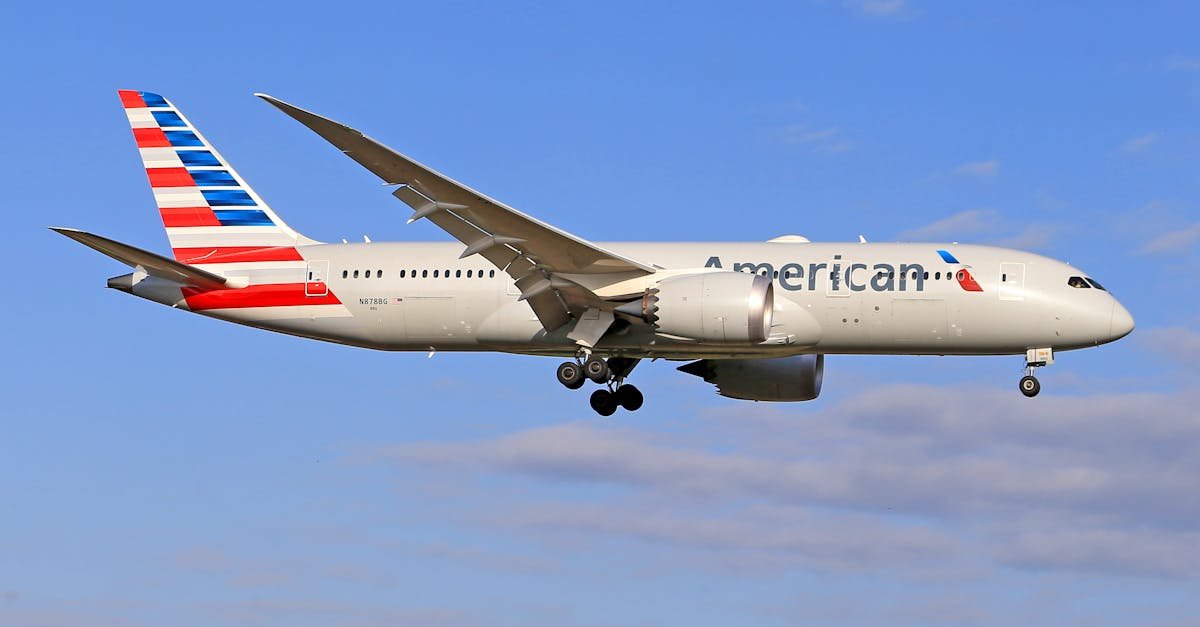
The landscape of international travel faced a seismic shift on February 28, 2026, as the three largest carriers in the United States made the difficult call to halt operations to the Middle East. Following a night of intense military activity and the closure of several key air corridors, American Airlines, United, and Delta have grounded flights to ensure the safety of their passengers and crew members. For many travelers, this news broke while they were already at the gate or, in some dramatic cases, while their planes were already soaring over the Atlantic Ocean.
The decision comes at a time of extreme regional tension. With airspaces over Doha and Dubai essentially closed to civilian traffic, the logistics of flying into the Gulf have become impossible. If you are currently holding a ticket with American Airlines or one of its domestic competitors, you are likely facing a storm of questions regarding your travel plans, your money, and your next steps. This guide breaks down exactly what is happening on the ground and in the air.
Why American Airlines and Others Pulled the Plug
The primary driver for these cancellations is the safety of the flight paths. On the morning of February 28, 2026, military strikes led to the immediate activation of air defense systems across the region. Civilian aircraft are particularly vulnerable in these scenarios, and no airline is willing to risk flying into a potential crossfire.
American Airlines was among the first to react when its flight from Philadelphia to Doha was forced to turn back mid flight. This was not an isolated incident. United and Delta quickly followed by scrubbing their schedules for the foreseeable future. The Federal Aviation Administration has also issued a series of warnings that make it legally and operationally difficult for any US based carrier to maintain their regular routes through the Middle East.
The Massive Diversions of February 28
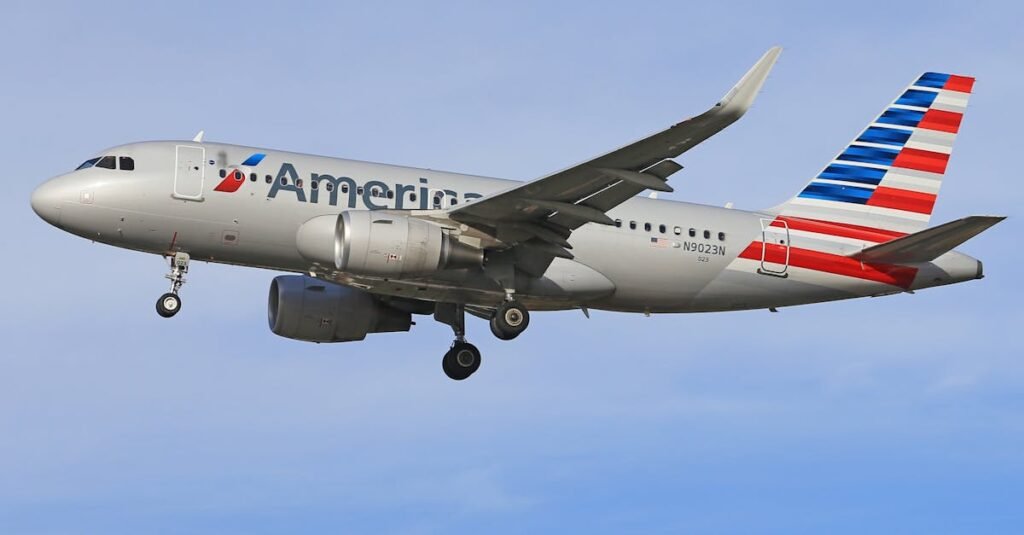
One of the most striking stories of the day involved an American Airlines long haul flight. Passengers on the Philadelphia to Doha route spent nearly seven hours in the air only to be told that the plane had to return to its origin point. Because the airspace in Qatar was suddenly restricted, the pilots had no choice but to execute a U turn over the ocean.
This creates a massive logistical headache. These “flights to nowhere” mean that planes are ending up in the wrong cities, and flight crews are hitting their legal limits for working hours. If you were on one of these flights, you are likely exhausted and frustrated. American Airlines has set up specialized desks at their major hubs to handle these specific cases, but the sheer volume of travelers means that digital tools are currently your fastest way to get help.
- Check Your Live Status: American Airlines Flight Status Page
- Real Time Map: American Airlines Travel Alerts
Understanding Your Refund Rights Under US Law
When a major disruption like this occurs, airlines often try to offer travel vouchers or credits that expire after a year. However, as a passenger on a US carrier, you have much stronger protections than the airlines might initially mention. The United States Department of Transportation is very clear on this matter. If an airline cancels your flight for any reason, including war or regional conflict, and you choose not to take the alternative flight they offer, you are entitled to a full cash refund.
This rule applies to all tickets, even those labeled as non refundable. If American Airlines cancels your trip to the Middle East, you do not have to accept a voucher. You can insist that the money be returned to your original credit card or bank account.
- Submit a Claim: American Airlines Refund Request
- Federal Guidelines: US DOT Flight Information
What to Do if You Are Stranded Abroad
While the Department of Transportation protects your ticket price, it does not strictly require airlines to pay for your hotel or food when the cancellation is due to an act of war or a security threat. This is where the situation gets tricky for those stuck in transit.
If you are a passenger of American Airlines and you are stuck in a connecting city like London or Madrid, you should immediately speak with a gate agent about “distressed passenger” assistance. While they may not be legally obligated to pay for your room, many carriers provide vouchers for nearby hotels out of goodwill. If they refuse, make sure to keep every single receipt for your meals, transport, and lodging. You will need these to file a claim with your travel insurance provider later.
Navigating the United and Delta Cancellations
United Airlines has seen similar chaos, particularly with its popular routes out of Newark Liberty International. Their direct service to Dubai is a major artery for people traveling to the Indian subcontinent. With that route now closed, United is working to rebook passengers on flights that go through Europe or Asia, though those seats are filling up in seconds.
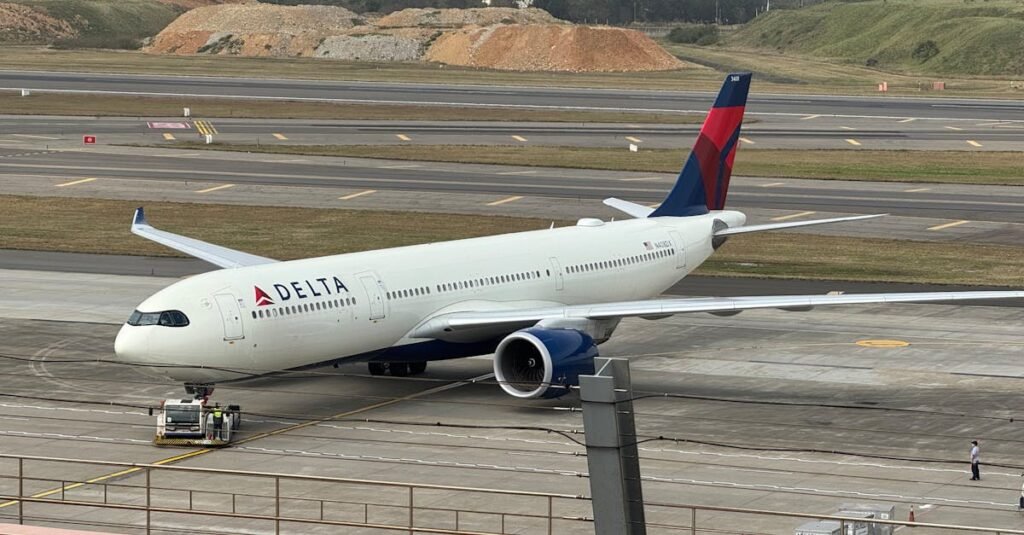
Delta Air Lines has also paused its Middle East operations. Delta often relies on its European partners like Air France and KLM. Because those airlines have also restricted their flights to the region, Delta passengers are finding that their entire itinerary has been wiped out. If you are in this position, you must check the Delta Travel Advisories page for the most recent updates on rebooking.
The Importance of Travel Insurance and Credit Card Coverage
In a situation as volatile as the 2026 conflict, your personal travel insurance is often more valuable than the airline policy itself. Many high end credit cards also offer built in trip interruption insurance. These policies usually cover the extra costs that the airline will not pay for, such as the price of a last minute flight on a different carrier or extended hotel stays.
When you call your insurance company, tell them your flight was cancelled due to “airspace closure” or “security concerns.” Be prepared to provide your original American Airlines flight number and the official cancellation notice you received via email or text.
Staying Safe with Government Programs
For any American citizen currently in or near the conflict zone, the situation goes beyond just a missed flight. The US State Department has issued urgent travel warnings for the region. They highly recommend that all travelers enroll in the Smart Traveler Enrollment Program. This allows the US government to know your location and send you emergency updates about evacuation flights or airport reopenings.
- Sign Up Here: Smart Traveler Enrollment Program (STEP)
- Official Warnings: US State Department Travel Advisories
Preparing for Long Term Schedule Shifts
Even if the military tension cools down in the next few days, do not expect American Airlines to resume a normal schedule immediately. The aviation industry is a delicate web. When hundreds of flights are cancelled at once, the planes and the pilots end up in the wrong parts of the world.
It can take weeks to reset the system. If you have a flight booked for later in March or April of 2026, you should keep a very close eye on your email. There is a high chance of “schedule padding,” where airlines add extra time to flights to account for the longer routes they must now take to avoid the restricted airspace.
Managing Your Journey Moving Forward
The closure of these air corridors is a historic event for global aviation. While the primary concern for everyone involved is the restoration of peace and safety, the immediate task for travelers is to stay informed and protect their rights. American Airlines and its competitors are dealing with an unprecedented volume of requests, so patience is a necessity.
Focus on using the mobile apps for the fastest updates, and remember that you are legally entitled to your money back if the airline cannot get you to your destination. Stay safe, stay connected, and keep your travel documents in a secure and accessible place at all times.
Leave a Reply