Aviation history is full of narrow escapes and inexplicable survival stories, but few have captured the public imagination like the legend of Seat 11A. For decades, a quiet whisper has circulated among frequent flyers and nervous travelers alike: if you want to survive the unthinkable, book the eleventh row, window seat on the left.
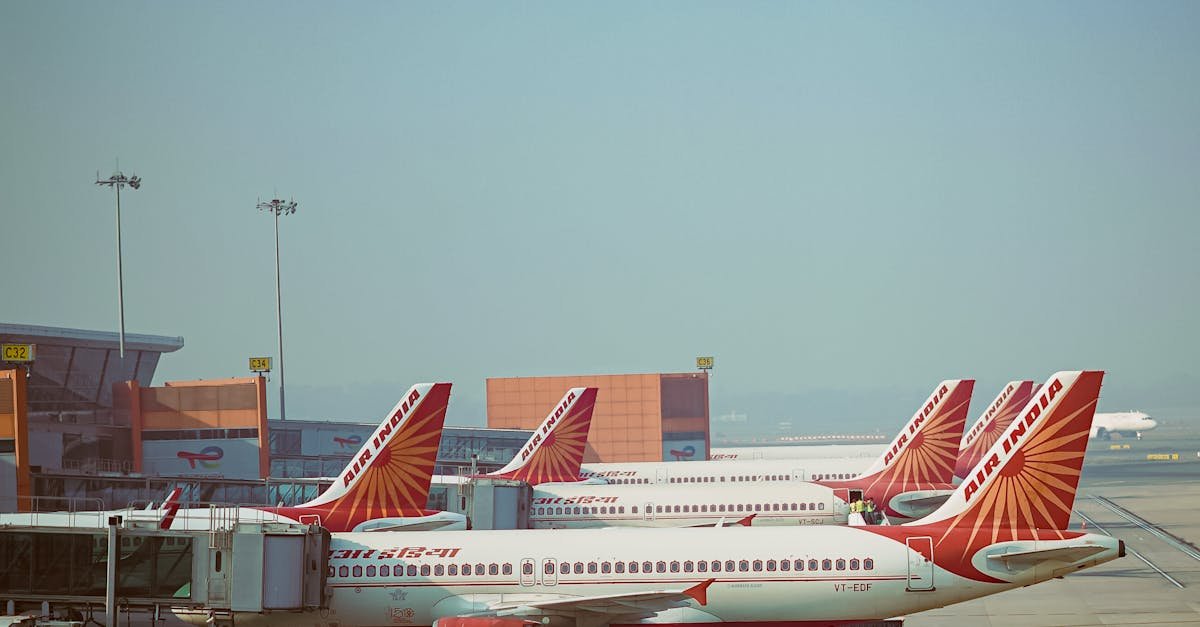
This “miracle seat” folklore recently resurfaced with a vengeance following the Air India crash in Ahmedabad. As details of the wreckage emerged, one detail stood out like a beacon of hope, the sole survivor was reportedly seated in 11A. But is there a scientific basis for this, or are we simply looking for patterns in the chaos?
Former National Transportation Safety Board (NTSB) investigator Gregory Feith and the Flight Safety Foundation argue that survival isn’t about a lucky number; it’s about physics, preparation, and a concept known as “exit accessibility.”
The Origin of the 11A Legend: From Thailand to Air India Ahmedabad Crash
The myth of 11A didn’t start with Air India. It actually dates back to December 1998, when Thai Airways Flight TG261 crashed during a monsoon in Surat Thani, Thailand. Among the survivors was Thai pop star James Ruangsak Loychusak. In an uncanny twist of fate, Ruangsak was seated in 11A.
When the Air India flight crashed nearly 27 years later in June 2025, and a British national named Vishwash Kumar Ramesh emerged as the lone survivor from seat 11A, the internet went into a frenzy. Ruangsak himself posted on social media, calling the coincidence “chilling.”
To the casual observer, it looks like a supernatural pattern. To an investigator like Gregory Feith, it’s a statistical anomaly that masks a much more practical reality.
Why Experts Say Seat Numbers Are Deceptive
In an interview with WIRED, Gregory Feith was quick to dismantle the “magic seat” theory. The primary reason seat numbers are irrelevant is aircraft variability.
- Varying Layouts: Seat 11A on a Boeing 787 Dreamliner is in a completely different physical location than 11A on an Airbus A320 or a smaller regional jet. On some planes, 11A is in the front of the cabin; on others, it’s directly over the wing.
- The “Wing Box” Factor: In the case of the Air India crash, seat 11A happened to be situated near the wing box—the structural heart of the aircraft. This area is reinforced to support the weight of the wings and engines,making it one of the most rigid parts of the fuselage.
- Impact Dynamics: Survival often depends on how the plane breaks apart. If a plane impacts nose-first, the front (where 11A often sits) is the most dangerous. If the tail strikes first, the rear becomes the “impact zone.”
The “Five Row Rule”: The Real Key to Survival
If you ask an investigator like Feith where the safest place to sit is, he won’t give you a number. He’ll give you a distance. Research from the University of Greenwich, which analyzed over 100 plane crashes, found that passengers sitting within five rows of an emergency exit have significantly higher survival rates.
Feith’s advice is famously simple: Count the rows.
- Locate your nearest exits: Find the one in front of you and the one behind you.
- Count the seats: Physically touch the headrests as you walk to your seat.
- Why it works: In a crash involving smoke or fire, visibility is often zero. If you have “muscle memory” of the exact number of rows to the door, you can feel your way to safety while others are lost in the dark.
The Statistics: Front vs. Back vs. Middle
While every crash is unique, historical data does suggest some general trends. According to a 35-year study of NTSB data by Popular Mechanics, survival rates vary by cabin section:
| Cabin Section | Average Survival Rate |
| Rear Third (Behind the Wing) | 69% |
| Middle Third (Over the Wing) | 56% |
| Front Third (First/Business Class) | 49% |
The tail of the plane often acts as a “crumple zone,” absorbing energy while the front takes the brunt of the initial impact. However, the Flight Safety Foundation warns that these are just averages. In a water landing (ditching), the tail may sink first, making the front more advantageous.
Survival is a Mindset, Not a Row Number
Gregory Feith emphasizes that the “miracle” of survival is often a combination of luck and preparedness. Passengers who survive aren’t just lucky; they are often the ones who:
- Keep their shoes on: You cannot run across burning debris or jagged metal in socks or flip-flops.
- Avoid synthetic fabrics: Nylon and polyester melt in high heat. Cotton, wool, and leather offer a few extra seconds of protection.
- Watch the briefing: Knowing how to operate a specific exit door—which can weigh up to 40 pounds—is vital.
“The best place to sit is where you can reach an exit,” Feith told WIRED. “It’s not about mythology; it’s about accessibility.”
Beyond the Folklore: Your Real-World Survival Strategy
While the legend of Seat 11A makes for a gripping headline and a fascinating coincidence across decades of aviation history, it serves better as a dinner party story than a safety manual. Relying on a “magic number” provides a false sense of security that can lead to complacency. In the high-stakes environment of an emergency evacuation, seconds are the only currency that matters. As Gregory Feith and the Flight Safety Foundation emphasize, survival is an active process, not a passive seat assignment.
The true lesson of the Air India crash and the survivors who preceded it isn’t about where you sit, but how prepared you are to move. Aviation safety is an evolving science of structural engineering, cabin materials, and human behavior. By shifting your focus from “lucky” numbers to practical steps like knowing the exact row count to your nearest exit and staying mindful during taxi and takeoff you trade superstition for a tangible advantage. The next time you board, remember that the “safest” seat on the plane is the one occupied by a passenger who knows exactly where the door is, even in the dark.
Leave a Reply