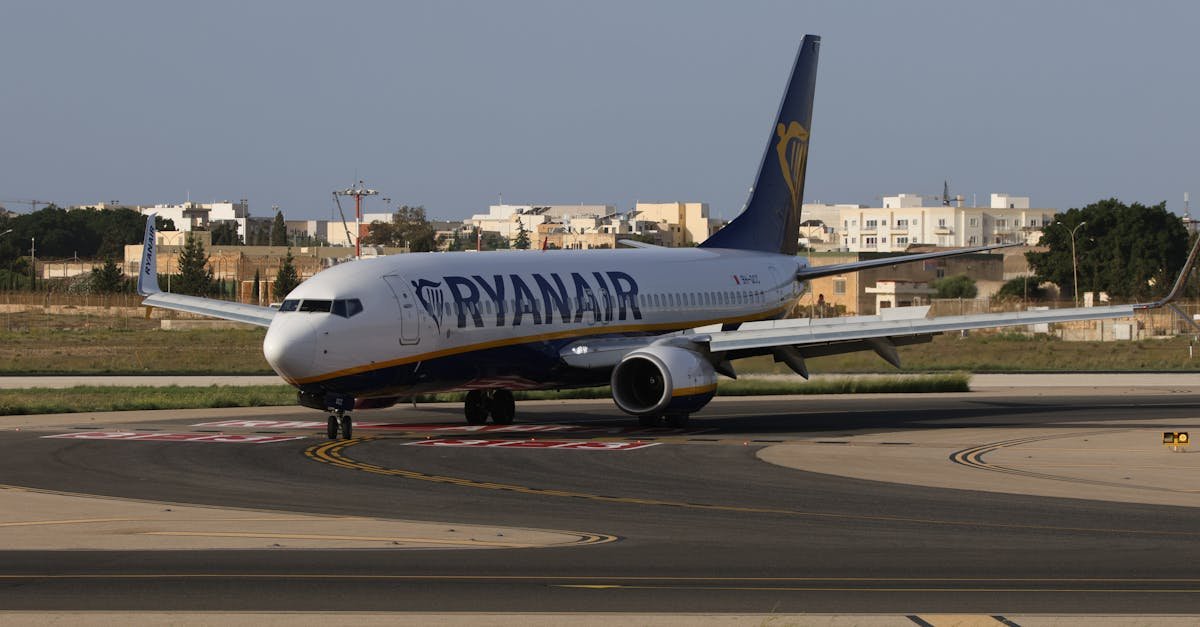
The safety of modern air travel relies on a silent contract between passengers and crew. However, that contract was shattered during a recent Ryanair flight when a single passenger turned a routine journey into a scene of absolute chaos. Witnesses describe a terrifying sequence of events that began with a massive intake of alcohol and ended with a violent physical assault on the cabin crew. This incident has reignited the fierce debate surrounding alcohol sales in airports and the protection of frontline aviation workers who are increasingly facing dangerous levels of air rage.
The Breakdown of the Massive Alcohol Intake
The trouble reportedly began long before the seatbelt sign was extinguished. According to fellow travelers, the passenger in question managed to consume fifteen miniature bottles of alcohol in a remarkably short window of time. While it remains unclear whether these were purchased entirely on the Ryanair flight or smuggled on board in a carry-on bag, the sheer volume of spirits consumed made a volatile situation inevitable.
Alcohol affects the body differently at high altitudes because of the lower oxygen levels in the cabin. One drink at thirty thousand feet often feels like two on the ground. By the time this passenger had finished his fifteenth bottle, his behavior had shifted from loud and boisterous to outright aggressive. Crew members attempted to intervene by cutting off the service, but the damage was already done. The level of intoxication reached a point where rational communication was no longer possible, setting the stage for a mid-air confrontation that would leave the staff and other passengers fearing for their safety.
The Moment the Situation Turned Violent
As the Ryanair cabin crew attempted to de-escalate the growing tension, the passenger’s verbal abuse quickly turned into physical aggression. Witnesses say the individual began shouting obscenities at anyone who walked past, eventually focusing his rage on a specific crew member who was trying to collect empty bottles. In a sudden burst of violence, the passenger lunged at the staff member.
The assault was described by onlookers as a nightmare. There was no room to escape in the narrow aisles of the aircraft. The crew member was reportedly struck multiple times before other passengers stepped in to help restrain the individual. For those sitting in the nearby rows, the sound of the scuffle and the screams of the staff created a sense of pure panic. Ryanair staff are trained to handle difficult customers, but nobody expects to be physically attacked while simply performing their job duties in a confined space.
The Response of the Crew and Fellow Passengers
In the face of extreme danger, the Ryanair team followed their emergency protocols with impressive speed. While one group of flight attendants looked after their injured colleague, others worked with brave passengers to keep the aggressor pinned down. On a crowded flight, a violent individual is a threat to the balance and safety of the entire cabin.
The pilots were immediately notified of the security breach. When an assault occurs on a plane, the captain has the ultimate authority to divert the aircraft to the nearest suitable airport. Given the severity of the injuries and the continued threat posed by the intoxicated man, the decision was made to declare an emergency. The flight path was altered immediately as the crew prepared the cabin for an unscheduled landing. Passengers were told to remain in their seats as the aircraft descended rapidly toward a diversion airport where police were already waiting on the tarmac.
Grounding the Threat and the Arrest Process
As the Ryanair plane touched down, the atmosphere inside the cabin was one of heavy silence and relief. Local law enforcement officers boarded the plane through the front door almost immediately after the engines were shut down. The passenger, who was still reportedly shouting and struggling against his restraints, was handcuffed and dragged off the aircraft in full view of the other travelers.
The arrest was just the beginning of the legal process. In many jurisdictions, assaulting a flight crew member is a serious federal offense that carries heavy prison time and massive fines. Beyond the criminal charges, the individual now faces the prospect of being banned for life from future travel. The delay caused by the emergency landing also resulted in significant financial costs, including extra fuel, landing fees, and compensation for the hundreds of other passengers whose travel plans were ruined by one person’s inability to control their drinking.
The Lasting Impact on the Cabin Crew
While the physical bruises might heal, the psychological impact of a mid-air assault is often long-lasting. Cabin crew members go to work expecting to deal with delays or grumpy passengers, but they should never have to fear for their lives. This specific Ryanair incident has highlighted the vulnerability of staff who work in an environment where they cannot simply walk away from a threat.
Many aviation experts are now calling for stricter psychological support for crew members who survive such attacks. The trauma of being trapped in a metal tube miles above the earth with a violent attacker is a unique form of stress. There is also a growing demand for the industry to provide better self-defense training and more authority for crews to use physical restraints much earlier in a conflict before an assault can actually take place.
The Debate Over Airport Alcohol Sales
This horror story has once again put the spotlight on the availability of alcohol before and during flights. Critics argue that airports are part of the problem, as many bars serve passengers who are already clearly intoxicated before they ever board a Ryanair aircraft. When these individuals reach the gate, the gate agents are often under pressure to keep the boarding process moving quickly, which means some high-risk passengers slip through the cracks.
There are proposals currently being discussed that would limit the amount of alcohol a passenger can buy at duty-free or in airport lounges. Some even suggest a digital tracking system where your boarding pass is scanned every time you buy a drink, preventing anyone from reaching a dangerous level of intoxication before their flight. Until the source of the problem is addressed on the ground, crews in the air will continue to be the ones who pay the price for a passenger’s 15-bottle binge.
Protecting the Future of Commercial Aviation
If the industry does not take drastic action, these types of incidents could become even more common. The goal for any airline is to provide a safe and efficient service, but that goal is undermined every time a passenger chooses to act with total disregard for the law. Every Ryanair flight carries families, children, and elderly people who deserve a peaceful journey.
The conversation is shifting toward a zero-tolerance policy across the entire aviation sector. This would involve not just heavy fines, but also a universal no-fly list that would prevent violent offenders from booking a seat on any airline, not just the one they attacked. By making the consequences of air rage life-altering, the industry hopes to deter future incidents of mid-air terror.
Moving Toward Safer Skies for Everyone
The road to recovery for the victims of this attack will be a long one, but the incident serves as a vital wake-up call. We must prioritize the safety of the men and women who work in our skies. Whether it is through stricter legislation, better airport monitoring, or more robust security measures on board, change is clearly necessary. No amount of profit from alcohol sales is worth the safety of a human being. As the investigation into this specific Ryanair assault continues, the hope is that it leads to meaningful reform that ensures no other crew member has to face a 15-bottle rampage ever again. Safety must always come before service, and the right to a safe workplace must be protected at any cost.
Leave a Reply