Tag: US Air Force

  • US Air Force KC-135R Vanishes Over Strait of Hormuz Following Emergency Squawk and Massive GPS Jamming

    US Air Force KC-135R Vanishes Over Strait of Hormuz Following Emergency Squawk and Massive GPS Jamming

    The maritime and aerial corridors of the Middle East are no strangers to tension, but the events unfolding over the Strait of Hormuz today have sent ripples through the global defense community. A US Air Force KC-135R, the venerable workhorse of aerial refueling, has vanished from flight tracking screens following a series of alarming technical developments. The aircraft was operating in one of the most heavily monitored pieces of airspace on the planet when it suddenly broadcasted a code 7700, which is the international signal for a general emergency. Almost immediately after this signal was sent, the transponder data blinked out, leaving analysts and military observers scrambling for answers.

    Before the signal went dark, the US Air Force KC-135R was seen on a steady descent. Flight data suggests the aircraft was making a deliberate move toward Qatar, where several major regional airbases are located. However, the descent was not a standard landing pattern. The suddenness of the emergency squawk combined with the loss of tracking data suggests a critical failure or an external intervention. What makes this situation particularly volatile is the environmental context of the flight. Reports from maritime vessels and civilian aircraft in the vicinity indicate a massive spike in electronic interference.

    Breaking Down the Sequence of the US Air Force KC-135R Incident

    The timeline of the disappearance began during a routine mission. The US Air Force KC-135R was positioned to support regional operations, likely providing fuel to fighter jets patrolling the area. At approximately one hour ago, the aircraft started to deviate from its assigned altitude. Aviation enthusiasts and professionals using open source intelligence tools noted that the aircraft changed its transponder code to 7700. In the world of aviation, this code tells air traffic control that the pilot is facing an urgent situation that requires immediate priority.

    Shortly after the emergency was declared, the aircraft began a rapid but seemingly controlled descent. It was heading on a southwesterly path, aiming for the safety of Qatari airspace. Then, the data stopped. In many cases, a loss of signal at high altitude suggests a catastrophic mechanical event, but in this specific region, a signal loss can also be the result of intense electronic warfare. The fact that the US Air Force KC-135R was last seen heading toward a friendly landing site provides a glimmer of hope that the crew was attempting to manage a forced landing or an emergency arrival, but the lack of official confirmation from Central Command keeps the world on edge.

    Factors Contributing to the Sudden Signal Failure

    While a mechanical malfunction is always a possibility for any aging airframe, the presence of localized electronic disruptions adds a layer of mystery. The Strait of Hormuz is a known hotspot for GPS spoofing and AIS jamming. On the day the US Air Force KC-135R went missing, multiple reports surfaced regarding powerful regional level jamming. GPS spoofing is a technique where a fake signal is sent to an aircraft, making its navigation system believe it is in a different location. This can cause the autopilot to behave erratically or lead the pilots to make manual corrections based on false data.

    If the US Air Force KC-135R was caught in a web of spoofed signals, the crew might have been fighting their own instruments. Furthermore, AIS jamming, which affects the automated identification systems of ships in the water below, suggests a wide area electronic attack. This type of interference is often used by regional actors to mask the movement of vessels or to harass foreign military assets. If the jamming was powerful enough to knock out the transponder of the US Air Force KC-135R, it would explain why the flight tracking vanished while the aircraft was still at an altitude that should have been visible to ground based receivers.

    Global Significance of the Disappearance in the Strait

    The Strait of Hormuz is perhaps the most sensitive maritime chokepoint in the world. Approximately twenty percent of the worlds petroleum passes through this narrow stretch of water. When a high value asset like the US Air Force KC-135R faces an emergency in this area, it is never just a local aviation issue. It becomes a geopolitical flashpoint. The aircraft is a critical component of the American power projection strategy. Without the refueling capabilities provided by the US Air Force KC-135R, the range and endurance of tactical aircraft in the region are severely limited.

    The loss of contact also raises questions about the safety of international flight paths. If GPS jamming is now potent enough to interfere with military grade hardware like the navigation systems on a US Air Force KC-135R, civilian airliners are at even greater risk. This incident forces a reassessment of how air power is managed in contested environments. It also puts pressure on diplomatic channels. If the aircraft was forced down or crashed due to external interference, the response from Washington would likely be swift and significant.

    Anticipated Developments and Search Efforts

    In the coming hours, the primary focus will be on search and rescue operations. Military vessels and aircraft from the Fifth Fleet are likely already converging on the last known coordinates of the US Air Force KC-135R. Because the aircraft was heading toward Qatar, authorities in Doha will be checking their primary radar systems. Primary radar does not rely on a transponder signal from the plane. Instead, it bounces radio waves off the skin of the aircraft. This data will be vital in determining if the US Air Force KC-135R reached land or if it went into the water.

    Public statements from the Department of Defense will be monitored closely for any mention of hostile intent. If the US Air Force KC-135R managed to land safely, there will be a detailed investigation into the source of the electronic interference. Technicians will examine the flight data recorders to see exactly how the navigation systems responded to the jamming. If the aircraft is not found at a friendly base, the situation shifts from an emergency landing to a recovery mission in potentially hostile waters.

    Examining the Technical and Tactical Reality

    From an expert perspective, the combination of a 7700 squawk and immediate signal loss is highly unusual. Usually, an aircraft with a mechanical problem maintains its transponder signal until it reaches a very low altitude or hits the ground. The disappearance of the US Air Force KC-135R from tracking screens while still at a descent altitude strongly points toward the massive GPS jamming reported in the area. Electronic warfare systems can “blind” the transponders that report an aircraft’s position to the outside world, even if the plane is still flying.

    The US Air Force KC-135R is an older airframe, but it has been updated with modern avionics. These systems are generally robust, but they are not invincible against state level jamming technology. If the pilots of the US Air Force KC-135R realized their navigation was being compromised, they would likely have transitioned to manual flight controls and used visual references or inertial navigation to find their way to Qatar. The “emergency” might not have been a fire or engine failure, but a total loss of situational awareness caused by the electronic environment.

    Assessing the Potential Outcomes of the Mission

    The world is currently waiting for a single piece of information: a tail number on a runway in Qatar. If the US Air Force KC-135R appears there, the incident will be remembered as a terrifying example of modern electronic warfare. It would serve as a wake up call regarding the vulnerability of support aircraft in the Middle East. However, if the silence continues, the implications are far more somber. The US Air Force KC-135R carries a crew of at least three people, and their safety is the immediate priority for everyone following the story.

    Regardless of the final result, the flight of this US Air Force KC-135R has highlighted a major shift in regional dynamics. The ability to disrupt a military flight through signal interference is a powerful tool that changes the rules of engagement. As more information surfaces about the descent of the US Air Force KC-135R and the nature of the jamming over the Strait, the international community will be watching to see how the United States balances the need for security with the reality of an increasingly contested electromagnetic spectrum.

  • How an Intruder Damaged a U.S. Air Force C-130: What Happened, the Investigation, and Everything We Know

    How an Intruder Damaged a U.S. Air Force C-130: What Happened, the Investigation, and Everything We Know

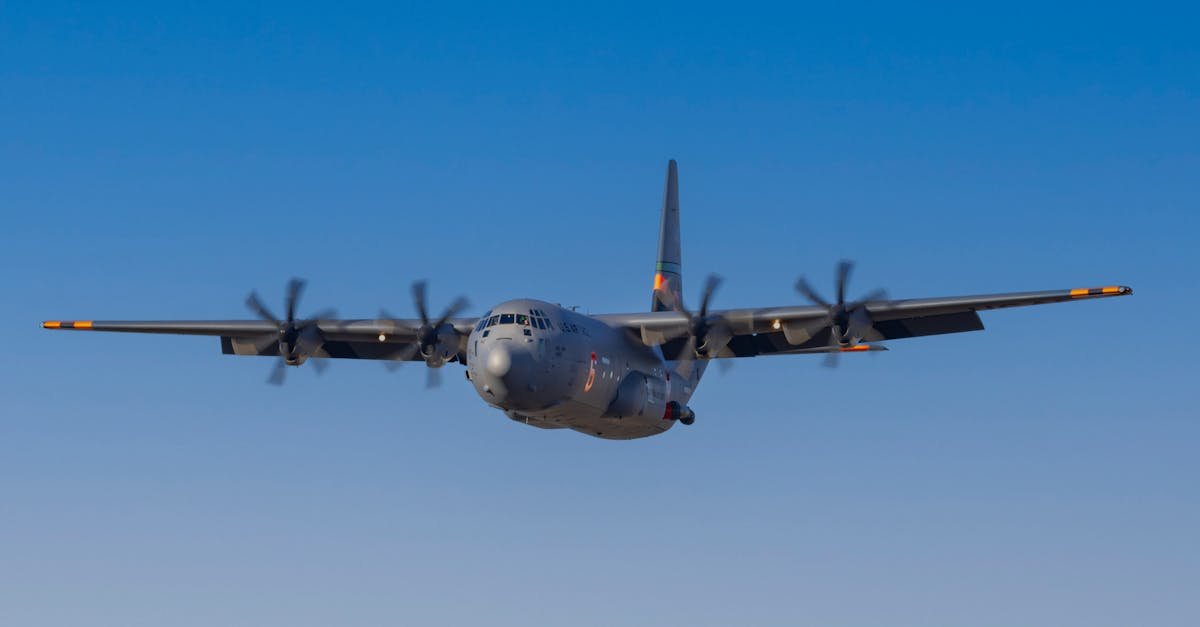
    The quiet of a Saturday morning at Shannon Airport was shattered by a security breach that has left international observers and local authorities searching for answers. An intruder managed to enter a highly restricted area of the airfield and carry out a physical assault on a United States Air Force C-130 Hercules transport aircraft. While the airport is no stranger to political tension and protest, the nature of this specific incident stands out for its raw, physical aggression against a multi-million dollar military asset.

    The Morning the Alarm Was Raised

    The situation began to unfold at roughly 9.45 am on Saturday. Airport staff and security personnel were alerted to the presence of an unauthorized individual in a sensitive part of the facility. The intruder was spotted on a remote taxiway,far from the main passenger terminal where civilians usually gather. This area is reserved for specialized aircraft and logistics, making the presence of any pedestrian a cause for immediate concern.

    Witnesses soon realized that the man had not just entered the apron but had actually climbed onto the wing of the C-130 Hercules. This aircraft, a workhorse of the American military valued at approximately $160 million, was parked in a standby position. Once he was atop the wing, the man reportedly used a hatchet to strike the fuselage and the upper surface of the aircraft multiple times. The sound of metal hitting metal echoed across the tarmac as the intruder continued his assault on the plane.

    A Tense Standoff on the Tarmac

    When first responders arrived at the scene, they were faced with a unique tactical challenge. The suspect was perched high above the ground on the wing of the massive transport plane. Standard patrol vehicles and ground-level tactics were insufficient to reach him safely without risking further damage to the aircraft or causing a dangerous fall.

    To solve the problem, airport police and fire services had to bring in mobile boarding stairs. These are the same sets of stairs used by passengers to board commercial flights. By wheeling the stairs up to the wing, officers were finally able to bridge the gap. In a coordinated effort involving the Airport Police, the Gardaí, and members of the Irish Defence Forces who were already on duty at the site, the man was successfully detained. The entire ordeal, from the initial sighting to the moment the suspect was in handcuffs, lasted about 30 minutes.

    The Immediate Fallout for Air Travel

    While the focus was on the military aircraft, the security breach had a ripple effect on civilian travel. As a safety precaution, Shannon Airport officials were forced to suspend all flight operations. This resulted in a brief but significant lockdown of the facility.

    One commercial flight arriving from Lourdes was forced into a holding pattern, circling the skies over County Clare while police cleared the runway area. Two other departing flights faced delays on the ground. Operations eventually resumed about 25 minutes later, once the area was declared secure and the suspect had been transported to a nearby Garda station. However, the brief closure served as a stark reminder of how a single individual can disrupt an international travel hub.

    Assessing the Damage to the C-130 Hercules

    In the world of aviation, there is no such thing as a minor strike with a metal tool. The C-130 Hercules is built to be rugged and capable of landing on dirt strips in war zones, but its skin is still a precisely engineered layer of aluminum.Sources close to the investigation have described the damage to the fuselage as extensive.

    Even if the hatchet did not puncture the interior of the cabin, any dent or scrape on a pressurized aircraft requires a deep inspection. Engineers must check for structural fatigue or hairline fractures that could worsen under the intense pressure of high-altitude flight. The U.S. Air Force will likely have to fly in a specialized maintenance crew to determine if the plane is airworthy or if it requires a lengthy stay in a hangar for repairs.

    Recent History of Security Breaches at Shannon

    This hatchet attack is not an isolated event in the history of Shannon Airport. The facility has long been a focal point for activists who object to the use of Irish soil by the United States military. For decades, protesters have argued that allowing military stopovers at Shannon compromises the neutrality of the country.

    In the past year alone, there have been several similar incursions. Just last November, a van breached the perimeter and made its way toward a parked U.S. Navy jet. In that instance, activists managed to throw paint at the plane before being intercepted. Other incidents have involved protesters cutting through perimeter fences to reach the runway. While most of these actions involve symbolic gestures like spray painting or holding banners, the use of a hatchet marks a shift toward more destructive methods.

    The Multi Agency Investigation Begins

    The investigation into Saturday’s attack is now being handled by the Gardaí with support from airport authorities. There are two primary goals for this inquiry. The first is to understand the motive of the man in custody. Investigators are looking into whether he has ties to organized protest groups or if he was acting entirely on his own.

    The second, and perhaps more critical, goal is to figure out exactly how he got onto the airfield. Airport police have been seen patrolling the long perimeter fence that surrounds Shannon Airport, looking for signs of a forced entry or a gap in the wiring. Modern airports use a combination of physical barriers, motion sensors, and high-definition cameras,so the fact that someone reached the remote taxiway undetected is a major point of concern for the Shannon Airport Group.

    The Path Forward for Airport Security

    In the wake of this event, there will almost certainly be a review of how military aircraft are protected while they are on the ground in Ireland. Currently, a mix of private airport security and national police provide oversight, but this incident might lead to calls for a more permanent or robust military presence near these specific aprons.

    The suspect remains in custody and is expected to face charges related to criminal damage and trespassing in a restricted area. As the legal process begins, the U.S. Air Force and Irish authorities will have to coordinate on the logistics of repairing the damaged Hercules. For now, the focus remains on patching the holes in the aircraft and the holes in the security fence that allowed this bizarre encounter to happen in the first place.

  • Why the Destruction of an E-3 Sentry Is a Permanent Blow to U.S. Defense

    Why the Destruction of an E-3 Sentry Is a Permanent Blow to U.S. Defense

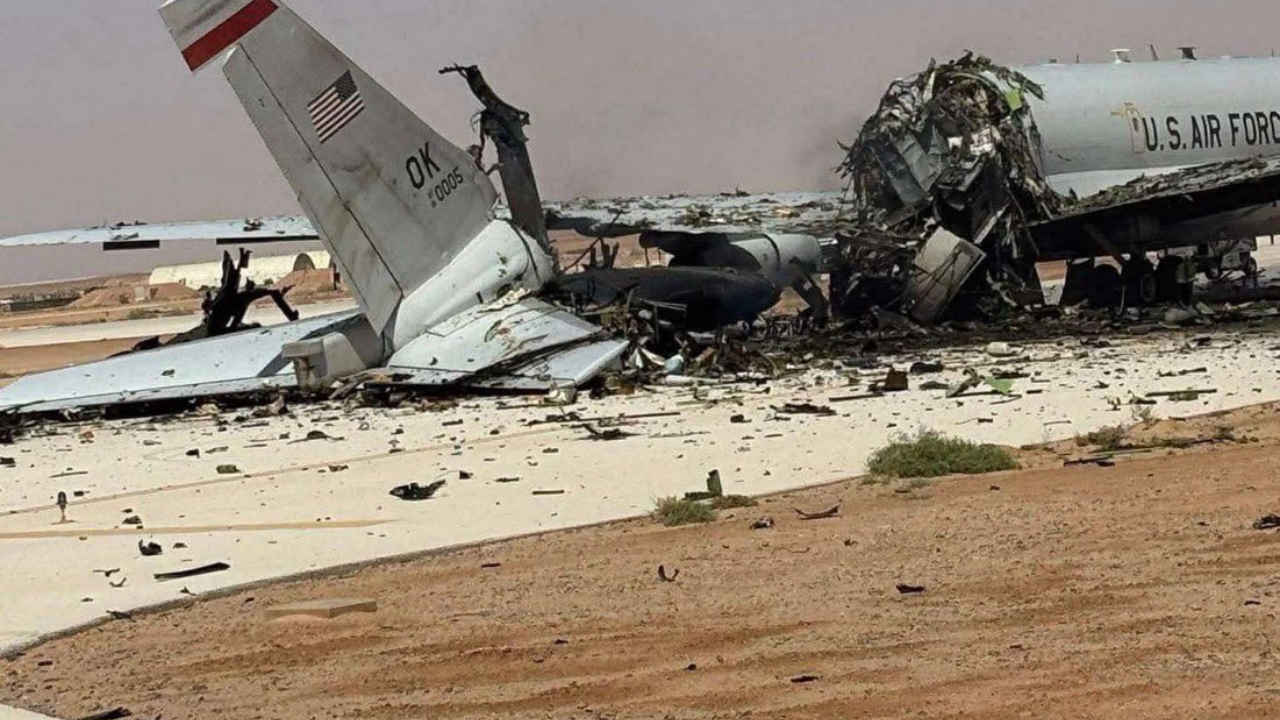
    The recent strike on a U.S. E-3 Sentry Airborne Warning and Control System (AWACS) is not just another headline in a long string of Middle Eastern skirmishes. It represents a fundamental shift in the regional balance of power. For decades, the United States has relied on its “eyes in the sky” to maintain absolute air supremacy. That veil of invincibility has been pierced. When an E-3 Sentry goes down, it is not merely the loss of an airframe; it is the loss of a command center, a massive tactical advantage, and a piece of history that cannot be rebuilt.

    A Fleet on the Brink of Extinction

    To understand why this single event is so catastrophic, one must look at the numbers. The U.S. Air Force does not have hundreds of these planes sitting in hangars. After years of budget cuts and retirements, the total active fleet of E-3 Sentries has dwindled to roughly 17 aircraft. These are the workhorses of every major conflict, providing the long range radar and communication relay needed for modern warfare.

    When you lose one aircraft out of 17, you aren’t just losing a plane. You are losing a massive percentage of your global capability. Currently, six of these aircraft were deployed to the Gulf region. That represented nearly 40 percent of the entire American inventory concentrated in one theater. With one plane destroyed, the “rotation” of crews and maintenance becomes nearly impossible to sustain over a long period. The stress on the remaining five aircraft will be immense, likely leading to more mechanical failures and gaps in coverage.

    The Brain of the Air War

    The E-3 Sentry is easily recognizable by the massive rotating radar dome perched atop its fuselage. This dome allows the crew inside to see aircraft, cruise missiles, and even small drones from hundreds of kilometers away. While fighter jets have their own radars, they are limited by their size and the curvature of the earth. The E-3 flies high enough to look down over the horizon, spotting threats long before they can reach friendly forces.

    Beyond just seeing the enemy, the E-3 acts as the quarterback of the sky. The controllers on board manage hundreds of targets at once. They tell fighter pilots where to go, notify tankers where they are needed for refueling, and coordinate with ground based air defenses like the Patriot and THAAD systems. Without the Sentry, the air war becomes a series of disjointed, chaotic dogfights rather than a synchronized symphony of military precision.

    Shadows of External Support

    One of the most concerning aspects of this strike is the technical proficiency required to pull it off. The E-3 Sentry does not fly near the front lines. It operates deep within friendly or protected airspace, usually surrounded by a “high value airborne asset” (HVAA) protection cap of fighter jets. For Iran to successfully target and hit such a prize suggests they had help.

    Military analysts widely believe that Russian intelligence may have provided the specific tracking data or electronic warfare support needed to bypass the Sentry’s defensive suites. If Iran is now capable of reaching out and touching the “untouchable” assets of the U.S. military, it means no base or aircraft in the region is truly safe. This strike also confirms that these planes were operating out of Prince Sultan Air Base in Saudi Arabia. As U.S. options for staging bases shrink due to political pressure and Iranian missile reach, the remaining hubs become predictable and vulnerable targets.

    Systematic Dismantling of the Sensor Layer

    This was not a random act of aggression. It appears to be part of a calculated Iranian strategy to “blind” the U.S. and its allies. Before the strike on the E-3, several other radar systems and THAAD (Terminal High Altitude Area Defense) components were targeted across the Gulf.

    By systematically removing the sensors that form the backbone of missile defense, Iran is clearing a path for its own ballistic missiles and drone swarms. If the U.S. cannot see the threats coming, it cannot intercept them. Striking the AWACS is the crown jewel of this strategy. It forces the U.S. to fly its fighter jets more often just to maintain a basic level of situational awareness, which wears out engines and exhausts pilots.

    The Psychology of an Empty Sky

    There is a significant psychological component to this loss. The AWACS has long been a symbol of American technological dominance. It represents the “High Ground.” Seeing one of these giants brought down is a massive blow to morale and a huge public relations win for Tehran.

    Historically, these aircraft have operated with a sense of near-total security. They are the protected assets that everyone else dies to defend. Now that this aura of safety is gone, every pilot flying a tanker or a transport plane in the region has to wonder if they are next. It erodes the confidence of regional allies who rely on the American “security umbrella” to keep their own borders safe.

    A Ghost from the Past with No Future

    The most practical problem facing the U.S. military right now is that the E-3 Sentry is a dinosaur. It is based on the Boeing 707 airframe, a commercial jet design that first flew in the 1950s. Boeing stopped producing the 707 decades ago. There is no factory to call for a replacement. There is no “spare” airframe sitting in a warehouse that can be easily converted.

    Every time an E-3 is lost, it is a permanent reduction in the strength of the United States. While the crews are elite and the electronics inside have been updated over the years, the “bones” of the plane are old. Maintenance is already a nightmare, with parts often being scavenged from museum pieces or “boneyards” in the desert. You cannot simply “buy” your way out of this loss.

    The Wedgetail Waiting Game

    The U.S. does have a plan for a successor, known as the E-7 Wedgetail. This newer aircraft is based on the modern Boeing 737 and features a more advanced, stationary radar. However, the E-7 program has been caught in a web of political delays, budget debates, and slow production timelines.

    As it stands, the U.S. does not have a fleet of E-7s ready to take over. It will be years before the Wedgetail is available in numbers that matter. This leaves a “capability gap” that is now being exploited. Iran has realized that the U.S. is at its most vulnerable point in decades, stuck between an aging fleet it cannot replace and a new fleet that hasn’t arrived yet.

    A New Reality for Gulf Operations

    The destruction of the E-3 Sentry signals the end of the era where the U.S. could operate with impunity. The “reach” demonstrated by Iran means that even the most sophisticated electronic warfare platforms are at risk. Moving forward, the U.S. will likely have to pull its remaining assets further back, which reduces their radar effectiveness and increases the time it takes to respond to threats.

    This single strike has forced a total re evaluation of how air power is projected in the Middle East. It has exposed the fragility of a fleet that is too small, too old, and too difficult to replace. In the game of high stakes military chess, Iran didn’t just take a pawn; they took a queen.

  • US Air Force KC-135 Tanker Crash in Iraq: Casualties and Operation Epic Fury Updates

    US Air Force KC-135 Tanker Crash in Iraq: Casualties and Operation Epic Fury Updates

    The sky over western Iraq became the site of a profound military tragedy on March 12, 2026, when a United States Air Force KC-135 Stratotanker went down during a high-stakes mission. This loss occurred in the heat of Operation Epic Fury, the ongoing joint campaign involving the United States and Israel against Iranian targets. While the conflict has seen intense aerial combat and missile exchanges, this specific US Air Force KC-135 tanker crash stands out as one of the deadliest non-combat events since the war began on February 28.

    As the families of the fallen receive the news that no one ever wants to hear, the military community is grappling with the loss of six dedicated airmen. This event has raised urgent questions about the safety of refueling operations in active war zones and the physical toll on the aging fleet of tankers that keep American fighter jets in the air.

    Tragedy in Friendly Airspace

    According to official statements from U.S. Central Command (CENTCOM), the US Air Force KC-135 tanker crash took place around 9:00 PM local time in western Iraq. The location of the incident was identified near Turaibil, a desert region close to the border with Jordan. Unlike many other incidents in this conflict, the plane was not in contested airspace at the moment of the disaster. CENTCOM was quick to clarify that the aircraft was flying through friendly territory when the incident occurred.

    The mission was part of the broader logistics chain for Operation Epic Fury. In a war where long-range strikes are constant, refueling tankers like the KC-135 are the lifeblood of the mission. They allow bombers and fighter jets to stay airborne for hours, reaching deep into Iranian territory without needing to land at vulnerable forward bases.

    The Human Toll and Casualty Reports

    Early reports from the Pentagon were cautious, initially confirming four deaths while search and rescue teams combed the desert for the remaining two crew members. However, by Friday morning, the grim reality was confirmed. All six airmen on board the aircraft perished in the US Air Force KC-135 tanker crash.

    This loss brings the total American death toll in the conflict to 13. While seven other service members were killed by hostile Iranian drone and missile strikes in Kuwait and Saudi Arabia earlier in the month, these six airmen represent the first Air Force fatalities of the war. The names of the deceased are being withheld for at least 24 hours following the notification of their next of kin, a standard but painful protocol that ensures families hear the news from the military before they see it on the news.

    Investigating a Possible Mid Air Collision

    Perhaps the most significant detail emerging from the investigation of the US Air Force KC-135 tanker crash is that a second aircraft was involved. While early rumors suggested a shoot-down by militia groups, U.S. officials have firmly rejected those claims. Instead, evidence points toward a catastrophic mid-air collision between two KC-135 tankers.

    The second aircraft involved in the incident managed to stay airborne and performed an emergency landing at Ben Gurion Airport in Israel. Flight tracking data showed this second tanker squawking a 7700 emergency code before circling off the coast to burn fuel and landing safely. Photos circulating among aviation enthusiasts appear to show the surviving plane with a massive portion of its vertical stabilizer missing.

    Such a collision during a night mission suggests a failure in coordination or a mechanical glitch during a high-pressure refueling orbit. Aerial refueling is a delicate dance where planes fly within feet of each other at hundreds of miles per hour. Even a small error in judgment or a sudden bout of turbulence can lead to a collision that few aircraft can survive.

    The Role of Operation Epic Fury

    The US Air Force KC-135 tanker crash has cast a shadow over Operation Epic Fury, a campaign that has seen unprecedented levels of military activity in the Middle East. Since the opening strikes on February 28, which resulted in the death of Iran’s Supreme Leader Ali Khamenei, the region has been a tinderbox. The U.S. military has conducted thousands of strikes against Iranian missile sites, drone factories, and command centers.

    Logistically, the burden on the tanker fleet has been immense. Tankers are currently operating out of bases in Jordan, Qatar, and Israel, flying round-the-clock missions to support the B-52s and F-15s that are carrying out the bulk of the offensive. The KC-135, a platform that first entered service in the 1950s, remains the backbone of this effort despite its age.

    Reliability of the Aging KC-135 Fleet

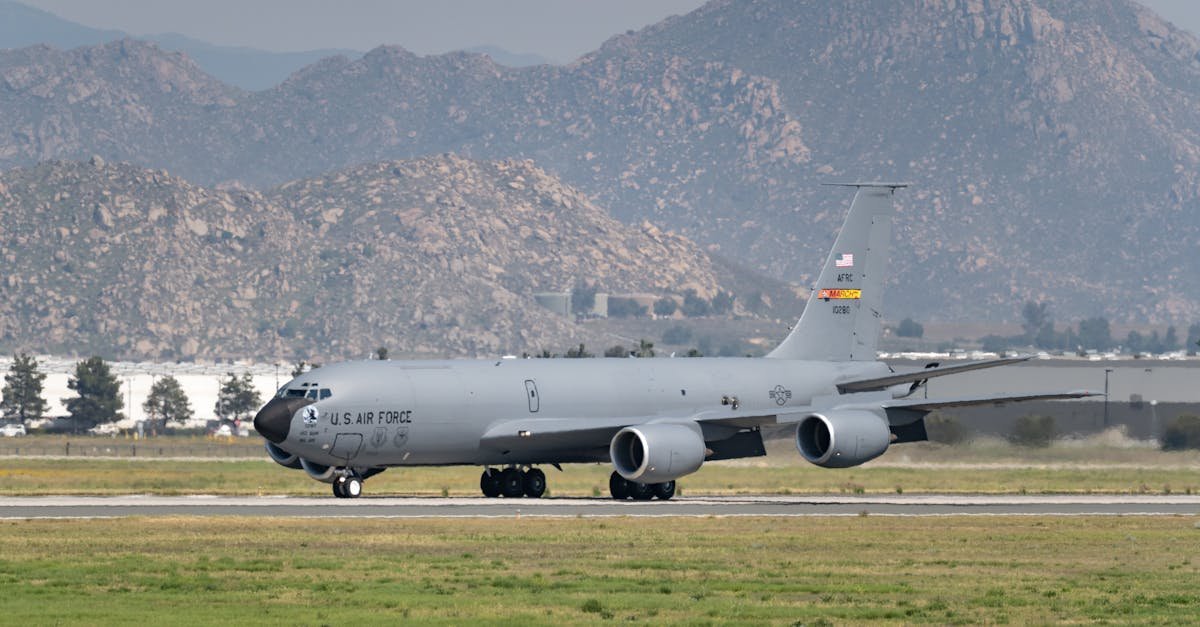
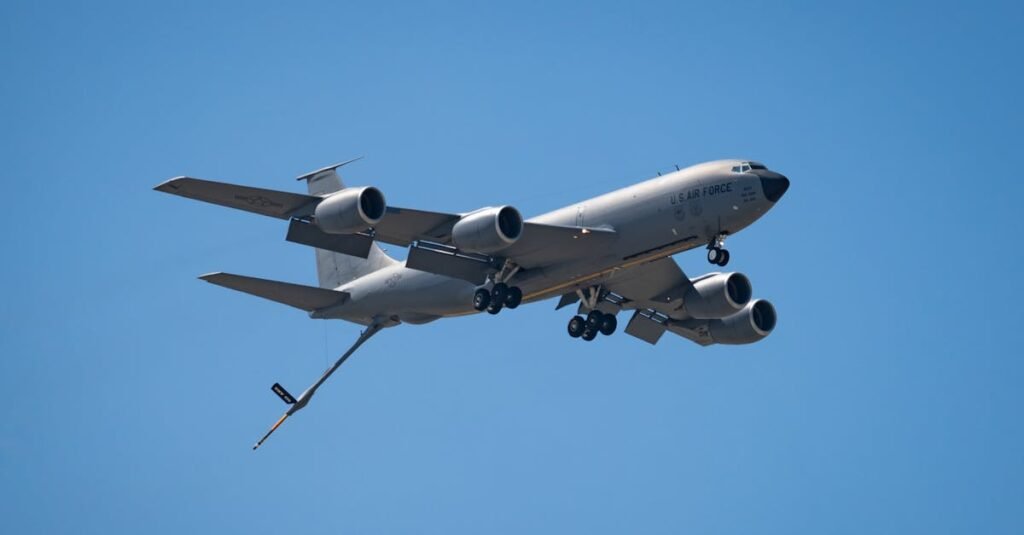
    US Air Force KC-135 Stratotanker flying over March Air Reserve Base, CA.

    This tragedy has reignited a debate about the longevity of the Stratotanker. While the Air Force has been slowly introducing the newer KC-46 Pegasus, the majority of refueling work still falls on the KC-135. Many of these airframes were built in the 1960s. Although they have been upgraded with modern engines and digital cockpits, the physical airframes are under immense stress during active combat operations.

    Experts note that as the war enters its third week, the operational tempo is likely pushing both the crews and the machines to their absolute limits. Fatigue is a major factor in aviation safety, and in a combat environment where pilots are flying long, grueling missions, the margin for error becomes razor thin. The US Air Force KC-135 tanker crash highlights the extreme pressure put on these legacy systems.

    Looking Toward the Investigation Results

    Military investigators are now tasked with recovering the flight data recorders from the US Air Force KC-135 tanker crash site in western Iraq. They will be looking at everything from communication logs between the two tankers to the maintenance history of the downed aircraft. The surviving crew of the second KC-135 will be instrumental in providing a firsthand account of the moments leading up to the impact.

    While the loss of six airmen is a devastating blow, the mission of Operation Epic Fury continues. The Pentagon has indicated that there will be no pause in aerial operations, citing the need to maintain pressure on Iranian military assets to prevent further retaliatory strikes on U.S. allies in the region.

    Honoring the Fallen Airmen

    As the investigation into the US Air Force KC-135 tanker crash continues, the focus remains on the six individuals who gave their lives in service. These airmen were not just numbers in a casualty report; they were highly trained professionals whose role was essential to every pilot flying over the Persian Gulf. Refueling is often called a thankless job because it happens far away from the glamour of the front lines, yet no mission happens without it.

    The coming days will likely see a dignified transfer of remains at Dover Air Force Base, where the nation will pay its respects. This event serves as a stark reminder that even in friendly airspace, the risks of military service are ever present. The sacrifice of these six airmen will be remembered as a somber chapter in the history of this unfolding regional conflict.

  • US Air Force F-15E Strike Eagle Crashes in Kuwait: Pilot, WSO Status and What We Know

    US Air Force F-15E Strike Eagle Crashes in Kuwait: Pilot, WSO Status and What We Know

    A high performance U.S. Air Force F-15E Strike Eagle went down in Kuwait on Monday morning, marking a significant loss of coalition hardware during a period of extreme regional volatility. The incident occurred as the broader conflict between the United States and Iran entered its third day of intensive operations. While the sight of a multi-million dollar fighter jet spiraling toward the desert floor is jarring, the focus remains on the survival of the crew and the murky circumstances that led to the crash.

    Immediate Condition of the Pilot and WSO

    The most critical update involves the two crew members on board: the Pilot and the Weapons Systems Officer (WSO).Reports from the Kuwaiti Ministry of Defense and local eyewitnesses confirm that both individuals successfully initiated their ejection sequence before the aircraft impacted the ground.

    Video footage circulating on social media platforms shows at least one parachute drifting toward the desert terrain west of Al Jahra. In a rare show of civilian involvement during active hostilities, local Kuwaiti residents were among the first to reach the downed airmen. Clips show the crew being assisted by bystanders and placed into a civilian vehicle for transport to a safe location.

    The Kuwaiti military has since confirmed that the airmen are in stable condition. They were moved to a local medical facility for evaluation, suffering from what appear to be minor injuries consistent with the physical toll of a high speed ejection.

    Geographic Details of the Crash Site

    The F-15E, a mainstay of American air power, reportedly went down in western Kuwait, with some analysts pinpointing the coordinates near the Khor Abdullah waterway close to the Iraqi border. This region is currently a high traffic corridor for coalition aircraft moving toward targets in the east.

    Debris from the stricken jet did not just land in empty sand. Fragments of the aircraft reportedly fell within the perimeter of the Mina Al Ahmadi refinery, a vital piece of Kuwaiti infrastructure operated by the Kuwait Integrated Petroleum Industries Company (KIPIC). Early reports indicate that two refinery workers sustained minor injuries from falling debris, though the facility itself remains operational under heightened security protocols.

    The Mystery of the Cause: Friendly Fire or Mechanical Failure?

    The most controversial aspect of this incident is the “why.” While the Pentagon has yet to release a formal accident investigation report, several theories are gaining traction among defense analysts and on the ground observers.

    • The Friendly Fire Theory: There is significant speculation that the Strike Eagle was mistakenly targeted by a Patriot air defense battery. In the chaotic, “target rich” environment of the current Gulf conflict, where hundreds of Iranian drones and missiles are being intercepted simultaneously, the risk of a technical glitch in the Identification Friend or Foe (IFF) system is at its highest.
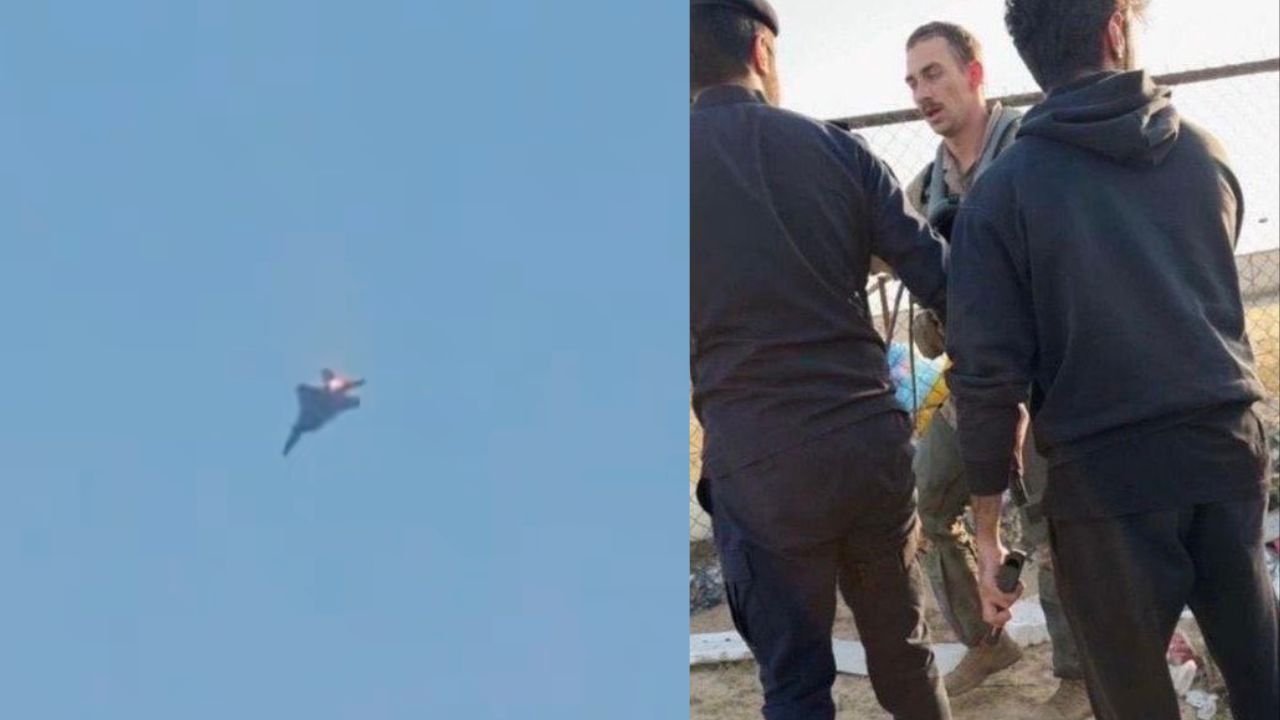
    • Iranian Engagement: State media in Tehran has been quick to claim credit for the downing, releasing footage they allege shows the aircraft being struck. However, U.S. officials have cautioned against taking these claims at face value, noting that the aircraft appeared to be in a flat spin with fire trailing from its empennage before the final descent.
    • Catastrophic Mechanical Issues: Even without enemy action, the high tempo of combat operations puts immense strain on airframes. A dual engine failure or a flight control malfunction cannot be ruled out until the flight data recorders are recovered and analyzed.

    Strategic Context of the Mission

    This F-15E was reportedly part of the 335th Fighter Squadron, often identified by its distinctive “Chiefs” helmet markings. The squadron is known for its precision deep strike capabilities, which have been heavily utilized in the ongoing “Operation Epic Fury.”

    At the time of the crash, the airspace over Kuwait was under a “shelter in place” order for U.S. personnel. The U.S.Embassy in Kuwait City had issued urgent warnings for citizens to stay indoors due to the continuous threat of incoming UAVs and ballistic missiles. The fact that several other U.S. military aircraft were reported as “crashed” or “downed” on the same morning suggests a massive, coordinated air defense struggle was occurring in the skies above the Gulf.

    Technical Profile of the F-15E Strike Eagle

    To understand the gravity of this loss, one must look at the aircraft itself. The Strike Eagle is not just a fighter; it is a dual role platform designed for long range, high speed interdiction without relying on escort aircraft.

    1. Crew: Two (Pilot and WSO)
    2. Engines: Two Pratt & Whitney F100-PW-220 or -229 turbofans with afterburners
    3. Role: All weather deep strike and air superiority
    4. Cost: Approximately $31 million to $50 million per unit, depending on the variant and avionics suite

    The loss of even a single airframe represents a hit to the tactical depth of U.S. Central Command, especially when the crew is forced into a survival situation in a region where ground lines are rapidly shifting.

    Current Tensions in the Kuwaiti Air Corridor

    Kuwait has long served as a stable hub for American military logistics, but the events of March 2 have proven that no location in the region is truly “behind the lines” anymore. With drone strikes targeting the Kuwait International Airport and reports of explosions near the U.S. Embassy, the crash of the F-15E is a symptom of a much larger escalatory cycle.

    The Kuwaiti Air Defense Force has been working overtime to intercept “hostile aerial targets” at dawn, according to their own Ministry of Defense. This high pressure environment creates a “fog of war” where split second decisions by radar operators can lead to tragic mistakes or heroic saves.

    Looking Toward the Official Investigation

    In the coming days, the United States Air Force will likely convene a formal Safety Investigation Board (SIB) and an Accident Investigation Board (AIB). These teams will look at everything from maintenance logs at the home base to the electronic signals recorded by the Patriot batteries in the vicinity.

    The recovery of the wreckage from the refinery and the surrounding desert will be the first step. For now, the successful rescue of the crew remains the only bright spot in a morning defined by fire and falling metal.

    Ongoing Recovery and Security Efforts

    As the sun sets over the Kuwaiti desert, the area around Al Jahra remains cordoned off by security forces. The priority has shifted from rescue to recovery and intelligence protection. Military officials are working to ensure that sensitive technology within the Strike Eagle’s cockpit does not fall into the wrong hands.

    The U.S. and Kuwaiti governments continue to coordinate closely. While the geopolitical ripples of this crash will be felt in Washington and Tehran, the immediate concern for the families of the Pilot and WSO is simply that they are safe,accounted for, and receiving the medical care they need after a harrowing morning in the sky.

  • US Air Force Pilot Salary 2026: Total Pay, Tax-Free Housing, and $50k Bonuses Explained

    US Air Force Pilot Salary 2026: Total Pay, Tax-Free Housing, and $50k Bonuses Explained

    Entering the cockpit of a United States Air Force jet is a goal that requires years of intense study and physical conditioning. While the prestige of the wings is often the primary motivator, the financial reality of the career is a major factor for those considering a long term military path. In 2026, a series of significant pay raises and the introduction of aggressive retention programs have changed the landscape for military aviators.

    The US Air Force pilot salary is not a single number. Instead, it is a complex bundle of basic pay, specialized flight incentives, and tax free allowances that can make a military officer’s take home pay surprisingly competitive with the private sector.

    The 2026 US Air Force Officer Basic Pay Scale

    All pilots in the Air Force are commissioned officers, and their primary income is determined by their rank and years of service. For 2026, the Department of Defense implemented a robust base pay increase to ensure military compensation remains viable in a high inflation environment.

    Junior Officer Earnings

    A new Second Lieutenant (O-1) entering flight school starts with a base pay of approximately $4,150 per month. This amount reflects the entry level status of the officer while they are still learning the fundamentals of aviation. After two years of service and a promotion to First Lieutenant (O-2), that monthly base pay climbs to roughly $5,446. At this stage, most pilots are beginning to fly their assigned airframes and are building the experience needed for their first major promotion.

    Mid Career Captains and Majors

    The rank of Captain (O-3) is where many pilots spend the bulk of their initial ten year commitment. A Captain with four years of service in 2026 earns a base pay of about $7,382 per month. As they move toward the ten year mark and promote to Major (O-4), the base pay reaches approximately $9,250. This phase of the career is often the most demanding, involving frequent deployments and advanced tactical training.

    Senior Leadership Compensation

    Pilots who choose to stay in the service for twenty years or more typically reach the ranks of Lieutenant Colonel (O-5) or Colonel (O-6). By 2026, a Lieutenant Colonel with 16 years of service earns a base salary of about $11,000 per month. A full Colonel with over 20 years of experience sees that figure rise to roughly $13,500. While these officers often take on more administrative or command roles, they still receive the foundational pay associated with their rank.

    Aviation Career Incentive Pay and Flight Bonuses

    Beyond the standard base pay, the US Air Force pilot salary includes specialized incentives designed to reward the unique skills and risks of flying.

    Monthly Flight Pay

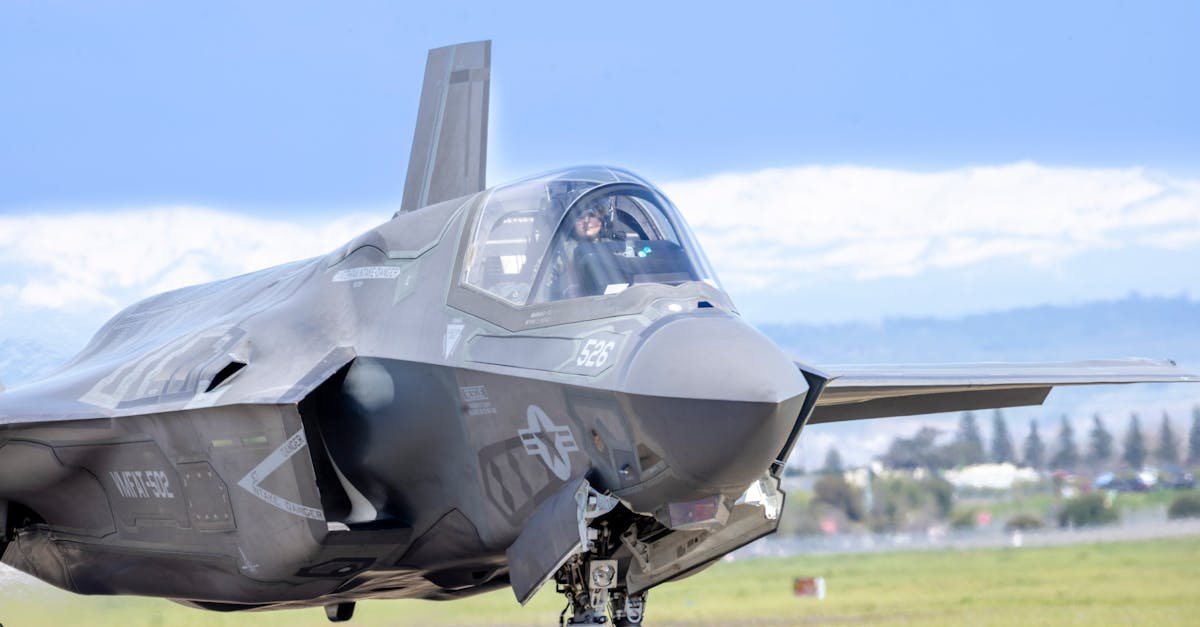
    Close-up of an F-35 fighter jet capturing the essence of aviation prowess against a clear blue sky.

    Every active pilot receives Aviation Career Incentive Pay, commonly known as flight pay. This is an additional monthly payment that scales with years of aviation service rather than just rank. In 2026, new pilots receive $150 per month,which increases as they gain seniority. After six years of aviation service, flight pay jumps to $800 per month, and it eventually caps at $1,000 per month for those with over ten years of flying experience.

    The $50,000 Annual Retention Bonus

    To compete with the high salaries offered by major commercial airlines, the Air Force has leaned heavily into retention bonuses. Under the current 2026 Rated Officer Retention Demonstration Program, eligible pilots can sign contracts to stay in the service for an additional three to twelve years. These bonuses can be worth up to $50,000 per year. For a pilot who commits to a long term contract, the total value of this bonus alone can reach $600,000 over the course of the agreement. Some programs even allow for a lump sum payment of up to $200,000 up front, providing immediate financial stability.

    Tax Free Allowances: The Hidden Income

    One of the most significant parts of the US Air Force pilot salary is the money that never shows up on a tax return. A large portion of an officer’s compensation is paid through allowances that are entirely tax free.

    Basic Allowance for Housing (BAH)

    The housing allowance is designed to cover the cost of living off base. The amount is determined by the local rental market, the officer’s rank, and whether they have dependents. In 2026, BAH rates across the country saw an average increase of 4.2 percent. A pilot stationed in a high cost area like Washington DC or Hawaii might receive over $4,000 per month in tax free housing money. Because this is not taxed, its value to the pilot is equivalent to a much higher taxable salary in the civilian world.

    Basic Allowance for Subsistence (BAS)

    Every officer also receives a monthly food allowance. For 2026, this amount is set at approximately $328 per month.While it is a smaller portion of the total package, it adds nearly $4,000 of tax free income annually to the pilot’s wallet.

    Comprehensive Healthcare and Retirement Perks

    The financial value of a military career extends far beyond the monthly paycheck. The Air Force provides a suite of benefits that would cost a civilian family tens of thousands of dollars per year.

    Healthcare Without Premiums

    Air Force pilots and their families are covered under the Tricare system. This provides comprehensive medical and dental care with no monthly premiums and very low out of pocket costs. In an era where private health insurance can cost a family $1,500 per month or more, this benefit is a massive contributor to the pilot’s overall financial health.

    The 20 Year Pension and TSP

    The military retirement system is one of the few remaining defined benefit plans in the United States. Under the Blended Retirement System, the Air Force matches up to five percent of a pilot’s contributions to the Thrift Savings Plan. Furthermore, if a pilot serves for twenty years, they qualify for a lifetime monthly pension that starts immediately upon retirement. This allows many pilots to retire in their early 40s with a guaranteed income stream for life while they pursue a second career in the private sector.

    Military Pay versus Commercial Airline Salaries

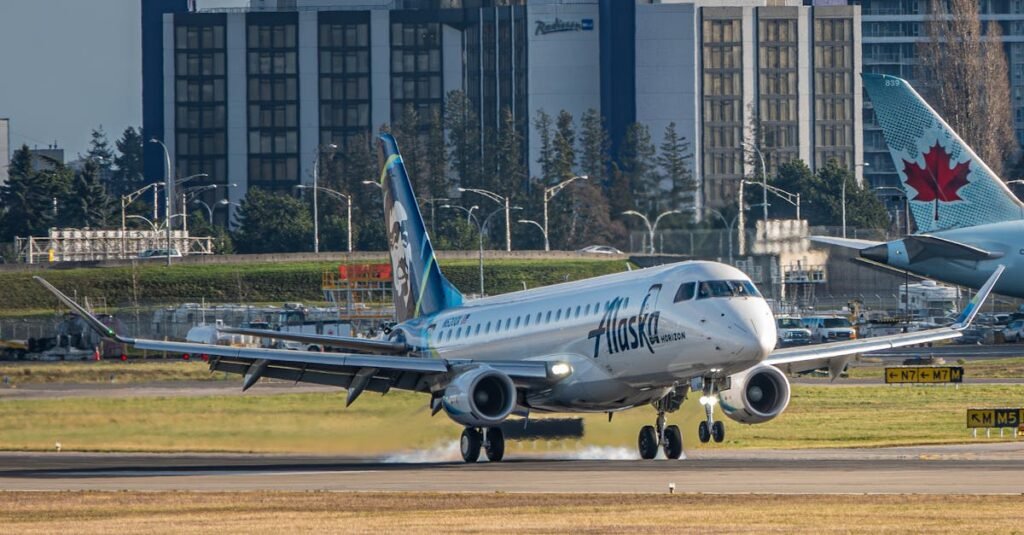
    An Alaska Airlines Horizon airplane lands on a runway with buildings in the background, showcasing aviation and transportation.

    It is a well known fact that senior captains at major airlines like Delta or United can earn over $450,000 per year in 2026. If a pilot’s only metric is the highest possible gross salary, the commercial world is hard to beat. However, when you calculate the US Air Force pilot salary including the tax free allowances, free healthcare, and the value of a guaranteed pension, the gap narrows significantly.

    A mid career Air Force Major taking a retention bonus can have a total compensation package worth over $200,000 per year. When you consider that a large portion of that is not taxed, the lifestyle and take home pay are comparable to many civilian roles that require much more seniority to achieve.

    Final Perspective on Pilot Compensation

    The US Air Force pilot salary in 2026 is a multi layered system that rewards both experience and commitment. While the base pay provides a solid foundation, it is the combination of flight incentives, massive retention bonuses, and tax free housing allowances that creates a truly lucrative career path. For those who choose to stay in uniform, the financial rewards are structured to support a high quality of life while fulfilling a mission that cannot be replicated in the civilian world.