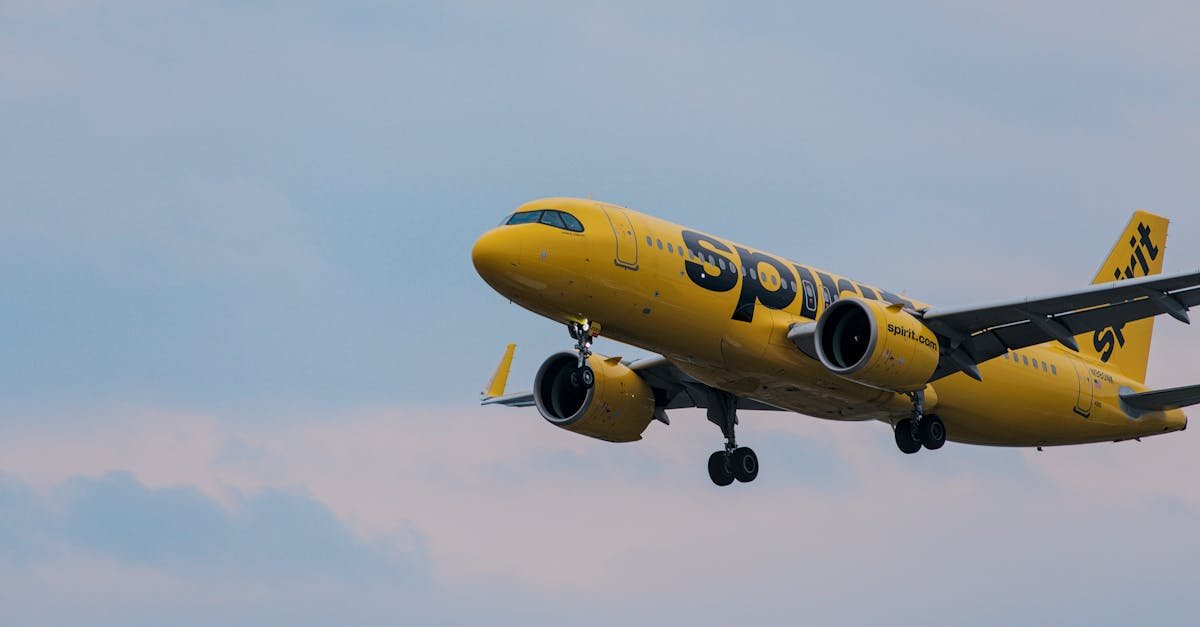
The internet has a unique way of turning a routine maintenance procedure into a global safety panic. Recently, a video featuring a Spirit Airlines ground crew member went viral, showing what appeared to be a worker applying household duct tape to the exterior of a jet engine. In the background, a passenger can be heard shouting, “Just give me my money back!” while expressing total disbelief that a multi-million dollar aircraft was being held together by something you might find under a kitchen sink.
While the visual is admittedly jarring for anyone sitting in a window seat, the reality behind the tape is far more sophisticated than a quick DIY fix. What passengers are actually seeing is a specialized tool used by every major carrier in the world. It is not about cutting costs or being cheap. It is about aerodynamics and temporary protection.
Understanding the Difference Between Duct Tape and Speed Tape
To the untrained eye, the silver rolls used on an airplane wing look exactly like the duct tape used to fix a broken bumper or a leaky pipe. However, using actual duct tape on a jet would be catastrophic. Standard adhesive tapes are made of cloth and plastic. They melt at high temperatures and peel off at speeds exceeding 60 miles per hour.
The material seen in the Spirit Airlines video is actually called speed tape. This is a heavy duty, aluminum pressure sensitive tape that is specifically engineered for the aviation industry. A single roll of this material can cost between 500 and 800 dollars. It is made of thick aluminum foil with a high grade silicone or acrylic adhesive. Unlike the tape in your garage, speed tape is designed to stay perfectly intact while an airplane travels at 500 miles per hour through freezing rain and intense solar radiation.
Why Do Airlines Use Tape in the First Place
When people see tape on a plane, their first thought is usually that the wing is falling off. This is a common misunderstanding of how aircraft maintenance works. Speed tape is never used for structural repairs. It is not holding the engine to the wing, and it is not sealing a giant hole in the pressurized cabin.
Instead, Spirit Airlines and other carriers use it for non critical cosmetic or aerodynamic issues. The most common use is to cover peeling paint. At high speeds, even a small chip in the paint can create wind resistance or lead to further erosion of the aircraft skin. By smoothing over the area with speed tape, mechanics ensure that the airflow remains consistent. It also protects the underlying metal from moisture and corrosion until the plane can be taken into a hangar for a permanent paint job.
The High Standards of Aviation Regulations
Aviation is one of the most strictly regulated industries on the planet. No mechanic at Spirit Airlines can simply walk up to a plane and decide to slap some tape on it. Every repair, no matter how small it looks, must follow the Structural Repair Manual provided by the aircraft manufacturer, such as Boeing or Airbus.
The Federal Aviation Administration has very specific rules about where speed tape can be applied and for how long it can stay there. Every piece of tape has a logged entry. Pilots and inspectors must sign off on its use before the flight is cleared for takeoff. If the tape were truly a safety hazard, the plane would be legally grounded. The fact that the flight departed shows that the repair met every safety threshold required by international law.
The Viral Outrage and the Budget Spirit Airlines Reputation
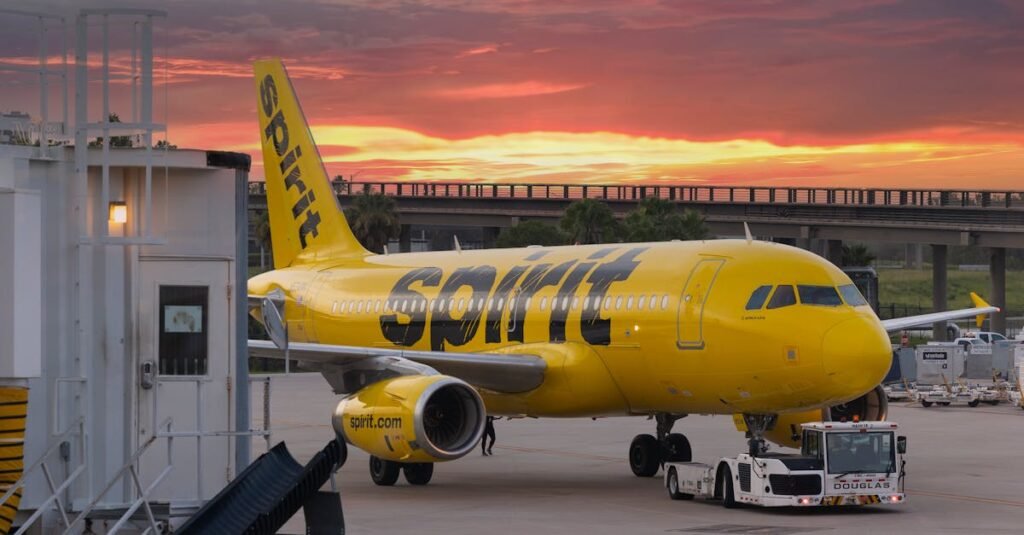
The reason this specific video gained so much traction is largely due to the reputation of Spirit Airlines as a low cost carrier. Because the airline is known for its budget friendly fares and unbundled services, passengers are often primed to look for signs of “cheapness.” When a traveler sees a mechanic using tape, they immediately associate it with the airline’s low prices, assuming that safety is being sacrificed for profit.
In reality, if you were to walk the tarmac at a major hub for high end international carriers, you would see the exact same silver tape on their planes too. Speed tape is a universal tool. It is used because it is the most efficient way to keep a plane in service for minor issues without causing massive delays for hundreds of passengers. Replacing a fairing or repainting a wing section can take days. Applying speed tape takes minutes and is just as safe for the short term.
The Incredible Engineering of Aluminum Foil Tape
To appreciate why this tape is used, you have to look at the science of the material. Speed tape is capable of expanding and contracting at the same rate as the airplane’s aluminum skin. As a plane climbs to 35,000 feet, the air becomes extremely cold, causing the metal to shrink. When it lands in a hot climate like Florida or Nevada, the metal expands.
Standard tapes would crack or lose their grip under these stresses. Speed tape remains flexible. It is also resistant to jet fuel, UV rays, and fire. When applied correctly, it becomes a temporary part of the aircraft’s skin, effectively smoothing out the surface so that the engines don’t have to work harder to overcome drag. This actually helps with fuel efficiency during the flight.
Why Passenger Perception Matters
Even though the tape is safe, the optics are undeniably poor for the airline. For a passenger who has paid for a ticket and is trusting their life to a machine, seeing a “band-aid” on the engine is terrifying. This highlights a gap in communication between the technical world of aviation maintenance and the general public.
Airlines often struggle to explain these procedures because the explanations are technical and boring, while a viral video is fast and emotional. The phrase “give me my money back” resonates because it taps into a universal fear of flying and a lack of control. However, the aviation industry relies on data and engineering rather than appearances. If tape were dangerous, the insurance liabilities alone would prevent any airline from ever using it.
Safety Measures You Can Trust
Next time you see a silver patch on a wing, remember that it is backed by decades of engineering. Before that tape was applied, a certified mechanic had to inspect the area to ensure the damage was only surface level. They had to clean the surface with specific solvents to ensure a perfect bond. They then had to apply the tape in a specific overlapping pattern to ensure the wind would not catch the edges.
Spirit Airlines, like all commercial carriers, operates under a microscope of safety checks. The technicians working on these planes go through years of schooling and must maintain licenses that are difficult to earn. They are not looking for the easiest way out. They are looking for the approved way to keep the flight schedule moving while maintaining a hundred percent safety record for the equipment.
A New Perspective on Aircraft Maintenance
It is easy to let a viral video shape your view of an airline. However, the presence of speed tape is actually a sign that the airline is performing active maintenance. It means they noticed a minor defect and took the steps to fix it according to the manual before it could turn into a larger issue.
The passenger in the video might have wanted their money back, but they were actually flying on a plane that had been inspected and cleared by professionals using the highest quality materials available. While it might not look pretty for a social media post, speed tape is a hero of the aviation world, keeping flights on time and keeping the skies safe for everyone on board.
Leave a Reply