Category: News

  • Delta Sets New Record: A321neo to Become Largest Fleet Type After New Order

    Delta Sets New Record: A321neo to Become Largest Fleet Type After New Order

    The landscape of American aviation is shifting as Delta Air Lines makes a definitive move toward its future. In a recent announcement that has caught the attention of industry experts and frequent flyers alike, the Atlanta based carrier confirmed an order for 34 additional Airbus A321neo aircraft. This is not just another purchase to replace aging planes; it is a historic milestone. With this latest commitment, the A321neo is officially on track to become the most numerous aircraft type in the history of Delta, eventually surpassing the legendary numbers once held by the Boeing 727.

    This decision reflects a broader strategy that Delta has been unfolding throughout the early months of 2026. It marks the third major aircraft deal the company has signed this year, following significant orders for widebody jets like the Boeing 787 Dreamliner and additional Airbus A350s. By centering its domestic operations around the A321neo, Delta is signaling a shift toward a fleet that is younger, more fuel efficient, and heavily focused on a premium passenger experience.

    Why the A321neo is the New Backbone of the Skies

    For decades, the “workhorse” of the sky was often defined by its reliability and its ability to fit into almost any airport gate. While those traits still matter, the modern era demands more. The A321neo which stands for “New Engine Option” offers a blend of capacity and economics that older jets simply cannot match.

    Delta first introduced this model to its lineup in 2022. Since then, the aircraft has quickly proven its worth on high demand routes across the United States. One of the main reasons Delta is leaning so heavily into this specific model is its efficiency. These planes are roughly 20 to 30 percent more fuel efficient than the older narrowbody jets they are replacing. In an industry where fuel is one of the largest and most volatile expenses, a 30 percent improvement is a massive win for the bottom line.

    A New Standard for the Domestic Cabin

    Passengers often care less about engine efficiency and more about what happens once they step through the boarding door. This is where the A321neo really shines for the average traveler. Delta has used this aircraft to debut a new generation of domestic First Class seats that offer significantly more privacy and storage than previous designs.

    The standard layout for these jets includes 194 seats, but the distribution is what tells the story of Delta’s “premium” focus. The cabin features:

    • 20 First Class seats with larger privacy wings and improved workspace.
    • 42 Delta Comfort+ seats offering extra legroom for those who want a middle ground.
    • 132 Main Cabin seats equipped with memory foam cushions.

    Every passenger, regardless of where they sit, gets access to a high definition seatback screen and power outlets. Furthermore, the A321neo is a primary vehicle for the rollout of fast, free Wi-Fi through Delta Sync. The goal is to make a five hour flight from New York to Los Angeles feel as connected and comfortable as sitting in a high end coffee shop or a home office.

    Breaking the Boeing 727 Record

    To understand the scale of this 34 aircraft order, one has to look at the history books. For a long time, the Boeing 727 was the undisputed king of the Delta fleet in terms of sheer numbers. At its peak, the tri-jet was the face of the airline.

    However, this latest order brings Delta’s total commitment for the A321neo to 189 aircraft. When you combine these with the existing fleet of “Current Engine Option” A321s (the A321ceo), the A321 family becomes a massive force within the company. This transition represents a changing of the guard, moving away from the loud, thirsty engines of the past toward the whisper quiet, ultra efficient geared turbofans of today.

    The Role of Pratt & Whitney and Delta TechOps

    A significant part of this deal involves the engines. These 34 new planes will be powered by Pratt & Whitney GTF engines. While the aviation world has seen some supply chain hurdles regarding engine maintenance in recent years, Delta has a unique advantage.

    Through its massive maintenance division, Delta TechOps, the airline has the capability to service these advanced engines in house. This reduces the time a plane spends on the ground for repairs and ensures that the airline isn’t entirely dependent on third party shops. It is a vertical integration strategy that allows Delta to grow its fleet with confidence, knowing they have the technicians and the facilities in Atlanta to keep the “neo” fleet running smoothly.

    Sustainability and the Path to 2050

    The timing of this order also aligns with Delta’s public goals for sustainability. The airline has committed to reaching net zero carbon emissions by 2050. While experimental technologies like hydrogen or electric planes are still years away from carrying 190 people across the country, fleet renewal is the most effective tool available right now.

    By replacing older, less efficient Boeing 757s and older Airbus models with the A321neo, Delta is immediately lowering its carbon footprint per passenger. The aerodynamics of the “Sharklets” on the wingtips and the advanced materials in the fuselage allow the plane to fly further on less fuel. This isn’t just good for the environment; it’s a business necessity as carbon regulations become stricter across the globe.

    Strategic Growth in a Competitive Market

    The decision to exercise these options for 34 more jets suggests that Delta sees strong demand continuing through the end of the decade. These specific aircraft are scheduled to begin arriving in 2029. By locking in these delivery slots now, Delta is protecting itself against future price hikes and ensuring it has the capacity to grow its network.

    We are seeing a trend where major airlines are “upgauging” using larger narrowbody planes like the A321neo instead of smaller jets. This allows them to carry more passengers into congested airports like New York-JFK or Boston Logan without needing more takeoff and landing slots. It is a game of efficiency that maximizes the value of every flight.

    Looking Toward the End of the Decade

    As these 34 aircraft begin to enter service in 2029, the domestic flying experience will likely look very different than it did just a few years ago. The days of old, noisy cabins with overhead “flip down” monitors are quickly fading into memory.

    Delta is betting that by offering a consistent, high tech, and premium product across its entire domestic network, it can maintain its lead in the “Big Three” US carriers. The A321neo is the vessel for that bet. With more than 180 of these jets eventually flying the Delta colors, it is clear that the “neo” is much more than just a new plane, it is the foundation of the airline’s next era.

  • Fact Check: Was Dubai Airport Bombed? What We Know About DXB Damage and Current Flight Status

    Fact Check: Was Dubai Airport Bombed? What We Know About DXB Damage and Current Flight Status

    Early this morning, March 1, 2026, the world woke up to alarming reports concerning Dubai Airport. Social media feeds quickly filled with grainy videos of smoke and flashing lights, leading many to ask if the global travel hub had been bombed. While the situation is serious and involves physical damage, the word bombed carries a specific weight that requires a closer look at what actually happened on the ground.

    The Reality of the Incident at Dubai Airport

    To be precise, Dubai Airport was not targeted by a traditional bombing in the sense of a planted explosive device. Instead, the facility was caught in the crossfire of a significant regional military escalation. Early Sunday morning, a series of missiles and drones were launched from Iran toward various locations across the Gulf.

    Government officials from the Dubai Media Office have confirmed that a concourse at Dubai International (DXB) sustained what they describe as minor structural damage. This occurred during the overnight hours when the UAE air defense systems were actively intercepting multiple incoming threats. It appears that either a direct hit from a small drone or falling debris from an intercepted missile impacted a section of the terminal.

    Reports of Damage and Injuries

    The most distressing part of the news involves the people working at the site. According to official statements, four airport staff members were injured during the incident. These individuals were quickly attended to by emergency medical teams that are permanently stationed at the airport. Fortunately, the injuries were not reported as life threatening, but the event caused significant panic among those still in the building.

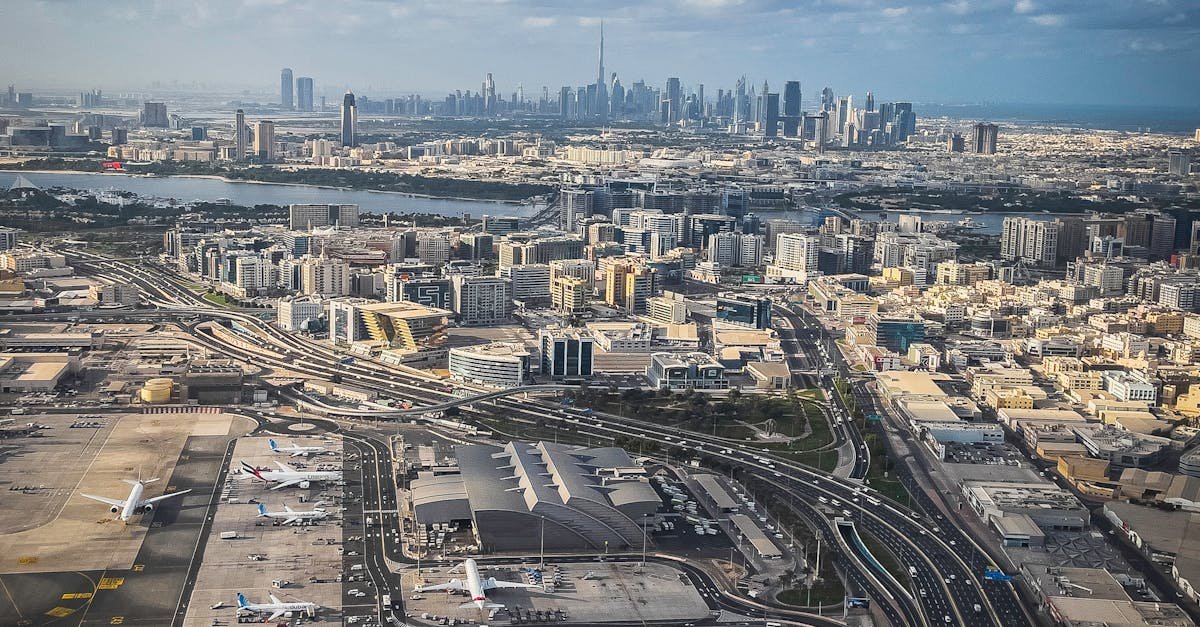
    Visible damage was reported at Terminal 3, which is the primary home for Emirates. Photos shared by witnesses show shattered glass and debris near the immigration and concourse areas. Outside the airport, the impact was felt as well. Shrapnel and debris from the interceptions caused a small fire on the exterior of the Burj Al Arab hotel and another fire at the Jebel Ali Port. While these fires were small and quickly put out, they underscore the scale of the aerial activity over the city.

    Why the Airport Was Partially Empty

    One reason the casualty count remained low is that authorities had already begun taking defensive measures. Before the projectiles reached the city, a national emergency alert was sent to mobile phones across the UAE. The message told residents to stay away from windows and seek shelter immediately.

    Because of these proactive warnings, Dubai Airport had already started clearing sections of its terminals. Many passengers had been moved to more secure, reinforced areas of the building or were kept away from glass facades. This quick thinking by the National Emergency Crisis and Disaster Management Authority likely saved many lives.

    Current Flight Status and Airspace Closures

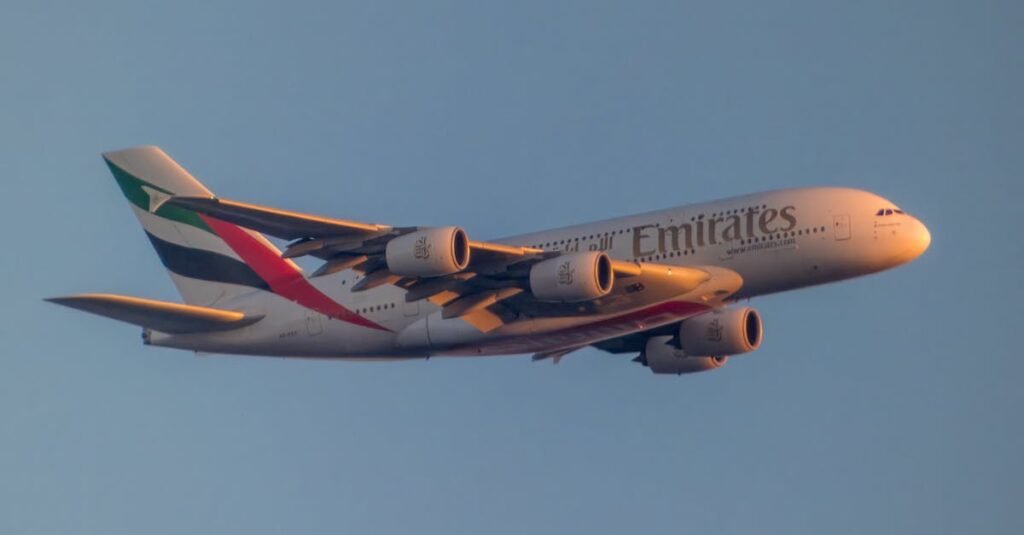
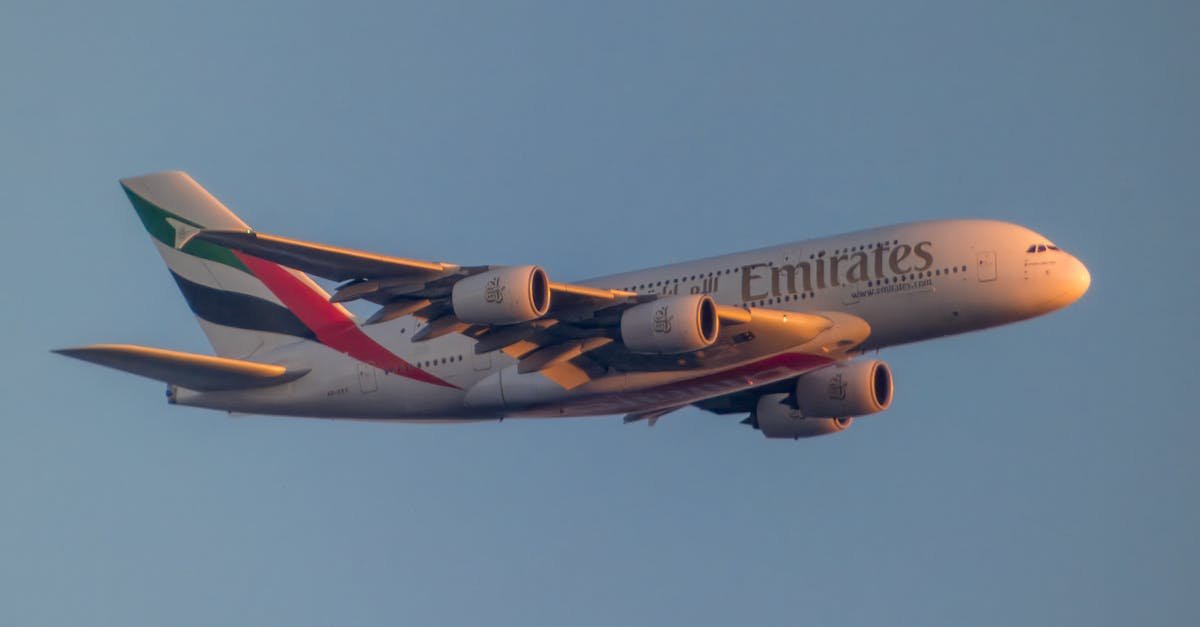
    Emirates Airbus A380 flying high during sunset, capturing elegance and aviation engineering.

    As of Sunday afternoon, the status of Dubai Airport is at a standstill. The General Civil Aviation Authority made the difficult call to close the UAE airspace partially to ensure no civilian planes were caught in the conflict. This has led to a total suspension of flight operations at both DXB and Al Maktoum International (DWC).

    Major carriers have issued the following updates:

    • Emirates: All flights leaving from or arriving in Dubai are suspended until at least 3:00 PM local time. This window may be extended depending on the security assessment.
    • Flydubai: The airline has grounded its fleet and canceled all flights to and from the region for the remainder of the day.
    • Etihad Airways: Operations in Abu Dhabi have also been halted, with departures paused until at least 2:00 PM.
    • International Airlines: Carriers like Air India, Lufthansa, and British Airways have canceled their flights to the Gulf or rerouted them to avoid the region entirely.

    If you have a flight booked today, the advice from every airline is the same: stay away from the airport. The roads leading to the terminals are heavily monitored, and with no planes taking off, the facilities are not accepting new passengers.

    How Travelers Can Get Help

    For those currently stranded, the situation is frustrating but being managed. Emirates has stated that anyone scheduled to travel within the next 72 hours can rebook their flight for a date within the next 10 days without paying any change fees. Alternatively, passengers can opt for a full refund.

    If you booked your trip through a travel agent, you must contact them directly to make changes. If you booked through the airline website, their apps and customer service lines are the best way to get updates, though wait times are expected to be very long given the thousands of people affected globally.

    The Bigger Picture for Global Travel

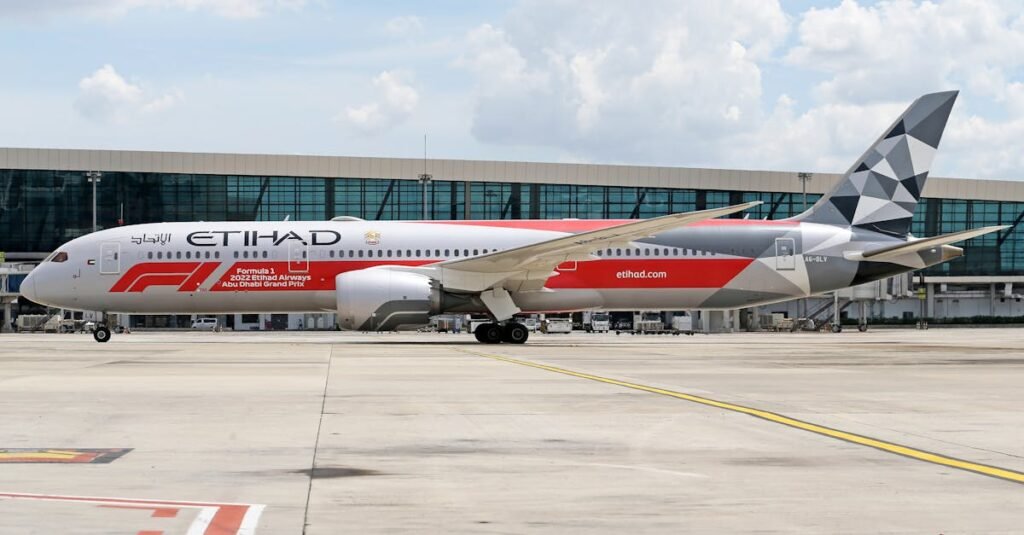
    Etihad Airways Boeing 787 with Formula 1 livery parked at a modern airport.

    Dubai Airport is the busiest international hub in the world. When it stops moving, the rest of the world feels it. From London to Sydney, thousands of passengers are currently sitting in transit lounges waiting for news. The closure of this airspace means that long haul flights between Europe and Asia must now take much longer routes around the Middle East, leading to fuel stops and further delays.

    The UAE government has reiterated that the safety of its residents and visitors is the top priority. They are working with international security partners to assess when the skies will be safe enough to resume the roar of jet engines.

    Staying Safe and Getting the Facts

    In times of crisis, rumors spread faster than the truth. You may see dramatic headlines or unverified videos on social media claiming the airport has been destroyed. It is important to look at the official word from the Dubai Media Office and the airlines themselves.

    The damage at Dubai Airport is real, and the injuries to the staff are a tragedy, but the facility remains standing. The current closure is a precautionary measure to prevent further risk to human life.

    What to Watch for in the Coming Hours

    The next few hours will be critical for anyone hoping to travel. Authorities will be conducting a full sweep of the runways and terminal structures to ensure everything is safe for use. Once the military threat is deemed to have passed, a phased reopening will likely begin.

    Expect the first flights to be arrivals that were previously diverted to other countries. It will likely take several days for the backlog of passengers to clear and for schedules to return to their normal rhythm. Until then, the best thing anyone can do is stay informed through official channels and remain in a safe location.

  • American Airlines, United, and Delta Suspend Middle East Flights: Emergency 2026 Travel Guide and Refund Rights

    American Airlines, United, and Delta Suspend Middle East Flights: Emergency 2026 Travel Guide and Refund Rights

    The landscape of international travel faced a seismic shift on February 28, 2026, as the three largest carriers in the United States made the difficult call to halt operations to the Middle East. Following a night of intense military activity and the closure of several key air corridors, American Airlines, United, and Delta have grounded flights to ensure the safety of their passengers and crew members. For many travelers, this news broke while they were already at the gate or, in some dramatic cases, while their planes were already soaring over the Atlantic Ocean.

    The decision comes at a time of extreme regional tension. With airspaces over Doha and Dubai essentially closed to civilian traffic, the logistics of flying into the Gulf have become impossible. If you are currently holding a ticket with American Airlines or one of its domestic competitors, you are likely facing a storm of questions regarding your travel plans, your money, and your next steps. This guide breaks down exactly what is happening on the ground and in the air.

    Why American Airlines and Others Pulled the Plug

    The primary driver for these cancellations is the safety of the flight paths. On the morning of February 28, 2026, military strikes led to the immediate activation of air defense systems across the region. Civilian aircraft are particularly vulnerable in these scenarios, and no airline is willing to risk flying into a potential crossfire.

    American Airlines was among the first to react when its flight from Philadelphia to Doha was forced to turn back mid flight. This was not an isolated incident. United and Delta quickly followed by scrubbing their schedules for the foreseeable future. The Federal Aviation Administration has also issued a series of warnings that make it legally and operationally difficult for any US based carrier to maintain their regular routes through the Middle East.

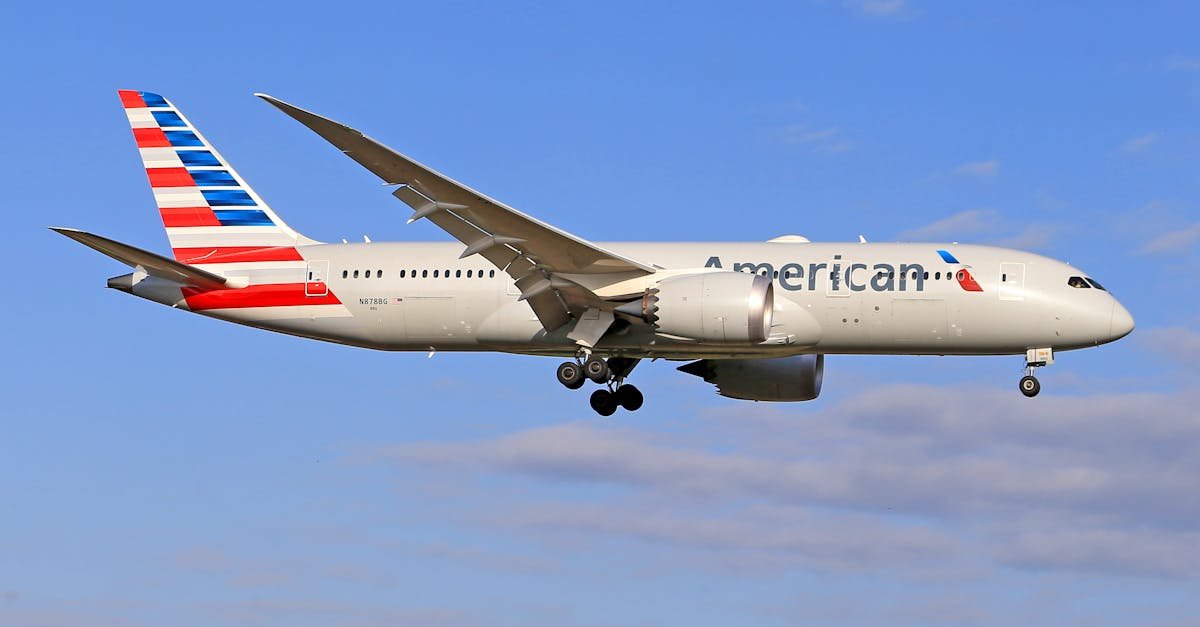
    Side view of a commercial airplane in flight against a clear blue sky.

    The Massive Diversions of February 28

    One of the most striking stories of the day involved an American Airlines long haul flight. Passengers on the Philadelphia to Doha route spent nearly seven hours in the air only to be told that the plane had to return to its origin point. Because the airspace in Qatar was suddenly restricted, the pilots had no choice but to execute a U turn over the ocean.

    This creates a massive logistical headache. These “flights to nowhere” mean that planes are ending up in the wrong cities, and flight crews are hitting their legal limits for working hours. If you were on one of these flights, you are likely exhausted and frustrated. American Airlines has set up specialized desks at their major hubs to handle these specific cases, but the sheer volume of travelers means that digital tools are currently your fastest way to get help.

    Understanding Your Refund Rights Under US Law

    When a major disruption like this occurs, airlines often try to offer travel vouchers or credits that expire after a year. However, as a passenger on a US carrier, you have much stronger protections than the airlines might initially mention. The United States Department of Transportation is very clear on this matter. If an airline cancels your flight for any reason, including war or regional conflict, and you choose not to take the alternative flight they offer, you are entitled to a full cash refund.

    This rule applies to all tickets, even those labeled as non refundable. If American Airlines cancels your trip to the Middle East, you do not have to accept a voucher. You can insist that the money be returned to your original credit card or bank account.

    What to Do if You Are Stranded Abroad

    While the Department of Transportation protects your ticket price, it does not strictly require airlines to pay for your hotel or food when the cancellation is due to an act of war or a security threat. This is where the situation gets tricky for those stuck in transit.

    If you are a passenger of American Airlines and you are stuck in a connecting city like London or Madrid, you should immediately speak with a gate agent about “distressed passenger” assistance. While they may not be legally obligated to pay for your room, many carriers provide vouchers for nearby hotels out of goodwill. If they refuse, make sure to keep every single receipt for your meals, transport, and lodging. You will need these to file a claim with your travel insurance provider later.

    Navigating the United and Delta Cancellations

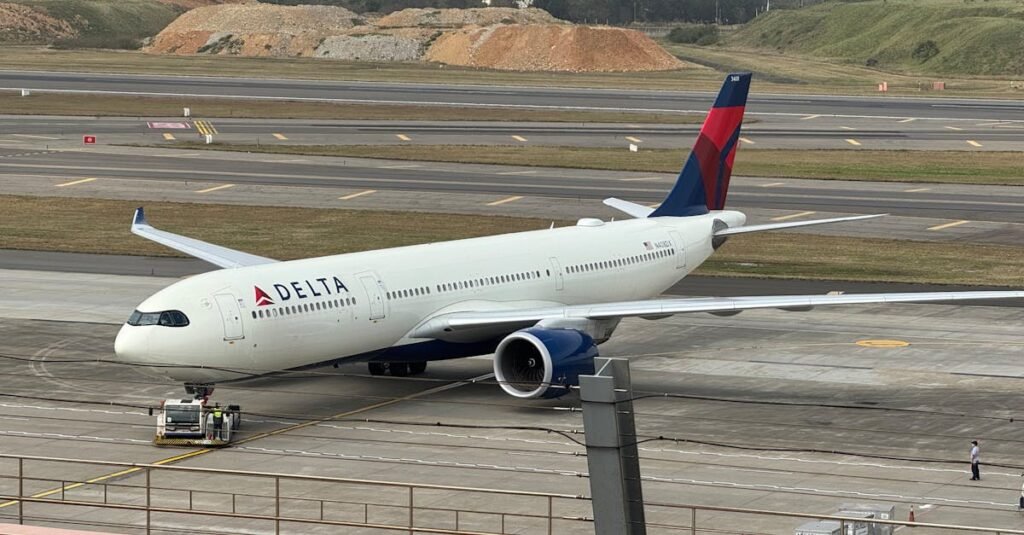
    Delta Air Lines Airbus A350 preparing for takeoff at Taiwan Taoyuan International Airport.

    United Airlines has seen similar chaos, particularly with its popular routes out of Newark Liberty International. Their direct service to Dubai is a major artery for people traveling to the Indian subcontinent. With that route now closed, United is working to rebook passengers on flights that go through Europe or Asia, though those seats are filling up in seconds.

    Delta Air Lines has also paused its Middle East operations. Delta often relies on its European partners like Air France and KLM. Because those airlines have also restricted their flights to the region, Delta passengers are finding that their entire itinerary has been wiped out. If you are in this position, you must check the Delta Travel Advisories page for the most recent updates on rebooking.

    The Importance of Travel Insurance and Credit Card Coverage

    In a situation as volatile as the 2026 conflict, your personal travel insurance is often more valuable than the airline policy itself. Many high end credit cards also offer built in trip interruption insurance. These policies usually cover the extra costs that the airline will not pay for, such as the price of a last minute flight on a different carrier or extended hotel stays.

    When you call your insurance company, tell them your flight was cancelled due to “airspace closure” or “security concerns.” Be prepared to provide your original American Airlines flight number and the official cancellation notice you received via email or text.

    Staying Safe with Government Programs

    For any American citizen currently in or near the conflict zone, the situation goes beyond just a missed flight. The US State Department has issued urgent travel warnings for the region. They highly recommend that all travelers enroll in the Smart Traveler Enrollment Program. This allows the US government to know your location and send you emergency updates about evacuation flights or airport reopenings.

    Preparing for Long Term Schedule Shifts

    Even if the military tension cools down in the next few days, do not expect American Airlines to resume a normal schedule immediately. The aviation industry is a delicate web. When hundreds of flights are cancelled at once, the planes and the pilots end up in the wrong parts of the world.

    It can take weeks to reset the system. If you have a flight booked for later in March or April of 2026, you should keep a very close eye on your email. There is a high chance of “schedule padding,” where airlines add extra time to flights to account for the longer routes they must now take to avoid the restricted airspace.

    Managing Your Journey Moving Forward

    The closure of these air corridors is a historic event for global aviation. While the primary concern for everyone involved is the restoration of peace and safety, the immediate task for travelers is to stay informed and protect their rights. American Airlines and its competitors are dealing with an unprecedented volume of requests, so patience is a necessity.

    Focus on using the mobile apps for the fastest updates, and remember that you are legally entitled to your money back if the airline cannot get you to your destination. Stay safe, stay connected, and keep your travel documents in a secure and accessible place at all times.

  • Emirates Flight Cancellations 2026: A Complete Guide for Stranded Passengers and Future Travelers

    Emirates Flight Cancellations 2026: A Complete Guide for Stranded Passengers and Future Travelers

    The aviation world faced a massive disruption on February 28, 2026, as Emirates Airline officially suspended its operations to and from its primary hub in Dubai. This move follows a series of rapid military escalations in the Middle East that led the United Arab Emirates General Civil Aviation Authority to partially and temporarily close the country’s airspace. For travelers, this means that one of the busiest transit points on the planet is currently at a standstill, leaving thousands of passengers searching for answers and alternative routes.

    Dubai International Airport is the heart of global travel, connecting millions of people across six continents. When Emirates stops flying, the impact is felt from New York to Sydney. If you are currently traveling or have a trip planned in the coming days, this guide provides the essential details on why this is happening and how you can manage your journey during this period of uncertainty.

    The Security Situation in February 2026

    The decision to ground flights was not taken lightly. It came in response to a significant spike in regional conflict involving major military strikes. On Saturday, February 28, reports surfaced of projectiles being intercepted over the United Arab Emirates. Authorities cited the need to protect passengers, aircrews, and national territory as the primary reason for the airspace closure.

    Because the safety of civilian aircraft is the top priority, Emirates and its sister airline, flydubai, have paused all flight activity. This is part of a broader trend in the region, as neighboring countries like Qatar, Kuwait, and Iraq have also restricted their skies to avoid the risk of accidental involvement in the ongoing military activity.

    Immediate Steps for Passengers at the Airport

    If you are currently at Dubai International Airport or another terminal waiting for an Emirates flight, the atmosphere is likely one of confusion. The airline has stated that they are working with local authorities to provide accommodation and assistance to those who are stranded. However, with thousands of people in the same situation, resources are under immense pressure.

    Your first step should be to check the live status of your flight through official digital tools rather than waiting in long physical queues at the airport. Emirates has urged all passengers not to head to the airport if their flight has already been marked as cancelled.

    • Live Flight Status: You can track your specific flight number here: Emirates Flight Status
    • The Emirates App: Downloading the official app on your phone is the fastest way to receive push notifications about gate changes or cancellation notices.

    How to Handle Rebookings and Refunds

    Emirates has a clear set of policies for when flights are disrupted due to extraordinary circumstances like an airspace closure. Because this event is outside the control of the airline, you have specific rights regarding how your ticket is handled.

    If your flight is cancelled, the airline generally offers three main options. You can rebook on the next available flight once operations resume, change your destination to a nearby unaffected city, or request a full refund of the unused portion of your ticket.

    • Managing Your Booking: To see which options are available for your specific ticket, visit the Manage Your Booking page.
    • Refund Requests: If you decide not to travel at all, you can submit a formal request through the Emirates Refund Form.

    Please note that if you booked your ticket through a travel agency or a third party website, you must contact them directly to process your refund or change your itinerary. Emirates can only directly assist those who purchased their tickets through the airline website, app, or contact centers.

    Assistance for Stranded Travelers in Dubai

    For those who are stuck in transit at Dubai International, the airline is coordinating with airport hotels to provide lodging. However, because of the scale of the 2026 conflict escalation, hotel rooms are reaching capacity quickly. Emirates typically provides “Dubai Connect” services for long layovers, but during a mass grounding, these services are managed on a case by case basis.

    If you are a resident of the UAE or have a visa that allows you to leave the airport, you may find it more comfortable to seek your own accommodation and keep all your receipts. You should check with your travel insurance provider to see if they will reimburse these costs under “trip interruption” coverage.

    Contacting Emirates Support During the Crisis

    The Emirates contact centers are currently experiencing an extremely high volume of calls. To save time, it is better to use their digital support channels before trying to call.

    • Live Chat: You can access a live chat feature on the Emirates Help Page.
    • Global Contact Numbers: If you must call, the primary number for the UAE is +971 600 555555. For those in the United States, the number is +1 800 777 3999.
    • Official Travel Updates: For a broad overview of the situation as it develops, keep an eye on the Emirates Travel Updates page.

    The Role of Travel Insurance in 2026

    Many travelers are finding that their insurance policies are a lifeline during this crisis. Standard travel insurance often includes protection against “scheduled airline failure” or “curtailment” due to regional conflict.

    It is important to read the details of your policy. Look for clauses related to war, civil unrest, or government ordered airspace closures. If you are forced to book a flight on a different airline to get home, or if you have to pay for extra nights in a hotel, your insurance may cover these expenses. Make sure to get a “Flight Cancellation Certificate” from Emirates, which you can often request online, to serve as proof for your claim.

    Impact on Future Travel Plans

    If you have a flight scheduled for the coming weeks, you may be wondering if you should cancel now. While the airspace closure is temporary, the “knock-on” effect will last for a long time. Even after the skies reopen, Emirates will have to reposition its aircraft and crews, which means delays will likely persist through the month of March 2026.

    If your travel is not urgent, you might consider taking advantage of the airline’s flexible booking policies to move your trip to a later date. This helps reduce the pressure on the system and ensures you don’t get stuck in a transit hub during a period of high tension.

    Navigating the Global Travel Disruption

    The closure of the Dubai hub is a major event that reminds us how interconnected our world has become. While the news is stressful for those with travel plans, the priority of the authorities is to ensure that every passenger stays out of harm’s way.

    By using the digital tools provided by Emirates and staying patient with the ground staff, you can navigate this difficult situation. Keep your travel documents safe, stay in touch with your loved ones, and monitor official news sources for the moment the “all clear” is given for regional flights to resume.

  • Qatar Airways Flight Suspension After Middle East Conflict Escalation: What Travelers Need to Know

    Qatar Airways Flight Suspension After Middle East Conflict Escalation: What Travelers Need to Know

    The global aviation landscape shifted rapidly on February 28, 2026, as Qatar Airways announced a total suspension of its flight operations. This decision came shortly after the closure of Qatari airspace, a move triggered by a sharp and sudden escalation in regional military activity. For many travelers, the news arrived while they were already at the airport or even mid-flight, leading to a wave of diversions and cancellations that has rippled across every continent.

    As one of the world’s most vital transit points, Doha serves as a bridge between the East and the West. The halting of flights at Hamad International Airport is not just a local issue but a massive hurdle for international travel. If you have a flight booked or are currently transit through the region, understanding the current state of affairs is essential for navigating the weeks ahead.

    Why Has Qatar Airways Stopped All Flights?

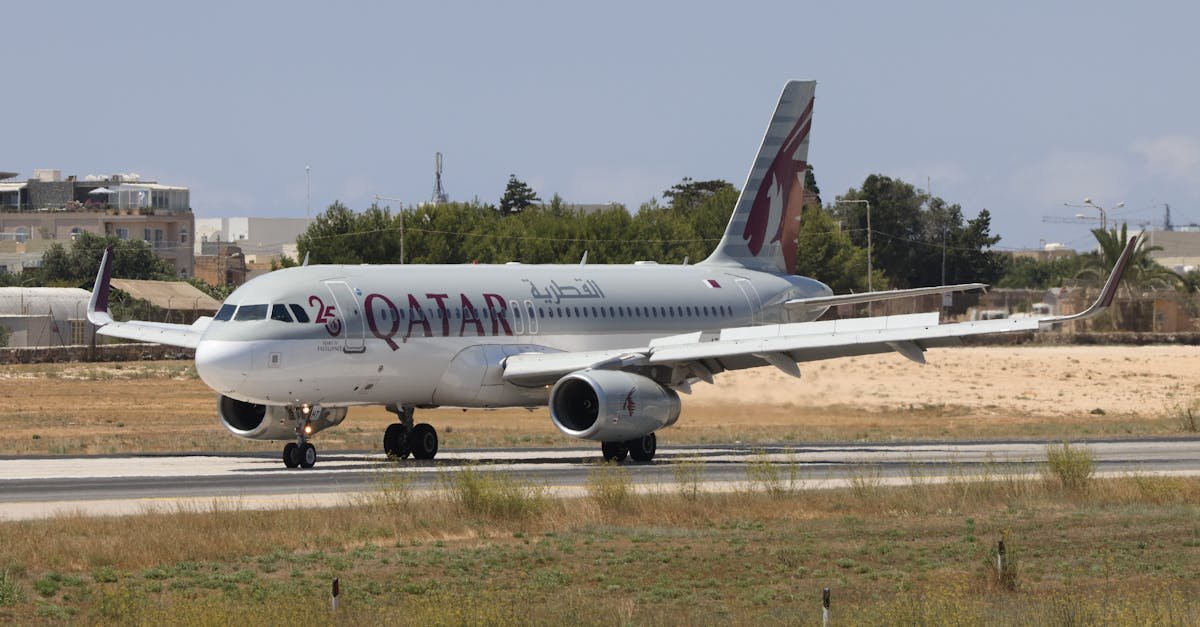
    Qatar Airways aircraft taxiing at airport with cityscape in the background.

    The primary reason for the grounding of the fleet is the safety of the passengers and the crew. Early on Saturday,February 28, the United States and Israel launched coordinated military strikes against targets in Iran. This event led to an immediate retaliation from Tehran, which fired a series of missiles toward various locations. Because Qatar sits in a geographically sensitive area, the local authorities decided that the risk to civilian aircraft was too high to continue normal operations.

    Explosions were heard near the Al Udeid Air Base, and Qatari air defenses were active in intercepting projectiles.Under these conditions, the Civil Aviation Authority determined that the sky was no longer a safe environment for commercial planes. This led to the temporary but indefinite closure of the country’s airspace, forcing Qatar Airways to pull all its planes from the sky.

    The Immediate Impact on Travelers

    The scale of the disruption is difficult to overstate. Because Qatar Airways operates a hub and spoke model, a closure in Doha stops the entire machine from working. Passengers flying from London to Sydney, or New York to Mumbai, find themselves stuck in a state of limbo.

    Some planes were forced to perform dramatic U-turns. For instance, a flight from Perth to Doha had to turn back about ninety minutes into its journey, returning to Australia after it became clear that landing in Qatar was no longer possible.Similar stories are emerging from Europe and Asia, where flights were diverted to secondary airports in neighboring countries that still had open runways.

    For those already at Hamad International Airport, the situation is one of waiting. The airline has sent extra staff to the terminals to help people with their next steps, but with the airspace closed, there are very few immediate options for flying out.

    How the Regional Airspace Closure Affects Other Airlines

    It is not just Qatar Airways that is feeling the pressure. The conflict has forced several other nations to shutter their skies or restrict traffic. The United Arab Emirates, Kuwait, Iraq, and Bahrain have all implemented similar measures.This has created a massive “no-fly” block in the middle of some of the busiest air corridors on earth.

    Global carriers like Air India, Lufthansa, and British Airways have also cancelled or rerouted their services to avoid the conflict zone. Many flights that usually pass over the Middle East to get from Europe to Southeast Asia are now taking much longer paths, often flying over Africa or through northern routes. This adds hours to travel times and increases fuel costs, which may eventually lead to higher ticket prices for everyone.

    What to Do if You Have a Flight Booked

    If you have a ticket with Qatar Airways in the coming days, the most important thing you can do is stay informed through official channels. The situation is changing by the hour, and what is true in the morning might be different by the evening.

    • Check Flight Status Frequently: Do not rely on old emails or schedules. Use the Qatar Airways mobile app or their official website to see the live status of your flight number.
    • Monitor Travel Advisories: Governments are updating their travel warnings. Many countries have now placed Israel, Iran, and Lebanon on “Do Not Travel” lists.
    • Contact Your Travel Agent: If you booked through a third party, they will be responsible for helping you find an alternative or processing a refund.
    • Keep Your Essentials Ready: If you are currently traveling, ensure you have your chargers, medications, and travel documents in your carry-on bag in case you are grounded for an extended period.

    The airline has stated that they are working with government stakeholders to support everyone who is impacted.However, they have also warned that even when the sky reopens, it will take a long time for the schedule to return to normal.

    Understanding Your Rights to Refunds and Rebookings

    In a situation like this, which is considered an “extraordinary circumstance” beyond the control of the airline, the rules can be a bit different than a typical delay. However, Qatar Airways is generally known for its robust customer service during crises.

    Most passengers will be offered the choice between a full refund or a rebooking at a later date once it is safe to fly.Some travelers might be able to change their destination to a nearby city that is not affected by the closure, though this is difficult given how many countries in the region have restricted their airspaces.

    If you are stranded at an airport, the airline is expected to provide assistance with meals and, where possible,accommodation. However, because the number of stranded people is so high, local hotels are filling up fast. It is wise to keep all receipts for any expenses you incur, as you may need them for insurance claims later.

    The Role of Travel Insurance

    Now more than ever, the fine print of your travel insurance policy matters. Most comprehensive policies cover trip cancellations or interruptions due to war or civil unrest, but there are often specific clauses about when the policy must have been purchased.

    If you bought your insurance before the strikes on February 28, you are likely covered for many of your out-of-pocket costs. If you try to buy insurance now to cover this specific event, it will likely be excluded as a “known event.” If you are stuck, call your insurance provider’s emergency line to see what level of support they can offer for food, lodging,and alternative transport.

    Looking at the Long Term Recovery

    Even if the military tension eases tomorrow, the aviation world will feel the aftershocks for weeks. Planes are currently in the wrong places, and flight crews have exceeded their legal working hours. Organizing the “re-start” of a global airline is a massive logistical puzzle.

    Travelers should expect a high volume of traffic once the flights resume. Every seat on every plane will be in high demand as the airline tries to clear the backlog of thousands of people. Patience will be the most valuable tool for anyone trying to navigate the Middle East in the early parts of 2026.

    Staying Prepared for Future Travel

    The events of this week serve as a reminder of how quickly global travel can be disrupted. For those who need to travel for work or family reasons, having a backup plan is becoming a necessity rather than a luxury.

    The closure of the Doha hub is a significant moment in aviation history. As the world watches the geopolitical situation unfold, the priority remains the safety of those in the air and on the ground. For now, the best advice for any traveler is to remain calm, stay updated, and wait for the official word that the skies are once again open for business.

  • US Air Force Pilot Salary 2026: Total Pay, Tax-Free Housing, and $50k Bonuses Explained

    US Air Force Pilot Salary 2026: Total Pay, Tax-Free Housing, and $50k Bonuses Explained

    Entering the cockpit of a United States Air Force jet is a goal that requires years of intense study and physical conditioning. While the prestige of the wings is often the primary motivator, the financial reality of the career is a major factor for those considering a long term military path. In 2026, a series of significant pay raises and the introduction of aggressive retention programs have changed the landscape for military aviators.

    The US Air Force pilot salary is not a single number. Instead, it is a complex bundle of basic pay, specialized flight incentives, and tax free allowances that can make a military officer’s take home pay surprisingly competitive with the private sector.

    The 2026 US Air Force Officer Basic Pay Scale

    All pilots in the Air Force are commissioned officers, and their primary income is determined by their rank and years of service. For 2026, the Department of Defense implemented a robust base pay increase to ensure military compensation remains viable in a high inflation environment.

    Junior Officer Earnings

    A new Second Lieutenant (O-1) entering flight school starts with a base pay of approximately $4,150 per month. This amount reflects the entry level status of the officer while they are still learning the fundamentals of aviation. After two years of service and a promotion to First Lieutenant (O-2), that monthly base pay climbs to roughly $5,446. At this stage, most pilots are beginning to fly their assigned airframes and are building the experience needed for their first major promotion.

    Mid Career Captains and Majors

    The rank of Captain (O-3) is where many pilots spend the bulk of their initial ten year commitment. A Captain with four years of service in 2026 earns a base pay of about $7,382 per month. As they move toward the ten year mark and promote to Major (O-4), the base pay reaches approximately $9,250. This phase of the career is often the most demanding, involving frequent deployments and advanced tactical training.

    Senior Leadership Compensation

    Pilots who choose to stay in the service for twenty years or more typically reach the ranks of Lieutenant Colonel (O-5) or Colonel (O-6). By 2026, a Lieutenant Colonel with 16 years of service earns a base salary of about $11,000 per month. A full Colonel with over 20 years of experience sees that figure rise to roughly $13,500. While these officers often take on more administrative or command roles, they still receive the foundational pay associated with their rank.

    Aviation Career Incentive Pay and Flight Bonuses

    Beyond the standard base pay, the US Air Force pilot salary includes specialized incentives designed to reward the unique skills and risks of flying.

    Monthly Flight Pay

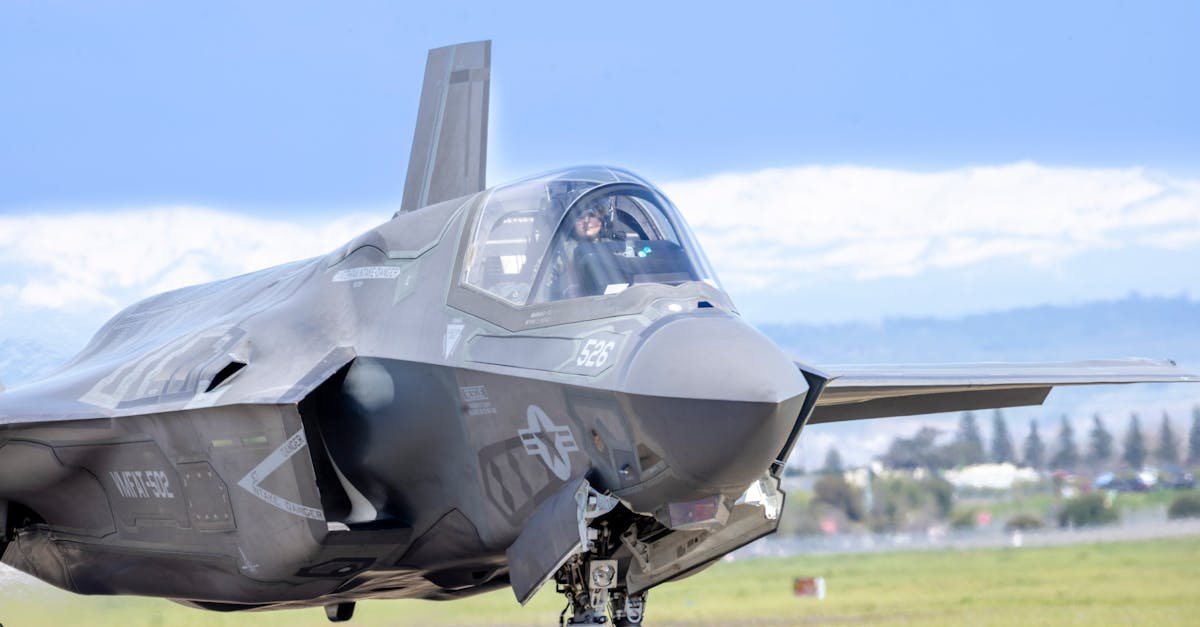
    Close-up of an F-35 fighter jet capturing the essence of aviation prowess against a clear blue sky.

    Every active pilot receives Aviation Career Incentive Pay, commonly known as flight pay. This is an additional monthly payment that scales with years of aviation service rather than just rank. In 2026, new pilots receive $150 per month,which increases as they gain seniority. After six years of aviation service, flight pay jumps to $800 per month, and it eventually caps at $1,000 per month for those with over ten years of flying experience.

    The $50,000 Annual Retention Bonus

    To compete with the high salaries offered by major commercial airlines, the Air Force has leaned heavily into retention bonuses. Under the current 2026 Rated Officer Retention Demonstration Program, eligible pilots can sign contracts to stay in the service for an additional three to twelve years. These bonuses can be worth up to $50,000 per year. For a pilot who commits to a long term contract, the total value of this bonus alone can reach $600,000 over the course of the agreement. Some programs even allow for a lump sum payment of up to $200,000 up front, providing immediate financial stability.

    Tax Free Allowances: The Hidden Income

    One of the most significant parts of the US Air Force pilot salary is the money that never shows up on a tax return. A large portion of an officer’s compensation is paid through allowances that are entirely tax free.

    Basic Allowance for Housing (BAH)

    The housing allowance is designed to cover the cost of living off base. The amount is determined by the local rental market, the officer’s rank, and whether they have dependents. In 2026, BAH rates across the country saw an average increase of 4.2 percent. A pilot stationed in a high cost area like Washington DC or Hawaii might receive over $4,000 per month in tax free housing money. Because this is not taxed, its value to the pilot is equivalent to a much higher taxable salary in the civilian world.

    Basic Allowance for Subsistence (BAS)

    Every officer also receives a monthly food allowance. For 2026, this amount is set at approximately $328 per month.While it is a smaller portion of the total package, it adds nearly $4,000 of tax free income annually to the pilot’s wallet.

    Comprehensive Healthcare and Retirement Perks

    The financial value of a military career extends far beyond the monthly paycheck. The Air Force provides a suite of benefits that would cost a civilian family tens of thousands of dollars per year.

    Healthcare Without Premiums

    Air Force pilots and their families are covered under the Tricare system. This provides comprehensive medical and dental care with no monthly premiums and very low out of pocket costs. In an era where private health insurance can cost a family $1,500 per month or more, this benefit is a massive contributor to the pilot’s overall financial health.

    The 20 Year Pension and TSP

    The military retirement system is one of the few remaining defined benefit plans in the United States. Under the Blended Retirement System, the Air Force matches up to five percent of a pilot’s contributions to the Thrift Savings Plan. Furthermore, if a pilot serves for twenty years, they qualify for a lifetime monthly pension that starts immediately upon retirement. This allows many pilots to retire in their early 40s with a guaranteed income stream for life while they pursue a second career in the private sector.

    Military Pay versus Commercial Airline Salaries

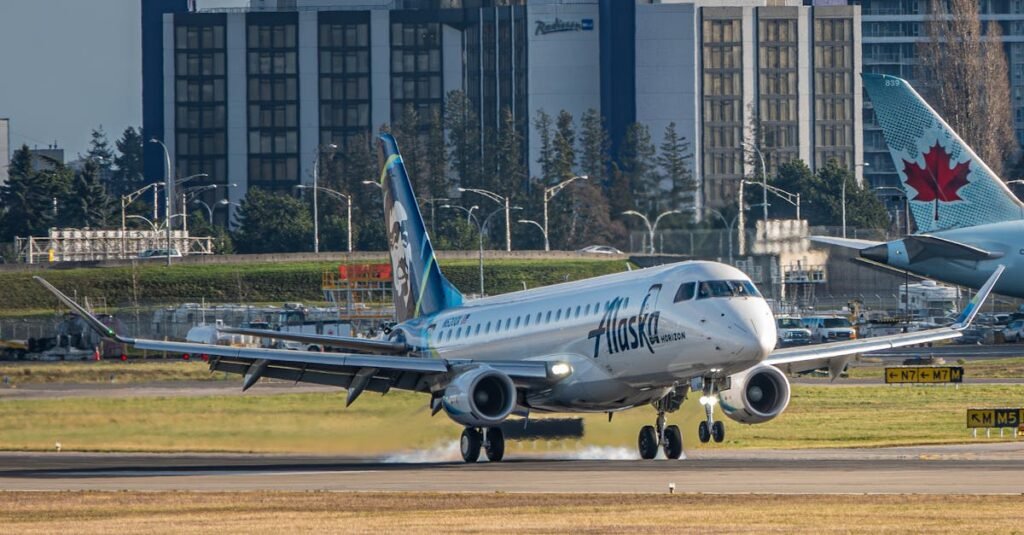
    An Alaska Airlines Horizon airplane lands on a runway with buildings in the background, showcasing aviation and transportation.

    It is a well known fact that senior captains at major airlines like Delta or United can earn over $450,000 per year in 2026. If a pilot’s only metric is the highest possible gross salary, the commercial world is hard to beat. However, when you calculate the US Air Force pilot salary including the tax free allowances, free healthcare, and the value of a guaranteed pension, the gap narrows significantly.

    A mid career Air Force Major taking a retention bonus can have a total compensation package worth over $200,000 per year. When you consider that a large portion of that is not taxed, the lifestyle and take home pay are comparable to many civilian roles that require much more seniority to achieve.

    Final Perspective on Pilot Compensation

    The US Air Force pilot salary in 2026 is a multi layered system that rewards both experience and commitment. While the base pay provides a solid foundation, it is the combination of flight incentives, massive retention bonuses, and tax free housing allowances that creates a truly lucrative career path. For those who choose to stay in uniform, the financial rewards are structured to support a high quality of life while fulfilling a mission that cannot be replicated in the civilian world.

  • C-130 Hercules Crash in El Alto: Investigation, Deaths, and All We Know So Far About the Bolivian Air Force Plane

    C-130 Hercules Crash in El Alto: Investigation, Deaths, and All We Know So Far About the Bolivian Air Force Plane

    The city of El Alto, situated on the high plateau overlooking La Paz, became the site of a horrific aviation disaster on the evening of Friday, February 27, 2026. A Lockheed C-130H Hercules transport plane belonging to the Bolivian Air Force crashed while attempting to land at El Alto International Airport. The incident resulted in a high number of casualties, significant property damage, and a surreal scene involving millions of scattered banknotes that led to a secondary crisis on the ground.

    Details of the Flight and the Crash

    The aircraft, identified by its registration FAB-81, had departed from Viru Viru International Airport in Santa Cruz de la Sierra earlier that afternoon. It was performing a routine but high-security transport mission, carrying a cargo of newly printed banknotes destined for the Central Bank of Bolivia in the capital.

    As the plane approached the runway at El Alto around 6:20 PM local time, weather conditions in the area were reported as treacherous. Eye witnesses described a severe hailstorm accompanied by frequent lightning strikes and very low visibility. During the final moments of the landing phase, the massive four-engine turboprop veered sharply off the runway.

    Instead of coming to a stop within the airport perimeter, the C-130 plowed through the boundary fence and slammed onto Costanera Avenue, a busy roadway that borders the airport. The momentum of the aircraft carried it across the street, where it crushed several civilian vehicles before finally coming to rest in an adjacent field. The impact caused a significant fire, sending plumes of black smoke into the rainy evening sky.

    Casualties and Ground Impact

    The human toll of the accident is profound. While initial reports from the La Paz Fire Department estimated 15 deaths, the figure was later revised upward as search and recovery teams combed through the wreckage of the plane and the mangled remains of cars on the road. Colonel Rene Tambo, head of the local homicide division, confirmed that at least 20 people have died in the disaster.

    The victims include individuals who were on board the military transport as well as unfortunate motorists and pedestrians who happened to be on Costanera Avenue when the plane struck. Among the injured, more than 30 people have been transported to nearby hospitals. Some of the survivors are in critical condition, suffering from severe burns and trauma.

    The physical destruction on the ground was equally staggering. Approximately 15 vehicles, including cars and delivery trucks, were hit by the aircraft. One survivor, Cristina Choque, told reporters that she and her family were inside their car when a massive tire from the plane fell directly onto them. While they survived, the incident highlights how close the plane came to causing an even larger catastrophe in the densely populated urban area.

    The Scattered Cargo of Banknotes

    One of the most chaotic aspects of the crash involved the plane’s cargo. The C-130 was carrying boxes of newly printed Bolivian currency. Upon impact, the cargo hold ruptured, and the wind from the storm scattered thousands of banknotes across the highway and the surrounding fields.

    As emergency responders arrived to help the dying and injured, they were met by a large crowd of bystanders who had rushed to the scene to collect the money. This created a major security headache for the authorities. Local media footage showed people stuffing their pockets with cash while ignoring the fires and the danger of further explosions.

    To regain control of the crash site and allow paramedics to do their work, the police had to deploy riot gear. Officers used water hoses and tear gas to push back the looters. The Ministry of Defense eventually issued a stern warning, stating that the banknotes had no legal value because they had not been officially registered or put into circulation yet.In a dramatic move to ensure the “valueless” cash did not enter the black market, officials from the Central Bank supervised the burning of recovered money boxes in a large bonfire at the site.

    The Status of the Investigation

    The Bolivian government has announced a full military and civil investigation into the cause of the crash. Several factors are currently being looked at by experts.

    Weather Conditions

    The heavy hailstorm and lightning are the primary focus of the early investigation. High-altitude airports like El Alto, which sits at over 13,000 feet, present unique challenges for pilots even in good weather. The thin air requires higher landing speeds, and a sudden storm can make a runway excursion much more likely. Investigators will look at whether the pilot suffered from a sudden loss of visibility or if the aircraft was struck by lightning.

    Mechanical Integrity

    Technical teams will examine the remains of the FAB-81 to see if there were any failures in the braking systems, the flaps, or the engines. The C-130H is a rugged aircraft, but the age and maintenance history of this specific airframe will be scrutinized to see if a mechanical fault contributed to the plane veering off the landing strip.

    Air Traffic Control Records

    Communication between the cockpit and the control tower in the minutes leading up to the crash will be analyzed. This will help determine if the crew reported any emergencies before the landing or if they were advised to divert to a different airport due to the weather.

    Current Situation at El Alto

    The El Alto International Airport was shut down immediately following the crash. All commercial flights were diverted or canceled as the runway and surrounding areas were declared a crime scene. National airline Boliviana de Aviacion (BoA) confirmed the closure and clarified that the crashed plane was a military asset, not a commercial one.

    Recovery efforts continued through the night and into Saturday morning. Large cranes have been brought in to move the heavy wreckage of the Hercules so that the avenue can eventually be cleared and reopened to traffic. For now, the area remains under heavy military guard to prevent any further attempts at looting the site.

    Conclusion and Next Steps

    This crash stands as one of the deadliest aviation incidents in recent Bolivian history. The combination of a military transport mission, a high-value cargo, and a densely populated landing zone created a perfect storm of tragedy and chaos. As the families of the victims begin the process of mourning, the nation waits for answers from the Ministry of Defense.

    The investigation is expected to take several months as the black box and flight data recorders are analyzed. In the meantime, the government is facing questions about the safety of flying heavy military cargo over the capital during peak traffic hours and severe weather cycles.

  • American Airlines’ Worker Faces Charges in Major CLT Security Breach

    American Airlines’ Worker Faces Charges in Major CLT Security Breach

    The atmosphere at Charlotte Douglas International Airport turned from routine to high alert recently following a major security incident involving an American Airlines employee. What started as a regular shift in a secure area of the airport ended with an arrest and a felony charge that has sent ripples through the local aviation community. This situation highlights the extreme sensitivity of airport operations and the zero tolerance policies in place for any communication regarding potential threats.

    The Details of the Incident at Charlotte Douglas

    On the evening of February 26, 2026, law enforcement was called to Charlotte Douglas International Airport after reports surfaced of a potential bomb threat. The focus of the investigation was Christian Cox, a twenty-five-year-old resident of Gastonia, North Carolina. Cox was working as an employee for American Airlines at the time of the incident.

    According to police records and official reports, the threat originated from a text message sent by Cox to a coworker. Both individuals were assigned to a restricted baggage handling area, a part of the airport that requires high level security clearance and is off limits to the general public. The message reportedly claimed that an explosive device was located inside one of the airport elevators.

    The coworker who received the message took the situation seriously and immediately notified a supervisor. This triggered an emergency response from the Charlotte-Mecklenburg Police Department and airport security officials. Officers arrived at the scene around 6:45 p.m. to secure the area and locate the individual responsible for the message.

    A Joke with Serious Consequences

    During the subsequent questioning by law enforcement, Cox admitted to sending the text message from his personal mobile device. He reportedly told investigators that the message was intended to be a joke between colleagues and was not meant to be taken as a legitimate threat. He even used phrases like “don’t be a hero” in the text, which added a layer of perceived urgency that the recipient and supervisors could not ignore.

    Regardless of the intent, airport authorities and federal law enforcement do not have the luxury of treating such messages as humor. In an industry where safety is the absolute priority, every mention of a bomb or a weapon is treated as a credible threat until a thorough investigation proves otherwise. In this case, although no explosives were found and no one was injured, the legal repercussions for the employee were immediate and severe.

    Understanding the Felony Charges

    Christian Cox now faces a felony charge for making a false report of a bomb in a public building. This is a significant legal matter in North Carolina. Under state law, making a false report concerning a destructive device is not a minor infraction. Because it involves a public facility as critical as an international airport, the charge carries weight that could lead to prison time and a permanent criminal record.

    After his arrest, Cox was processed and scheduled for an appearance at the Mecklenburg County Courthouse. Beyond the criminal court system, there are professional consequences to consider. American Airlines has a strict code of conduct regarding security and safety. While the airline has not released a lengthy public statement on the specific disciplinary actions taken, workers in secure zones who violate safety protocols typically face immediate suspension or termination of their employment.

    Why Airport Security Breaches are Handled So Strictly

    National Guard officers patrolling an airport tarmac with planes in the background.

    Charlotte Douglas International Airport is one of the busiest travel hubs in the world. It serves as a primary gateway for American Airlines, handling hundreds of flights and thousands of passengers every single day. Because of the sheer volume of people and the complexity of moving luggage and aircraft, a security breach in a restricted area can cause massive operational delays.

    When a threat is reported, security teams must often shut down specific zones, sweep for devices, and redeploy personnel. This costs the airport and the airlines money, but more importantly, it places a heavy emotional burden on travelers and other staff members. The “insider threat” is a major concern for the Transportation Security Administration. Employees are given special access because they are trusted to keep the system running safely. When that trust is broken, even for a “joke,” it forces a full re-evaluation of security measures.

    The Role of Law Enforcement and the TSA

    In an incident like this, multiple agencies work together to resolve the situation. The Charlotte-Mecklenburg Police Department handles the initial arrest and the local criminal charges. However, the TSA and potentially federal investigators also look into the breach. They want to know how the message was sent and if any physical security barriers were bypassed.

    Federal law under the U.S. Code also prohibits unauthorized access to secured areas or the disruption of airport services. While Cox was an authorized employee, using that authorization to create a panic is a violation of the spirit of his security clearance. This serves as a reminder that background checks and security training are ongoing processes.Every person with a badge at CLT is expected to act as a line of defense, not a source of disruption.

    Impact on Airport Operations and Passenger Safety

    Fortunately for travelers, the response to this specific breach was contained quickly enough that it did not lead to a total airport shutdown. Operations eventually returned to normal once the baggage area was cleared and the suspect was in custody. However, the psychological impact remains. Passengers want to know that the people handling their bags and working around the planes are focused entirely on safety.

    Incidents like these often lead to “safety stand-downs” where employees are gathered for additional training. Management uses these moments to remind everyone that their personal communications, especially while on the clock in a secure zone, are subject to scrutiny. There is no such thing as a “private joke” when it involves the safety of a public building.

    Looking Ahead to the Legal Process

    As the case against Christian Cox moves through the Mecklenburg County court system, the focus will be on the specific language of the law regarding false reports. His defense may argue a lack of “criminal intent” or that the message was a lapse in judgment rather than a malicious act. However, the prosecution will likely argue that the act of sending the message is the crime itself, regardless of whether the sender wanted to cause a real explosion.

    For the community in Gastonia and Charlotte, this story is a cautionary tale. It shows how a single text message, sent in a moment of poor judgment, can derail a career and lead to a felony record. It also reassures the public that the reporting systems at Charlotte Douglas work. The fact that a coworker immediately reported the message shows that the culture of “see something, say something” is alive and well among the staff at CLT.

    Protecting the Integrity of the Aviation System

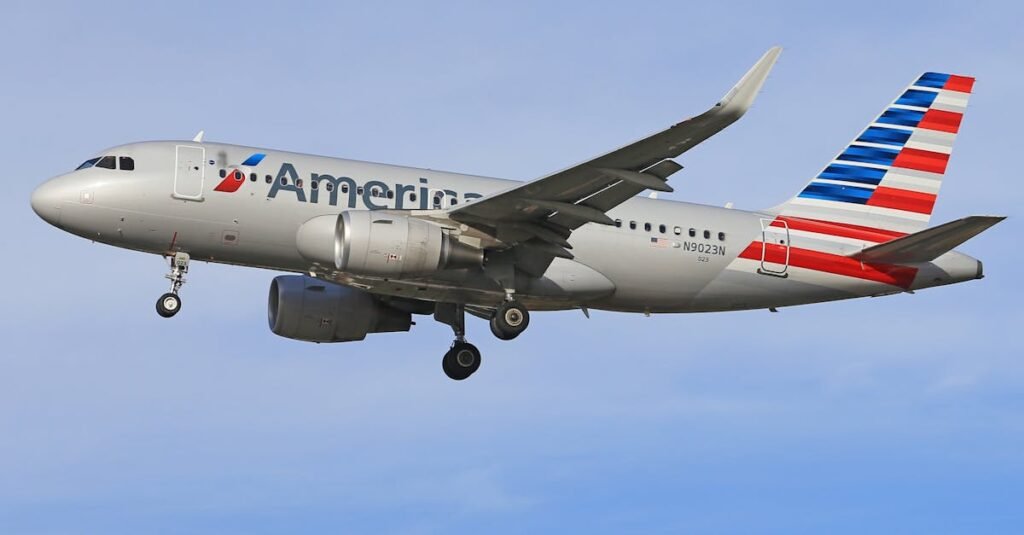
    Side view of a commercial airplane in flight against a clear blue sky.

    The safety of the skies starts on the ground. From the TSA checkpoints to the hidden baggage tunnels under the terminals, every inch of an airport is a controlled environment. This felony charge against an American Airlines worker is a harsh but necessary reminder that the rules of the airport apply to everyone, regardless of their uniform.

    As we move forward into 2026, technology makes it easier than ever to communicate, but it also makes it easier to track and document threats. Law enforcement has the tools to trace every digital footprint, meaning there is no way to hide a false report once the “send” button is pressed.

  • Alleged Midair Assault Forces Alaska Airlines Flight to Divert

    Alleged Midair Assault Forces Alaska Airlines Flight to Divert

    In a shocking turn of events during a late night journey through the skies, Alaska Airlines Flight 733 found itself at the center of a federal investigation following an alleged midair assault. The flight, which was traveling from Portland International Airport in Oregon to Ted Stevens Anchorage International Airport in Alaska, became the stage for a deeply unsettling encounter between two passengers. While the aircraft eventually reached its intended destination, the severity of the incident has sparked national conversations about passenger safety, the legal consequences of in-flight misconduct, and the vital role that fellow travelers play in maintaining a secure environment.

    The Details of the Flight and the Initial Departure

    Alaska Airlines Flight 733 took off from Portland on February 22, 2026, under normal conditions. The flight was scheduled as a routine late night service to Anchorage, a route that many travelers use for both business and leisure. For most people on board the Alaska Airlines flight, the expectation was a quiet few hours spent resting or reading. However, for one female passenger, the flight turned into a nightmare shortly after she took her seat.

    According to federal court documents and witness statements, the trouble began almost immediately upon boarding. A 44 year old man named Timothy Hobson occupied the seat next to the victim. Reports indicate that his behavior was predatory from the start. He reportedly turned his entire body toward the woman and stared at her while smiling, yet he did not say a single word. This initial behavior created an immediate sense of unease for the victim, setting a grim tone for the hours to follow.

    Escalation of Misconduct During the Journey

    As the Boeing 737 reached its cruising altitude, the situation quickly moved from uncomfortable to dangerous. Investigators allege that Hobson used various tactics to invade the personal space of his seatmate. At one point, he reportedly pretended to drop an item on the floor so that he could reach across the victim’s legs. This maneuver was followed by him spreading his legs into her seating area and pressing against her body.

    The victim attempted to defend herself by swatting his hands away and maintaining her boundaries, but the suspect did not stop. The behavior escalated further when Hobson allegedly leaned his head onto her shoulder. When she pushed him away and suggested he use his tray table to rest his head, he instead leaned his entire upper body against her. This action pinned the woman against the window of the aircraft, leaving her physically trapped and unable to move or reach the call button for assistance.

    A Crucial Intervention by a Fellow Passenger

    In many cases of in-flight assault, victims find themselves isolated and unable to signal for help. In this instance, the victim was being physically restrained by the weight of the suspect, which prevented her from alerting the flight crew. The situation might have continued to worsen if not for the vigilance of another passenger seated in the aisle across from them.

    This witness noticed the victim’s distress and the aggressive positioning of the suspect. Recognizing that something was deeply wrong, the fellow traveler signaled for a flight attendant. The Alaska Airlines crew responded with speed and professionalism, immediately assessing the situation and moving the victim to a different part of the aircraft. This intervention provided the victim with safety for the remainder of the flight, though the suspect reportedly continued to act erratically by moaning and grabbing the seats in front of him.

    Law Enforcement Response and the Arrest

    While the Alaska Airlines flight crew managed to stabilize the cabin environment, the legal process was already in motion. The pilots and airline staff coordinated with authorities on the ground to ensure that law enforcement was ready the moment the wheels touched the tarmac in Anchorage. Upon arrival, officers from the Anchorage Police Department and agents from the FBI met the Alaska Airlines plane at the gate.

    Timothy Hobson was taken into custody without further incident. Because the alleged crime took place on a commercial aircraft in U.S. airspace, it falls under federal jurisdiction. He was transported to the Anchorage Correctional Complex, where he remained held pending his initial court appearances. The rapid response from both the airline staff and law enforcement highlights the zero tolerance policy that is increasingly being enforced across the aviation industry.

    Federal Charges and Potential Legal Consequences

    The legal ramifications for this type of behavior are severe. Hobson has been charged with a federal felony of abusive sexual contact. This is not a simple misdemeanor; it is a serious charge that carries the potential for significant prison time. If convicted, the consequences extend far beyond a jail sentence. Individuals found guilty of such crimes are often required to register as sex offenders, which has lifelong impacts on their employment, housing, and social standing.

    Federal prosecutors are using the evidence gathered from the victim’s testimony, witness statements from other passengers, and reports from the flight crew to build their case. The inclusion of the FBI in the investigation underscores the fact that the government views the safety of the skies as a matter of national security and public welfare.

    The Physical and Psychological Impact on Victims

    While the physical assault is the primary focus of the legal case, the psychological toll on the victim cannot be overlooked. Being trapped at 30,000 feet next to a predatory individual is a uniquely terrifying experience. Unlike a situation on the ground, there is no exit and no place to run. This feeling of helplessness can lead to long term trauma, including anxiety and a fear of flying.

    Aviation experts and victim advocates emphasize that the safety of a flight is not just about the mechanics of the airplane. It is about the human environment inside the cabin. When that environment is compromised by violence or harassment, it affects every person on board. The victim in this case did everything she could to protect herself, but the physical restraint used by the suspect made it impossible for her to solve the problem alone.

    Airline Policies and the Role of Flight Crews

    Alaska Airlines has a reputation for prioritizing safety, and their response to this incident has been cited as an example of proper protocol. Flight attendants are trained to handle various types of disruptions, ranging from medical emergencies to unruly or dangerous passengers. In this case, the crew moved the victim to a secure area and monitored the suspect until the plane landed.

    However, the incident has also reopened discussions about whether airlines should have more robust systems for reporting harassment in real time. Some advocates suggest that if the victim cannot reach the call button, there should be other ways for passengers to discreetly alert the crew. For now, the reliance on the “eyes and ears” of other passengers remains a critical component of in-flight security.

    The Growing Trend of In-Flight Misconduct

    This incident is part of a larger, more troubling trend of passenger misconduct that has been on the rise over the last few years. While many stories focus on passengers who are upset about delays or mask mandates, cases of physical and sexual assault are particularly heinous. Data from the Federal Aviation Administration shows that while the total number of unruly passenger reports has fluctuated, the severity of the incidents has often increased.

    The aviation industry is pushing for stricter penalties and more consistent prosecution to act as a deterrent. The goal is to send a clear message: if you choose to behave this way on a flight, you will be arrested, you will face federal charges, and you will likely be banned from flying with that airline for life.

    Looking Ahead at Passenger Safety and Accountability

    The alleged assault on Alaska Airlines Flight 733 serves as a sobering reminder of the challenges that still exist in the world of air travel. It took the combined efforts of a brave victim, an observant bystander, a professional flight crew, and federal law enforcement to bring the situation to a resolution. As the legal case against Timothy Hobson moves forward, the industry will continue to look for ways to protect travelers from predatory behavior.

    For the traveling public, the lesson is one of vigilance. Paying attention to those around you and being willing to speak up when something looks wrong can make a world of difference. No person should ever feel unsafe while traveling to their destination, and the justice system is working to ensure that those who violate that safety are held fully accountable for their actions in the sky.

  • McLaren Racing Names Etihad Airways as Official Partner: New F1 Deal Revealed

    McLaren Racing Names Etihad Airways as Official Partner: New F1 Deal Revealed

    The world of Formula 1 is often as much about what happens in the boardroom as what happens on the track. In a move that has caught the attention of both racing enthusiasts and industry experts, McLaren Racing recently confirmed that Etihad Airways has joined the team as an Official Partner. This collaboration marks a significant shift in the sponsorship landscape, bringing together a historic British racing name and a leading global airline from the United Arab Emirates.

    A Perfect Match for Global Travel and Speed

    At its heart, Formula 1 is a traveling circus that spans the entire globe. Every year, teams transport tons of equipment and hundreds of staff members to over twenty different countries. Because of this, the link between a top-tier racing team and a major international airline is more than just a marketing stunt. It is a logical step for two brands that live and breathe logistics and international movement.

    McLaren has always been a team that prides itself on precision and forward-thinking. By bringing Etihad Airways into the fold, they are aligning themselves with a brand that shares those exact values. For Etihad, the partnership offers a way to showcase its premium services to a massive, highly engaged audience that follows the sport through every time zone.

    Where You Will See the Etihad Brand

    Fans won’t have to look hard to spot the new partner. The iconic Etihad branding is set to appear prominently on the McLaren race cars. Specifically, the logo will be featured on the rear wing and the halo of the car. These are some of the most visible areas on a Formula 1 car, especially during television broadcasts and in high-speed photography.

    Beyond the machinery, the partnership extends to the drivers themselves. The Etihad logo will be seen on the helmets of the McLaren drivers, ensuring that the brand is associated with the stars of the show during those intense pre-race close-ups. This level of visibility is a clear sign of how deep this commitment goes for both sides.

    Expanding Beyond the Formula 1 Grid

    While the Formula 1 team is the crown jewel of McLaren Racing, this partnership actually reaches further. Etihad Airways will also be an Official Partner for the McLaren United Autosports team in the World Endurance Championship, also known as WEC. This includes the high-profile Hypercar category, where McLaren is looking to make a serious impact.

    This multi-series approach is a smart move. It allows Etihad to reach a different segment of the motorsport audience. While Formula 1 is the peak of popularity, endurance racing has a dedicated following that appreciates the technical stamina and long-form strategy of the sport. By supporting both programs, Etihad cements its place as a cornerstone of McLaren’s entire racing identity.

    Connecting Fans Through a Global Network

    One of the most exciting parts of this deal is how it might affect the people watching from the stands or at home. Etihad Airways currently flies to more than one hundred destinations worldwide. Many of these locations are cities that host a Grand Prix, such as Melbourne, Shanghai, London, and Singapore.

    The two companies have hinted at creating unique fan experiences that bridge the gap between air travel and the racetrack. This could mean special travel packages, exclusive digital content, or events held at airports and fan zones. The goal is to make the fan feel like they are part of the journey, whether they are boarding a flight or watching a car fly past at three hundred kilometers per hour.

    A Spectacular Addition to the Sky

    Etihad Airways Boeing 787 with Formula 1 livery parked at a modern airport.

    In a very literal sense, this partnership will take to the skies. Later this year, Etihad plans to unveil a special McLaren-themed livery on one of its Boeing 787 Dreamliners. Seeing a massive commercial aircraft painted in the colors of a racing team is a rare sight and serves as a giant flying billboard for the partnership.

    This kind of activation is a favorite for airlines because it generates buzz far beyond the race weekend. It turns a standard flight into a talking point and reminds travelers of the excitement of the track every time they see the plane at an airport gate.

    Strengthening Ties with the Middle East

    This partnership is also a reflection of the growing importance of the Middle East in the world of motorsport. Etihad Airways has been the title sponsor of the Abu Dhabi Grand Prix since it first appeared on the calendar in 2009. By partnering with McLaren, they are deepening their roots in the sport.

    It is also worth noting that McLaren has strong existing ties to the region through its ownership. The Bahrain Mumtalakat Holding Company is a major stakeholder in the McLaren Group. Adding a major UAE-based airline like Etihad as a partner shows how the team is successfully navigating the commercial opportunities available in that part of the world.

    Why This Timing Matters for McLaren

    Thrilling Formula 1 race with Ferrari and McLaren at Interlagos, São Paulo.

    McLaren is currently enjoying a resurgence on the track. After several years of rebuilding, the team is once again fighting for wins and podiums. When a team is performing well, they become a much more attractive prospect for blue-chip sponsors.

    Securing a deal with a brand like Etihad Airways is a vote of confidence in the direction the team is headed. It provides the financial stability and commercial prestige needed to keep competing at the very front of the grid. It also sends a message to other potential sponsors that McLaren is the place to be if you want global impact.

    The Role of Innovation and Sustainability

    Both aviation and motorsport are currently facing the challenge of becoming more sustainable. While it might not be the first thing people think of when they see a fast car or a large plane, innovation in fuel and efficiency is a huge part of the conversation behind the scenes.

    As an Official Partner, Etihad can work with McLaren to share insights on things like lightweight materials and carbon reduction strategies. Both industries are pioneers in engineering, and finding ways to be more efficient is a goal they both share. This common ground makes the partnership feel more like a collaboration than a simple transaction.

    Navigating the Future of the Racing Landscape

    As the 2026 season approaches, the collaboration between McLaren Racing and Etihad Airways is set to become a defining element of the team’s commercial strategy. This upcoming year is pivotal for Formula 1 because it marks the introduction of new engine regulations. For McLaren, having a strong portfolio of partners like Etihad Airways, Mastercard, and Google ensures they have the resources to tackle these big technical changes.

    As the team prepares for this new era, the support of a global airline will be crucial. Whether it is moving staff across continents or launching new marketing campaigns in emerging markets, Etihad will be there as a key pillar of the team’s operations. The announcement is a significant milestone for both companies, built on a shared love for speed, excellence, and global connection. By appearing on the cars, the helmets, and even the airplanes, Etihad is making a bold statement about its commitment to the future of racing. For the fans, this deal promises more than just a new logo on a wing; it promises a more connected experience that brings the thrill of the track closer to the comfort of travel.