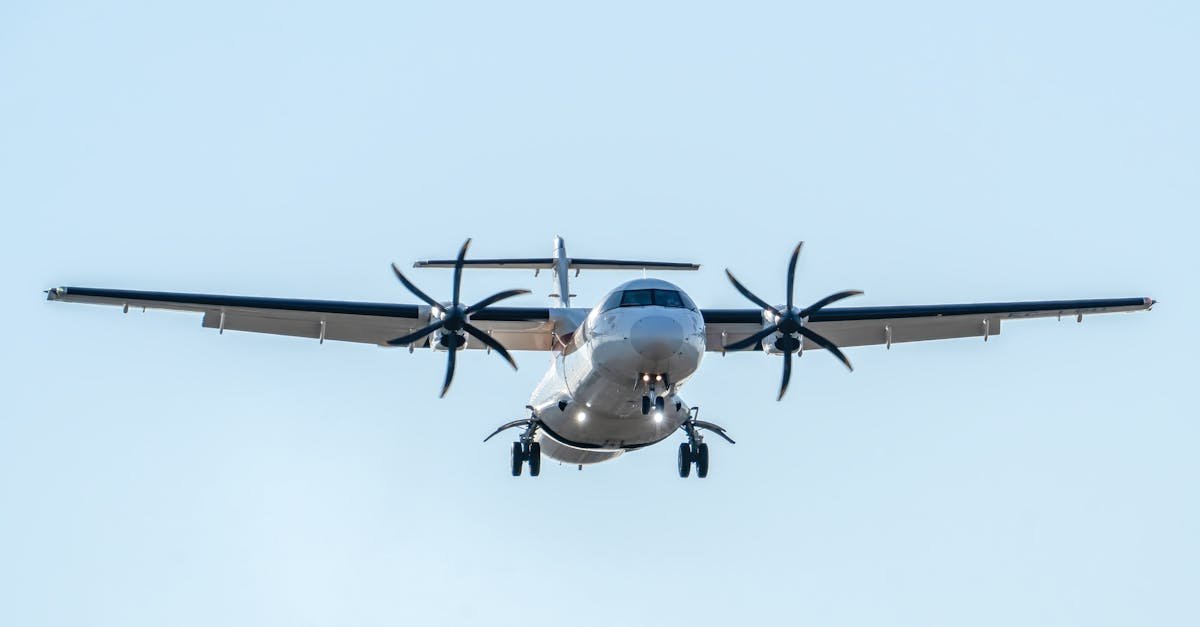
Travelers boarding the afternoon service from Hyderabad to Hubballi on Sunday expected a routine hop across the Deccan plateau. The flight, operated by the regional carrier FLY91, was supposed to take about ninety minutes from takeoff to touchdown. Instead, the passengers on flight IC3401 found themselves trapped in a high altitude drama that lasted nearly four hours. What began as a standard trip turned into a stressful experience of circling through heavy clouds and facing intense turbulence before finally touching down hundreds of kilometers away from their intended destination.
The regional aviation sector in India has grown rapidly, offering quick connections between smaller cities. However,nature does not always follow a flight schedule. When FLY91 flight IC3401 departed at 3:00 PM, the skies over Telangana seemed clear enough for a safe journey. As the ATR 72 600 aircraft approached Northern Karnataka, the situation on the ground and in the air changed drastically. This was the start of a long afternoon that many on board will likely never forget.
Trapped in the Clouds Above Hubballi
As the aircraft reached the vicinity of Hubballi Airport, the flight crew encountered severe weather. Strong crosswinds and thick cloud cover made a safe landing impossible. For the twenty two passengers on board, the first sign of trouble was the sound of the engines and the sensation of the plane banking into a holding pattern rather than descending toward the runway. While circling is a standard aviation procedure, the duration of this particular hold was unusual for such a short route.
The pilots of FLY91 maintained a holding pattern for nearly an hour, hoping for a break in the storm. During this time,the small turboprop aircraft was buffeted by turbulence. Inside the cabin, the atmosphere shifted from quiet boredom to visible distress. Videos later shared on social media showed passengers clutching their seats, with some seen crying or praying as the plane shook. The uncertainty of when they would land added to a growing sense of panic.
Communication Gaps and Rising Passenger Anxiety
One of the biggest challenges during an in flight emergency or delay is the flow of information. On flight IC3401,passengers expressed frustration with what they described as a lack of clear updates from the crew. While the pilots eventually informed the cabin that they were holding and asked for patience, the sight of the ground remaining out of reach for so long led to desperate pleas from those on board.
In some of the footage captured during the four hour ordeal, passengers could be heard asking the crew to simply divert to Bengaluru. They argued that the weather in the state capital was better and that the fuel could be put to better use by heading to a major airport rather than circling endlessly over smaller towns like Mundgod and Shivamogga. This tension between passenger expectations and cockpit decisions is a common theme in modern aviation, but on this FLY91 service, it reached a breaking point as the clock ticked past the scheduled landing time of 4:30 PM.
The Final Decision to Divert to Bengaluru
After circling for a significant amount of time and realizing that the crosswinds at Hubballi were not subsiding, the cockpit crew made the call to divert. The safety of the aircraft and everyone on board is the primary responsibility of the pilot, and landing in unstable wind conditions poses a massive risk. The decision was made to head south toward Kempegowda International Airport in Bengaluru.
By the time the FLY91 aircraft finally touched the tarmac in Bengaluru, it was roughly 7:30 PM. A journey that was meant to end in the afternoon had stretched well into the evening. The passengers had spent nearly three and a half hours in the air for a distance that usually takes less than half that time. While everyone was safe, the exhaustion and emotional toll were evident as they exited the plane.
FLY91 Responds to Claims of Technical Snags
In the aftermath of the incident, various reports began to circulate suggesting that the plane had suffered a technical failure. Some news outlets claimed that a mechanical issue prevented the landing, adding to the narrative of a nightmare flight. However, the airline was quick to issue a formal statement to clarify the facts. According to FLY91, there was absolutely no technical snag involved in flight IC3401.
The airline emphasized that the diversion was a textbook application of standard operating procedures. They explained that the pilots followed industry best practices by choosing not to force a landing in dangerous weather. The statement highlighted that the crew is highly trained for exactly these types of weather disruptions. FLY91 maintained that at no point was the safety of the passengers compromised, and the decision to divert was made out of an abundance of caution.
The Long Journey Back to Hubballi
Landing in Bengaluru was not the end of the story for the stranded travelers. After the weather in Hubballi finally cleared up later that night, the same aircraft was prepared for a return leg. For the passengers who still needed to reach their original destination, it meant another flight late in the evening. The aircraft eventually took off from Bengaluru and arrived in Hubballi around 11:00 PM.
The total travel time for a 414 kilometer trip had expanded to eight hours if you count the time spent on the ground in Bengaluru. For a regional airline like FLY91, which prides itself on efficiency and connecting underserved routes, such an event is a significant operational hurdle. It serves as a reminder that even with modern technology, the monsoon and pre monsoon weather patterns in India can still dictate the terms of travel.
Understanding the Challenges of Regional Aviation
The incident involving FLY91 highlights some of the unique difficulties faced by regional carriers. Smaller aircraft like the ATR 72 used on this route are more susceptible to the effects of turbulence and crosswinds compared to larger jets.Additionally, smaller regional airports often have less advanced landing systems, meaning pilots must rely more on visual cues and strictly adhere to weather minimums.
When weather hits, these flights are often the first to be diverted or cancelled. For passengers, this means that while regional flying is convenient, it carries a slightly higher risk of weather related delays. The airline has to balance the cost of diversion, which includes extra fuel and landing fees, against the safety of the operation. In this case, the crew of the FLY91 flight chose the safest path, even if it was the most inconvenient for the people in the cabin.
Lessons Learned From the IC3401 Incident
As the dust settles on this mid air scare, there are several takeaways for both travelers and the aviation industry. For FLY91, the focus will likely remain on improving how they communicate during periods of extended holding. When passengers can see the flight path on their phones or realize they are circling the same patch of land for an hour, the lack of frequent, detailed updates can lead to the kind of panic seen on Sunday.
For travelers, it is a lesson in the unpredictability of regional air travel. Packing extra essentials in a carry on bag and staying calm during turbulence are small steps that can help during a stressful diversion. While the four hour experience was undoubtedly frightening for those on board IC3401, the fact remains that the aviation system worked as intended.The aircraft landed safely, the technical integrity of the plane remained intact, and the pilots made a difficult choice to avoid a potentially dangerous landing.
Moving Forward After the Hubballi Scare
In the days following the event, operations at Hubballi Airport have returned to normal, and FLY91 continues its daily schedule across its network. The airline has defended its safety record and the professionalism of its staff. While social media videos often capture the most dramatic moments of a flight, they rarely show the hours of training and the complex calculations that pilots perform to ensure that every passenger reaches the ground in one piece.
This incident will likely be remembered as a case study in passenger psychology and weather management. As more people take to the skies for short distance travel, the industry must find ways to manage expectations when nature interferes. For the twenty two people who were on that FLY91 flight, the four hours spent in the air may have felt like a nightmare, but in the world of aviation, a safe landing at a different airport is always better than a risky one at the destination.
Leave a Reply