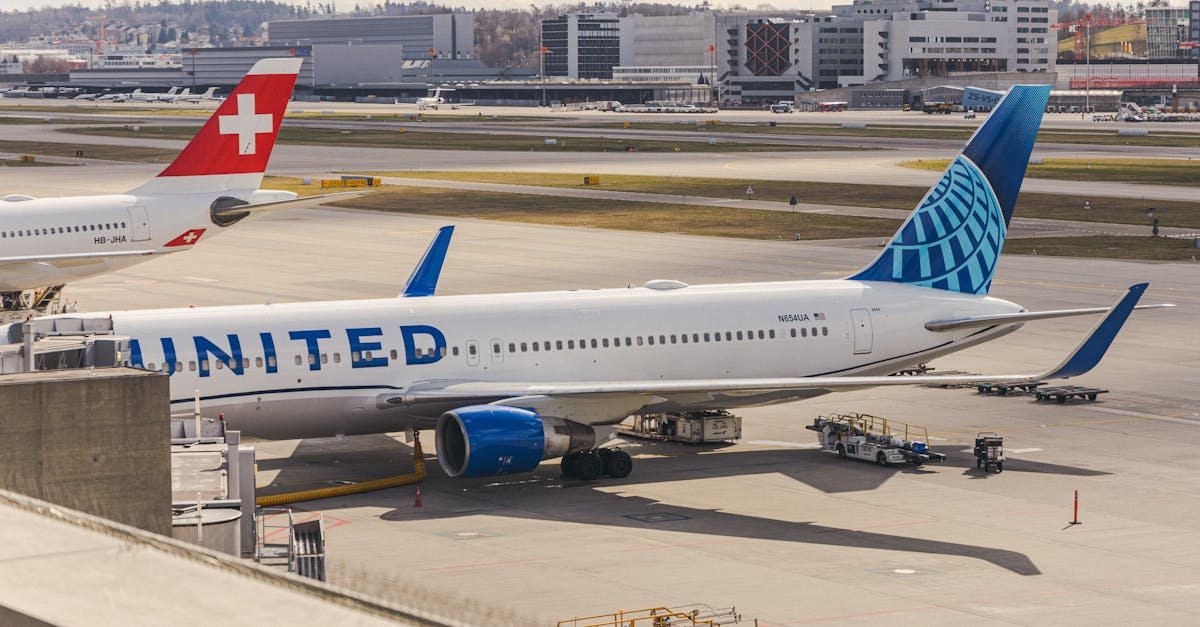
The aviation world is currently processing one of the most unexpected stories of the decade. Recent reports suggest that a United-American merger could be on the horizon, potentially creating a single airline that would dwarf every other carrier on the planet. This news broke in mid-April 2026, following leaks about a high-level meeting at the White House where the idea was reportedly discussed. While nothing is set in stone yet, the mere possibility of such a massive consolidation has sent shockwaves through the travel industry, financial markets, and regulatory offices.
For years, the thought of a United-American merger was considered impossible due to antitrust laws. However, changing economic pressures and a shift in the political landscape have brought the topic back to the center of the conversation. Travelers, employees, and investors are now asking the same questions: Is this really going to happen, and what does it mean for the future of flying?
The White House Meeting that Started it All
The spark for the current United-American merger speculation came from a February 2025 meeting between United Airlines CEO Scott Kirby and President Donald Trump. While the official agenda was supposed to focus on infrastructure improvements for Washington Dulles International Airport, insiders claim that Kirby used the opportunity to pitch a much larger vision. He reportedly suggested that for American aviation to truly compete against state-backed global giants, the United States needs a massive, singular carrier with unmatched scale.
This informal pitch was kept quiet for several weeks until news outlets like Bloomberg and Reuters brought it to light in April 2026. The fact that the proposal reached the highest level of the executive branch suggests that this is more than just typical industry gossip. It indicates that the leadership at United is at least exploring the idea of a United-American merger as a strategic path forward in a world where fuel prices and operating costs continue to climb.
Why United and American Might Consider Joining Forces
It might seem strange that two rivals would want to become one, but the economic environment of 2026 is providing a strong motivation. Jet fuel prices have remained stubbornly high due to ongoing global conflicts, specifically in the Middle East. These costs have put immense pressure on airline profit margins. In the past, whenever fuel prices spiked, the industry saw a wave of consolidation. Executives often believe that by merging, they can eliminate redundant routes and save billions in operating expenses.
Beyond fuel, there is the issue of global competition. Scott Kirby has long argued that the U.S. market is fragmented compared to international players. He believes a United-American merger would create a “premium” global carrier that could better compete with the likes of Emirates or Qatar Airways. By combining their networks, the two airlines would control a massive portion of the long-haul international market, giving them more leverage with partners and more power in the global Star Alliance and Oneworld networks.
The Scale of a Potential Aviation Giant
If a United-American merger were to actually move forward, the resulting company would be the largest airline in history. Together, these two carriers would offer more than 40 million seats per month. To put that in perspective, that is nearly double the capacity of Delta Air Lines, which is currently one of their biggest rivals.
A combined United and American would control roughly 35% to 40% of the domestic United States market. This would give them a dominant position in major hubs like Chicago O’Hare, Los Angeles International, and New York’s JFK and Newark airports. While this scale would be great for the airline’s bottom line, it creates a significant concern for passengers who worry that a lack of competition will lead to higher ticket prices and fewer choices at their local airports.
The Massive Regulatory Hurdles Ahead
Even if both airline boards agree to a deal, the United-American merger faces a mountain of legal challenges. The Department of Justice and the Department of Transportation have historically been very skeptical of “mega-mergers.”Only a few years ago, regulators successfully blocked a merger between JetBlue and Spirit, arguing it would hurt consumers.
However, the current administration in 2026 has signaled a slightly different approach. Secretary of Transportation Sean Duffy recently mentioned that there might be room for more consolidation if airlines are willing to “peel off” assets.This means that for a United-American merger to be approved, the carriers might have to give up valuable landing slots or gates at busy airports to smaller competitors like Southwest or Alaska Airlines. Even with these concessions, the scrutiny would be intense, and a final decision could take years to reach.
Impact on Frequent Flyers and Loyalty Programs
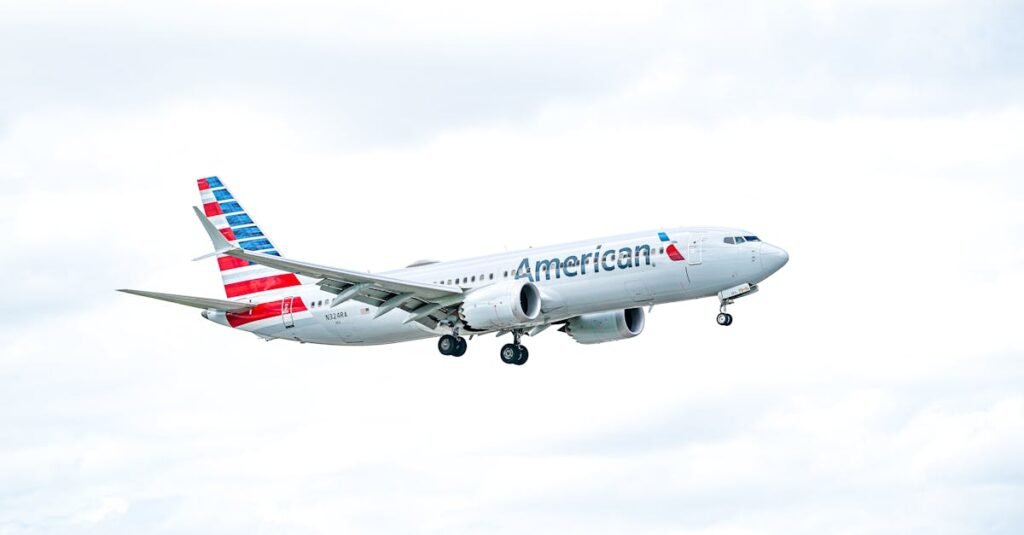
One of the most complicated parts of any United-American merger would be the integration of their loyalty programs.United MileagePlus and American AAdvantage are two of the most popular frequent flyer programs in the world. They belong to different global alliances: United is a founding member of Star Alliance, while American is a cornerstone of Oneworld.
A merger would likely force the new airline to choose one alliance and leave the other. This would be a logistical nightmare for millions of travelers who have built up points and elite status. If United is the primary buyer in the deal, the combined airline would likely stick with Star Alliance. This would mean American flyers might lose their easy access to Oneworld partners like British Airways or Qantas. Merging the two databases and ensuring that status levels are matched fairly is a task that often takes years to get right.
SEE ALSO: United Welcomes New A321XLR & Coastliner: The World’s Most Luxurious Single-Aisle Experience?
The Human Element: Pilots and Flight Attendants
While executives talk about “synergies” and “networks,” the employees on the ground have a very different set of concerns. A United-American merger would involve the blending of two massive workforces. In the airline industry, seniority is everything. It determines a pilot’s schedule, their pay, and what kind of planes they are allowed to fly.
Historically, when airlines merge, the most heated battles happen between labor unions. If the seniority lists are not integrated in a way that feels fair to both sides, it can lead to strikes, low morale, and operational delays. Pilots at United and American are represented by powerful unions that will demand significant pay raises and job protections before they ever sign off on a merger. The cost of satisfying these labor demands could be so high that it cancels out many of the financial benefits the merger was supposed to create.
What This Means for Ticket Prices
For the average person who flies once or twice a year, the biggest concern is the price of a ticket. In any industry, when you remove a major competitor, prices tend to go up. In cities where United and American currently compete head-to-head, a United-American merger would eliminate that rivalry.
Advocates of the deal might argue that a larger, more efficient airline can keep costs down, but history suggests otherwise. When the “Big Four” airlines were created through previous mergers, ticket prices generally stayed high while “junk fees” for bags and seat assignments became the norm. Consumer advocacy groups are already preparing to fight the United-American merger, claiming it will leave travelers with fewer options and much higher bills.
MORE: Tennessee Plane Crash Near New Market: What Caused It and What FAA, NTSB Will Investigate
Watching the Horizon for Future News
At this moment, the United-American merger is still in the “rumor and proposal” stage. Neither company has filed a formal intent to merge with the Securities and Exchange Commission. The market reaction has been mixed, with American Airlines stock seeing a temporary jump while United shares remained relatively flat. This tells us that investors are still skeptical about the deal actually getting past the finish line.
The coming months will be critical. If United decides to move forward, we should expect a formal announcement by the end of 2026. Until then, the aviation industry will continue to debate whether this deal is a necessary evolution for American travel or a dangerous move toward a monopoly. Whatever happens, the conversation surrounding the United-American merger has already changed the way we think about the future of the skies. For now, travelers should keep their miles where they are and keep a close eye on the news, as the landscape of air travel could look very different by this time next year.
Leave a Reply