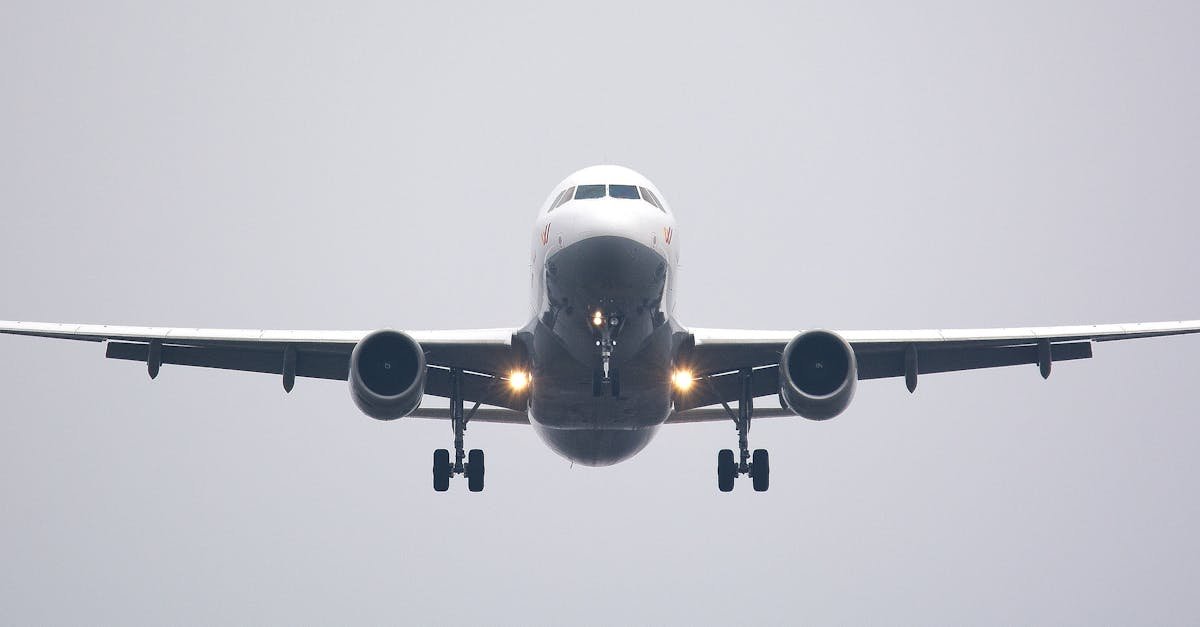
The safety of modern aviation relies on a complex web of technology and human performance. While we often focus on engine reliability or weather conditions, one of the most unpredictable variables in the cockpit is the health of the crew. A recent safety report involving a SWISS International Air Lines flight has brought this reality into sharp focus. On a routine flight to Nice, France, the captain of an Airbus A320 became incapacitated due to a sudden and severe bout of food poisoning. This was not just a medical emergency; it became a flight control challenge when the captain’s physical collapse caused unintended inputs to the aircraft’s sensitive controls.
The Routine Flight That Turned Critical
The flight began like any other short haul journey from Zurich. The Airbus A320 is the workhorse of the European skies, known for its fly by wire technology and high levels of automation. For the passengers on board, the descent into Nice is usually one of the most scenic approaches in the world. However, as the aircraft began its final transition toward the runway, the atmosphere in the cockpit shifted from professional calm to high stakes crisis management.
The captain began feeling unwell shortly before the descent. What started as mild discomfort rapidly escalated into a full blown physiological failure. Food poisoning can strike with little warning, and in this instance, it led to a complete loss of consciousness. As the captain slumped forward, his body weight pressed against the side stick, which is the primary control interface for the Airbus A320.
Understanding the Airbus A320 Side Stick System
To understand why this caused cockpit chaos, one must understand how the Airbus A320 differs from traditional Boeing aircraft. In older planes, the two control columns are physically linked. If one moves, the other moves. In an Airbus, the side sticks are independent. Under normal conditions, the computer averages the inputs from both sticks if both pilots move them at once.
When the captain passed out, his hand remained on the stick. His unconscious movements sent erratic signals to the flight computers. The aircraft responded to these “ghost” inputs, causing the plane to bank ten degrees in one direction and then eight degrees in another. For the first officer, this created a terrifying scenario where the plane seemed to be fighting against his own manual inputs to stay level and on course.
The First Officer Takes Command
In any dual pilot cockpit, the transition of power is governed by strict protocols. When the captain became unresponsive, the first officer had to initiate incapacitated pilot procedures immediately. This involves more than just flying the plane. The first officer had to physically move the captain’s body away from the controls while simultaneously pressing the take over button on his own side stick.
This red button is a critical safety feature. When held down, it deactivates the other side stick entirely. In this specific incident, the first officer had to maintain constant pressure on this button to ensure the captain’s slumped weight did not continue to bank the plane toward the ground. Operating an Airbus A320 with one hand while managing a medical emergency with the other is a feat of coordination that pilots practice in simulators but rarely hope to experience in real life.
The Hidden Danger of the Shared Meal
Aviation has a long standing tradition, and often a formal rule, that the pilot and the co-pilot must not eat the same meal before or during a flight. This is specifically designed to prevent a situation where both pilots are struck by food poisoning at the same time. While this rule was followed, it highlights the vulnerability of the crew to common illnesses.
In this case, the captain had consumed a meal prior to the flight that contained toxins or bacteria that took hours to manifest. The timing could not have been worse. The approach to Nice is a high workload phase of flight. It requires constant communication with air traffic control and precise adjustments to speed and altitude. Having the senior pilot lose consciousness at this moment forced the first officer into a solo operation during the most dangerous part of the trip.
Sensory Overload and Secondary Risks
When a pilot passes out and hits the controls, it creates a cascade of secondary alarms. The Airbus A320 flight deck is designed to alert the crew to any deviation from the flight path. As the plane banked unexpectedly, various “cavalry charge” audio warnings and visual master cautions would have filled the small space.
For the first officer, the challenge was filtering out the noise to focus on the primary task: fly the airplane. He also had to communicate with the cabin crew. A flight attendant was called to the cockpit to help pull the captain back into his seat and secure him with the five point harness so that he would not fall onto the controls again. This teamwork is what prevented a serious accident from becoming a catastrophe.
Fly By Wire as a Double Edged Sword
The technology of the Airbus A320 played a fascinating role in this event. Because the plane is governed by flight envelope protection, it prevented the pilot’s unconscious weight from putting the plane into an irrecoverable dive or a stall. The computers are programmed to ignore inputs that would lead to structural failure.
However, the “priority logic” of the sticks meant the first officer had to be proactive. If he had not pressed the priority button, the computer would have added his “up” input to the captain’s “down” input, resulting in a neutral or unpredictable flight path. This incident serves as a case study for why pilots must be masters of their aircraft’s logic systems.
The Recovery and the Aftermath
Miraculously, as the aircraft reached the very final stages of the landing, the captain began to regain a small degree of consciousness. The sudden rush of oxygen or the change in cabin pressure during the descent may have helped. By the time the wheels touched the runway in Nice, the captain was awake, though severely weakened and disoriented.
The plane landed safely, and medical teams were waiting on the tarmac to transport the captain to a local hospital. While the passengers were largely unaware of the life and death struggle happening just behind the cockpit door, the aviation world took immediate notice. This was a rare example of a “dual input” event caused by medical distress rather than mechanical failure.
Lessons Learned for Future Flight Safety
The investigation into this SWISS flight led to several recommendations for airlines worldwide. One major takeaway was the importance of physical fitness and the monitoring of pre flight nutrition. It also reinforced the need for “incapacitation training” in simulators. Most pilots spend their training time practicing for engine fires or hydraulic leaks, but many now spend more time practicing how to physically wrestle a slumped colleague off the controls.
The Airbus A320 remains one of the safest aircraft in history, but this event reminds us that the human element is the most fragile part of the system. Even with the best computers in the world, the quick thinking of a junior officer and the design of a single red button were the only things standing between a safe landing and a tragic headline.
Beyond the Cockpit Door
This incident also sparked a conversation about the pressure pilots feel to fly even when they might be feeling slightly unwell. In a high pressure industry with tight schedules, admitting to a stomach ache might feel like a nuisance. However, as this flight proved, a minor digestive issue on the ground can become a total system failure at thirty thousand feet.
Moving forward, airlines are looking at more advanced biometric sensors that could be integrated into the pilot’s headset or seat. These sensors could detect a drop in heart rate or a change in skin temperature and alert the other pilot before a total loss of consciousness occurs. Until then, the safety of the skies relies on the vigilance of the crew and the robust design of the flight deck.
Leave a Reply