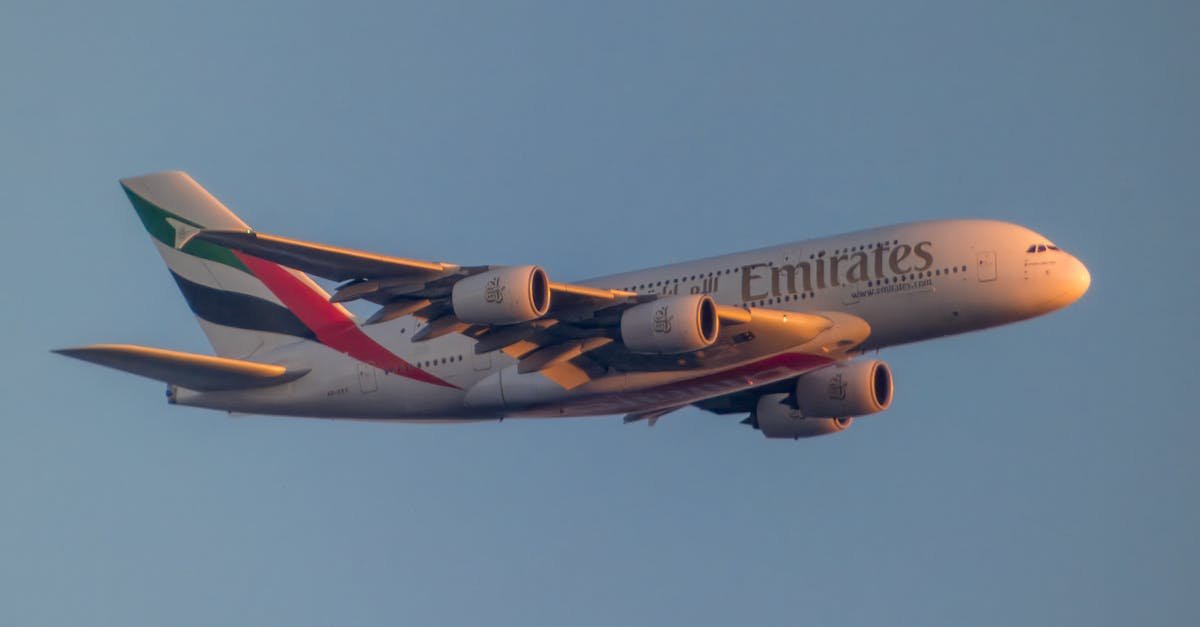
The aviation world faced a massive disruption on February 28, 2026, as Emirates Airline officially suspended its operations to and from its primary hub in Dubai. This move follows a series of rapid military escalations in the Middle East that led the United Arab Emirates General Civil Aviation Authority to partially and temporarily close the country’s airspace. For travelers, this means that one of the busiest transit points on the planet is currently at a standstill, leaving thousands of passengers searching for answers and alternative routes.
Dubai International Airport is the heart of global travel, connecting millions of people across six continents. When Emirates stops flying, the impact is felt from New York to Sydney. If you are currently traveling or have a trip planned in the coming days, this guide provides the essential details on why this is happening and how you can manage your journey during this period of uncertainty.
The Security Situation in February 2026
The decision to ground flights was not taken lightly. It came in response to a significant spike in regional conflict involving major military strikes. On Saturday, February 28, reports surfaced of projectiles being intercepted over the United Arab Emirates. Authorities cited the need to protect passengers, aircrews, and national territory as the primary reason for the airspace closure.
Because the safety of civilian aircraft is the top priority, Emirates and its sister airline, flydubai, have paused all flight activity. This is part of a broader trend in the region, as neighboring countries like Qatar, Kuwait, and Iraq have also restricted their skies to avoid the risk of accidental involvement in the ongoing military activity.
Immediate Steps for Passengers at the Airport
If you are currently at Dubai International Airport or another terminal waiting for an Emirates flight, the atmosphere is likely one of confusion. The airline has stated that they are working with local authorities to provide accommodation and assistance to those who are stranded. However, with thousands of people in the same situation, resources are under immense pressure.
Your first step should be to check the live status of your flight through official digital tools rather than waiting in long physical queues at the airport. Emirates has urged all passengers not to head to the airport if their flight has already been marked as cancelled.
- Live Flight Status: You can track your specific flight number here: Emirates Flight Status
- The Emirates App: Downloading the official app on your phone is the fastest way to receive push notifications about gate changes or cancellation notices.
How to Handle Rebookings and Refunds
Emirates has a clear set of policies for when flights are disrupted due to extraordinary circumstances like an airspace closure. Because this event is outside the control of the airline, you have specific rights regarding how your ticket is handled.
If your flight is cancelled, the airline generally offers three main options. You can rebook on the next available flight once operations resume, change your destination to a nearby unaffected city, or request a full refund of the unused portion of your ticket.
- Managing Your Booking: To see which options are available for your specific ticket, visit the Manage Your Booking page.
- Refund Requests: If you decide not to travel at all, you can submit a formal request through the Emirates Refund Form.
Please note that if you booked your ticket through a travel agency or a third party website, you must contact them directly to process your refund or change your itinerary. Emirates can only directly assist those who purchased their tickets through the airline website, app, or contact centers.
Assistance for Stranded Travelers in Dubai
For those who are stuck in transit at Dubai International, the airline is coordinating with airport hotels to provide lodging. However, because of the scale of the 2026 conflict escalation, hotel rooms are reaching capacity quickly. Emirates typically provides “Dubai Connect” services for long layovers, but during a mass grounding, these services are managed on a case by case basis.
If you are a resident of the UAE or have a visa that allows you to leave the airport, you may find it more comfortable to seek your own accommodation and keep all your receipts. You should check with your travel insurance provider to see if they will reimburse these costs under “trip interruption” coverage.
Contacting Emirates Support During the Crisis
The Emirates contact centers are currently experiencing an extremely high volume of calls. To save time, it is better to use their digital support channels before trying to call.
- Live Chat: You can access a live chat feature on the Emirates Help Page.
- Global Contact Numbers: If you must call, the primary number for the UAE is +971 600 555555. For those in the United States, the number is +1 800 777 3999.
- Official Travel Updates: For a broad overview of the situation as it develops, keep an eye on the Emirates Travel Updates page.
The Role of Travel Insurance in 2026
Many travelers are finding that their insurance policies are a lifeline during this crisis. Standard travel insurance often includes protection against “scheduled airline failure” or “curtailment” due to regional conflict.
It is important to read the details of your policy. Look for clauses related to war, civil unrest, or government ordered airspace closures. If you are forced to book a flight on a different airline to get home, or if you have to pay for extra nights in a hotel, your insurance may cover these expenses. Make sure to get a “Flight Cancellation Certificate” from Emirates, which you can often request online, to serve as proof for your claim.
Impact on Future Travel Plans
If you have a flight scheduled for the coming weeks, you may be wondering if you should cancel now. While the airspace closure is temporary, the “knock-on” effect will last for a long time. Even after the skies reopen, Emirates will have to reposition its aircraft and crews, which means delays will likely persist through the month of March 2026.
If your travel is not urgent, you might consider taking advantage of the airline’s flexible booking policies to move your trip to a later date. This helps reduce the pressure on the system and ensures you don’t get stuck in a transit hub during a period of high tension.
Navigating the Global Travel Disruption
The closure of the Dubai hub is a major event that reminds us how interconnected our world has become. While the news is stressful for those with travel plans, the priority of the authorities is to ensure that every passenger stays out of harm’s way.
By using the digital tools provided by Emirates and staying patient with the ground staff, you can navigate this difficult situation. Keep your travel documents safe, stay in touch with your loved ones, and monitor official news sources for the moment the “all clear” is given for regional flights to resume.
Leave a Reply