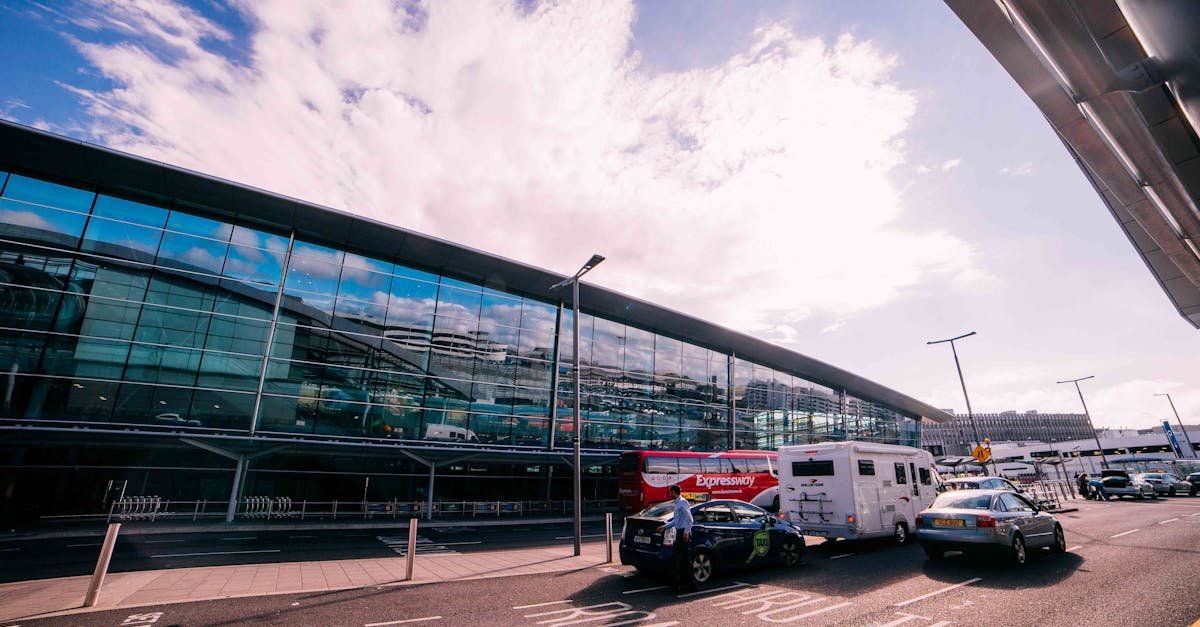
Ireland’s Cabinet has approved legislation that would allow the long-standing 32 million annual passenger cap at Dublin Airport to be lifted in 2026.
The proposed Dublin Airport Passenger Capacity Bill would give the Minister for Transport the authority to amend or revoke the cap, which has been in place since 2007 as part of the planning approval for Terminal 2. The legislation would also prevent similar hard passenger limits from being imposed in the future.If passed into law, the change would mark one of the most significant aviation policy reforms in Ireland in nearly two decades.
Why Was There a Passenger Cap in the First Place?
The 32 million passenger limit was introduced in 2007 during the planning process for Terminal 2. At the time, local infrastructure, road access, environmental impact, and community concerns were central to the approval conditions.The cap was designed as a planning safeguard rather than an operational ceiling. It aimed to balance airport expansion with environmental oversight and local impact management.However, the aviation landscape in Ireland has changed dramatically since then.Ireland’s economy has grown, tourism has expanded, and Dublin has cemented itself as a major European gateway particularly for transatlantic travel. The passenger cap, once seen as precautionary, has increasingly been viewed by business and aviation leaders as outdated.
Dublin Airport Has Already Exceeded the Cap
The debate intensified after Dublin Airport handled approximately 36.4 million passengers in 2025 significantly above the legal 32 million threshold.That overrun has created legal and operational complications. Airlines have warned about potential route uncertainty, while business groups have argued that Ireland risks damaging its competitiveness if the issue is not resolved quickly.The government’s new legislation is designed to remove that uncertainty and provide clarity for airlines, investors, and passengers alike.
What the New Legislation Would Do
The proposed bill does not automatically remove the cap overnight. Instead, it gives the Minister for Transport the power to:
Amend the 32 million limit and Revoke it entirely to prevent similar fixed caps from being imposed in the future
Supporters say this provides flexibility while still allowing environmental and planning oversight to remain in place through other regulatory frameworks. In practical terms, lifting the cap would allow Dublin Airport to grow in line with demand without breaching planning law.
Business and Tourism Groups Welcome the Move
Ireland’s business community has strongly backed the reform.Ibec, the country’s largest business organization, has argued that international connectivity is essential for Ireland’s export-driven economy. Dublin Airport is the primary gateway for trade, tourism, and foreign direct investment. The Irish Travel Agents Association has also supported scrapping the cap, saying tourism growth depends on reliable and scalable airport capacity. Tourism Minister Peter Burke has described reforming the passenger limit as central to Ireland’s long-term economic strategy. From a business perspective, the argument is straightforward: limiting airport capacity in a growing economy creates artificial bottlenecks.
Airlines Push for Urgent Action
Airlines operating out of Dublin have been vocal about the issue.Among the most prominent voices is Michael O’Leary, CEO of Ryanair, who has urged the government to move quickly. He has warned that delays risk damaging airline investment decisions and route planning.Airlines typically plan schedules months, sometimes years, in advance. Regulatory uncertainty can affect aircraft allocation, staffing, and long-term expansion strategies.The timing is also politically sensitive, with O’Leary publicly calling for action before St Patrick’s Day a peak promotional period for Irish tourism.
Environmental Concerns Remain Strong
Not everyone supports lifting the cap. Environmental groups argue that removing the passenger limit could lead to higher aviation emissions at a time when Ireland is under pressure to meet climate targets.Critics say growth at Dublin Airport must align with national decarbonisation commitments. They warn that increased flights could undermine progress on emissions reduction unless balanced with sustainable aviation fuel adoption, improved aircraft efficiency, and carbon mitigation policies.Some campaigners also argue that airport expansion should be assessed through updated environmental impact reviews rather than broad legislative changes. The government insists that environmental oversight mechanisms will remain in place, even if the fixed passenger ceiling is removed.
Economic Impact: Why This Matters Nationally
Dublin Airport is more than just a transport hub it is a strategic national asset.It connects Ireland directly to North America, Europe, the Middle East, and beyond. For multinational companies with European headquarters in Ireland, direct connectivity is often a deciding factor in investment decisions.Tourism, which supports thousands of jobs across the country, relies heavily on international air access.Supporters of lifting the cap argue that:
Passenger growth supports job creationMore routes increase regional tourismGreater capacity strengthens Ireland’s global competitiveness Investment decisions become more secure
Without reform, they argue, airlines could redirect growth to competing hubs in the UK or mainland Europe.
What Happens Next?
Cabinet approval is only the first formal step.The legislation must now move through the parliamentary process before becoming law. That includes debate, potential amendments, and final approval.If passed, the Transport Minister would then have the authority to formally revoke or amend the cap. While 2026 has been cited as the likely timeframe for implementation, political debate and environmental opposition could influence the speed of progress.
A Defining Moment for Irish Aviation Policy
The decision to scrap the 32 million passenger cap reflects a broader policy question: how should Ireland balance economic growth with environmental responsibility?For nearly two decades, the cap symbolised caution. Now, it has become a symbol of constraint.Ireland’s aviation sector is emerging from pandemic-era disruption and entering a renewed growth phase. Demand for travel remains strong, and airlines are expanding fleets and route networks.The government’s move signals that it wants policy to reflect current realities rather than planning conditions set almost twenty years ago.
The Bigger Picture
Airports across Europe are facing similar tensions between growth and sustainability.The debate in Ireland is not simply about a number. It is about how a small, globally connected economy manages infrastructure in a climate-conscious era.Removing the passenger cap would not automatically mean unlimited expansion. Planning laws, noise regulations, emissions targets, and infrastructure constraints will still shape future growth.But it would remove a legal barrier that many believe has already been overtaken by events.
Final Thoughts
Ireland’s move to scrap Dublin Airport’s 32 million passenger cap represents a pivotal shift in national transport policy.Supporters see it as a long-overdue reform that aligns infrastructure with economic ambition. Critics warn it could conflict with environmental commitments.What is clear is that the issue has moved from debate to legislative action. The coming months will determine whether Ireland reshapes its aviation framework for the next generation or whether the cap remains part of its planning legacy.Either way, Dublin Airport’s future growth trajectory is now firmly at the centre of national conversation.
Leave a Reply