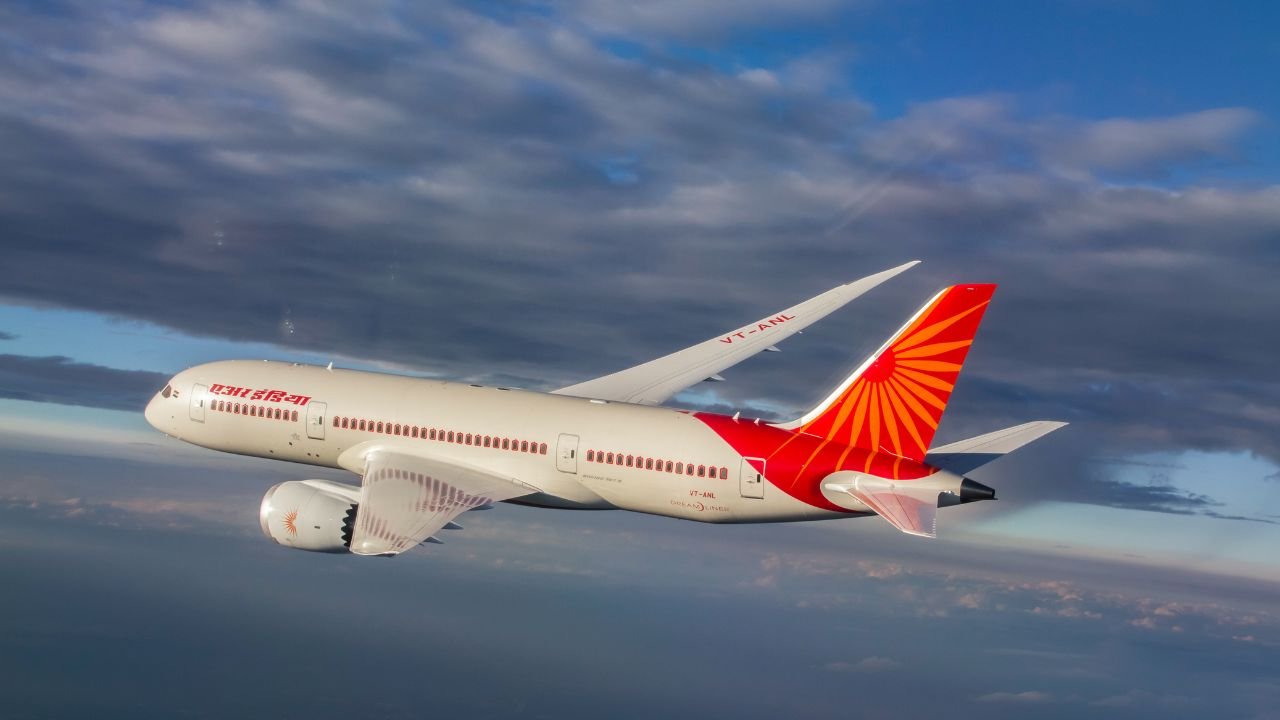
An Air India Boeing 787 Dreamliner was taken out of service after a pilot noticed a possible problem with a fuel control switch. The flight had come from London and landed in Bengaluru. After landing, the pilot told the airline that a fuel control switch might not be working properly. The airline removed the aircraft from service so technicians could check it carefully.
Some news reports say the switch moved from the normal “RUN” position to “CUTOFF” while the crew was starting the engines. Other reports describe the pilot spotting a loose or faulty locking mechanism after landing. Both accounts point to the same thing: the fuel control switch did not behave as expected, so the airline acted cautiously and grounded the jet.
Why the switch matters
A fuel control switch is a small but very important part of the engine controls. When it is in “RUN,” fuel flows to the engine and the engine can keep working. If the switch goes to “CUTOFF,” the fuel flow stops and the engine will shut down. That is why pilots and engineers pay close attention to these switches. Because the risk involves engine power, any unusual movement or failure is taken very seriously.
The grounding also comes at a sensitive time. Last year, investigators found that movement of a fuel control switch was linked to a fatal crash of an Air India Dreamliner. That earlier accident raised public concern and put extra focus on any new reports involving fuel switches. Airlines and regulators now treat even small hints of trouble with extra caution.
What steps are being taken by Air India
Air India said it reported the issue to the aviation regulator and to Boeing, the plane’s maker. The regulator in India, the body that oversees airline safety will likely follow standard procedures: inspect the grounded plane, review the maintenance and flight records, and decide whether other aircraft need checks. Boeing and maintenance teams will examine the switch and the system around it to find the exact cause.
The airline’s move to ground the jet is a normal safety step. Grounding a single aircraft so teams can inspect and fix a possible fault prevents risk to passengers and crew while the problem is being understood. It is also meant to reassure the public that safety comes first.
What this means for passengers and flights
If you were booked on that aircraft, Air India will put you on another plane or offer an alternative route. If more planes need inspections, some flights might be delayed or re-scheduled; airlines usually try to limit disruption. Remember, such checks are done to keep flying safe ever though delays and changes are inconvenient but are part of the safety system working as it should.
Clear and simple takeaway
A fuel control switch problem led Air India to ground a Dreamliner after a pilot reported the issue. The airline, the regulator, and the plane maker are involved and will investigate. This is a routine but important safety response to stop and check than to risk a harder problem in flight.
If you want the latest updates, check official Air India statements or reliable news sites, because investigators will release findings when they are sure of the facts.
Leave a Reply