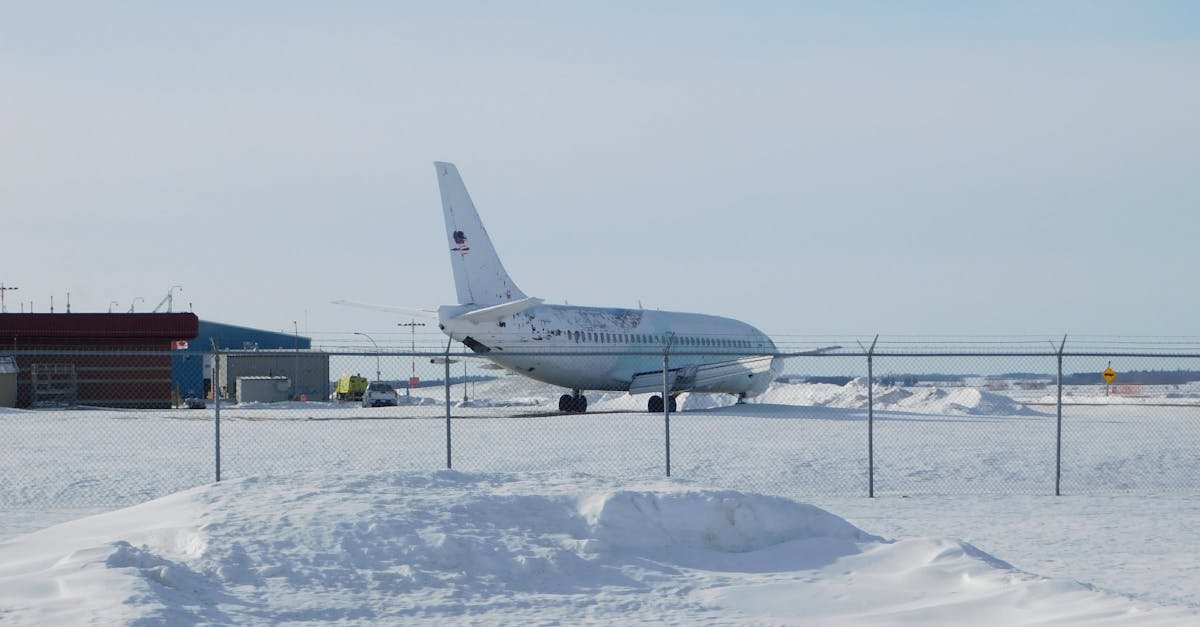
Winter weather has always been one of aviation’s toughest tests. While summer thunderstorms can cause short-lived disruptions, winter storms have a habit of lingering, spreading, and compounding problems across the entire U.S. air travel system. For airlines like American Airlines, WestJet, and other carriers flying U.S. routes, harsh winter conditions can turn a routine travel day into a logistical headache for crews, airports, and passengers alike.
Lets take a closer look at how winter weather affects airlines, why disruptions spread so quickly, and what it all means for travelers.
Why Winter Weather Is So Disruptive for Airlines
Winter storms bring more than just snow. Ice, freezing rain, high winds, and extreme cold all create unique risks for aircraft and ground operations. Unlike rain or mild fog, snow and ice directly interfere with an aircraft’s ability to take off, land, and maneuver safely on the ground.
Airlines must operate within strict safety margins. Even a thin layer of ice on a wing can change how air flows over it, reducing lift. Because of that, flights cannot simply “push through” winter conditions the way cars sometimes do on highways. When conditions cross certain thresholds, airlines have no choice but to delay or cancel flights.
Flight Delays and Cancellations
One of the most frustrating aspects of winter travel is how a storm in one city can disrupt flights hundreds or even thousands of miles away. This happens because airline schedules are tightly interconnected.
A single aircraft might operate several flights in one day across multiple cities. If a morning departure is canceled due to snow, that plane may never reach the next airport on its schedule. The result is a chain reaction of delays and cancellations that spreads throughout the airline’s network.Large carriers with major hub airports are particularly vulnerable. When a hub slows down, dozens of incoming and outgoing flights are affected at once. This is why winter storms often lead to nationwide disruption, even if only a few regions are experiencing severe weather.
The Critical Role of De-Icing and Ground Operations
De-icing is one of the most visible signs of winter operations, and it plays a major role in delays. Before takeoff, aircraft must be sprayed with heated fluids to remove snow and ice from critical surfaces like wings and tail sections.This process takes time, especially during heavy snowfall when ice can reform quickly. Aircraft often wait in long lines for de-icing, and once treated, they must take off within a specific window before ice begins to accumulate again. If that window is missed, the aircraft may need to return for another round of de-icing.
At the same time, airports are battling the storm too. Snowplows must constantly clear runways and taxiways, and sometimes only one runway can remain operational. This dramatically reduces how many aircraft can land or depart, creating congestion even when flights are technically able to operate.
Crew Scheduling Challenges in Winter Storms
Airline crews operate under strict rules designed to prevent fatigue. Pilots and flight attendants can only work a certain number of hours before they are required to rest. Winter delays can easily push crews past those limits.
When that happens, flights may be canceled even if the aircraft is ready and weather conditions have improved. Finding replacement crews on short notice is difficult, particularly during widespread storms when many employees are also dealing with travel disruptions. Crew availability is one of the main reasons airlines struggle to recover quickly after major winter events. It can take days to reposition both aircraft and crews back into the right places.
Cross-Border Complications for U.S. and Canadian Flights
Airlines operating between the U.S. and Canada face an extra layer of complexity. A flight might depart from a clear airport but be heading toward a destination dealing with heavy snow or ice. Even if conditions are acceptable at departure, the flight may still be canceled to avoid stranding aircraft and passengers.
Carriers like WestJet, which operate many cross-border routes, must coordinate closely with both U.S. and Canadian airports. Weather systems that stretch across regions can disrupt both sides of the border simultaneously, reducing recovery options and increasing passenger backlogs.
What Passengers Experience During Winter Disruptions
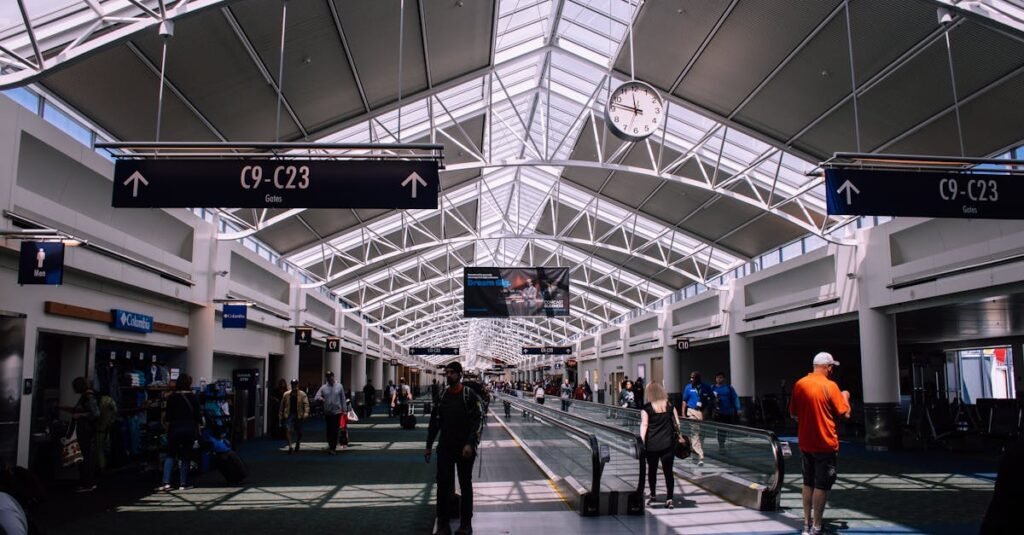
For travelers, winter weather disruptions are often stressful and unpredictable. Delays can stretch from minutes into hours, and cancellations may leave passengers scrambling to find new flights.
Airlines usually issue travel advisories ahead of major storms, allowing passengers to rebook without change fees. While this flexibility helps, it also means many travelers are trying to adjust plans at the same time. Customer service lines grow long, flights fill up quickly, and hotel availability near airports can disappear fast.
Another challenge is baggage. When flights are canceled after bags are checked, luggage may end up separated from passengers, adding to frustration and uncertainty.
Why Airlines Can’t Always “Recover” Quickly?
After a winter storm passes, many travelers expect operations to return to normal almost immediately. In reality, recovery can take days. Aircraft may be parked in the wrong cities, crews may be out of position, and maintenance schedules may have been disrupted by extreme cold.
Additionally, American airlines, WestJet and other carriers often prioritize safety and stability over speed. Rather than rushing to operate a full schedule, they may cancel additional flights proactively to reset operations and prevent further chaos.
This cautious approach can feel inconvenient to passengers, but it is often necessary to restore reliability across the network.
How American Airlines And Other Carriers Prepare for Harsh Winter Conditions
Despite the challenges, American Airlines and other carriers invest heavily in winter preparedness. This includes specialized training for crews, winterized equipment, weather forecasting teams, and close coordination with airports.
Aircraft are designed to operate in cold conditions, but procedures must be followed precisely. From anti-icing systems to cold-weather maintenance checks, every step is aimed at ensuring safety remains the top priority.
Airlines also monitor weather systems days in advance, adjusting schedules and staffing levels before storms arrive. While these measures cannot prevent all disruptions, they help reduce the severity and duration of winter-related problems.
The Bottom Line for Winter Air Travel
Harsh winter conditions are an unavoidable part of flying in and across the United States. Snow, ice, and extreme cold affect every aspect of airline operations, from runways and aircraft to crews and passengers. For airlines like American Airlines, WestJet, and other carriers serving U.S. routes, winter storms can quickly escalate into system-wide disruptions.
For travelers, understanding why these delays happen can make the experience slightly less frustrating. While winter weather may disrupt plans, the precautions taken by airlines are ultimately about ensuring that every flight operates as safely as possible — even when the forecast refuses to cooperate.
Leave a Reply