Tag: Jet2

  • Jet2 Mid-Air Scare: Why the Bournemouth–Gran Canaria Flight Landed in Faro

    Jet2 Mid-Air Scare: Why the Bournemouth–Gran Canaria Flight Landed in Faro

    The aviation world is currently focused on a recent incident involving a Jet2 flight that departed from Bournemouth Airport. What started as a standard holiday journey for hundreds of sun seekers quickly turned into a high stakes mid air emergency. This event has sparked significant conversation regarding airline safety protocols and the rapid response of flight crews when faced with unexpected technical failures. This report provides a comprehensive look at the timeline of the Jet2 diversion, the technical signals involved, and the subsequent steps taken to ensure passenger safety.

    The Departure from Bournemouth and Initial Flight Path

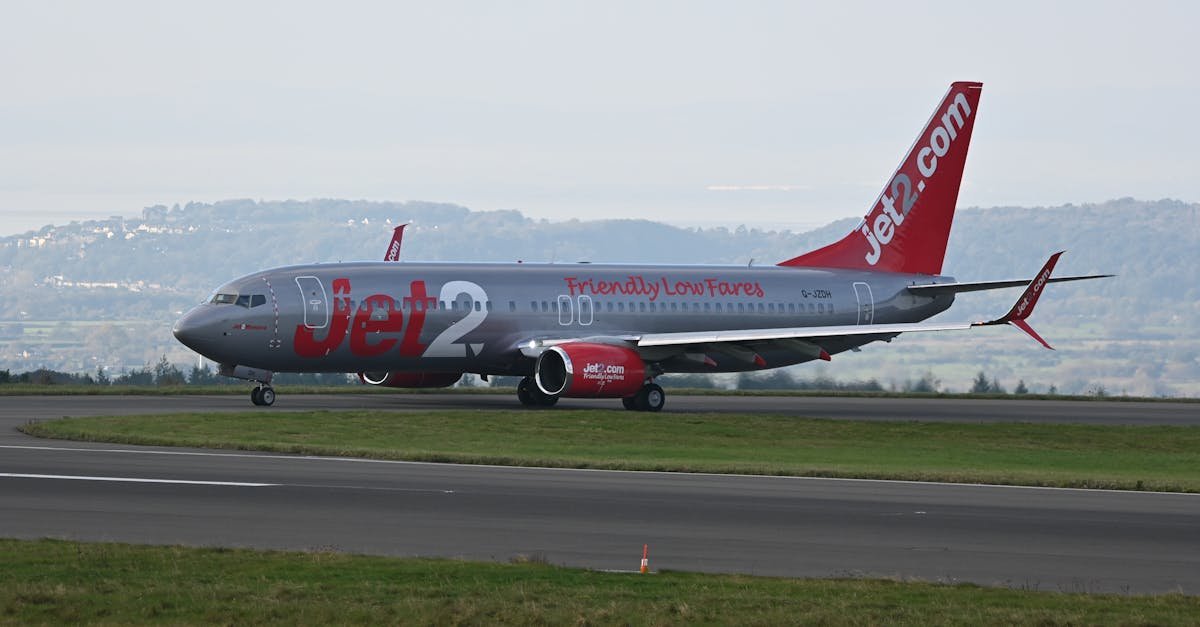
    On a scheduled service from Bournemouth Airport, Jet2 flight LS1301 took off with its destination set for Gran Canaria in the Canary Islands. The aircraft involved was a Boeing 737 800, a workhorse of the Jet2 fleet known for its reliability on medium haul European routes. For the first portion of the flight, everything appeared normal. Passengers were settling into their seats, and the cabin crew began their standard in flight service.

    The aircraft climbed to its cruising altitude and began its journey south across the Atlantic coastline. Data from flight tracking software shows that the Jet2 plane followed its planned corridor for a significant duration before an anomaly was detected by the flight deck. It was during this stable phase of the flight that the situation changed rapidly, forcing the pilots to prioritize safety over the original flight plan.

    Smoke in the Cabin and the Decision to Divert

    The primary cause of the emergency was the detection of smoke within the passenger cabin. In the world of aviation, smoke or fire is treated with the highest level of urgency because of how quickly conditions can deteriorate in a pressurized environment at thirty thousand feet. Passengers on board the Jet2 flight reported a noticeable odor and a light haze, which immediately signaled that something was wrong with the air conditioning or electrical systems.

    The flight crew acted with remarkable speed. Upon confirming the presence of smoke, the pilots initiated a rapid descent. This is a standard safety maneuver designed to get the aircraft to a lower altitude where the air is thicker and the pressure is easier to manage. While this descent can feel jarring to those on board, it is a controlled and necessary action to protect everyone on the Jet2 aircraft.

    Understanding the Squawk 7700 Emergency Signal

    As the Jet2 pilots began their descent, they transmitted a Squawk 7700 code. For those unfamiliar with aviation terminology, a Squawk code is a four digit number that pilots enter into their transponder to communicate with air traffic control. While most codes are for routine identification, 7700 is the international signal for a general emergency.

    By using this code, the Jet2 crew instantly notified every air traffic controller in the vicinity that they required priority handling. It effectively clears the path for the aircraft, allowing it to take the most direct route to the nearest suitable airport regardless of existing traffic patterns. In this instance, the proximity of the Portuguese coast made Faro Airport the most logical and safest choice for the Jet2 diversion.

    Safe Landing at Faro Airport in Portugal

    Faro Airport is a major hub in the Algarve region and is well equipped to handle emergency arrivals. As the Jet2 Boeing 737 approached the runway, ground crews and emergency services were already in position. Fire engines and medical teams lined the taxiways, a standard precautionary measure for any report involving smoke in the cabin.

    The Jet2 pilots executed a safe landing, bringing the plane to a halt on the tarmac. Once the aircraft was stationary, the decision was made to disembark the passengers via the stairs rather than using emergency slides, as the immediate threat of fire had not materialized into an active blaze. This orderly evacuation ensured that no injuries were reported during the process, and the passengers were moved into the terminal building to await further instructions from Jet2 representatives.

    Passenger Experiences During the Mid Air Scare

    For the holidaymakers on board, the experience was understandably stressful. Many people described the smell of smoke as being similar to burning plastic or electrical insulation. The sudden change in the pitch of the engines and the steep angle of the descent added to the tension in the cabin. However, many travelers praised the Jet2 cabin crew for their calm demeanor and clear communication during the descent.

    In the hours following the landing in Portugal, Jet2 provided updates to the passengers. Being stranded in a different country than your intended destination is a major disruption to any holiday, but the focus remained on the fact that the emergency was handled without any loss of life or physical harm. The airline coordinated ground staff at Faro to assist with food, water, and information while a recovery plan was put into motion.

    Technical Investigation and the Role of Maintenance

    Whenever a Jet2 aircraft or any commercial plane experiences smoke in the cabin, a rigorous investigation follows. Engineers at Faro Airport began inspecting the Boeing 737 800 almost immediately after it was cleared by the fire department. These investigations typically look at the auxiliary power unit, the air conditioning packs, and the wiring looms that run beneath the cabin floor.

    While a specific cause for this Jet2 incident will be detailed in a formal report by aviation authorities, common culprits for such events include a faulty fan motor in the ventilation system or a minor electrical short. Jet2 maintains a strict servicing schedule for its fleet, and this investigation will help determine if the issue was an isolated component failure or something that requires a broader check across other aircraft in the fleet.

    Jet2 Response and Replacement Flight Arrangements

    One of the strengths of a large carrier like Jet2 is its ability to mobilize resources during an operational breakdown. To minimize the delay for the passengers heading to Gran Canaria, the airline dispatched a standby aircraft to Faro. This replacement plane allowed the travelers to continue their journey on the same day, albeit several hours behind schedule.

    The company issued a statement apologizing for the disruption while emphasizing that the safety of passengers and crew is always the absolute priority. By quickly arranging a second flight, Jet2 managed to salvage the holidays of hundreds of people who might otherwise have been stuck in Portugal overnight. This logistical response is a critical part of maintaining customer trust after a frightening mechanical event.

    Looking Ahead at Flight Safety and Reliability

    Incidents like the Jet2 smoke emergency serve as a reminder of the complex systems required to keep modern aviation running smoothly. While a diversion is inconvenient and scary, it is actually a sign that the safety systems are working exactly as intended. The combination of vigilant crews, automated emergency signals, and well coordinated ground responses ensures that even when things go wrong, the outcome remains safe.

    For travelers flying out of Bournemouth or any other regional airport, the news of this diversion might cause some anxiety. However, aviation remains the safest form of long distance travel. The fact that the Jet2 crew was able to land the plane safely in a third country without any injuries proves that the training and protocols in place are effective.

    Final Summary of the Jet2 Diversion Event

    The Jet2 flight from Bournemouth to Gran Canaria will be remembered by those on board as a dramatic start to their vacation. From the first scent of smoke to the emergency landing in Faro, the event lasted less than an hour but required decades of combined experience from the pilots and air traffic controllers to manage correctly. As the technical investigation continues, the focus stays on the resilience of the aviation industry and the commitment of Jet2 to passenger welfare. All passengers eventually reached their destination, turning a potential disaster into a well managed technical detour.

  • Jet2 Engineer Plunges from Aircraft Door in Horrific Manchester Airport Accident: Complete Report

    Jet2 Engineer Plunges from Aircraft Door in Horrific Manchester Airport Accident: Complete Report

    A routine maintenance check at Manchester Airport turned into a life-altering disaster on April 11, 2026, when a Jet2 aircraft engineer fell from an open cabin door. The incident, which occurred during a period of turbulent weather conditions, has left the aviation community in shock and raised serious questions about ground safety protocols. The engineer is currently recovering in a local hospital after sustaining a long list of traumatic injuries that include multiple broken bones and facial fractures.

    Early reports from the scene suggest that a simple misunderstanding combined with environmental factors created a perfect storm for this tragedy. While the aviation industry is known for its rigorous safety standards, this event serves as a brutal reminder of how quickly things can go wrong on the tarmac.

    The Sequence of Events on the Tarmac

    The day began like any other for the engineering crew assigned to the Jet2 fleet. The aircraft was positioned on the stand at Manchester Airport, undergoing standard checks before its next scheduled flight. Sources close to the investigation indicate that the engineer was working near the cabin door and needed to exit the aircraft to complete his tasks.

    In the high pressure environment of a busy airport, communication is the primary line of defense against accidents. However, a critical error occurred during a verbal exchange regarding the location of the mobile boarding steps. A witness on the ground reported that the engineer was informed the steps were positioned on the right side of the door. In a split second lapse, the engineer misread the information or misinterpreted the direction, believing the platform was actually on the left.

    A Heart Stopping Moment of Realization

    As the engineer moved to open the heavy aircraft door, he was operating under the false assumption that a solid platform awaited him on the other side. As the door swung open, the reality of the situation became clear. There were no steps beneath him. Instead of a metal staircase, there was only a sheer drop to the concrete apron below.

    Witnesses described a terrifying scene where the engineer realized his mistake mid motion. He reportedly tried to grab the frame of the door to pull himself back into the safety of the cabin. Under normal circumstances, a fit professional might have been able to regain his balance or hold on until help arrived. Unfortunately, the weather on April 11 was far from normal.

    The Role of High Winds in the Fall

    Manchester Airport is notorious for its exposed location, which often subjects ground crews to powerful gusts. At the exact moment the engineer attempted to steady himself, a strong gust of wind caught the open door and the engineer’s body. Rather than acting as a handhold, the door became a sail in the wind.

    The force of the air was too great to overcome. Instead of being able to pull himself back inside, the engineer was yanked outward by the momentum of the wind and the weight of the door. With nothing to break his fall, he plunged from the height of the aircraft cabin, striking the ground face first. The height of a standard narrow body aircraft door is significant, and the impact with the hard airport concrete was devastating.

    Extent of the Injuries Sustained

    Emergency services were called to the stand immediately as colleagues rushed to the fallen man’s side. The medical report following his arrival at the hospital paints a grim picture of the physical toll of the accident. The engineer suffered broken legs and broken elbows, suggesting he may have tried to extend his limbs to catch himself during the descent.

    Perhaps more concerning are the head and upper body injuries. Medical staff confirmed a dislocated shoulder and fractured eye sockets. Fractures to the orbital bones are particularly serious and often require complex reconstructive surgery. The road to recovery for this engineer will be long, involving multiple operations and months of physical therapy to regain mobility in his limbs.

    Immediate Response and Safety Investigation

    In the aftermath of the fall, Jet2 and the Manchester Airport authorities acted quickly to secure the site. An official investigation has been launched to determine exactly how such a fundamental breakdown in communication could happen. This probe will look into several key areas of ground operations.

    Investigators will be reviewing the radio transcripts and verbal commands given during the maintenance shift. They will also examine whether the safety straps, which are often used across open aircraft doors when steps are not present, were in place or if they had been removed prematurely. The goal of the investigation is not just to assign blame but to ensure that such a fluke accident never happens again.

    The Psychological Impact on Ground Crews

    Beyond the physical injuries to the victim, an accident of this magnitude has a profound effect on the entire airport community. Ground crews work in a high stakes environment where they are surrounded by heavy machinery, jet blasts, and extreme heights. Seeing a colleague fall in such a manner creates an atmosphere of anxiety and heightens the perceived risks of the job.

    Jet2 has reportedly offered support services to the staff members who witnessed the fall. In the tight knit world of aircraft maintenance, the engineers often form close bonds, and the news of these severe injuries has traveled fast through the hangars at Manchester and other UK hubs.

    Evaluating Communication Protocols in Aviation

    This incident highlights a potential vulnerability in how ground staff communicate the status of equipment. In many industries, “left” and “right” are subjective terms that depend on which way a person is facing. In aviation, the terms “port” and “starboard” are used to avoid this exact confusion, as they always refer to the aircraft’s orientation.

    The investigation will likely recommend a move toward more standardized and redundant communication. This might include a “challenge and response” system where an engineer must visually confirm the presence of steps before even unlatching a door. Simple visual cues, such as a brightly colored ribbon or a physical barrier that stays in place until the steps are locked, could be implemented as a result of this tragedy.

    Looking Toward the Future of Ground Safety

    While the aviation industry focuses heavily on what happens while a plane is in the air, the safety of the men and women on the ground is just as vital. This fall from a Jet2 aircraft is a wake up call for airlines across the globe. It proves that even the most experienced professionals can be victims of a simple misunderstanding when environmental factors like wind are ignored.

    As the engineer begins his difficult journey toward healing, the industry will be watching the results of the Manchester investigation closely. Changes to ground handling manuals are expected, and there may be a push for new technology, such as sensors that alert a crew member if a door is being opened without a docked bridge or staircase.

    Support and Recovery for the Injured Engineer

    The priority for now remains the health of the individual. Broken legs and elbows can often be set with hardware, but the recovery of fine motor skills for a technician who works with his hands is a major concern. The fractured eye sockets also raise questions about potential long term impacts on his vision.

    The aviation community has a history of rallying around its own during times of crisis. There are already talks of support funds to assist the engineer’s family while he is unable to work. For a man whose job was to ensure the safety of thousands of passengers every week, the irony of this accident is not lost on anyone. The focus remains on getting him back on his feet and ensuring that the lessons learned from April 11 are permanently etched into the safety culture of Manchester Airport.

  • How to Become a Jet2 Pilot for Free in 2026? Eligibility, Application Process and Path Towards the Fully Funded Pilot Cadet Program

    How to Become a Jet2 Pilot for Free in 2026? Eligibility, Application Process and Path Towards the Fully Funded Pilot Cadet Program

    The dream of soaring through the skies as a commercial airline pilot has long been overshadowed by one colossal hurdle: the astronomical cost of training. For decades, aspiring aviators faced a financial barrier often exceeding £100,000, leaving many brilliant minds grounded. But what if we told you that in 2026, one of the UK’s leading airlines is offering a pathway to the flight deck, completely funded?

    Enter the Jet2FlightPath Cadet Pilot Programme 2026. This isn’t just another cadet scheme; it’s a game-changer. Jet2 is actively seeking the next generation of pilots, removing the financial burden entirely for successful candidates. If you’ve ever dreamt of flying a Boeing 737 or Airbus A321 across Europe, delivering unforgettable holidays, this could be your moment. This comprehensive guide will walk you through every step, from initial eligibility to what it takes to join the Jet2 family.

    Quick Facts: Your Gateway to the Skies

    Before we dive deep, here’s a snapshot of what makes the Jet2FlightPath programme truly exceptional:

    FeatureDetails
    Program NameJet2FlightPath Cadet Pilot Programme
    Funding100% Fully Funded (Jet2 covers all training costs)
    ExperienceNo prior flying experience required
    OutcomeGuaranteed Job Offer as a Jet2 Second Officer
    Training TimeApproximately 18 months
    Entry PointDirect Entry into airline operations upon graduation
    ApplicationOnline via Jet2Careers.com

    The Unprecedented Opportunity: Why Fully Funded Matters

    Let’s be clear: “fully funded” in pilot training is rare. Most airline cadet schemes offer partial funding, loan guarantees,or require significant upfront investment. Jet2’s commitment to covering the entire cost – from flight school tuition and accommodation to uniforms and exam fees – is a monumental investment in future talent. This means:

    • No Debt Burden: You won’t start your career with a six-figure loan hanging over your head. This frees you to focus on training and professional development.
    • Accessibility: It opens the door to individuals from all socio-economic backgrounds, ensuring that talent, rather than wealth, is the primary criterion for selection.
    • Jet2’s Investment: It signifies Jet2’s confidence in their chosen cadets, viewing them as long-term assets and future captains. They invest in you, and in return, you invest your dedication and passion.

    This isn’t just about saving money; it’s about democratizing a profession that has, for too long, been financially exclusive.

    Who Are Jet2 Looking For? Beyond the Basics

    While technical aptitude is crucial, Jet2 emphasizes that they’re looking for individuals who embody their “One Team” spirit. This means:

    • Exceptional Customer Service: Jet2 is a holiday airline. Pilots are not just navigators; they are key to the customer experience, from a reassuring PA announcement to a smooth landing.
    • Team Players: Aviation is a highly collaborative environment. You’ll work closely with cabin crew, ground staff,dispatchers, and air traffic controllers.
    • Resilience and Adaptability: The airline environment can be dynamic. Pilots need to remain calm under pressure, make sound decisions, and adapt to changing circumstances.
    • Professionalism: A deep commitment to safety, adherence to procedures, and continuous learning.

    They are looking for people who are passionate about aviation, yes, but equally passionate about delivering fantastic holidays with a smile.

    Eligibility Criteria for Jet2FlightPath 2026: Do You Qualify?

    Jet2 airplane on airport tarmac with clear blue sky, showcasing travel and transportation.

    Before you even think about applying, it’s crucial to ensure you meet the fundamental requirements. These are non-negotiable:

    1. Right to Work: You must have the unrestricted right to live and work in the UK. This is paramount for securing employment with a UK-based airline.
    2. Age: You must be at least 17 years old at the time of application. Critically, you must be 18 years old by August 1, 2026, to commence training.
    3. Education: A minimum of 5 GCSEs (or equivalent) at Grade 4 (C) or above. These must include Mathematicsand at least one Science subject (Physics, Chemistry, Biology, or Combined Science). Higher education qualifications are a bonus but not strictly required.
    4. English Language: You must be proficient in spoken and written English, meeting ICAO Aviation English Level 4 or above (though this will be assessed during training).
    5. Medical Fitness: You must be able to obtain and maintain a CAA Class 1 Medical Certificate. This is a rigorous medical examination that assesses sight, hearing, heart health, and overall physical and mental well-being. It’s highly recommended to consider getting a preliminary assessment if you have any doubts.
    6. Height Requirements: To ensure you can comfortably and safely operate the aircraft controls, there are height restrictions. You must be between 1.57m (5’2″) and 1.91m (6’3″).
    7. Driving Licence: A full, valid UK driving licence is beneficial for commuting to training facilities and potentially to your future base.
    8. No Previous Experience Necessary: This is a key point! You do not need any prior flying lessons, licences, or experience. Jet2 is looking for raw talent and potential.

    The Application Journey: Your Step-by-Step Guide

    The application process for the Jet2FlightPath 2026 programme is structured, designed to assess a wide range of skills and personal attributes.

    Step 1: Online Application & “Discovery” Exercise

    • Where to Apply: All applications must be submitted through the official Jet2 Careers website: Jet2Careers.com.
    • The Discovery Exercise: The initial stage often involves an interactive “Discovery” exercise. This isn’t just a formality; it’s a smart way for Jet2 to assess your values, decision-making style, and cultural fit within their “One Team” ethos. Take your time, be authentic, and reflect on Jet2’s values before you start. Upon completion, you’ll receive a code to proceed to the main application form.
    • The Application Form: Complete this thoroughly and accurately. Pay attention to detail; it reflects your professionalism. Highlight any experiences demonstrating teamwork, problem-solving, customer service, or leadership – even if they’re from non-aviation roles.

    Step 2: Online Assessments (The “Game-Based” Phase)

    If your initial application is successful, you’ll be invited to complete a series of online, game-based psychometric assessments, often powered by platforms like Arctic Shores. Don’t be fooled by the “game” aspect; these are scientifically designed to evaluate:

    • Cognitive Abilities: Your capacity for multitasking, spatial awareness, memory, logical reasoning, and processing information under pressure.
    • Behavioural Traits: Your personality, resilience, decision-making speed, and how you react to challenges. These games are designed to reveal natural tendencies relevant to a pilot’s role.
    • Preparation Tip: While you can’t “revise” for these, familiarizing yourself with similar online psychometric games can help you understand the format and reduce anxiety. Focus on staying calm, following instructions, and giving your best effort.

    Step 3: Video Interview

    Candidates who excel in the online assessments will move to a video interview stage. This could be a pre-recorded,one-way interview where you answer questions posed by an avatar, or a live session via platforms like Microsoft Teams.

    • What They’re Looking For: They want to see your personality, communication skills, and enthusiasm. Be prepared to discuss why you want to be a pilot, why Jet2 specifically, your understanding of the role, and how your past experiences (academic, work, voluntary) demonstrate the qualities they seek.
    • Preparation Tip: Practice answering common interview questions aloud. Research Jet2’s history, destinations,and fleet. Ensure you have a quiet, well-lit space and a stable internet connection.

    Step 4: Assessment Day

    The final stage is typically an in-person Assessment Day at a Jet2 facility. This is your chance to shine and demonstrate your potential in a dynamic environment. It usually involves:

    • Group Exercises: Designed to assess teamwork, leadership potential, communication, and problem-solving skills within a group setting.
    • Aptitude Testing: Further specific tests relevant to aviation, such as numerical reasoning, verbal reasoning, or technical comprehension.
    • Panel Interview: A formal interview with senior pilots, recruitment specialists, and potentially Flight Operations managers. This is where you’ll face detailed questions about your motivation, resilience, and understanding of the aviation industry and Jet2’s operations.
    • Preparation Tip: Be yourself, engage actively in group tasks, and articulate your thoughts clearly. Dress professionally, arrive early, and have questions ready to ask the panel – it shows genuine interest.

    What Happens After Selection? Your FlightPath to the Cockpit

    If you successfully navigate all stages, congratulations! You will be offered a place on the Jet2FlightPath Cadet Programme.

    1. Placement with a Partner ATO: You’ll be assigned to one of Jet2’s approved Flight Training Organisations (ATOs). Historically, these have included highly respected academies such as Skyborne Airline Academy,FTEJerez, and Leading Edge Aviation.
    2. Modular Training (Ab-initio): Your training will typically follow an integrated ATPL (Airline Transport Pilot Licence) programme. This intensive course covers everything from theoretical knowledge (14 ATPL exams) to practical flight training across various aircraft types, culminating in your Multi-Crew Co-operation (MCC) and Airline Pilot Standard Multi-Crew Co-operation (APS MCC) courses.
    3. Line Training & Type Rating: Upon successful completion of your ATPL, you’ll receive a guaranteed job offer as a Second Officer with Jet2. You’ll then undergo a Type Rating course on either the Boeing 737 or Airbus A321, followed by Line Training under the supervision of experienced Jet2 Captains, preparing you for commercial operations.

    Common Myths Debunked

    • “You need a university degree.” Not for Jet2FlightPath. While valuable, GCSEs in Maths and Science are the core academic requirement.
    • “You need perfect eyesight.” While strict, modern medical standards allow for corrected vision within limits. A CAA Class 1 Medical is the definitive answer.
    • “You need to know how to fly already.” Absolutely not. This programme is designed for individuals with no prior flying experience.
    • “It’s only for young people.” While age limits apply at the lower end, there isn’t an upper age limit as long as you meet all other criteria and can secure a Class 1 Medical. Maturity and life experience are often highly valued.

    Your Journey Starts Now

    The Jet2FlightPath Cadet Pilot Programme 2026 represents a golden opportunity to launch a truly rewarding career without the financial burden that once deterred so many. Jet2 is looking for dedication, aptitude, and individuals who genuinely want to be part of their “One Team.”

    If you meet the criteria, believe in your potential, and dream of those clear blue skies, don’t hesitate. The application window is highly competitive and often short. Research, prepare diligently, and seize this unprecedented chance to make your aviation dreams a reality. Good luck!

  • Why did the Police Investigate a Jet2 Aircraft at Glasgow Airport

    Why did the Police Investigate a Jet2 Aircraft at Glasgow Airport

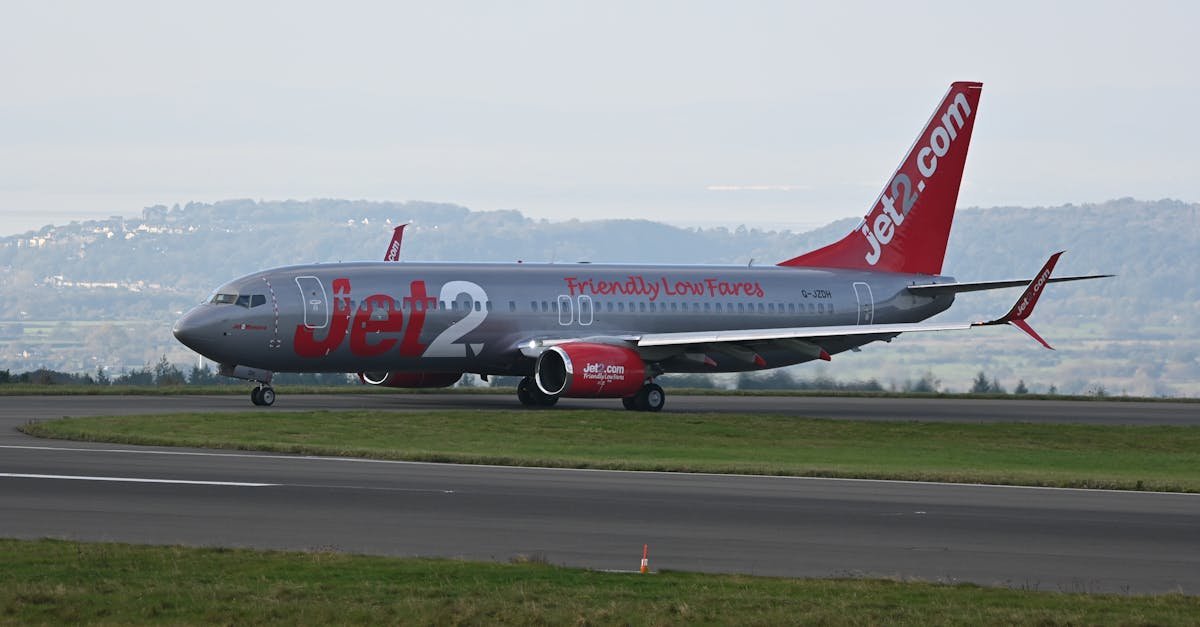
    Police carried out investigations on two aircraft at Glasgow Airport after reports of suspicious activity raised concerns. One of the aircraft involved belonged to Jet2. The police action caught attention after officers and forensic teams were seen around the planes on the airport runway.

    Authorities later confirmed that the investigation was part of an ongoing enquiry. While the presence of police caused some concern among passengers, officials were quick to reassure the public that there was no danger and that airport operations continued as normal.

    What Happened at Glasgow Airport?

    The investigation took place at Glasgow Airport when police were alerted to a matter that required further checks. Two aircraft were secured so officers could carry out detailed inspections. One of the planes was operated by Jet2, a popular airline used by many UK holidaymakers.

    Police vehicles and forensic teams were seen near the aircraft, which led to questions from travelers and airport staff. However, the situation was handled calmly, and the area remained under control during the investigation.

    Why Were the Jet2 Aircraft Searched?

    Police have not shared full details about why the aircraft were searched. They stated only that the action was linked to an ongoing investigation. In situations like this, officers may search planes to gather evidence, follow up on intelligence, or check reports made earlier.

    It is common for police to limit what they share while an investigation is active. This helps ensure that enquiries are not affected and that all legal steps are followed correctly.

    Was There Any Risk to Passengers?

    Interior view of airplane cabin with passengers seated and flight attendant in aisle.

    Officials confirmed there was no threat to passengers, staff, or the wider public. Airport authorities worked closely with police to make sure safety procedures were followed at all times.

    Passengers at the airport were advised that flights were operating normally. There were no reports of evacuations or major delays caused by the investigation, which helped reduce disruption for travelers.

    How Did Jet2 Respond?

    Jet2 confirmed that it was cooperating fully with the police. The airline said customer safety was its top priority and that it was assisting officers with their enquiries.

    The company also reassured passengers that its services were continuing as planned. By working closely with authorities, Jet2 helped ensure that the situation was dealt with quickly and professionally.

    Did Flights Get Delayed?

    There were no major delays linked directly to the police activity. Glasgow Airport continued to operate as normal while officers carried out their work.

    Airport staff kept passengers informed and ensured that security and safety procedures remained in place. Once the initial investigation on the aircraft was completed, police activity at the site was reduced.

    Why Do Police Carry Out Aircraft Investigations?

    Police vehicle parked on an urban street outside a London building

    Police investigations involving aircraft are not common, but they do happen when necessary. These checks can be related to security concerns, reports of illegal items, or other matters that need careful examination.

    Forensic teams may inspect different parts of a plane to collect evidence. This process can take time, but it is done carefully to ensure accuracy and safety.

    What Happens Next?

    Police have described the matter as ongoing, meaning further enquiries could still take place. This might include interviews, additional checks, or reviewing collected evidence.

    More information is likely to be shared only if it becomes relevant to the public. Until then, authorities have stressed that there is no cause for concern.

    Complete Gist of The Incident

    The police investigation involving two Jet2 aircraft at Glasgow Airport was handled calmly and professionally. While the sight of police and forensic teams raised questions, officials were clear that there was no risk to the public.

    Both the airport and Jet2 worked closely with police to ensure safety and limit disruption. As the investigation continues, passengers are encouraged to rely on official updates and trusted news sources for accurate information.