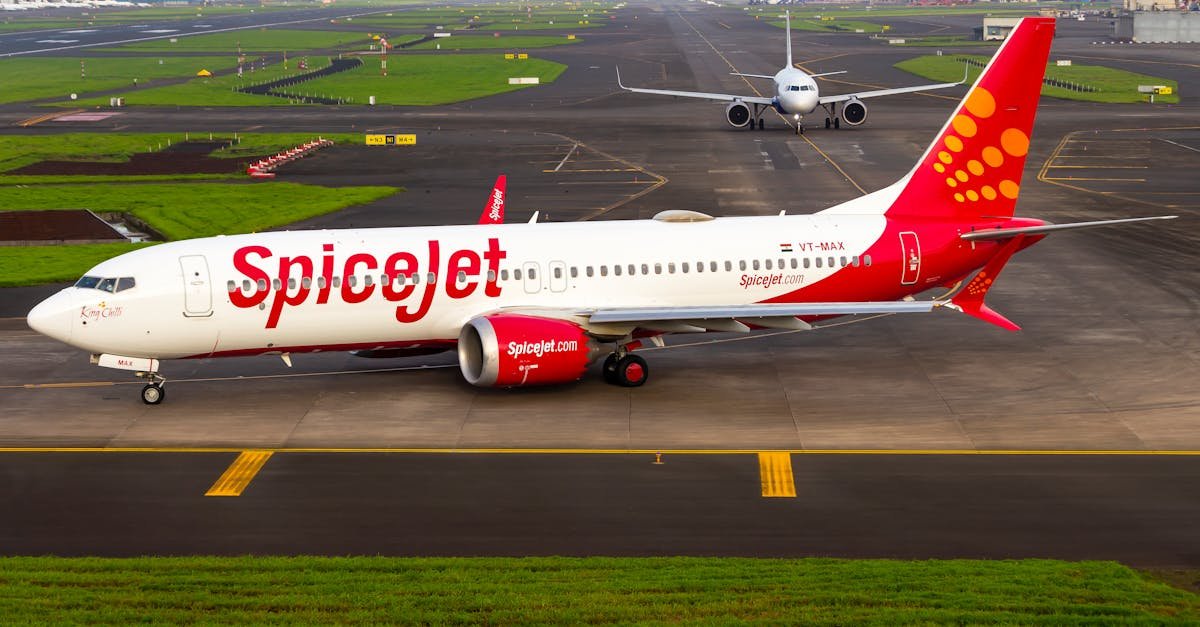
A busy afternoon at Indira Gandhi International Airport in Delhi took an unexpected turn today when two commercial aircraft were involved in a ground collision. The incident occurred on April 16, 2026, and involved a SpiceJet plane and an Akasa Air flight. While both aircraft sustained visible damage, the most important outcome is that all passengers and crew members on both sides are safe and uninjured. Ground incidents like these are rare but serve as a reminder of the complex dance that happens on the tarmac of one of the busiest airports in the world.
Details of the Tarmac Collision in Delhi
The event took place around 2:15 pm when the airport was buzzing with afternoon departures and arrivals. According to flight records and official statements, a SpiceJet Boeing 737-700 was taxiing toward its designated gate after arriving from Leh. At the same time, an Akasa Air Boeing 737 MAX 8 was preparing for its journey to Hyderabad.
The Akasa Air aircraft, operating as flight QP 1406, was reportedly stationary at the time of the impact. It was either waiting for pushback or had just completed it when the moving SpiceJet aircraft made contact. The wings of the two planes clipped each other, creating a loud thud that was heard by ground staff and some passengers on board.
Because the planes were moving at very low speeds typical for taxiing, the impact did not result in any catastrophic failure. However, the physical contact was enough to cause significant structural damage to specific parts of both jets.The right winglet of the SpiceJet plane was damaged during the scrape, while the Akasa Air plane suffered a hit to its left hand horizontal stabilizer.+1
Passenger Safety and Immediate Response
Immediately after the contact was made, both flight crews followed standard safety protocols. The pilots stopped their respective aircraft to assess the situation and communicated with the Air Traffic Control tower. Emergency services at Delhi airport were alerted as a precaution, which is the standard procedure for any physical contact between aircraft.
Passengers on the Akasa Air flight, who were expecting to be in the air on their way to Hyderabad, instead found themselves returning to the terminal. The airline confirmed that all passengers and crew members were safely disembarked without any panic or injuries. SpiceJet also confirmed that its passengers were safe and that the aircraft was taxied to a parking bay for a full inspection.
Akasa Air ground teams quickly began working on alternative arrangements for their stranded travelers. Dealing with a grounded aircraft at the last minute is a logistical challenge, but the airline prioritized getting people to their destination on a different plane. For many travelers, the day was defined by a long wait and a bit of a scare, though the professional handling of the situation helped keep tensions low.
Technical Damage to the Aircraft
While the word collision sounds dramatic, the actual damage was localized to the extremities of the planes. On the SpiceJet side, the winglet is the upward curved part at the very tip of the wing. These are designed to improve fuel efficiency and aerodynamics. Replacing or repairing a winglet is a specialized task that requires the plane to be out of service for several days.
The Akasa Air plane was hit on the horizontal stabilizer, which is the small wing like structure at the tail of the aircraft.This part is crucial for maintaining the pitch and balance of the plane during flight. Because this is a primary flight control surface, the damage must be repaired to exact manufacturer specifications before the plane can be cleared to fly again.
Both airlines have grounded the involved aircraft. Specialized engineering teams are now tasked with performing non destructive testing to ensure there are no hidden cracks or internal structural issues caused by the force of the bump. Until these inspections are finished and the DGCA gives the green light, these planes will remain in the hangars at Delhi.
Understanding the Cause of Ground Incidents
Whenever a SpiceJet plane or any other aircraft moves on a taxiway, they are guided by a combination of cockpit vision, ground markings, and instructions from the tower. In some cases, a “follow me” vehicle or wing walkers are used to ensure there is enough clearance in tight spaces.
Preliminary reports suggest that the Akasa Air plane was stationary when the SpiceJet jet was maneuvering nearby.Investigations will look into whether there was a miscommunication regarding the parking position or if the SpiceJet pilots had enough clearance to pass behind or beside the Akasa aircraft.
Visibility at the time was reportedly good, so weather is unlikely to have played a major role. Instead, investigators from the Directorate General of Civil Aviation will look at the taxiway charts and the specific path taken by the SpiceJet crew. They will also review cockpit voice recorders and flight data to see if any warnings were missed or if ground marshaling instructions were followed correctly.
The Role of Regulatory Oversight
The DGCA has already initiated a formal inquiry into the matter. This is standard for any “ground occurrence” involving commercial carriers. The goal of such an investigation is not just to assign blame but to identify if there are any systemic issues at the airport that could lead to similar problems in the future.
Inspectors will talk to the pilots of the SpiceJet flight and the Akasa Air crew to get their first hand accounts. They will also examine the ground radar data which tracks every movement of vehicles and planes on the airport surface. If it is found that the SpiceJet plane drifted from its assigned line or if the Akasa plane was not in its designated spot, corrective actions will be mandated.
Incidents like this often lead to changes in how planes are spaced out during taxiing or how certain gates are used. Safety in aviation relies on learning from these minor scrapes to prevent larger accidents. Both carriers have expressed their full cooperation with the authorities to ensure a transparent investigation.
Impact on Airline Operations
For a company like SpiceJet, having an aircraft out of service can lead to a ripple effect of delays across their network. Aircraft rotations are tightly scheduled, and losing one Boeing 737 for repairs means other flights might have to be merged or cancelled. The airline has been working hard to maintain its schedule integrity, and this incident adds an extra layer of operational pressure.
Akasa Air is also in a phase of growth, and losing a 737 MAX 8 even for a few days impacts their capacity. However, both airlines have stated that passenger safety remains the absolute priority. They are focusing on minimizing the inconvenience to those who were booked on the subsequent legs of these aircrafts’ journeys.
Ground collisions, while costly in terms of repairs and lost time, are usually seen as preventable errors. As the aviation industry in India continues to grow at a rapid pace, the density of traffic at hubs like Delhi creates a challenging environment for ground operations. This event will likely prompt a review of safety protocols for all ground handling agencies and flight crews operating at the terminal.
Moving Forward and Improving Safety
The aviation community views every incident as a lesson. While the sight of a damaged winglet on a SpiceJet jet is concerning, the fact that the safety systems and emergency responses worked as intended is a positive takeaway. The industry relies on a culture of reporting and analyzing every small mistake to maintain its impressive safety record.
In the coming days, we can expect more detailed reports once the flight data has been fully analyzed. For now, the focus remains on the repair of the two Boeing jets and the continued monitoring of taxiway procedures at Indira Gandhi International Airport. Passengers traveling through Delhi can expect normal operations to continue, though there may be a heightened sense of caution among ground crews as they navigate the busy apron areas.
Aviation remains the safest mode of transport, and even though a SpiceJet and Akasa plane touched wings today, the quick thinking of the crews and the robust design of the aircraft ensured that it remained a minor footnote in the day’s operations rather than a serious tragedy. The investigation will provide the final answers, helping to ensure that the wings of different airlines never have to meet on the ground again.
Leave a Reply