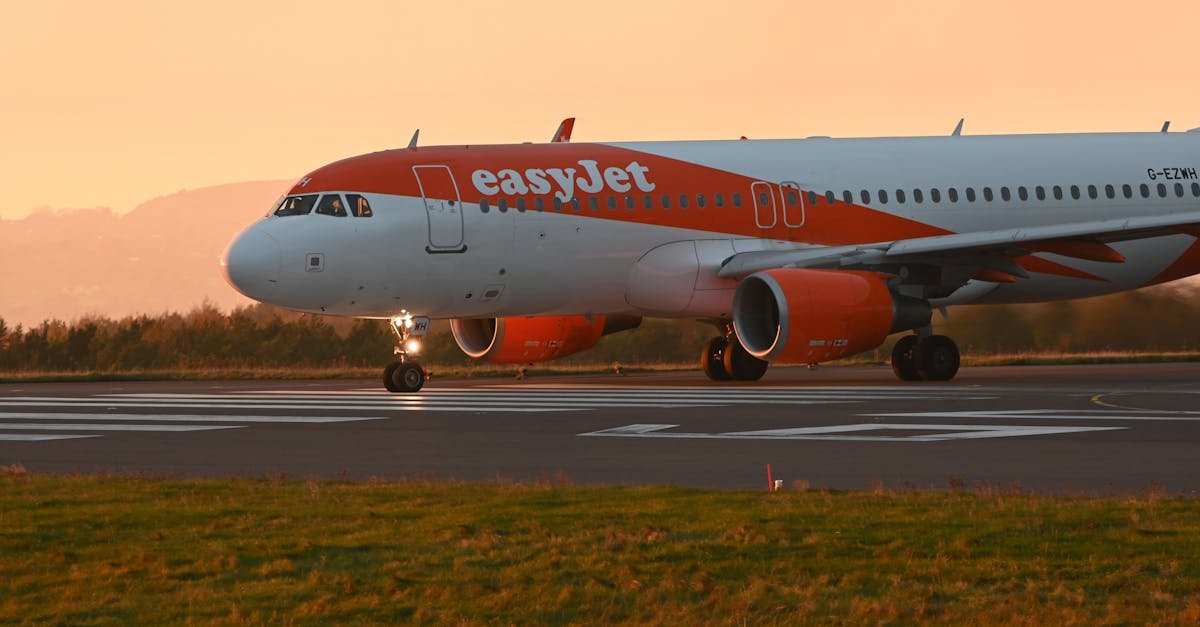
The arrival of EasyJet flight EZY3954 from Paris Charles de Gaulle to Belfast International Airport is usually a routine hop across the channel. However, a recent journey was marred by a series of events that left passengers in a state of shock and disbelief. As the aircraft touched down on the runway in Northern Ireland, it was met not just by the usual ground crew, but by a fleet of police vehicles. The reason for this high-profile reception was a report of a deeply distressing nature involving an intoxicated male passenger and a young child.
An Unfolding Crisis Mid-Air
The flight started like any other short-haul journey. Families were returning home and tourists were looking forward to exploring Belfast. Yet, as the plane reached its cruising altitude, the atmosphere began to shift. According to witnesses on board, a man who appeared to be heavily under the influence of alcohol began to display erratic and concerning behavior. While “disruptive passengers” are an unfortunate reality for many airlines, the nature of this particular incident quickly escalated beyond simple loud talking or non-compliance.
Staff members on the EasyJet flight were alerted to a situation in the cabin where the man was allegedly making inappropriate and unwanted contact with a minor. In the confined space of an airplane, there is nowhere to run and nowhere to hide. This creates an environment of intense vulnerability for victims. The cabin crew, trained to handle a variety of emergencies, had to step in while simultaneously maintaining the safety of the entire flight. The challenge of managing a potentially violent and intoxicated individual at thirty thousand feet is immense, especially when criminal allegations of this severity are involved.
The Role of Alcohol in Aviation Safety
This incident has once again ignited a fierce debate regarding the sale and consumption of alcohol within the aviation industry. Many travelers enjoy a drink at the airport lounge or during their flight as a way to relax. However, when that consumption leads to the alleged sexual assault of a child, the conversation shifts from personal freedom to public safety.
The EasyJet crew has a responsibility to monitor the “intoxication levels” of those on board, but much of the damage is often done before a passenger even steps onto the jet bridge. Airports are filled with bars and duty-free shops where high-strength spirits are readily available. By the time a passenger is seated, they may already be well past the point of rational behavior. In this case, the suspect’s state of mind reportedly made the situation significantly harder for staff to de-escalate, leading to a tense environment for every traveler in the surrounding rows.
Police Intervention at Belfast International
As the aircraft descended toward Belfast, the pilot coordinated with air traffic control to ensure that the Police Service of Northern Ireland (PSNI) was ready and waiting. There was no ambiguity in the response. As soon as the doors opened, officers boarded the EasyJet plane to remove the suspect.
The arrest was witnessed by many of the passengers, some of whom described the scene as “quietly intense.” The priority for the authorities was to secure the suspect while ensuring the victim and their family were shielded from further trauma. In the aftermath of such an event, the legal process begins immediately. Statements are taken from the crew, forensic evidence is gathered where possible, and the victim is provided with specialist support services.
Legal Jurisdictions and In-Flight Crimes
One of the most complex aspects of crimes committed on international flights is determining which country has the right to prosecute. Because the flight originated in France and landed in the United Kingdom, both jurisdictions could technically have an interest. However, under international aviation law, the country where the aircraft lands usually takes the lead in the immediate criminal investigation.
The suspect now faces serious charges that carry heavy prison sentences. Because the victim is a child, the legal system provides additional layers of anonymity and protection, but the gravity of the “alleged sexual assault” means this case will likely be handled by high-level detectives within the PSNI’s Public Protection Branch. They are tasked with pieceing together exactly what happened during those hours in the sky.
The Impact on Fellow Passengers
We often focus on the suspect and the victim, but an incident like this leaves a lasting mark on everyone on the plane. For the other passengers on this EasyJet flight, what was supposed to be a simple commute became a front-row seat to a criminal investigation. Many parents traveling with their own children expressed a sense of heightened anxiety.
The “trauma of witnessing” such an event cannot be understated. Airlines often have to provide follow-up support or information to passengers who were seated in the immediate vicinity. The psychological weight of knowing that a child was potentially harmed just inches away is something that many will carry with them for a long time. It highlights the need for more rigorous “passenger vetting” and perhaps more stringent rules on who is allowed to board a plane if they show signs of heavy intoxication.
Airline Responsibility and Training
For its part, EasyJet has maintained a firm stance on passenger conduct. The airline industry generally operates on a zero-tolerance policy regarding physical or sexual abuse. Crew members undergo specific training to identify “vulnerable passengers” and to spot the signs of grooming or assault.
In this specific instance, the crew’s ability to remain professional while dealing with an intoxicated and allegedly dangerous individual was crucial. However, critics argue that airlines and airports need to do more to prevent these individuals from flying in the first place. The “pre-boarding process” is the first line of defense. If a passenger is too drunk to stand straight or is behaving inappropriately in the departure lounge, they should never be allowed to set foot on the aircraft.
Support for the Victim and Family
The most important part of this story is the well-being of the young child involved. Navigating the aftermath of an assault is an incredibly difficult journey, and doing so after it happened in such a public and confined space adds another layer of difficulty. Support organizations in Northern Ireland are often brought in to provide “child-centered” counseling and legal advocacy.
The family of the victim will also require significant support. They trusted the “travel environment” to be safe. When that trust is shattered by the actions of a stranger, the recovery process involves both emotional healing and a long legal battle to ensure justice is served.
Moving Forward with Heightened Vigilance
While the legal proceedings against the arrested man continue, the aviation industry must look inward. This is not just a one-off story about a “bad passenger.” It is a reminder of the unique vulnerabilities present in air travel. The combination of high-altitude stress, alcohol availability, and close quarters can be a dangerous mix if not managed correctly.
Travelers are now calling for better communication between airport security and airline gate staff. There is a growing movement to implement a “national database” for disruptive passengers to ensure that those who pose a risk to others are barred from flying across all carriers, not just one.
A Community Seeking Justice
The people of Belfast and the wider traveling public are watching this case closely. It serves as a grim reminder that safety is not just about the mechanics of the plane or the skill of the pilot. It is about the “social contract” between passengers to treat one another with respect and to protect those who cannot protect themselves.
As the investigation by the PSNI moves into the next phase, the focus remains on the evidence gathered from the cabin of that EasyJet flight. Justice in these cases is often slow, but it is necessary to send a clear message that the sky is not a lawless space. Every passenger, regardless of age, deserves to reach their destination without fear of harm.
Leave a Reply