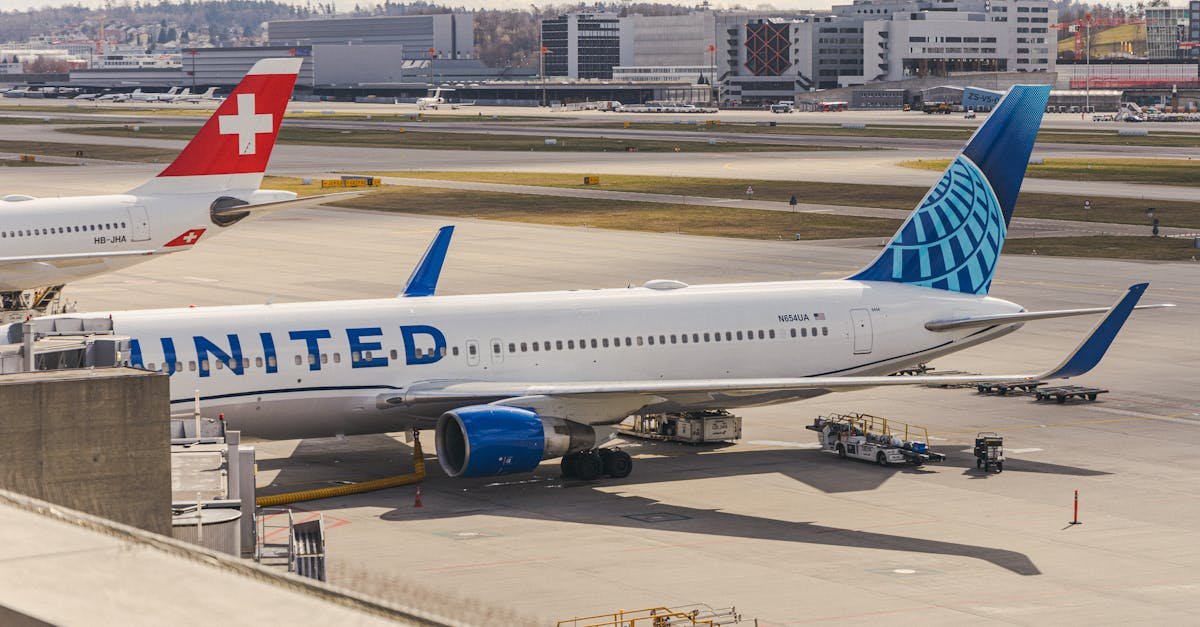
In early March 2026, air travelers received a sobering message from the top of the aviation industry. Scott Kirby, the Chief Executive Officer of United Airlines, revealed that flight costs are on a path to increase rapidly. This shift is not just a minor seasonal adjustment but a direct response to a massive jump in fuel prices triggered by intense military conflict in the Middle East. With jet fuel costs climbing by more than fifty percent in a single week, the era of stable ticket pricing appears to be hitting a significant wall.
The Immediate Impact of the Middle East Crisis
The current volatility stems from the military escalation involving the United States, Israel, and Iran that began in late February 2026. This conflict has placed the world’s most vital energy artery, the Strait of Hormuz, in a state of effective paralysis. Because this narrow waterway carries about twenty percent of the global oil supply, any threat to shipping there sends shockwaves through the energy market.
For the aviation sector, the result has been a brutal spike in the price of jet fuel. In just seven days, costs rose by roughly 58 percent, reaching levels around $3.95 per gallon. Since fuel is the second largest expense for any airline after labor, a jump of this magnitude cannot be absorbed by the companies alone. Kirby explained during a recent talk at Harvard University that if these prices stay high, the impact on travelers will be felt almost immediately.
Why United Airlines Is Particularly Vulnerable
While all airlines are struggling with the current energy shock, United Airlines finds itself in a particularly sensitive spot. For years, major U.S. carriers have largely moved away from fuel hedging. Hedging is a financial strategy where a company locks in fuel prices months or years in advance to protect itself against sudden price spikes.
United, along with American Airlines, currently operates without these financial safety nets. This means they are paying the market spot price for every gallon of fuel they pump into their planes today. When the price of oil surges overnight,their operating costs rise in real time. Without hedges to cushion the blow, the only way for these companies to protect their financial health is to pass those costs directly to the person buying the ticket.
Timing the Price Hikes for Travelers
One question on every traveler’s mind is exactly when these higher fares will show up in search results. Airlines typically sell tickets months before a flight takes off. This means that if you already have a ticket for a trip next week,your price is locked in. However, for anyone looking to book a vacation for the summer of 2026, the window of affordability is closing.
Kirby noted that the pricing adjustments will probably start quickly. Revenue management systems at major airlines are already recalibrating their algorithms to account for the new cost of fuel. Travelers can expect to see the most significant changes for flights scheduled in the second quarter of the year. This suggests that the busy summer travel season could be one of the most expensive in recent memory.
High Demand Meets Higher Costs
Usually, when prices go up, demand for a product goes down. In the current travel market, however, that basic economic rule is not yet applying. United Airlines reported that even with the news of rising fares, consumer interest in flying remains incredibly strong. In fact, booked revenue is up about twenty percent compared to this time last year.
This resilient demand gives airlines more confidence to raise prices. If planes were half empty, carriers might try to eat the extra fuel costs to keep people flying. But with travelers eager to explore the world after years of various disruptions, airlines know they can likely raise fares without seeing a drop in passenger numbers. This creates a “perfect storm” for airfare inflation: record high fuel costs meeting record high demand.
Routes Most Likely to See Fare Increases
The impact of the Middle East conflict is not spread evenly across every flight path. Long haul international routes are expected to bear the brunt of the price increases. Flights that cross the Atlantic or Pacific require massive amounts of fuel, making them highly sensitive to even small changes in oil prices.
Furthermore, the physical closure of certain airspaces in the Middle East has forced airlines to fly longer, more circuitous routes to get between Europe and Asia. These longer flight times mean more fuel is burned per trip, adding another layer of expense. Some regional carriers have already started adding formal fuel surcharges to their tickets, and it is likely that U.S. carriers will follow suit through general fare increases.
Comparing the Global Airline Response
While U.S. carriers like United are facing the full force of the market, some international competitors are better shielded. Airlines such as Air France, KLM, and British Airways often maintain active hedging portfolios. Because they locked in lower fuel prices months ago, they may not feel the need to hike fares as aggressively or as quickly as their American counterparts.
This creates a competitive gap in the market. Travelers may find that for a limited time, European carriers offer more stable pricing for international trips than U.S. based airlines. However, even the best hedging strategies eventually expire. If the conflict in the Middle East lasts for several months, every airline in the world will eventually have to reconcile with the new, higher cost of energy.
Financial Stability and Industry Pressures
The financial pressure on the airline industry is immense. Analysts have estimated that for a carrier like Delta, every one cent increase in the price of fuel adds $40 million to their annual expenses. When you consider that prices have jumped by more than a dollar in some regions, the scale of the financial challenge becomes clear.
United’s leadership is focusing on maintaining a balance between remaining profitable and keeping seats filled. While the company has shown strong revenue growth recently, its high level of debt and the current energy crisis have put investors on edge. The stock market has reflected this anxiety, with airline shares seeing significant volatility since the military strikes began in late February.
What This Means for Your Next Trip
For the average person, the takeaway is simple: the time for “wait and see” has passed. If you are planning to travel during the summer of 2026, experts suggest booking as soon as possible. The current prices available on most websites likely do not yet fully reflect the 58 percent jump in fuel costs, but they will soon.
Locking in a refundable or changeable fare now could save hundreds of dollars per person. Once the airlines fully integrate the new fuel costs into their pricing structures, those lower fares will disappear. In an environment where global supply chains are being tested and energy routes are under threat, the cost of moving from one side of the planet to the other is becoming a premium luxury once again.
Smart Strategies for Future Bookings
To navigate this period of rising costs, travelers should consider a few specific tactics. First, looking at smaller regional airports might reveal lower fares than major hubs that are dominated by a single unhedged carrier. Second, using airline miles or reward points can be a great way to bypass cash price hikes, though some programs may eventually adjust their point requirements or add surcharges.
Staying flexible with travel dates and being willing to take flights with connections rather than nonstop options can also help mitigate the rising costs. While the news from United’s CEO is a difficult pill to swallow for vacationers, being informed about why prices are moving allows for better planning and smarter financial decisions in a volatile world.
Leave a Reply