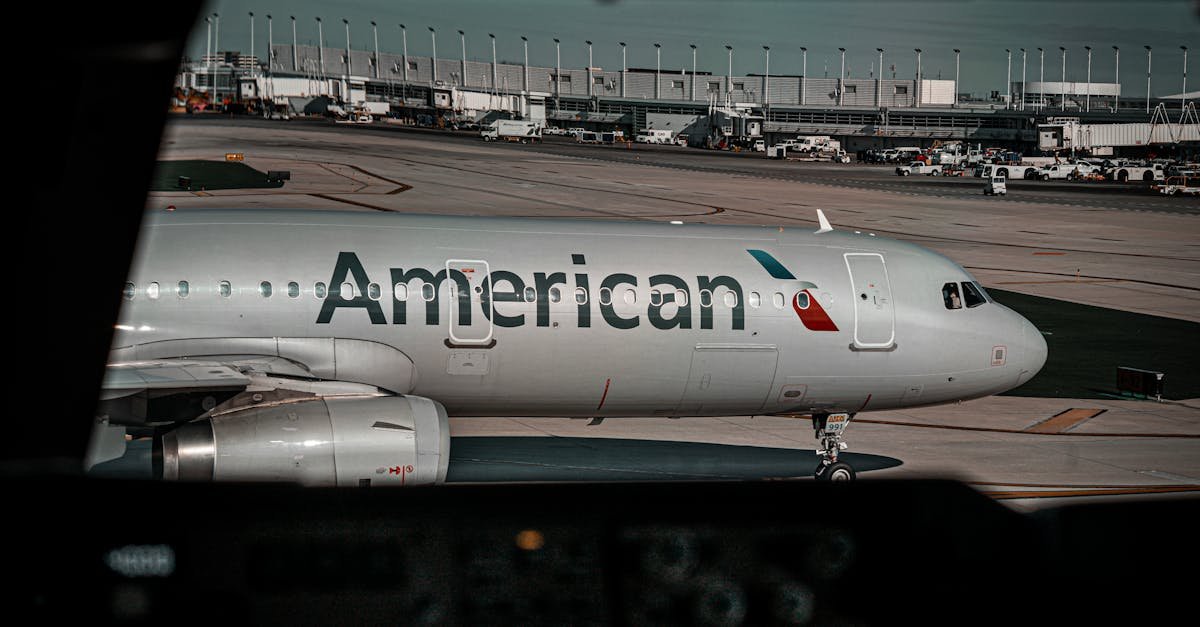
Travelers at Miami International Airport recently witnessed a scene that has become all too common in the era of viral videos and shrinking personal space. What started as a short, forty minute hop from Miami to Tampa turned into a legal and logistical headache for one woman who refused to follow the basic rules of modern flight. The incident, which led to her being escorted off an American Airlines aircraft by law enforcement, highlights a growing tension in the skies: the battle over personal digital space versus public courtesy.
While flight delays are usually caused by weather or mechanical issues, this particular delay was entirely human. The confrontation began before the plane even left the gate, centered on a piece of technology almost everyone carries but not everyone uses responsibly. As the story spread across social media, it sparked a massive debate about airplane etiquette and the right of airline crews to remove passengers who disrupt the peace of the cabin.
The Spark That Ignored the Quiet Cabin Policy
The trouble began when a female passenger decided to catch up on videos using her mobile device. While this is standard behavior for millions of travelers, she chose to play the audio through her phone speakers at a high volume. In the cramped quarters of an Airbus or Boeing jet, sound travels quickly. Neighbors in her row and several rows back were immediately subjected to the noise of her social media feed or movie.
Most travelers understand the unwritten rule of flying: if you want to listen to something, you wear headphones. American Airlines, like almost every major carrier in the world, actually has written policies regarding this. Their “Quiet Cabin” expectations require that all personal electronic devices be used with headsets or kept on silent. When other passengers politely asked the woman to turn down the volume or put on earbuds, she reportedly refused, claiming she did not have any and had every right to watch her content.
A Refusal to Comply With Flight Crew Instructions
When a passenger ignores the requests of their fellow travelers, the flight attendants must step in. This is not just about being a “hall monitor” for noise. It is about maintaining a controlled and safe environment. On this Miami to Tampa flight, the crew approached the woman multiple times. They explained the policy and asked her to silence the device so the safety briefings could continue without distraction.
The situation escalated when the passenger became combative. Instead of simply turning off the video, she began to argue with the crew members about her rights. In the eyes of the Federal Aviation Administration, once a flight attendant gives a lawful instruction regarding cabin safety or policy, a passenger is legally required to comply. Failing to do so moves the situation from a minor annoyance to a “refusal to follow crew instructions.” This is a serious classification that gives the pilot the authority to remove someone from the manifest.
The Moment the Pilot Made the Final Call
After several minutes of back and forth, the lead flight attendant informed the cockpit of the disruption. Safety is the primary concern of any captain. If a passenger is already showing signs of being “unruly” or “noncompliant” while the plane is still at the gate, there is a high risk that the behavior will worsen once the plane is at thirty thousand feet. At that altitude, a disruptive passenger becomes a security threat that cannot be easily managed.
The American Airlines pilot made the decision to return to the gate or hold the aircraft so that the passenger could be removed. At this point, the woman was told she would have to leave the plane. Despite her protests and her insistence that she had paid for her ticket, the airline was firm. When a passenger creates an environment that interferes with the duties of the crew, their contract of carriage is effectively terminated.
Cheering from the Cabin as Law Enforcement Arrived
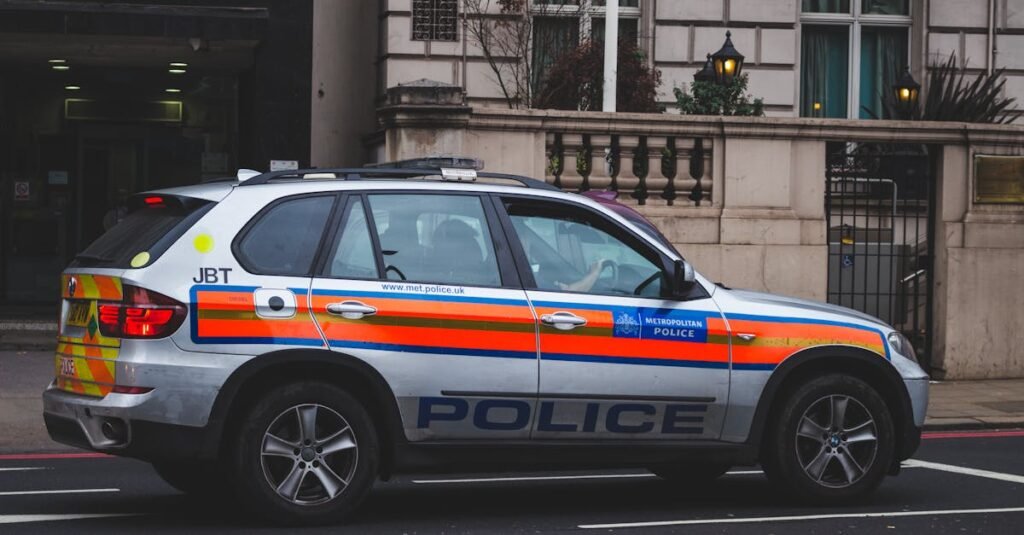
One of the most striking aspects of the videos captured by other passengers was the collective reaction of the cabin. Usually, when a flight is delayed, people are frustrated and angry at the airline. However, as Miami Dade Police officers walked down the aisle to escort the woman off, the plane erupted in applause and cheers.
This reaction speaks to a broader “traveler fatigue” regarding public behavior. Many people feel that flying has become increasingly stressful due to individuals who disregard the comfort of others. The cheering was a sign of relief that the disruption was over and that the flight could finally proceed to Tampa. For the woman being removed, it was a public moment of “justice served” that quickly trended across TikTok and X.
The Legal Consequences of a Short Video
Being kicked off a flight is more than just an embarrassing moment. It carries real world consequences that can last for years. When a passenger is removed for being unruly, they are often placed on an internal “no fly” list for that specific airline. This means the woman might never be allowed to board an American Airlines flight again.
Furthermore, the FAA has a zero tolerance policy for interference with flight crews. Depending on the severity of the confrontation and whether it was deemed a safety risk, the passenger could face civil penalties or fines reaching into the thousands of dollars. What started as a refusal to buy a five dollar pair of earbuds ended up costing significantly more in potential legal fees and the price of a new ticket on a different airline.
The Growing Trend of Main Character Energy in Travel
Social media experts have pointed to this incident as a prime example of “Main Character Syndrome.” This is a term used to describe people who act as if they are the only person who matters in a public space, ignoring how their actions impact the hundreds of people around them. In the context of a flight, this manifests as playing loud music, reclining seats aggressively during meal service, or blocking aisles.
The Miami incident serves as a warning that airlines are no longer willing to tolerate this behavior. In the past, a crew might have tried to “work around” a difficult passenger to stay on schedule. Today, with the rise in air rage incidents, the protocol is to remove the problem early. Airlines are prioritizing the collective experience of the group over the demands of a single disruptive individual.
Practical Tips for Avoiding In-Flight Conflict
The easiest way to avoid finding yourself in a viral video or a police escort is to follow basic travel etiquette. It is always a good idea to pack two sets of headphones: one wired and one wireless. Bluetooth headphones are convenient, but if the battery dies during a flight, you need a backup to ensure you can continue your entertainment without bothering your neighbor.
If you find yourself near a passenger who is being disruptive, the best course of action is to notify a flight attendant quietly rather than engaging in a shouting match. Professional crews are trained in de-escalation techniques. As seen in the Miami to Tampa case, the crew handled the situation by following their internal chain of command, which eventually resolved the issue without the situation turning into a physical fight between passengers.
A New Standard for Digital Courtesy in the Air
This event will likely be cited in future discussions about airline policy updates. There is a growing movement among frequent flyers to ban the use of speakers entirely on all forms of public transit. While most people have common sense, the small percentage of travelers who do not are forcing airlines to be more aggressive with their enforcement.
The woman who was removed from the flight to Tampa learned a very expensive and public lesson about the importance of being a considerate traveler. The sky is a shared resource, and the rules that govern it are designed to make the experience bearable for everyone. When those rules are ignored, the system is designed to protect the many from the few.
Looking Ahead to a More Respectful Flying Experience
As we move forward, it is likely that we will see more signs at gates and announcements during boarding specifically mentioning the use of headphones. This Miami incident has highlighted a specific loophole in passenger behavior that crews are now being trained to close immediately. The goal for every airline is to get passengers from point A to point B safely and quietly.
For those who plan to fly soon, the message is clear. Your right to watch a video ends where your neighbor’s right to a peaceful flight begins. By being mindful of our digital footprint, we can all contribute to a travel environment that is less about conflict and more about the journey itself. The cheers heard on that American Airlines flight were not just for the removal of one person, but for the return of order and respect in the sky.
Leave a Reply