As the sun rose over the Persian Gulf on Monday, March 2, 2026, the global community was hit with a barrage of conflicting reports regarding the status of American military assets in the region. Following a weekend of unprecedented escalation between the United States and Iran, multiple videos began circulating on social media showing military aircraft spiraling toward the desert floor in Kuwait.
Initial claims from Iranian state-linked media suggested a major victory for their air defense systems. However, as more information became available from official sources, a much more complex and tragic picture of modern warfare began to emerge. This article breaks down the facts surrounding the loss of US fighter jets and addresses the claims of who was responsible for the downing of these advanced warplanes.
The Iranian Claim of Responsibility
Shortly after the first reports of crashes emerged, the Iranian Revolutionary Guard Corps, through outlets like Press TV and IRNA, issued statements claiming that their forces had successfully intercepted and destroyed American planes.These reports were paired with dramatic footage showing at least one twin-engine jet engulfed in flames over the Al Jahra region of Kuwait.
According to these claims, the aircraft were hit by Iranian long-range surface-to-air missiles during a retaliatory wave of strikes dubbed Operation True Promise III. For several hours, these reports dominated the digital landscape, creating a narrative that Iranian military technology had overcome American air superiority in a direct engagement.
Official Clarification from US Central Command
By Monday afternoon, United States Central Command, or CENTCOM, released a formal statement to provide clarity on the situation. The military confirmed that while US fighter jets were indeed lost, the cause was not an Iranian missile strike.
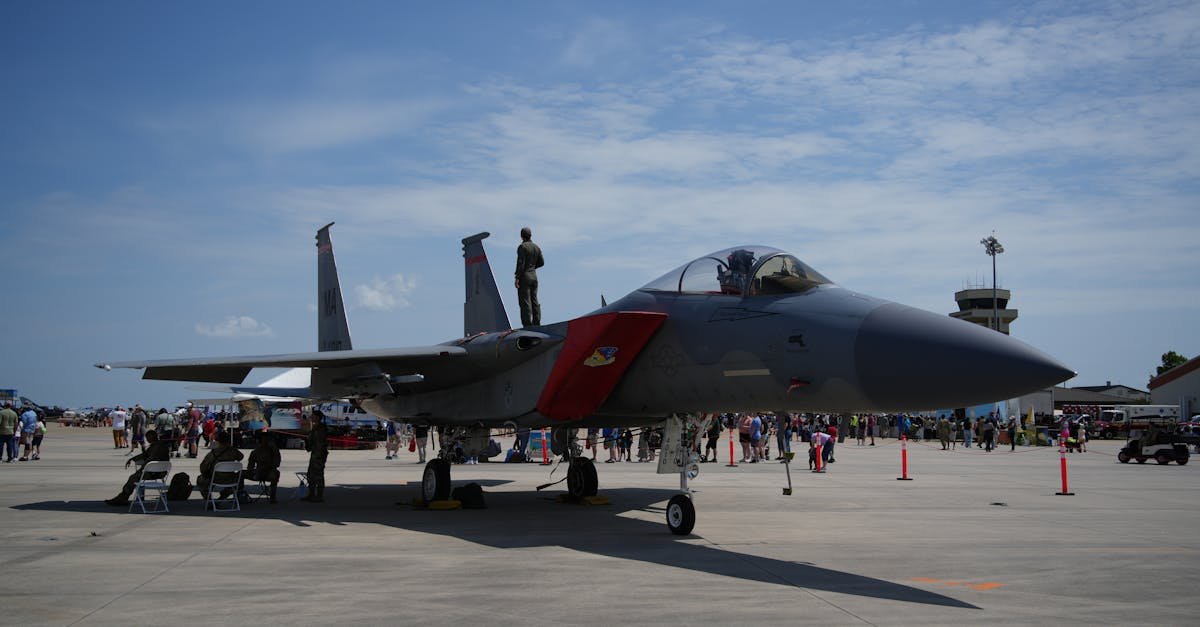
According to the official briefing, three US F-15E Strike Eagle aircraft went down over Kuwaiti territory. The military explicitly stated that these planes were mistakenly shot down by Kuwaiti air defenses in an apparent friendly fire incident. The crashes occurred during a window of intense active combat where the sky was filled with a mix of Iranian ballistic missiles, suicide drones, and allied interceptor aircraft.
The statement explained that the US fighter jets were misidentified by local defense batteries. In the high-pressure environment of defending against a massive drone swarm, the Kuwaiti units engaged the F-15Es, believing they were incoming hostile threats. This admission shifted the narrative from a story of enemy success to one of a devastating coordination failure between close allies.
The Condition of the Six Aircrew Members
One of the most critical aspects of the reporting involves the fate of the personnel on board. Each F-15E Strike Eagle is a two-seat aircraft, meaning six individuals were in the air when the missiles struck.
Video evidence verified by news agencies showed multiple parachutes descending over the Kuwaiti desert. CENTCOM and the Kuwaiti Ministry of Defense have since confirmed that all six aircrew members successfully ejected from their planes. Local residents in Al Jahra and Kuwaiti security forces were the first to reach the downed airmen.
The survivors were transported to a medical facility for evaluation. Reports indicate that while they are being treated for the physical toll of high-speed ejections, all six are in stable condition. The swift recovery of these airmen has been one of the few positive developments in a weekend defined by heavy losses and regional instability.
Technical Failures and the Fog of War
A central question in the investigation is how such a sophisticated network of allies could fail to recognize their own aircraft. The F-15E Strike Eagle is equipped with Identification Friend or Foe (IFF) systems designed to prevent exactly this type of accident.
Military analysts suggest that the environment over Kuwait on March 2 was one of the most electronically “noisy” in history. With hundreds of Iranian drones and missiles in the air, combined with intense electronic warfare and jamming from both sides, it is possible that the IFF signals were either blocked or simply lost in the clutter of the radar screens.
The Kuwaiti Ministry of Defense has acknowledged the incident and is reportedly working in close coordination with US technical teams to download data from the air defense batteries. The goal is to determine if the error was purely technical, or if human operators bypassed safety protocols to engage what they perceived as a rapidly approaching threat to Kuwaiti infrastructure.
Impact on Local Infrastructure and the Public
The physical debris from the three US fighter jets did not just land in empty desert. One significant piece of wreckage fell near the Mina Al-Ahmadi refinery, which is a cornerstone of the Kuwaiti economy.
While the refinery itself did not suffer a major fire or shutdown, the falling metal caused minor injuries to two workers on the site. In Kuwait City, a separate but simultaneous scare occurred near the US Embassy compound, where smoke was seen rising during the morning hours. While the embassy incident prompted a shelter-in-place order for American citizens, it highlighted the general state of chaos as the conflict between the United States and Iran spilled over into neighboring host nations.
The Reality of Operation Epic Fury
The presence of these US fighter jets in the area was part of a larger campaign known as Operation Epic Fury. This operation was launched by the United States and Israel on February 28, following the failure of nuclear negotiations and a perceived imminent threat from the Iranian regime.
The campaign has involved massive strikes against Iranian military infrastructure, including missile production sites and command centers. In response, Iran has targeted countries that host US bases, such as Kuwait, Qatar, and the United Arab Emirates. This cycle of strike and counter-strike created the volatile conditions that led to the accidental downing of the three American planes.
Moving Toward a Verified Narrative
The investigation into the loss of the US fighter jets is ongoing, but the primary facts are now well-established by both US and Kuwaiti authorities. The claim that Iran shot down these specific planes appears to be a misattribution of the chaos on the ground. While Iran was indeed launching missiles into the area, the specific projectiles that hit the F-15Es came from allied defense systems.
Kuwait has expressed regret over the incident and has reaffirmed its commitment to the defense partnership with the United States. Military leaders from both nations are now tasked with ensuring that the air defense protocols are updated to prevent a repeat of this friendly fire tragedy as the regional conflict continues to evolve.
Leave a Reply