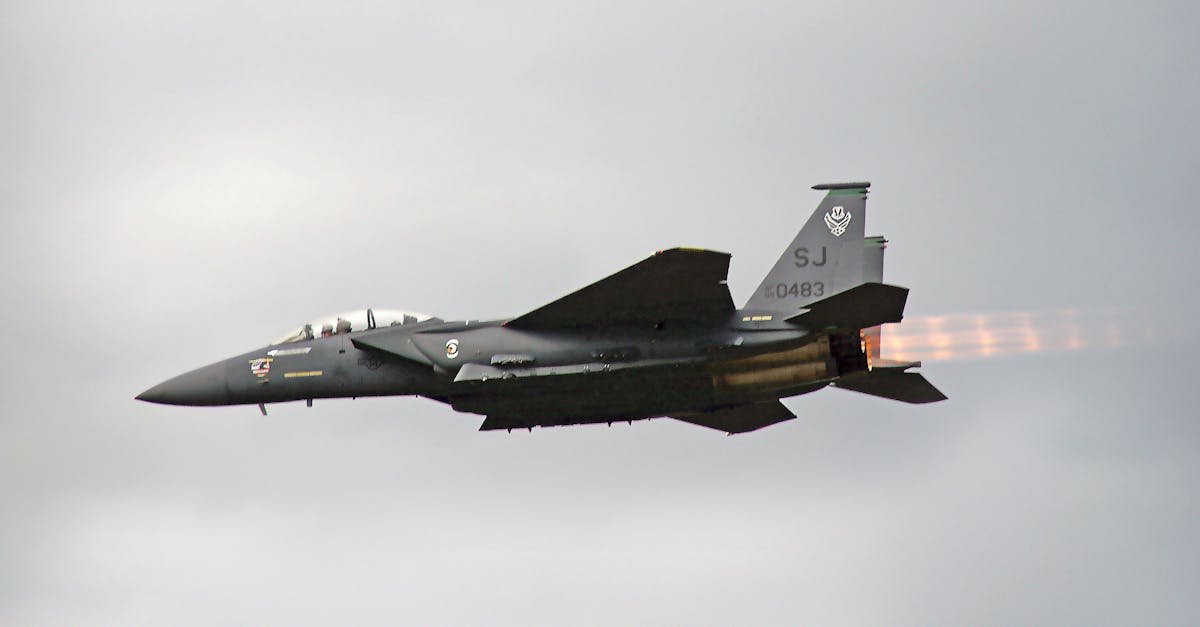
The skies over the Persian Gulf turned into a chaotic corridor of fire and steel on March 2, 2026. As the long-simmering tensions between the United States and Iran boiled over into a full-scale regional conflict, a tragic and confusing incident unfolded in the airspace above Kuwait. While the world watched news of missile barrages and drone swarms, reports began to surface of American warplanes falling from the sky.
For those following the live updates, the central question remains: how many planes were lost, and how did this happen? This article looks into the specifics of the triple crash that shook the coalition forces and the technical failures that led to a significant friendly fire event.
The Confirmed Number of US Fighter Aircraft Crashed
United States Central Command, often referred to as CENTCOM, released an official statement to clear up the early confusion surrounding the event. According to the military briefing, a total of three US F-15E Strike Eagle fighter jets crashed in Kuwait.
Initially, social media was flooded with fragmented video clips showing a single jet spiraling toward the desert floor in a flat spin with its engines engulfed in flames. However, as the morning progressed, it became clear that this was not an isolated mechanical failure or a lucky shot from an enemy. Instead, three separate multi-million dollar airframes were lost within a very short window of time.
The aircraft involved were F-15E Strike Eagles, which are dual-role fighters designed for both air-to-air combat and deep-strike missions. These planes were operating as part of Operation Epic Fury, a massive military campaign launched by the United States and its allies in response to escalating threats from the Iranian government.
What Caused the Triple Crash in Kuwait?
In the immediate aftermath of the crashes, Iranian state media was quick to claim that their forces had successfully intercepted and shot down the American planes. These claims were widely circulated on Telegram and other platforms. However, the reality of the situation was far more complicated and, for the coalition, much more frustrating.
US Air Force F-15E Strike Eagle Crashes in Kuwait: Pilot, WSO Status and What We Know The US military confirmed that the three F-15E jets were mistakenly shot down by Kuwaiti air defenses. This was a classic and devastating case of friendly fire. During the time of the incident, Kuwaiti forces were in a state of maximum alert, frantically trying to intercept a massive wave of Iranian suicide drones and ballistic missiles targeting local infrastructure.
In the heat of the battle, the Kuwaiti air defense batteries, likely using Patriot missile systems or similar high-altitude interceptors, misidentified the American fighters as incoming hostile threats. Despite the advanced communication links that usually exist between allied nations, the sheer volume of targets in the sky created a “fog of war” that proved fatal for the three Strike Eagles.
The Fate of the Aircrew Members
One piece of good news emerged from the wreckage: there were no fatalities among the US service members involved in the crashes. Each F-15E Strike Eagle carries a crew of two, consisting of a pilot and a Weapons Systems Officer.With three planes going down, a total of six airmen were forced to eject.
Viral videos captured the moments of their escape, showing parachutes drifting over the Al Jahra region and other parts of Kuwait. Local residents and Kuwaiti security forces were the first to reach the downed airmen. Reports indicate that the pilots and officers were recovered quickly and transported to a nearby medical facility.
While some of the crew members suffered minor injuries typical of high-speed ejections, such as bruising or strained muscles, all six were listed in stable condition. CENTCOM expressed gratitude toward the Kuwaiti citizens and military personnel who assisted in the search and rescue operations, highlighting that the partnership between the two nations remained intact despite the tragic error.
Impact on the Ground and Local Infrastructure
The crashes did more than just deplete the US air inventory; they also brought the war home to the civilian and industrial sectors of Kuwait. One of the aircraft reportedly went down near the Al Jahra area, while debris from another fell dangerously close to the Mina Al-Ahmadi refinery.
The refinery is a vital piece of Kuwait’s petroleum infrastructure, and the falling wreckage caused a significant scare.Emergency teams from the Kuwait Integrated Petroleum Industries Company were deployed to manage the situation.While the refinery did not suffer a catastrophic fire, two workers were treated for minor injuries caused by the falling metal fragments.
Additionally, the chaos in the sky coincided with a security alert at the US Embassy in Kuwait City. Black smoke was seen rising near the diplomatic compound, and personnel were ordered to shelter in place. Although it was initially unclear if the smoke was related to the jet crashes or a separate drone strike, the combined events created a sense of siege within the capital.
Why Did the Identification Systems Fail?
A major point of investigation for both US and Kuwaiti authorities is why the Identification Friend or Foe (IFF) systems did not prevent this tragedy. IFF is a sophisticated electronic pulse system designed to tell a radar operator whether a target is a “friend” or a “foe.”
There are several theories being looked at by technical teams:
- System Overload: The sheer number of Iranian drones and missiles may have overwhelmed the radar processors, causing them to lag or miscategorize fast-moving objects.
- Electronic Warfare: Iran has made significant strides in jamming and electronic deception. It is possible that signal interference made it difficult for the Kuwaiti batteries to receive the “friendly” transponder signals from the F-15Es.
- Human Error: Under the intense pressure of a multi-front missile attack, operators may have bypassed certain verification steps to engage what they believed were high-threat targets before they could reach Kuwaiti cities.
The Broader Context of Operation Epic Fury
To understand why these planes were in the air, one must look at the larger conflict known as Operation Epic Fury. This operation was triggered after a series of high-stakes military strikes that led to the death of several top Iranian leaders. In response, Iran launched a scorched-earth retaliatory campaign against US bases and allied nations across the Gulf, including the UAE, Qatar, and Bahrain.
Kuwait, which hosts thousands of American troops and serves as a major logistical hub, found itself on the front lines. The three F-15Es were likely flying defensive patrols or returning from strike missions when they were engaged by the very people they were there to protect.
Moving Forward After the Incident
While the loss of three advanced fighter jets is a significant blow to the US Air Force’s regional strength, the primary focus for leadership is ensuring it does not happen again. Joint technical teams are currently working to synchronize the air defense networks of the Gulf Cooperation Council (GCC) countries with US military assets.
The goal is to create a seamless “sky shield” where a Kuwaiti or Saudi missile battery can instantly recognize a US or British jet, even in the middle of a massive drone swarm. Until these technical gaps are closed, the risk of accidental strikes remains a haunting reality of modern, high-speed warfare.
The survival of all six crew members is being hailed as a testament to the reliability of modern ejection systems and the quick thinking of the pilots. As the conflict with Iran continues to evolve, the lessons learned from the “friendly fire” in Kuwait will likely change how coalition air power is managed in contested environments.
Leave a Reply