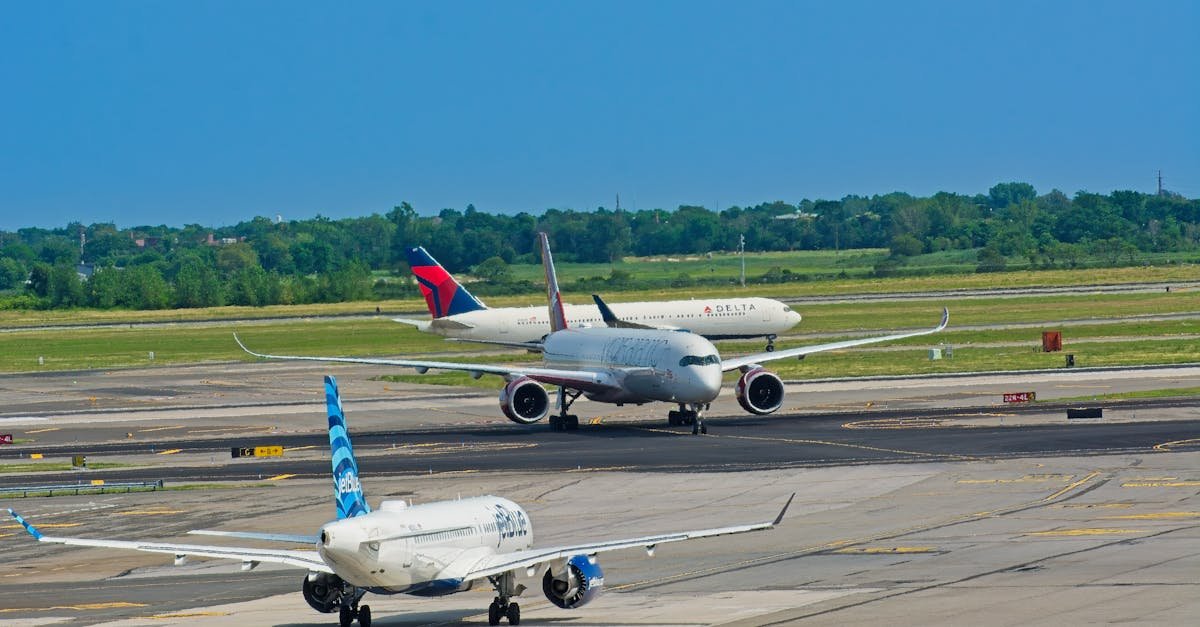
The landscape of American aviation is shifting as Delta Air Lines makes a definitive move toward its future. In a recent announcement that has caught the attention of industry experts and frequent flyers alike, the Atlanta based carrier confirmed an order for 34 additional Airbus A321neo aircraft. This is not just another purchase to replace aging planes; it is a historic milestone. With this latest commitment, the A321neo is officially on track to become the most numerous aircraft type in the history of Delta, eventually surpassing the legendary numbers once held by the Boeing 727.
This decision reflects a broader strategy that Delta has been unfolding throughout the early months of 2026. It marks the third major aircraft deal the company has signed this year, following significant orders for widebody jets like the Boeing 787 Dreamliner and additional Airbus A350s. By centering its domestic operations around the A321neo, Delta is signaling a shift toward a fleet that is younger, more fuel efficient, and heavily focused on a premium passenger experience.
Why the A321neo is the New Backbone of the Skies
For decades, the “workhorse” of the sky was often defined by its reliability and its ability to fit into almost any airport gate. While those traits still matter, the modern era demands more. The A321neo which stands for “New Engine Option” offers a blend of capacity and economics that older jets simply cannot match.
Delta first introduced this model to its lineup in 2022. Since then, the aircraft has quickly proven its worth on high demand routes across the United States. One of the main reasons Delta is leaning so heavily into this specific model is its efficiency. These planes are roughly 20 to 30 percent more fuel efficient than the older narrowbody jets they are replacing. In an industry where fuel is one of the largest and most volatile expenses, a 30 percent improvement is a massive win for the bottom line.
A New Standard for the Domestic Cabin
Passengers often care less about engine efficiency and more about what happens once they step through the boarding door. This is where the A321neo really shines for the average traveler. Delta has used this aircraft to debut a new generation of domestic First Class seats that offer significantly more privacy and storage than previous designs.
The standard layout for these jets includes 194 seats, but the distribution is what tells the story of Delta’s “premium” focus. The cabin features:
- 20 First Class seats with larger privacy wings and improved workspace.
- 42 Delta Comfort+ seats offering extra legroom for those who want a middle ground.
- 132 Main Cabin seats equipped with memory foam cushions.
Every passenger, regardless of where they sit, gets access to a high definition seatback screen and power outlets. Furthermore, the A321neo is a primary vehicle for the rollout of fast, free Wi-Fi through Delta Sync. The goal is to make a five hour flight from New York to Los Angeles feel as connected and comfortable as sitting in a high end coffee shop or a home office.
Breaking the Boeing 727 Record
To understand the scale of this 34 aircraft order, one has to look at the history books. For a long time, the Boeing 727 was the undisputed king of the Delta fleet in terms of sheer numbers. At its peak, the tri-jet was the face of the airline.
However, this latest order brings Delta’s total commitment for the A321neo to 189 aircraft. When you combine these with the existing fleet of “Current Engine Option” A321s (the A321ceo), the A321 family becomes a massive force within the company. This transition represents a changing of the guard, moving away from the loud, thirsty engines of the past toward the whisper quiet, ultra efficient geared turbofans of today.
The Role of Pratt & Whitney and Delta TechOps
A significant part of this deal involves the engines. These 34 new planes will be powered by Pratt & Whitney GTF engines. While the aviation world has seen some supply chain hurdles regarding engine maintenance in recent years, Delta has a unique advantage.
Through its massive maintenance division, Delta TechOps, the airline has the capability to service these advanced engines in house. This reduces the time a plane spends on the ground for repairs and ensures that the airline isn’t entirely dependent on third party shops. It is a vertical integration strategy that allows Delta to grow its fleet with confidence, knowing they have the technicians and the facilities in Atlanta to keep the “neo” fleet running smoothly.
Sustainability and the Path to 2050
The timing of this order also aligns with Delta’s public goals for sustainability. The airline has committed to reaching net zero carbon emissions by 2050. While experimental technologies like hydrogen or electric planes are still years away from carrying 190 people across the country, fleet renewal is the most effective tool available right now.
By replacing older, less efficient Boeing 757s and older Airbus models with the A321neo, Delta is immediately lowering its carbon footprint per passenger. The aerodynamics of the “Sharklets” on the wingtips and the advanced materials in the fuselage allow the plane to fly further on less fuel. This isn’t just good for the environment; it’s a business necessity as carbon regulations become stricter across the globe.
Strategic Growth in a Competitive Market
The decision to exercise these options for 34 more jets suggests that Delta sees strong demand continuing through the end of the decade. These specific aircraft are scheduled to begin arriving in 2029. By locking in these delivery slots now, Delta is protecting itself against future price hikes and ensuring it has the capacity to grow its network.
We are seeing a trend where major airlines are “upgauging” using larger narrowbody planes like the A321neo instead of smaller jets. This allows them to carry more passengers into congested airports like New York-JFK or Boston Logan without needing more takeoff and landing slots. It is a game of efficiency that maximizes the value of every flight.
Looking Toward the End of the Decade
As these 34 aircraft begin to enter service in 2029, the domestic flying experience will likely look very different than it did just a few years ago. The days of old, noisy cabins with overhead “flip down” monitors are quickly fading into memory.
Delta is betting that by offering a consistent, high tech, and premium product across its entire domestic network, it can maintain its lead in the “Big Three” US carriers. The A321neo is the vessel for that bet. With more than 180 of these jets eventually flying the Delta colors, it is clear that the “neo” is much more than just a new plane, it is the foundation of the airline’s next era.
Leave a Reply