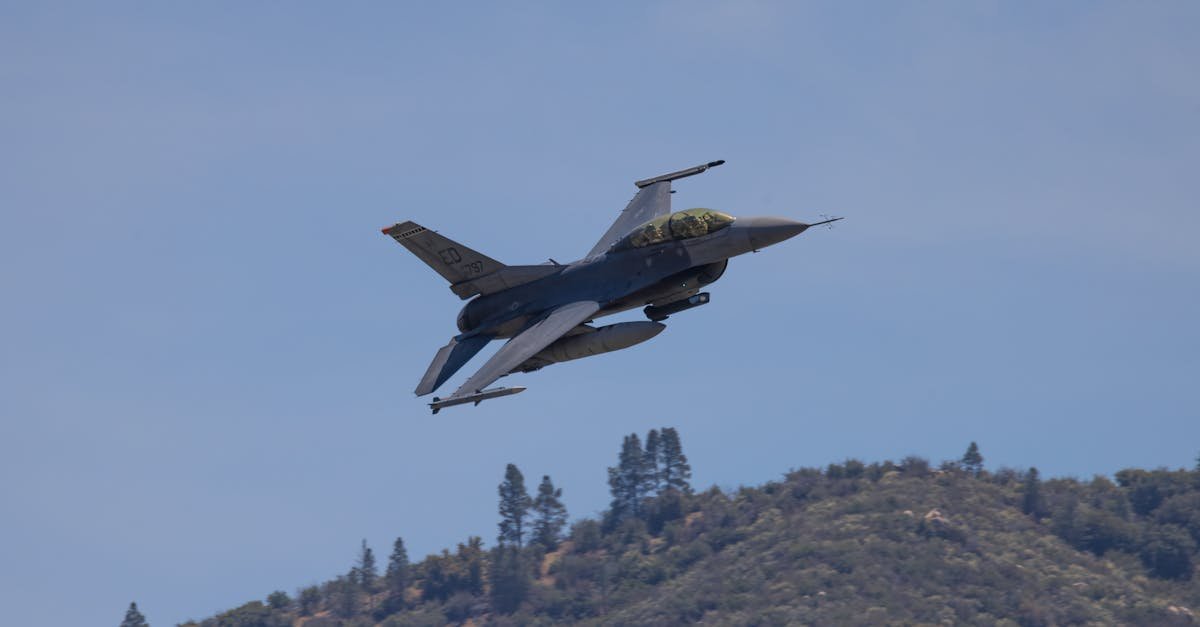
The quiet night in the western province of Balikesir was shattered in the early hours of Wednesday, February 25, 2026,when a Turkish Air Force F-16 fighter jet went down shortly after takeoff. This tragic event has not only resulted in the loss of a highly skilled pilot but has also raised urgent questions about the circumstances leading up to the crash. As the nation mourns, military officials and aviation experts are working around the clock to piece together the final moments of the flight.
Detailed Timeline of the Incident
The sequence of events began at the 9th Main Jet Base Command, a vital military installation located in Balikesir.According to official reports from the Ministry of National Defense, the F-16 Fighting Falcon was scheduled for a routine mission flight, a category that typically includes training exercises or regular patrol duties.
The aircraft took off at approximately 12:50 AM local time. For the first few minutes, the ascent appeared normal as the jet moved into the night sky. However, the situation changed rapidly. At 12:56 AM, just six minutes after leaving the runway, both radio and radar contact were lost. The sudden disappearance of the aircraft from tracking screens triggered an immediate emergency response at the base.
Search and rescue teams were dispatched within minutes to the last known coordinates of the jet. Given the proximity of the base to civilian infrastructure, the search focused on the rural outskirts of the Karesi district. By the time the sun began to rise, the wreckage had been located in a field near the Naipli area.
Casualty Information and the Fallen Pilot
The most heartbreaking aspect of this incident is the confirmed death of the pilot. The Ministry of National Defense identified the officer as Air Force Major Ibrahim Bolat. In a statement that resonated across the country, Major Bolat was honored as a martyr, a term used in Turkey to recognize service members who lose their lives while performing their duties for the nation.
Major Bolat was an experienced aviator, and his loss is a significant blow to the Turkish Air Force. He was the sole occupant of the single seat fighter jet. There were no reports of civilian injuries or casualties on the ground, despite the crash occurring relatively close to residential areas and a major transportation artery. The body of the pilot was recovered from the site and transported to the Forensic Medicine Institution for formal procedures before he is laid to rest with full military honors.
Impact on Local Infrastructure and Traffic After the F-16 Crash
The location of the crash created immediate logistical challenges for the region. The debris field was found very close to the Istanbul to Izmir highway, which is one of the busiest and most critical roads in western Turkey. To ensure the safety of the public and to protect the integrity of the investigation site, authorities took the rare step of closing sections of the highway in both directions.
Drivers who were on the road at the time reported seeing a massive flash of light followed by the sound of an explosion. Police and emergency services worked quickly to redirect traffic to secondary roads, but the closure caused significant delays throughout Wednesday morning. By securing the perimeter, investigators were able to document the position of every piece of wreckage, which is a vital step in understanding how the aircraft hit the ground.
Official Investigation and Legal Procedures
The response from the Turkish government has been swift and thorough after the F-16 crash. The Balikesir Chief Public Prosecutor’s Office has officially launched a judicial investigation into the crash. Justice Minister Akin Gurlek announced that a team of four prosecutors, including a chief and a deputy, was sent directly to the Naipli area to oversee the collection of evidence.
Simultaneously, the Ministry of National Defense has formed a specialized accident investigation commission. This team consists of aviation experts, engineers, and senior military officers who will examine the technical side of the disaster. Their goal is to look at the aircraft’s maintenance history, the flight data, and any environmental factors that might have played a role.
Technical Examination and Maintenance Logs
One of the first tasks for the commission will be to review the maintenance records of this specific F-16. While the Fighting Falcon is known for its reliability, investigators must determine if there was a sudden mechanical failure in the engine or the flight control systems. They will also look for evidence of any previous technical issues that might have been overlooked.
Environmental and External Factors
Since the crash happened in the middle of the night, visibility and weather conditions are under scrutiny. Although initial reports suggest there were no major storms in the area, factors like wind shear or bird strikes can never be ruled out, especially during the critical takeoff phase. The “black box” or flight data recorder, if recovered in a readable state,will provide the definitive answers regarding the jet’s altitude, speed, and any alarms that may have sounded in the cockpit.
Context of the Turkish F-16 Fleet
This accident comes at a pivotal time for the Turkish Air Force. The F-16 has been the backbone of Turkey’s aerial defense for decades, with the country operating one of the largest fleets of this aircraft type in the world. However, as these airframes age, the need for modernization has become a top priority for the government.
Turkey is currently in the process of a massive upgrade program, having recently secured a deal with the United States for new F-16V Viper jets and modernization kits for its existing aircraft. Incidents like the one in Balikesir highlight the intense pressure placed on both the machines and the pilots who fly them. Maintaining such a high state of readiness requires constant vigilance and significant investment in safety protocols.
National Reaction and Support
The news of Major Ibrahim Bolat’s death has led to a wave of condolences from across the political spectrum. President Recep Tayyip Erdogan and Defense Minister Yasar Guler have both expressed their deep sadness and offered support to the pilot’s grieving family. Local officials in Balikesir, led by Governor Ismail Ustaoglu, have also been active in supporting the recovery efforts and communicating with the public.
For the people of Balikesir, the sound of jets taking off is a part of daily life. The community has always shared a close bond with the personnel at the 9th Main Jet Base. This tragedy has brought that connection to the forefront, as many residents have expressed their gratitude for the service of pilots like Major Bolat who protect the nation’s skies day and night.
Next Steps in the Recovery Process
Over the coming days, the focus will shift from the immediate aftermath to the slow and meticulous process of clearing the crash site. Every piece of the aircraft must be collected and moved to a secure hangar for further analysis. Once the highway is fully cleared of any potential hazards, regular traffic flow is expected to return to normal, though the area will likely remain a restricted zone for some time.
The final report from the investigation commission is expected to take several months to complete. This report will be crucial not only for providing closure to the pilot’s family but also for implementing any necessary safety changes across the rest of the fleet to prevent such a tragedy from happening again.
The loss of an F-16 is a significant military event, but the loss of a life is a national tragedy. As Turkey waits for the final answers, the memory of Major Ibrahim Bolat stands as a reminder of the courage required to serve in the armed forces.
Leave a Reply