Tag: United Airlines

  • United Airlines Maintenance Under Fire as FAA Relies on ‘Virtual’ Checks to Cover Vacancies

    United Airlines Maintenance Under Fire as FAA Relies on ‘Virtual’ Checks to Cover Vacancies

    The safety of modern air travel depends on a rigorous system of checks and balances where federal regulators serve as the ultimate line of defense. However, a startling new federal audit has revealed that the shield protecting millions of passengers may be thinning. United Airlines, one of the largest carriers in the world, is currently at the center of a controversy involving the Federal Aviation Administration and its ability to provide adequate maintenance oversight.

    The Department of Transportation Office of Inspector General recently released a report detailing significant systemic failures within the FAA office responsible for United Airlines. The findings suggest that a combination of severe staffing shortages and a controversial reliance on virtual inspections has created a safety oversight gap that could have long term implications for the aviation industry.

    The Surge of Maintenance Concerns at United Airlines
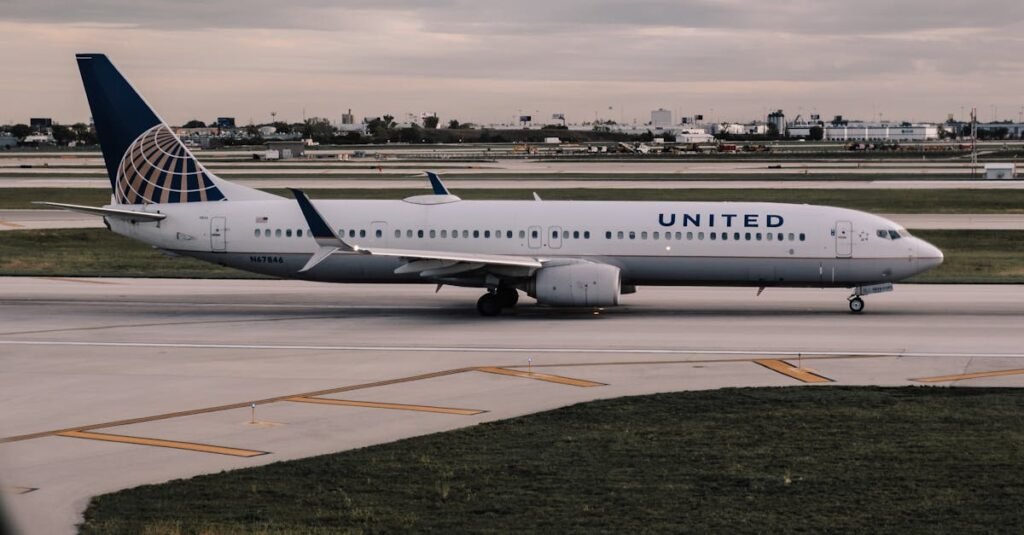
    United Airlines aircraft taxiing on runway at an overcast airport.

    This federal probe did not emerge in a vacuum. It follows a string of high profile maintenance incidents that occurred throughout 2024 and 2025. Passengers and industry analysts alike were rattled by a series of events including an external panel falling off a Boeing 737 mid flight, a tire detaching from a jet during takeoff, and a plane rolling off a runway in Houston.

    While these incidents resulted in no major injuries, they prompted the FAA to initiate a period of enhanced oversight for United Airlines. The goal was to ensure the carrier was adhering to strict safety protocols. However, the new audit by the Inspector General suggests that the FAA itself was struggling to keep up with the very oversight it promised to provide. The report argues that the agency lacks the resources to effectively monitor the technical complexities of United’s massive and growing fleet.

    A Critical Shortage of Federal Inspectors

    The core of the problem lies in the FAA Certificate Management Office dedicated to United Airlines. According to the audit, this office has been plagued by a vacancy rate as high as 33 percent. This means that one out of every three authorized inspector positions has remained unfilled.

    This personnel shortage has had a domino effect on the quality of oversight. Existing inspectors are reportedly overwhelmed by massive workloads, leading to high turnover and a steady loss of institutional knowledge. When experienced inspectors leave the agency, they take with them years of specialized understanding of United’s specific maintenance culture and history. The report notes that the FAA has failed to implement effective workforce planning to address these retirements and departures, leaving the remaining staff ill equipped to fulfill their surveillance responsibilities.

    The Rise of the Virtual Inspection

    Perhaps the most controversial finding in the report is the revelation that the FAA has been frequently conducting maintenance checks virtually. When the agency lacked the staff or the travel budget to send an inspector to a maintenance facility in person, managers reportedly instructed inspectors to perform reviews via video calls or by reviewing photographs.

    FAA internal policies generally require that if an inspection cannot be performed on site, it should be postponed.Instead, the audit found that roughly 40 percent of inspections intended to be on site were conducted virtually in 2024.The Inspector General warned that this practice is fundamentally flawed. In nearly half of the virtual reports reviewed by investigators, at least 50 percent of the required safety questions were marked as not observable.

    A virtual camera cannot replace the tactile and 360 degree perspective of a physical inspector. Remote checks can easily miss subtle signs of corrosion, hairline fractures, or improper tool markings that would be obvious to a person standing in the hangar. By opting for “surveillance continuity” over physical presence, the FAA may have inadvertently weakened the very safety net it is meant to uphold.

    Disproportionate Oversight for the Boeing 737 Fleet

    The audit highlighted a particularly concerning disparity in how the FAA manages different aircraft programs. United Airlines operates more than 520 Boeing 737 aircraft, which constitutes over half of its total fleet. Despite the size and complexity of this sub fleet, the FAA has had only four inspectors specifically assigned to oversee it.

    To compensate for this extreme imbalance, the agency has been forced to pull inspectors from other aircraft programs to help fill the gaps. While this cross training technically meets minimum regulatory requirements, the Inspector General concluded that it is not sufficient to perform the depth of surveillance required for such a massive number of planes.This “thinning of the ranks” means that specialized problems unique to the 737 might not receive the dedicated attention they deserve.

    Barriers to Accessing Vital Safety Data

    Effective oversight is not just about physical inspections; it is also about data. Modern airlines use a Safety Management System to track risks and maintenance trends. However, the audit found that FAA inspectors often face significant hurdles when trying to access United’s internal safety data.

    Inspectors reported that they were often denied remote access to these digital records. Instead, they were frequently limited to viewing “snippets” of data during virtual meetings where they were forbidden from taking screenshots or photos. Furthermore, the report noted that many federal inspectors had not been adequately trained on how to navigate or demand access to these systems. Without a transparent view of an airline’s internal safety trends, regulators are essentially flying blind, unable to identify the root causes of recurring maintenance issues.

    The Response from United Airlines and the FAA
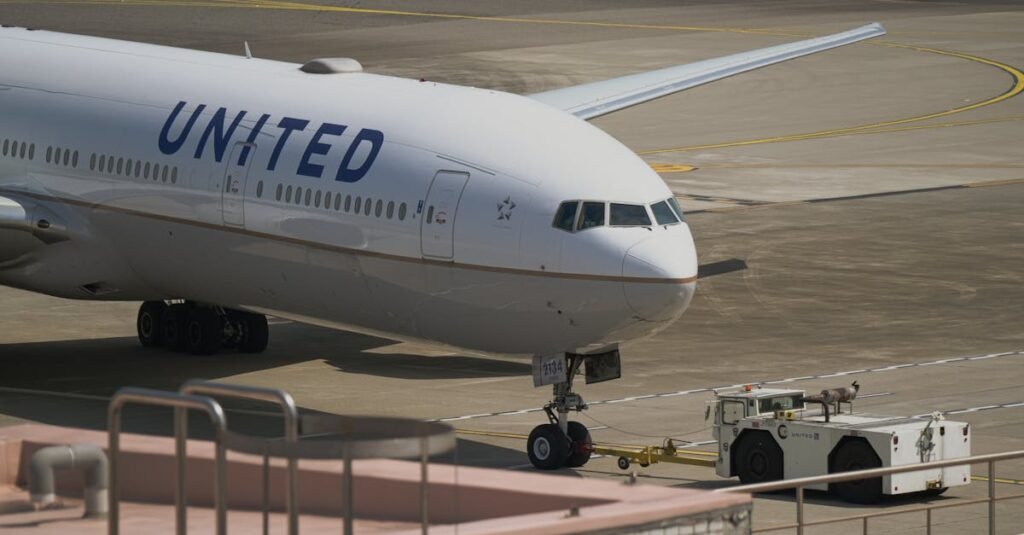
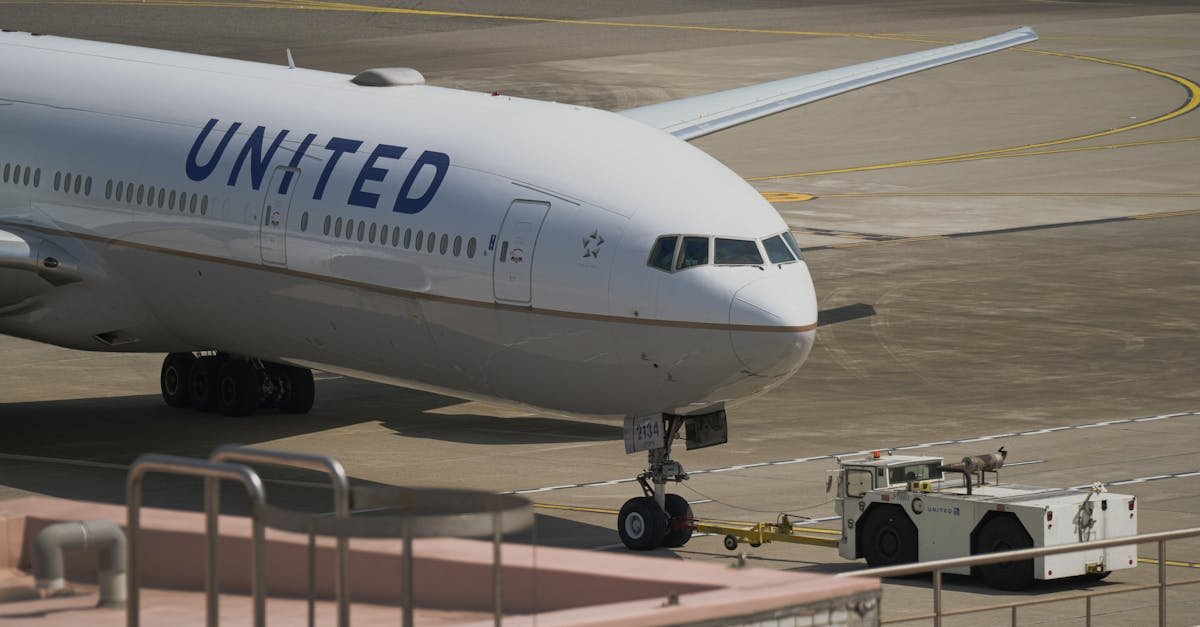
    United Airlines aircraft being towed on the runway at Taoyuan City Airport, Taiwan.

    In the wake of the report, both United Airlines and the FAA have moved to address the concerns. United Airlines issued a statement emphasizing that it has long advocated for the FAA to receive more resources. The carrier maintained that it works closely with regulators every day and operates its own robust internal safety protocols that exceed federal minimums.

    For its part, the FAA has agreed with five of the six recommendations made by the Inspector General. The agency has pledged to implement a more systemic approach to workforce planning and to improve the training of its inspectors.However, the FAA only partially concurred with the recommendation to create a stricter policy for postponing virtual inspections, arguing that current guidance is sufficient but acknowledging that better communication from management is needed.

    The Path Forward for Aviation Safety

    The findings of this audit serve as a wake up call for the aviation industry and federal lawmakers. As airlines continue to expand their fleets and adopt more complex technologies, the regulatory bodies charged with overseeing them must be given the resources to keep pace.

    Ensuring the safety of the flying public requires more than just high tech sensors and digital logs; it requires a physical presence in the hangars and a well staffed core of experienced professionals. The shift toward virtual oversight may offer a convenient temporary fix for staffing shortages, but as the Inspector General has made clear, there is no substitute for the eyes and ears of a federal inspector on the ground.

  • United Airlines in 2026: What Flyers Really Need to Know Before Booking

    United Airlines in 2026: What Flyers Really Need to Know Before Booking

    In 2026, United Airlines is no longer just a carrier; it is a tech-driven hospitality company that happens to own a massive fleet of airplanes. As we move further into the year, the “United Next” strategy is hitting its stride, fundamentally changing how you book, board, and experience a flight.

    Whether you are a casual vacationer or a “Global Services” road warrior, here is the definitive guide to flying United Airlines in 2026.

    1. The “United Elevated” Experience: Luxury Reimagined

    The biggest headline for 2026 is the rollout of the United Elevated interior. This isn’t just a new coat of paint; it is a complete structural redesign of the cabin, specifically targeting the Boeing 787-9 Dreamliner fleet.

    The Polaris Studio Suite

    For the first time, United is offering a “Business Class Plus” product known as the Polaris Studio. Positioned in the first row of the business class cabin, these suites offer 25% more space than standard Polaris seats.+1

    • Privacy Doors: Each suite features a sliding door for total seclusion.
    • Social Seating: An extra ottoman allows a companion to sit with you during the flight.
    • Exclusive Dining: Studio passengers receive an Ossetra caviar service and specialized entrée options.

    High-Tech Cabins for All

    Even if you aren’t in the front of the plane, the technology upgrades are pervasive. United is aggressive about its goal to have seatback screens on every mainline aircraft. In 2026, you can expect:

    • 4K OLED Screens: Up to 13 inches in Economy and a massive 27 inches in Polaris Studio.
    • Bluetooth Connectivity: No more tangled cords; you can sync your AirPods or Bose headphones directly to the seatback.
    • Wireless Charging: Available at every seat in the premium cabins and at select locations in Economy.

    2. The Starlink Revolution: Free Wi-Fi for Everyone

    A stunning view of the star-filled night sky with silhouetted mountains beneath, offering a serene and captivating scene.

    The days of paying $18 for “spotty” Wi-Fi are largely over. United has partnered with SpaceX’s Starlink to provide gate-to-gate, high-speed internet.

    In 2026, a significant portion of the mainline fleet is already equipped with Starlink. The best part? It is free for MileagePlus members. The speed is sufficient for streaming Netflix, joining a Zoom call, or gaming—marking a significant competitive edge over carriers still relying on legacy satellite providers.+1

    3. MileagePlus in 2026: Stability and New Perks

    If you were worried about “devaluation,” 2026 brings some welcome stability. United Airlines has kept its Premier status requirements identical to the previous year, allowing flyers to plan their status runs with confidence.

    2026 Status Requirements

    TierPQF (Flights) + PQP (Points)PQP Only Option
    Silver15 PQF + 5,000 PQP6,000 PQP
    Gold30 PQF + 10,000 PQP12,000 PQP
    Platinum45 PQF + 15,000 PQP18,000 PQP
    1K60 PQF + 22,000 PQP28,000 PQP

    Upgrades on Award Tickets

    One of the most praised changes in 2026 is that all Premier members are now eligible for Complimentary Premier Upgrades (CPUs) even when traveling on award tickets (flights booked with miles). Previously, this was a perk reserved for cardholders or high-tier elites; now, it is a standard benefit across the board.

    4. Navigating the Airport: Touchless and Efficient

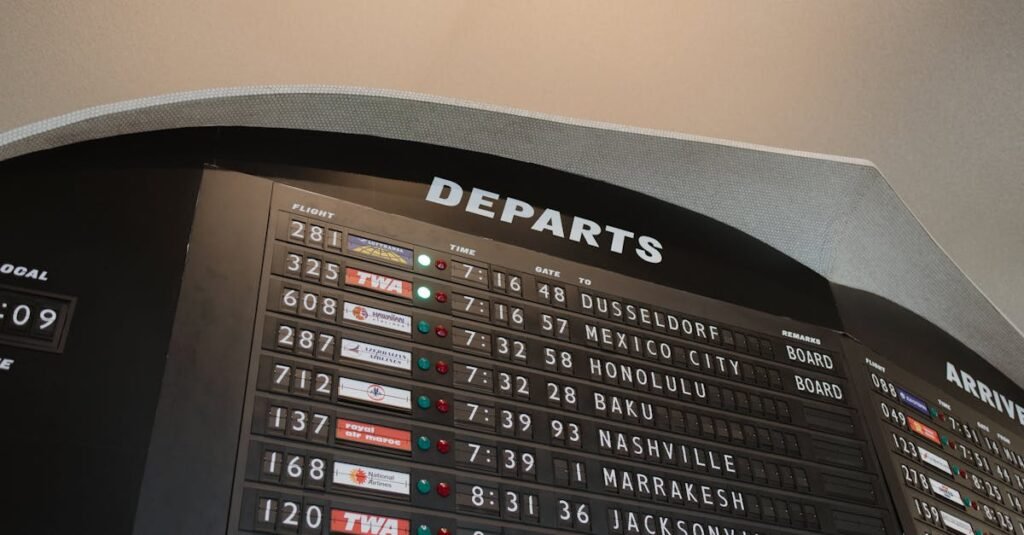
    Close-up of airport departure board displaying flight details at JFK Airport, New York.

    United Airlines’ investment in biometrics has reached a tipping point in 2026. If you are flying out of a major hub like Chicago O’Hare (ORD), Newark (EWR), or Houston (IAH), your face is now your boarding pass.

    • TSA PreCheck® Touchless ID: Passengers who opt-in can drop their bags and clear security using facial recognition, often without ever pulling out a physical ID.
    • Bag Drop Shortcut: By checking your bags in the United app before arriving, you can use dedicated kiosks that scan your face and print your tag in under 15 seconds.
    • The United App: It remains the gold standard in the industry. In 2026, it provides “Connection Saver” notifications that give you turn-by-turn directions to your next gate and let you know if the airline is holding a plane for you.

    5. New Routes: Where United Airlines is Flying in 2026

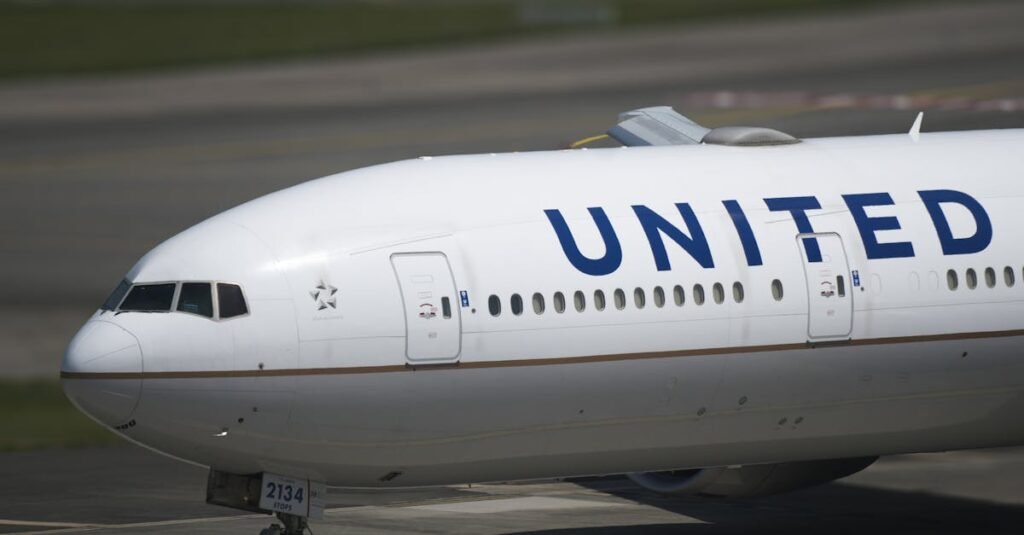
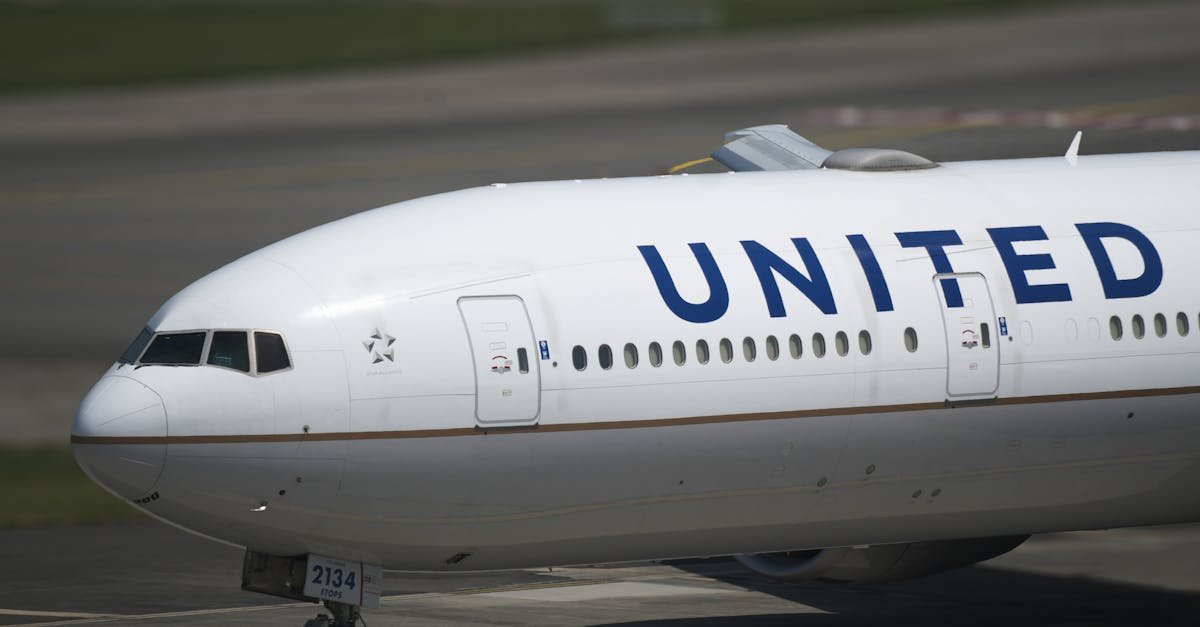
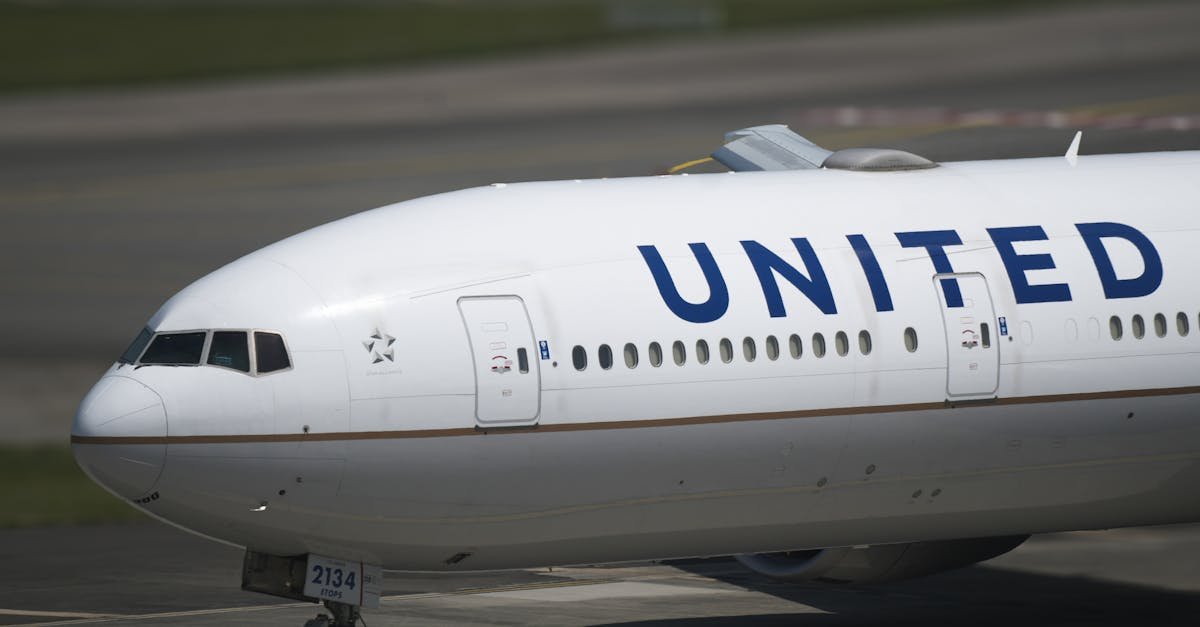
    Close-up of a United Airlines airplane on taxiway, emphasizing the aircraft's details.

    United Airlines continues to be the largest U.S. carrier across the Atlantic and Pacific. For the 2026 season, the airline has launched several “off-the-beaten-path” destinations that were previously hard to reach from the States.+1

    • Europe: New nonstops from Newark to Split, CroatiaBari, Italy; and Santiago de Compostela, Spain.
    • Asia: Increased frequency to Seoul, South Korea, and new seasonal service to Ulaanbaatar, Mongolia.
    • North America: In preparation for the 2026 World Cup, United has added significant capacity to all 16 host cities, including expanded service to Guadalajara and Monterrey.

    6. Understanding the Fare Classes: Basic Economy vs. The Rest

    While United Airlines has improved the “soft product” (food and service), the “hard rules” of fare classes remain strict. Before you click “Book,” make sure you understand what you are buying.

    Basic Economy (The “No-Frills” Choice)

    • Carry-on: No overhead bin space allowed (except for trans-Atlantic or trans-Pacific flights). You are limited to one personal item that fits under the seat.
    • Seating: Assigned at check-in. If you want to sit with family, you must pay for seat assignments.
    • Changes: Non-changeable, though they may be eligible for a partial travel credit if canceled.

    United Airlines Economy & Premium Plus

    • United Economy: Includes a carry-on and the ability to change your flight with no change fees.
    • United Premium Plus: This is a separate cabin (not just extra legroom). Think of it as “Domestic First Class” on an international route, featuring purple leather seats, footrests, and upgraded meal service.

    7. Sustainability: The Move to SAF

    United Airlines is vocal about its goal to be 100% green by 2050 without relying on traditional carbon offsets. In 2026, you will notice “Green Shading” in your flight search results. This indicates flights powered by a higher percentage of Sustainable Aviation Fuel (SAF). While SAF only accounts for a small portion of total fuel usage, United is currently the world leader in its procurement, with SAF now flowing regularly into hubs like Los Angeles, San Francisco, and London Heathrow.


    Summary Checklist for Your 2026 Booking

    1. Check the Aircraft: Look for the “United Elevated” tag or a Boeing 787-9 to experience the newest cabins.
    2. Join MileagePlus: Even if you don’t fly often, you need a membership to access the free Starlink Wi-Fi.
    3. Download the App: It is essential for the “Touchless” airport experience.
    4. Watch the Bag Rules: If you book Basic Economy, remember that a standard rolling suitcase will result in a gate fee (approx. $65).

    United in 2026 is defined by a “premium-first” mindset. While they still offer budget-friendly options, the airline is clearly pivoting toward the high-value traveler who prizes connectivity, privacy, and a seamless digital experience

  • $30.2 Million United Airlines Move: Spirit’s Final O’Hare Gates Up for Sale

    $30.2 Million United Airlines Move: Spirit’s Final O’Hare Gates Up for Sale

    United Airlines has made its next move in Chicago and it’s a costly one. Court filings tied to Spirit Airlines’ Chapter 11 bankruptcy case reveal that United is seeking to purchase Spirit’s final two preferential-use gates at Chicago O’Hare International Airport, gates G12 and G14, for $30.2 million. A bankruptcy court hearing scheduled for February 24, 2026, will determine whether the deal goes forward.

    While the transaction involves just two gates on paper, the implications stretch far beyond Concourse G. This is about leverage at one of the most congested airports in the world, the steady retreat of ultra-low-cost carriers from fortress hubs, and the growing reality that airport access and not aircraft is the most valuable currency in modern aviation.

    O’Hare: A Hub Where Gates Equal Power

    O’Hare is not short on runways, but it is chronically short on gates. Demand for access has long outpaced supply, especially during peak hours when weather delays, banked schedules, and international departures collide.

    In this environment, preferential-use gates are gold. Unlike common-use gates, which rotate between airlines, preferential gates give one carrier priority control. That means predictable scheduling, fewer ground delays, and the flexibility to recover faster when disruptions hit.

    For United Airlines, which operates one of its largest global hubs at O’Hare, adding even two more gates strengthens operational resilience. For competitors, it raises the barrier to entry even higher.

    Spirit Airlines’ Long Descent to Asset Sales

    For Spirit Airlines, this proposed sale is not a strategic expansion but it’s a financial necessity.

    Spirit spent the better part of the last decade growing aggressively, targeting large hubs traditionally dominated by legacy carriers. O’Hare was a key battleground. The airline believed that ultra-low fares paired with high passenger volumes could carve out a durable niche even in hostile territory.

    That strategy unraveled under mounting pressures:

    • Rising operating and fuel costs
    • Aircraft delivery delays that disrupted growth plans
    • Heavy debt loads
    • And the collapse of its proposed JetBlue merger after regulatory opposition

    By the time Spirit entered Chapter 11, it was forced to re-evaluate every asset it owned. Gates at O’Hare that were scarce, valuable, and immediately monetizable stood out as one of the clearest paths to raising cash for creditors.

    The G12 and G14 Deal Explained

    Under the proposed agreement, Spirit would sell its last remaining preferential-use gates at O’Hare, G12 and G14, to United for $30.2 million. The price reflects more than physical infrastructure. It captures the strategic advantage of guaranteed access at a crowded hub where expansion is slow and political.

    On a per-gate basis, the valuation is striking but not surprising. At airports like O’Hare, LaGuardia, or Reagan National, airlines have historically paid premiums for access because gates directly determine how much an airline can grow.

    For Spirit, the deal represents a clean exit from preferential control at O’Hare. For United, it is a surgical addition to an already dominant footprint.

    United Airlines’ Broader Chicago Strategy

    For United Airlines, Chicago is more than a hub but it’s a statement. United has poured billions into O’Hare over the years, from terminal redevelopment to premium lounges and international connectivity. The airline’s strategy centers on frequency, global reach, and reliability. All three depend on having enough gates in the right places at the right times.

    Adding G12 and G14 gives United Airlines:

    • More breathing room during peak departure banks
    • Greater flexibility to upgauge aircraft
    • Improved recovery options during weather disruptions
    • And tighter control over gate assignments

    Just as importantly, it limits opportunities for competitors especially low-cost carriers to re-enter the market with scale.

    The Quiet Gate War Passengers Rarely See

    To most travelers, gates are an afterthought. To airlines, they are the battlefield.

    Gate access determines whether a route can exist, whether an airline can compete on schedule frequency, and whether delays spiral into network-wide disruptions. At O’Hare, where weather regularly snarls operations, gate availability can make or break daily performance metrics.

    For years, low-cost carriers have argued that limited gate access at major hubs entrenches legacy airlines and weakens competition. Legacy carriers counter that they have invested heavily in airport infrastructure and deserve the operational stability that comes with preferential access.

    Spirit’s exit from its last O’Hare gates shifts that balance decisively toward United.

    What This Means for Competition and Airfares

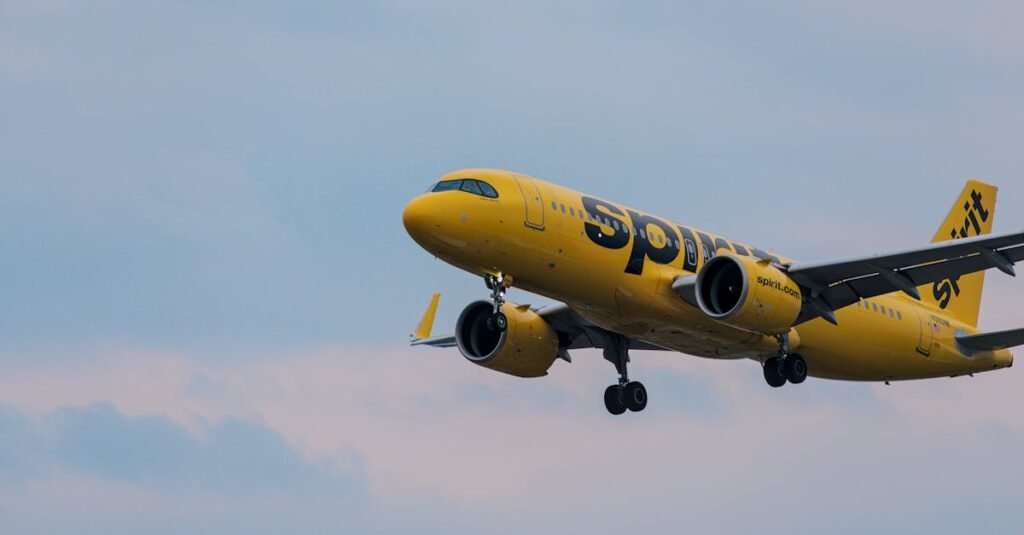
    A Spirit Airlines yellow jet in flight over Atlanta, showcasing aviation and travel.

    The proposed sale raises a critical question: what happens to competition when ultra-low-cost carriers lose access to major hubs?

    Historically, Spirit’s presence, however limited helped pressure fares downward. Even when passengers didn’t fly Spirit, competing airlines often adjusted pricing to remain competitive.

    With Spirit effectively surrendering preferential control at O’Hare:

    • Fare pressure may ease on certain routes
    • Route experimentation could decline
    • Legacy carriers may gain more pricing flexibility

    While the deal is unfolding in bankruptcy court, not before antitrust regulators directly, its competitive implications are difficult to ignore.

    The February 24, 2026 Bankruptcy Hearing

    All eyes now turn to the bankruptcy court.

    At the February 24, 2026 hearing, the judge will assess whether the sale:

    • Maximizes value for Spirit’s creditors
    • Was conducted fairly and transparently
    • Raises any legal or competitive concerns significant enough to block or delay approval

    Given Spirit’s financial condition, approval is widely expected. Still, objections from creditors or interested parties could influence timelines or terms.

    A Snapshot of a Changing Airline Industry

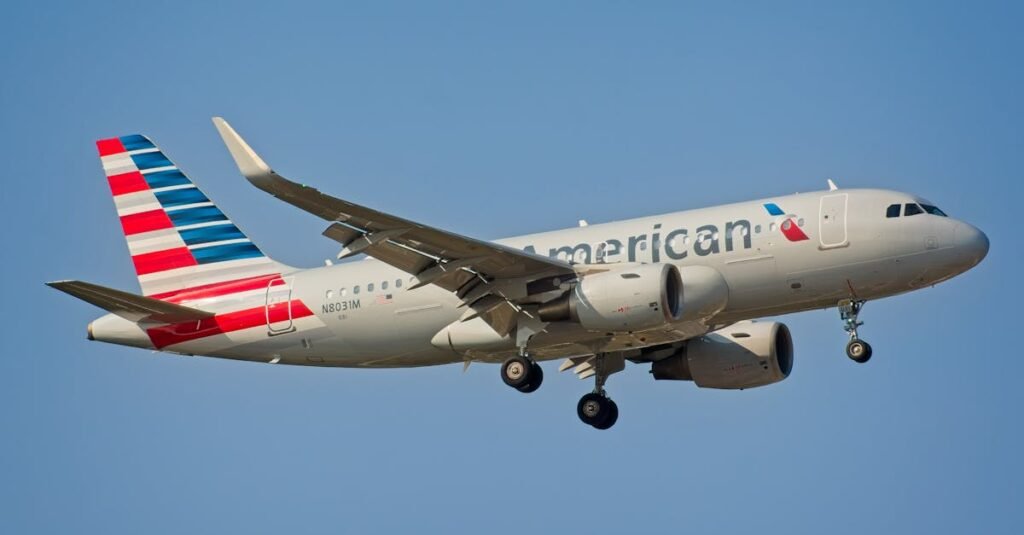
    American Airlines Airbus A319 airplane landing under clear sky in New York City.

    This deal is not an anomaly but a signal.

    Across the U.S. airline industry, power is consolidating around infrastructure. Aircraft can be leased. Routes can be shifted. But gates at constrained airports are finite, and once absorbed by dominant carriers, they rarely return to the open market.

    For Spirit, selling G12 and G14 marks another retreat from its once-ambitious hub strategy. For United, it reinforces Chicago as a fortress hub built not just on flights, but on access.

    Conclusion: Two Gates, Outsized Consequences

    United Airlines’ $30.2 million bid for Spirit’s final O’Hare gates may look like a routine bankruptcy transaction. In reality, it’s a microcosm of the modern airline industry where survival, dominance, and competition hinge on control of the ground as much as the sky.

    If approved, the sale will quietly but decisively reshape the competitive dynamics at Chicago O’Hare. And once again, it will prove that in aviation’s most crowded hubs, the real battle isn’t for passengers, it’s for gates.

  • United Airlines Faces Scrutiny as FAA Inspector Alleges Lifetime Travel Ban Following Safety Report

    United Airlines Faces Scrutiny as FAA Inspector Alleges Lifetime Travel Ban Following Safety Report

    United Airlines is facing renewed attention after an off-duty Federal Aviation Administration (FAA) inspector claimed he was permanently banned from flying with the airline after raising safety concerns. The allegation has sparked discussion across the aviation industry, touching on sensitive issues such as airline accountability, passenger safety, and how safety concerns are handled when raised outside official channels.

    While United Airlines has disputed key elements of the claim, the situation has raised broader questions about how airlines respond when safety concerns are brought forward especially when the individual involved is a trained aviation safety professional.

    Who Is Involved in the Dispute?

    The case centers on an off-duty inspector employed by the Federal Aviation Administration, the U.S. agency responsible for overseeing aviation safety. According to public court filings, the inspector was traveling as a passenger on a United Airlines flight when he noticed what he believed were potential safety issues.

    The airline at the center of the dispute is United Airlines, one of the largest carriers in the United States, operating thousands of flights daily across domestic and international routes.

    The inspector later reported the concerns, stating that he did so in the interest of aviation safety. He claims that instead of being acknowledged, he ultimately received notice that he had been banned for life from flying with United.

    What Safety Concerns Were Raised?

    United Airlines aircraft taxiing on runway at an overcast airport.

    According to the inspector’s account, the concerns were observed while he was off duty and traveling as a regular passenger. The issues reportedly related to flight operations and cockpit procedures, though specific technical details have not been publicly confirmed in full.

    Importantly, the inspector has stated that he did not present himself as an FAA official during the flight and did not interfere with crew duties. He later submitted his observations through appropriate channels, believing the matter would be reviewed as part of standard safety oversight.

    Aviation experts note that professionals with safety training often remain alert even when off duty. However, airlines typically rely on internal reporting systems and formal regulatory processes to assess any safety-related claims.

    The Alleged Lifetime Ban

    The most serious claim in the dispute is the alleged lifetime travel ban. The inspector says he was informed that he would no longer be allowed to fly with United Airlines under any circumstances.

    From the inspector’s perspective, the ban was retaliatory and directly connected to his decision to raise safety concerns. He has since filed a lawsuit seeking damages and alleging harm to his reputation and career.

    United Airlines, for its part, has denied that the ban was related to whistleblowing. The airline has stated that its actions were taken for other reasons and that safety remains its top priority.

    United Airlines Responds

    United Airlines has publicly emphasized its commitment to safety and compliance with federal regulations. The airline has also stated that it cooperates closely with the FAA and follows established procedures when safety issues are reported.

    In similar cases, airlines often argue that bans are issued due to passenger conduct, communication issues, or perceived disruptions rather than the content of safety reports themselves. United has not admitted wrongdoing and is expected to defend its position in court.

    As the case proceeds, more details may emerge through legal filings and testimony.

    Why This Case Matters to Aviation Safety

    Green emergency exit sign with directional arrow in a hallway.

    This situation has resonated across the aviation community because it sits at the intersection of safety reporting and corporate authority. Aviation safety relies heavily on people speaking up when they see something concerning—whether they are pilots, inspectors, cabin crew, or even passengers.

    If professionals fear negative consequences for raising concerns, critics argue it could discourage reporting. On the other hand, airlines stress the importance of clear communication channels and maintaining order during flight operations.

    The case highlights the delicate balance between encouraging safety awareness and managing passenger interactions in a highly regulated environment.

    Legal and Industry Implications

    Legal experts say the outcome of the case could influence how airlines handle future safety-related complaints from off-duty professionals. While airlines retain the right to refuse service, that authority may be questioned if bans appear linked to safety reporting.

    For the aviation industry, the dispute serves as a reminder that transparency and trust are essential. Even the perception of retaliation can attract scrutiny from regulators, lawmakers, and the public.

    What Happens Next?

    The lawsuit is still in its early stages, and no final judgment has been made. Courts will need to determine whether the ban was justified and whether the inspector’s claims of retaliation hold up under legal review.

    Until then, both sides maintain their positions. United Airlines continues to operate normally, while the case unfolds in the background as another example of how complex aviation safety issues can become when they intersect with legal and corporate boundaries.

    A Broader Conversation About Speaking Up

    At its core, this story is not just about one airline or one inspector. It reflects a broader conversation in aviation: how to ensure that safety concerns are raised, heard, and addressed without fear.

    As the industry continues to prioritize safety above all else, cases like this remind everyone involved—airlines, regulators, and travelers alike—that how concerns are handled can be just as important as the concerns themselves.